

Getting a residency interview is a big deal—programs don’t invite just anyone. They can see potential in you, and now it’s your chance to show them who you are, what you care about, and why you’d be an amazing fit for their program.
The Three Stages of the Residency Interview Process
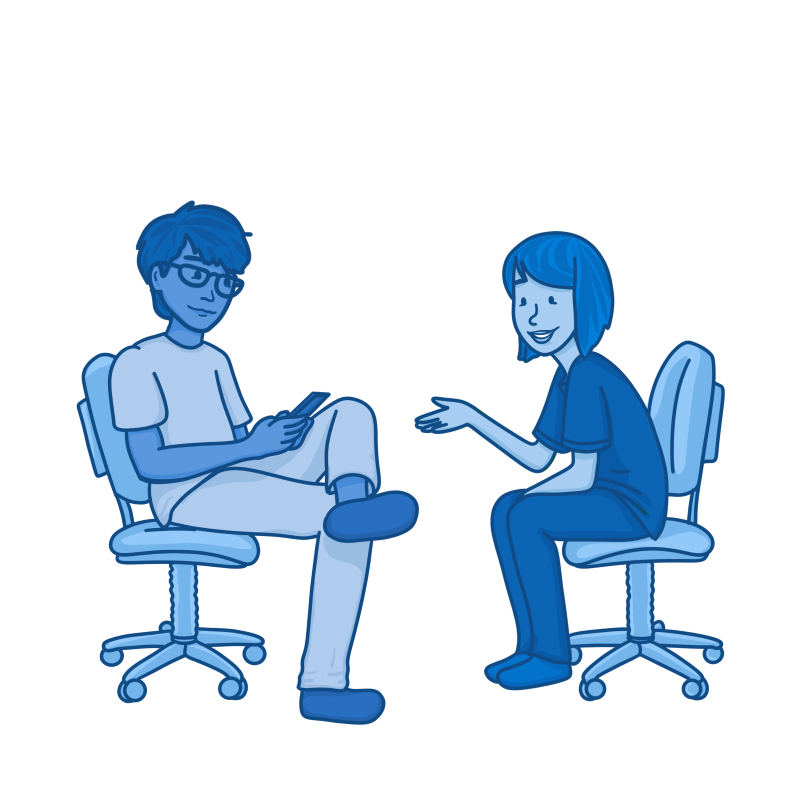
Stage 1: Preparation Before the Interview
Be ready to walk confidently through every part of your application: your CV, personal statement, research, and key clinical experiences. If your journey includes challenges or “red flags” like exam failures or gaps, think ahead about how to share what you learned and how those moments helped you grow.
Practice, Practice, Practice!
Do mock interviews with a mentor, resident, or friend. Record yourself to check your tone, body language, and speaking pace. Aim for answers that feel natural—not memorized; be your true self.
If you’re doing a virtual interview, test your lighting and audio, and keep a program contact number handy just in case something technical goes wrong.
Prepare for the Questions You’ll Definitely Get
“Tell me about yourself.”
Keep it simple with a Past–Present–Future flow. Share your journey, your goals, and one small personal detail that makes you memorable.
“Why this specialty/program?”
Show you’ve done your homework. Mention specific program features and common interests with the interviewer to demonstrate genuine interest.
“What are your strengths and weaknesses?”
Use real examples to show insight and growth—not perfection. Your goal is to show how your strengths and weaknesses make you a strong candidate and how they will help you through your residency. Try to avoid cliché answers, such as “I’m a hard worker.”
For behavioral questions (teamwork, mistakes, conflict, leadership), use the STAR method: Situation – Task – Action – Result. Again, give concrete examples to show what you’ve learned and how it’s shaping the clinician you’re becoming.
Stage 2: Presentation on Interview Day
First Impressions Matter
Dress professionally, arrive or log in a little early, and treat everyone you meet with warmth and respect. Remember: people talk. Every interaction contributes to your overall impression.
Show Your Engagement
Listen closely to each question, smile, and let the conversation flow. Tailor your responses so they highlight your strengths, your values, and the unique energy you bring to a program.
Body Language
- Start things off right with a firm, friendly handshake! It’s a quick, positive way to say, “I’m ready and happy to be here.”
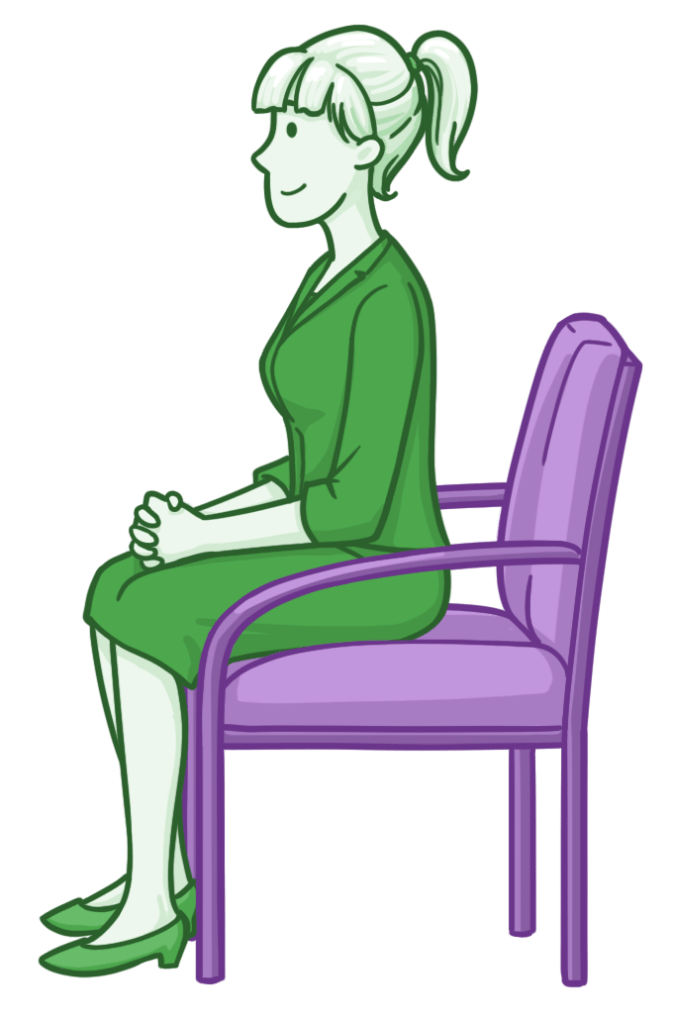
- When you sit down, adopt a confident, open posture. Sit up nice and straight—it shows you’re engaged! Try to keep your arms relaxed and uncrossed to look approachable.
- Don’t be afraid to use purposeful hand gestures when you talk. They can add energy and help illustrate your points, making your stories more interesting!
- Remember to make genuine eye contact with your interviewer. It’s the best way to build trust, show you’re really listening, and convey how confident you are in your answers.
Basically, you want your body language to say, “I’m professional, enthusiastic, and a great fit!”
Always Have Questions Ready
Interviews are conversations—not interrogations. Ask about teaching experiences, hospital culture, or your interviewer’s own path. Thoughtful questions make you stand out. Avoid asking for information already available on the website or in the program brochure, such as schedules, vacations, benefits, etc.

Stage 3: Reflection After the Interview
Take a few moments afterward to reflect while everything is still fresh. Write down what you liked, what surprised you, and anything memorable about the people you spoke with. These notes will help you when you make your Rank Order list later.
Last, but not least, sending thank-you notes is a great touch. Keep them personal and reference something specific you discussed during your interview. Just confirm that the program allows it before sending one.
Bottom Line: Preparation Builds Confidence
Preparing for residency interviews is about understanding your journey, practicing telling your story, and showing programs how you’ve grown through challenges. The more authentic and confident you are, the easier it becomes to connect.

Try Osmosis from Elsevier today! Get your free trial and discover why millions of clinicians and caregivers love learning by Osmosis.
Leave a Reply