
Category: Osteopathic Medicine (DO)
-
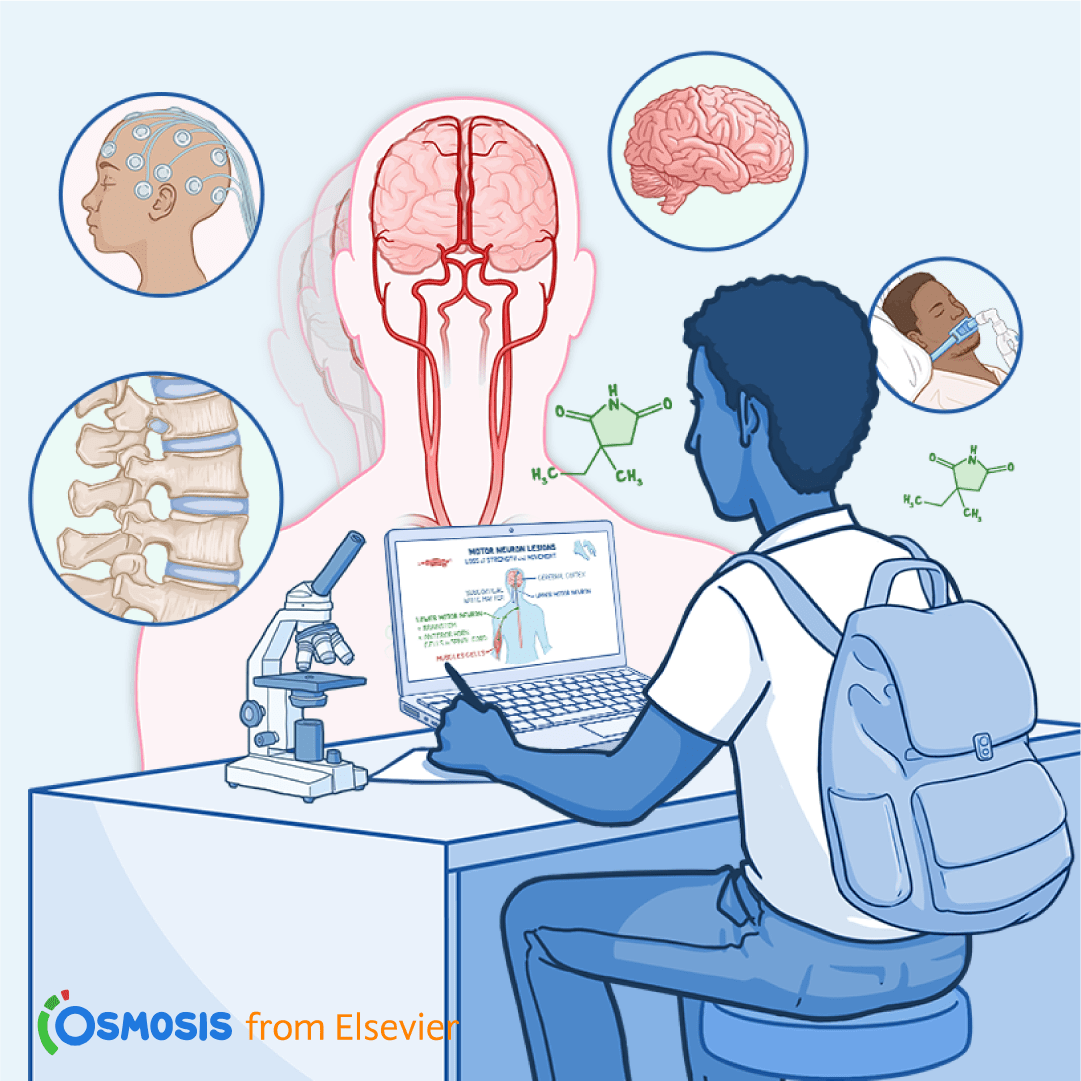
Neurology Shelf Exam: How to Study Less and Score Better
— Updated:
Neurology can feel overwhelming, but shelf preparation doesn’t require memorizing every pathway or rare disease. Learn how to prioritize lesion localization, diagnostic reasoning, high-yield conditions, and efficient practice with this handy guide.
-
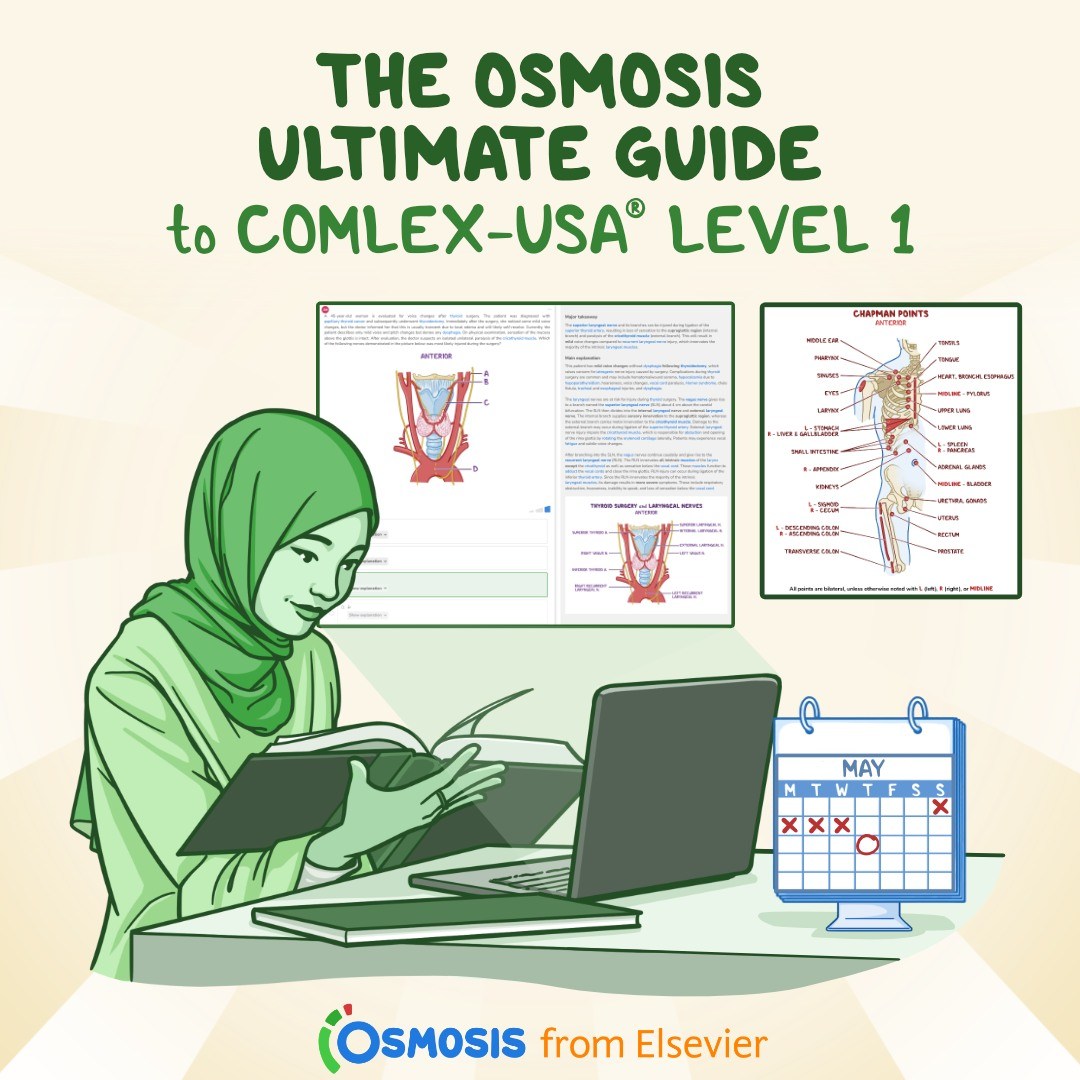
The Osmosis Ultimate Guide to COMLEX-USA® Level 1
— Updated:
Preparing for COMLEX-USA Level 1 requires more than mastering foundational sciences. This comprehensive guide covers the 2026 exam format, OMM and OPP, study strategies, practice questions, scheduling, and test-day preparation.
-
USMLE® Step 2 CK Question of the Day: Urinalysis
— Updated:
A 6-month-old presents with irritability, fever, and abnormal urinary findings. Can you determine the most appropriate initial treatment based on her age, clinical status, and test results?
-
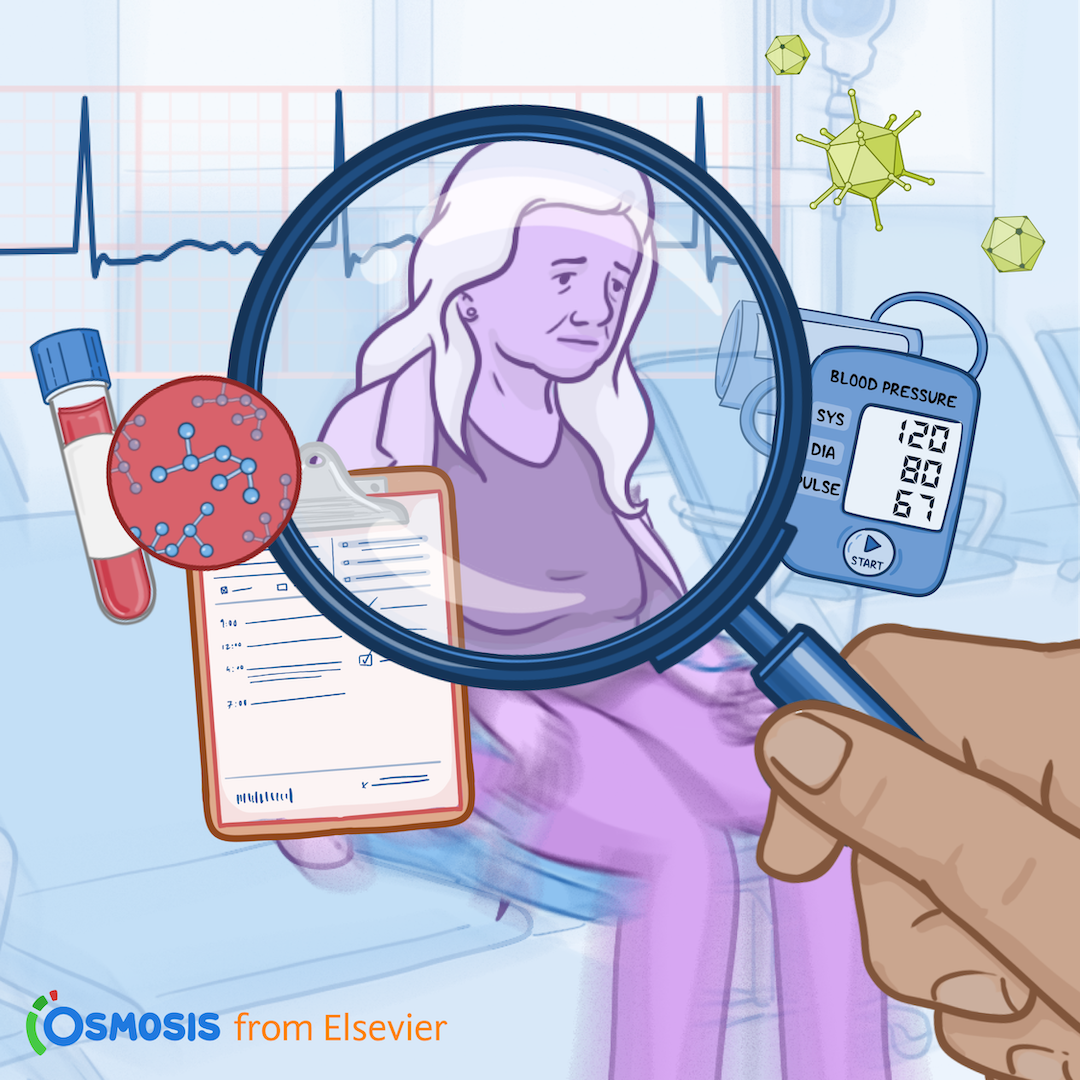
5 Powerful Ways to Reduce Implicit Bias for Better Patient Care
— Updated:
Implicit bias can shape clinical interactions and treatment decisions without conscious intent. Explore practical ways clinicians and caregivers can recognize assumptions, challenge blind spots, and support more equitable patient care.
-
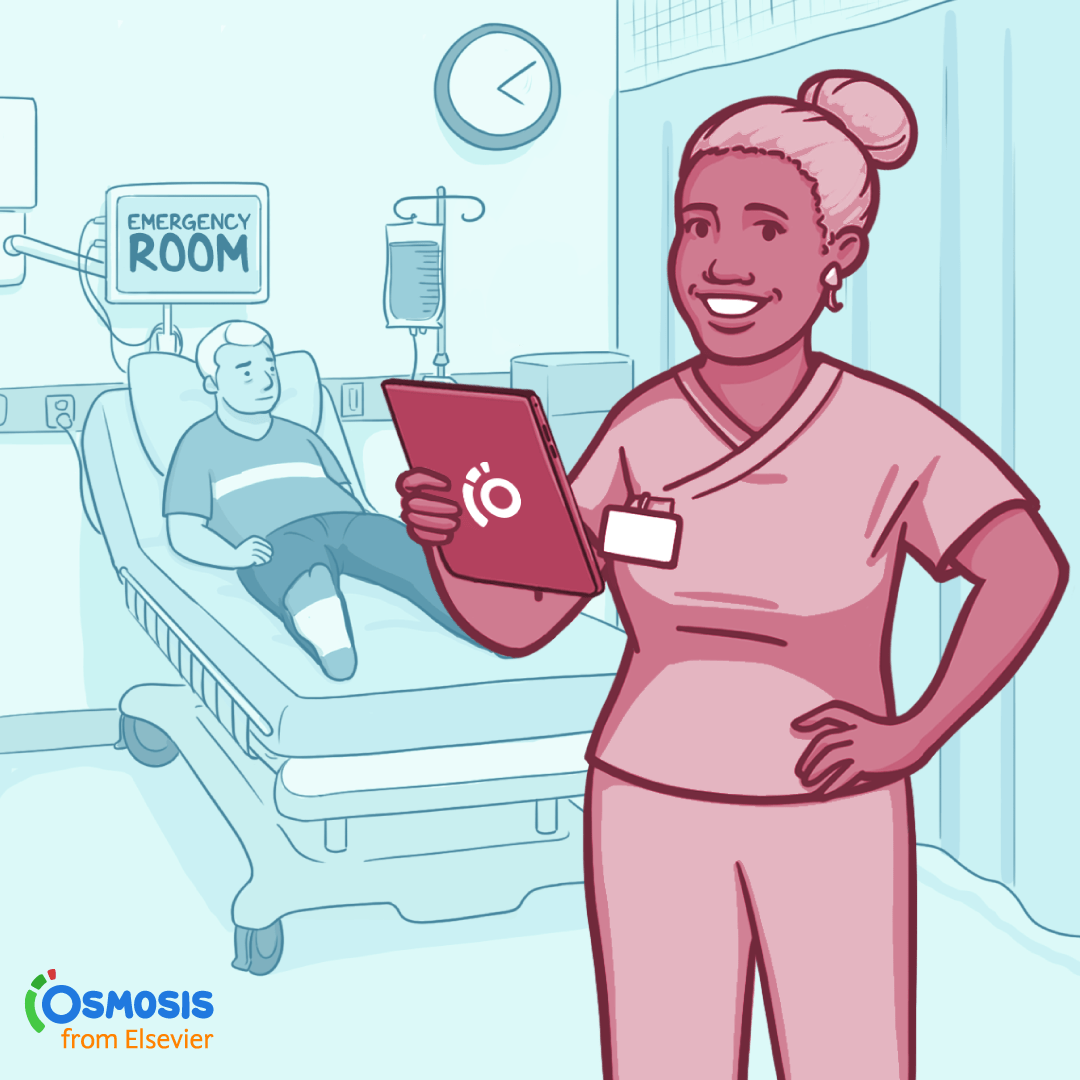
How to Smash Your Emergency Medicine Rotation (What Actually Matters)
— Updated:
Emergency medicine moves fast and demands clear thinking under pressure. Learn how to prioritize patients, build practical differentials, reassess effectively, communicate efficiently, and study smarter throughout your ER rotation.
-
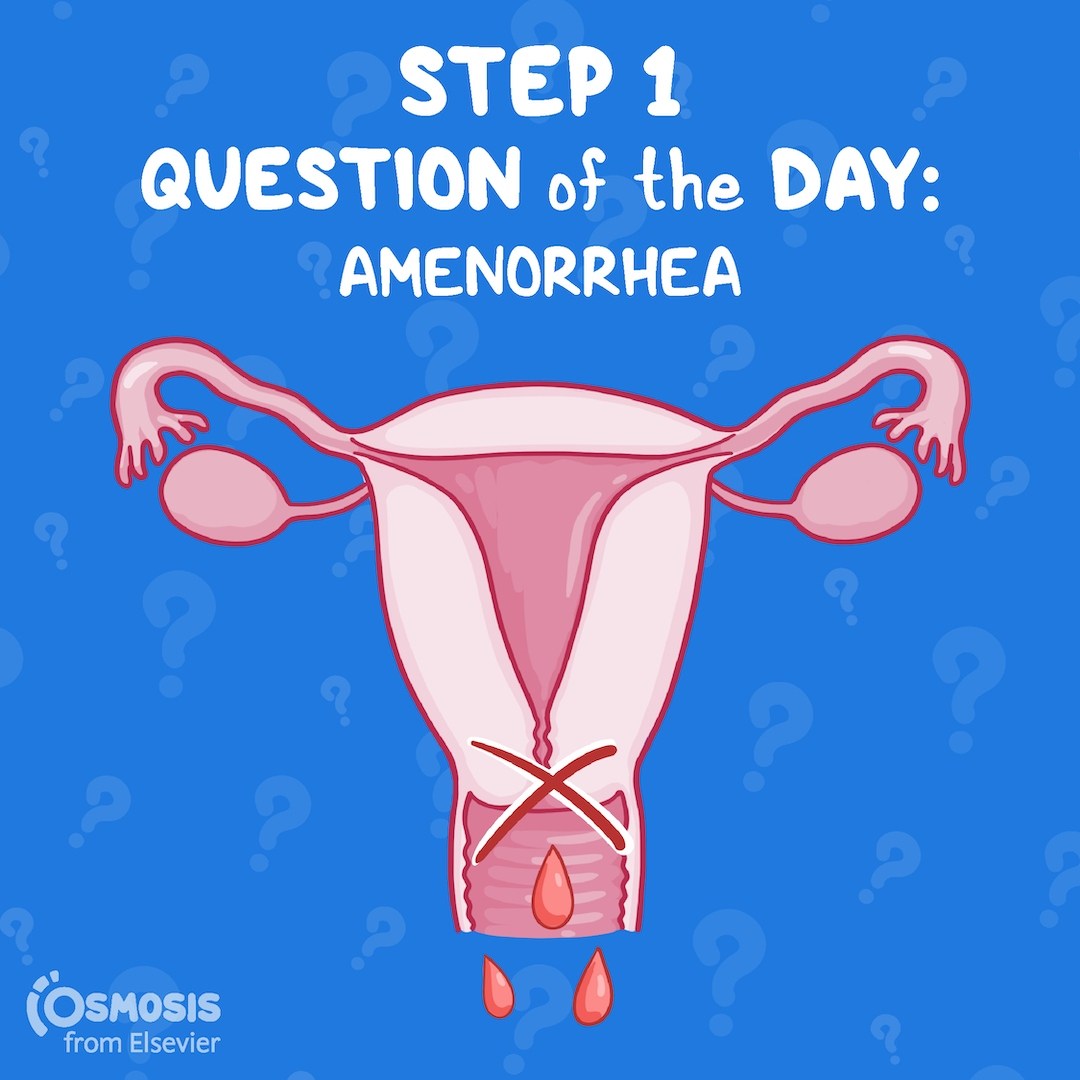
USMLE® Step 1 Question of the Day: Amenorrhea
— Updated:
A 55-year-old patient presents with 12 months of amenorrhea and other characteristic symptoms. Can you identify the laboratory finding most specific to her condition?
-
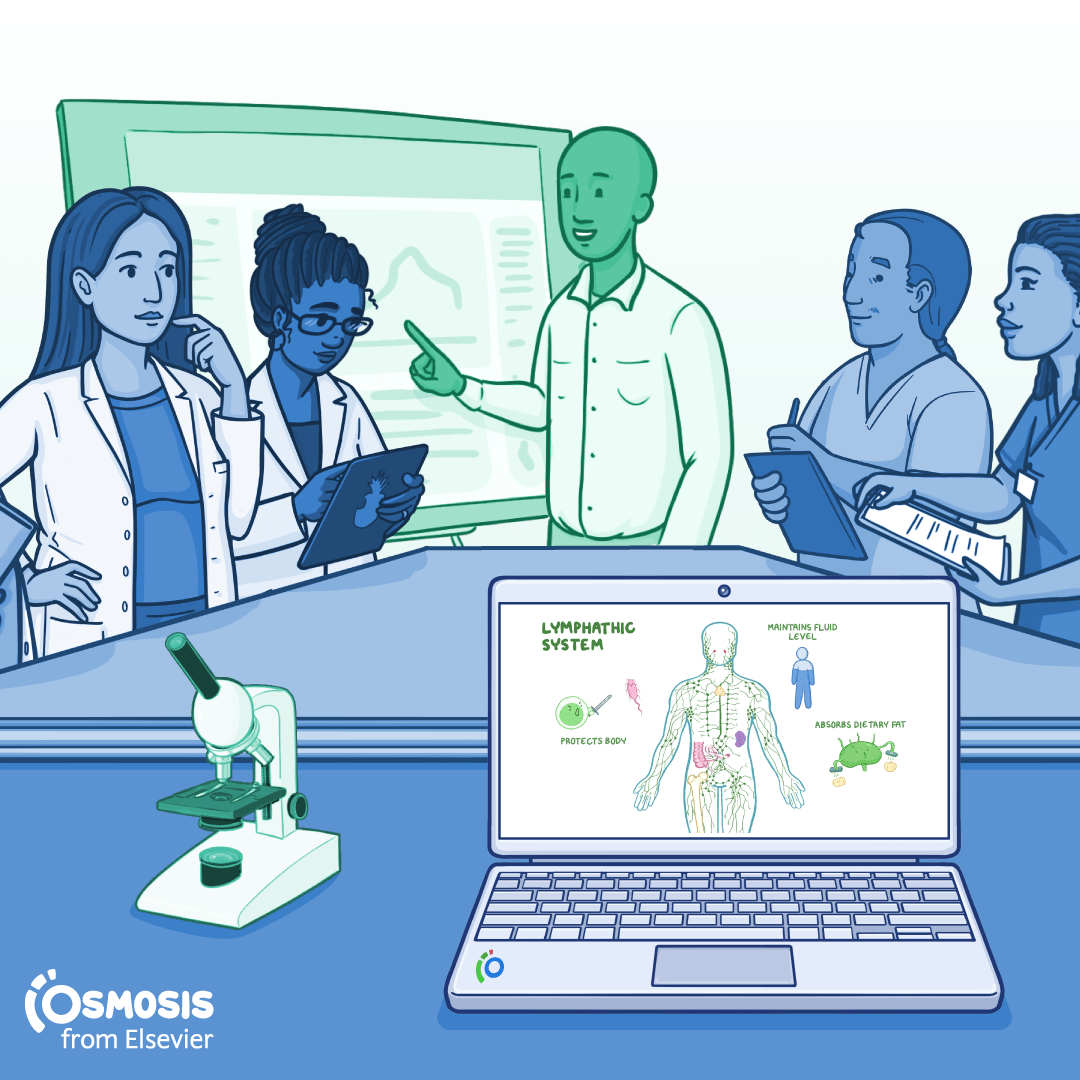
How to Succeed in Research as a Medical Student: 4 Essential Skills
— Updated:
Getting involved in research during medical school can feel difficult to navigate. Get advice from the authors of “Unlocking The Leader Within: A Medical Student’s Guide to Practical Leadership,” on applying four practical skills for finding the right research opportunities, building strong professional relationships, staying motivated, and growing with confidence.
-
USMLE® Step 2 CK Question of the Day: Elevated alkaline phosphatase
— Updated:
A patient presents with persistent abnormal liver testing and mild pruritus despite normal biliary imaging. Can you identify the additional finding most consistent with the underlying condition?
-
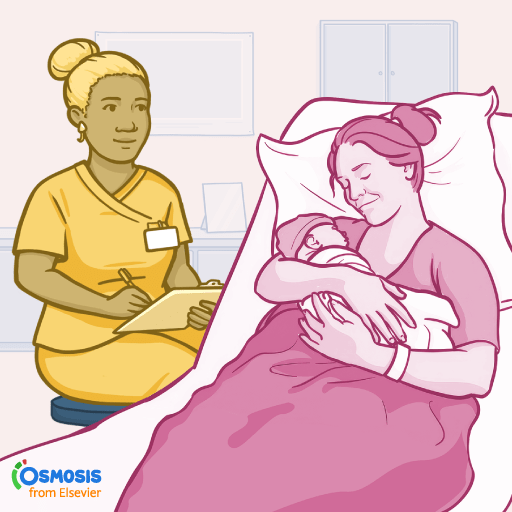
How to Smash Your Family Medicine Rotation (What Actually Matters)
— Updated:
Family medicine can feel overwhelming because nearly anything can walk through the clinic door. Learn how to prioritize common presentations, streamline patient visits, strengthen clinical reasoning, and study efficiently throughout your rotation.
-
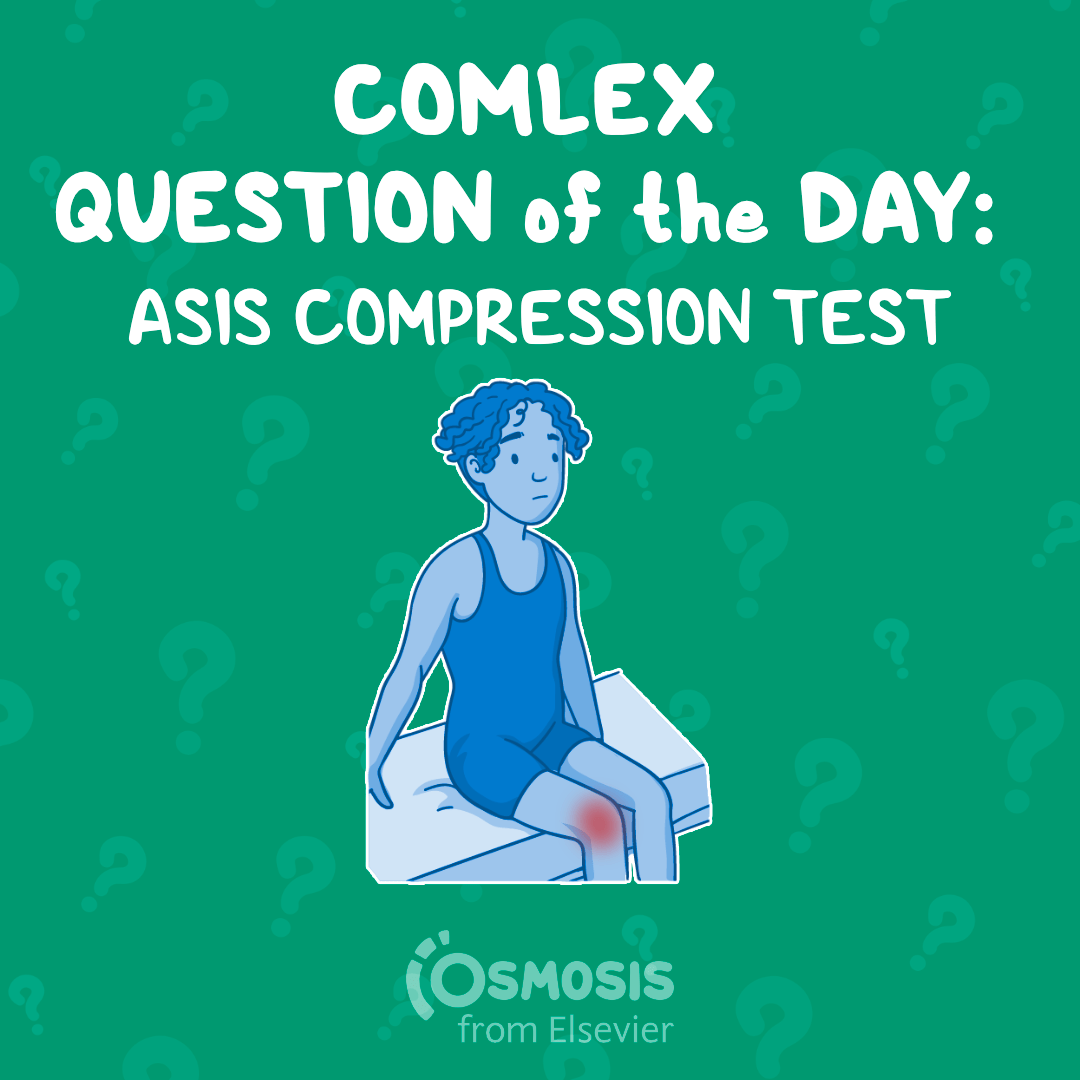
COMLEX® Question of the Day: ASIS compression test
— Updated:
A marathon runner develops low back and anterior thigh pain with abnormal pelvic findings on structural examination. Can you identify the correct osteopathic diagnosis in this high-yield OMM-style case?
-
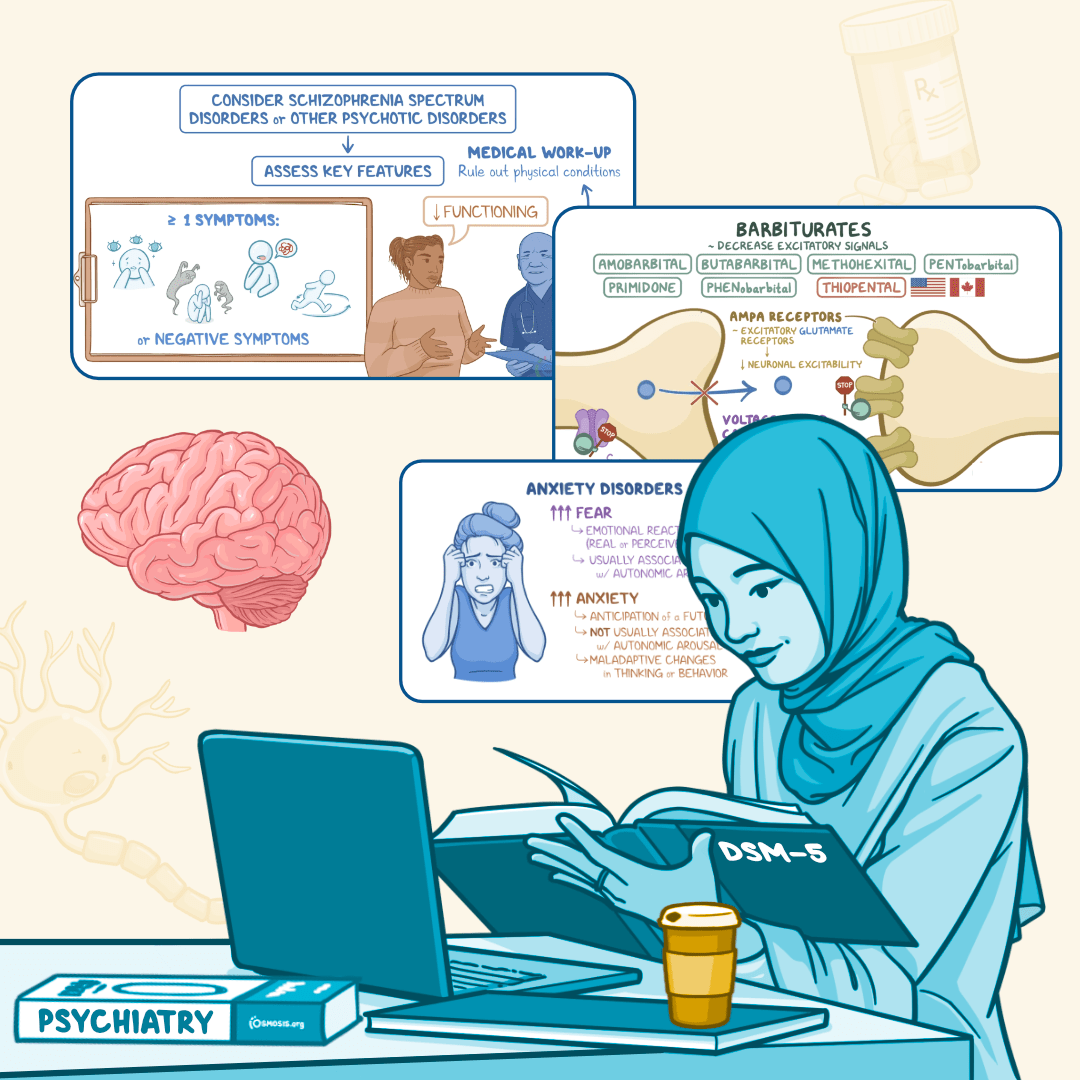
Psychiatry Shelf Exam: How to Study Less and Score Better
— Updated:
The Psychiatry shelf can be deceptively challenging. Learn how to prioritize high-yield clinical patterns, sharpen differential diagnosis, approach patient safety questions, and build an efficient study strategy without relying on endless memorization.
-
USMLE® Step 1 Question of the Day: Vitamin K
— Updated:
Why do newborns routinely receive vitamin K after birth? Challenge your understanding of neonatal physiology and coagulation with this high-yield USMLE-style clinical scenario.
-
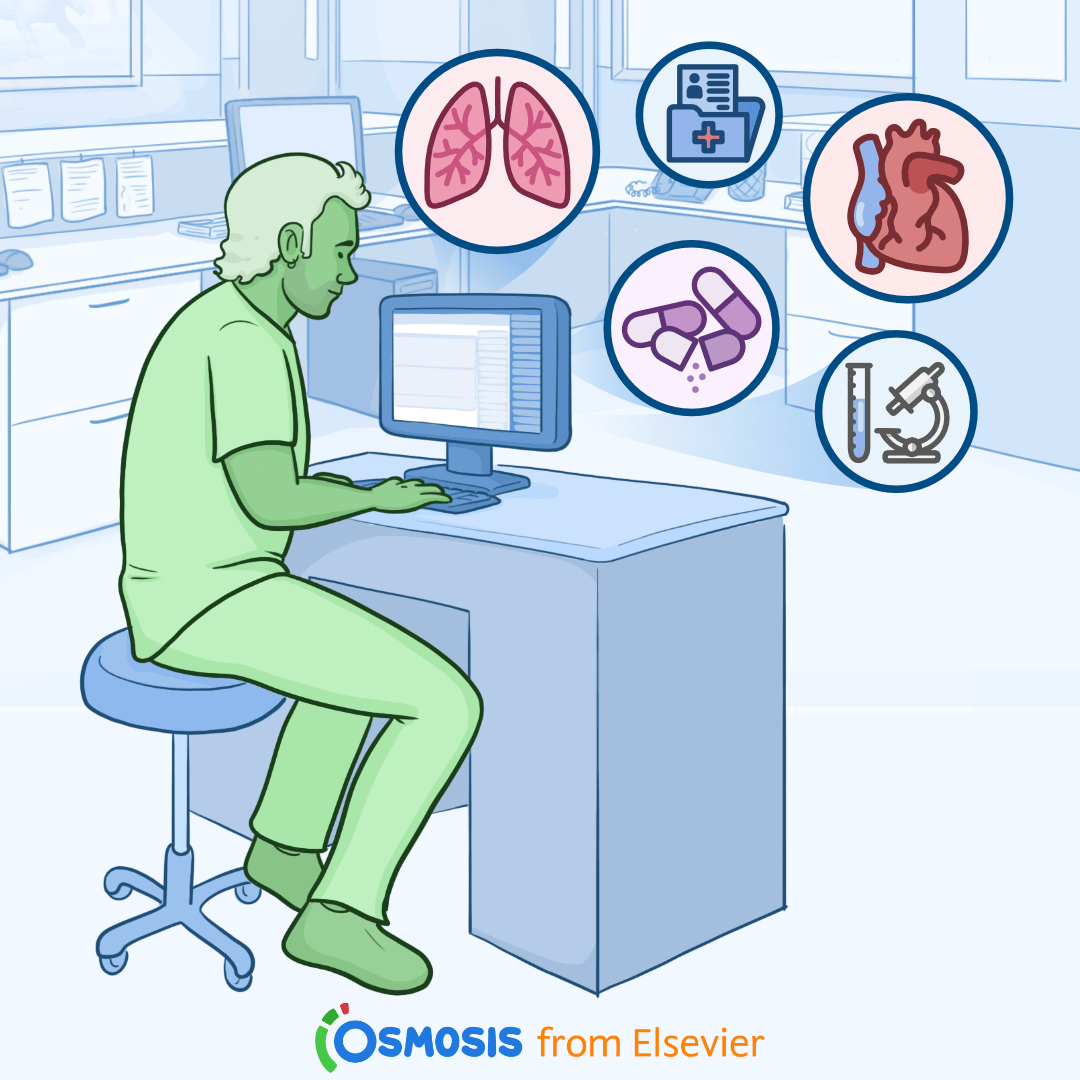
How to Use Generative AI for Clinical Documentation
— Updated:
Generative AI is reshaping clinical documentation, from drafting notes to organizing handoffs and discharge information. Explore where AI can support healthcare workflows, and the safeguards needed to use it responsibly.
-
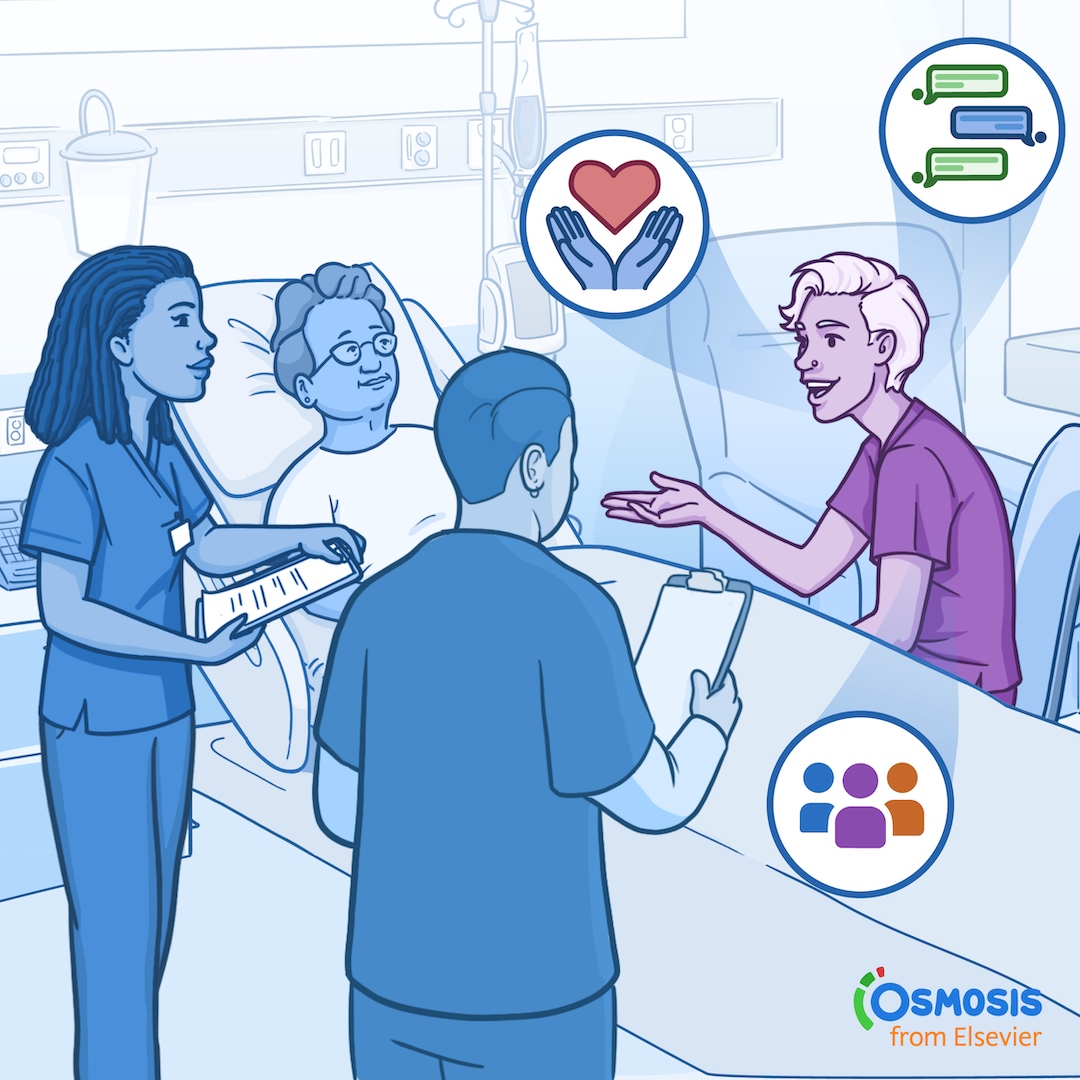
What Makes a Great Resident? The Power of Soft Skills
— Updated:
Clinical knowledge is only part of what makes a great resident. Explore five essential soft skills: communication, teamwork, adaptability, empathy, and professionalism; and practical ways to strengthen them throughout residency.
-
USMLE® Step 2 CK Question of the Day: Postoperative acute kidney injury
— Updated:
A postoperative patient develops worsening kidney function after surgery. Can you identify the most likely cause of acute kidney injury in this high-yield USMLE-style clinical scenario?
-
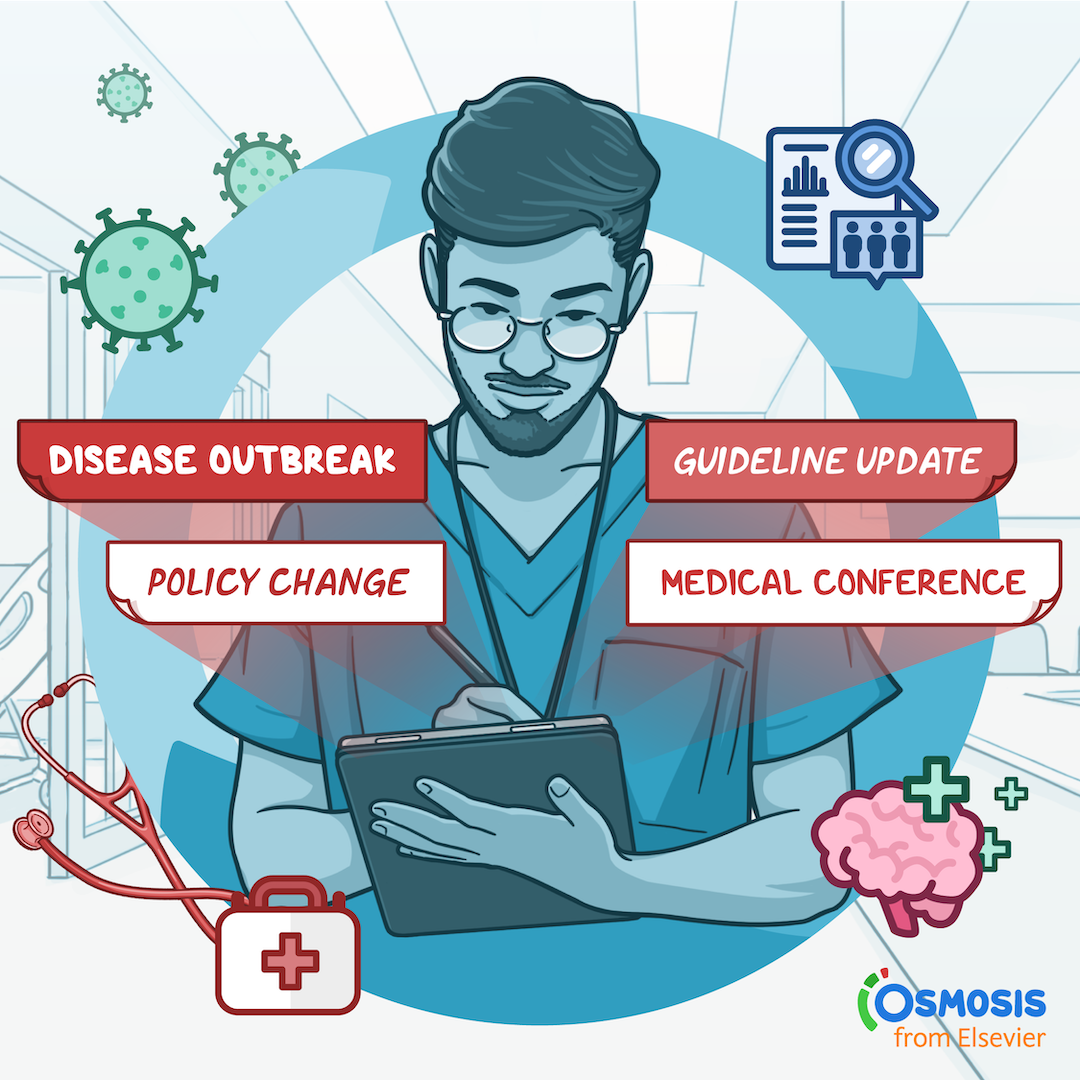
The Healthcare Learning Effect No One Talks About
— Updated:
How do healthcare events shape what clinicians and students learn? Explore how outbreaks, guideline updates, policy changes, and major medical conferences influenced learning activity on the Osmosis platform and what these patterns reveal about medical education.
-
USMLE® Step 1 Question of the Day: Low back pain
— Updated:
A young athlete develops persistent low back pain during gymnastics training. Can you identify the underlying pathology behind this common sports-related spinal condition?
-
How to Smash Your Neurology Rotation (What Really Matters)
— Updated:
Neurology rotations challenge students to connect physical exam findings with neuroanatomy and clinical reasoning. Learn the practical habits, study strategies, and localization skills that help you excel without burning out.
-
USMLE® Step 2 CK Question of the Day: Scout CT
— Updated:
A patient develops worsening abdominal pain, distension, and obstipation after recent treatment for an injury. Can you identify the most likely underlying cause in this USMLE-style clinical scenario?
-
Consejos de prácticas clínicas: cómo aplicar una Examinación de Estado Mental
— Updated:
El examen del estado mental es una herramienta esencial para evaluar el funcionamiento psicológico y cognitivo de un paciente. Descubre cómo realizarlo paso a paso, interpretar sus componentes y aplicarlo con confianza en la práctica clínica.
-

USMLE® Step 1 Question of the Day: Abdominal discomfort
— Updated:
A patient with signs of advanced liver disease develops complications related to increased portal pressure. Can you identify the consequence most closely associated with this high-yield USMLE-style case?
-
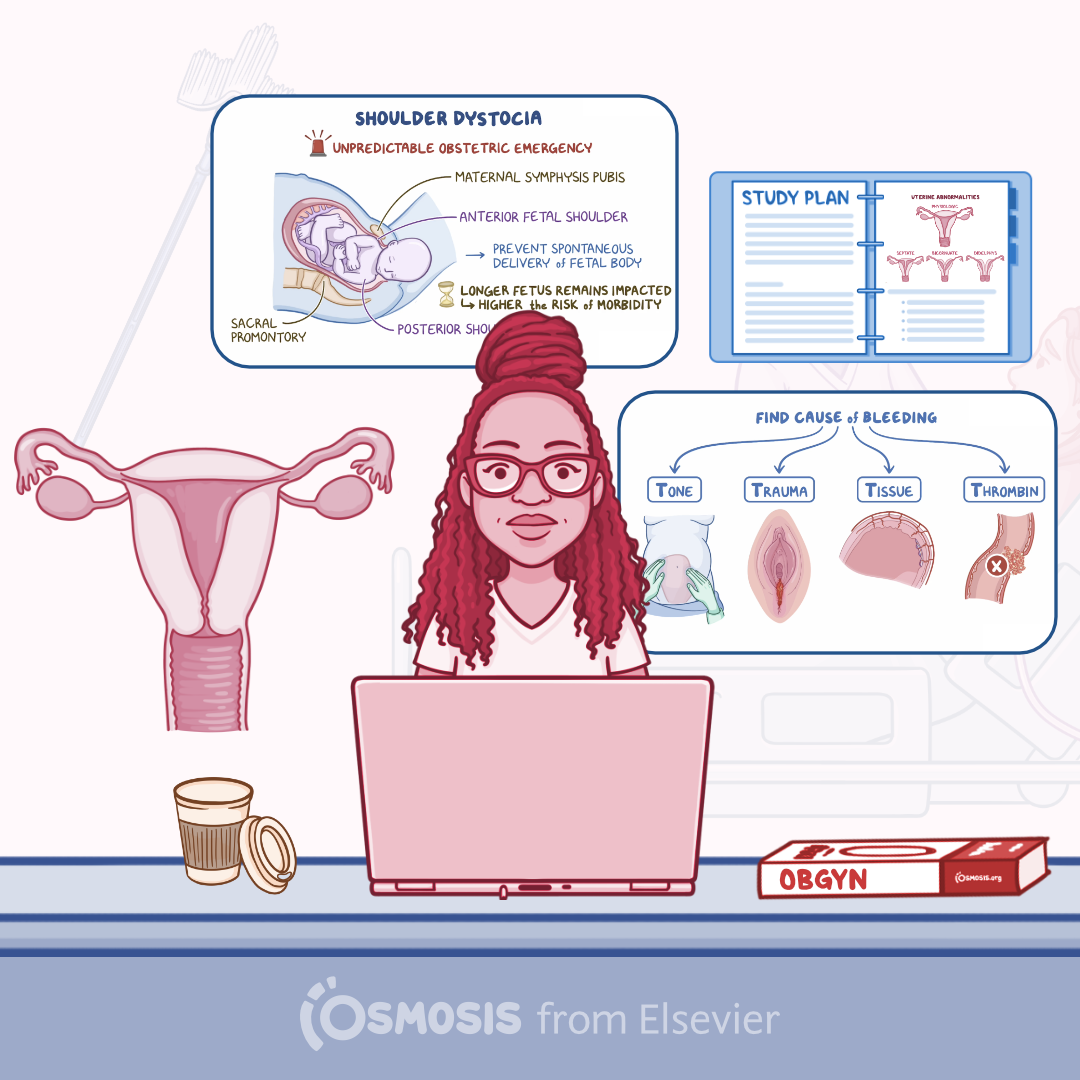
OB/GYN Shelf Exam: How to Study Less and Score Better
— Updated:
The OB/GYN shelf exam tests more than diagnoses; it challenges your ability to make safe, time-sensitive clinical decisions. Learn the high-yield topics and study strategies that help you score higher while avoiding burnout.
-
USMLE® Step 2 CK Question of the Day: Influenza medications
— Updated:
An older patient develops worsening respiratory symptoms and concerning clinical findings. Can you identify the most appropriate treatment strategy in this high-yield USMLE-style case?
-
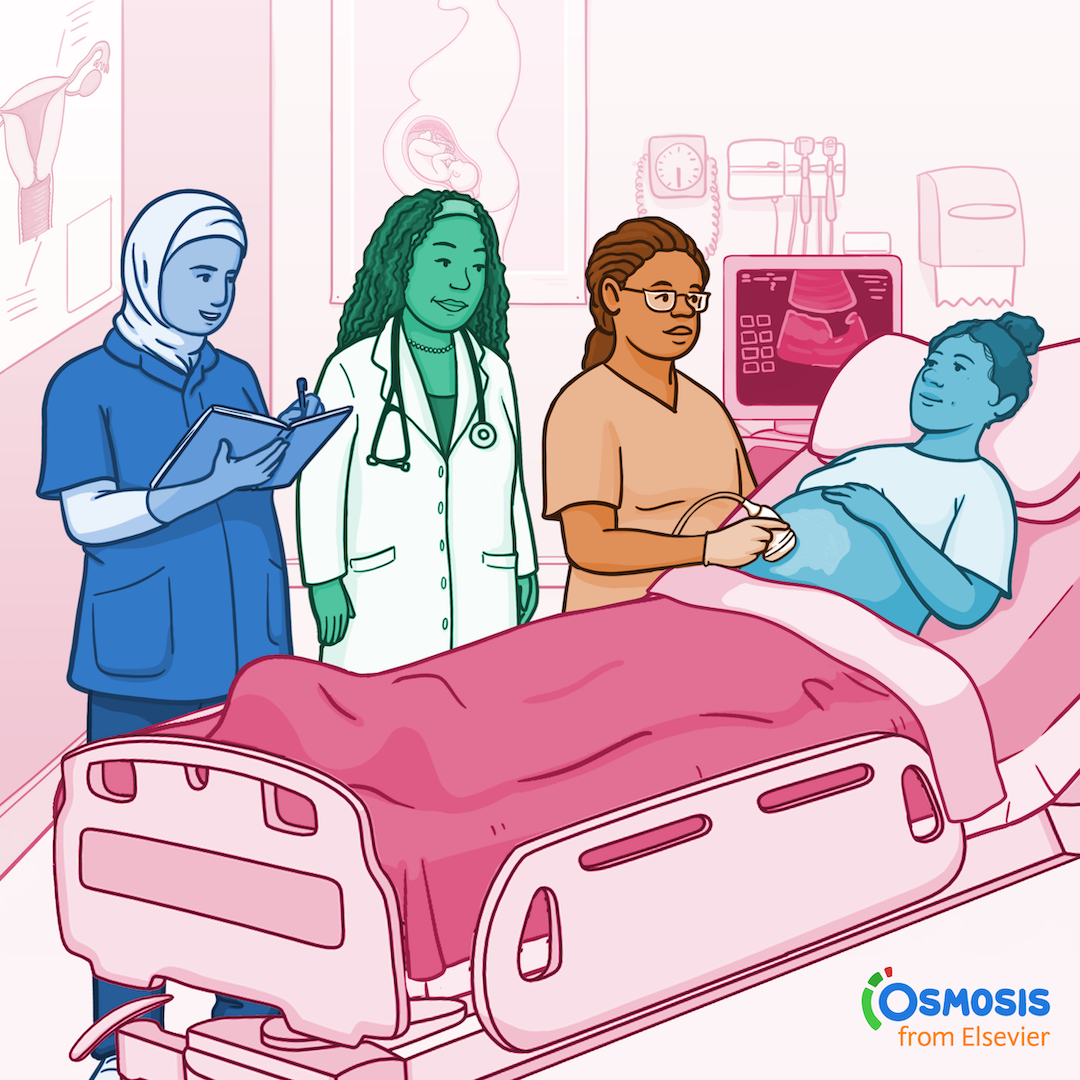
How to Combat Racial Disparities in Maternal Health: 6 Key Strategies
— Updated:
Black women in the US experience significantly higher rates of pregnancy-related complications and death than other groups. Explore the factors driving these disparities and the evidence-based strategies that can help improve maternal health equity.
-
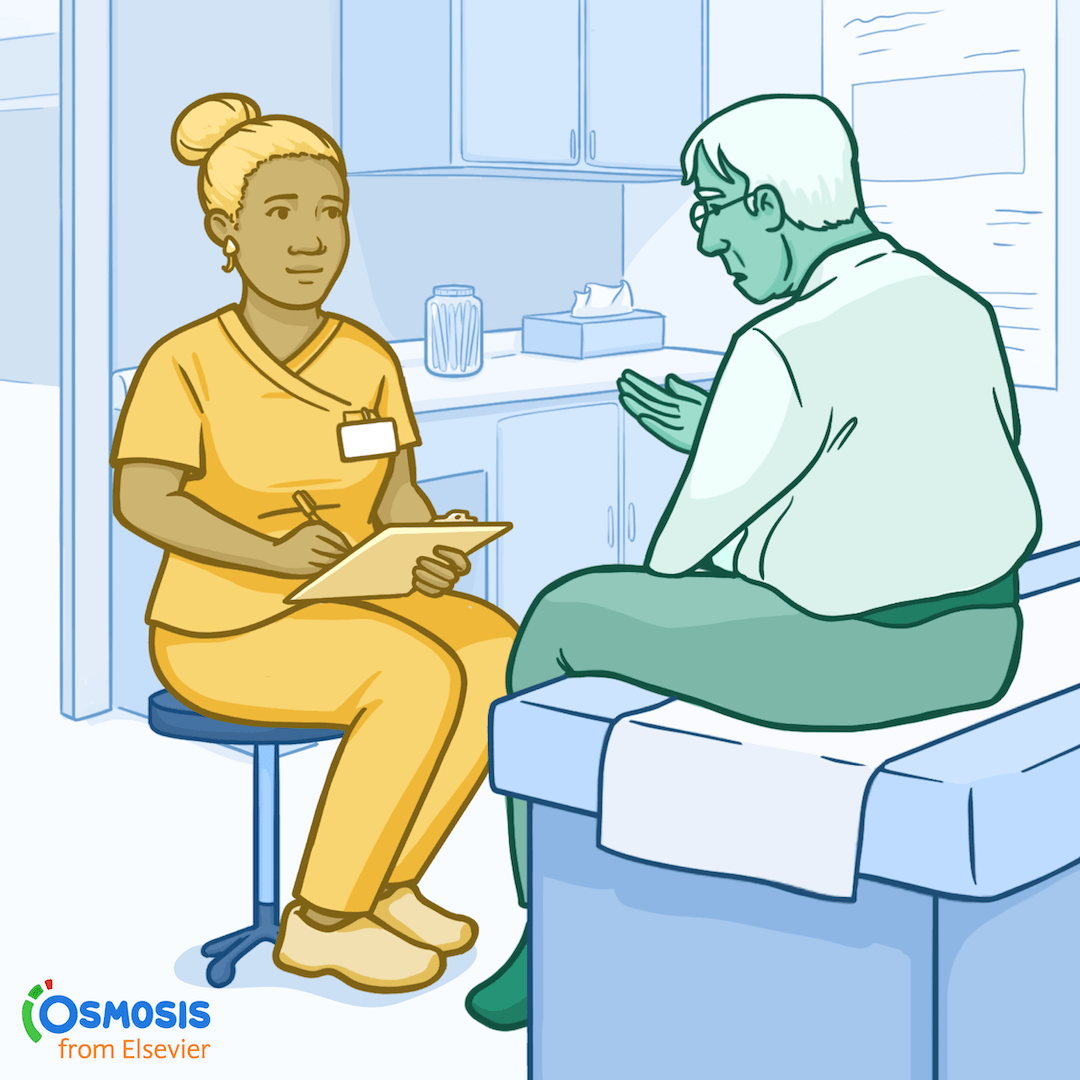
How to Smash Your Psychiatry Rotation (What Actually Matters)
— Updated:
Psychiatry rotations challenge students in ways no other clerkship does. Learn the mindset, communication skills, and clinical strategies that help you build confidence, connect with patients, and excel on the rotation.
-
USMLE® Step 1 Question of the Day: Vortioxetine interaction
— Updated:
A young patient develops rapid-onset agitation, hyperthermia, and rigidity after a medication change. Can you identify the underlying mechanism behind this high-yield clinical scenario?
-
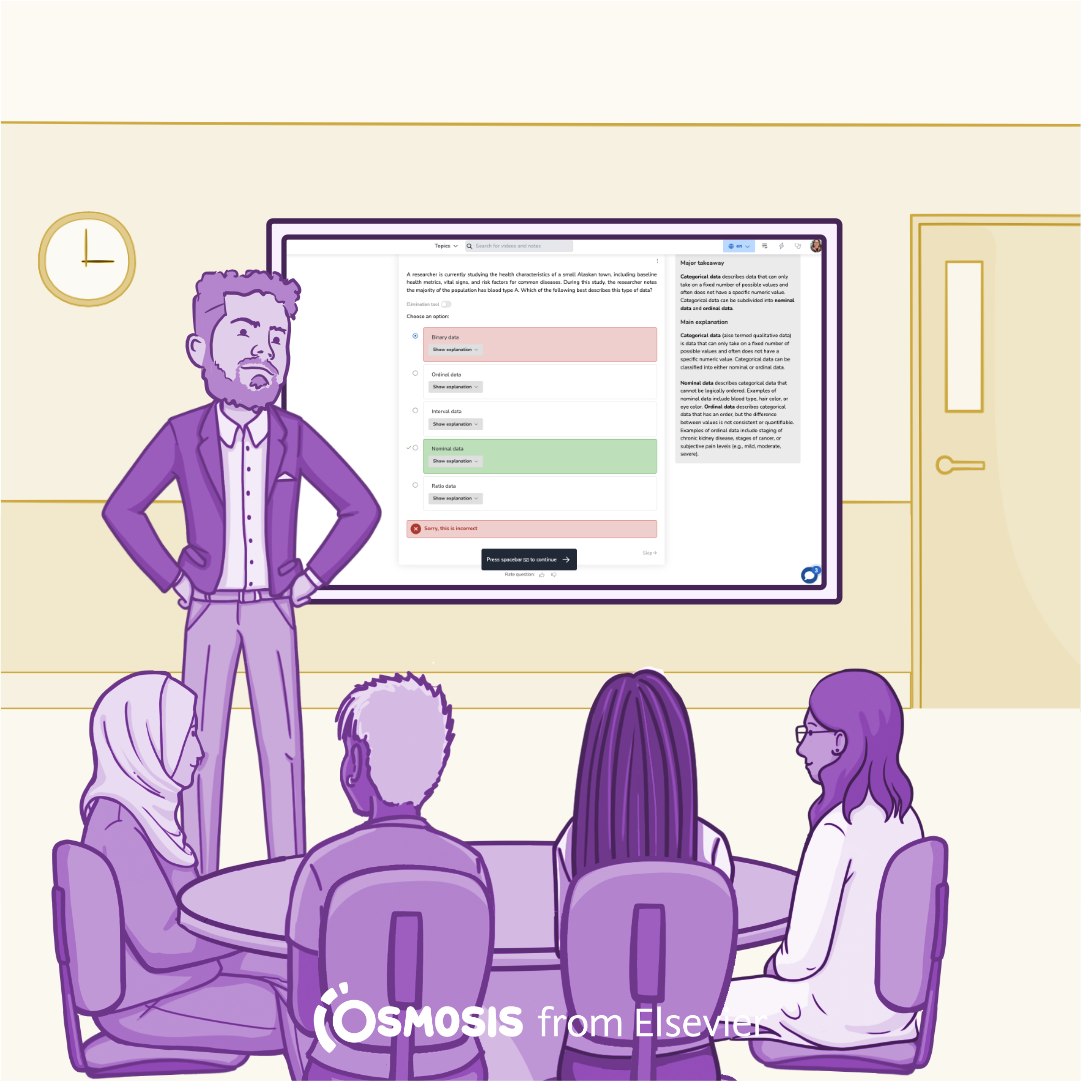
Conociendo Osmosis: consejos y trucos para usar la plataforma
— Updated:
¿Nuevo en Osmosis o quieres aprovechar mejor la plataforma? Aprende cómo crear planes de estudio efectivos, utilizar la repetición espaciada y organizar tus recursos para estudiar de forma más inteligente y eficiente.
-
USMLE® Step 2 CK Question of the Day: Withdrawal symptoms
— Updated:
A young woman presents with anxiety and tremors after binge drinking. Can you determine the appropriate next step in managing this common but nuanced clinical scenario?
-
Small Communication Choices That Improve Patient Care
— Updated:
Small communication choices can have a lasting impact on patient trust, understanding, and care experiences. Discover practical strategies for creating more respectful, empathetic, and patient-centered interactions.
-
USMLE® Step 1 Question of the Day: Thromboprophylaxis medication
— Updated:
A postoperative patient develops a concerning drop in platelets after starting thromboprophylaxis. Can you identify the drug mechanism behind this clinical scenario?