
Category: Osteopathic Medicine (DO)
-
USMLE® Step 1 Question of the Day: Thromboprophylaxis medication
— Updated:
A postoperative patient develops a concerning drop in platelets after starting thromboprophylaxis. Can you identify the drug mechanism behind this clinical scenario?
-

A Hidden History of Medicine: Unethical Experiments on Black Communities
— Updated:
Medicine’s history isn’t just a story of discovery and innovation. Many major medical advances were shaped by racism, exploitation, and unethical experimentation on Black communities. Understanding this history and its lasting impact is essential to building a more ethical, equitable, and trustworthy healthcare system today.
-
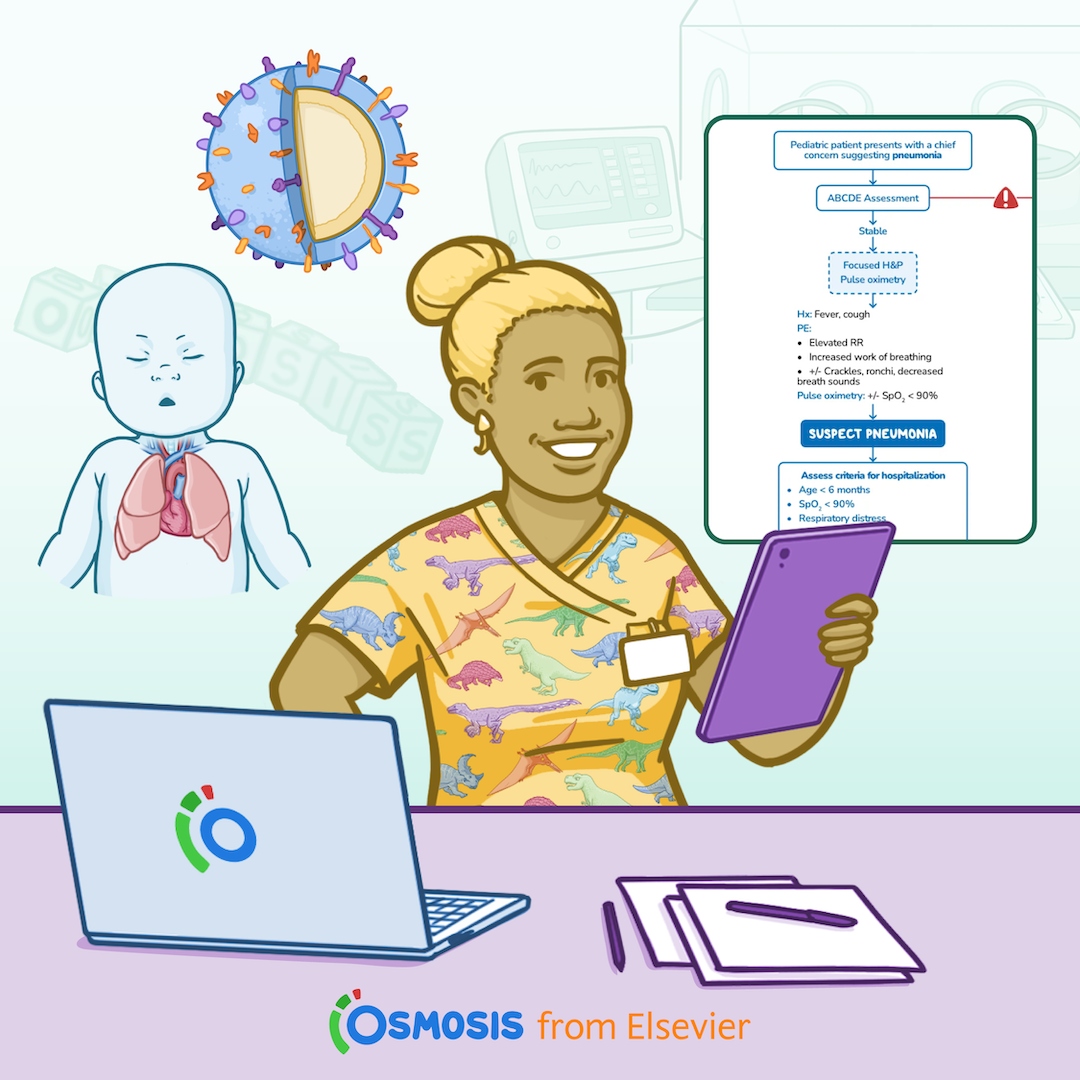
Pediatrics Shelf Exam: How to Study Less and Score Better
— Updated:
The Pediatrics shelf exam is broader and trickier than many students expect. Learn the high-yield topics, study strategies, and clinical reasoning skills that help you score higher without burning out.
-
USMLE® Step 2 CK Question of the Day: Postpartum mental health
— Updated:
A postpartum case explores how anxiety and irritability evolve after delivery, highlighting diagnostic clues, screening tools, and treatment options to differentiate anxiety from blues or depression in the postpartum period.
-

What an Independent Study Found About Medical Learning Apps
— Updated:
A study comparing major medical education apps ranked Osmosis highest for learning usefulness and usability, highlighting the importance of efficient, learner-centered design in healthcare education.
-

How to Smash Your OBGYN Rotation (What Actually Matters)
— Updated:
OBGYN is fast-paced, unpredictable, and hands-on. Learn the mindset, skills, and strategies that help medical students become reliable, confident contributors during this demanding rotation.
-
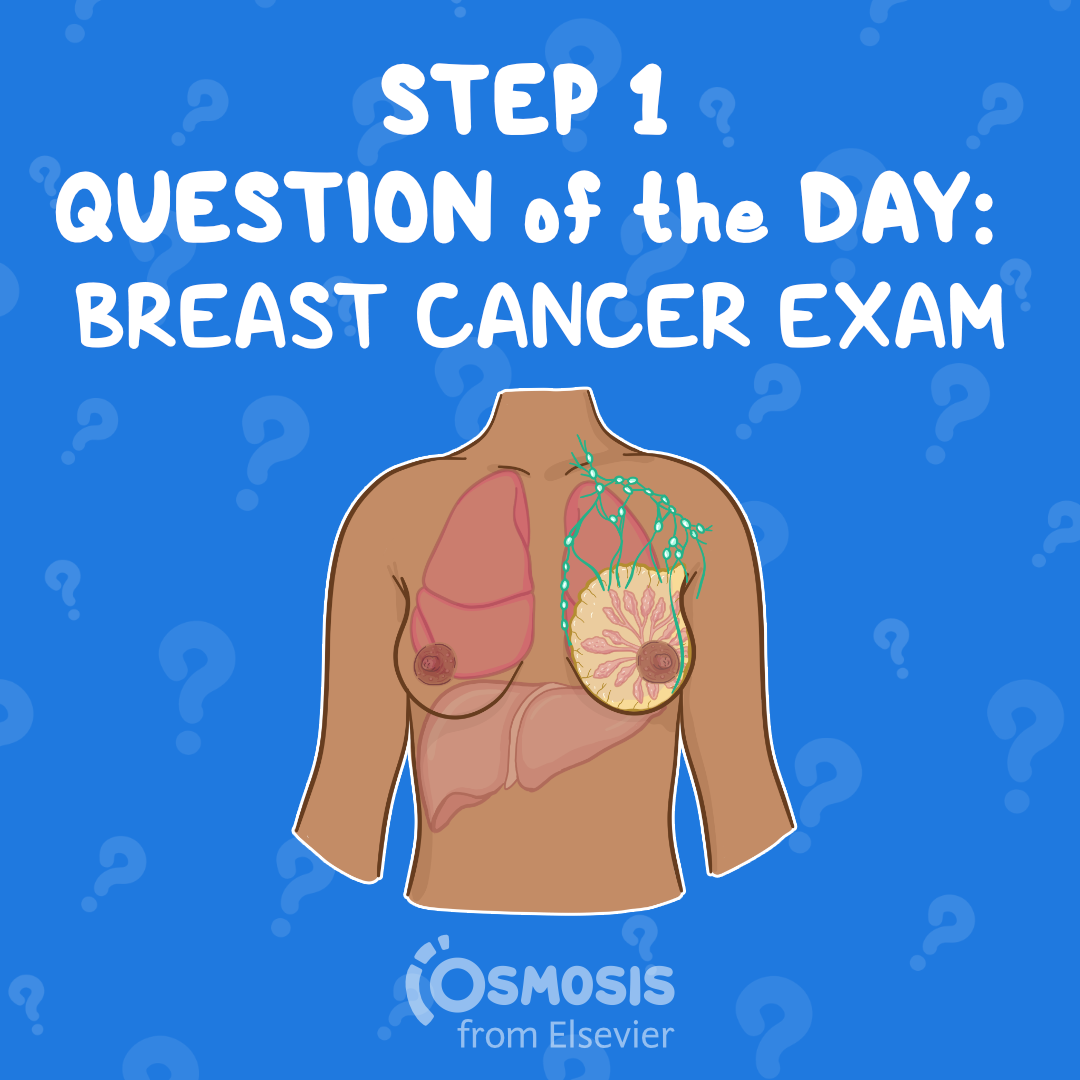
USMLE® Step 1 Question of the Day: Breast cancer exam
— Updated:
A 50-year-old woman presents with a persistent itchy breast rash and skin changes, including peau d’orange, dimpling, nipple retraction, and fixation of the breast. What’s the diagnosis?
-
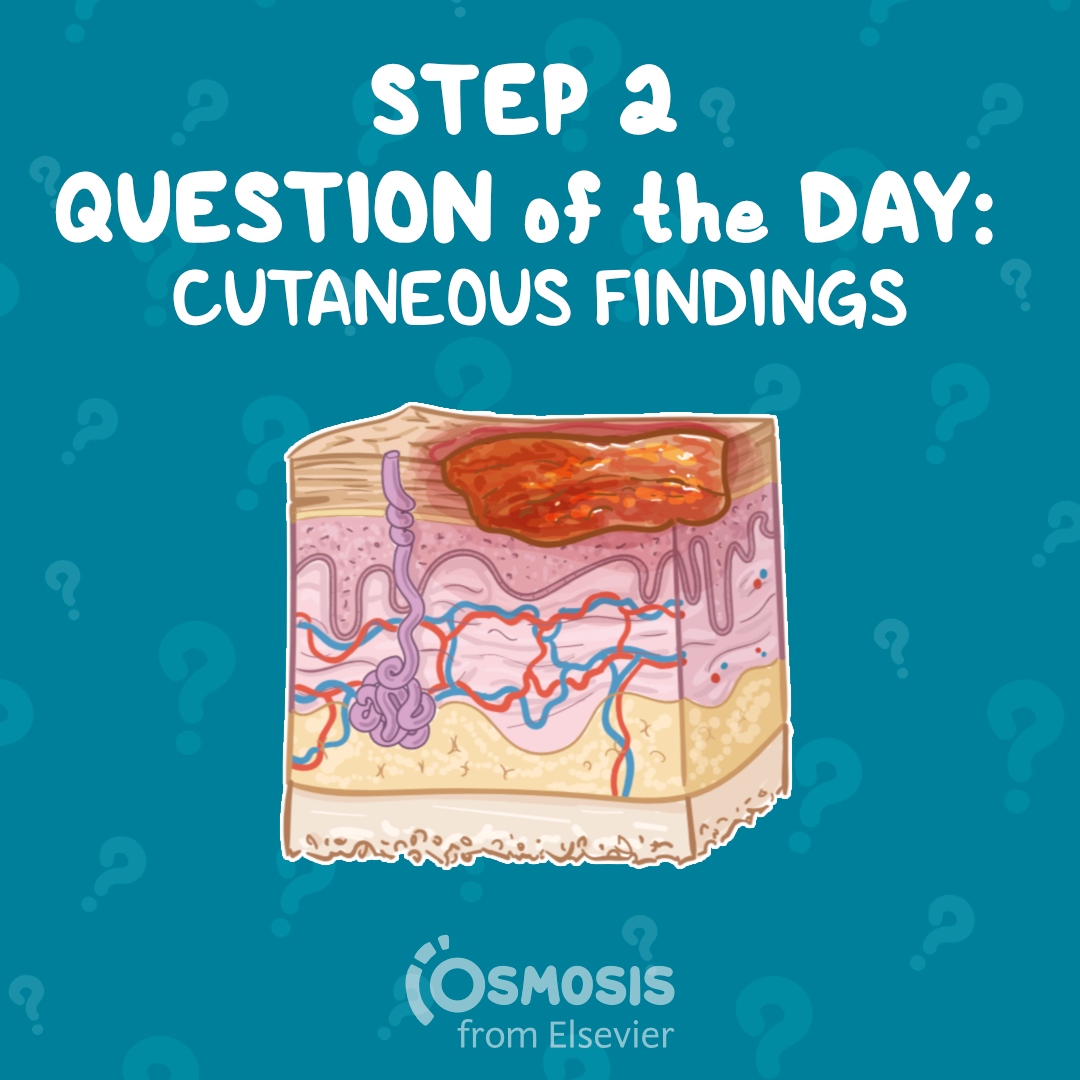
USMLE® Step 2 CK Question of the Day: Cutaneous findings
— Updated:
Review this clinical case of a cutaneous wound in an elderly patient with limited mobility, highlighting how pressure ulcer staging guides management decisions and care plans. What’s next in patient management?
-
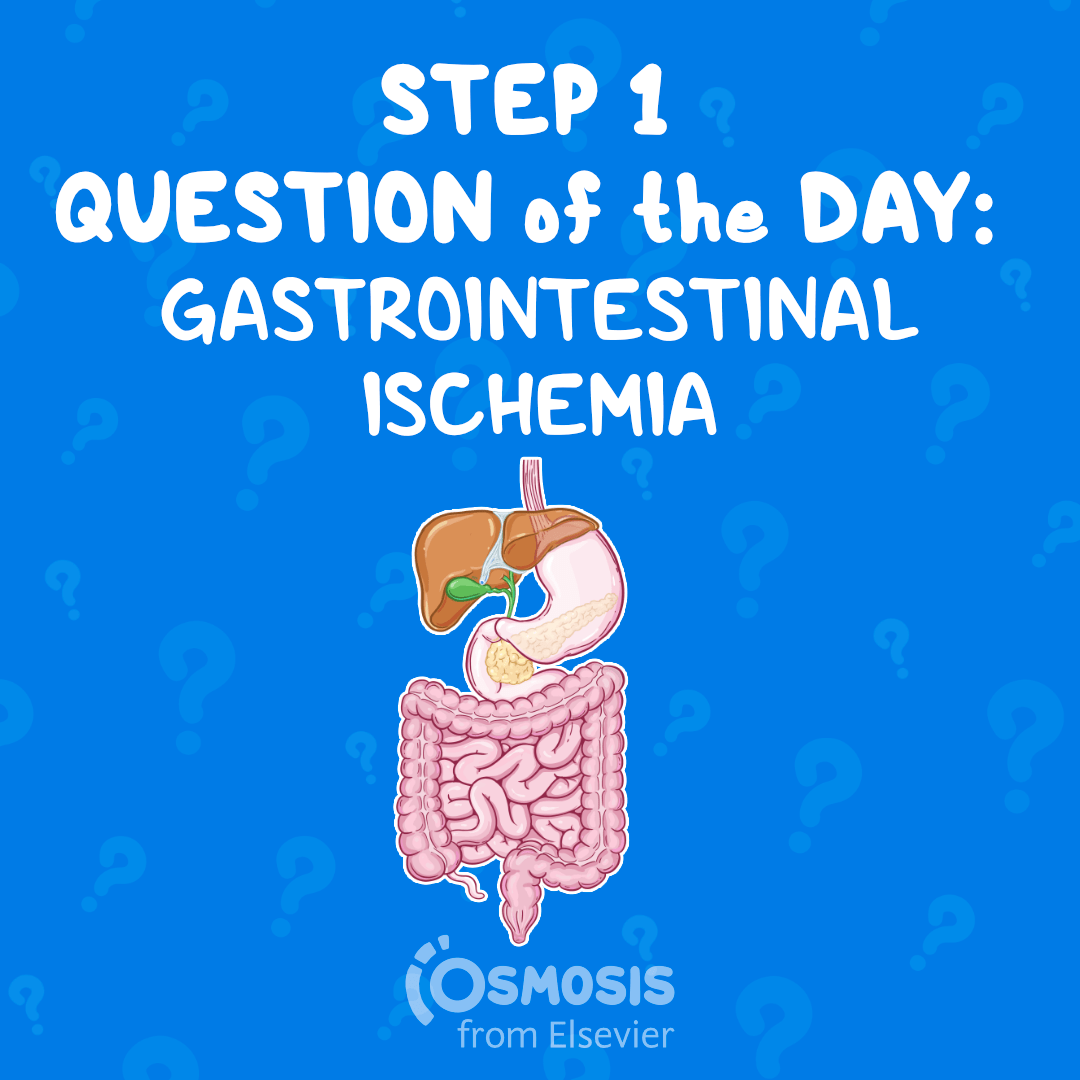
USMLE® Step 1 Question of the Day: Gastrointestinal ischemia
— Updated:
Learn from this clinical case highlighting why certain gut regions are more vulnerable when perfusion drops, how watershed zones operate, and how clinicians use pathophysiology and reasoning to treat the issue.
-

How to Smash Your Pediatric Rotation (What Actually Matters)
— Updated:
Pediatric rotations can feel overwhelming, but the real challenge isn’t what you think. Learn the mindset, skills, and strategies that separate stressed students from confident, high-performing clinicians.
-
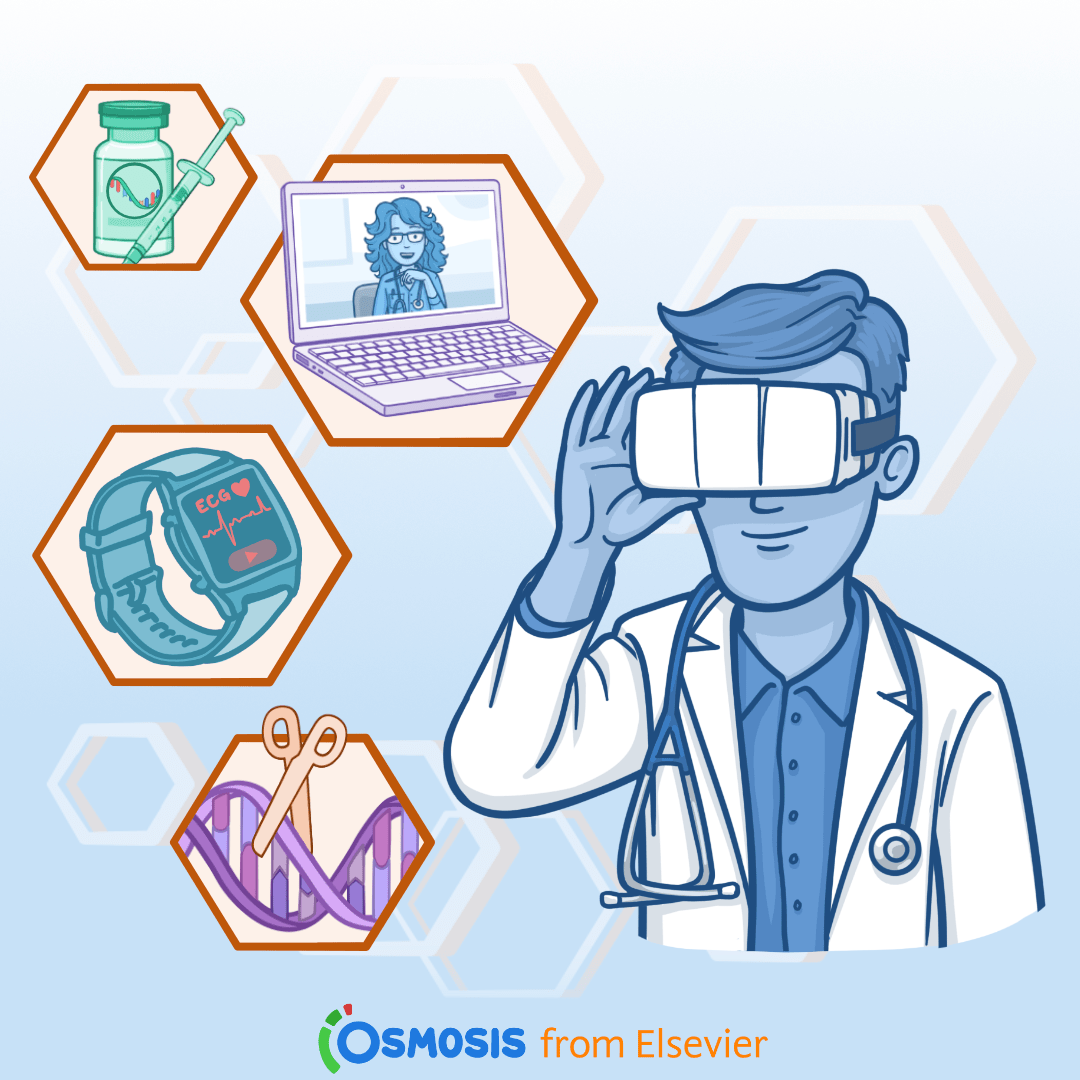
10 Remarkable Medical Breakthroughs from the Last Decade
— Updated:
Healthcare is entering a transformative era driven by biotechnology, AI, and digital health. Discover the innovations reshaping diagnosis, treatment, and prevention, along with what they signal for the future of medicine.
-
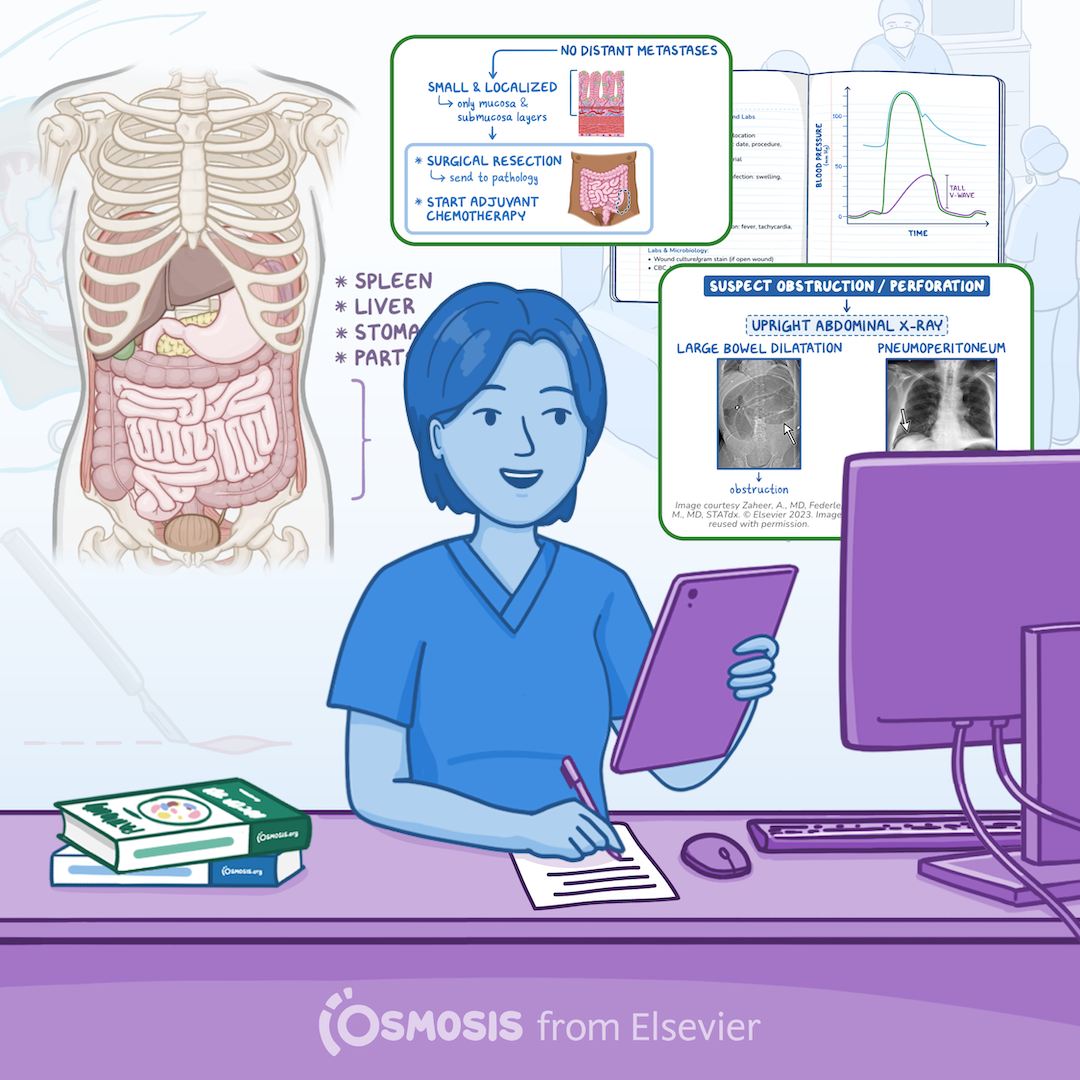
Surgery Shelf Exam: How to Study Less and Score Better
— Updated:
Learn how to study efficiently for the Surgery shelf exam by focusing on high-yield topics, and avoiding the biggest mistakes students make during their surgical rotation.
-
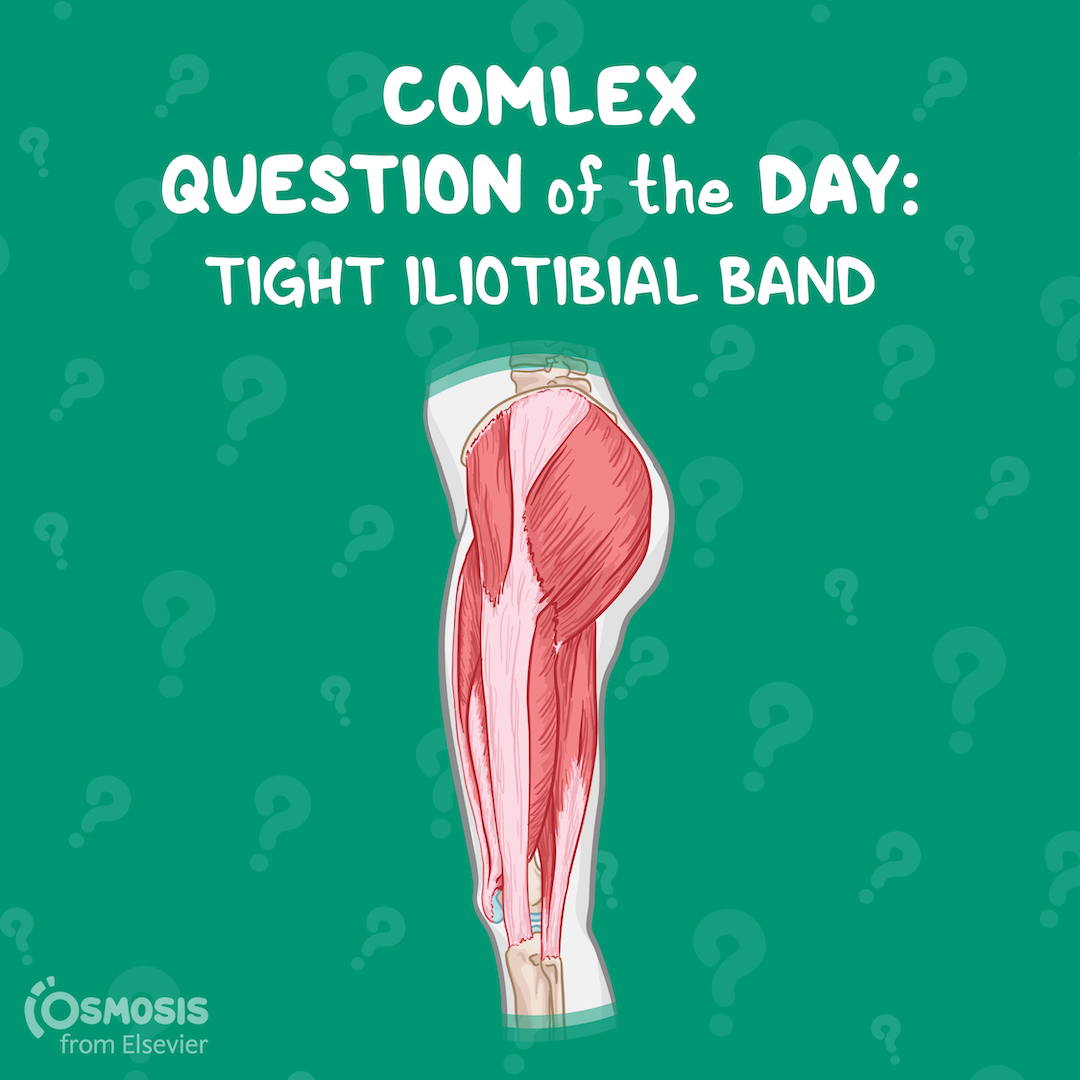
COMLEX® Question of the Day: Tight iliotibial band
— Updated:
When IT band pain crops up in runners, a practical approach matters. Learn how DO clinicians structure history, apply key exam clues, and design conservative treatment plans that help athletes recover without unnecessary downtime.
-
Before You Wear the White Coat: The Powerful History of DOs
— Updated:
Trace the emergence of osteopathic medicine from 19th-century reform to a modern, nationwide profession. Learn how DOs integrate hands-on osteopathic manipulation with a holistic, patient-centered approach that complements traditional medical training.
-
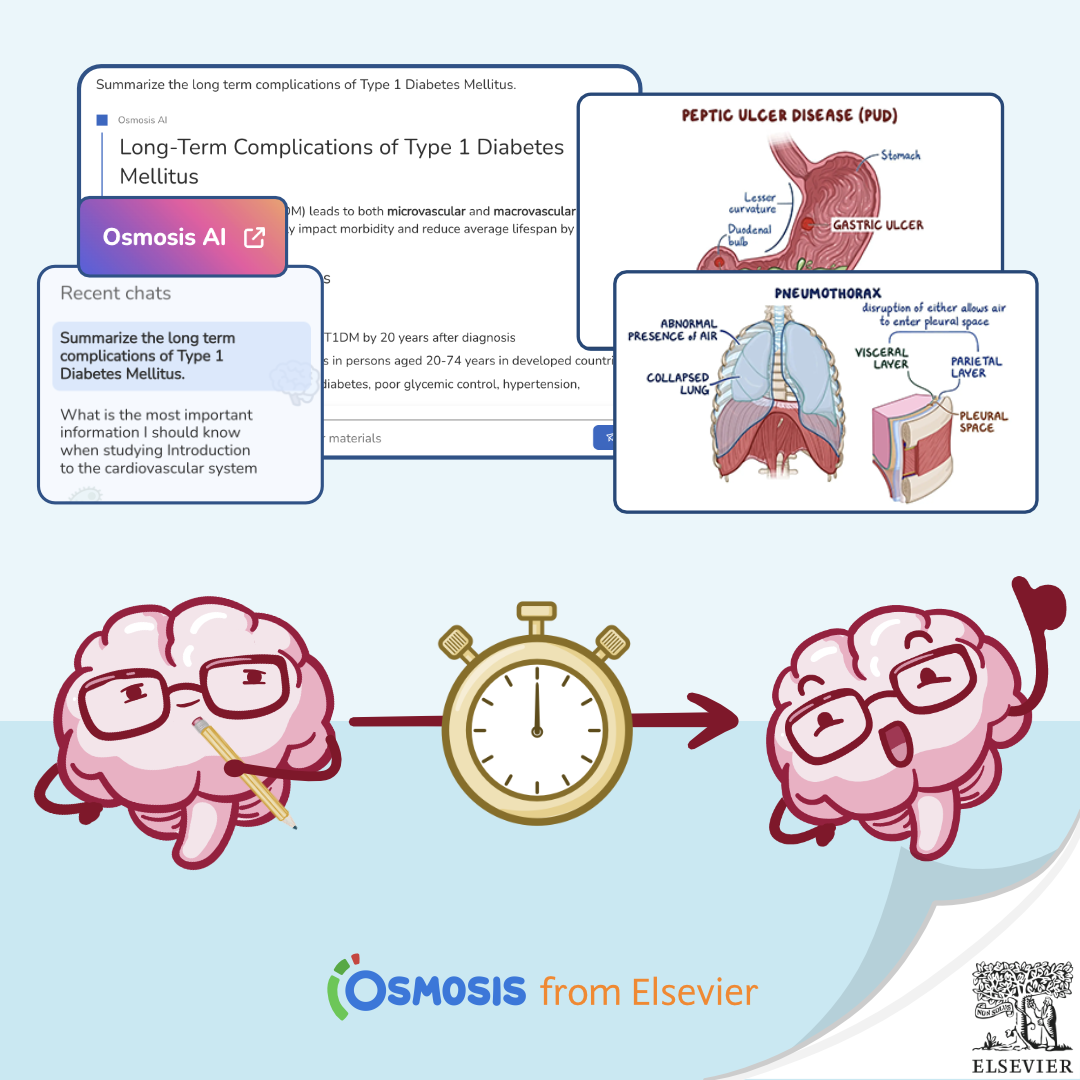
How to Go from Question to Clarity in Seconds with Osmosis AI
— Updated:
Osmosis AI delivers clear, structured explanations from trusted Elsevier content, keeps you focused, and guides your next steps to build clinical judgment and exam readiness without compromising accuracy or critical thinking.
-
USMLE® Step 2 CK Question of the Day: Head trauma
— Updated:
A child arrives after a sledding accident with head trauma. The next steps hinge on a structured neuro exam and objective severity assessment. What’s next?
-

Lista final de consejos de estudio por Osmosis de Elsevier
— Updated:
Una guía práctica en español sobre cómo Osmosis de Elsevier reúne consejos y técnicas de aprendizaje para destacarte en salud, prepararte para exámenes USMLE/NCLEX y triunfar en prácticas clínicas y rotaciones. Aprenderás a adaptar métodos a tu estilo, priorizar lo esencial y mantener la motivación a lo largo del programa.
-
USMLE® Step 1 Question of the Day: Chronic cough
— Updated:
A histology image reveals a granulomatous lesion with central necrosis. Learn how caseating granulomas develop, how to distinguish infectious etiologies from other causes, and how to integrate histology with clinical context to sharpen differential diagnosis and clinical reasoning.
-

How to Smash Your Surgery Rotation (What Actually Matters)
— Updated:
Use this practical guide for medical students to navigate your surgery rotation, including making important shifts in your mindset, developing sustainable habits, and focusing on high-leverage skills to stay capable and resilient.
-
USMLE® Step 2 CK Question of the Day: Dysuria
— Updated:
Follow the case of a 30-year-old woman with four days of dysuria, urgency, and suprapubic tenderness as clinicians review history, exam findings, and urinalysis results to navigate the differential and why certain tests guide decision-making.
-
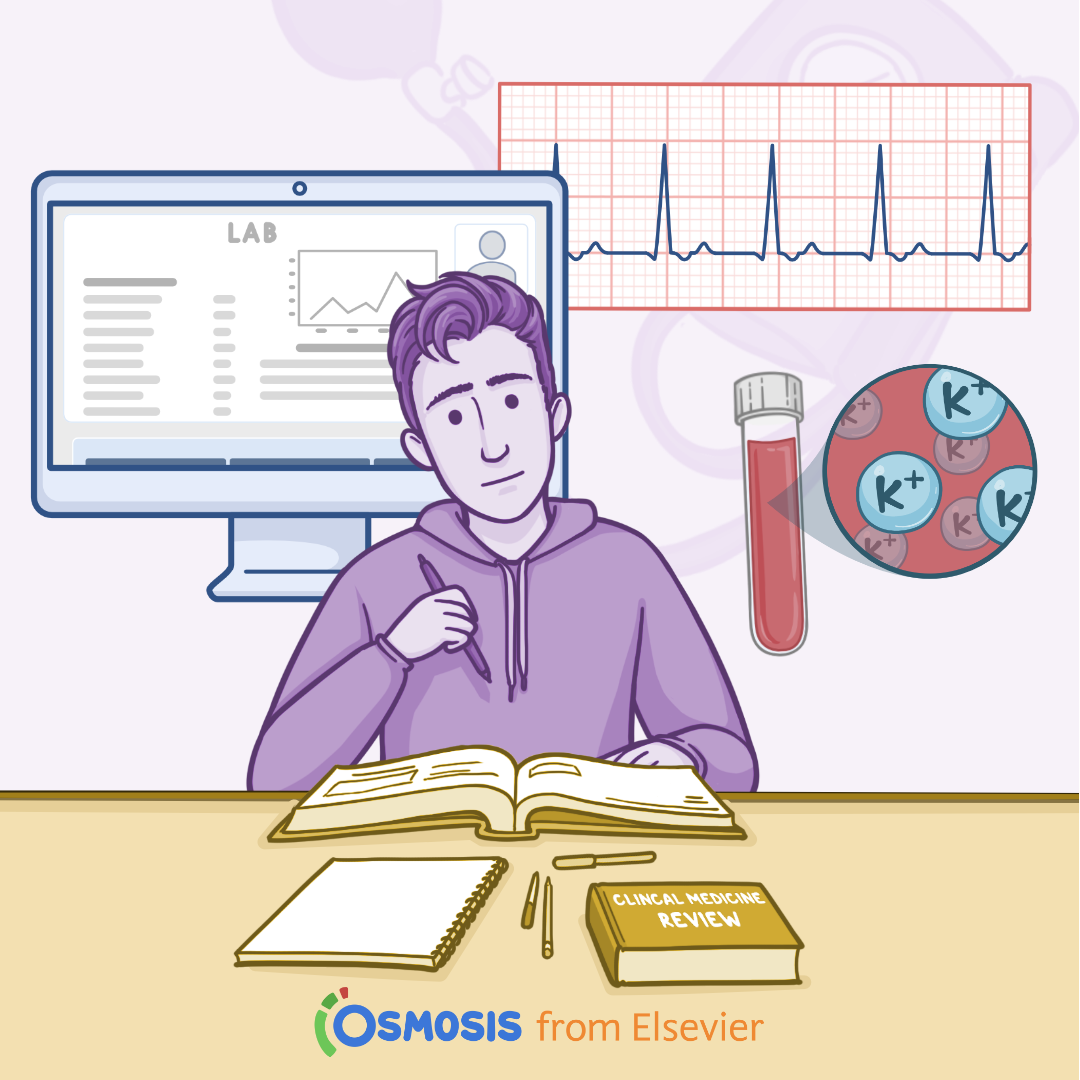
Internal Medicine Shelf Exam: How to Study Less and Score Better
— Updated:
Translate your daily ward experience into shelf exam success while staying grounded during your IM rotation with this realistic, high-yield guide to conquering the Internal Medicine shelf exam study period.
-
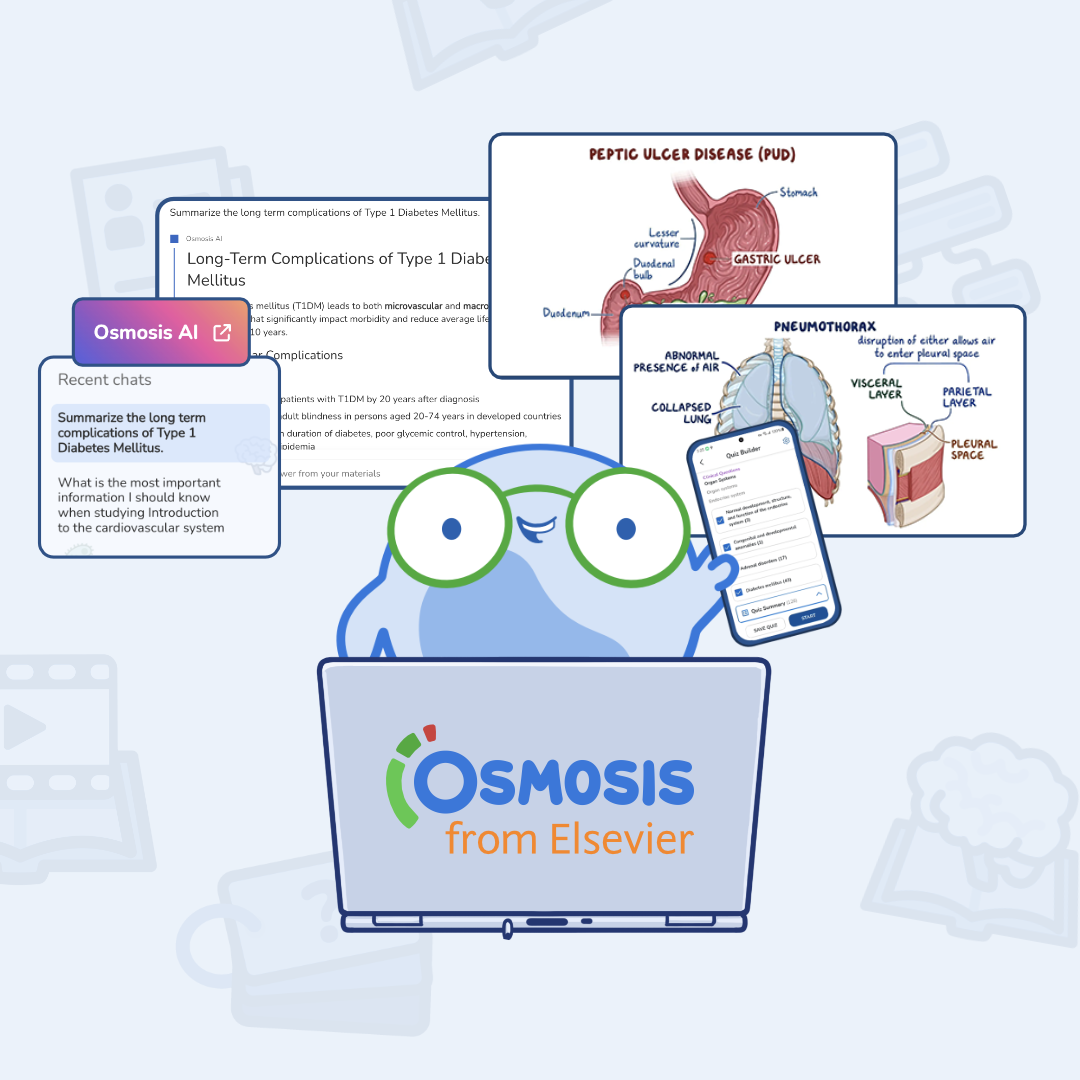
Osmosis Product Updates: 2026
— Updated:
Discover the ways Osmosis is evolving throughout the year! Learn about new features, content, badges, and helpful playlists to streamline planning and make your study experience more effective.
-
USMLE® Step 1 Question of the Day: Scar development
— Updated:
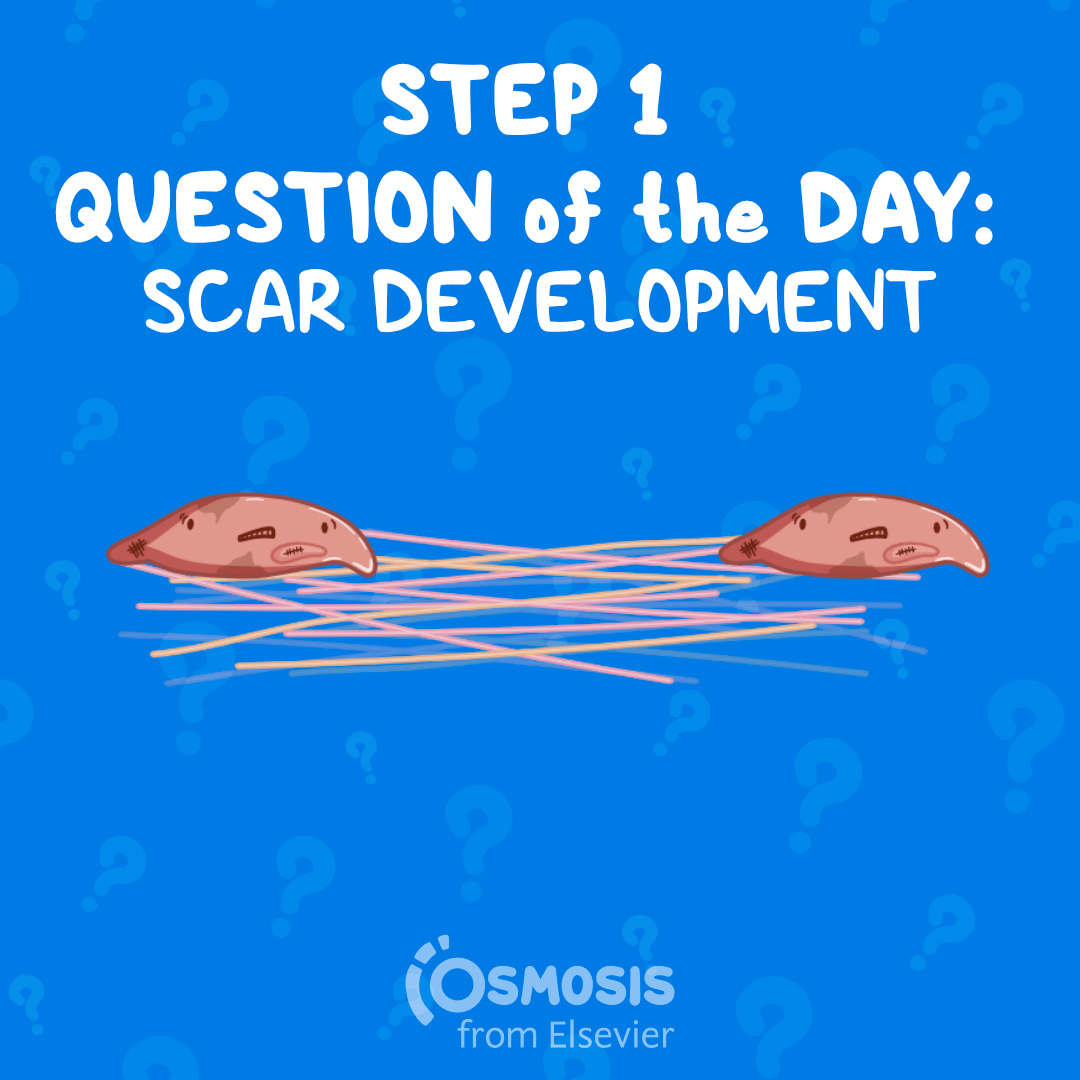
A 28-year-old man presents after a skin injury with concerns about scarring. Explore how scar biology (collagen deposition patterns, TGF-β signaling, and the balance of inflammatory cytokines) shapes outcomes. Learn how histology distinguishes scar types and why some scars may persist or recur, guiding clinical management and exam prep.
-

Superando mi miedo a la sangre como estudiante de medicina
— Updated:
Una estudiante de medicina comparte cómo la sangre despertó un miedo paralizante y cómo la exposición gradual, la ayuda psicológica y el apoyo de pacientes la llevaron a recuperar la confianza en su cuerpo y su futura práctica médica. Una historia de resiliencia que subraya la importancia de escuchar y…
-
USMLE® Step 2 CK Question of the Day: Pancreatic mass
— Updated:
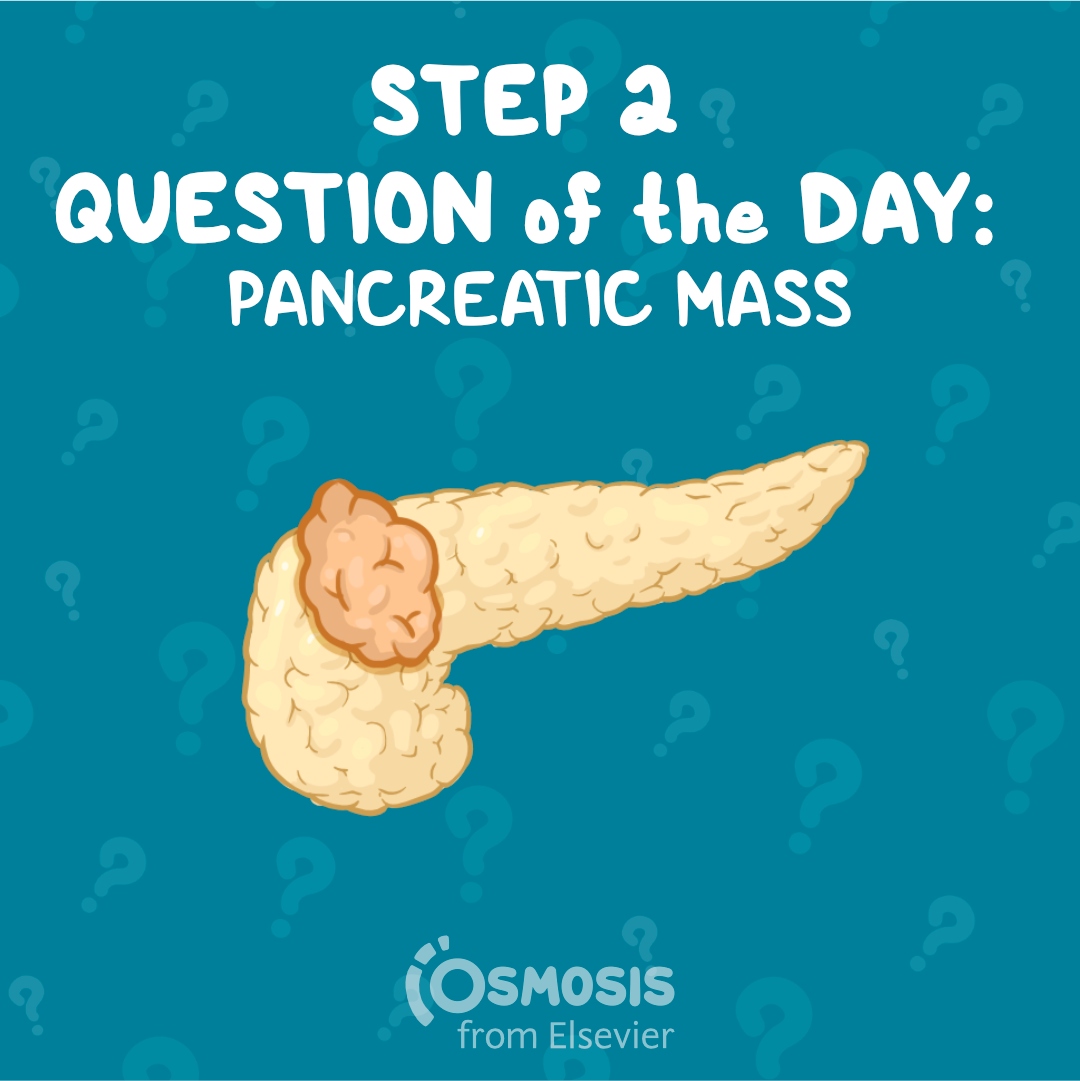
An incidental pancreatic mass prompts a structured workup with focused imaging and laboratory tests. This question of the day explains what’s preferred and how imaging findings, along with tumor markers, guide subsequent evaluation without assuming a final diagnosis.
-
How to Become a Culturally Competent Clinician
— Updated:
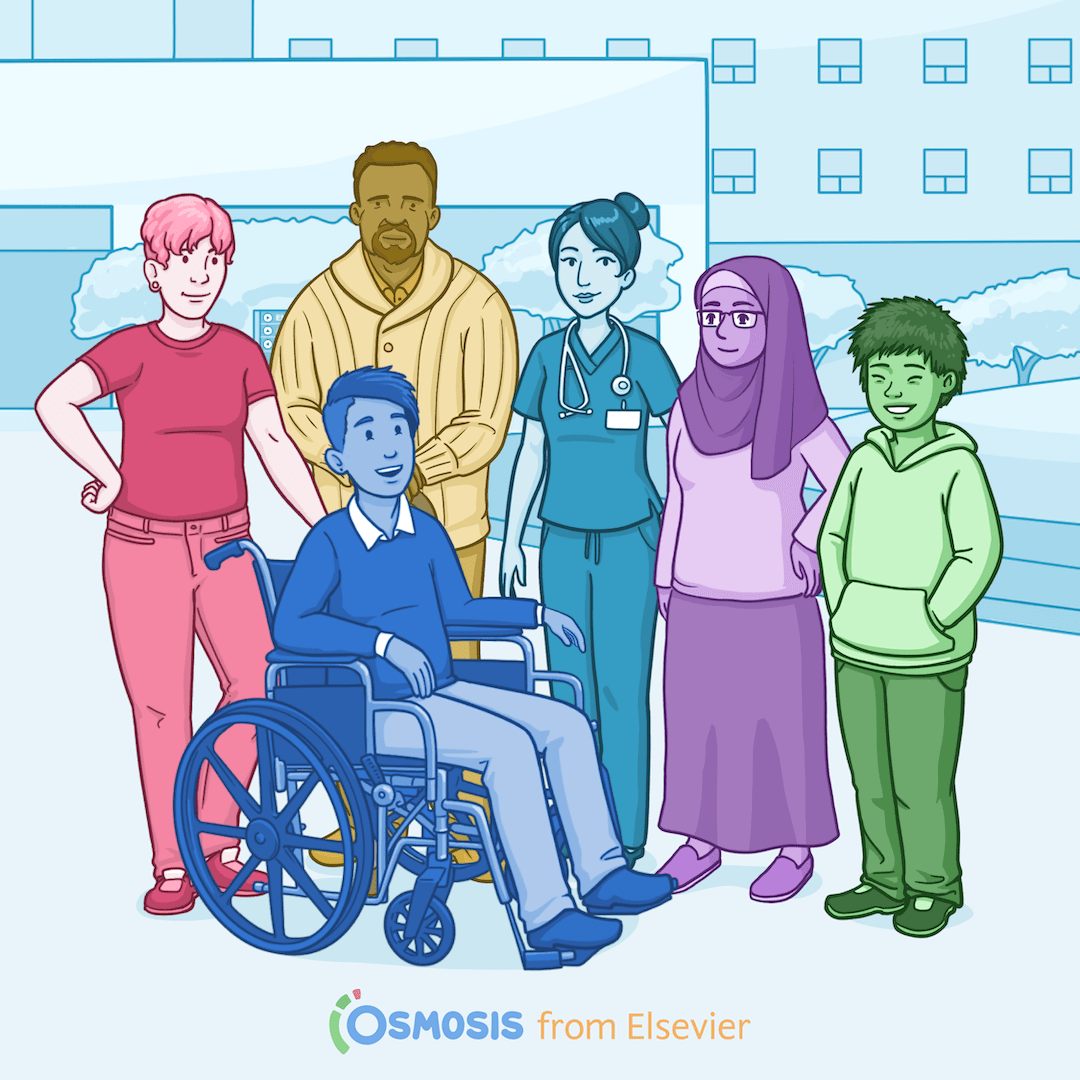
Learn practical strategies to deliver equitable, patient-centered care in a diverse world, including addressing Social Determinants of Health (SDOH), strengthening cultural competence in clinical practice, recognizing implicit (unconscious) bias, improving communication, and advancing patient advocacy.
-

USMLE® Step 1 Question of the Day: Lower teeth sensation
— Updated:
A woman post-wisdom tooth extraction has numbness in lower teeth and chin. Learn more about nerve anatomy and surgical risks.
-

How to Smash Your Internal Medicine Rotation (What Actually Matters)
— Updated:
A reader-friendly guide to help medical students and residents navigate Internal Medicine rotations. Learn how to prioritize high-yield topics, streamline rounds, manage time, and safeguard your wellbeing while building practical clinical skills.
-
The Origins of 13 Heart Conditions with Unusual Names
— Updated:
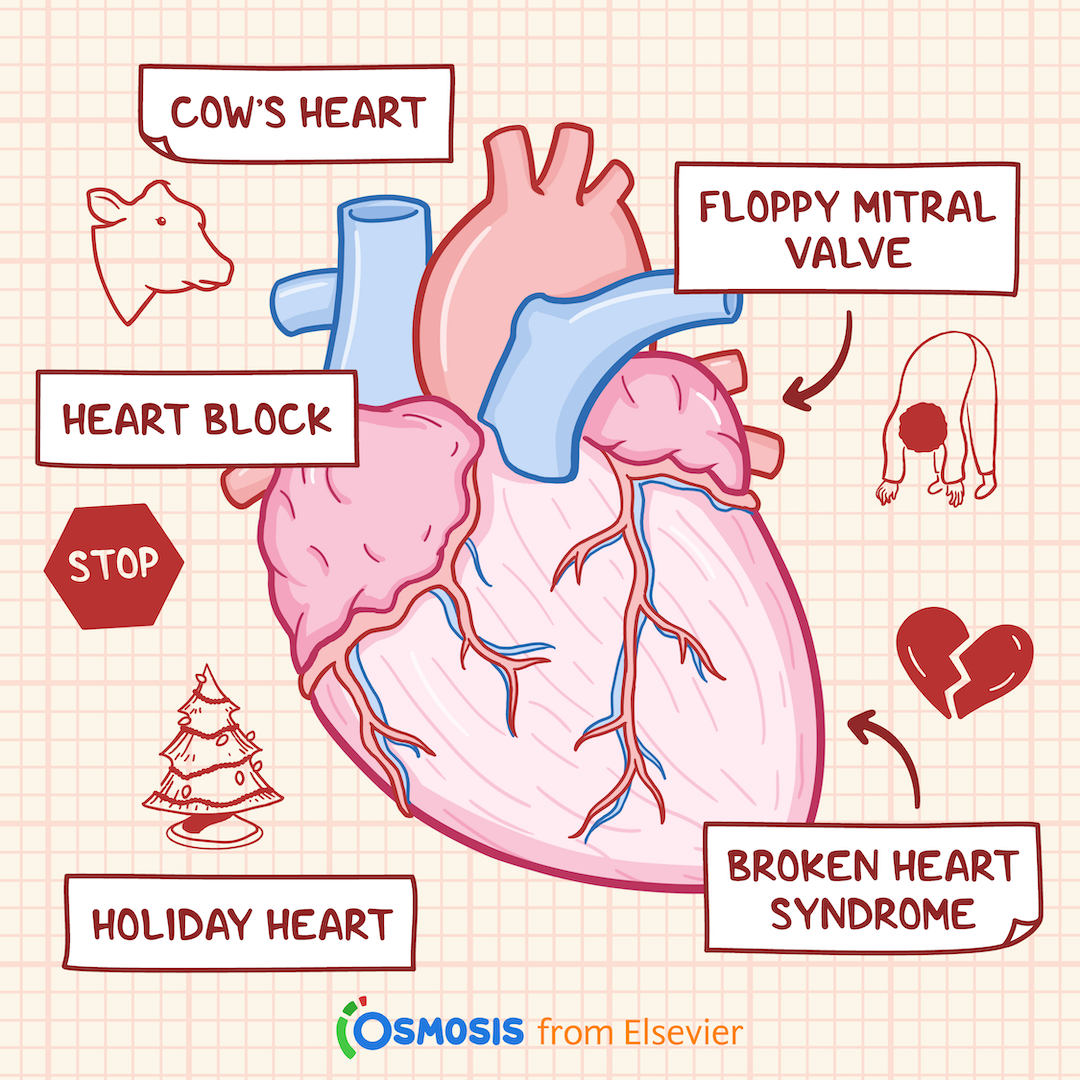
From Broken Heart Syndrome to Ectopia Cordis, trace the stories behind famous heart-related conditions, showing how naming reveals presentation, mechanism, and clinical relevance, making complex physiology memorable and patient-friendly.
-

USMLE® Step 2 CK Question of the Day: Frequent falls
— Updated:
A patient presents with an unsteady, stomping gait and frequent falls. Understanding appropriate diagnostic tests is key to identifying the underlying cause.