
Imagine slipping on that crisp white coat for the first time. Your stethoscope is around your neck, and you’re ready to step into the exam room and change lives. But before you do, pause and ponder this. You’re not just becoming a doctor. You’re inheriting a revolutionary medical legacy that’s as American as apple pie and as forward-thinking as tomorrow’s breakthrough. The DO degree, Doctor of Osteopathic Medicine, stands proudly alongside the MD. Both paths produce fully licensed physicians. The distinctive difference? DOs receive training in osteopathic manipulative treatment (OMT), resulting in a hands-on approach that uses the musculoskeletal system to support the body’s natural ability to heal itself. Its mind, body, and spirit working in harmony.
That powerful identity kicked off in one electrifying founding moment back in 1874. Picture a frontier doctor standing on the edge of a new era. Andrew Taylor Still didn’t just tweak the system. He rewrote the rulebook, creating osteopathic medicine as a complete reform movement. It was a declaration that medicine could be gentler, smarter, and more effective by working with the body’s own mechanics rather than against them.
So, as you gear up for white-coat day, remember, you’re not just joining a profession. You’re carrying forward a 150-year legacy of courageous innovation. And remember, the DO path isn’t a side road. It’s the highway of whole-person care, built by visionaries who refused to settle for “good enough.” Let’s learn more about it!
The Medical Landscape of the Late 19th Century
In the wild, unregulated world of American medicine in the 1870s and 1880s, becoming a doctor was shockingly easy and dangerously inconsistent. There were no national standards, no rigorous licensing boards, and medical schools often amounted to diploma mills where students paid fees, attended a few lectures, and walked out calling themselves physicians. Prevailing practices included bloodletting with leeches, dosing patients with toxic calomel, and heroic interventions like blistering or purging that left patients weaker than before. Surgery was a last resort, performed without anesthesia or sterile technique, and infections ran rampant.
Public trust was practically nonexistent due to mortality rates being heartbreakingly high. Families watched loved ones suffer through “treatments” that felt more like torture than healing. Newspapers ran cartoons mocking doctors as quacks, and ordinary folks turned to home remedies, using patent medicines (often laced with alcohol or opium) to outright avoid having anything to do with the existing medical establishment.
Unsurprisingly, this chaotic landscape screamed for reform when “doctor” could mean anything from trained surgeon to traveling snake-oil salesman. Osteopathy was the direct answer, born from frustration and fueled by hope. One determined man in Missouri fanned those flames into a movement that would transform medicine forever.
Andrew Taylor Still and the Founding of Osteopathy
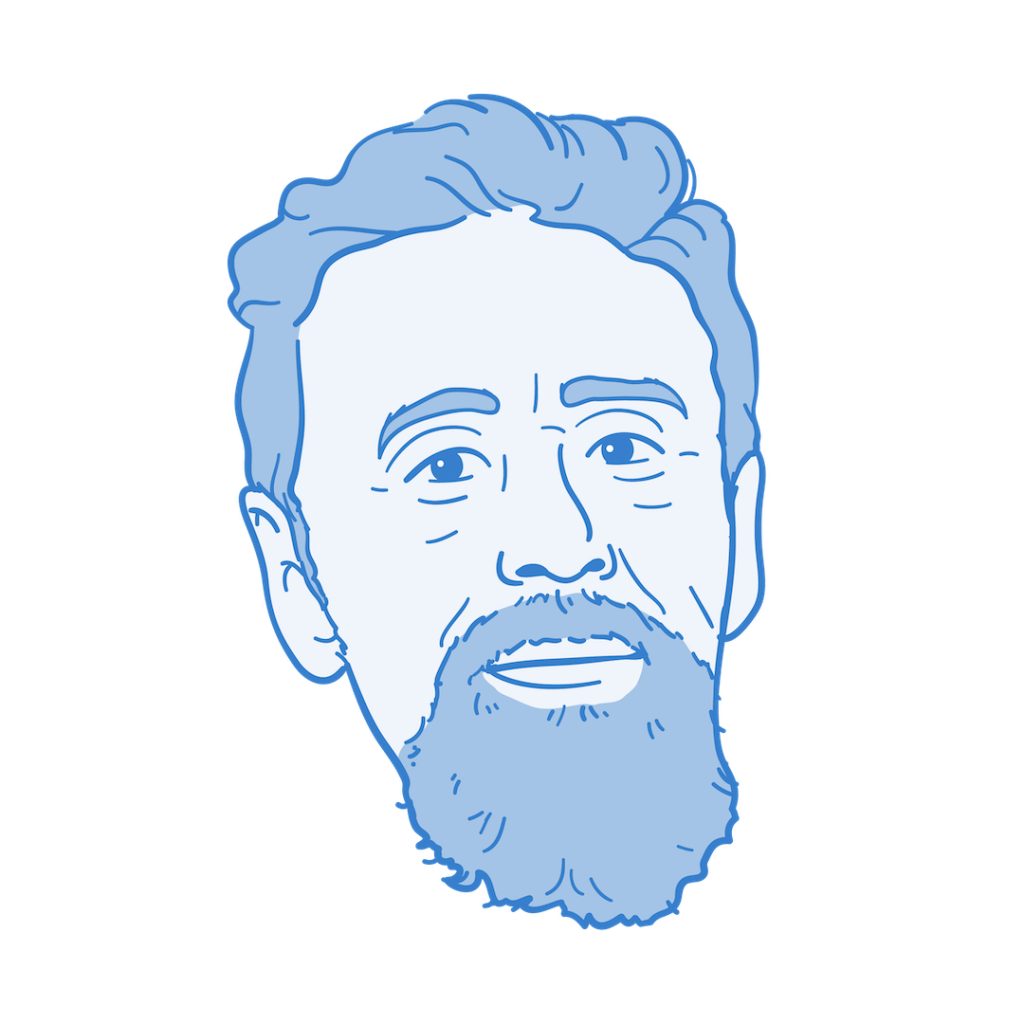
Andrew Taylor Still was a frontier physician whose life reads like an adventure novel crossed with a medical manifesto. Born in 1828 in Virginia and raised on the Kansas-Missouri border, Still apprenticed with his father, studying anatomy textbooks by candlelight. He served as a Civil War surgeon and witnessed firsthand the horrors of battlefield medicine along with the limitations of conventional treatments.
In 1864, a devastating spinal meningitis epidemic ripped through his community, claiming three of his children after already losing his first wife to childbirth complications. Standing helpless beside their tiny graves, he realized something profound. All of his medical training had failed his own family, and that heartbreak became his breaking point.
Still’s philosophical break was bold and brilliant. He rejected the idea that disease was an enemy to be attacked with poisons. Instead, he saw the human body as a perfect machine created by a wise creator. If everything aligned, bones, muscles, nerves, and blood flow, then function would follow, and health would flourish. He began experimenting with manual manipulation. Patients deemed hopeless started walking, breathing easier, and recovering. Word spread like wildfire across the prairie.
On June 22, 1874, Still made it official. He declared his independence from traditional medicine and coined the term osteopathy to describe this new science of healing. The core concepts included:
- The body is a unit of function.
- Structure governs function.
- The body has self-healing mechanisms.
- Rational treatment must address the whole person.
- An emphasis on prevention and overall wellness.
- There is an intimate connection between the musculoskeletal system and health.
The First Osteopathic Medical School
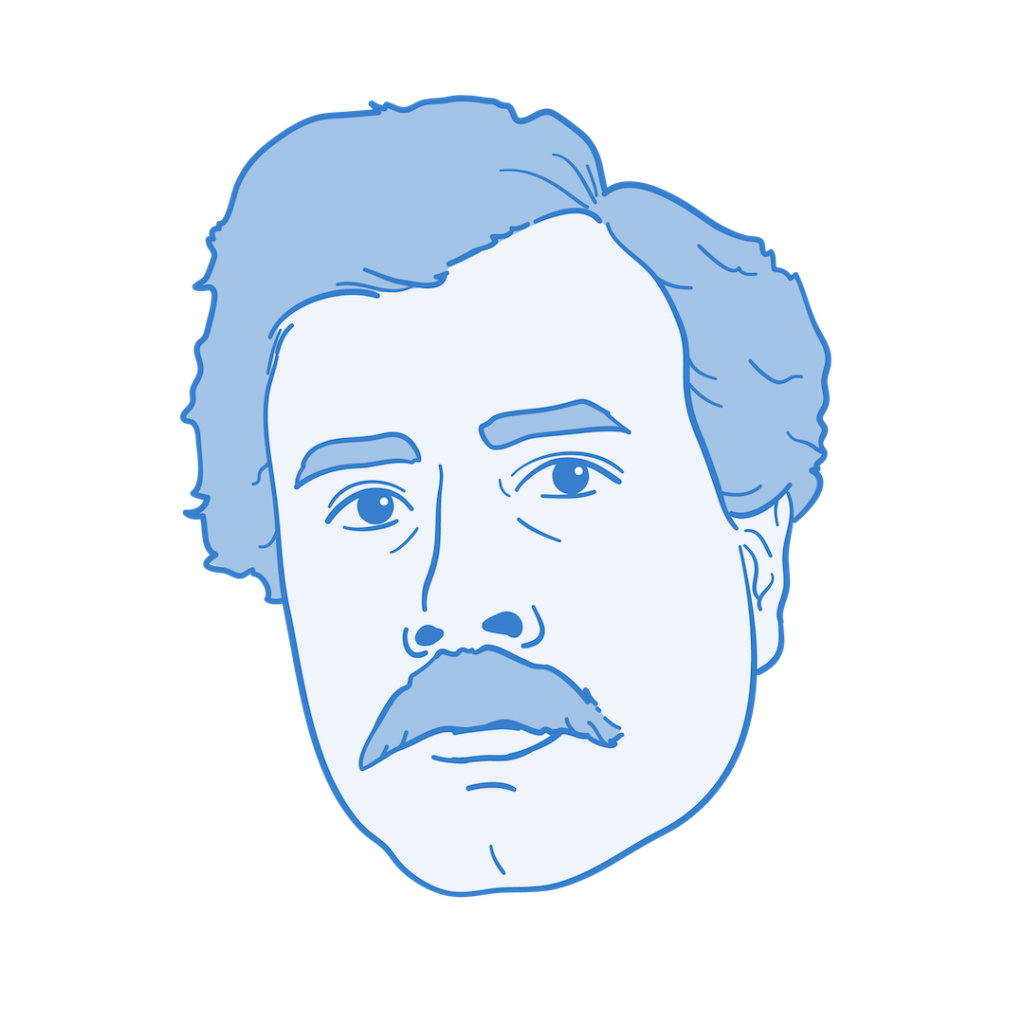
In 1892 in the quiet town of Kirksville, MO, after nearly two decades of development, Dr. Andrew Taylor Still opened the doors of the American School of Osteopathy. Classes began with twenty-one eager students, including three of Still’s own children. The early curriculum was revolutionary and rigorous. Students delved into anatomy, but the real star was manual medicine. Hours were spent mastering palpation, manipulation, and the art of listening to the body’s tissues. Lectures covered physiology, pathology, and Still’s core principles, but the hands-on training set it apart. Students learned that a properly aligned spine could relieve everything from headaches to digestive issues. It was medicine you could feel in your fingertips.
Foundational osteopathic principles were crystallized, specifically highlighting that the body is self-regulating. Structure and function are reciprocally related, and rational treatment supports the body’s innate wisdom. These weren’t abstract ideas. They were practiced daily in the school’s clinic, where patients lined up for free care.
A key figure who helped shape it all was William Smith, MD, a brilliant Scottish physician trained at the University of Edinburgh. Skeptical at first, he watched Still work and was hooked on his new take on medicine. Smith became the school’s first anatomy instructor, bringing world-class dissection techniques and instant credibility. He even became the program’s first official graduate, earning his DO certificate in 1893.
Professional Resistance and the Fight for Legitimacy
Success often breeds resistance, and osteopathy faced plenty of it. From the 1890s through the mid-20th century, DOs battled fierce opposition. Organized allopathic medical practitioners viewed DOs as a threat. Their licenses were blocked. They were denied hospital privileges. They were subjected to smear campaigns and attempts to outlaw their practice entirely. Licensing struggles played out state by state. Vermont became the first to license DOs in 1896, but other states dragged their feet. Early graduates fought courtroom battles just to hang out a shingle. Efforts to limit the scope of practice were relentless, but osteopathic leaders refused to back down, lobbying state and federal legislatures while rallying public support with patient testimonials.
The California merger crisis of 1962 stands as the osteopathy profession’s darkest hour and its greatest rallying cry. California’s osteopathic association struck a deal with the state medical society. DOs could convert their degrees to MDs, the osteopathic board would dissolve, and the profession would disappear in the state.
Hundreds of DOs took the deal, but thousands more refused. Public outrage, legal challenges, and national solidarity turned the crisis into fuel. The courts eventually restored their rights, and this episode galvanized the profession nationwide with the fight culminating in triumph. As of 1973, after Mississippi granted full practice rights, DOs had secured unrestricted licenses in all fifty states. They could now prescribe, operate, and practice on equal footing with MDs.
Early Inclusion of Women in Osteopathic Medicine
Osteopathic medicine was unique, in that it welcomed women with open arms from day one. Andrew Still believed talent and dedication mattered more than gender, and his inclusive vision set the tone for the entire profession. While the majority of medical schools in the late 1800s slammed doors on women applicants, the American School of Osteopathy opened them wide. The very first class in 1892 included five women, nearly a quarter of the student body.
At a time when women physicians were rare and fighting for respect, osteopathic colleges offered real pathways to education and leadership. Women graduates built successful clinics, taught medicine, and advanced research, proving that the gentle, hands-on care of osteopathic medicine suited women’s natural strengths too.
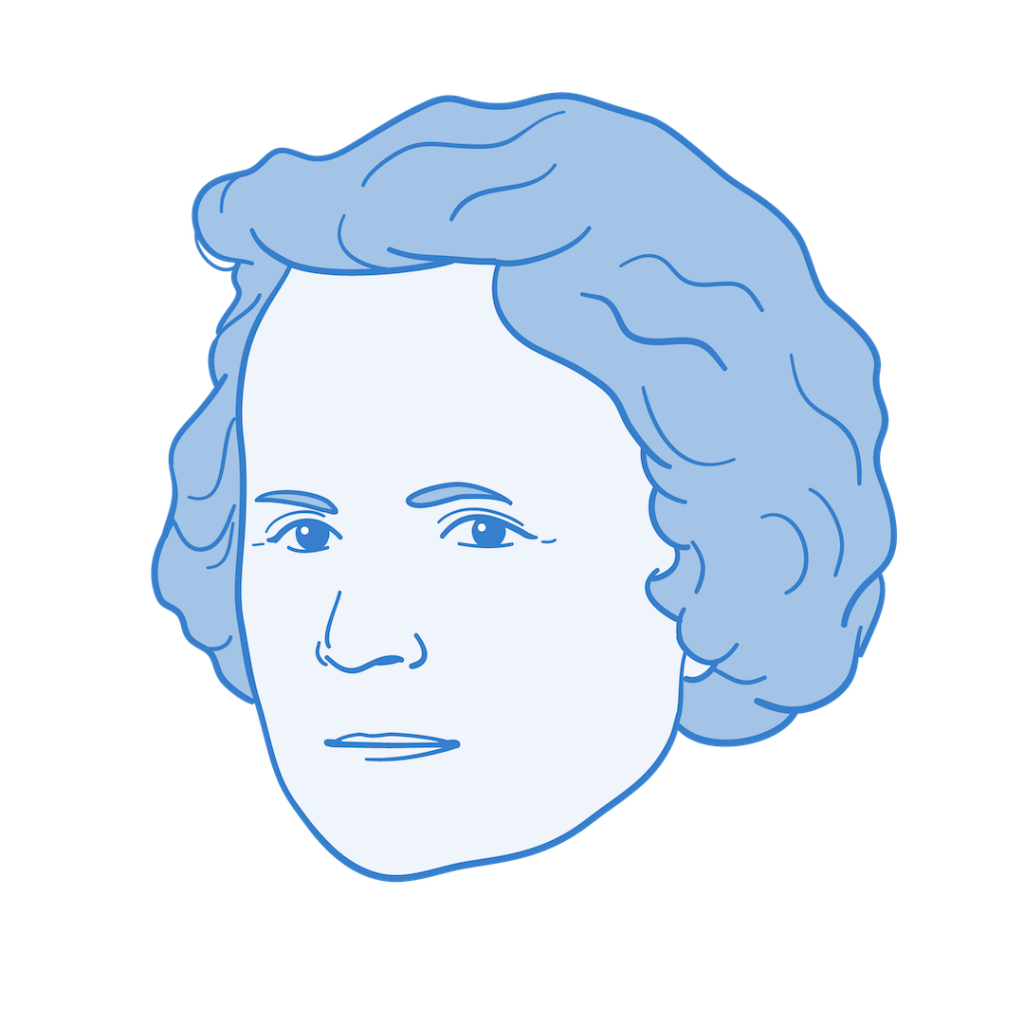
A shining example of this new school of women physicians is Dr. Blanche Still Laughlin, Dr. Still’s own daughter and a member of that pioneering first class of DO graduates. Laughlin became an educator, administrator, and fierce advocate, working on The Journal of Osteopathy, while preserving her father’s legacy, and inspiring countless women to pursue the DO path.
Physicians of Color and Expanding Access
There were also a variety of systemic barriers for Black physicians in the late 19th and early 20th centuries. Segregated schools, discriminatory licensing, and exclusion from hospitals were the standard, but osteopathic institutions offered brighter opportunities. The profession’s frontier spirit and focus on underserved communities created space where talent could flourish regardless of skewed social biases.
These pioneering doctors often returned to rural or urban minority communities, providing holistic care that mainstream medicine overlooked. They treated entire families with osteopathic manipulation, prevention, and compassion in areas plagued by health disparities. Their work expanded access to healthcare dramatically, demonstrating that osteopathic philosophy naturally aligns with social justice.
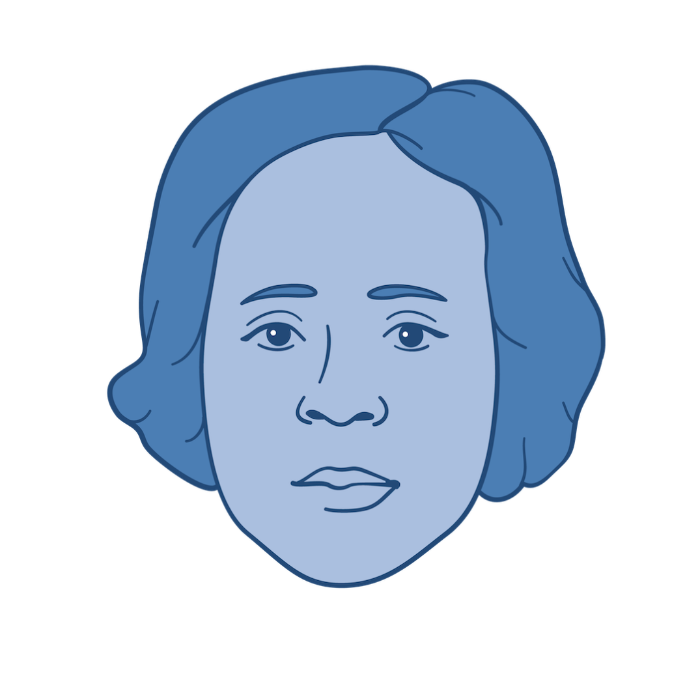
One trailblazing example is Meta L. Christy, DO, the first African American doctor of osteopathic medicine. Graduating in 1921 from what’s now Philadelphia College of Osteopathic Medicine, Dr. Christy shattered ceilings and inspired generations. Early Black osteopathic physicians like Christy became anchors in their communities, delivering culturally competent, whole person care long before those terms were commonly used and embraced.
Scientific Growth and Professional Integration in the 20th Century
The 20th century transformed osteopathy from a plucky upstart into a scientific powerhouse. The early curricula was expanded to incorporate cutting-edge biomedical sciences like microbiology, pharmacology, pathology, and advanced diagnostics while preserving the core emphasis on manipulation and holistic care.
DOs entered surgical and medical specialties with gusto. By the mid-twentieth century, they were performing complex operations, running ICUs, and leading research. Federal and military recognition followed, with the military fully integrating Dos in 1967. DOs who served during World War II and beyond practiced alongside MDs, earning equal respect.
Osteopathic medical schools grew from the single institution in Kirksville to dozens across the country. As osteopaths became more common, hospitals affiliated with DOs grew, offering full-spectrum training. The crowning achievement came in 2020 with the transition to a single graduate medical education accreditation system under the ACGME, when, after years of parallel tracks, the AOA and ACGME programs unified to create seamless opportunities for all medical residents.
The Modern Rise of DO Physicians
The modern rise of DO physicians is nothing short of spectacular. In recent decades, the profession has exploded with growth that would make Andrew Taylor Still beam with pride. Building from the handful of schools a generation ago, there are now 46 colleges of osteopathic medicine across 36 states, welcoming tens of thousands of brilliant students each year. As of 2025, there are over 207,000 DOs and osteopathic medical students in the US.
This surge in schools means increasing representation in residency programs and every specialty imaginable. DOs are matching into competitive fields like orthopedics, cardiology, dermatology, and more at rates that reflect their excellence. They’re no longer “the other doctors,” but sought-after colleagues bringing whole-person perspectives to team-based care. Leadership roles in academic and clinical medicine are also flourishing, with DOs serving as deans, department chairs, hospital CEOs, and researchers publishing in top journals. DOs are shaping policy, advancing OMT research, and leading wellness initiatives.
Yet through all this success, the continued emphasis on osteopathic principles and whole-person care remains the heartbeat. Modern DOs still learn OMT. They still focus on prevention and still treat their patients as partners in care. Whether in bustling urban hospitals or rural clinics, DOs bring that signature blend of science and compassion.
What the History of DOs Means for Today’s Medical Students
So, what does all this rich, resilient history mean for you, the medical student embarking on this journey? Everything. The profession’s roots in reform and resilience are your inheritance. When challenges arise, like long study hours, tough rotations, or moments of doubt, remember that Andrew Still faced far greater odds and never wavered. His story, and the stories of every DO who fought for legitimacy, should remind you that perseverance turns vision into reality.
You now carry the responsibility of advancing osteopathic philosophy. That means practicing medicine that listens to the whole patient, not just the chief complaint. It means using your hands as diagnostic tools, advocating for prevention, and treating the entire person rather than just the disease.
Carrying the Legacy Forward
As you stand on the threshold of your medical career, your white coat becomes both a symbol and a responsibility. When you wear it for the first time, you step into more than a century of courage, compassion, and innovation shaped by every DO who came before you.
The DO degree carries both scientific rigor and philosophical depth. You’ll master modern diagnostics and treatments while embracing a whole-person approach that recognizes the body’s unity, its capacity to heal, and the importance of partnership with patients. As osteopathic medicine continues to evolve through research, global recognition, and leadership in wellness and preventive care, you’ll help shape its future and meet challenges like access, chronic disease, and physician burnout with innovation and purpose.
Key Takeaways
- Osteopathic medicine began in 1874 as a reform movement led by Andrew Taylor Still.
- DOs train in osteopathic manipulative treatment (OMT) and emphasize the body’s self-healing capacity.
- The American School of Osteopathy (Kirksville, 1892) helped establish formal DO education.
- DOs faced licensing and accreditation challenges before achieving parity with MDs in the U.S.
- Today DOs practice with a whole-person, preventive care philosophy while maintaining full medical licensure and wide specialty access.
References
- https://www.osmosis.org/learn/What_is_Osteopathic_Medicine_(DO)
- https://www.osmosis.org/library/do
- https://pmc.ncbi.nlm.nih.gov/articles/PMC3143864/
- https://www.civilwarmed.org/medical-education-in-the-19th-century/
- https://pdf.benchchem.com/162/Application_Notes_and_Protocols_The_Historical_Use_of_Calomel_Mercurous_Chloride_as_a_Cathartic.pdf
- https://www.smithscastle.org/the-cocumscussoc-review/2025/3/13/plasters-purges-and-potions-eighteenth-century-medicine-in-the-colonies-through-the-revolutionary-war-by-robert-a-geake
- https://exhibits.hsl.virginia.edu/caricatures/en4-quacks/index.html
- https://thedo.osteopathic.org/2024/06/timeline-a-breakdown-of-the-history-of-osteopathic-medicine/
- https://www.mainedo.org/history-of-osteopathic-medicine
- https://www.atsu.edu/museum-of-osteopathic-medicine/museum-at-still
- https://www.osteopedia.uk/histories-of-osteopathy/22-june-1874-osteopathy-is-born/#gsc.tab=0
- https://showmemo.civilwarvirtualmuseum.org/collection/first-class-of-american-school-of-osteopathy/
- https://www.atsu.edu/about-atsu/history
- https://www.chiroone.com/blog/why-spinal-alignment-matters-how-a-healthy-spine-supports-your-whole-body/
- https://en.wikipedia.org/wiki/William_Smith_(physician)
- https://thedo.osteopathic.org/2022/04/5-stories-and-artifacts-that-tell-us-about-the-history-of-osteopathic-medicine/
- https://www.researchgate.net/publication/261956475_The_’little_md’_or_the_’Big_DO’_The_Path_to_the_California_Merger
- https://www.facebook.com/MuseumOsteopathic/posts/the-school-also-lost-one-of-its-great-ladies-when-dr-blanche-laughlin-died-octob/952049143613130/
- https://www.pcom.edu/about/departments/marketing-and-communications/digest-magazine/digest-featured-stories/meta-christy-do-first-african-american-osteopathic-physician.html
- https://www.acgme.org/
- https://www.aacom.org/become-a-doctor/prepare-for-medical-school/us-colleges-of-osteopathic-medicine
- https://thedo.osteopathic.org/2025/10/number-of-dos-osteopathic-medical-students-surpasses-the-200k-mark/
- https://www.pcom.edu/do/news/history-of-osteopathic-medicine.html
- https://www.amops.org/history-of-osteopathic-medicine
- https://osteopathicheritage.org/osteopathic-medicine
- https://www.mndo.org/history-of-osteopathic-medicine
- https://www.journalofosteopathicmedicine.com/article/S1746-0689%2812%2900075-2/fulltext
- https://www.degruyterbrill.com/document/doi/10.7556/jaoa.2014.005/html
- https://archive.org/details/dososteopathicme0000gevi_02ed
- https://osteopathichistory.com/
- https://www.sciencedirect.com/journal/international-journal-of-osteopathic-medicine
- https://www.sciencedirect.com/journal/international-journal-of-osteopathic-medicine/vol/13/issue/1
- https://www.sciencedirect.com/science/article/pii/S1746068912000752
- https://www.sciencedirect.com/journal/international-journal-of-osteopathic-medicine/publish/open-access-options

Want more USMLE® Step 2 CK practice questions? Try Osmosis from Elsevier today! Access your free trial and discover why millions of current and future clinicians and caregivers love learning by Osmosis.
Leave a Reply