
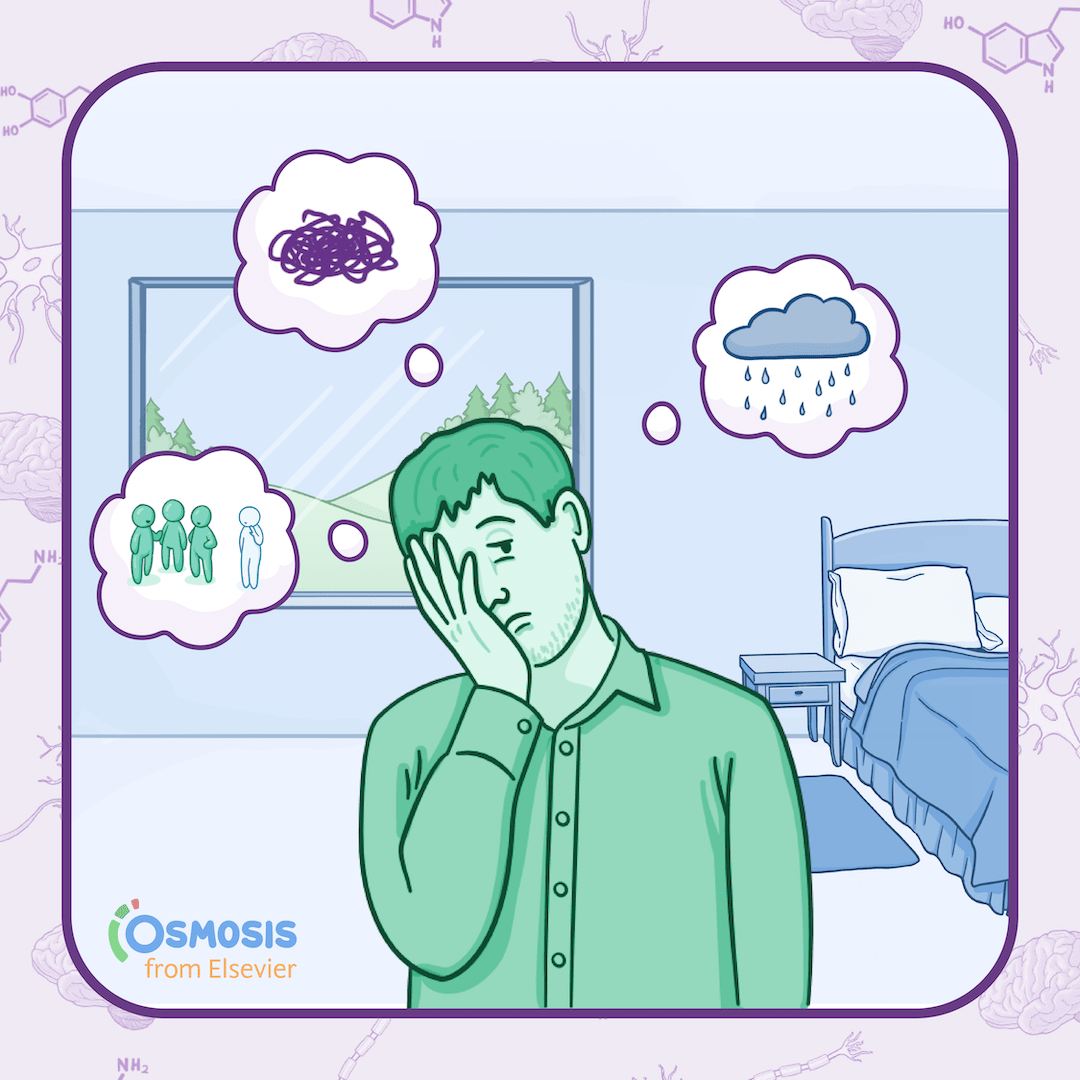
Illness Anxiety Disorder (IAD), previously called Hypochondriasis or Hypochondria, is a mental health disorder marked by intense anxiety and excessive fear of having or developing a serious illness. Even after repeated normal lab results and exams, patients with IAD remain highly vigilant about their health. They may misinterpret normal sensations, such as fatigue, brief pain, or stomach discomfort, as signs of severe disease.
To meet DSM-5 diagnostic criteria for health-related anxiety (IAD), symptoms must persist for at least six months and cannot be better explained by another psychiatric disorder. Under the DSM-5, Illness Anxiety Disorder is classified within Somatic Symptom and Related Disorders. This group of conditions is characterized by a disproportionate focus on physical health that leads to clinically significant distress and negatively impacts patients’ daily lives.
While IAD affects less than 1% of the population, its impact on the healthcare system is significant. Due to the nature of the disorder, people with IAD often engage in frequent medical visits, undergo repeated diagnostic testing, and receive fragmented care, which increases use of healthcare resources and provider burden. These patterns also negatively affect patients’ quality of life and raise the risk of misdiagnosis. Consequently, it’s essential for health professionals to recognize and effectively manage IAD.
What Is Illness Anxiety Disorder?
What if you had a daily preoccupation with the idea that you currently have or will eventually develop a serious illness? Patients with IAD worry about having or developing a serious illness, even in the absence of significant physical symptoms. This health anxiety often leads to behaviors such as repeated body checking, reassurance seeking, or excessive online symptom research.
Two clinical patterns are commonly observed:
- Care-seeking type: frequent medical visits, repeated testing, and provider switching
- Care-avoidant type: avoidance of medical care due to fear of receiving a serious diagnosis
The prevalence of significant health anxiety in general practice (primary care) is estimated to be between 0.8% and 3.05%. The prevalence of illness anxiety is notably higher in specialty care settings:
- Endocrinology: 17.5%
- Cardiology: 19.1%
- Gastroenterology: 19.5%
- Respiratory medicine: 20.9%
- Neurology: 24.7%
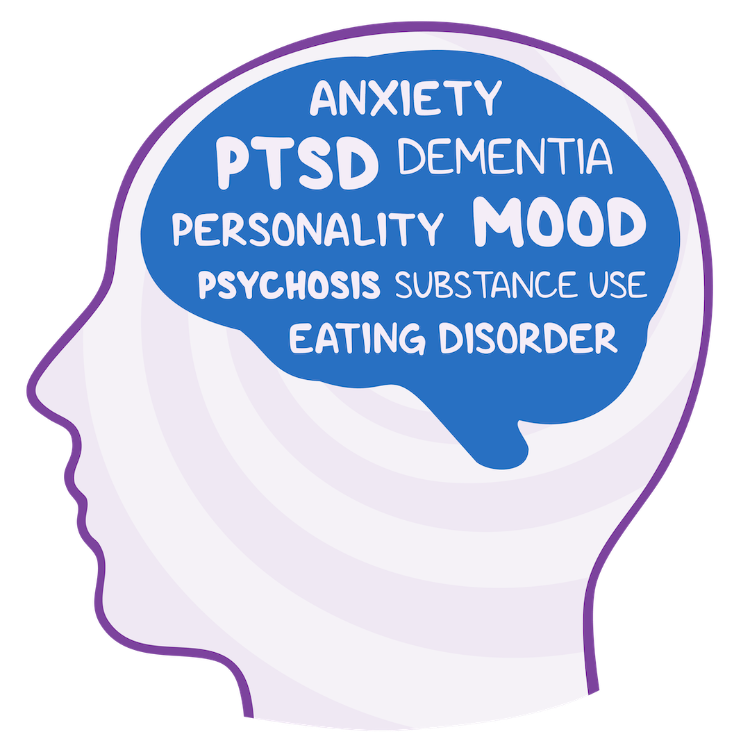
Differentiating IAD From Related Disorders
Do you know how IAD differs from other anxiety disorders, somatic symptoms, or other related disorders?
- Generalized Anxiety Disorder (GAD) involves excessive worry across multiple aspects of daily life.
- Somatic Symptom Disorder (SSD) involves distressing symptoms, such as pain or fatigue. Patients feel extreme anxiety about their symptoms and seek a range of interventions to investigate them.
Anxiety and distress are present in all these disorders, but the cause differs. In IAD, the patient’s fears center on illness, not symptoms.
Causes and Risk Factors
The exact cause of IAD is still unknown. Several theories are being investigated that help explain its development, including:
- Misinterpretation of bodily sensations: Individuals misinterpret normal physical sensations as signs of serious illness, leading to maladaptive safety behaviors such as excessive medical visits, reassurance seeking, symptom research, or avoidance of medical care.
- Anxious attachment style: Health anxiety may stem from an anxious attachment style rooted in childhood experiences, resulting in maladaptive care-seeking behaviors due to a need for emotional reassurance that’s fulfilled by receiving medical care for health concerns.
- Maladaptive coping mechanisms: To manage distress caused by dysfunctional health beliefs, individuals engage in behaviors such as excessive doctor visits, body checking, or health-related research. These behaviors may provide short-term relief, but ultimately maintain health anxiety.
Common Risk Factors for IAD
Aside from these theories, a variety of risk factors relate to the development of IAD. These include:
- Frequent family focus on illness or health concerns
- Heightened sensitivity to bodily sensations
- Serious childhood illness or illness in close family members
- Comorbid anxiety, depression, or obsessive-compulsive disorder (OCD)
- Excessive health-related internet use
- History of trauma, abuse, or neglect
- Chronic or extreme stress
Having a medical or psychiatric condition does not rule out IAD. Patients with IAD can also have depression, anxiety, or obsessive-compulsive disorder.
Recognizing Illness Anxiety Disorder in Patients
As a healthcare professional, there are a few ways that you may recognize IAD in patients.
Patients with IAD most often present in primary care settings. Despite normal physical exams and diagnostic testing, they continue to express intense concern about undiagnosed illness, despite constant reassurance that their physical exam and labs are normal.
Clinical features that suggest Illness Anxiety Disorder (IAD) include:
- Frequent medical visits to a variety of providers for the same concern
- Persistent reassurance seeking
- High sensitivity to bodily sensations
- Impairment in social, occupational, or academic functioning

Diagnosis and Assessment
Diagnosis of IAD requires a thorough medical evaluation to reasonably rule out underlying disease. Make sure to gather a detailed patient history, complete a comprehensive physical exam, and order necessary testing based on the patient’s symptoms. Throughout the assessment, prioritize active listening, empathy, and validation of distress. Avoid unnecessary testing. When assessing a patient, determine whether their symptoms reflect a genuine medical condition requiring further evaluation or if they’re consistent with IAD.
Screening and Diagnostic Tools
There are also screening tools available to assist with the diagnosis of IAD:
- Health Preoccupation Diagnostic Interview (used primarily in research to differentiate between IAD and SSD)
- Anxiety and Related Disorders Interview Schedule for DSM-5 (ADIS-5)
- Structured Clinical Interview for DSM-5 (SCID-5)
Because IAD is a psychiatric condition, interdisciplinary collaboration, particularly between psychology and psychiatry providers, is essential. Although patients frequently visit their primary care provider, IAD is a mental health condition, and a psychologist or psychiatrist who’s part of the team can assist with diagnosis.
It’s important to keep in mind that mental health stigma is still prevalent, and a patient may be reluctant to accept that what they’re experiencing is due to a mental health condition rather than an underlying medical condition. Normalizing mental health treatment through compassionate and open conversations is a great way to encourage patients to seek treatment for IAD symptoms.
Treatment Approaches
Effective management of IAD relies on continuity of care, patient education, and evidence-based treatment. Patients should have regular follow-ups with their primary care physician, which allows the provider to:
- Evaluate any new patient health concerns.
- Address and manage patient health and anxiety.
- Reduce emergency room visits.
- Avoid unnecessary lab tests, imaging studies, and referrals.
- Avoid overburdening the healthcare system visiting additional clinicians.
Patients should also be referred to a licensed mental health professional for an evaluation.
Psychotherapy (First-Line Treatment)
Cognitive Behavioral Therapy (CBT) is the first-line treatment for IAD. CBT helps patients:
- Identify and challenge maladaptive health beliefs through behavior modification, reframing, and stress-reduction techniques.
- Reduce reassurance-seeking and checking behaviors.
- Reframe interpretations of normal bodily sensations.
Emerging evidence also supports:
Pharmacologic Treatment
The second-line treatments for IAD are selective serotonin reuptake inhibitors (SSRIs) and serotonin-norepinephrine reuptake inhibitors (SNRIs), which are antidepressants. Most patients need a combination of psychotherapy and medication.
Overall, treat IAD with patient education, support, and reassurance. Ensure patients feel heard and not dismissed. Build a strong therapeutic alliance so patients feel understood and follow treatment. Be compassionate and supportive. Encourage patients to avoid researching health concerns online, use stress management techniques, and exercise.

Supporting Patients in Clinical Practice
Supporting patients with IAD requires validating their concerns, actively listening, and setting appropriate boundaries in clinical care. Clear communication and collaboration between primary care and mental health providers are essential while maintaining patient confidentiality and understanding each provider’s role. Remember, once IAD is diagnosed, regular follow-ups with a single provider help build a strong therapeutic alliance, reduce excessive healthcare utilization, and manage a patient’s reassurance-seeking behaviors.
Considerations for Health Professionals
We’ve focused a lot on how to support patients with health anxiety. Let’s take some time to discuss the emotional and professional challenges of working with patients with IAD.
Managing the care of patients with IAD can be challenging and emotionally demanding. Repeated reassurance requests and dissatisfaction with normal results can contribute to provider frustration and burnout. These experiences can be exhausting, but try to remember how vulnerable and fearful the patient may feel.
Helpful strategies to manage frustration include:
- Clearly communicating with your patients
- Creating a safe environment with clear expectations and boundaries
- Getting support from peers or colleagues
- Maintaining empathy and professionalism
- Prioritizing mental health education (for your patients and yourself)
Resources for Health Professionals
Here are a few helpful resources for learning more about Illness Anxiety Disorder (IAD) so that you can stay updated and support your patients effectively:
- National Institutes of Health (NIH) Overview of IAD
- American Psychiatric Association (APA) IAD Case Example
- DSM-5 Criteria for IAD
Key Takeaways
- IAD involves excessive fear of illness despite normal medical evaluations.
- To be diagnosed, symptoms must persist for six months and impact daily functioning.
- CBT is a first-line treatment; SSRIs may be used concurrently.
- Patient education and strong therapeutic alliances improve outcomes.
- Healthcare providers should manage stress and set clear care boundaries with IAD patients.
Resources
- https://www.ncbi.nlm.nih.gov/books/NBK554399/
- https://www.ncbi.nlm.nih.gov/books/NBK519704/table/ch3.t32/
- https://www.merckmanuals.com/home/mental-health-disorders/somatic-symptom-and-related-disorders/overview-of-somatic-symptom-and-related-disorders
- https://www.sciencedirect.com/science/article/abs/pii/S0022399921003512
- https://www.sciencedirect.com/science/article/pii/S002239991100211X#:~:text=Of%2043%2C205%20patients%20attending%20the,condition%20in%20general%20hospital%20settings. https://my.clevelandclinic.org/health/diseases/17976-somatic-symptom-disorder-in-adults
- https://www.sciencedirect.com/science/article/abs/pii/S016503272400747X
- https://link.springer.com/article/10.1007/s11920-024-01507-2
- https://www.sciencedirect.com/science/article/abs/pii/S0022399917307201
- https://pmc.ncbi.nlm.nih.gov/articles/PMC2741157/
- https://www.psychiatry.org/patients-families/stigma-and-discrimination
- https://www.mayoclinic.org/diseases-conditions/illness-anxiety-disorder/diagnosis-treatment/drc-20373787
- https://www.apaservices.org/practice/business/management/tips/collaboration
- https://www.appi.org/getattachment/a2bbb441-5441-41ec-97eb-01001411a111/APA-Publishing_Illness_Anxiety_Disorder_First_Learning-DSM-5-Case-Example.pdf

Try Osmosis from Elsevier today! Access your free trial and discover why millions of current and future clinicians and caregivers love learning with us.
Leave a Reply