
Category: LPN (Licensed Practical Nursing)
-
5 Powerful Ways to Reduce Implicit Bias for Better Patient Care
— Updated:
Implicit bias can shape clinical interactions and treatment decisions without conscious intent. Explore practical ways clinicians and caregivers can recognize assumptions, challenge blind spots, and support more equitable patient care.
-
NCLEX® LPN Question of the Day: Incident report
— Updated:
After a patient falls on a medical-surgical unit, a student nurse has a question about the reporting process. Test your knowledge of incident reports and nursing responsibilities in this NCLEX LPN-related question.
-
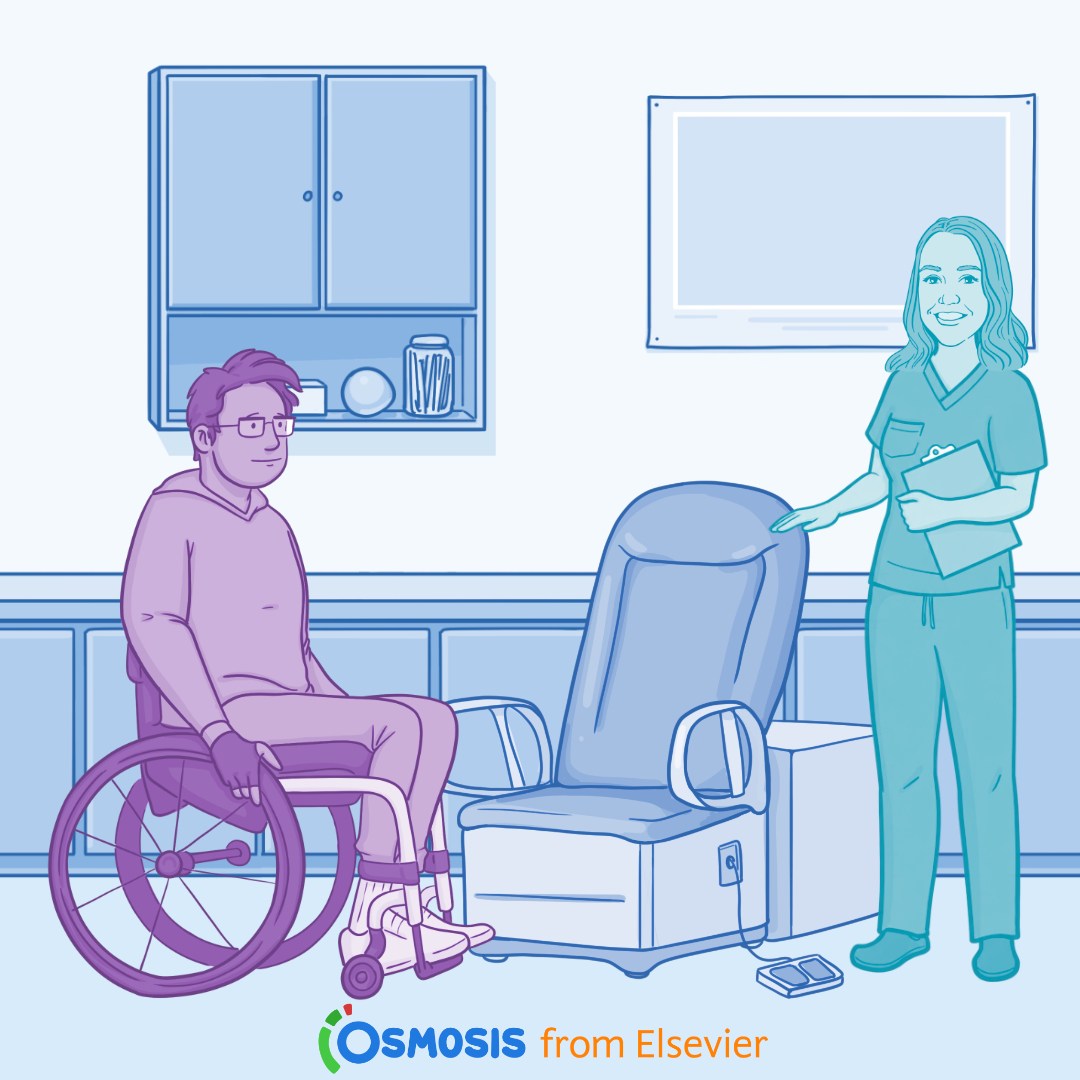
Creating More Accessible Care: The Story Behind Our New Nursing Series
— Updated:
What does accessible healthcare look like in practice? Explore how the new Osmosis series, Caring for Patients with Disabilities, provides realistic case studies to help you learn how to recognize barriers, adapt communication, respect autonomy, and create more inclusive patient experiences.
-
NCLEX® LPN Question of the Day: Atelectasis
— Updated:
What exactly is atelectasis? Test your knowledge of this respiratory condition and see if you can distinguish it from similar pulmonary disorders in this NCLEX-PN-style question.
-
NCLEX® LPN Question of the Day: Adrenal insufficiency
— Updated:
Can you recognize the clinical features of adrenal insufficiency? Challenge your understanding of endocrine disorders and hormone deficiencies with this NCLEX LPN-style question.
-
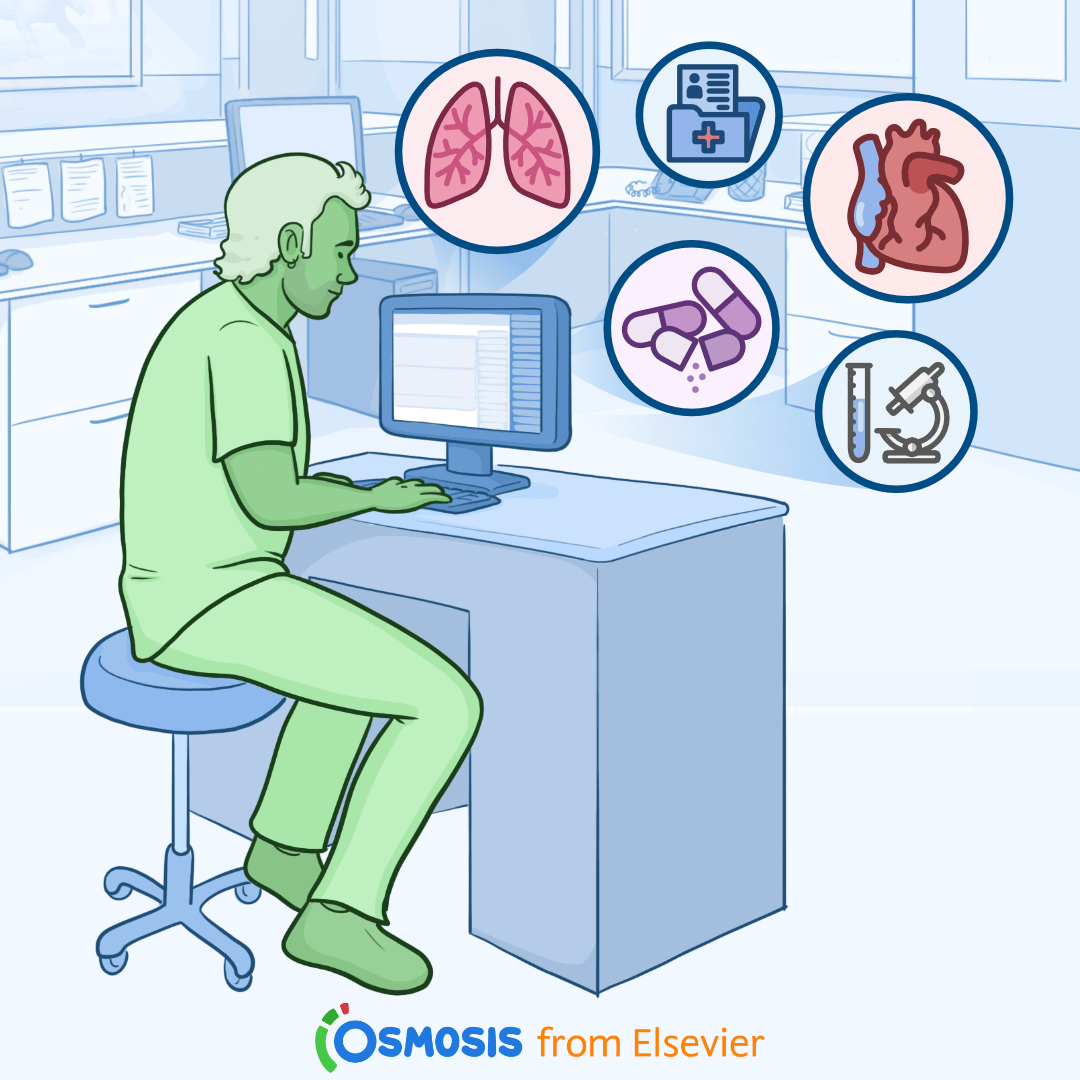
How to Use Generative AI for Clinical Documentation
— Updated:
Generative AI is reshaping clinical documentation, from drafting notes to organizing handoffs and discharge information. Explore where AI can support healthcare workflows, and the safeguards needed to use it responsibly.
-
NCLEX® LPN Question of the Day: Adaptive immunity
— Updated:
Can you distinguish between active and passive adaptive immunity? Challenge your understanding of immune responses with this high-yield LPN clinical scenario.
-
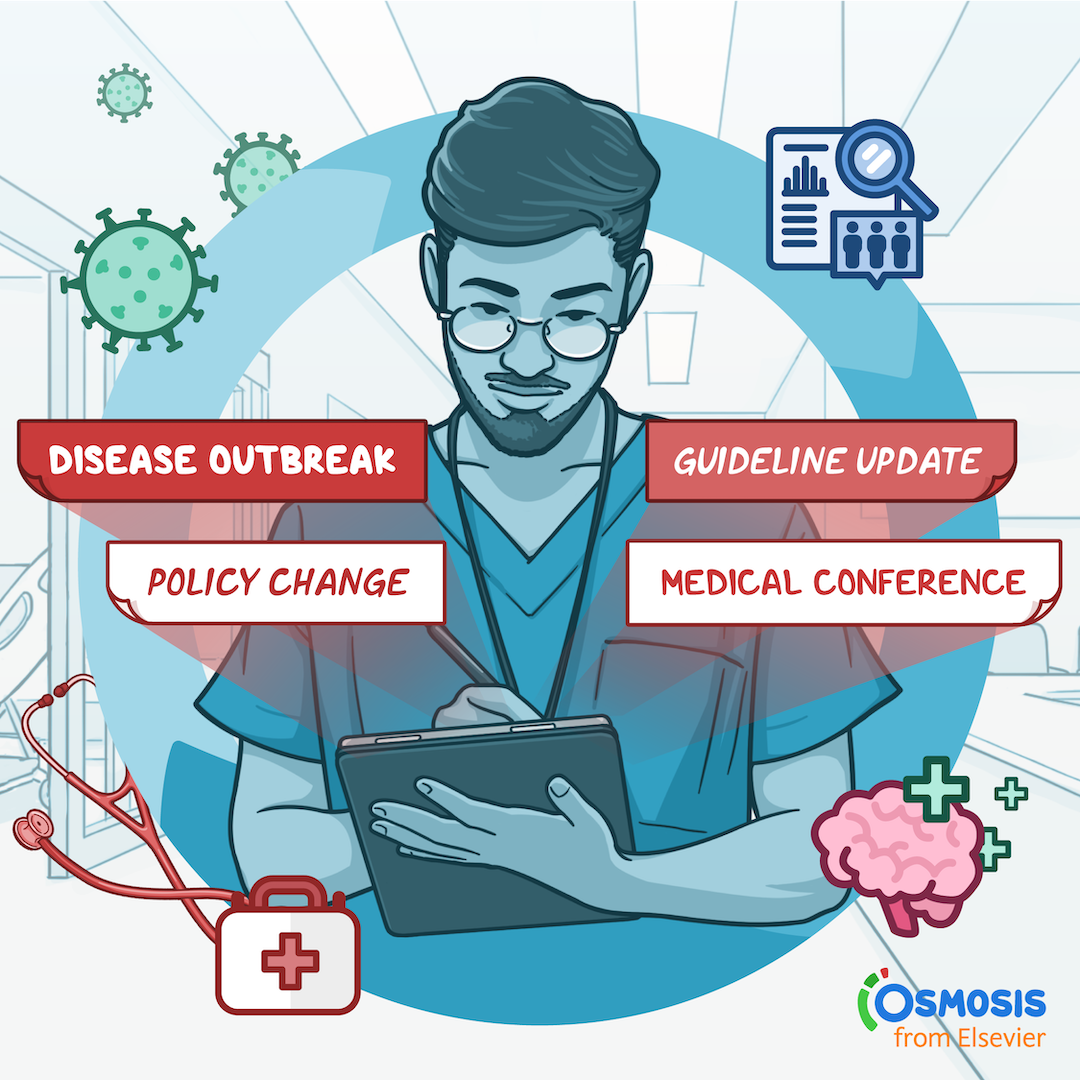
The Healthcare Learning Effect No One Talks About
— Updated:
How do healthcare events shape what clinicians and students learn? Explore how outbreaks, guideline updates, policy changes, and major medical conferences influenced learning activity on the Osmosis platform and what these patterns reveal about medical education.
-
NCLEX® LPN Question of the Day: Acute respiratory distress syndrome
— Updated:
Can you accurately explain Acute Respiratory Distress Syndrome (ARDS) to a patient? Explore this NCLEX-style question covering the pathophysiology and key characteristics of this life-threatening respiratory condition.
-
NCLEX® LPN Question of the Day: Pulse rate
— Updated:
Can you identify which pediatric patient has an abnormal pulse rate? Challenge your understanding of age-specific vital signs with this NCLEX-LPN style nursing question.
-
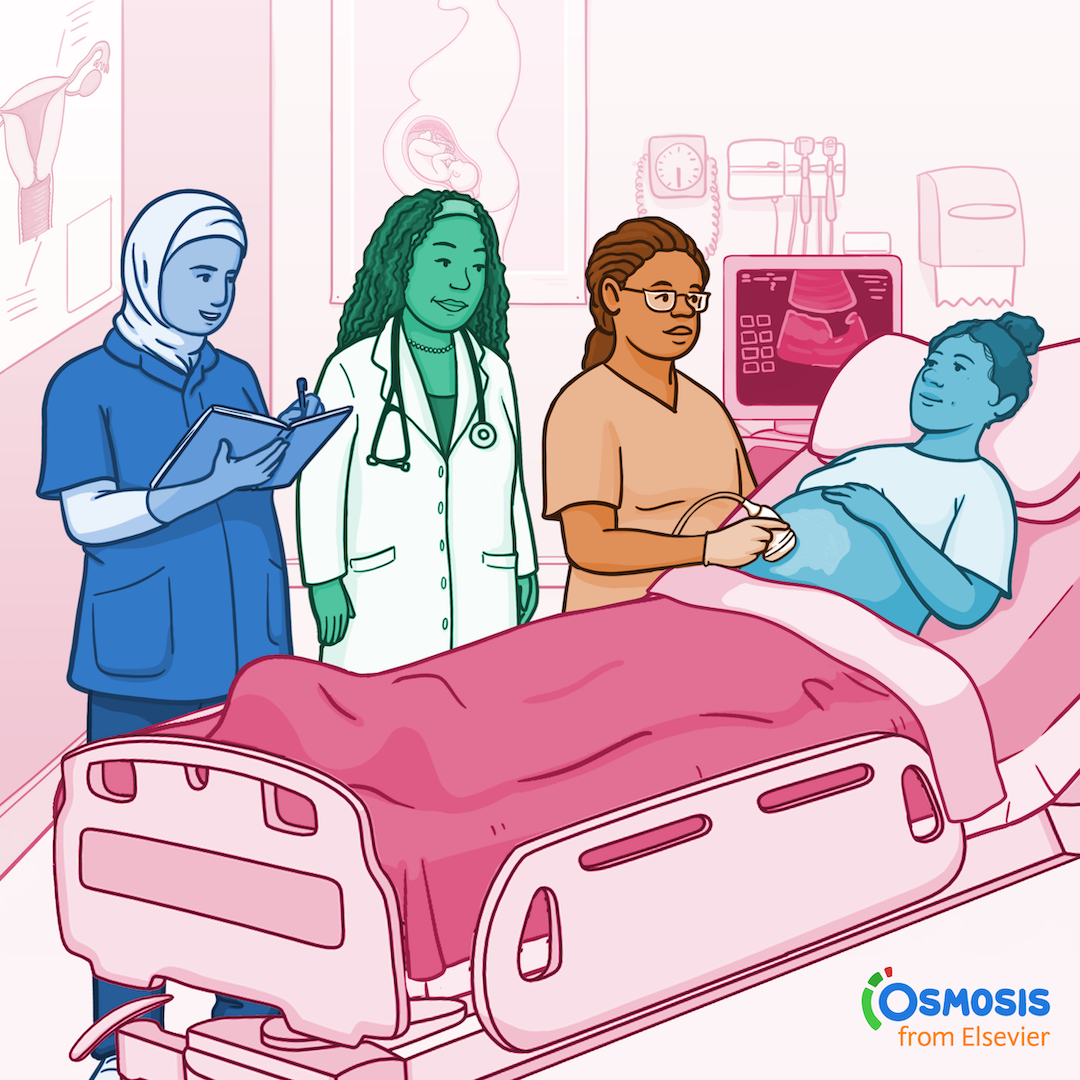
How to Combat Racial Disparities in Maternal Health: 6 Key Strategies
— Updated:
Black women in the US experience significantly higher rates of pregnancy-related complications and death than other groups. Explore the factors driving these disparities and the evidence-based strategies that can help improve maternal health equity.
-
NCLEX® LPN Question of the Day: Hospital discharge
— Updated:
Do you know what truly defines a hospital discharge? Challenge your understanding of care transitions and discharge planning with this quick LPN-focused question.
-
Small Communication Choices That Improve Patient Care
— Updated:
Small communication choices can have a lasting impact on patient trust, understanding, and care experiences. Discover practical strategies for creating more respectful, empathetic, and patient-centered interactions.
-
A Hidden History of Medicine: Unethical Experiments on Black Communities
— Updated:
Medicine’s history isn’t just a story of discovery and innovation. Many major medical advances were shaped by racism, exploitation, and unethical experimentation on Black communities. Understanding this history and its lasting impact is essential to building a more ethical, equitable, and trustworthy healthcare system today.
-
NCLEX® LPN Question of the Day: Mental health crisis
— Updated:
Do you know what suicidal ideation actually means? Sharpen your understanding, avoid common terminology mix-ups, and see how nurses assess mental health in this LPN-focused question of the day.
-
What an Independent Study Found About Medical Learning Apps
— Updated:
A study comparing major medical education apps ranked Osmosis highest for learning usefulness and usability, highlighting the importance of efficient, learner-centered design in healthcare education.
-
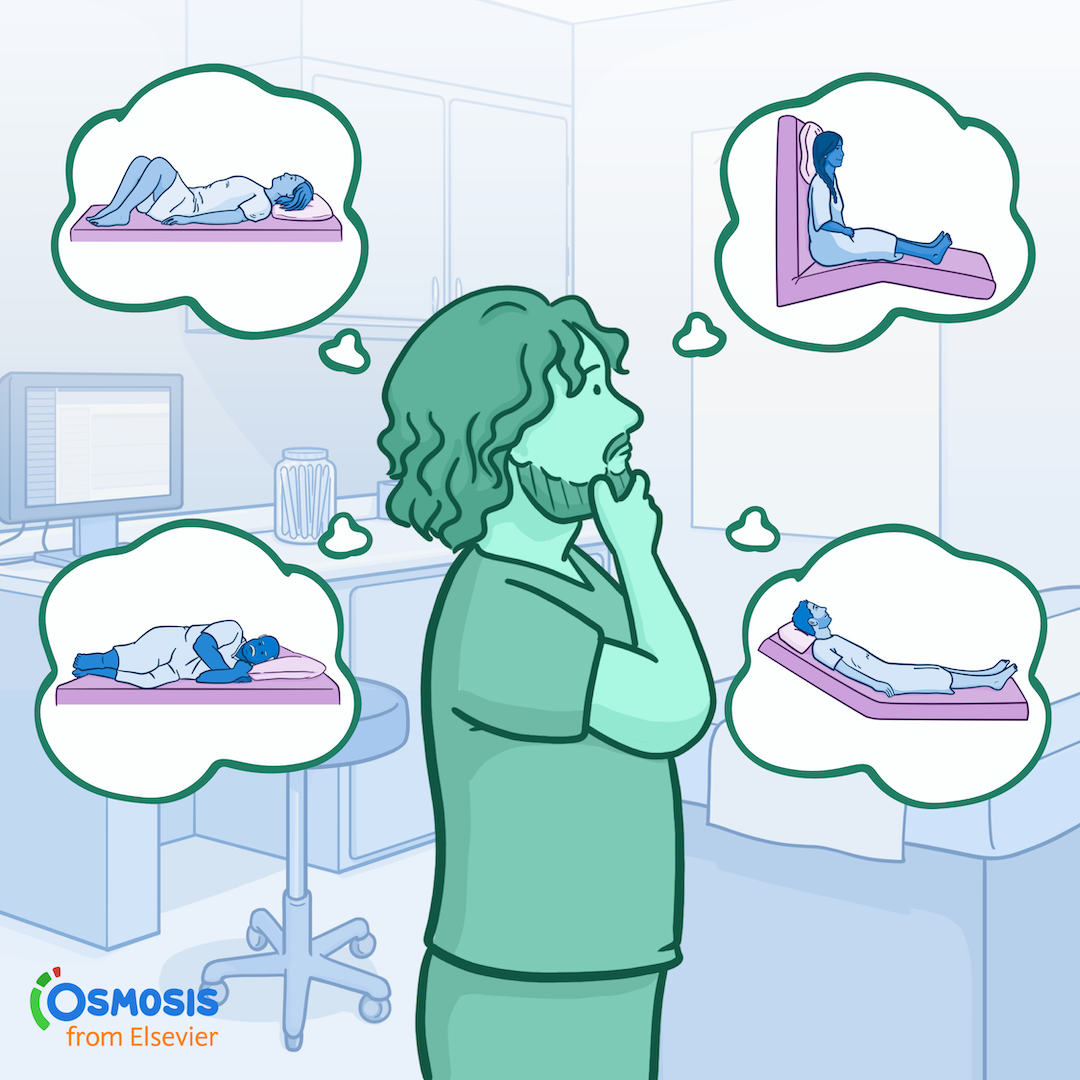
17 Patient Positions Nurses Need to Know & How to Use Them
— Updated:
Positioning is about more than comfort; it directly impacts patient safety, breathing, and outcomes. Discover 17 essential nursing positions, when to use them, and critical safety considerations every nurse must know.
-
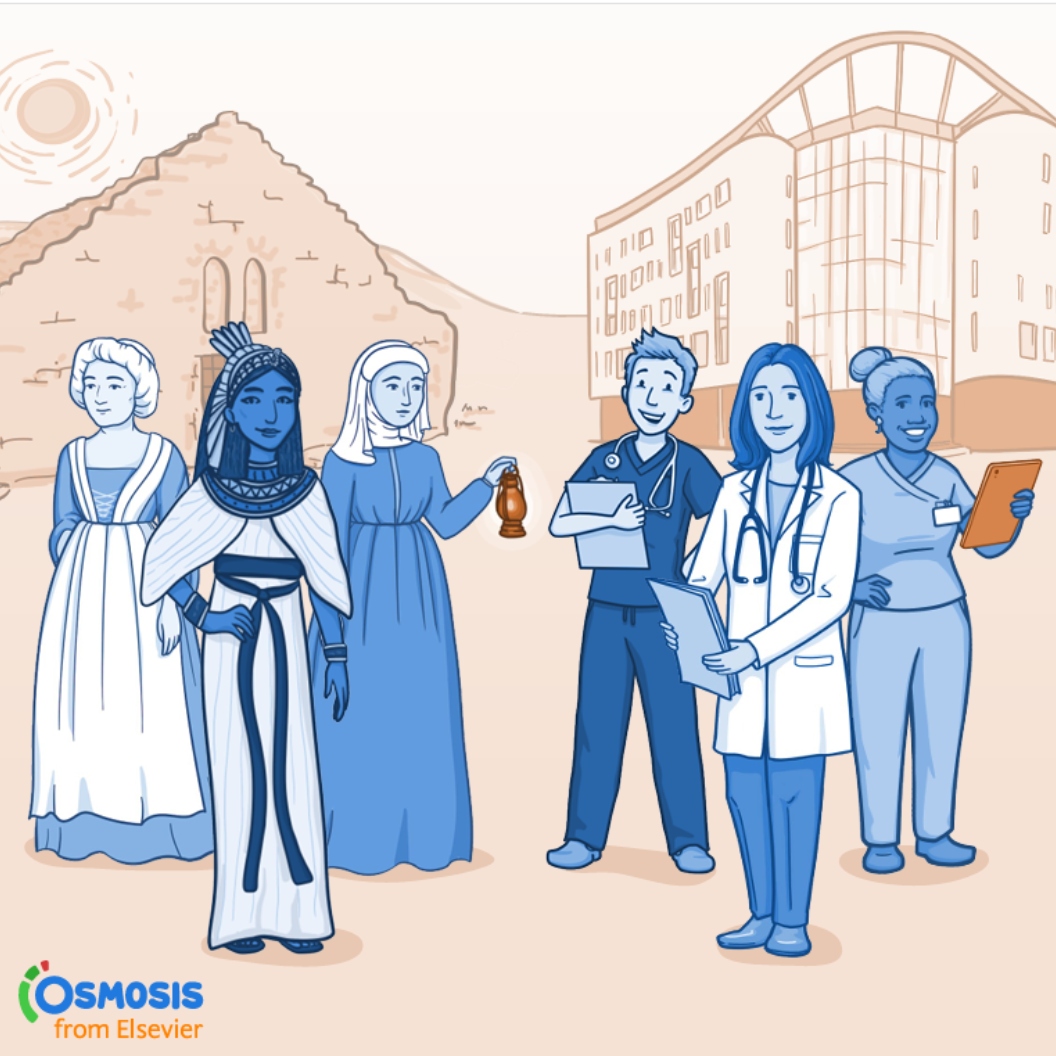
The History of Nursing: From Early Caregiving to Professional Practice
— Updated:
From ancient healers to modern healthcare leaders, nursing has transformed medicine through compassion, science, and innovation. Explore how this essential profession continues to shape the future of care.
-
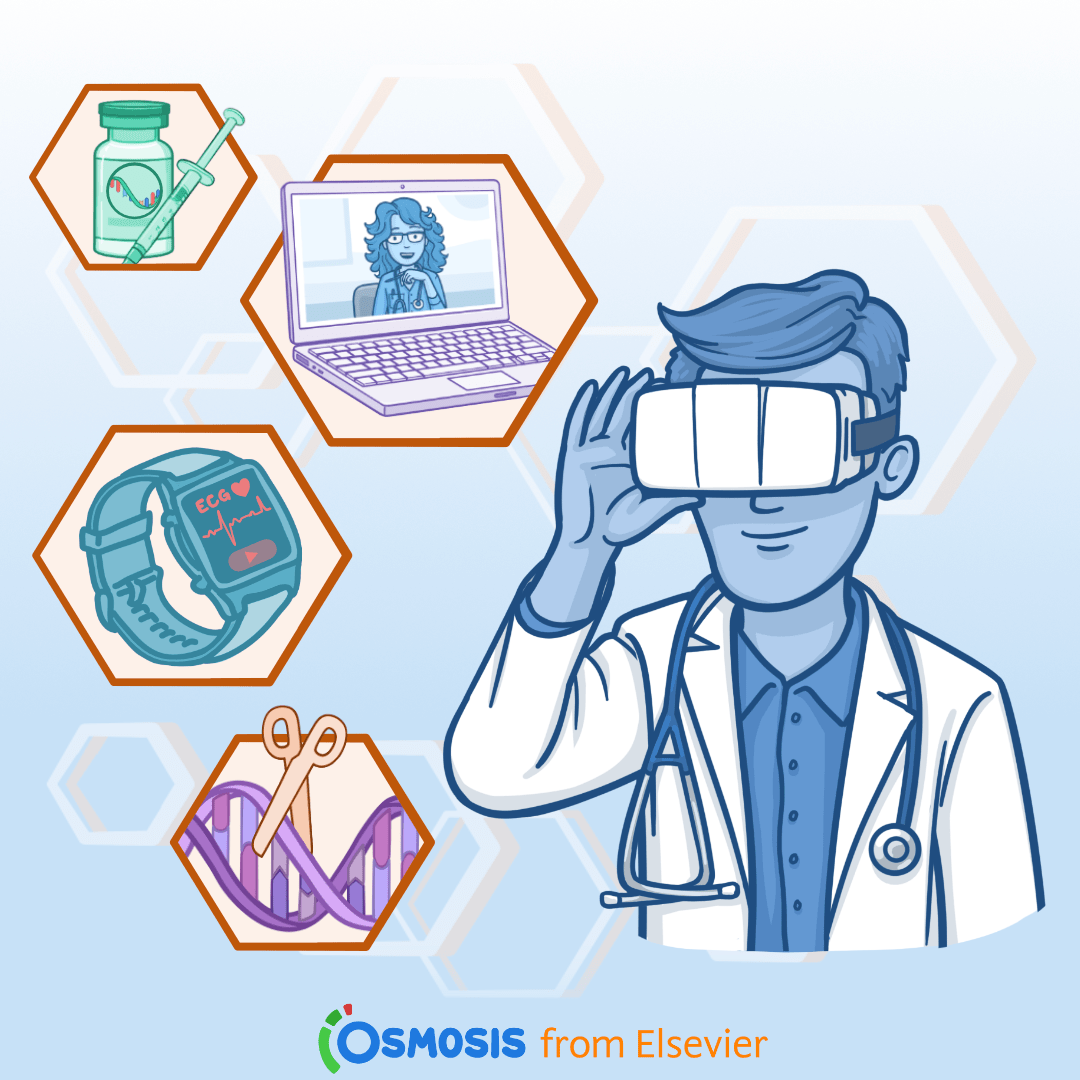
10 Remarkable Medical Breakthroughs from the Last Decade
— Updated:
Healthcare is entering a transformative era driven by biotechnology, AI, and digital health. Discover the innovations reshaping diagnosis, treatment, and prevention, along with what they signal for the future of medicine.
-
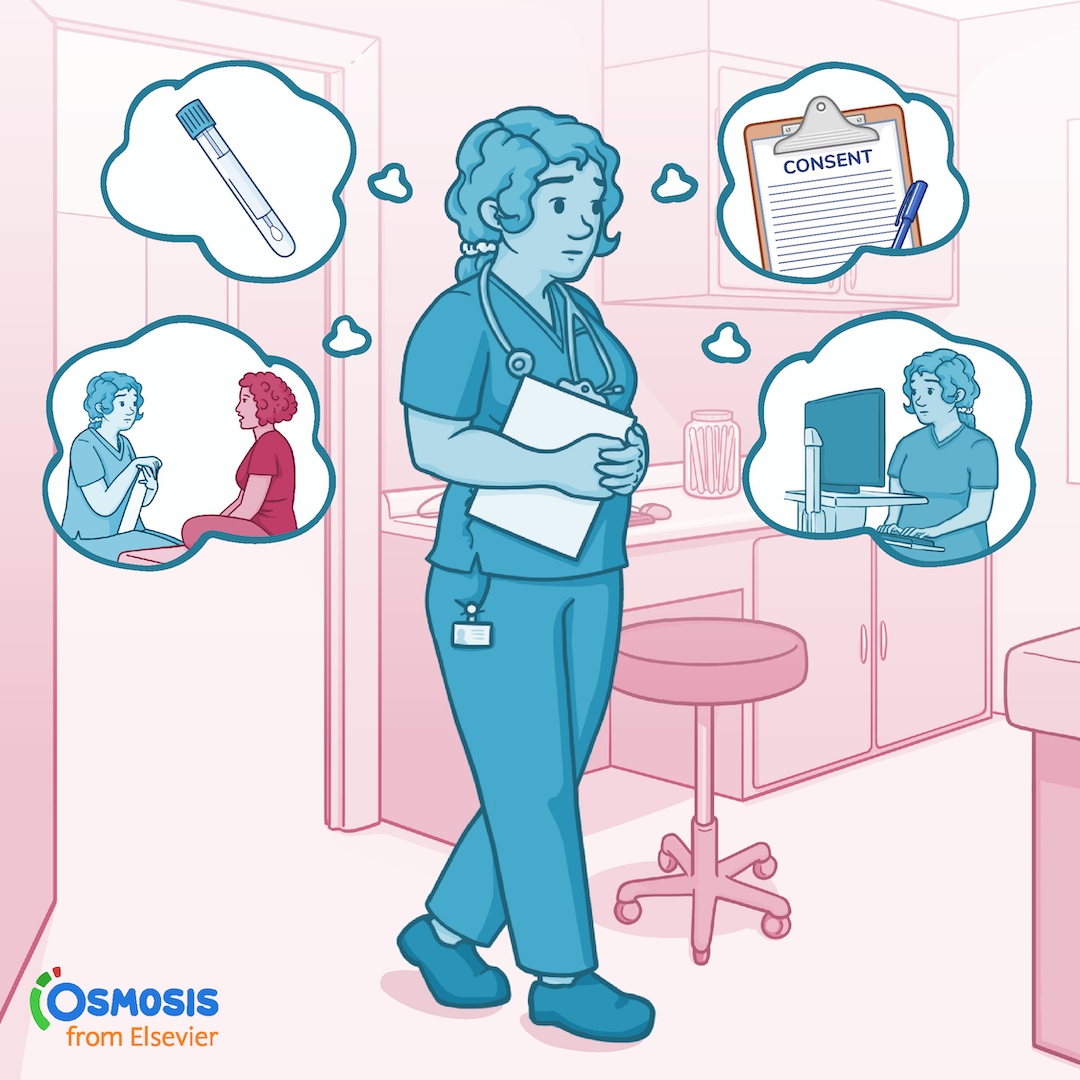
How to Become a Sexual Assault Nurse Examiner (SANE)
— Updated:
Find out what it takes to become a Sexual Assault Nurse Examiner (SANE), from RN licensure to specialized forensic training. Explore certification pathways, essential skills, and the critical role SANEs play in trauma-informed care and evidence collection.
-
NCLEX® LPN Question of the Day: Type II diabetes mellitus
— Updated:
When risk factors for type 2 diabetes crop up in an EHR, a practical approach matters. Find out how nurses structure a patient history, apply key risk indicators, and design preventive strategies to help patients reduce risk and improve outcomes in today’s NCLEX LPN question of the day.
-
Lista final de consejos de estudio por Osmosis de Elsevier
— Updated:
Una guía práctica en español sobre cómo Osmosis de Elsevier reúne consejos y técnicas de aprendizaje para destacarte en salud, prepararte para exámenes USMLE/NCLEX y triunfar en prácticas clínicas y rotaciones. Aprenderás a adaptar métodos a tu estilo, priorizar lo esencial y mantener la motivación a lo largo del programa.
-
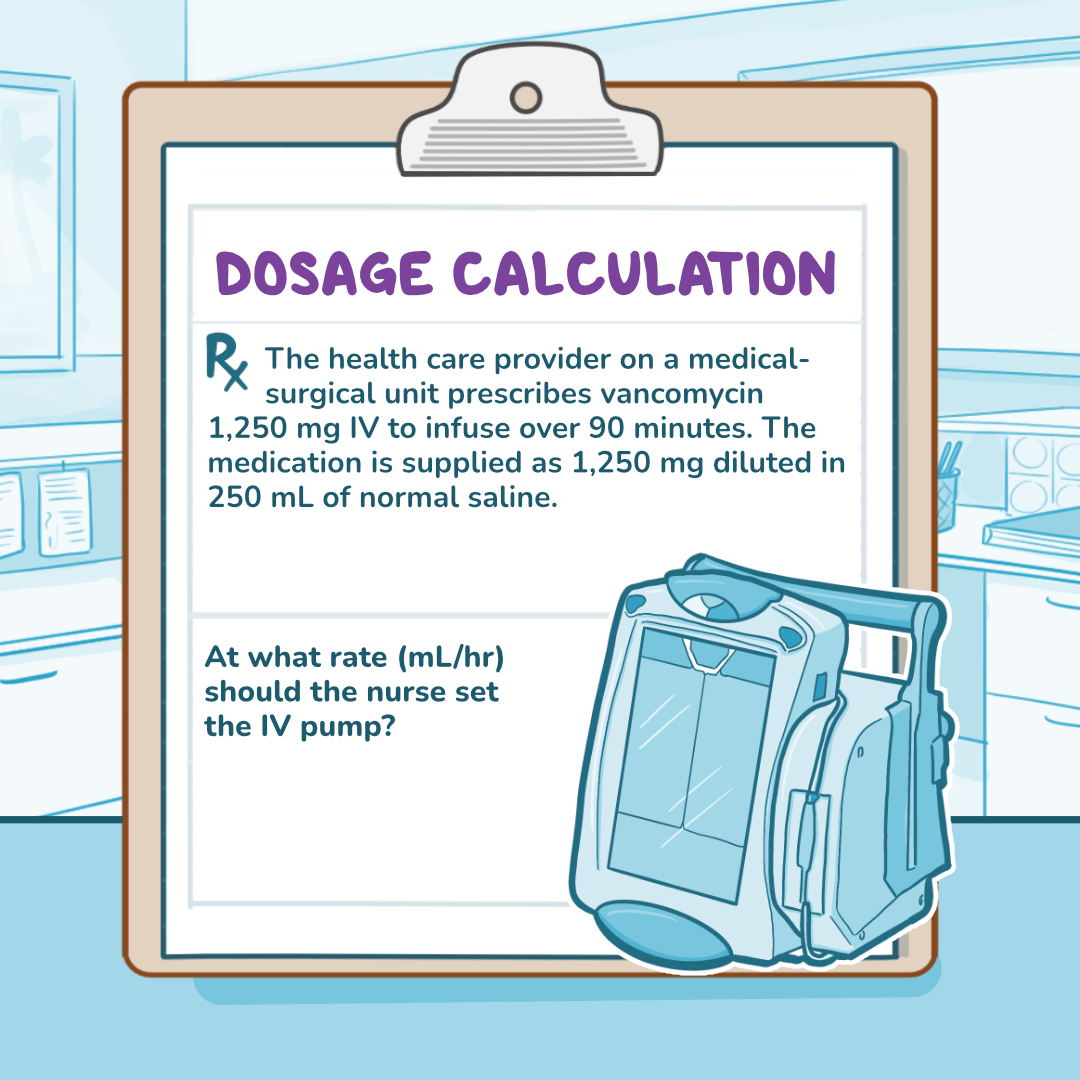
Dosage Calculation: Vancomycin
— Updated:
Tackle this IV infusion rate problem and learn a reliable method for accurate, safe medication administration in a busy clinical setting.
-
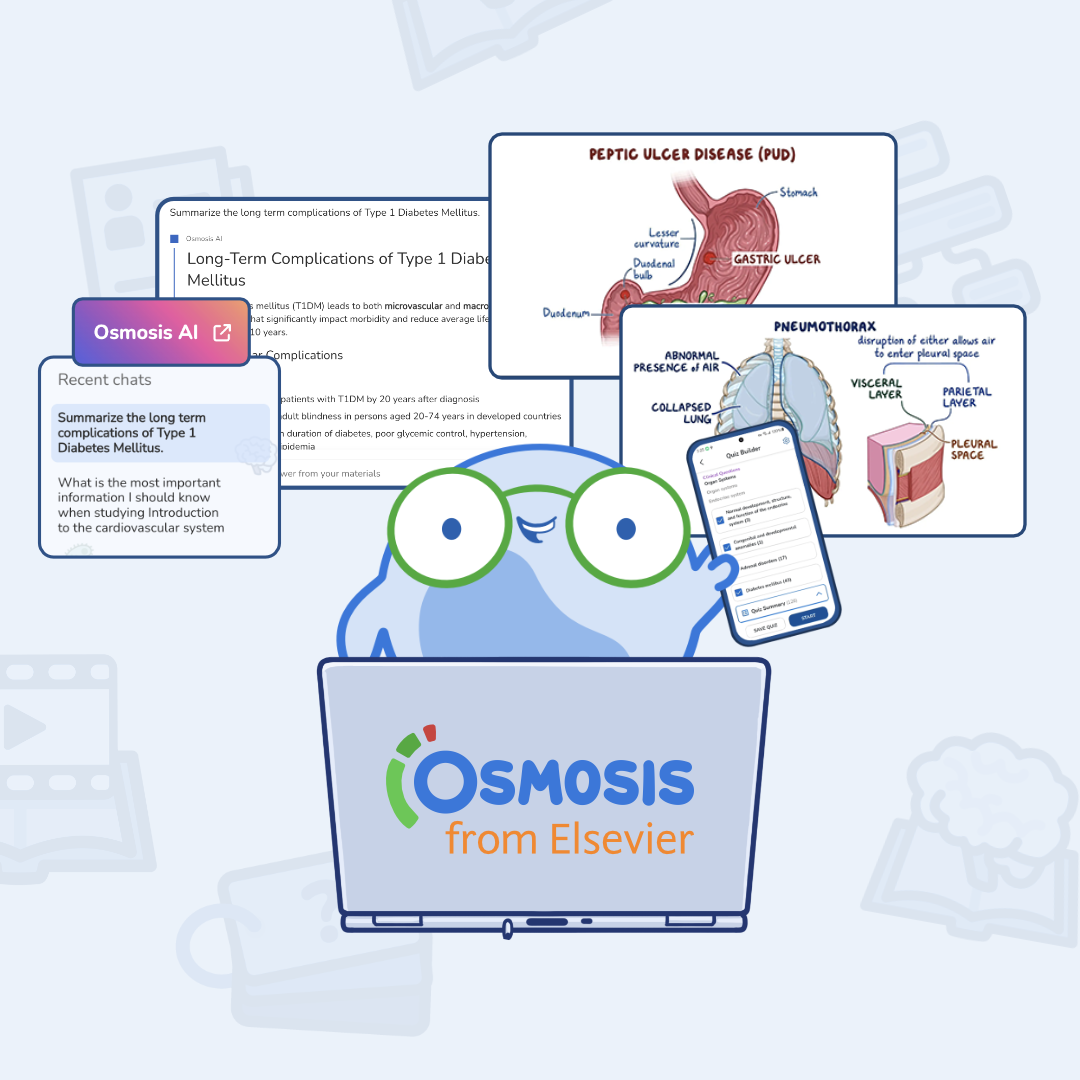
Osmosis Product Updates: 2026
— Updated:
Discover the ways Osmosis is evolving throughout the year! Learn about new features, content, badges, and helpful playlists to streamline planning and make your study experience more effective.
-
NCLEX® LPN Question of the Day: Respiratory rate
— Updated:
An LPN reviews respiratory rates across multiple ages to determine which readings are abnormal. Explore how to apply age-specific normative ranges, ensure accurate counting, and interpret results to guide patient care and nursing decisions in acute settings.
-
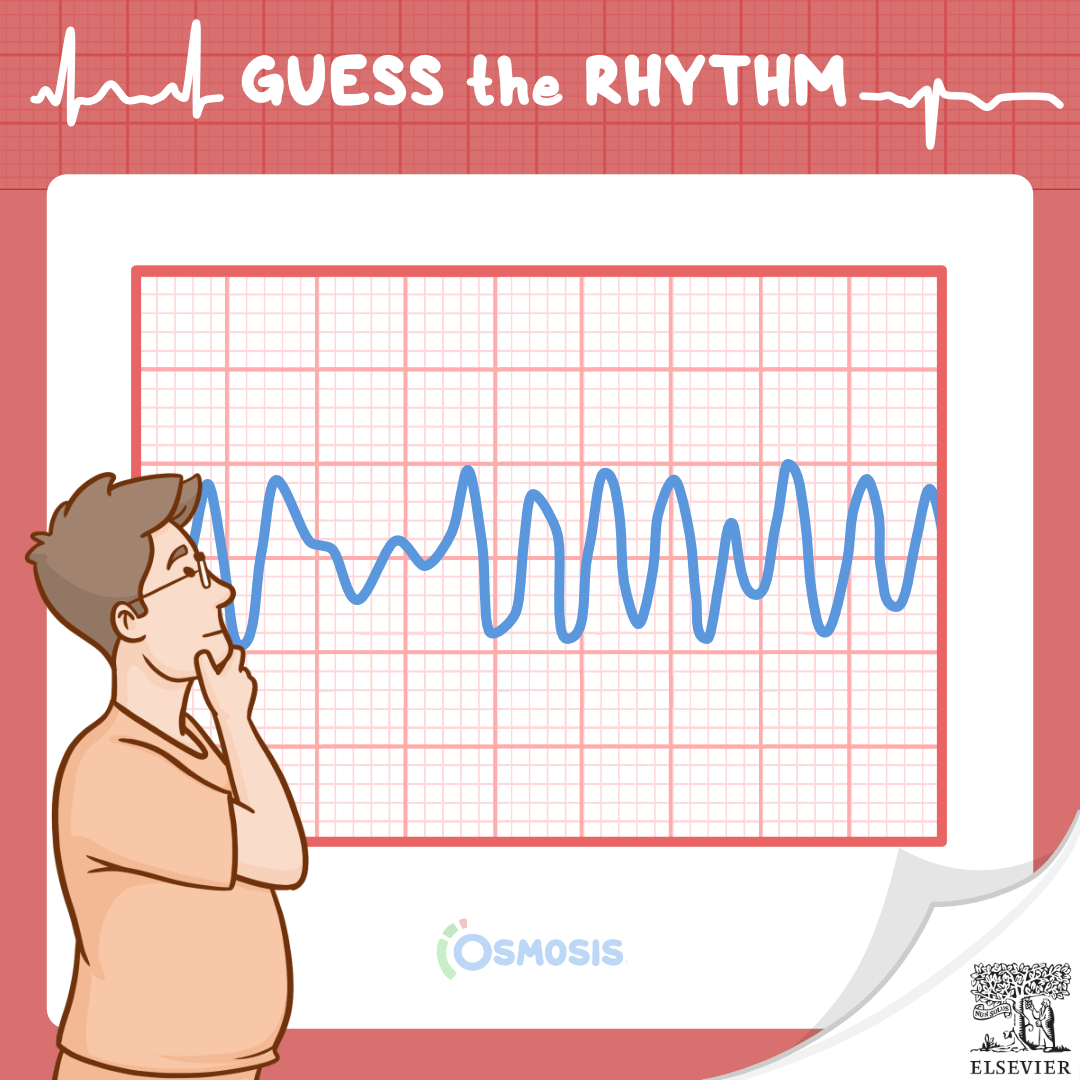
Guess the Rhythm: Ventricular fibrillation (Vfib)
— Updated:
A patient presents with an ECG showing a rapid, irregular rhythm with chaotic waveforms. Explore how clinicians recognize a life-threatening arrhythmia on monitor, differentiate it from other rhythms, and determine the immediate management steps used in acute care settings.
-
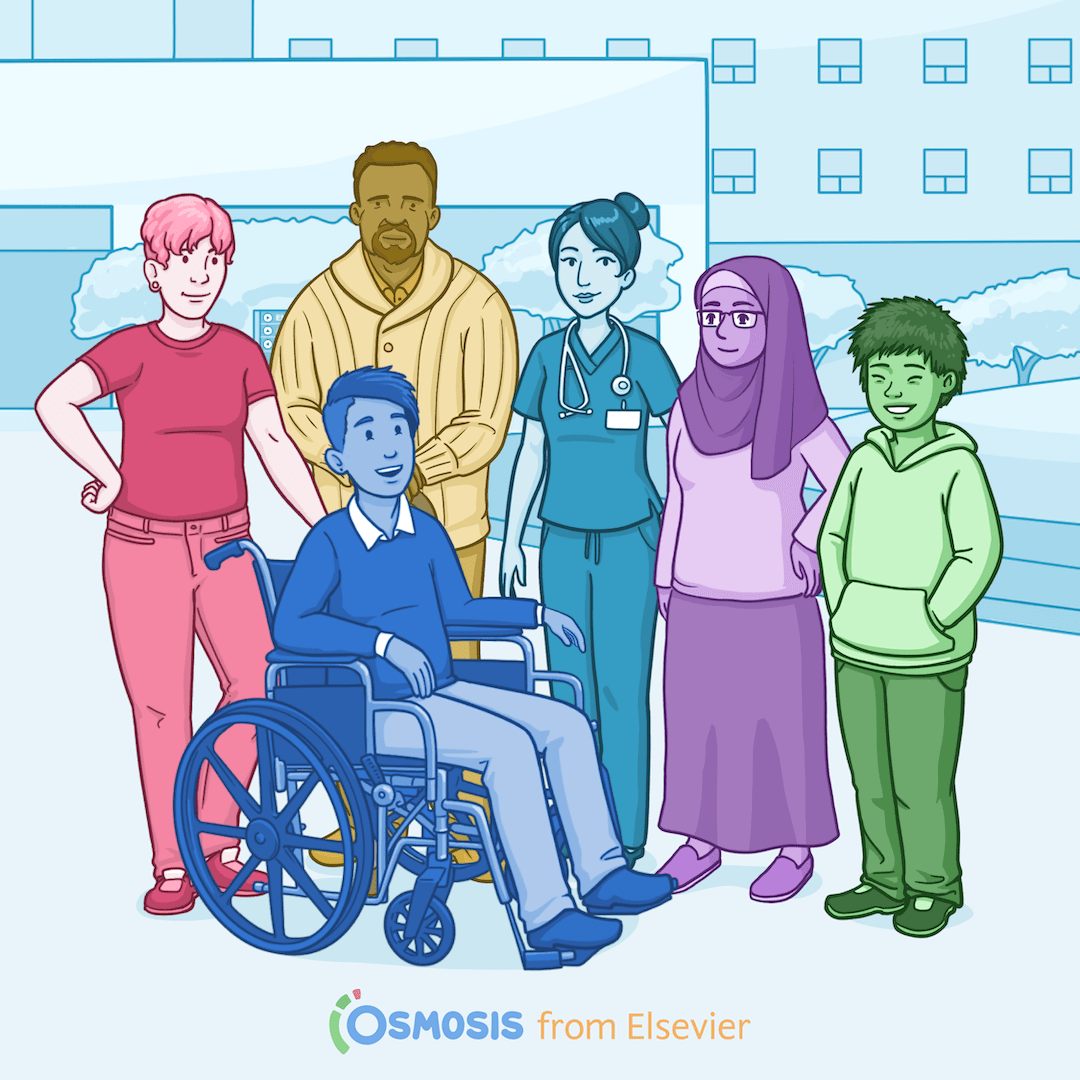
How to Become a Culturally Competent Clinician
— Updated:
Learn practical strategies to deliver equitable, patient-centered care in a diverse world, including addressing Social Determinants of Health (SDOH), strengthening cultural competence in clinical practice, recognizing implicit (unconscious) bias, improving communication, and advancing patient advocacy.
-
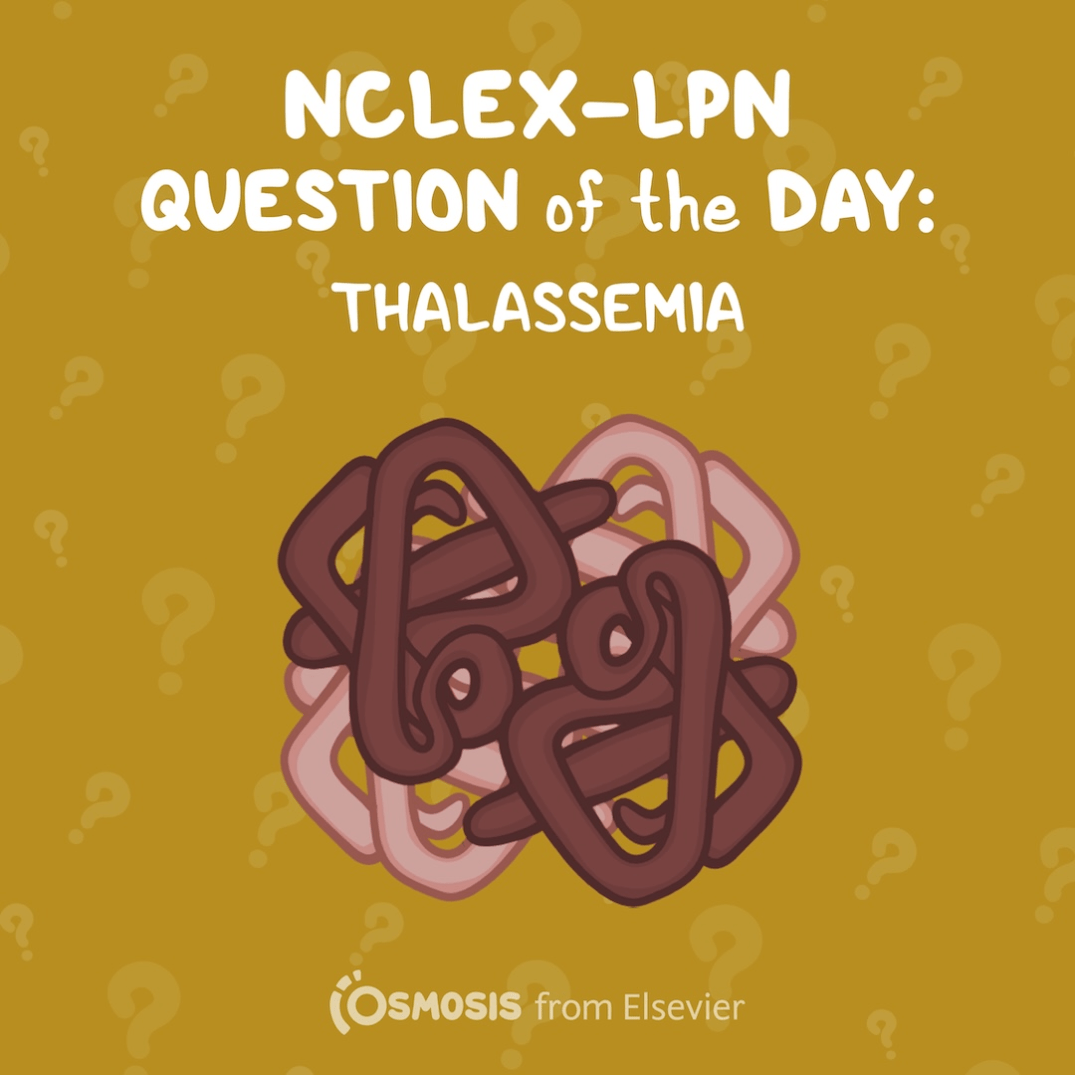
NCLEX® LPN Question of the Day: Thalassemia
— Updated:
Understand the genetic and clinical aspects of thalassemia to effectively educate patients about this blood disorder and its impact on health.
-
NCLEX® LPN Question of the Day: Bed wetting
— Updated:
An 8-year-old with new bedwetting requires evaluation for recent life stressors and other causes. Understanding factors behind secondary enuresis guides nursing care.
-

The Science of Rest & Recovery: Why Healthcare Learners Need Downtime (and How to Actually Take It)
— Updated:
Healthcare training rewards endurance, but biology tells a different story. Learning does not improve by pushing endlessly. It improves when stress and recovery are balanced. Understanding how rest supports cognition, memory, and emotional resilience may be the most overlooked study strategy in healthcare education.