
Author: Janine Eagon, MS, APNP, CNS, RNC-OB
-
NCLEX® LPN Question of the Day: Incident report
— Updated:
After a patient falls on a medical-surgical unit, a student nurse has a question about the reporting process. Test your knowledge of incident reports and nursing responsibilities in this NCLEX LPN-related question.
-
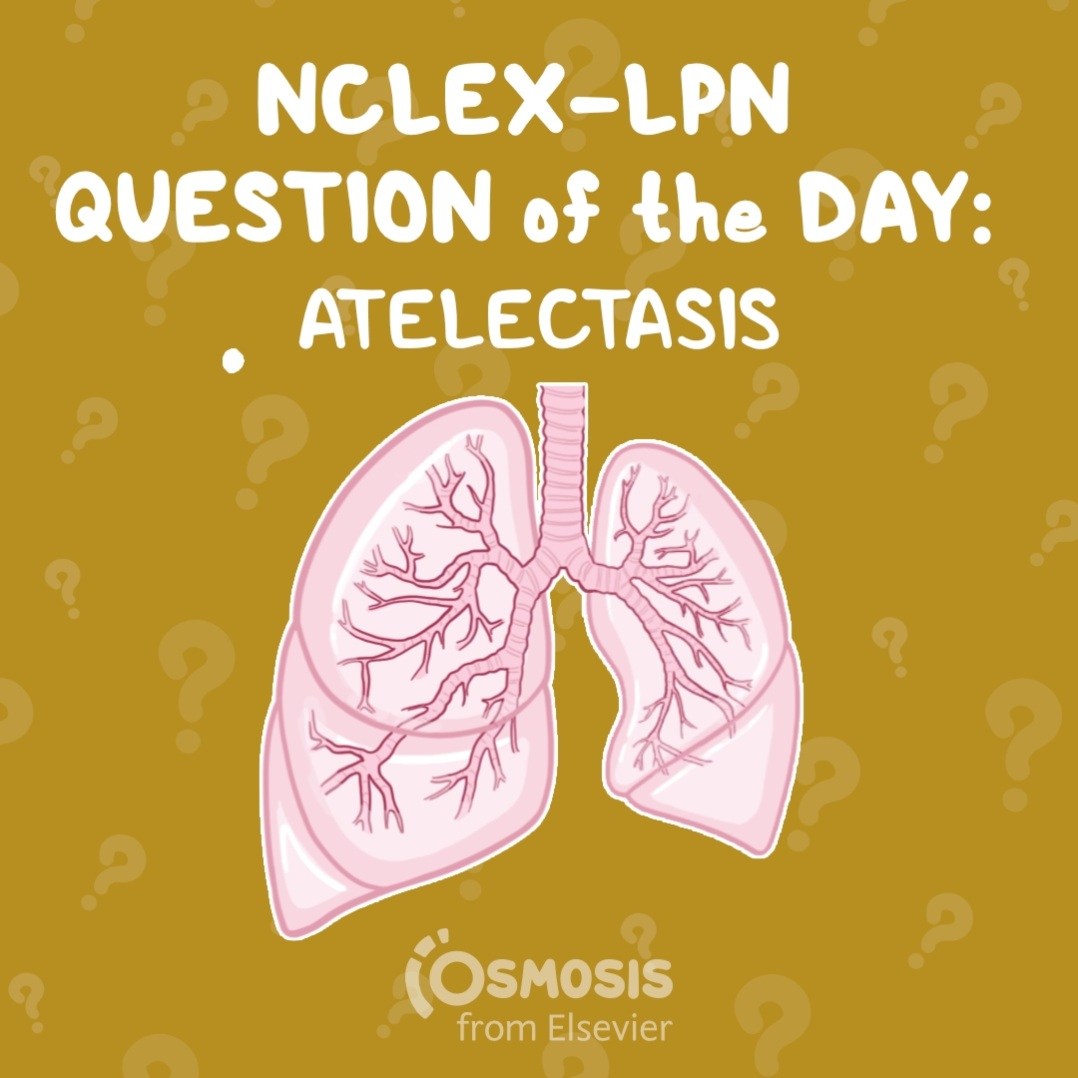
NCLEX® LPN Question of the Day: Atelectasis
— Updated:
What exactly is atelectasis? Test your knowledge of this respiratory condition and see if you can distinguish it from similar pulmonary disorders in this NCLEX-PN-style question.
-
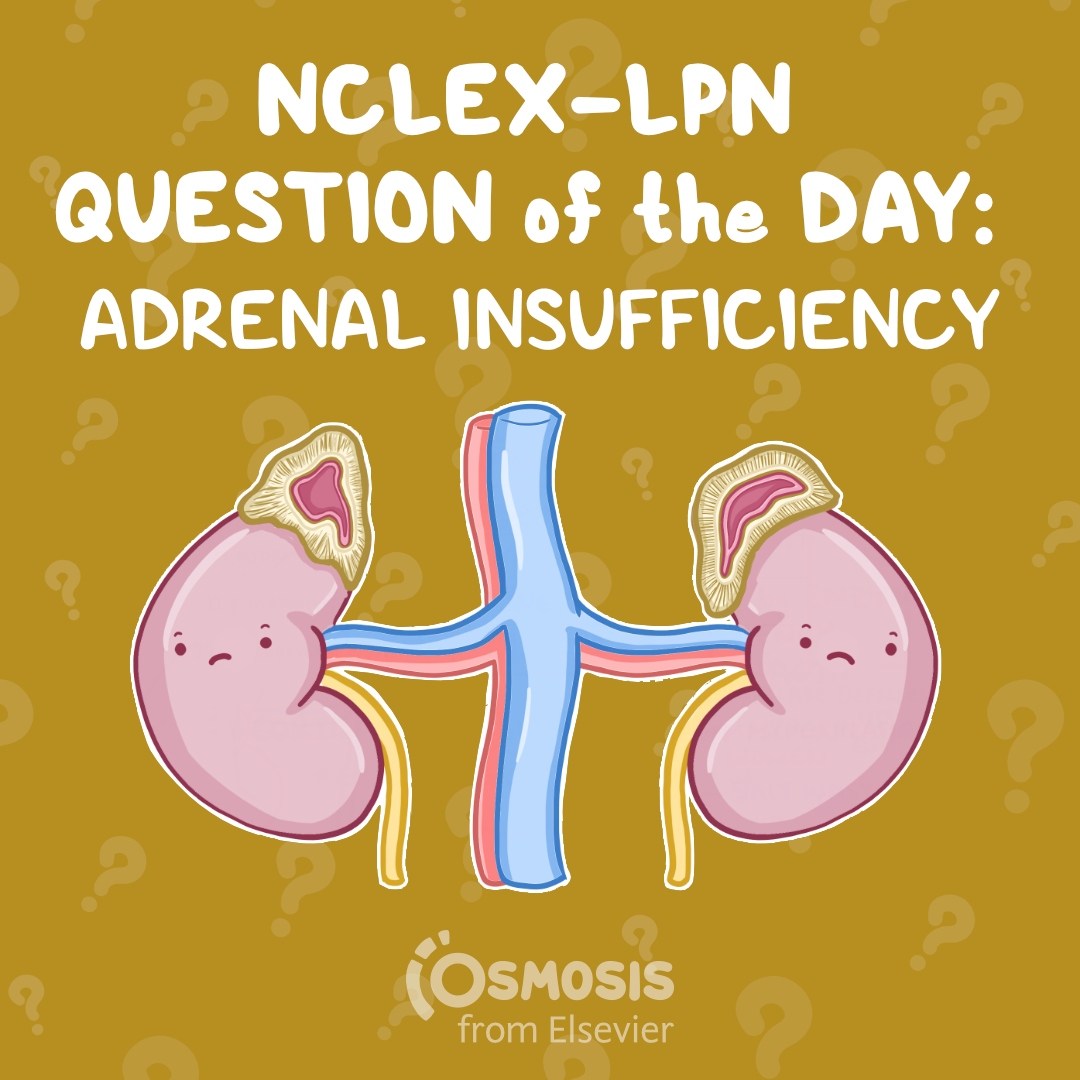
NCLEX® LPN Question of the Day: Adrenal insufficiency
— Updated:
Can you recognize the clinical features of adrenal insufficiency? Challenge your understanding of endocrine disorders and hormone deficiencies with this NCLEX LPN-style question.
-
NCLEX® LPN Question of the Day: Adaptive immunity
— Updated:
Can you distinguish between active and passive adaptive immunity? Challenge your understanding of immune responses with this high-yield LPN clinical scenario.
-
NCLEX® LPN Question of the Day: Acute respiratory distress syndrome
— Updated:
Can you accurately explain Acute Respiratory Distress Syndrome (ARDS) to a patient? Explore this NCLEX-style question covering the pathophysiology and key characteristics of this life-threatening respiratory condition.
-
NCLEX-RN® Question of the Day: Increased intracranial pressure
— Updated:
Can you distinguish between the different causes of cerebral edema? Challenge your understanding of increased intracranial pressure (ICP) and neuro pathophysiology with this NCLEX-RN style question.
-
NCLEX® LPN Question of the Day: Pulse rate
— Updated:
Can you identify which pediatric patient has an abnormal pulse rate? Challenge your understanding of age-specific vital signs with this NCLEX-LPN style nursing question.
-
NCLEX-RN® Question of the Day: Meconium aspiration syndrome
— Updated:
A newborn is suspected of having meconium aspiration syndrome. Can you identify the diagnostic test most commonly used to support the diagnosis in this NCLEX-RN scenario?
-
NCLEX-RN® Question of the Day: Reverse isolation
— Updated:
Why are some patients placed in reverse isolation? Explore this NCLEX-RN style question on infection prevention, protective precautions, and caring for immunocompromised patients.
-
NCLEX-RN® Question of the Day: Newborn attachment
— Updated:
Can you identify the behavior that best reflects healthy infant attachment? Explore this NCLEX-RN style pediatric question on newborn development, bonding, and caregiver relationships.
-
NCLEX-RN® Question of the Day: Therapeutic communication
— Updated:
Therapeutic communication may sound simple, but many get it wrong. Can you identify the best response? Explore common misconceptions, real-world communication pitfalls, and how nurses build trust in this question of the day.
-
NCLEX-RN® Question of the Day: Health literacy
— Updated:
Review this RN-focused look at promoting health literacy through plain-language materials, visuals, and timely follow-up, with practical tips for effective patient education.