
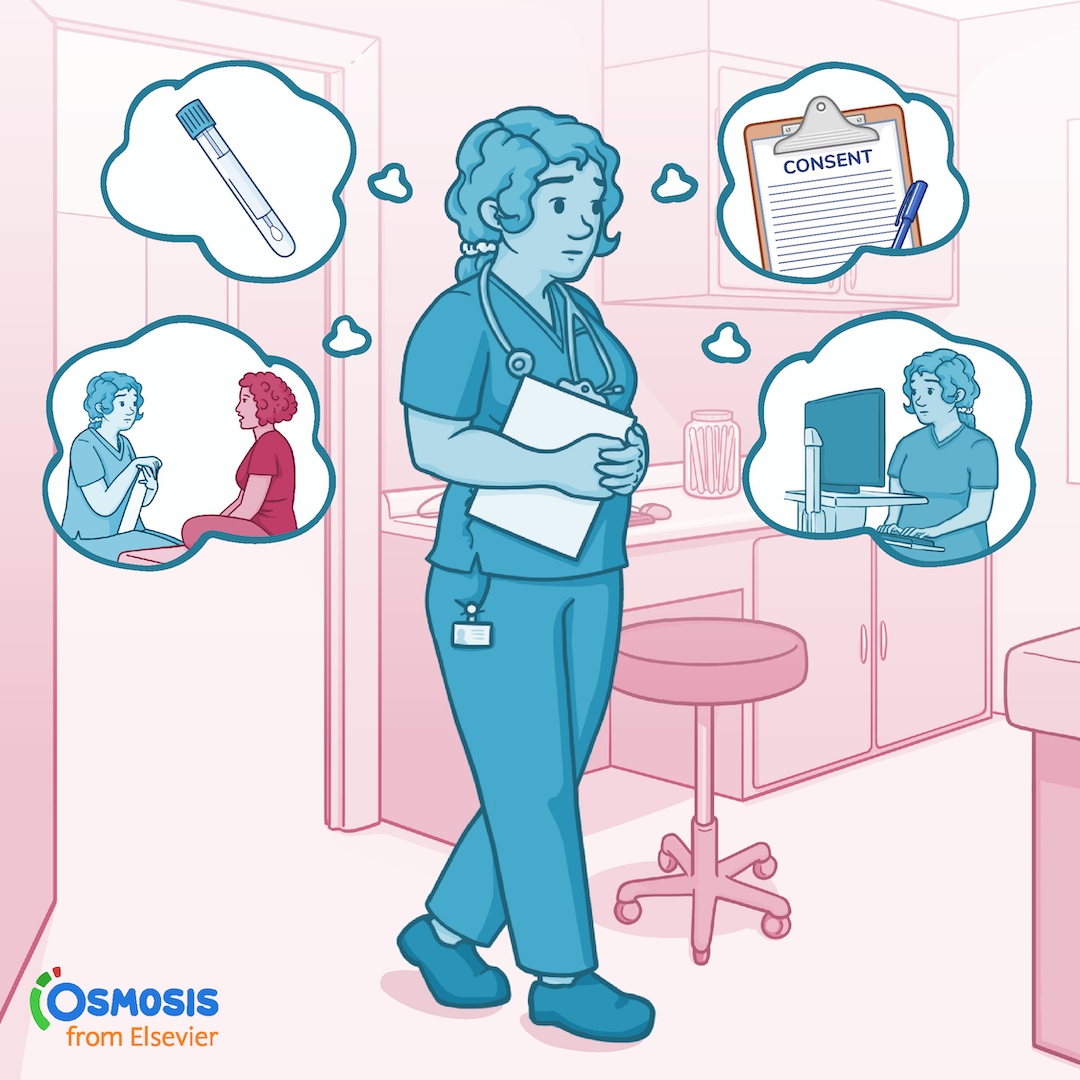
Sexual assault survivors require compassionate, specialized care that addresses both their immediate medical needs and the legal complexities of evidence collection. Sexual Assault Nurse Examiners (SANEs) play a vital role in providing that care. These specially trained nurses combine clinical expertise with forensic knowledge to support survivors during one of the most difficult moments of their lives.
Sexual violence is a significant public health issue both in the US as well as globally. According to The National Intimate Partner and Sexual Violence Survey, approximately 45.1% of women and 16.9% of men in the US report having experienced sexual violence in their lifetime, including behaviors such as unwanted sexual contact and coercion. Globally, the World Health Organization estimates that about 1 in 3 women (~30–35%) experience physical and/or sexual violence in their lifetime (including partner and non-partner violence), noting that assaults are far more common than reported for all genders.
These figures highlight the need for trained healthcare professionals who can provide trauma-informed care and perform forensic evaluations. In light of these demands, understanding the SANE nurse requirements, training pathways, and available Sexual Assault Nurse Examiner jobs can help determine whether this important specialty aligns with your career goals.

What Is a SANE?
Role and Scope
For nurses interested in advocacy and forensic healthcare, becoming a SANE is a meaningful career path. A SANE is a registered nurse with specialized training in providing medical forensic care to individuals who have experienced sexual assault or abuse. They collaborate with multidisciplinary teams that may include physicians, victim advocates, social workers, and law enforcement.
At the center of SANE practice is trauma-informed care, which prioritizes patient safety, autonomy, and dignity. Trauma-informed approaches help prevent re-traumatization and empower survivors throughout the exam process. A review of trauma-informed care best practices can improve treatment for sexual assault survivors.
SANE responsibilities often include:
- Conducting sexual assault forensic examinations
- Documenting injuries and collecting forensic evidence
- Providing pregnancy and STI prophylaxis
- Offering crisis support and referrals to advocacy services
- Preparing documentation that may be used in court
To deepen your understanding of the clinical context of sexual assault, review Osmosis content on intimate partner violence and sexual assault, along with trauma- and abuse-related disorders.
SANE-A vs. SANE-P
There are two primary certification pathways for SANE nurses: SANE-A and SANE-P. SANE-A nurses care for adolescents and adults, typically patients aged 13 and older. Their role focuses on acute sexual assault examinations, injury documentation, and forensic evidence collection. SANE-P nurses specialize in caring for children who may have experienced abuse. Pediatric cases require additional expertise in child development, interviewing techniques, and recognizing other signs of abuse. Because pediatric cases often involve child protective services and multidisciplinary teams, SANE-P nurses frequently collaborate with child advocacy centers and child protection professionals.
Work Settings
Hospitals and Emergency Departments
Many SANEs work in hospital emergency departments, where survivors often seek immediate medical care. In these healthcare settings, hospitals with forensic programs frequently have dedicated SANE teams or on-call coverage, ensuring access to specialized services.
Child Advocacy Centers
Child advocacy centers provide coordinated services for children experiencing abuse. Pediatric SANEs often perform exams in these settings using child-friendly, trauma-informed approaches.
Community or On-Call Forensic Programs
Some regions operate community-based SANE programs, where trained nurses respond to hospitals when forensic exams are needed.

Education and Training Requirements
RN Licensure and Clinical Experience
One of the most important SANE nurse requirements is completion of a formal SANE training program designed to prepare nurses for forensic examinations and trauma-informed care. To begin the education process, the first step is obtaining an active, unencumbered registered nurse license. Most training programs recommend at least two years of clinical nursing experience before training to become a SANE. Common clinical backgrounds include emergency nursing, obstetrics and gynecology, critical care, pediatrics, and community health.
These specialties help nurses develop strong assessment skills and clinical judgment, which are both critical for forensic examinations. Equally important are communication and interpersonal skills. SANE nurses must understand how to establish trust quickly and provide compassionate care during highly stressful situations.
SANE Training Programs
To become a SANE nurse, RNs must complete a training program that provides approximately 40 hours of specialized education on the clinical, legal, and emotional challenges of survivor care. Research shows structured training improves nurses’ confidence and readiness. Typical program topics include:
- Sexual assault laws and reporting requirements
- Trauma-informed care
- Evidence collection techniques
- Injury identification and documentation
- STI testing and treatment
- Courtroom testimony preparation
Organizations such as Sexual Assault Forensic Examiner Technical Assistance (SAFEta) provide training resources and education for clinicians performing forensic exams. Many states also offer training through advocacy organizations. For example, the Florida Council Against Sexual Violence provides statewide SANE training programs for nurses interested in forensic practice.
Historically, organizations such as the Sexual Assault Forensic Examiner Technical Assistance (SAFEta) project (operated by the International Association of Forensic Nurses [IAFN]) have provided national training resources and clinical guidance. However, as of 2026, the IAFN has been dissolved, and its education and training resources are being transferred to the Emergency Nurses Association (ENA) and certification now lies with the American Nurses Credentialing Center (ANCC). During this transition, some legacy resources (including SAFEta) may be unavailable or undergoing redevelopment, and nurses may need to rely on state programs, academic institutions, or emerging national providers for training.
Following didactic education, nurses typically complete a clinical preceptorship where they perform forensic exams under the supervision of experienced SANEs. Skills performed include:
- Evidence collection techniques
- Injury documentation and forensic photography
- Maintaining the chain of custody for evidence
- Patient-centered communication
Many programs follow the National Protocol for Sexual Assault Medical Forensic Examinations, which provides standardized guidance for performing sexual assault forensic exams.

Certification Process
IAFN Certification Overview
After completing training and clinical experience, nurses may pursue forensic nursing certification to demonstrate compliance with national standards for Sexual Assault Nurse Examiner certification. To be eligible for certification, nurses must have an active RN license, complete SANE-specific training, and have approximately 300 hours of clinical practice related to sexual assault examinations within the previous three years, with at least 200 of those hours spent practicing with the selected certification population. Note that as of April 2026, the SANE-A and SANE-P certifications have transferred from the IAFN’s credentialing center (CFNC) to the American Nurses Credentialing Center (ANCC).
Exam and Application Process
Once eligible, nurses can apply for the certification exam through ANCC. The process generally includes submitting an application and documentation, scheduling the certification exam, and completing a computer-based test. The exam evaluates knowledge related to forensic evidence collection, patient care, documentation standards, and legal considerations. Clinical guidance from organizations such as the American College of Emergency Physicians outlines best practices for evaluating survivors of sexual assault.
Maintaining Certification
SANE certification requires ongoing professional development, with nurses completing continuing education and demonstrating continued involvement in forensic nursing practice. These requirements help ensure SANEs remain current with evolving clinical standards and forensic guidelines.
Essential Skills for Success
Trauma-Informed Care
Trauma-informed care underpins forensic nursing, emphasizing patient autonomy, informed consent, and minimizing emotional distress. The Centers for Disease Control and Prevention identifies sexual violence as a significant public health problem with lasting consequences, highlighting the need for clinicians trained to deliver compassionate care.
Forensic and Legal Competency
SANE nurses must develop strong forensic documentation skills. Medical documentation may later serve as evidence in legal proceedings, making accuracy essential. SANEs must understand how to document injuries objectively, photograph forensic evidence, maintain the chain of custody, and provide testimony when required.
Emotional Resilience
Caring for survivors of violence can be emotionally demanding. To maintain long-term success in this field, SANE nurses must develop strategies for emotional resilience, including:
- Participating in peer support programs
- Case debriefings
- Professional counseling when needed
- Maintaining a healthy work-life balance
These strategies help prevent burnout and support sustainable forensic nursing practice.
Salary and Career Outlook
Compensation Factors
A SANE nurse’s salary varies depending on geographic location, employer structure, and level of experience. Some Sexual Assault Nurse Examiner jobs are full-time positions in forensic nursing programs, while others are on-call and receive additional compensation for responding to cases. According to the U.S. Bureau of Labor Statistics, the median annual salary for registered nurses in the United States in 2024 was approximately $93,600, although obtaining specialty certification and leadership positions may offer higher earning potential.
Career Advancement
Forensic nursing can lead to several advanced career opportunities. Experienced SANEs may pursue roles such as SANE program coordinator or director, forensic nurse educator, policy advisor, or violence prevention advocate, and may serve as expert witnesses in legal proceedings.
Is Becoming a SANE Right for You?
For many nurses, forensic nursing offers a powerful opportunity to combine clinical expertise with advocacy. However, SANEs must be prepared to work with patients experiencing trauma while navigating complex legal and ethical situations. Despite these challenges, many nurses find the work incredibly meaningful. SANEs help survivors receive compassionate care while ensuring forensic evidence is collected accurately.
Final Thoughts: The Importance of SANE Nurses
Becoming a Sexual Assault Nurse Examiner requires dedication, specialized training, and a strong commitment to patient advocacy. The pathway typically includes:
- Becoming a registered nurse
- Completing a SANE training program
- Gaining clinical experience in forensic exams
- Obtaining SANE-A or SANE-P certification through the American Nurse Credentialing Center.
SANEs play a critical role at the intersection of healthcare and justice, providing trauma-informed care to survivors, collecting and documenting forensic evidence, and strengthening responses to sexual violence. For nurses looking to expand their practice into advocacy and forensic care, SANE training offers a meaningful way to make a lasting impact on both individual patients and the broader healthcare system.
References
- American College of Emergency Physicians. (2023). Evaluation and management of the sexually assaulted or sexually abused patient (2nd ed.). https://www.acep.org/forensicmedicine/newsroom/fm-newsroom-articles/sept-20232/eval-and-management-of-SA
- Centers for Disease Control and Prevention. (2025). About sexual violence. https://www.cdc.gov/sexual-violence/about/?CDC_AAref_Val=https://www.cdc.gov/violenceprevention/sexualviolence/index.html
- Florida Council Against Sexual Violence. (n.d.). SANE. https://www.fcasv.org/sane
- International Association of Forensic Nurses. (n.d.). About sexual assault nurse examiners (SANEs).
- https://www.nursingworld.org/news/news-releases/2026-news-releases/american-nurses-credentialing-center-to-welcome-forensic-nurses/
- Leemis, R. W., Zhang Kudon, H., Zhu, S., Smith, S. G., Chen, J., Friar, N. W., & Basile, K. C. (2025). The National Intimate Partner and Sexual Violence Survey (NISVS): 2023/2024 sexual violence data brief. National Center for Injury Prevention and Control, Centers for Disease Control and Prevention.
- Taylor, W. K. (2002). Collecting evidence for sexual assault: The role of the sexual assault nurse examiner (SANE). International Journal of Gynecology & Obstetrics, 78(Suppl. 1), S91–S94. https://doi.org/10.1016/S0020-7292(02)00051-6
- Torregosa, M. B., Patricio, O. M., & Benavides, M. D. R. (2023). Sexual Assault Nurse Examiner (SANE) program: Long‑term impact on confidence and attitudes on SANE trainees. Nurse Education in Practice, 72, 103757. https://doi.org/10.1016/j.nepr.2023.103757
- U.S. Bureau of Labor Statistics. (2024). Registered nurses. Occupational Outlook Handbook. https://www.bls.gov/ooh/healthcare/registered-nurses.htm
- U.S. Department of Justice, Office on Violence Against Women. (2024). A national protocol for sexual assault medical forensic examinations: Adults/adolescents (3rd ed.). https://www.justice.gov/ovw/media/1367191/dl?inline

Try Osmosis free to find out why millions of current and future clinicians and caregivers love learning by Osmosis.
Leave a Reply