
Category: Registered Nursing (RN)
-
NCLEX-RN® Question of the Day: Insufficient parathyroid hormone
— Updated:
How do the parathyroid glands help maintain mineral balance? Test your understanding of PTH, calcium and phosphate regulation, and endocrine physiology with this NCLEX-style question.
-
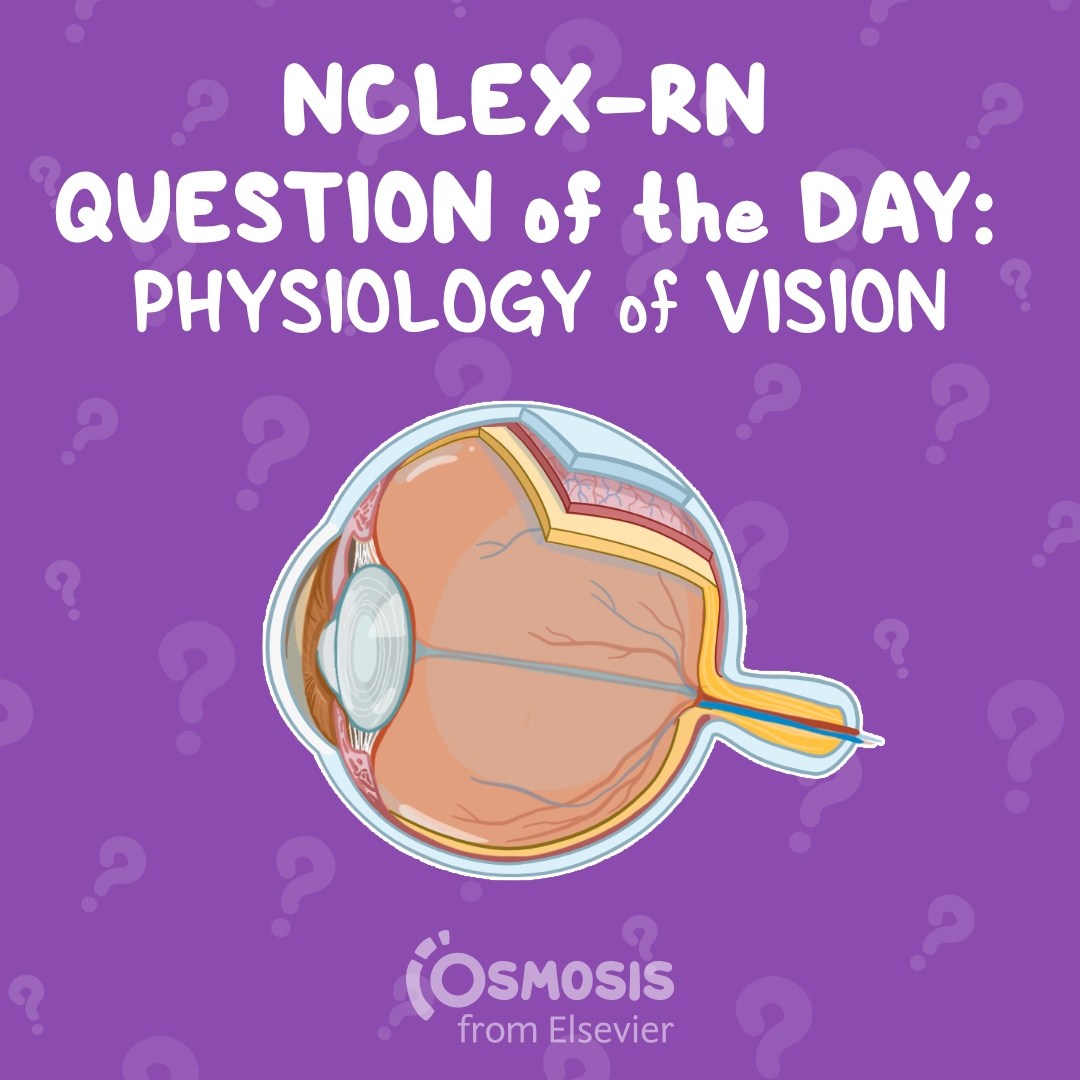
NCLEX-RN® Question of the Day: Physiology of vision
— Updated:
Can you identify the retinal receptors responsible for detecting light? Strengthen your understanding of infant visual development and eye physiology with this NCLEX-style question.
-
5 Powerful Ways to Reduce Implicit Bias for Better Patient Care
— Updated:
Implicit bias can shape clinical interactions and treatment decisions without conscious intent. Explore practical ways clinicians and caregivers can recognize assumptions, challenge blind spots, and support more equitable patient care.
-
Creating More Accessible Care: The Story Behind Our New Nursing Series
— Updated:
What does accessible healthcare look like in practice? Explore how the new Osmosis series, Caring for Patients with Disabilities, provides realistic case studies to help you learn how to recognize barriers, adapt communication, respect autonomy, and create more inclusive patient experiences.
-
NCLEX-RN® Question of the Day: Altered level of consciousness
— Updated:
A postoperative patient receiving patient-controlled analgesia develops changes in mental status. Can you identify the signs of an altered level of consciousness in this NCLEX-style clinical scenario?
-
NCLEX-RN® Question of the Day: Bronchopulmonary dysplasia
— Updated:
Can you identify the term that best describes bronchopulmonary dysplasia? Strengthen your understanding of this common neonatal respiratory condition with a high-yield NCLEX-style question.
-
NCLEX-RN® Question of the Day: Juvenile idiopathic arthritis
— Updated:
Can you recognize the hallmark assessment findings of juvenile idiopathic arthritis? Challenge your pediatric nursing knowledge with this NCLEX-RN style question on autoimmune joint disease.
-
How to Use Generative AI for Clinical Documentation
— Updated:
Generative AI is reshaping clinical documentation, from drafting notes to organizing handoffs and discharge information. Explore where AI can support healthcare workflows, and the safeguards needed to use it responsibly.
-
NCLEX-RN® Question of the Day: Discharge process
— Updated:
Effective discharge planning is essential for safe transitions from the hospital to home or another care setting. Test your understanding of this core nursing responsibility with this NCLEX-style question.
-
NCLEX-RN® Question of the Day: Health-related misinformation
— Updated:
Health misinformation can influence treatment decisions and patient outcomes in powerful ways. Explore this NCLEX-style question on evidence-based care, patient education, and the nurse’s role in combating misinformation.
-
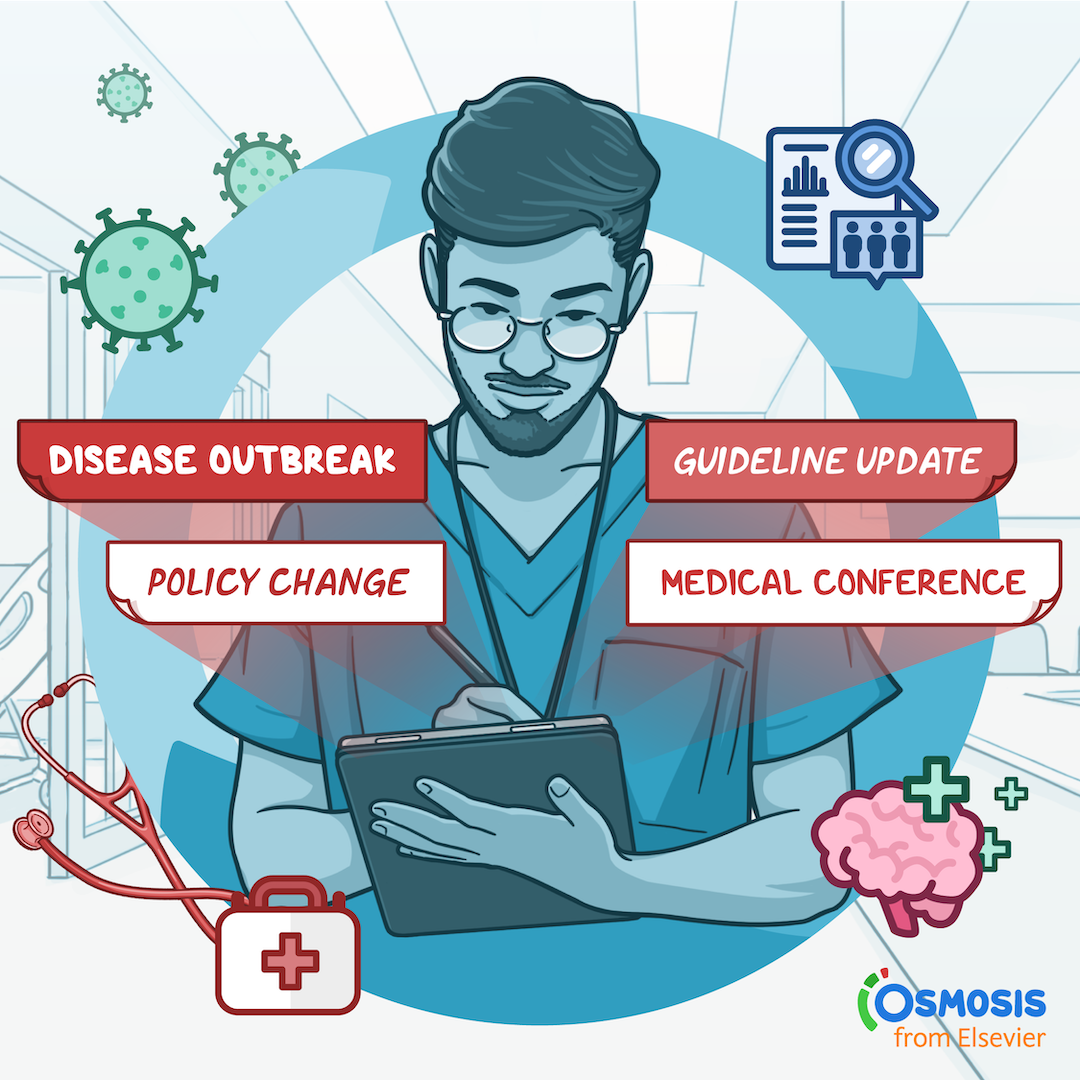
The Healthcare Learning Effect No One Talks About
— Updated:
How do healthcare events shape what clinicians and students learn? Explore how outbreaks, guideline updates, policy changes, and major medical conferences influenced learning activity on the Osmosis platform and what these patterns reveal about medical education.
-
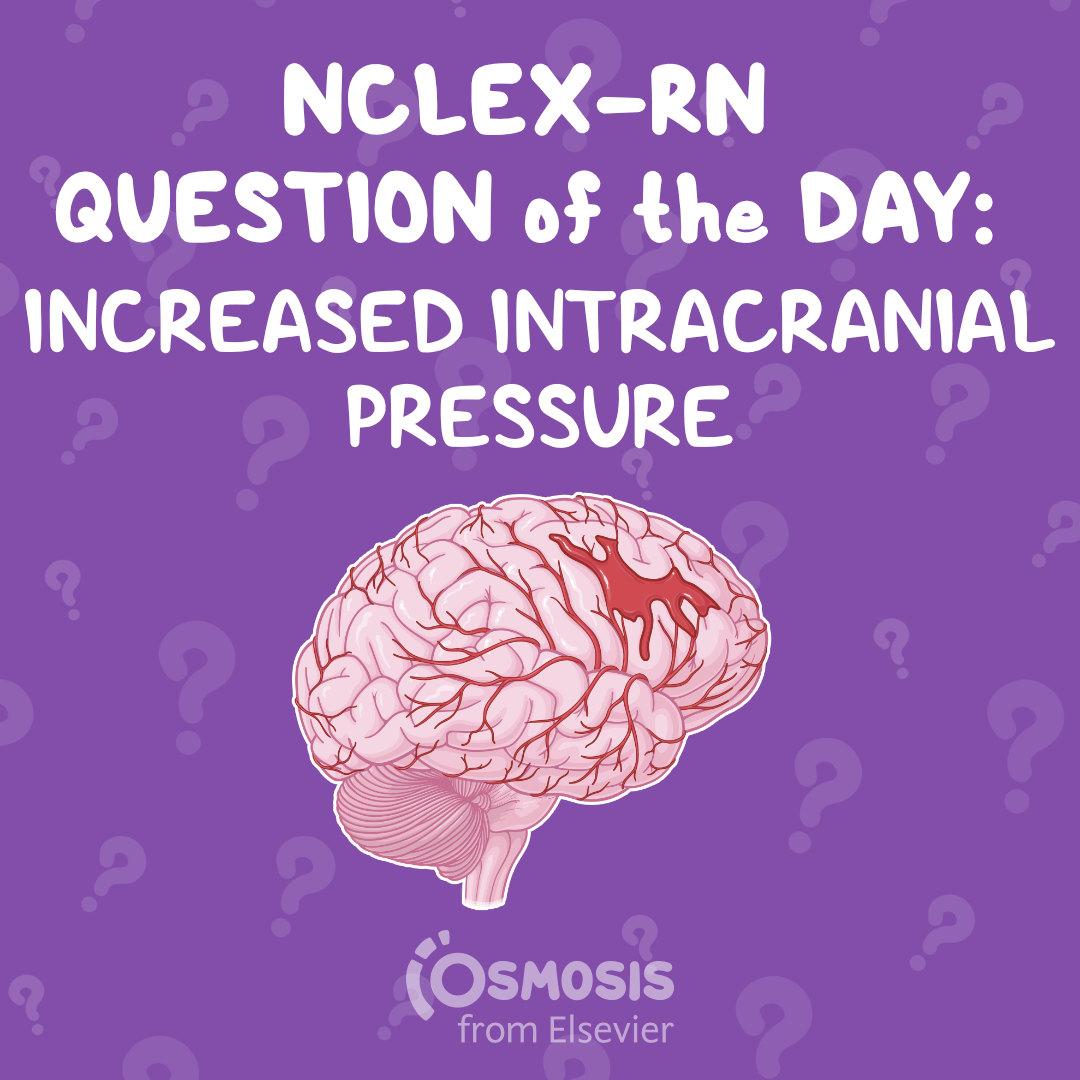
NCLEX-RN® Question of the Day: Increased intracranial pressure
— Updated:
Can you distinguish between the different causes of cerebral edema? Challenge your understanding of increased intracranial pressure (ICP) and neuro pathophysiology with this NCLEX-RN style question.
-
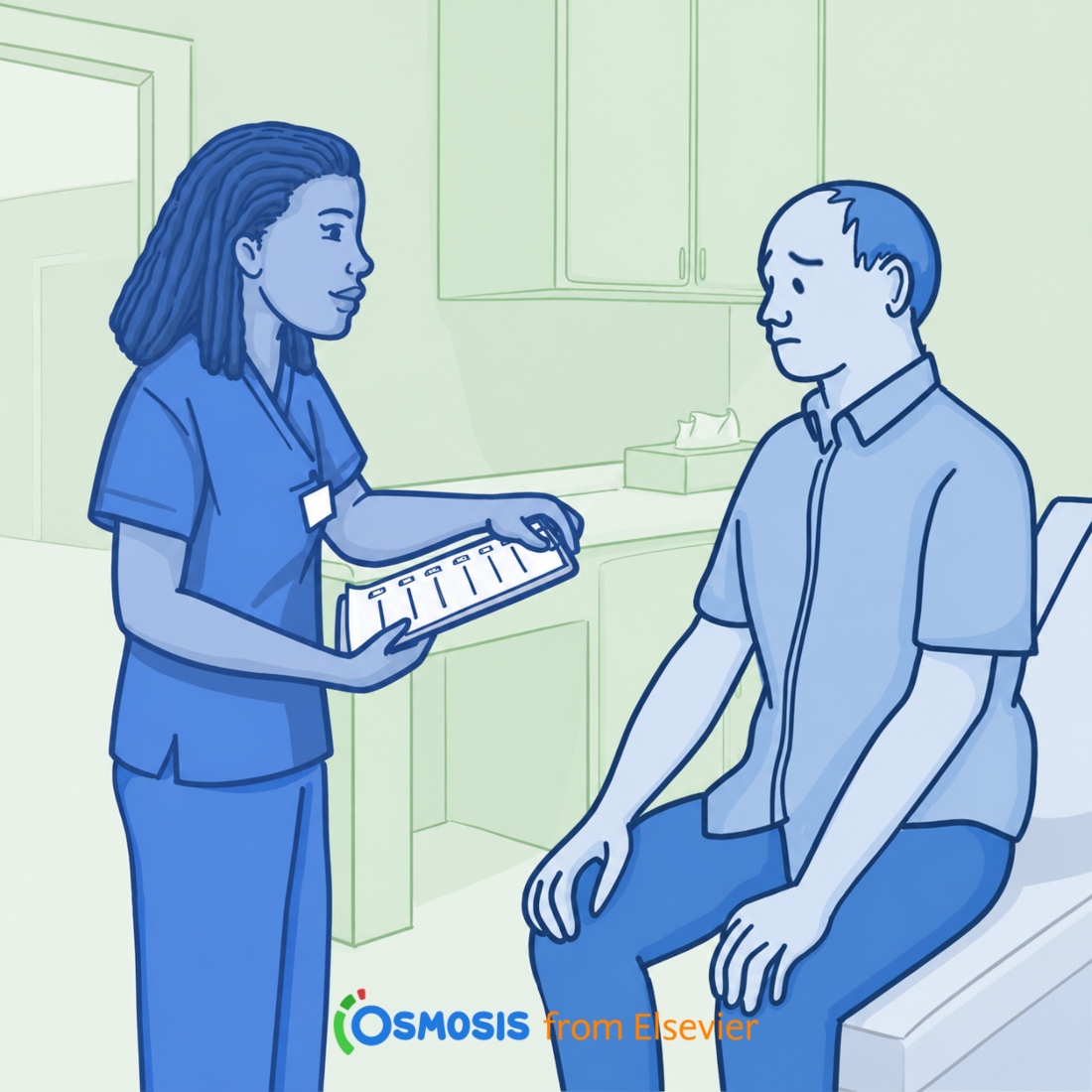
Consejos de prácticas clínicas: cómo aplicar una Examinación de Estado Mental
— Updated:
El examen del estado mental es una herramienta esencial para evaluar el funcionamiento psicológico y cognitivo de un paciente. Descubre cómo realizarlo paso a paso, interpretar sus componentes y aplicarlo con confianza en la práctica clínica.
-
NCLEX-RN® Question of the Day: Meconium aspiration syndrome
— Updated:
A newborn is suspected of having meconium aspiration syndrome. Can you identify the diagnostic test most commonly used to support the diagnosis in this NCLEX-RN scenario?
-
NCLEX-RN® Question of the Day: Altered mental status
— Updated:
A patient presents with altered mental status and suspected substance intoxication. Can you identify the most appropriate next diagnostic step in this NCLEX-RN style clinical scenario?
-
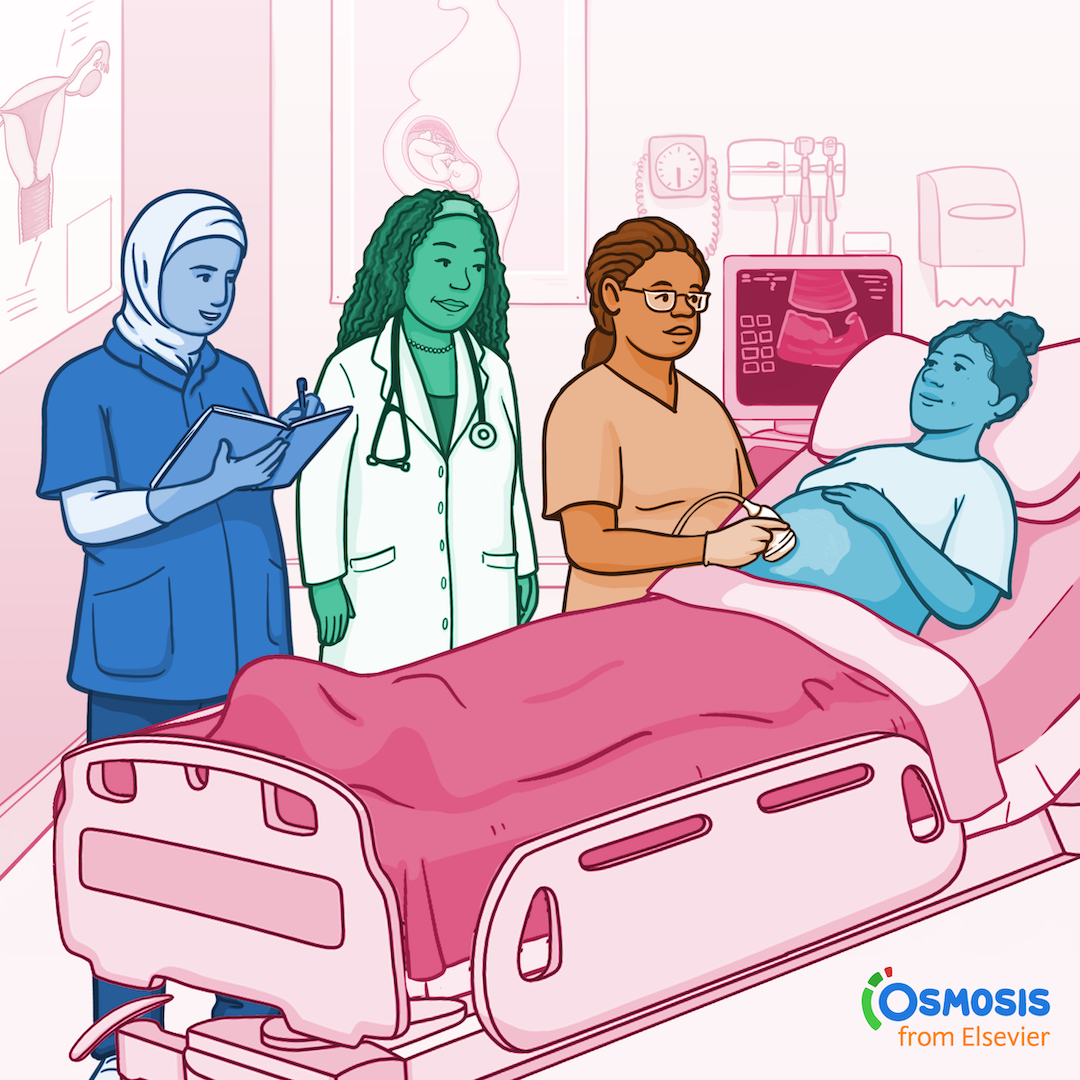
How to Combat Racial Disparities in Maternal Health: 6 Key Strategies
— Updated:
Black women in the US experience significantly higher rates of pregnancy-related complications and death than other groups. Explore the factors driving these disparities and the evidence-based strategies that can help improve maternal health equity.
-
NCLEX-RN® Question of the Day: Reverse isolation
— Updated:
Why are some patients placed in reverse isolation? Explore this NCLEX-RN style question on infection prevention, protective precautions, and caring for immunocompromised patients.
-
Small Communication Choices That Improve Patient Care
— Updated:
Small communication choices can have a lasting impact on patient trust, understanding, and care experiences. Discover practical strategies for creating more respectful, empathetic, and patient-centered interactions.
-
NCLEX-RN® Question of the Day: Newborn attachment
— Updated:
Can you identify the behavior that best reflects healthy infant attachment? Explore this NCLEX-RN style pediatric question on newborn development, bonding, and caregiver relationships.
-
NCLEX-RN® Question of the Day: Therapeutic communication
— Updated:
Therapeutic communication may sound simple, but many get it wrong. Can you identify the best response? Explore common misconceptions, real-world communication pitfalls, and how nurses build trust in this question of the day.
-
A Hidden History of Medicine: Unethical Experiments on Black Communities
— Updated:
Medicine’s history isn’t just a story of discovery and innovation. Many major medical advances were shaped by racism, exploitation, and unethical experimentation on Black communities. Understanding this history and its lasting impact is essential to building a more ethical, equitable, and trustworthy healthcare system today.
-
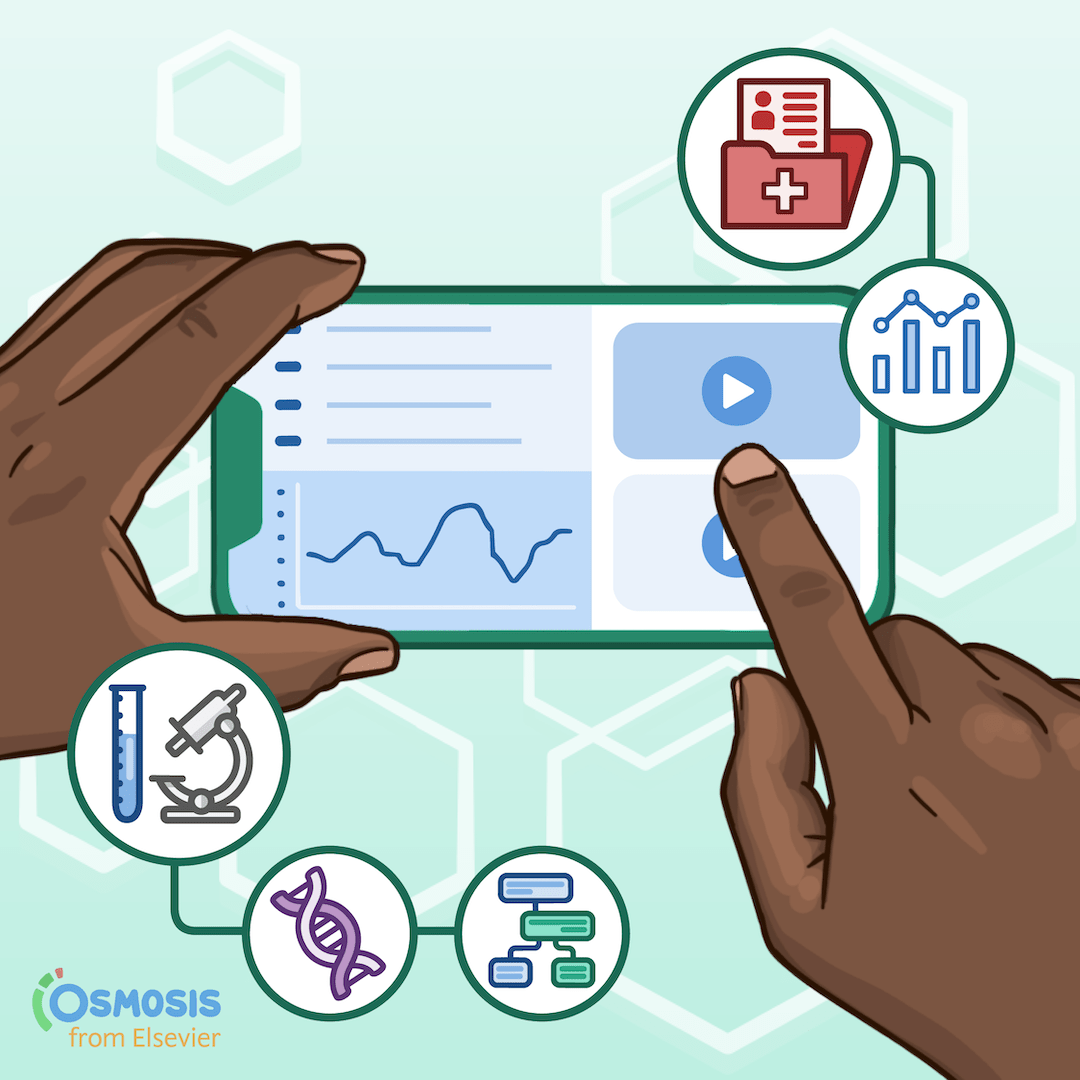
What an Independent Study Found About Medical Learning Apps
— Updated:
A study comparing major medical education apps ranked Osmosis highest for learning usefulness and usability, highlighting the importance of efficient, learner-centered design in healthcare education.
-
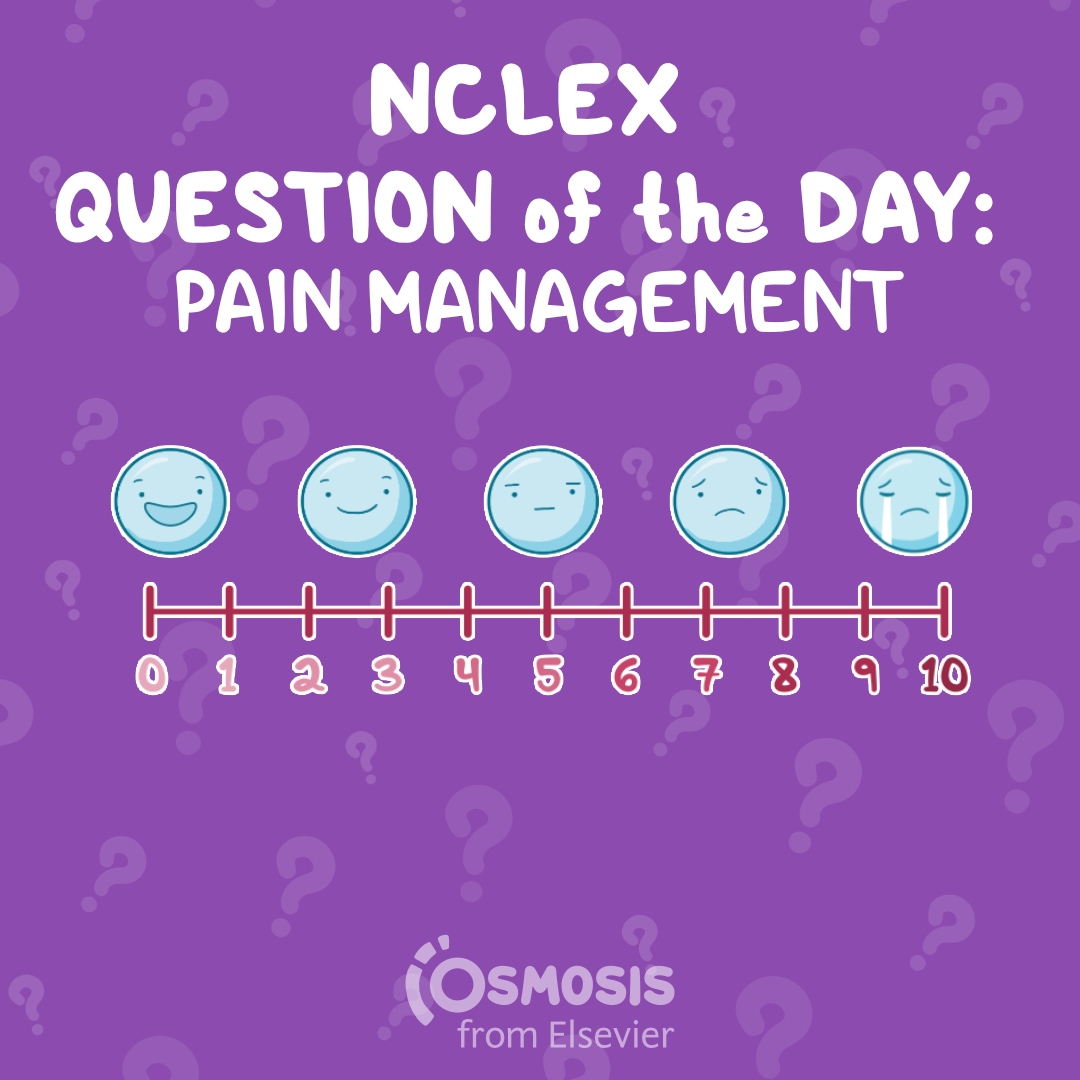
NCLEX-RN® Question of the Day: Pain management
— Updated:
A hospitalized patient receives IV morphine after reporting severe pain. What’s the most appropriate way to evaluate if his pain management is working?
-
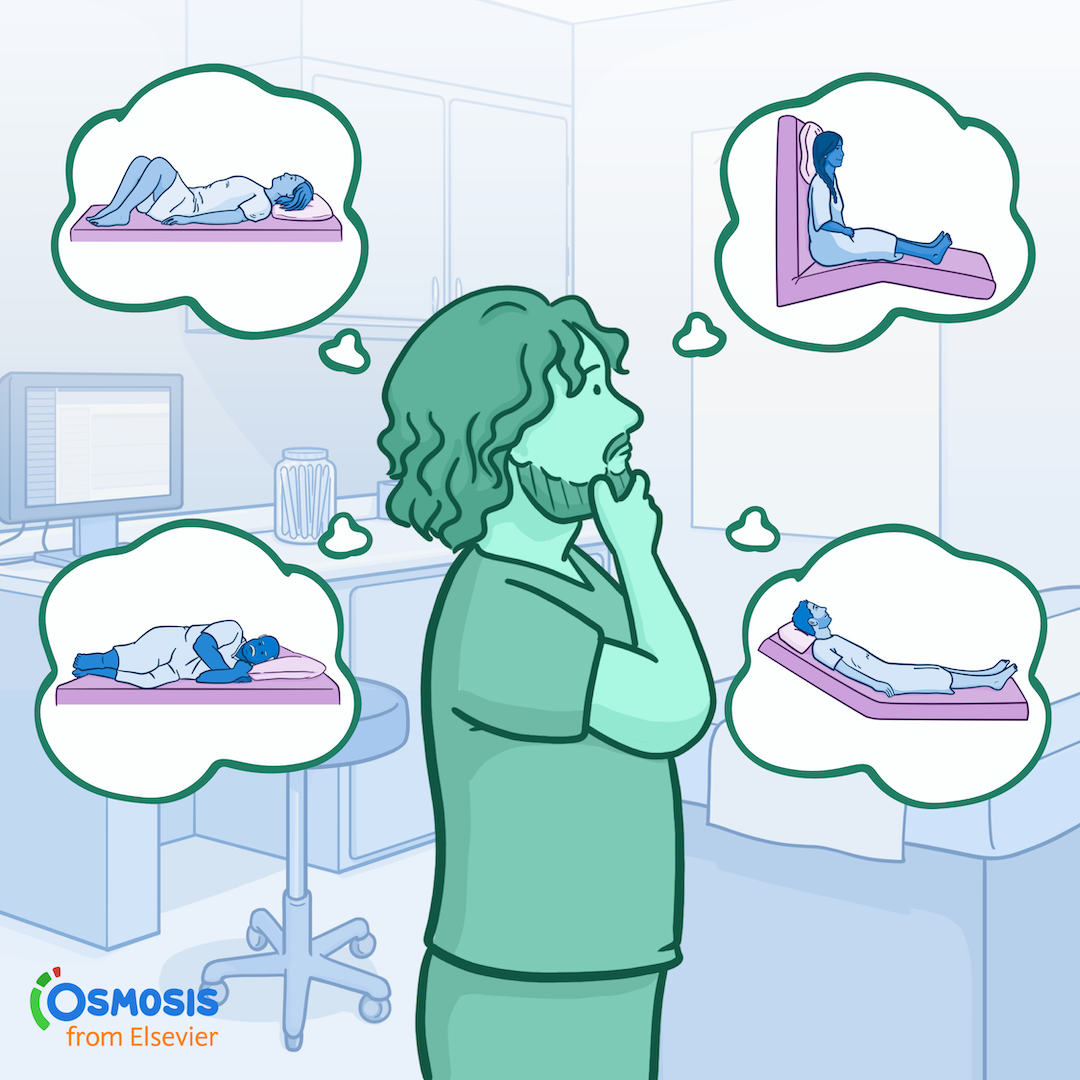
17 Patient Positions Nurses Need to Know & How to Use Them
— Updated:
Positioning is about more than comfort; it directly impacts patient safety, breathing, and outcomes. Discover 17 essential nursing positions, when to use them, and critical safety considerations every nurse must know.
-
NCLEX-RN® Question of the Day: Health literacy
— Updated:
Review this RN-focused look at promoting health literacy through plain-language materials, visuals, and timely follow-up, with practical tips for effective patient education.
-
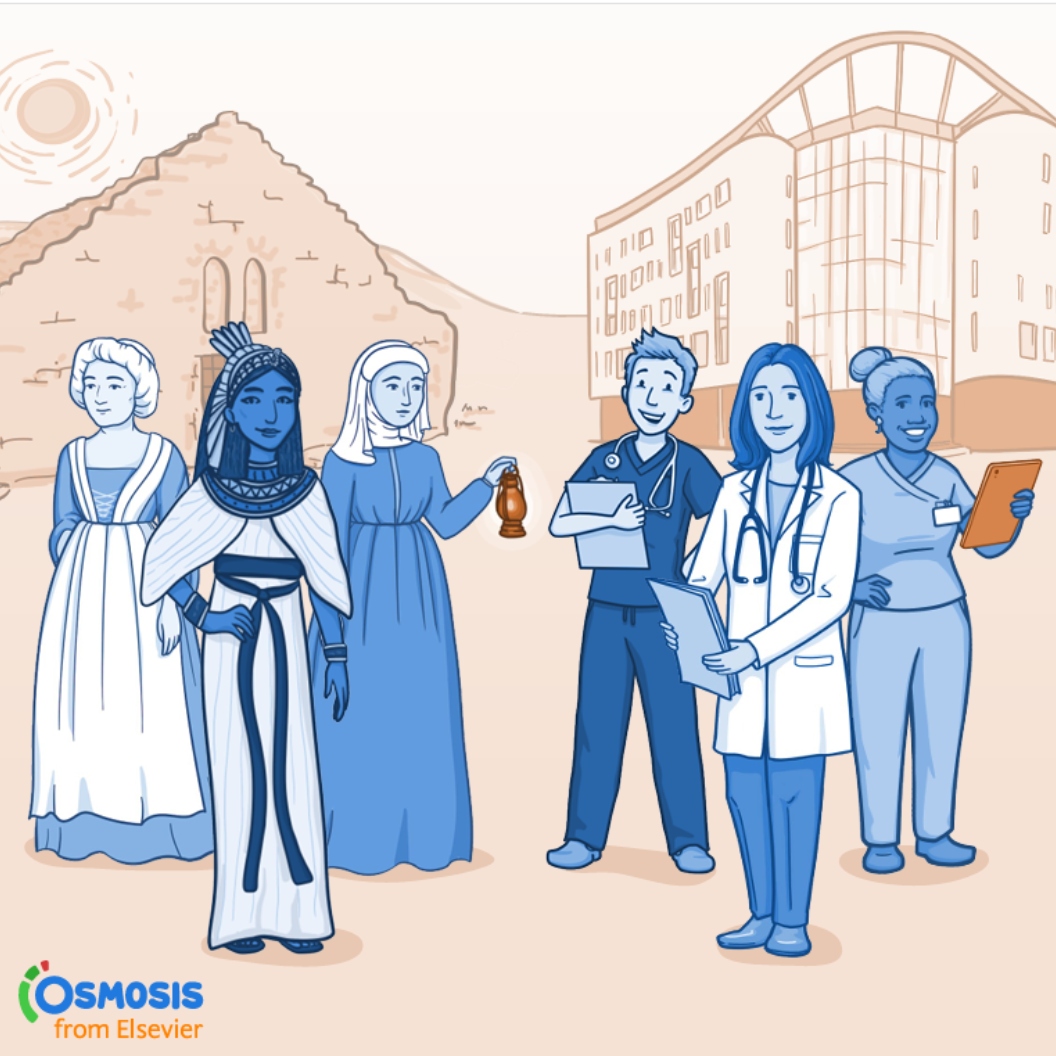
The History of Nursing: From Early Caregiving to Professional Practice
— Updated:
From ancient healers to modern healthcare leaders, nursing has transformed medicine through compassion, science, and innovation. Explore how this essential profession continues to shape the future of care.
-
NCLEX-RN® Question of the Day: Culturally competent care
— Updated:
When culturally competent care situations arise in diverse patient populations, a practical approach matters. Learn how nurses structure history, apply key cultural clues, and design respectful care plans that honor beliefs while ensuring safe, effective treatment and clear communication.
-
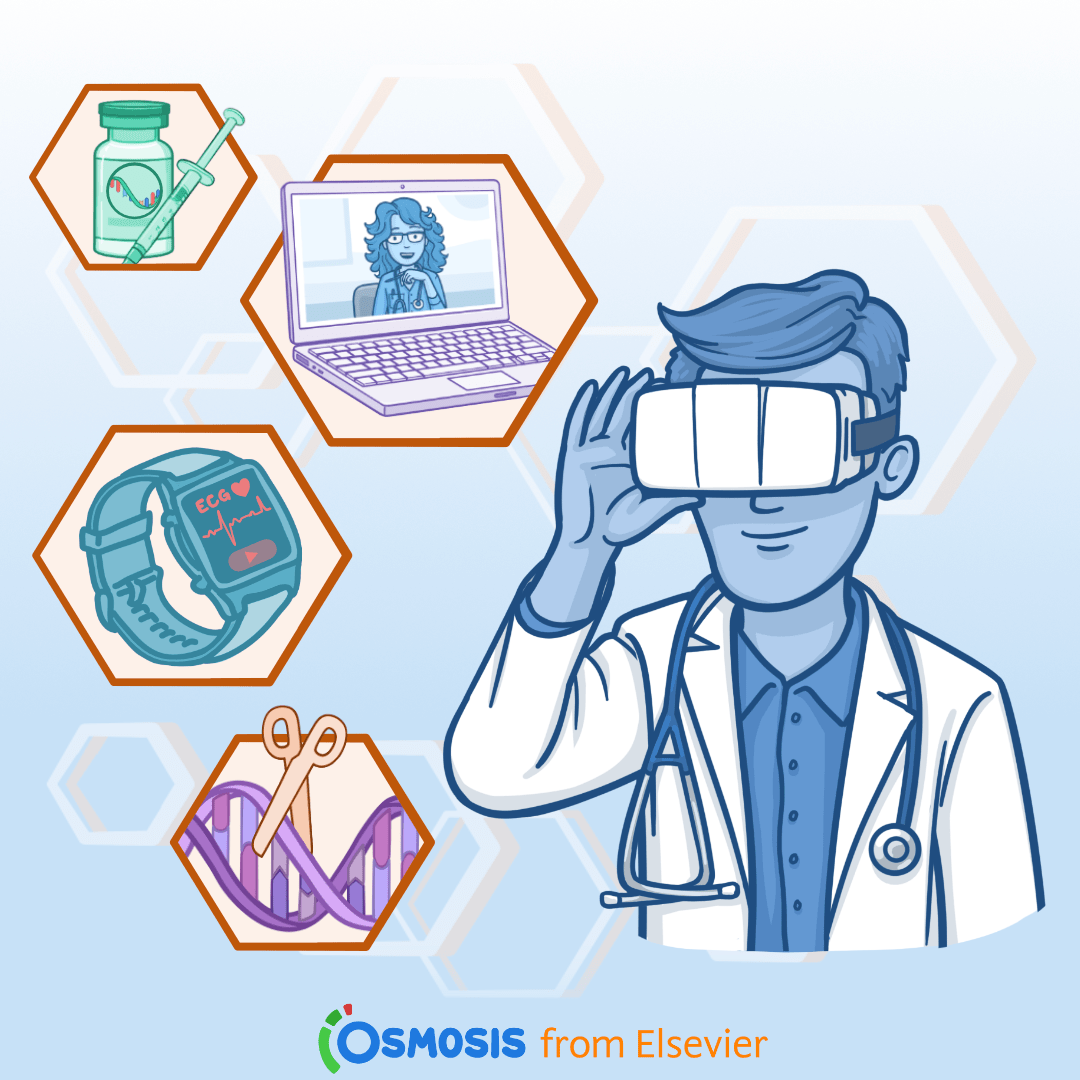
10 Remarkable Medical Breakthroughs from the Last Decade
— Updated:
Healthcare is entering a transformative era driven by biotechnology, AI, and digital health. Discover the innovations reshaping diagnosis, treatment, and prevention, along with what they signal for the future of medicine.
-
NCLEX-RN® Question of the Day: Depression
— Updated:
This NCLEX-RN® question of the day explores how nurses evaluate and implement a plan of care for a patient with depression, emphasizing pharmacologic and psychotherapeutic strategies, patient participation, and the therapeutic nurse-patient relationship.
-
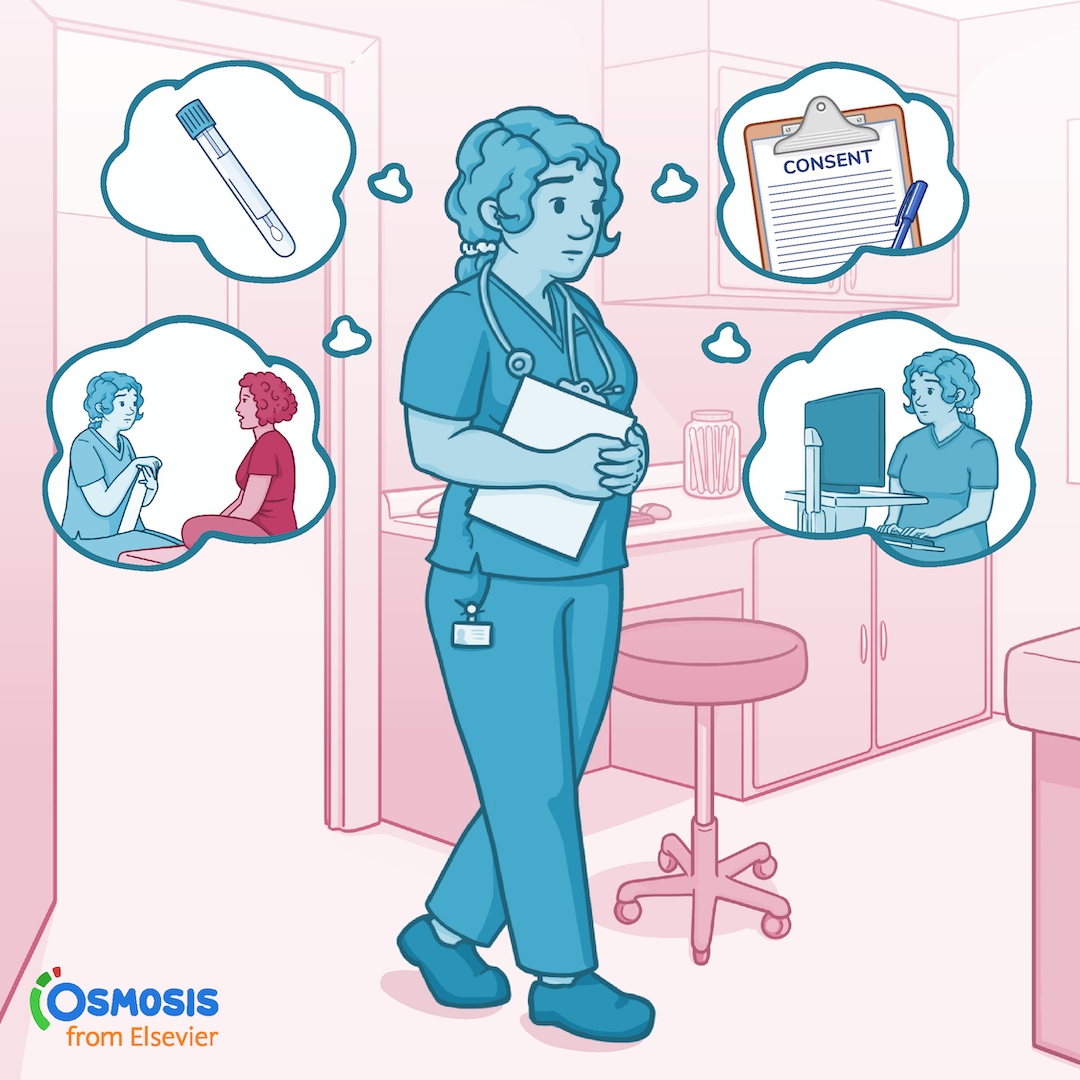
How to Become a Sexual Assault Nurse Examiner (SANE)
— Updated:
Find out what it takes to become a Sexual Assault Nurse Examiner (SANE), from RN licensure to specialized forensic training. Explore certification pathways, essential skills, and the critical role SANEs play in trauma-informed care and evidence collection.