
Category: Registered Nursing (RN)
-
How to Become a Sexual Assault Nurse Examiner (SANE)
— Updated:
Find out what it takes to become a Sexual Assault Nurse Examiner (SANE), from RN licensure to specialized forensic training. Explore certification pathways, essential skills, and the critical role SANEs play in trauma-informed care and evidence collection.
-
NCLEX-RN® Question of the Day: Diabetic ketoacidosis
— Updated:
This nursing question of the day examines how gastroenteritis affects diabetes care and patient outcomes, highlighting symptoms, adherence, and access to care in shaping management decisions.
-

Lista final de consejos de estudio por Osmosis de Elsevier
— Updated:
Una guía práctica en español sobre cómo Osmosis de Elsevier reúne consejos y técnicas de aprendizaje para destacarte en salud, prepararte para exámenes USMLE/NCLEX y triunfar en prácticas clínicas y rotaciones. Aprenderás a adaptar métodos a tu estilo, priorizar lo esencial y mantener la motivación a lo largo del programa.
-
NCLEX-RN® Question of the Day: Nursing care plan
— Updated:
Learn how RNs structure conversations, identify ethical cues, and design patient-centered care plans that empower patients to express their goals and preferences, guiding compassionate and safe care.
-
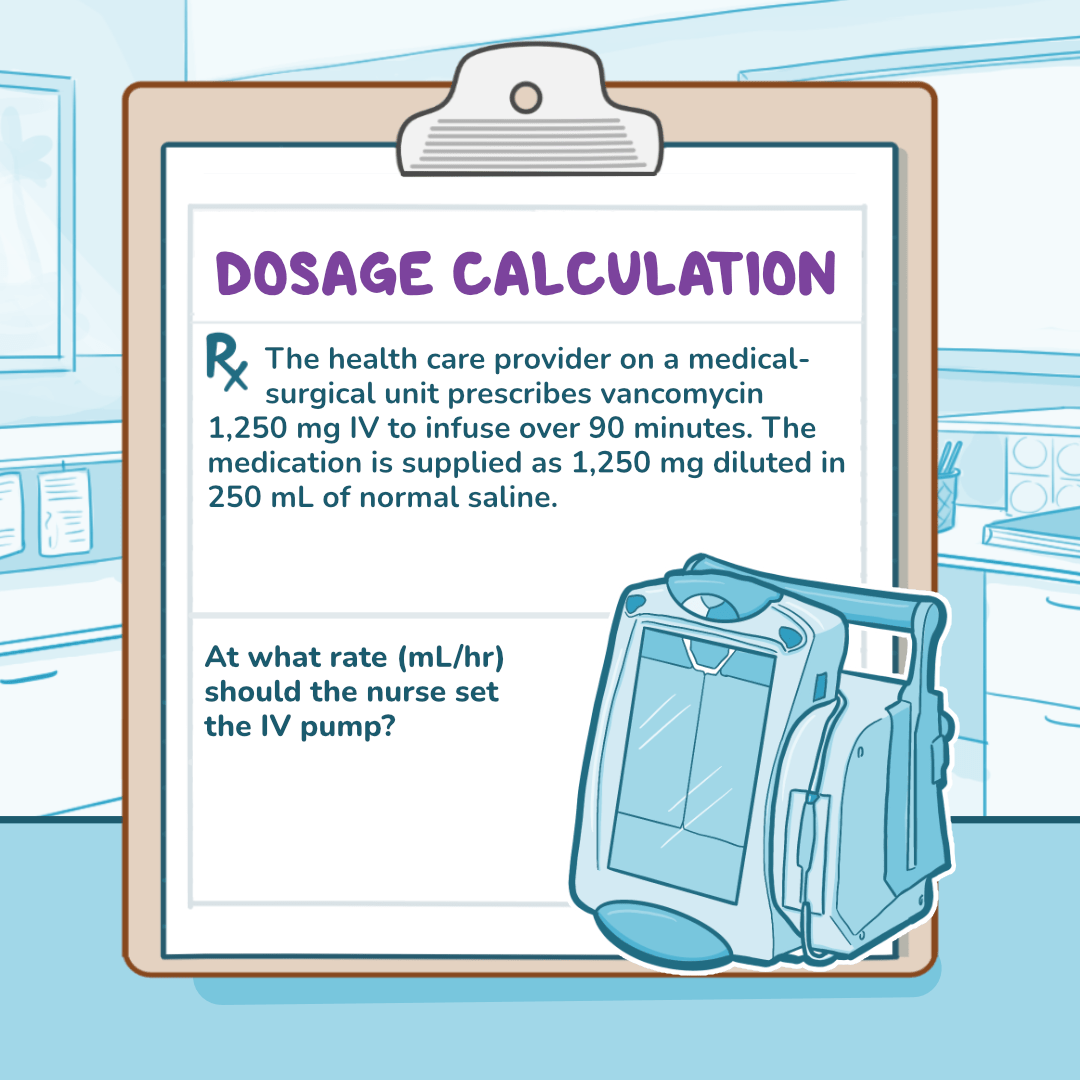
Dosage Calculation: Vancomycin
— Updated:
Tackle this IV infusion rate problem and learn a reliable method for accurate, safe medication administration in a busy clinical setting.
-

NCLEX-RN® Question of the Day: Pertussis Teaching Plan
— Updated:
An RN guides the mother of a child with pertussis through a structured teaching plan, covering home care for cough, vaccination schedule, infection-control practices, and when to seek urgent care.
-
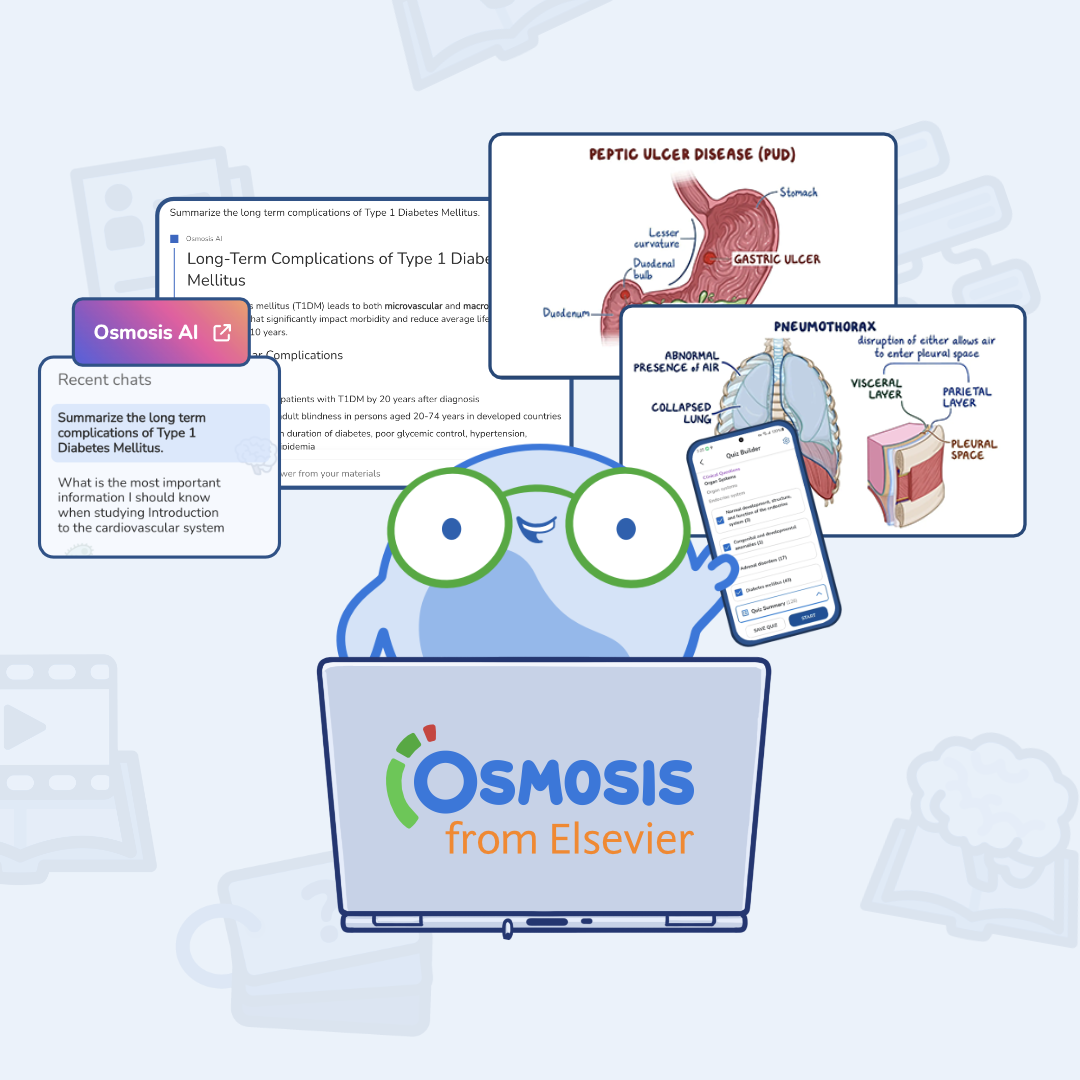
Osmosis Product Updates: 2026
— Updated:
Discover the ways Osmosis is evolving throughout the year! Learn about new features, content, badges, and helpful playlists to streamline planning and make your study experience more effective.
-
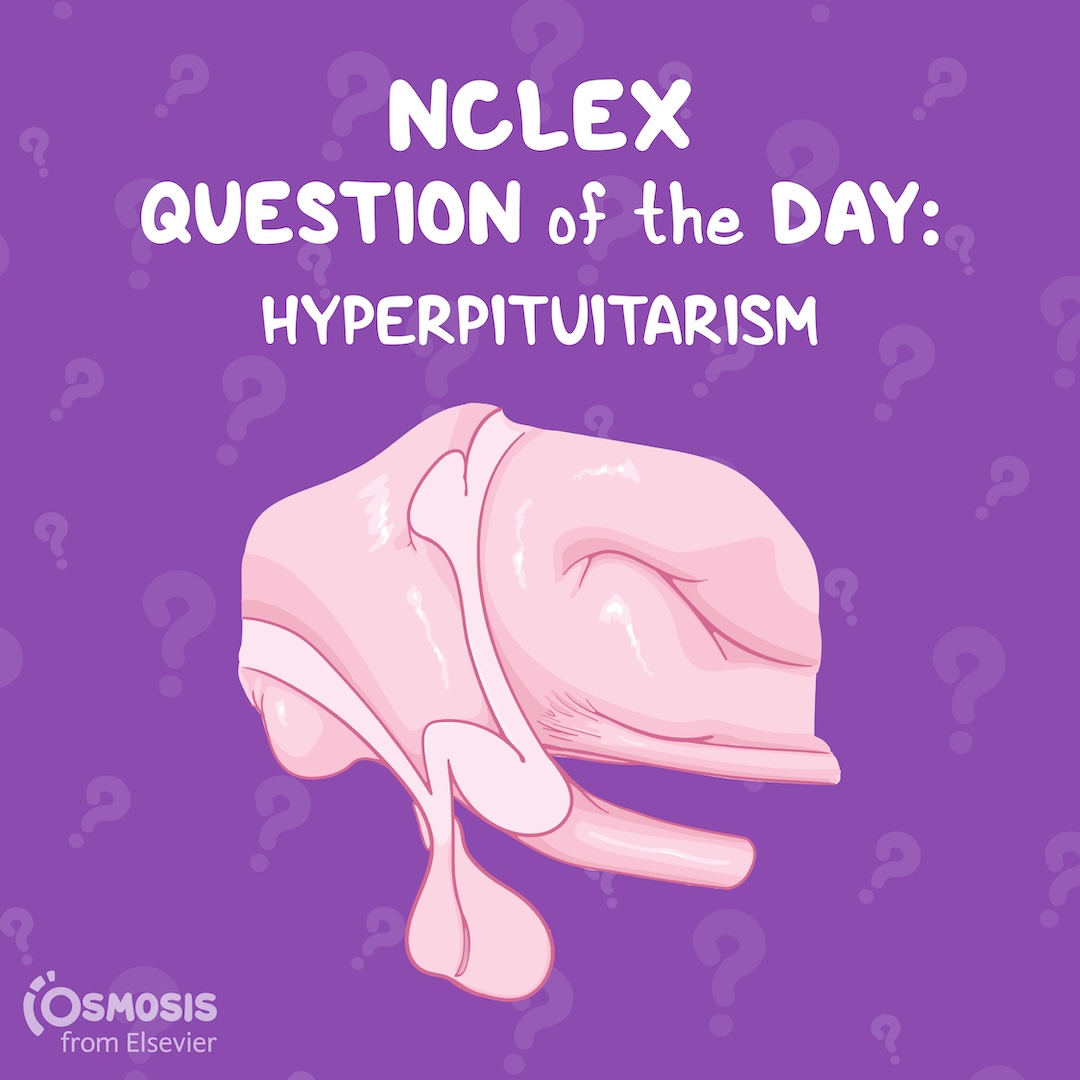
NCLEX-RN® Question of the Day: Hyperpituitarism
— Updated:
A nurse reviews hyperpituitarism concepts in a clinical teaching scenario, focusing on common causes, hereditary links, and risk factors. Learn how to structure patient education and clinical discussions to cover the endocrine condition, its assessment, and appropriate nursing considerations.
-
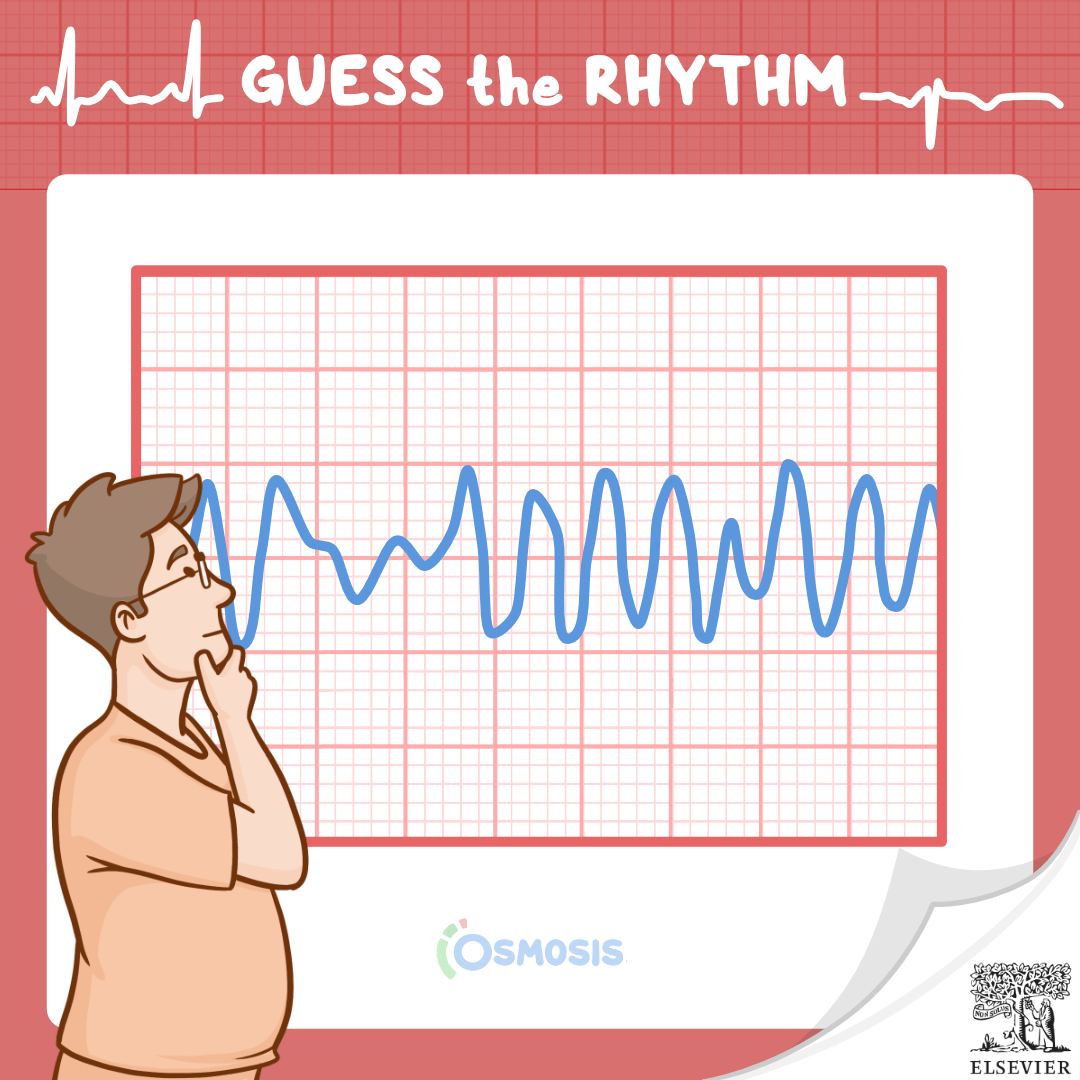
Guess the Rhythm: Ventricular fibrillation (Vfib)
— Updated:
A patient presents with an ECG showing a rapid, irregular rhythm with chaotic waveforms. Explore how clinicians recognize a life-threatening arrhythmia on monitor, differentiate it from other rhythms, and determine the immediate management steps used in acute care settings.
-
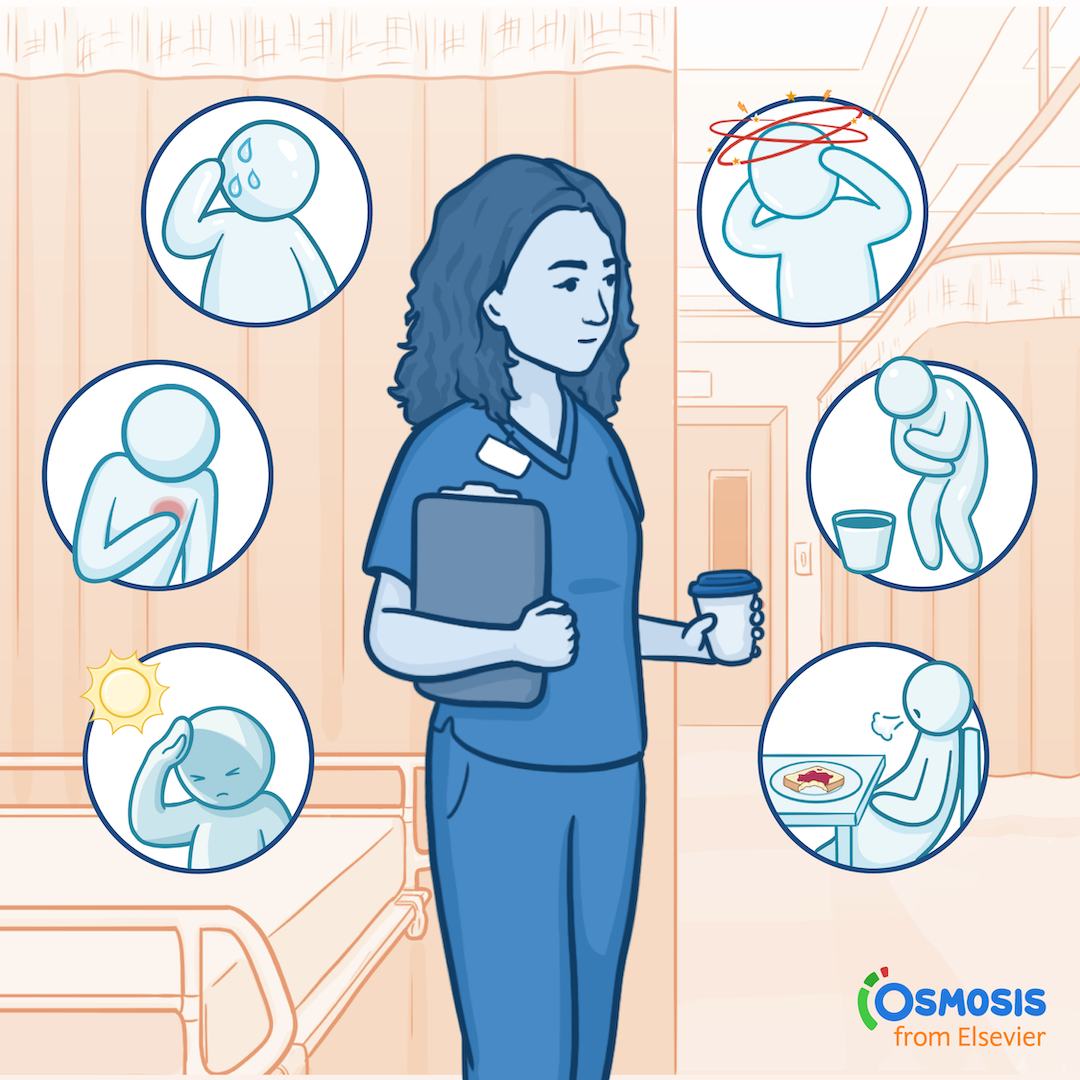
What It’s Like to Live with a Rare Autonomic Disorder
— Updated:
RN, OHLI and aspiring NP Kaitlyn Conway shares how autoimmune autonomic ganglionopathy disrupted her life along with recovering from a subsequent stroke. Her journey highlights the importance of listening to patients and empathizing with them while they’re dealing with the effects of chronic illness.
-
NCLEX-RN® Question of the Day: T1D
— Updated:
A patient with newly diagnosed type 1 diabetes presents with pneumonia. Learn a structured nursing approach to spotting a potential life-threatening diabetic emergency, including key assessment steps, monitoring priorities, and when to escalate care to the provider.
-
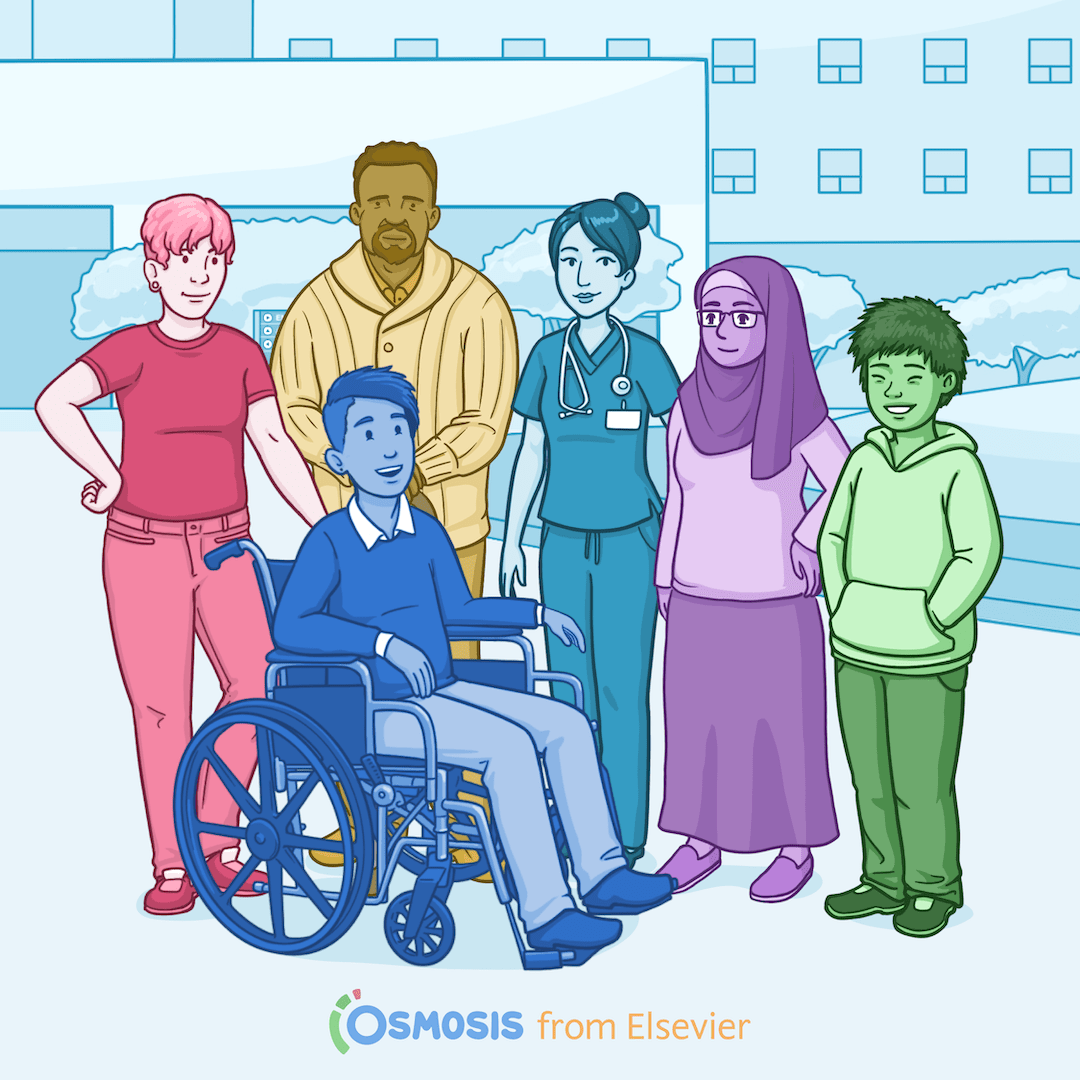
How to Become a Culturally Competent Clinician
— Updated:
Learn practical strategies to deliver equitable, patient-centered care in a diverse world, including addressing Social Determinants of Health (SDOH), strengthening cultural competence in clinical practice, recognizing implicit (unconscious) bias, improving communication, and advancing patient advocacy.
-
NCLEX-RN® Question of the Day: Cardiogenic shock
— Updated:
Understand important clinical findings to watch for in patients at risk of cardiogenic shock following myocardial infarction. Early identification guides care.
-
NCLEX-RN® Question of the Day: Perineal care
— Updated:
Nurses performing perineal care must recognize and report critical findings promptly. Learn which abnormalities require immediate healthcare provider notification.
-
NCLEX-RN® Question of the Day: Sexual orientation
— Updated:
Understand sexual orientation basics and correct terminology to provide respectful, informed care to diverse patients in nursing practice.
-
NCLEX-RN® Question of the Day: Laparoscopic cholecystectomy
— Updated:
Effective discharge teaching after laparoscopic cholecystectomy covers lifting restrictions, incision care, expected drainage, and dietary advice to promote healing and prevent complications.
-

The Science of Rest & Recovery: Why Healthcare Learners Need Downtime (and How to Actually Take It)
— Updated:
Healthcare training rewards endurance, but biology tells a different story. Learning does not improve by pushing endlessly. It improves when stress and recovery are balanced. Understanding how rest supports cognition, memory, and emotional resilience may be the most overlooked study strategy in healthcare education.
-
NCLEX-RN® Question of the Day: Risk management
— Updated:
A medication safety error occurs when a nurse omits barcode scanning, causing patient harm. Understand the legal implications and terminology involved in nursing practice.
-
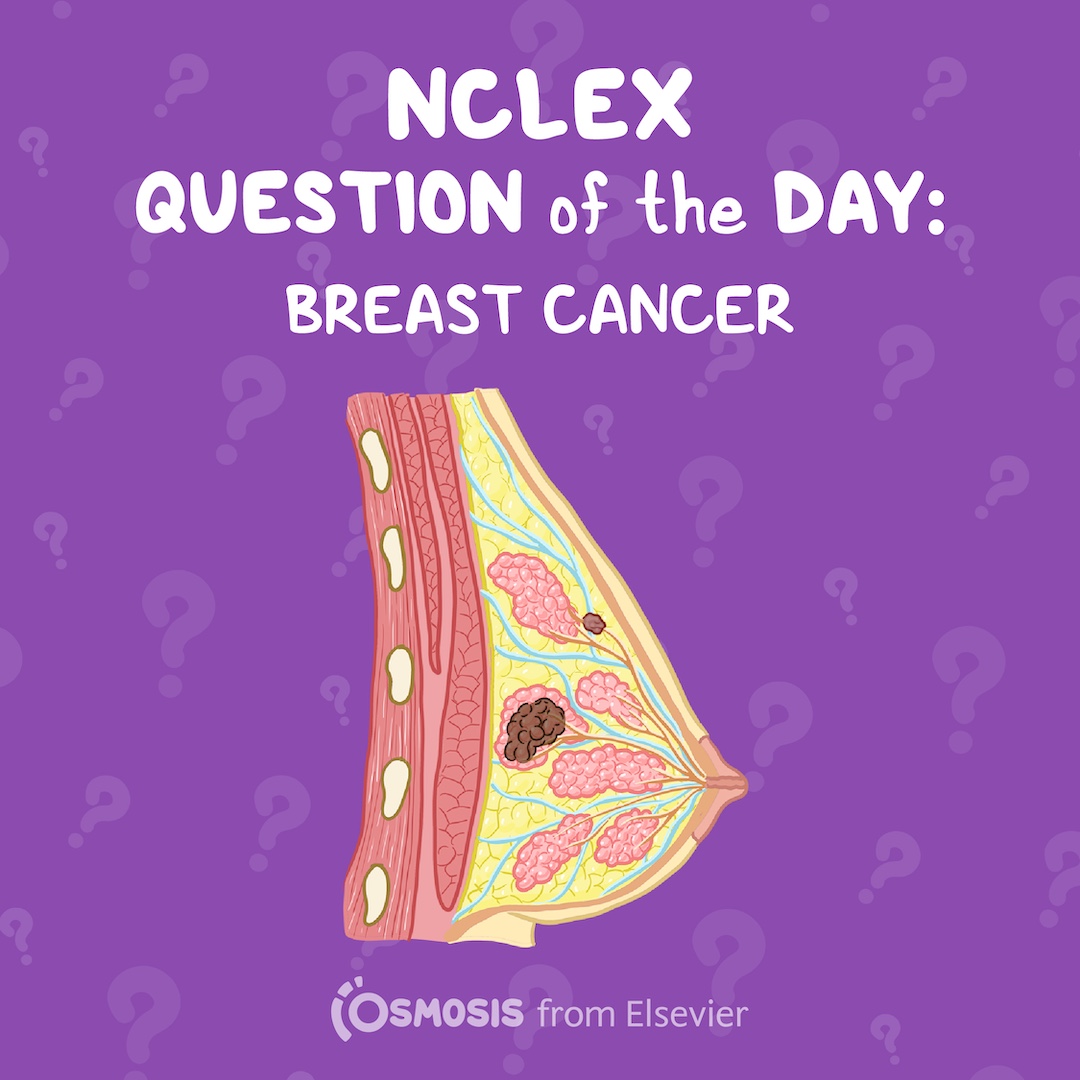
NCLEX-RN® Question of the Day: Breast cancer
— Updated:
What does it mean when abnormal breast cells cross the thin barrier that once contained them? Explore the pivotal microscopic change that marks a shift in tumor behavior, and why it matters for diagnosis and care.
-
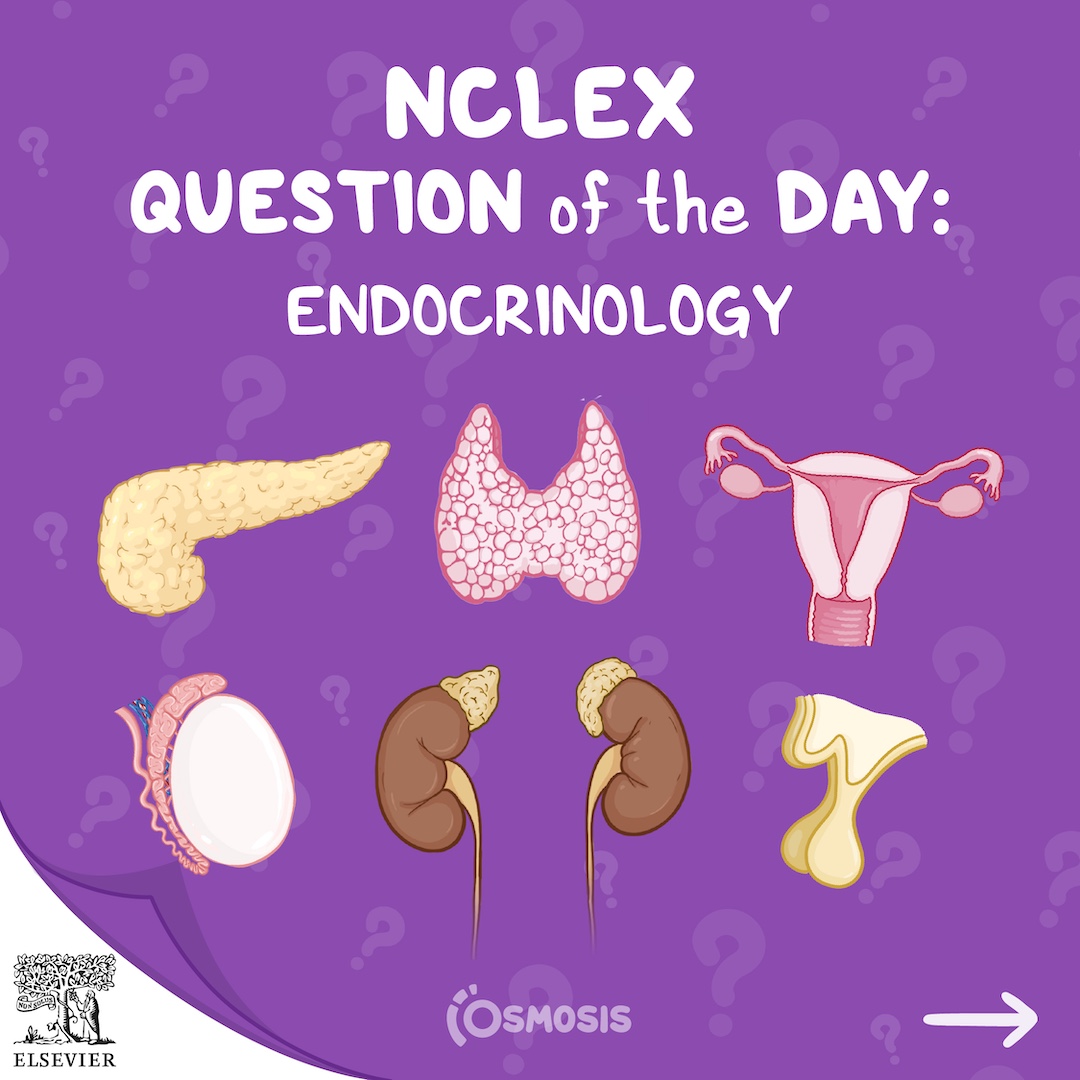
NCLEX-RN® Question of the Day: Endocrinology
— Updated:
Explore key risk factors influencing diabetes development for this retired long-haul truck driver with obesity and hypertension.
-

Small Habits, Big Impact: A Simple Reset Guide for the New Year
— Updated:
Discover simple, effective ways to improve focus and resilience during demanding healthcare training. Small daily actions build confidence and maintain motivation.
-
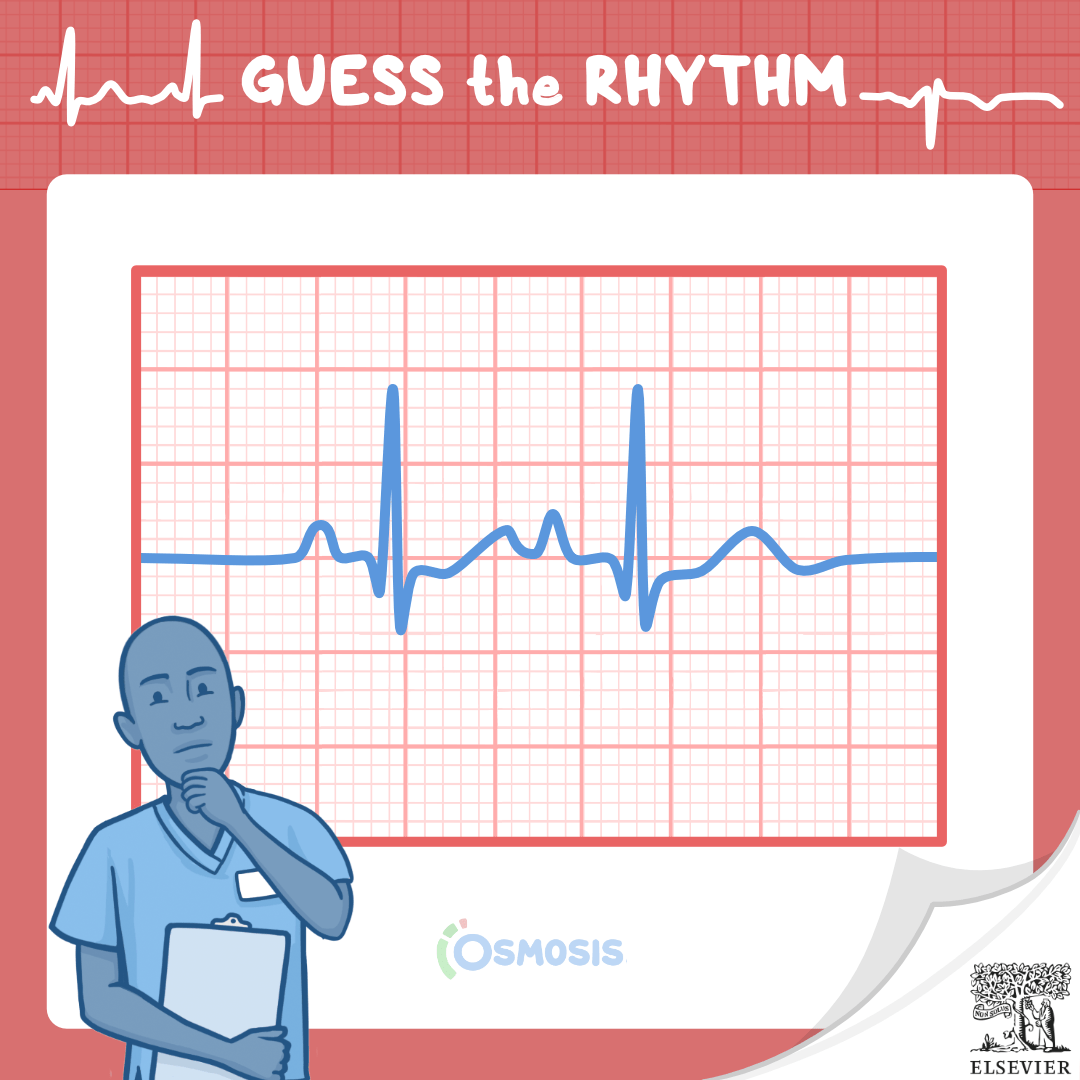
Guess the Rhythm: Atrial flutter
— Updated:
Atrial flutter is a fast, abnormal heart rhythm with characteristic sawtooth waves on ECG. Learn to recognize atrial flutter’s unique features and its effects on heart pumping efficiency.
-
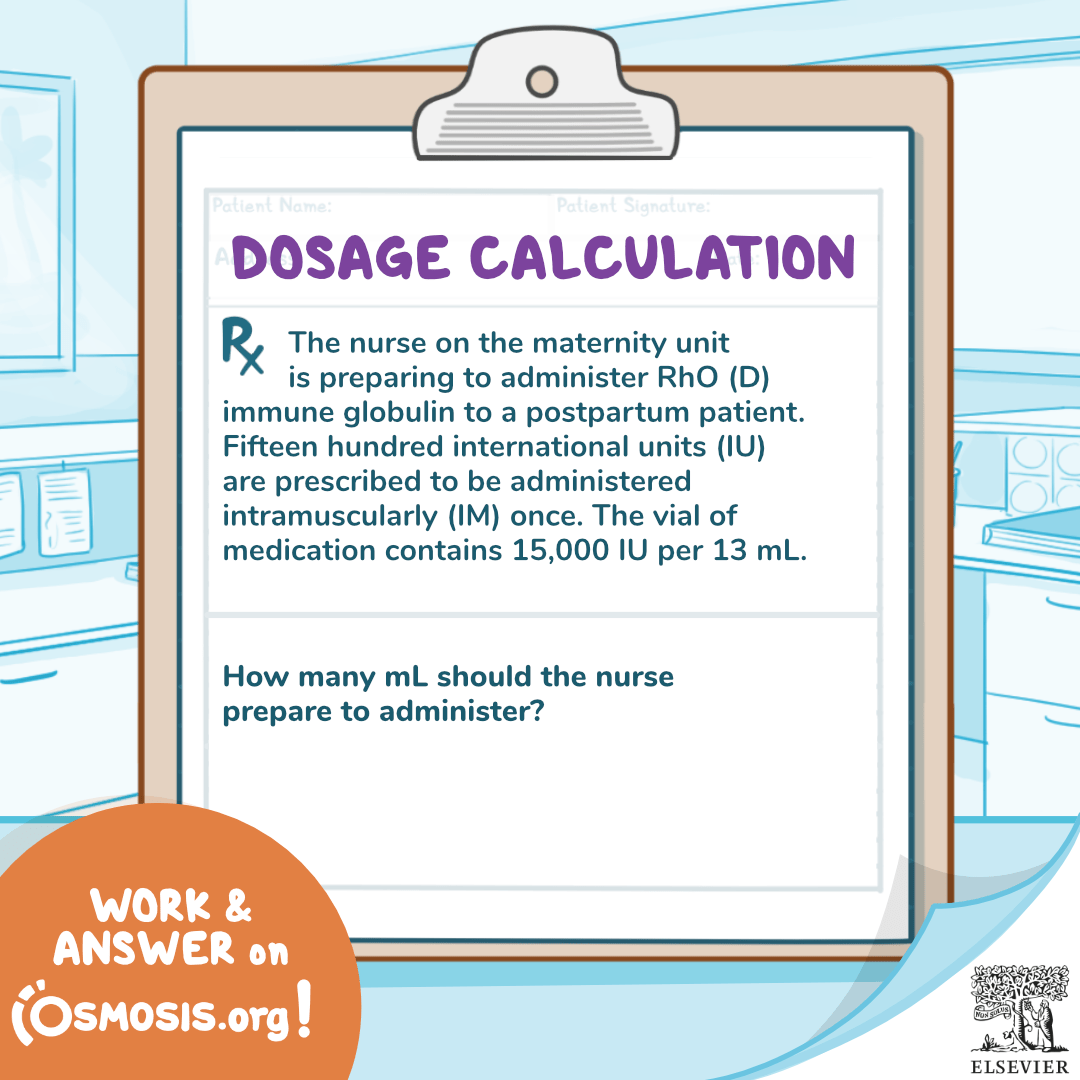
Dosage Calculation: RhO (D) immune globulin
— Updated:
Master dosing calculations for RhO (D) immune globulin in postpartum care. Understand how to convert IU to milliliters to ensure safe and accurate medication administration.
-
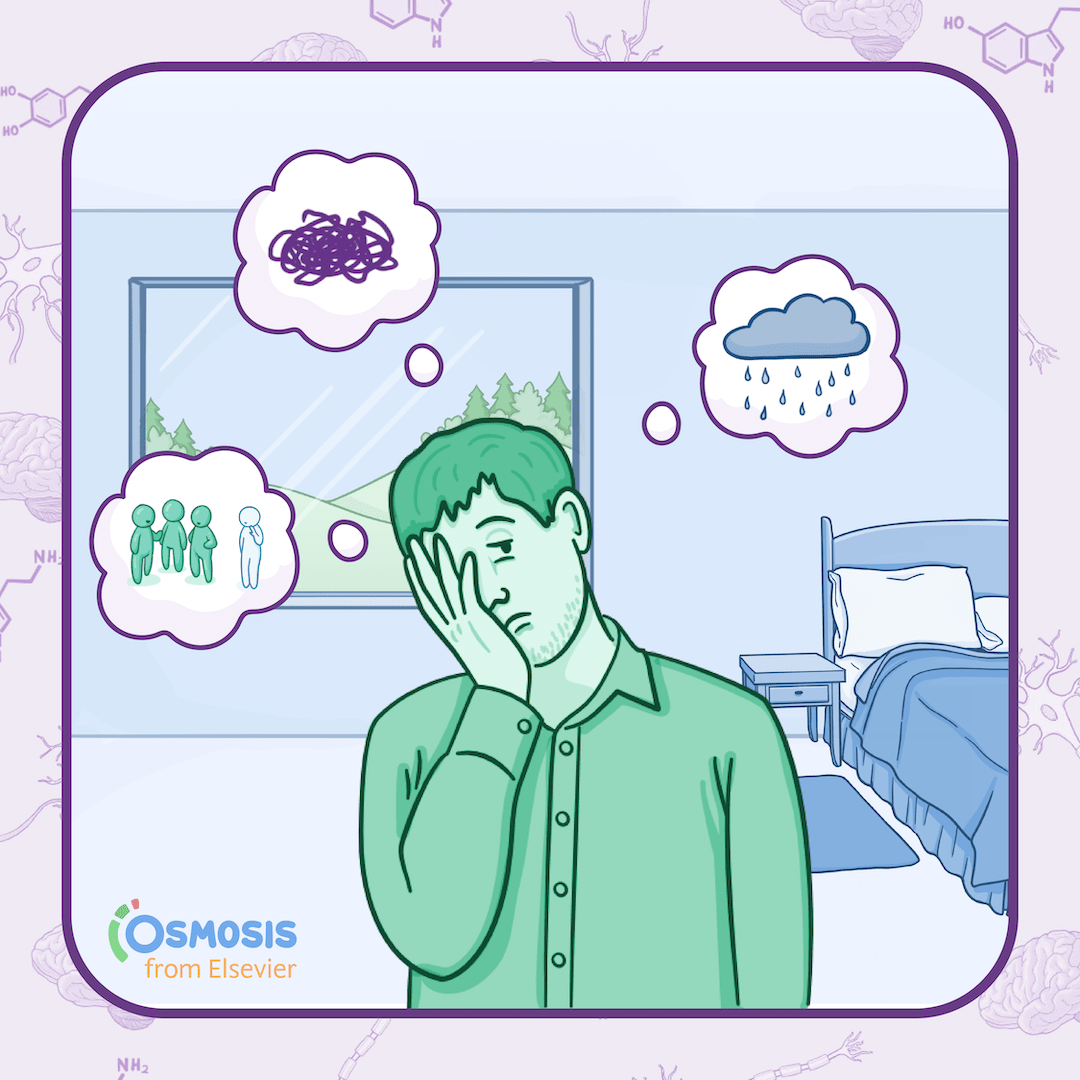
Understanding Illness Anxiety Disorder: A helpful guide for health professionals
— Updated:
Illness Anxiety Disorder (formerly known as hypochondria) causes persistent fear of serious illness despite normal tests. Discover causes, diagnosis, and management strategies to support affected patients.
-
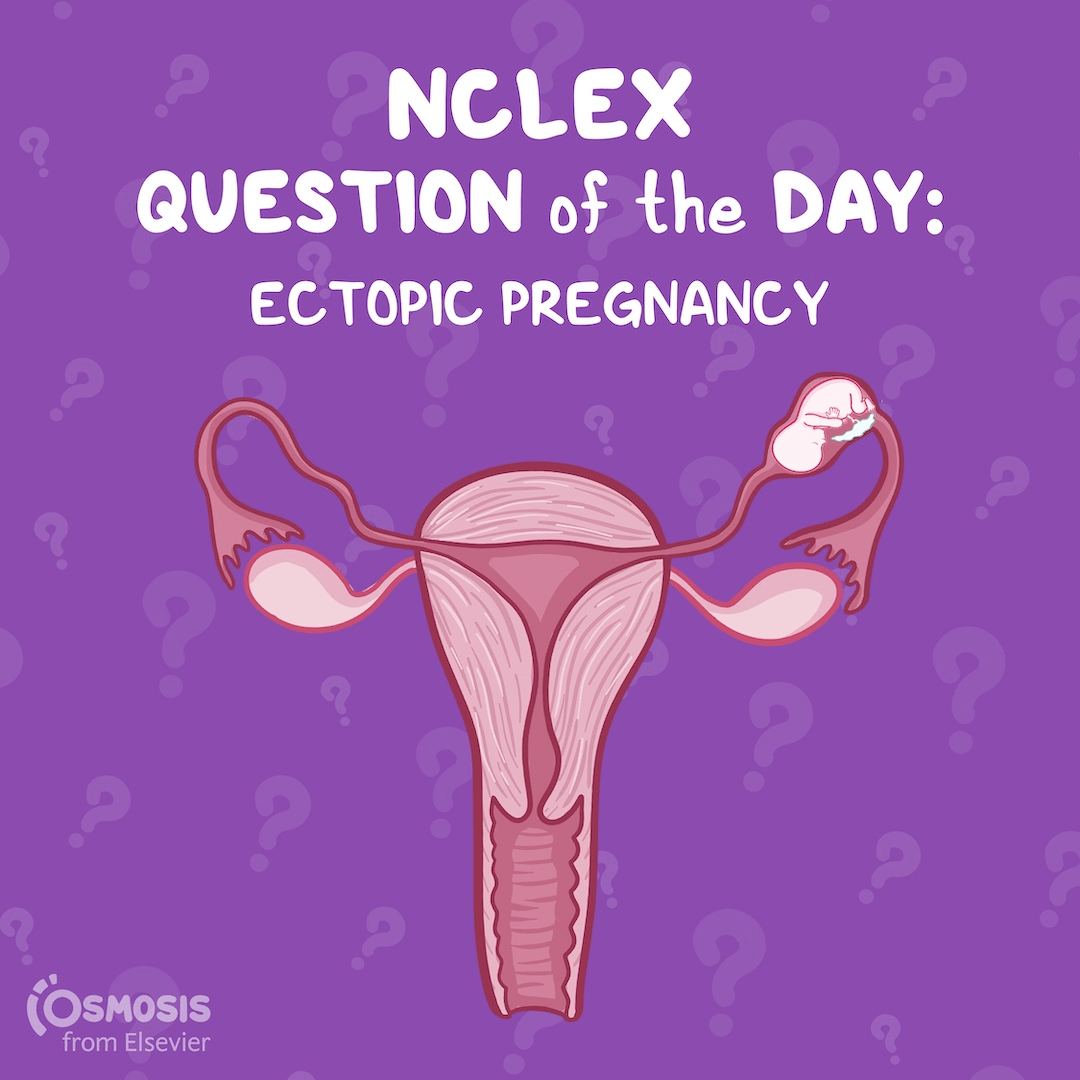
NCLEX-RN® Question of the Day: Ectopic pregnancy
— Updated:
When ectopic pregnancy is suspected, confirming pregnancy with the right test is crucial. Discover how beta human chorionic gonadotropin (β-hCG) assists in diagnosis and management.
-

NCLEX-RN® Question of the Day: Second-Degree Heart Block
— Updated:
Learn how certain medications can lead to second-degree heart block, particularly in patients with kidney impairment.
-
How to Manage Your Stress and Prevent Burnout at the End of Term
— Updated:
Healthcare training is demanding and burnout is common, but manageable. Discover effective stress management techniques, self-care habits, and when to seek support to thrive during your studies.
-
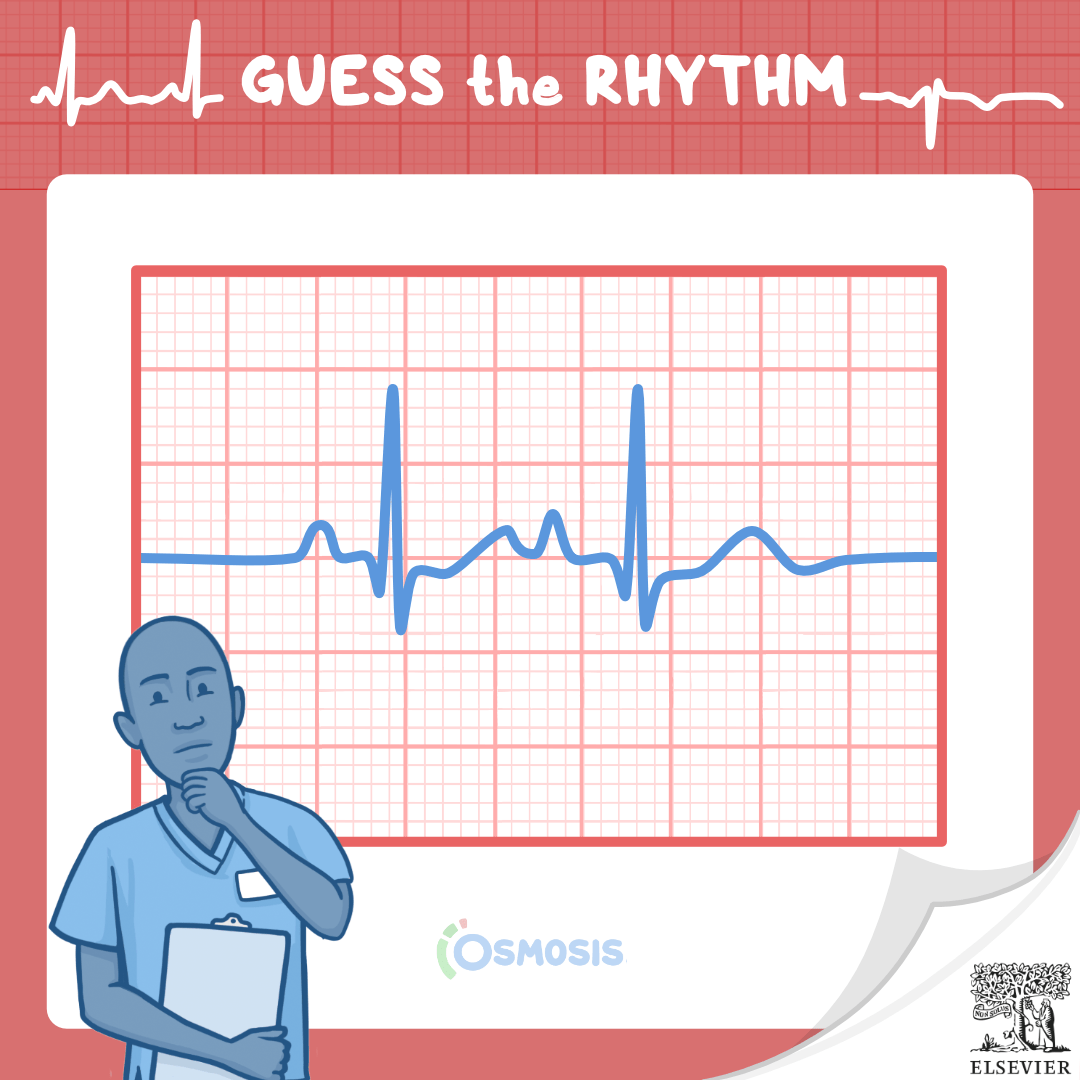
Guess the Rhythm: Premature atrial contractions (PAC)
— Updated:
Premature atrial contractions (PACs) cause early atrial beats originating outside the sinoatrial node. Recognize PAC features on ECG like irregular rhythm and abnormal P waves.
-
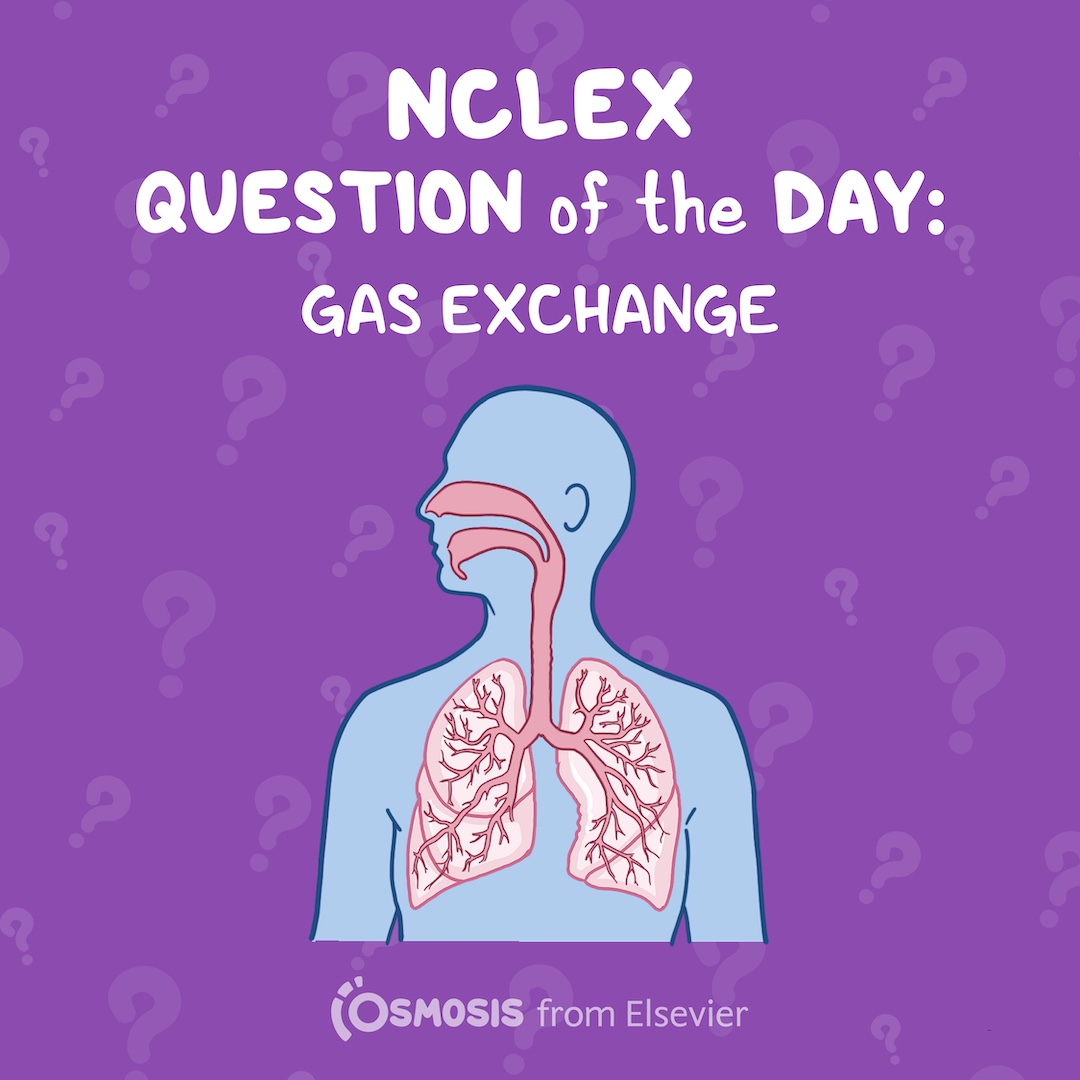
NCLEX-RN® Question of the Day: Gas exchange
— Updated:
Explore how gas exchange occurs in the lungs. Understand the movement of oxygen into the blood and carbon dioxide out during breathing for effective respiratory care.
-
NCLEX-RN® Question of the Day: FHR tracing
— Updated:
Which fetal heart rate category should a nurse report during active labor based on assessment findings? Understand FHR categories for clinical decision-making.