
Author: Jennice Lavergne, MD
-
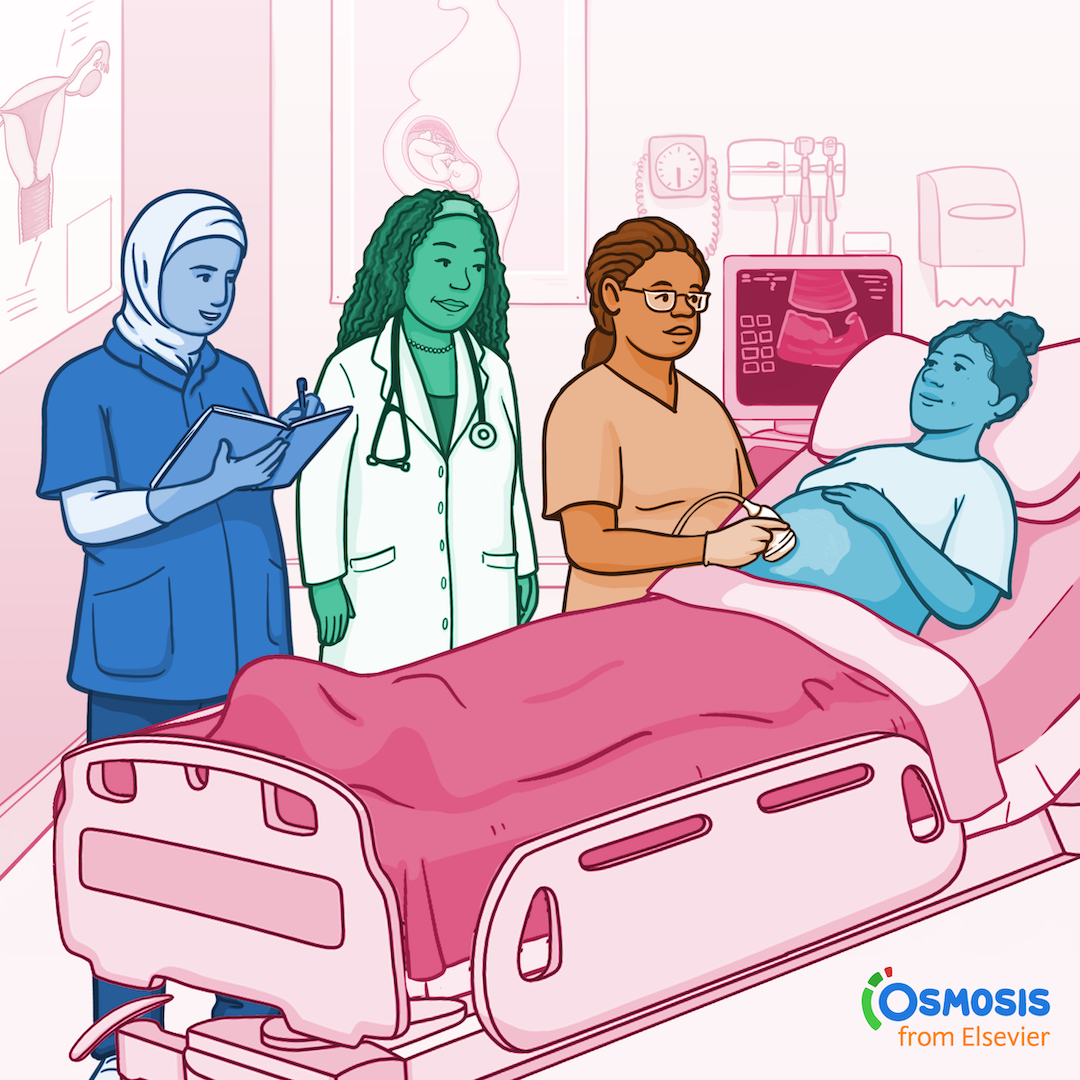
How to Combat Racial Disparities in Maternal Health: 6 Key Strategies
— Updated:
Black women in the US experience significantly higher rates of pregnancy-related complications and death than other groups. Explore the factors driving these disparities and the evidence-based strategies that can help improve maternal health equity.
-
A Hidden History of Medicine: Unethical Experiments on Black Communities
— Updated:
Medicine’s history isn’t just a story of discovery and innovation. Many major medical advances were shaped by racism, exploitation, and unethical experimentation on Black communities. Understanding this history and its lasting impact is essential to building a more ethical, equitable, and trustworthy healthcare system today.
-
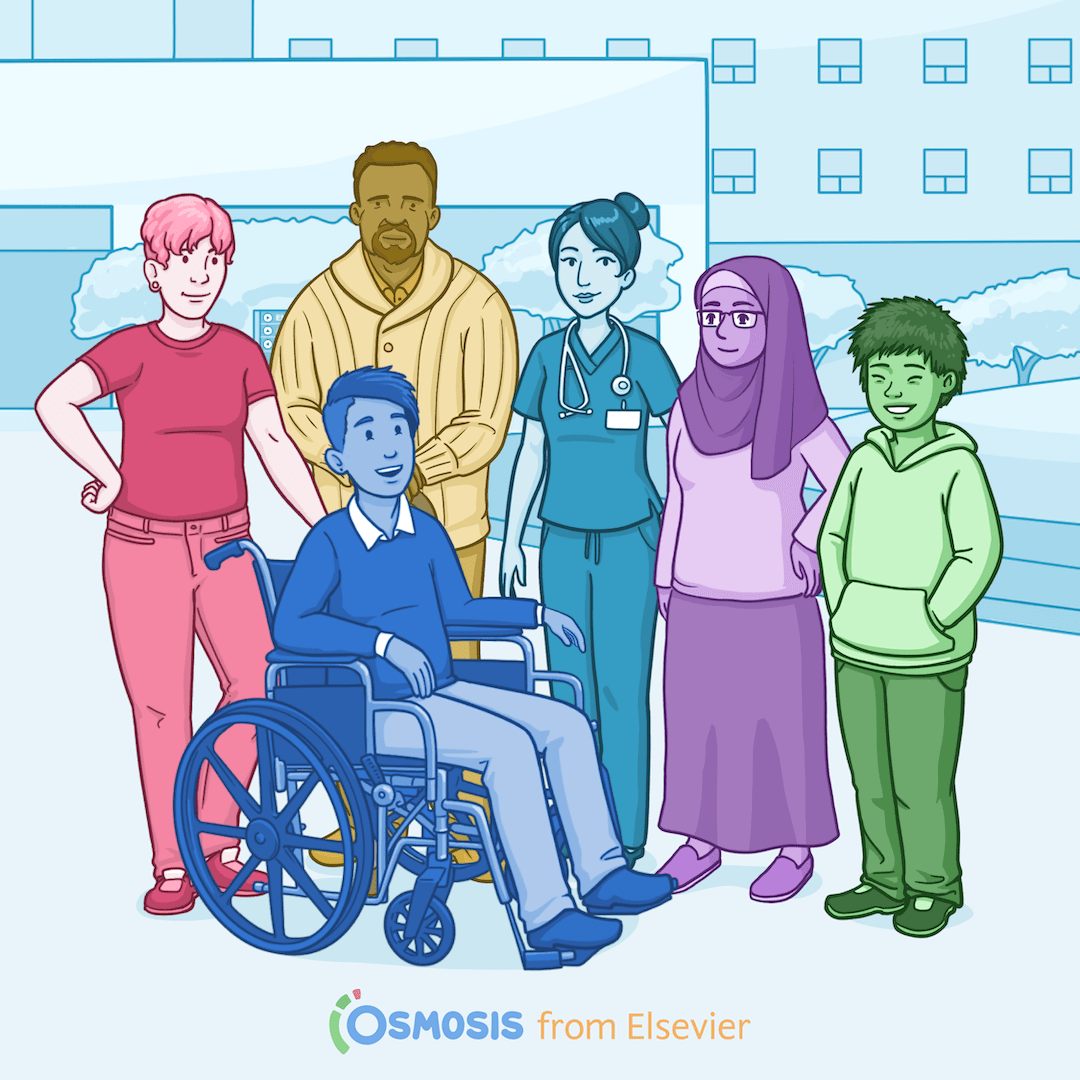
How to Become a Culturally Competent Clinician
— Updated:
Learn practical strategies to deliver equitable, patient-centered care in a diverse world, including addressing Social Determinants of Health (SDOH), strengthening cultural competence in clinical practice, recognizing implicit (unconscious) bias, improving communication, and advancing patient advocacy.
-
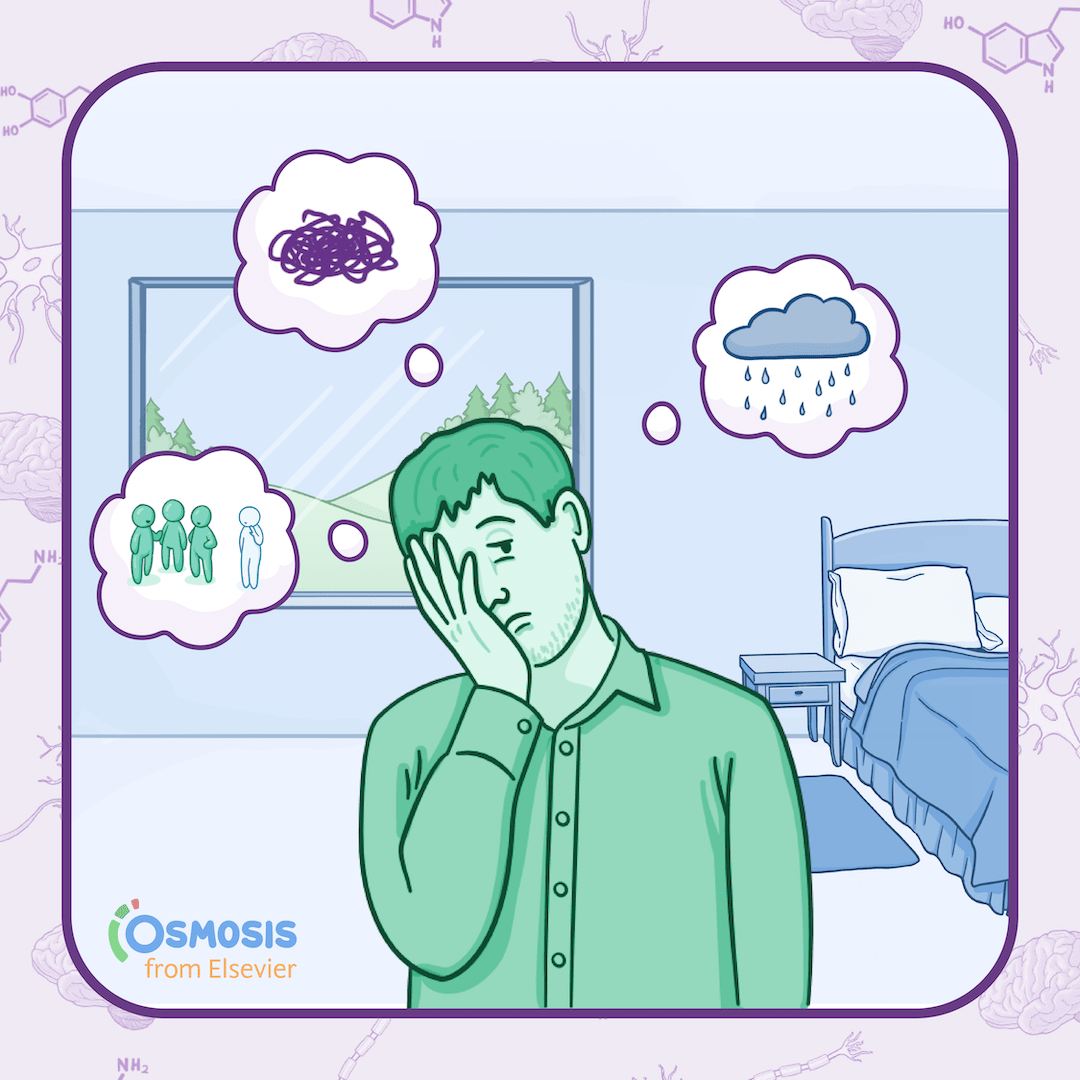
Understanding Illness Anxiety Disorder: A helpful guide for health professionals
— Updated:
Illness Anxiety Disorder (formerly known as hypochondria) causes persistent fear of serious illness despite normal tests. Discover causes, diagnosis, and management strategies to support affected patients.
-
How Marsha Linehan’s Struggle with BPD Led to DBT and a New Way to Heal
— Updated:
Explore Marsha Linehan’s journey from living with BPD to developing Dialectical Behavior Therapy (DBT), a therapy combining acceptance and change to heal emotional pain.
-
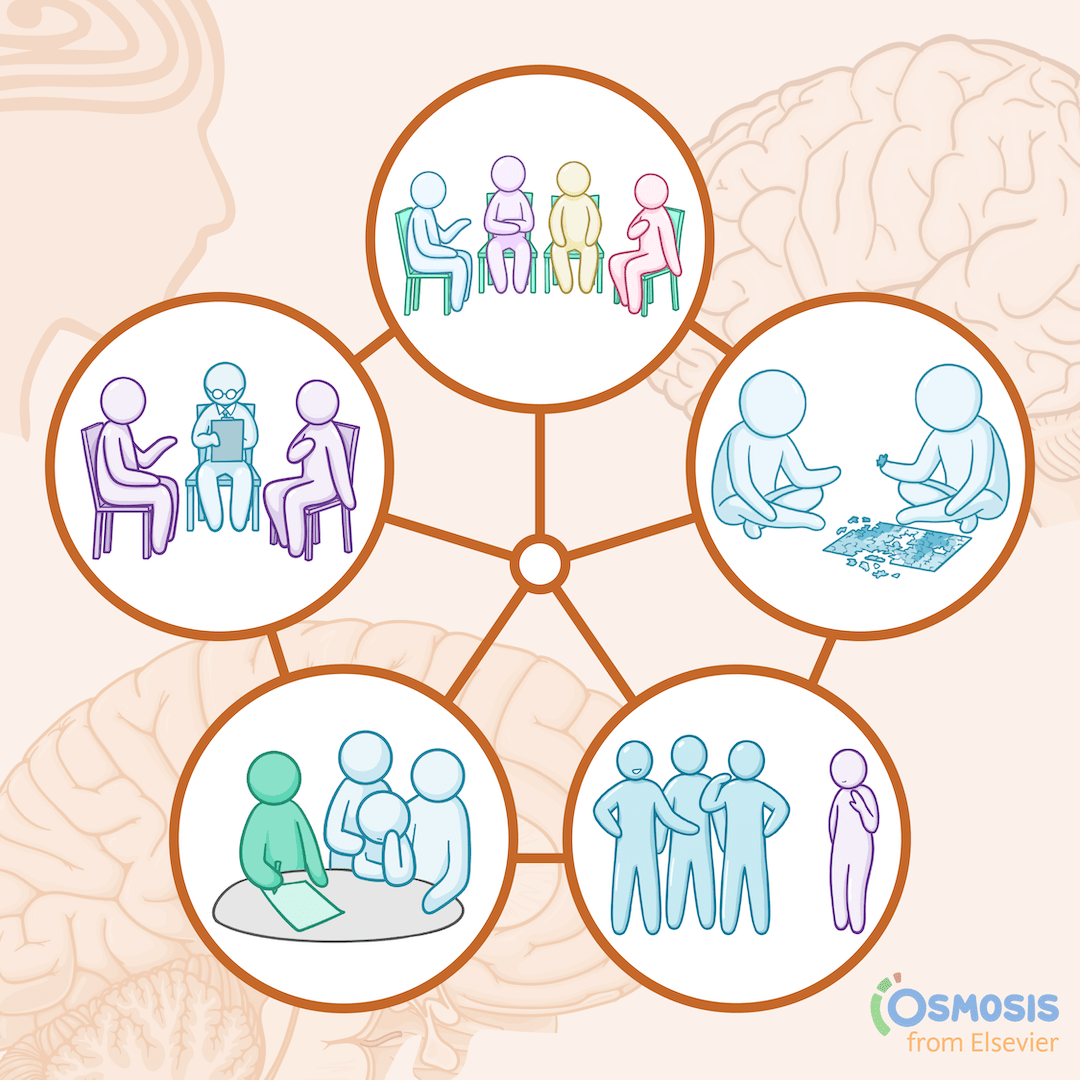
A Quick Mental Health Treatment Guide for Clinicians: Therapies with More Than One Person
— Updated:
Learn about the various multi-person therapy modalities, their applications, and strategies to facilitate effective group dynamics and patient outcomes.
-
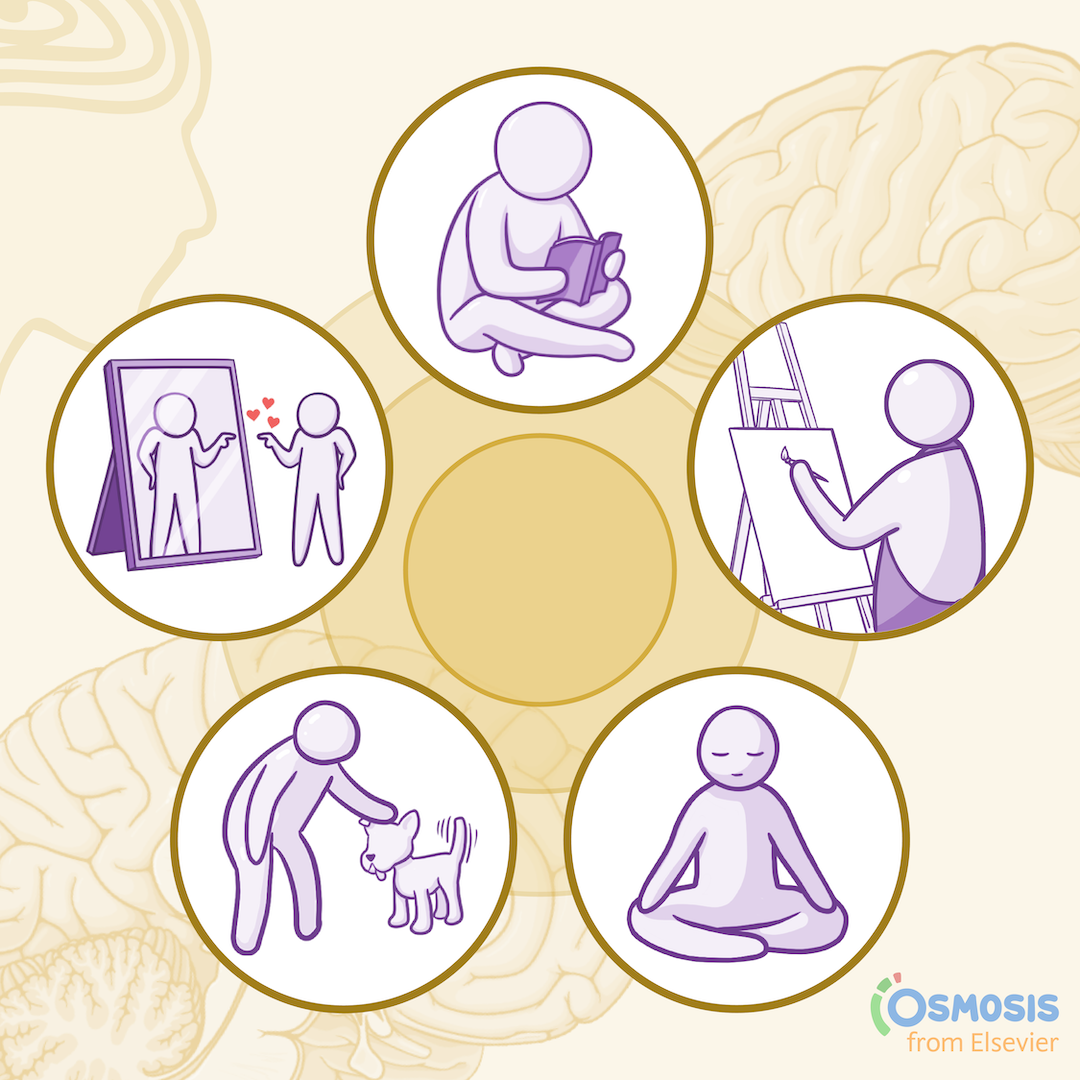
A Quick Mental Health Treatment Guide for Clinicians: Complementary and Alternative Therapies
— Updated:
Learn about various complementary and alternative therapies for mental health, their applications, and strategies for clinicians to support patient-centered care.
-
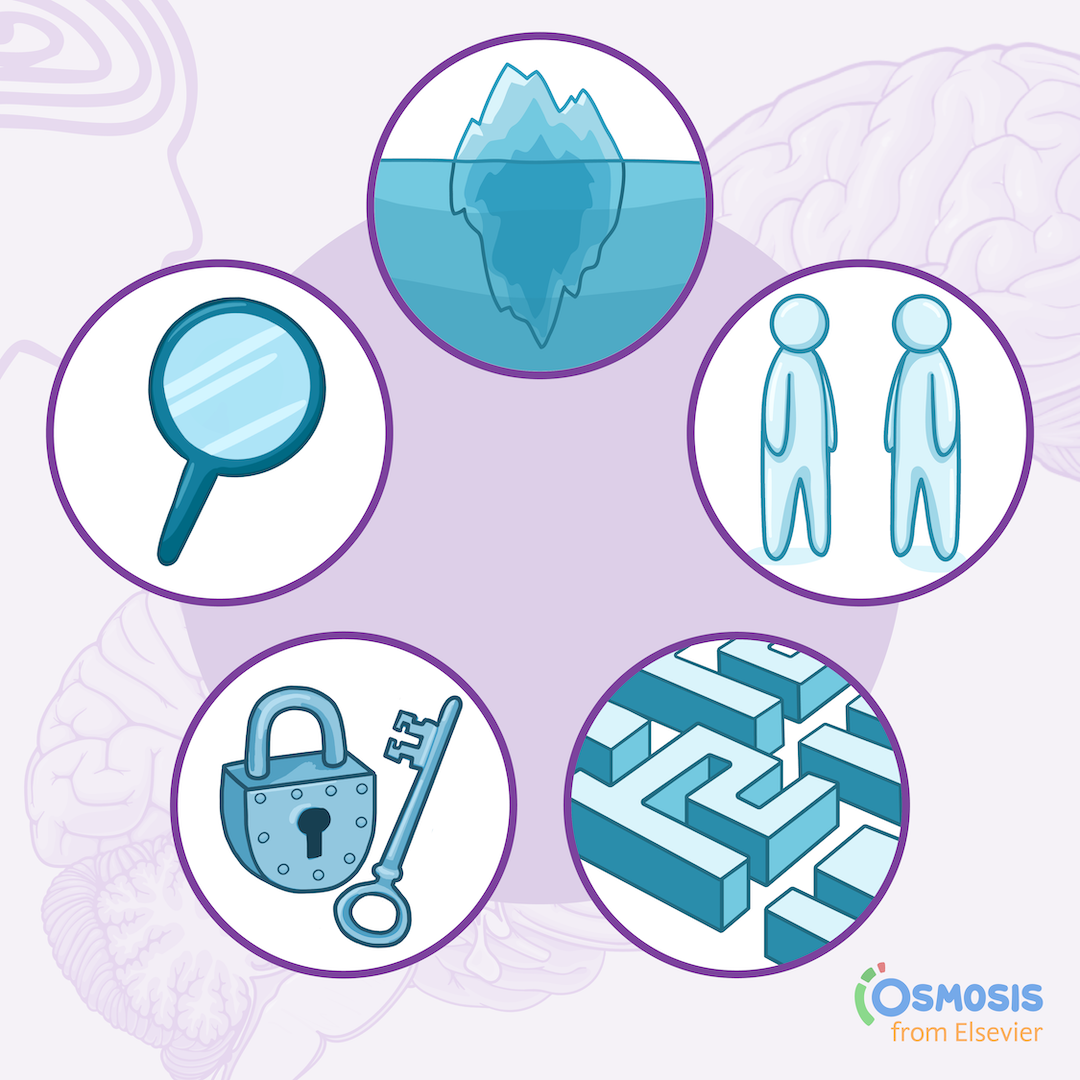
A Quick Mental Health Treatment Guide for Clinicians: Psychodynamic Therapies
— Updated:
Psychodynamic therapy helps patients explore unconscious thoughts and emotions affecting behavior. Discover core concepts, techniques, and clinical applications in this guide.
-
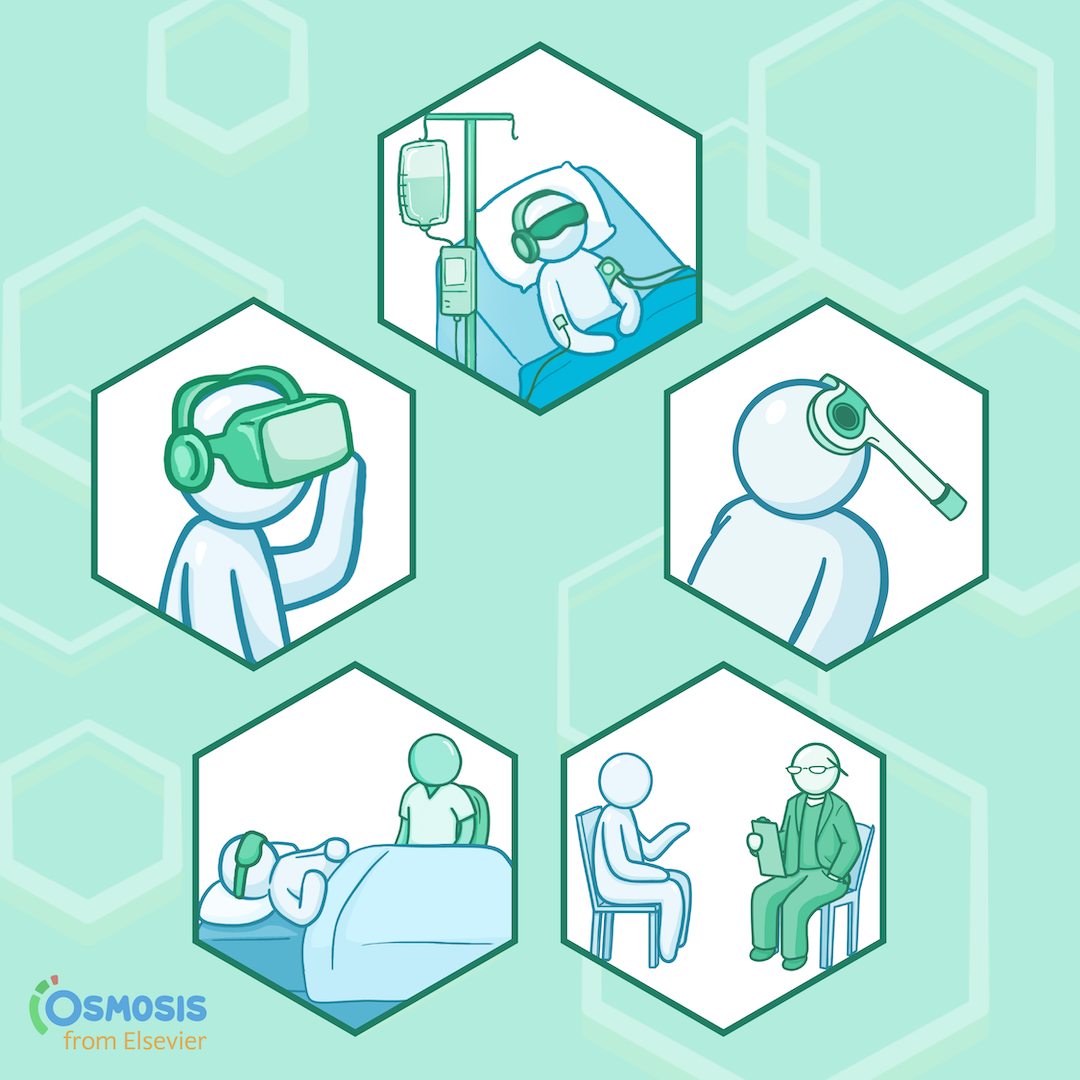
A Quick Mental Health Treatment Guide for Clinicians: Emerging/Recent Therapies
— Updated:
Stay updated on innovative mental health treatments, including Transcranial Magnetic Stimulation (TMS), ketamine, psychedelic-assisted therapy, and DBT to offer comprehensive care for treatment-resistant mental health conditions.
-
A Quick Mental Health Treatment Guide for Clinicians: Interventional or Procedural Therapies
— Updated:
Discover how interventional psychiatry offers new hope for patients with mental health conditions through innovative therapies like ECT, TMS, and ketamine infusions.
-
A Quick Mental Health Treatment Guide for Clinicians: Classic Behavioral Psychotherapies
— Updated:
Get some valuable insights into behavioral psychotherapy and its critical role in mental health care. Learn about various therapeutic approaches, the importance of finding a culturally-competent therapist, and practical strategies for effective treatment. Learn how to enhance your understanding of mental health issues and provide compassionate care to your patients…
-
How to Fill Out Your Match Application
— Updated:
The Match process is a crucial milestone for medical students. Discover essential tips for crafting a standout application, including personal statements, letters of recommendation, and effective program research to help you succeed in your residency journey. Good luck!
-
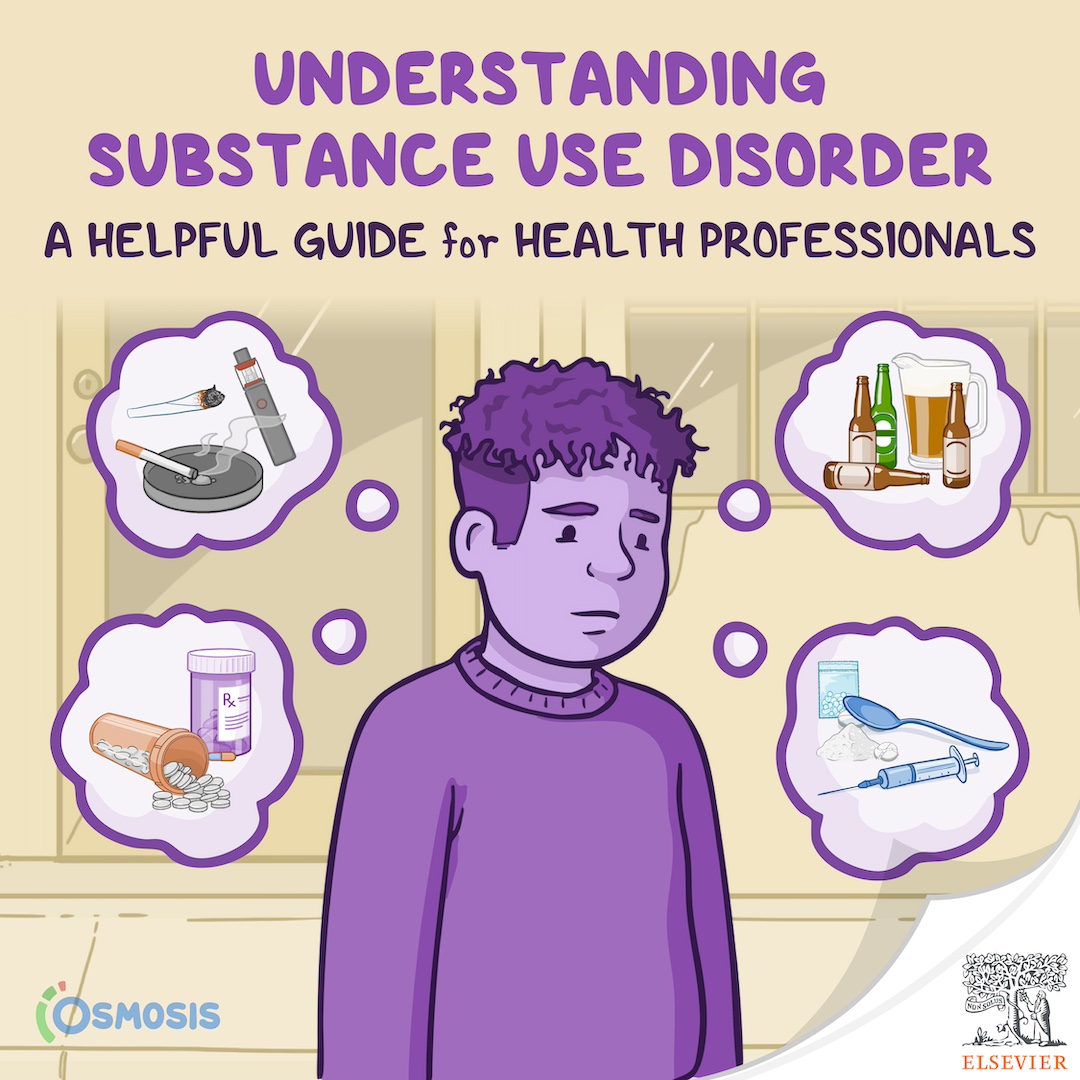
Understanding Substance Use Disorder: A helpful guide for health professionals
— Updated:
Substance Use Disorder (SUD) is a health condition involving a patient’s uncontrolled use of a substance, such as alcohol, drugs, and medications, that affects an individual’s daily life by impairing their physical and mental health, along with social functioning. There are about 20 million people in the US (approximately 6% of the total…
-

A Quick Mental Health Treatment Guide for Clinicians: Classic Psychotherapies
— Updated:
When contemplating the concept of psychotherapy, it’s not uncommon to conjure up images of a grand office space adorned with an extravagant leather sofa, where a patient reclines while reflecting on past childhood experiences. While this depiction may be prevalent in pop culture, it’s essential to recognize that psychotherapy includes…
-
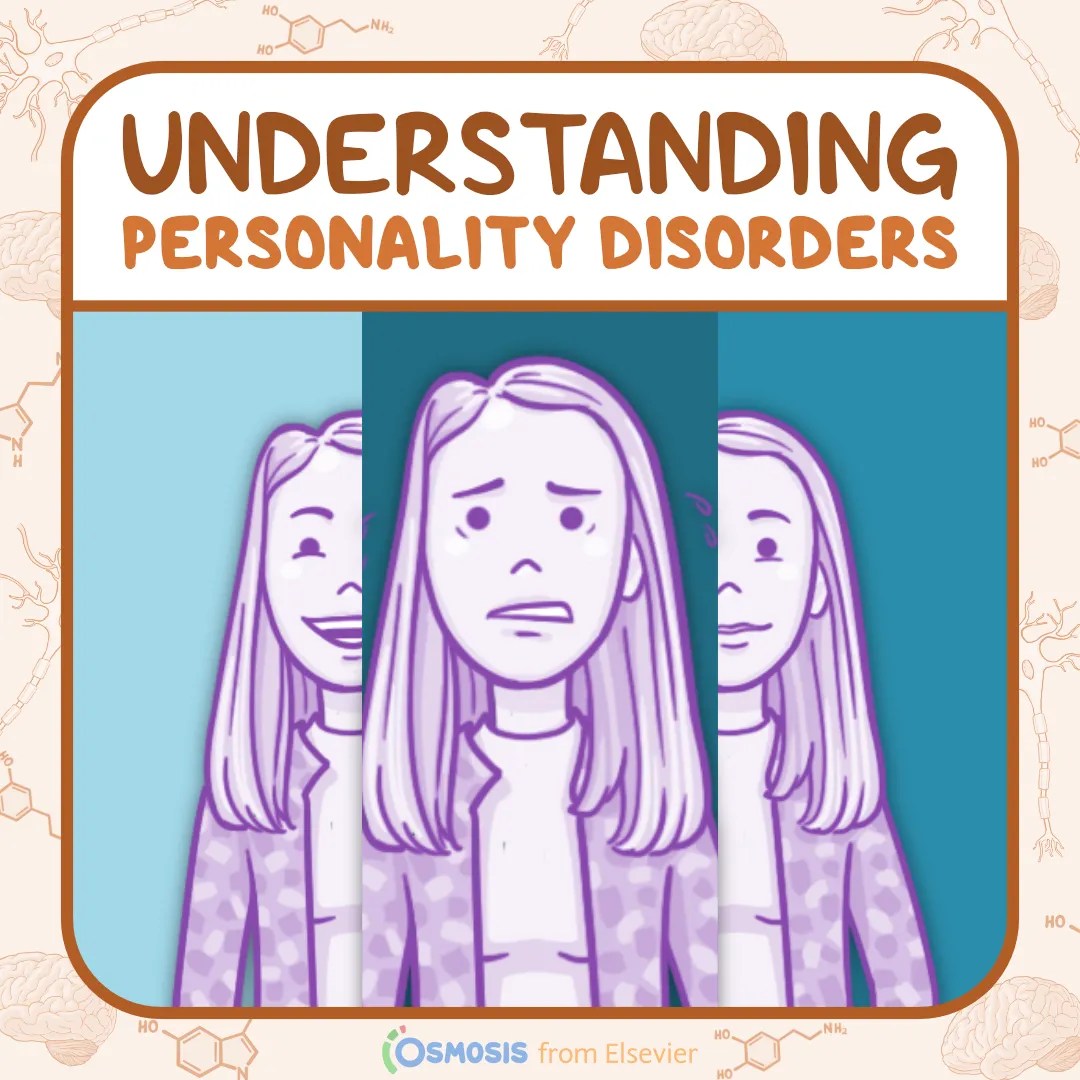
Understanding Personality Disorders: A helpful guide for health professionals
— Updated:
Explore key features and challenges of personality disorders, including diagnostic criteria and treatment strategies, to enhance clinical understanding and patient care.
-
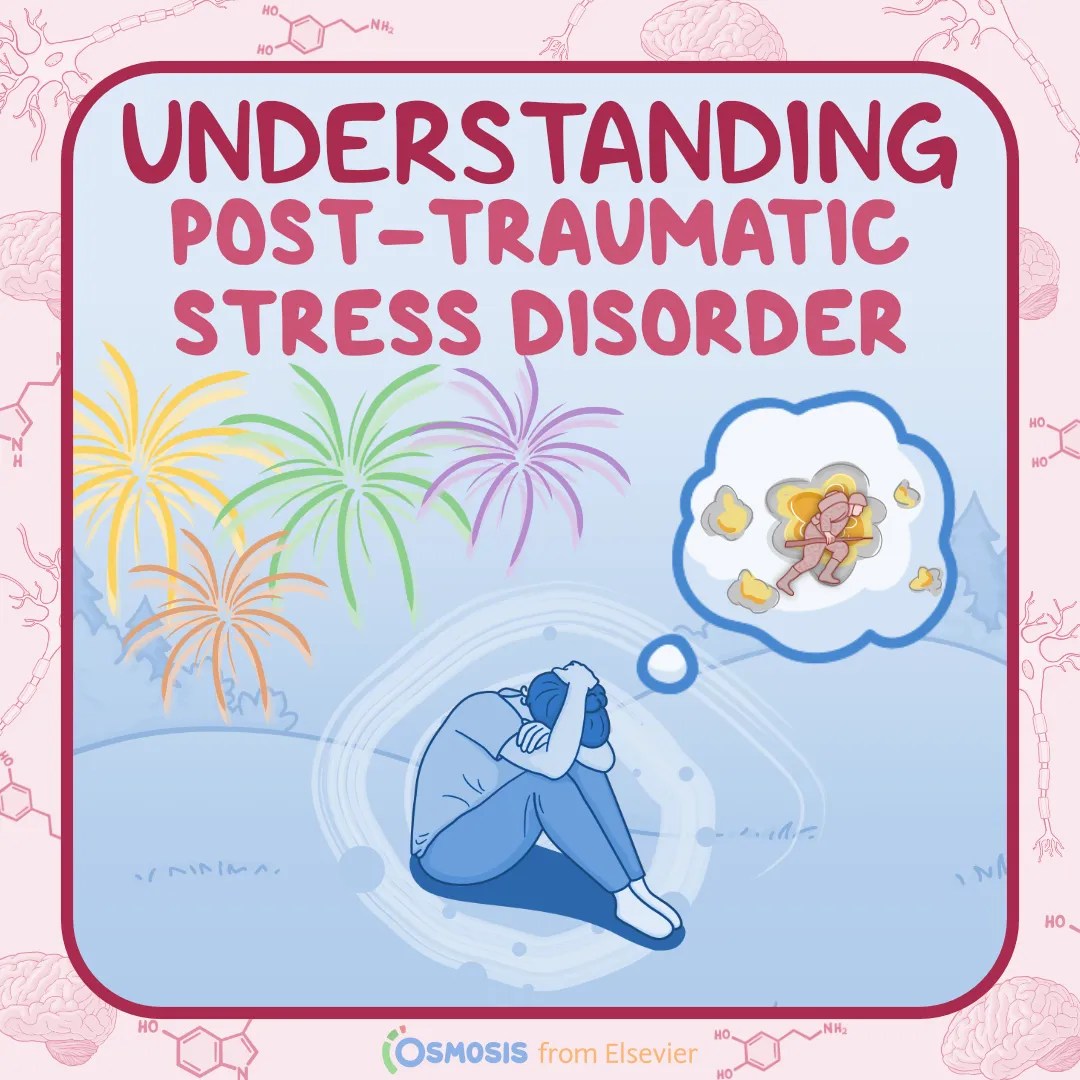
Understanding PTSD: A helpful guide for health professionals
— Updated:
Approximately 6% of US adults develop Post-Traumatic Stress Disorder (PTSD) during their lifetime. A sometimes debilitating mental health condition that develops after someone has experienced or witnessed a terrifying, dangerous, or shocking event, PTSD symptoms generally persist for more than one month and include reliving the traumatic event, avoidance of reminders of the experience, and…
-
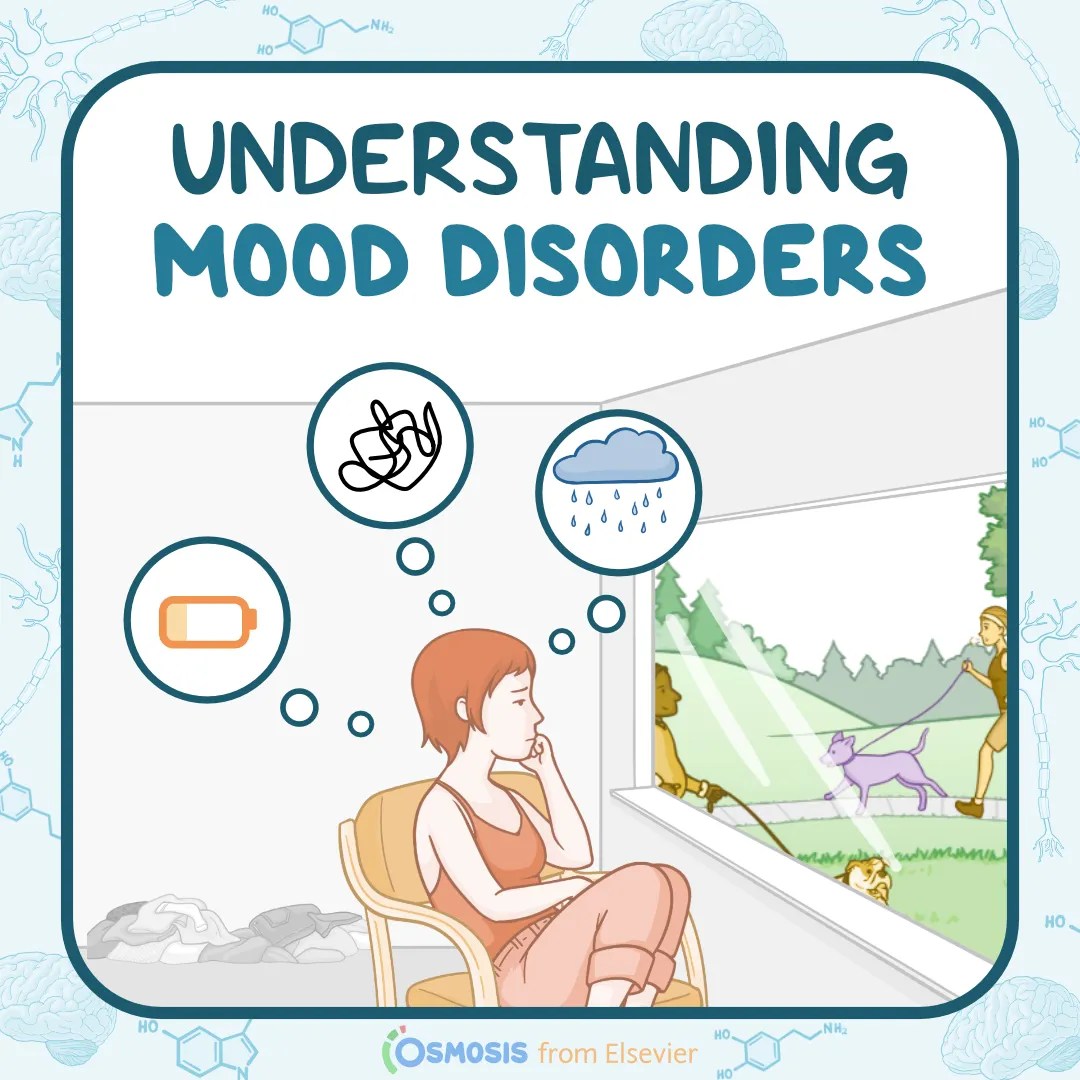
Understanding Mood Disorders: A helpful guide for health professionals
— Updated:
Mental health awareness has been on the rise, with more people educating themselves on different mental health conditions, sharing their experiences with living with mental illness on social media, along with an increase in the development of new public health programs to improve access to valuable resources. Mental health is…
-
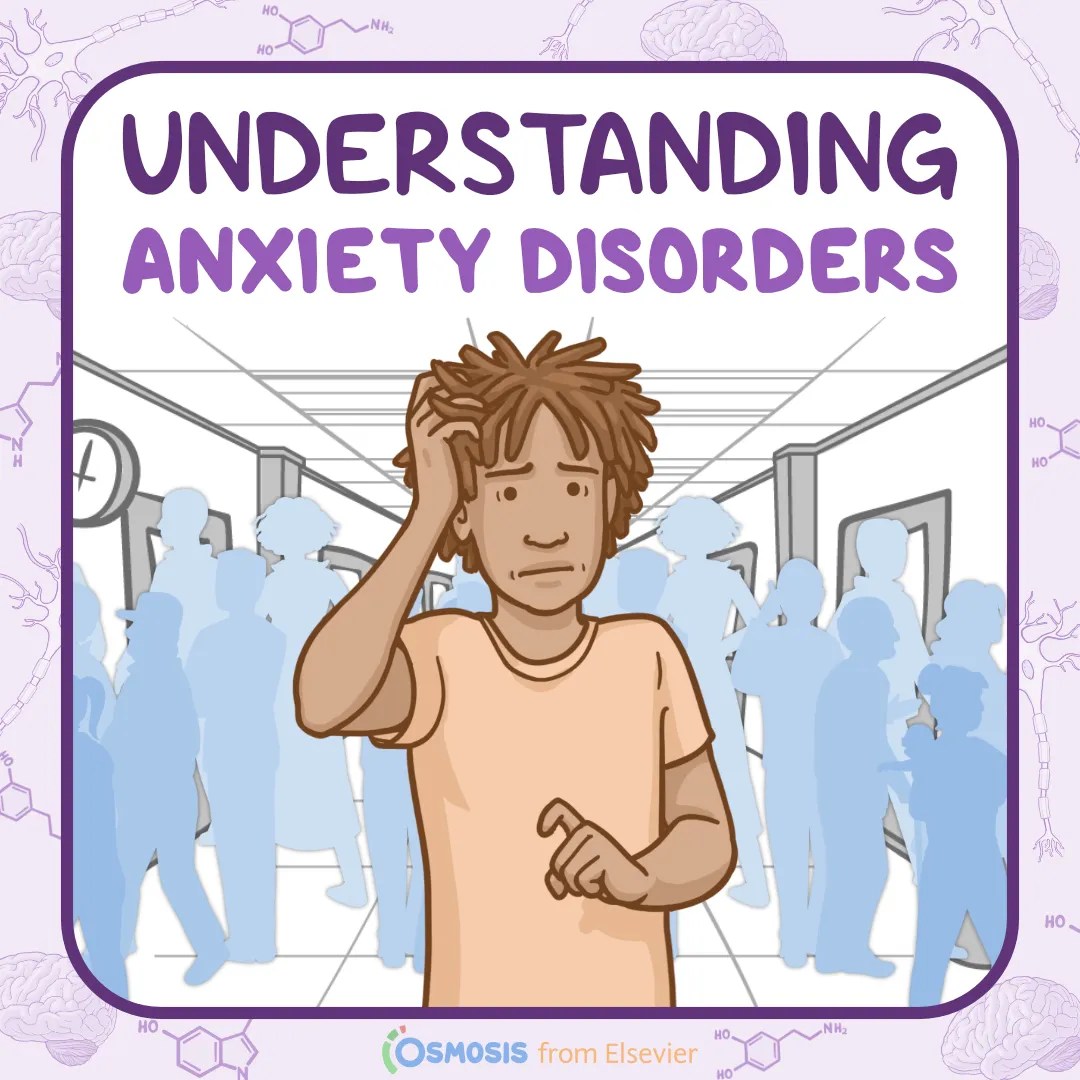
Understanding Anxiety Disorders: A helpful guide for health professionals
— Updated:
We all experience feelings of nervousness, worry, fear, or anxiety to the point of discomfort and distress at various points in our lives. Anxiety is a normal response to fear-provoking situations. However, for people who live with an anxiety disorder, these feelings are excessive, persistent, and disrupt the flow of daily…
-
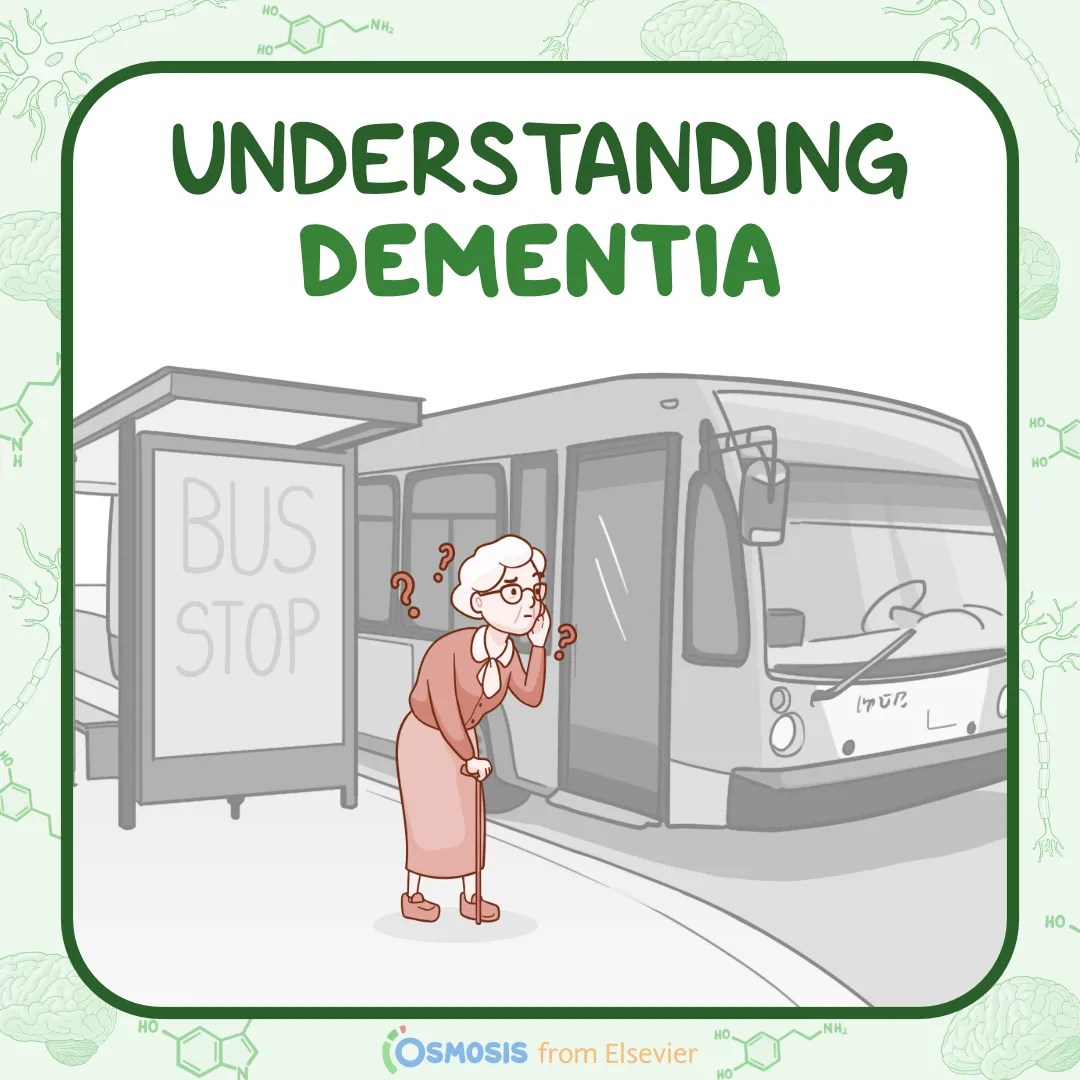
Understanding Dementia: A helpful guide for health professionals
— Updated:
The mind encompasses so much of who we are within it, housing our feelings, thoughts, judgment, languages, and memories. It keeps these cognitive functions intact as long as our neurons are firing properly and remain connected. But what happens if those connections between them begin to malfunction and nerve cells…
-
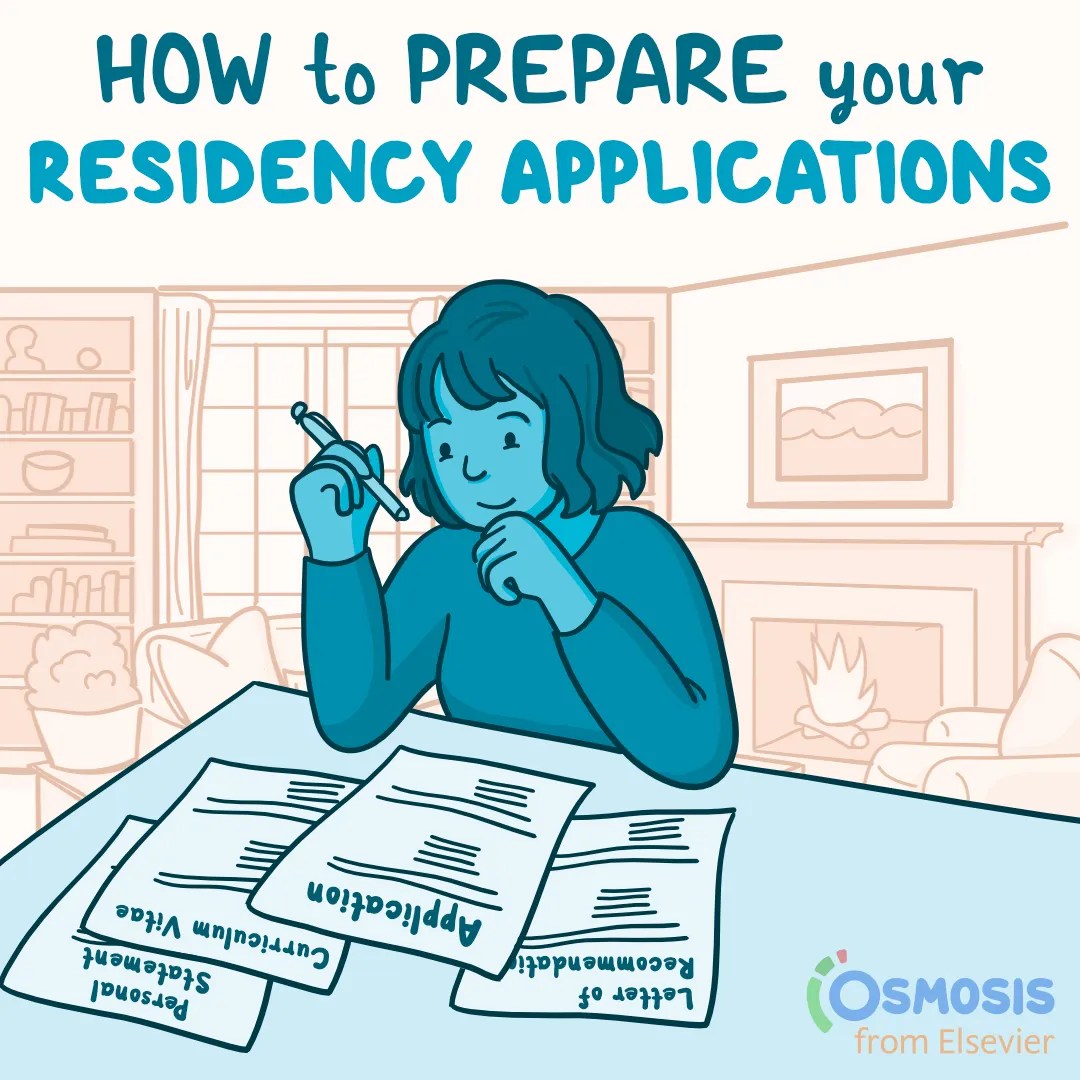
How to Prepare Your Residency Applications
— Updated:
When you begin medical school, it can feel like you’re at the base of a mountain, starting your journey to the top, with medical residency applications waiting for you at the peak. Before you know it, you’re in your third or fourth year of medical school, and it’s time to…
-
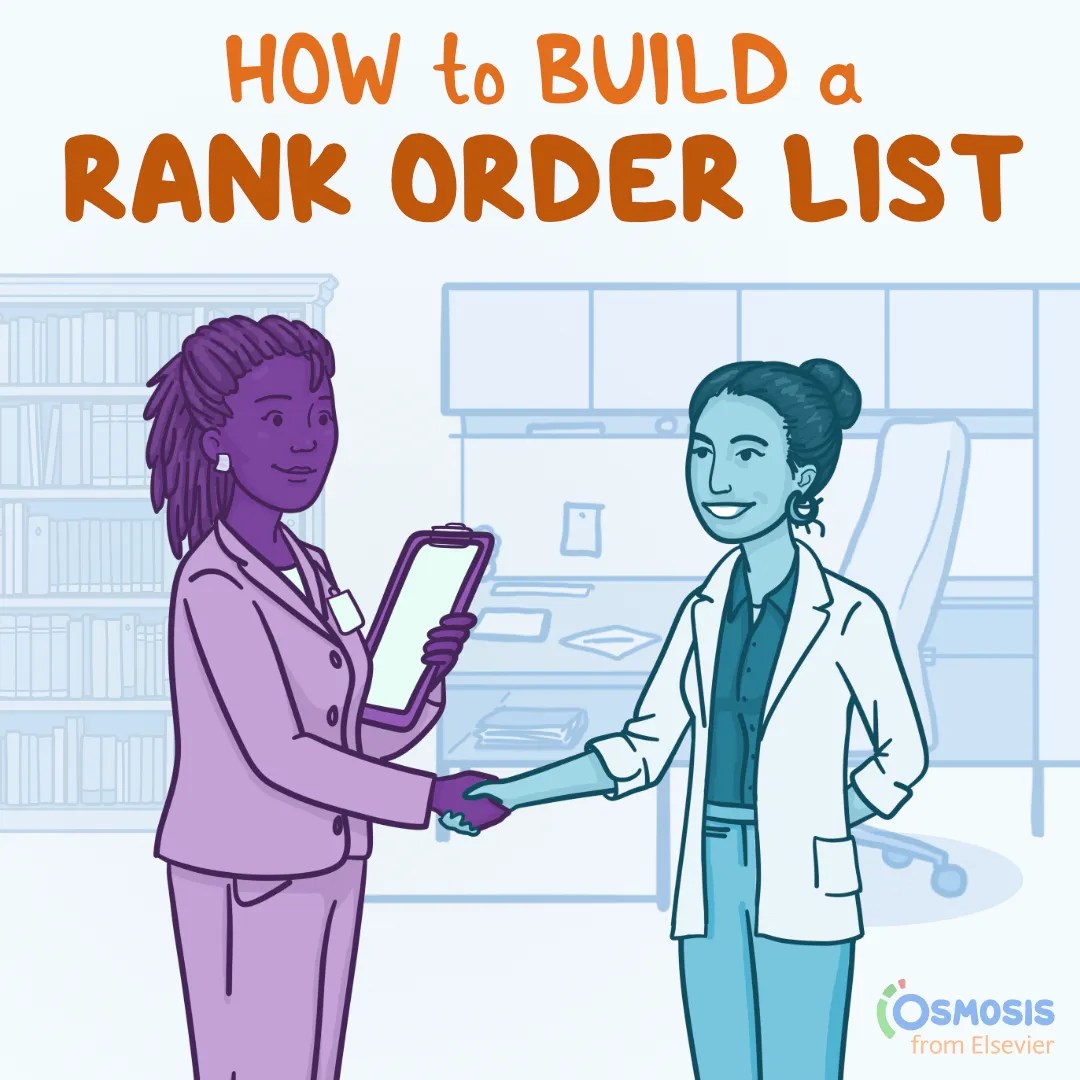
How to Build a Rank Order List
— Updated:
Match Week is upon us! It’s an exciting and stressful time for you and your fellow medical students as you prepare to make the leap from medical student to resident physician. Whether it’s curating a strong residency application, anxiously awaiting invitations from residency programs, or building a competitive rank order…
-
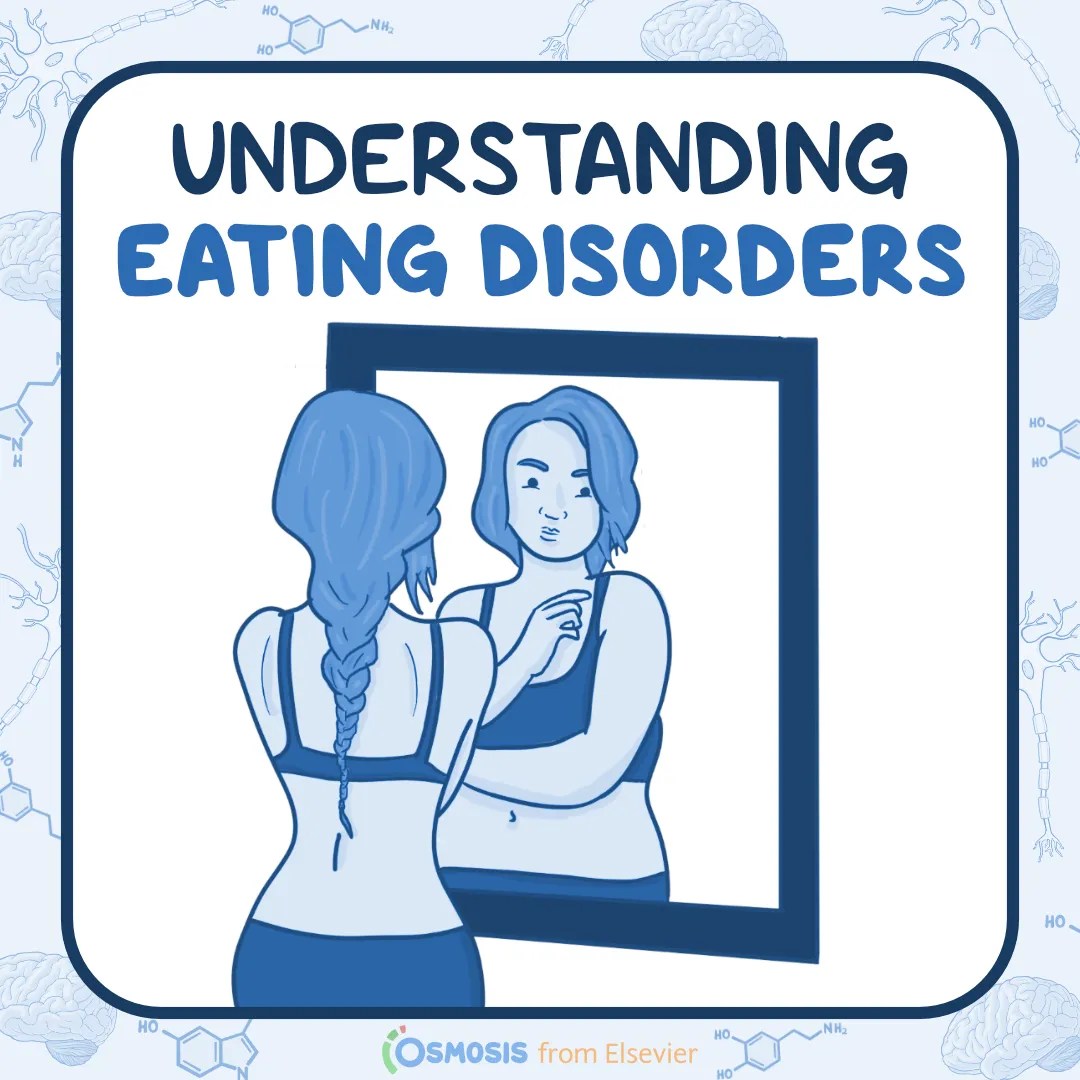
Understanding Eating Disorders: A helpful guide for health professionals
— Updated:
When someone mentions eating disorders, do you immediately envision someone of a particular gender, weight, race, or age? The reality is that eating disorders are common, affecting 28.8 million Americans facing an eating disorder in their lifetime, and the global prevalence of eating disorders is on the rise. An eating disorder occurs when…
-
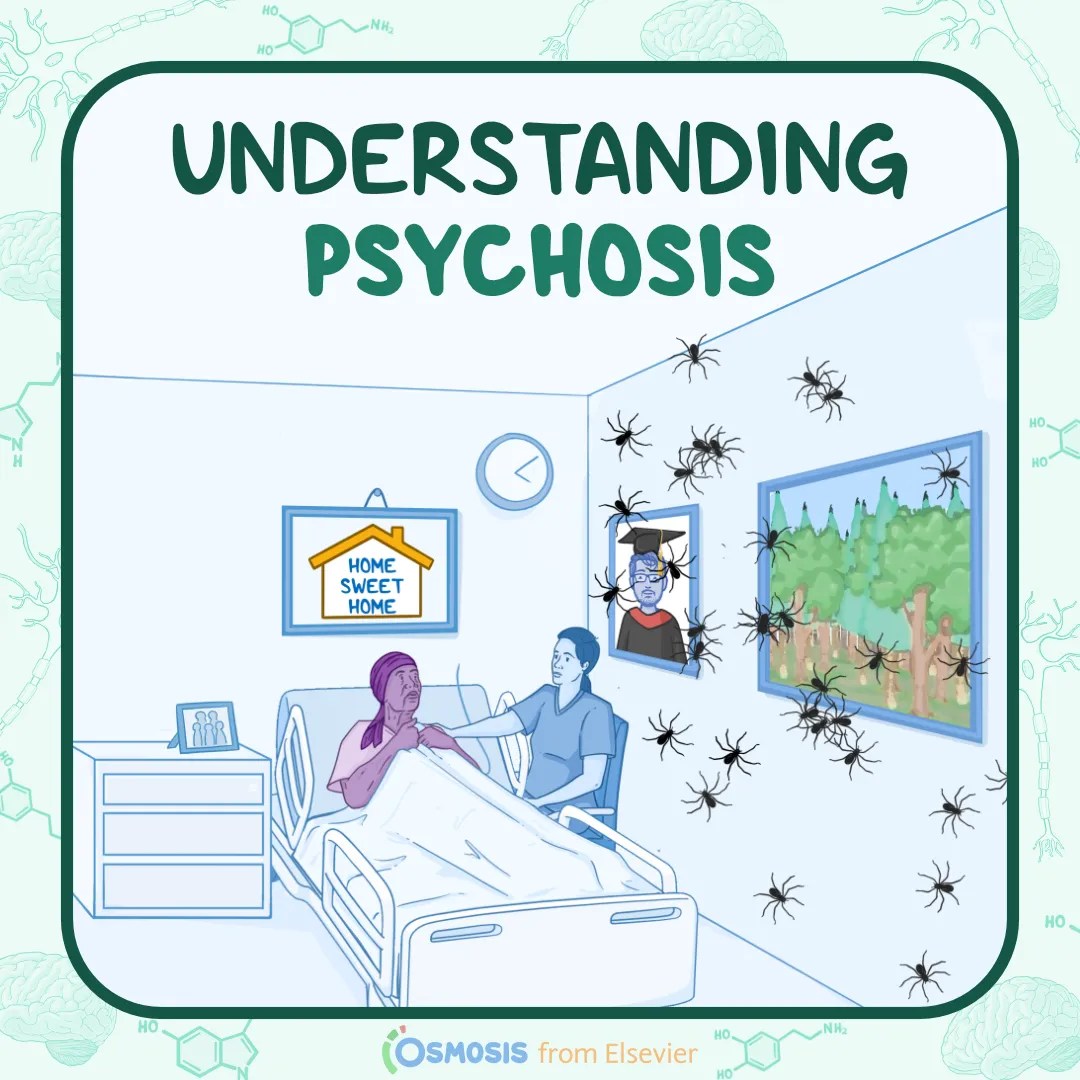
Understanding Psychosis: A helpful guide for health professionals
— Updated:
In today’s Osmosis from Elsevier blog, we’re exploring the impact and causes of psychosis, its diverse symptoms, and the importance of early intervention. Learn how to recognize, support, and reduce stigma as a clinician, caregiver, or family member. Imagine if how you perceive reality changed radically, with a disconnect in…
-
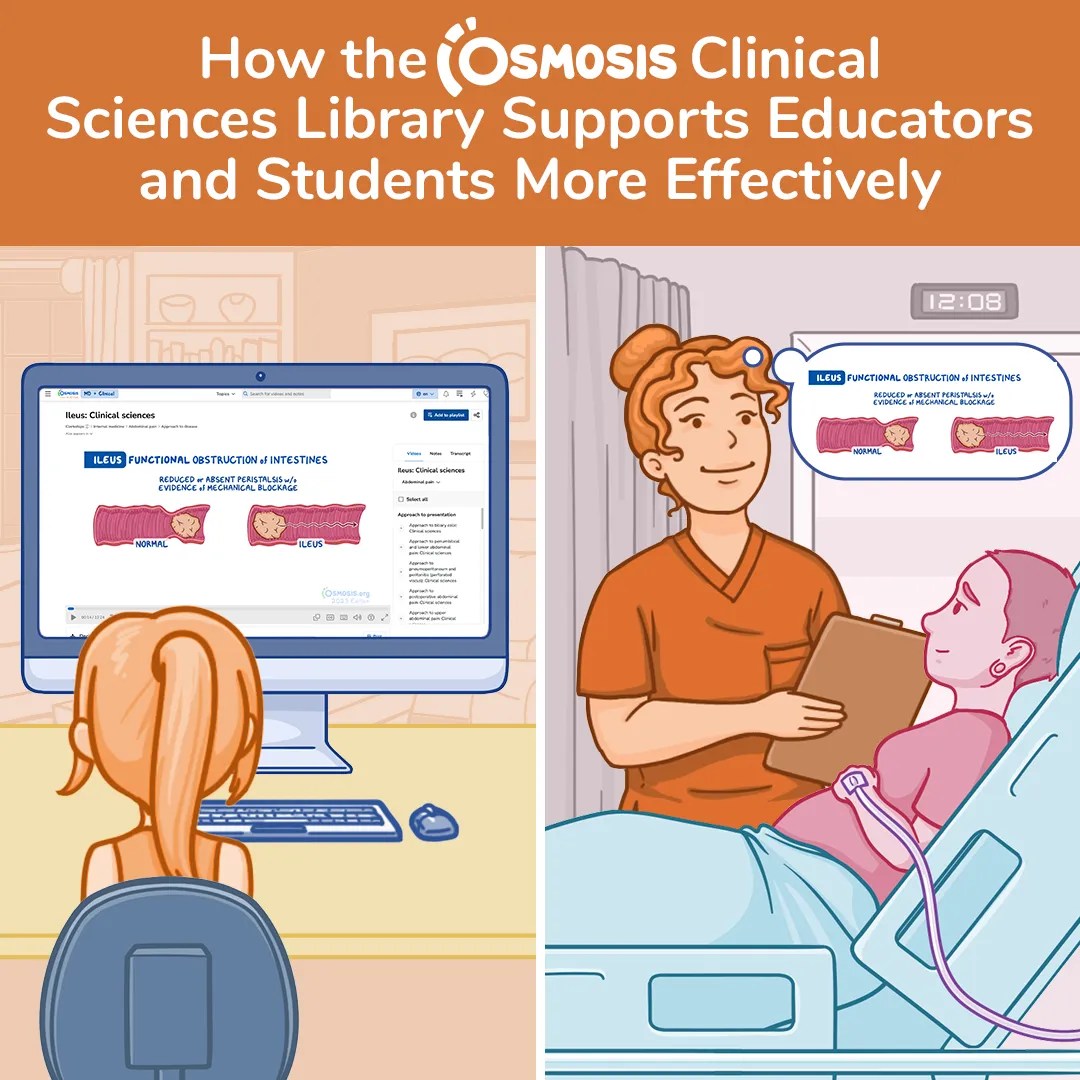
How the Osmosis Clinical Sciences Library Supports Educators and Students More Effectively
— Updated:
In today’s Osmosis blog, we’re introducing educators to the Osmosis Clinical Sciences library, a new and valuable resource during the transition to clinical rotations. Discover how our new content fosters engaged and effective learning. As medical students transition from preclinical studies into their clinical years in medical school, they begin…
-
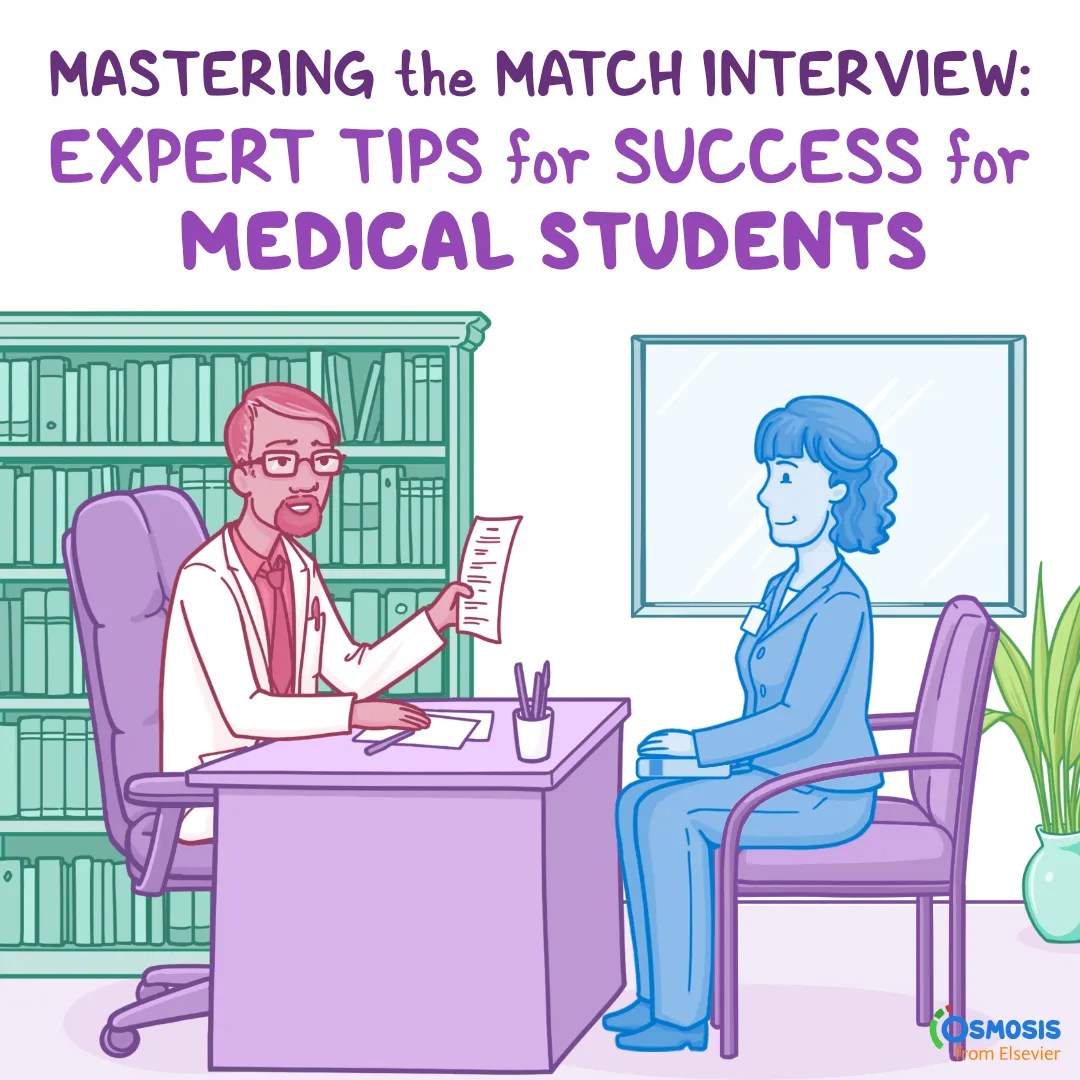
Mastering the Match Interview: Expert Tips for Success for Medical Students
— Updated:
We’re sharing tips with medical students on how to interview successfully after Match Week on today’s Osmosis blog. Learn how to stand out from the competition by asking the right types of questions and carefully honing their interviewing skills. Let’s get started! After meticulously crafting your residency application, it’s time to…
-
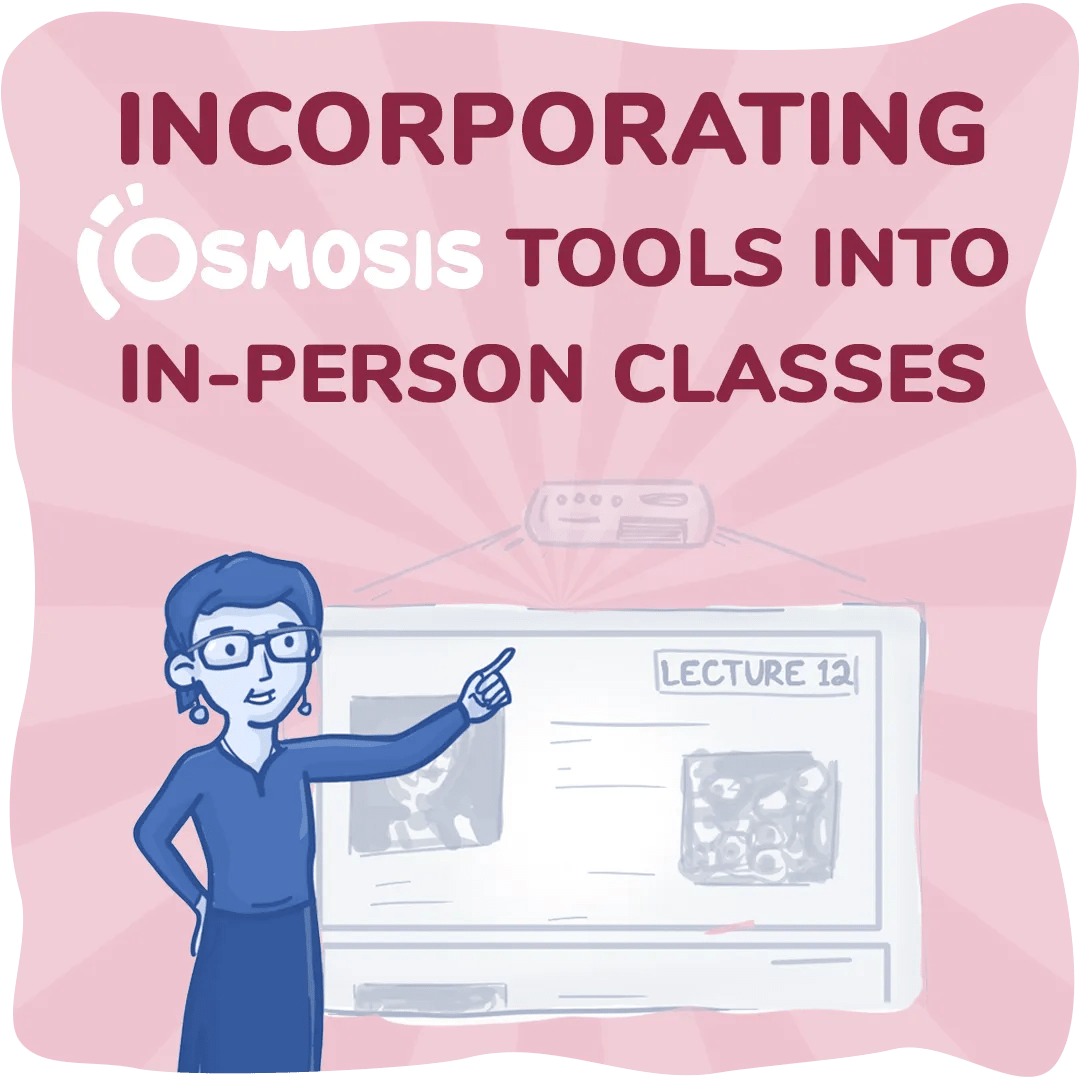
How to Incorporate Osmosis Tools Into Your In-person Classes
— Updated:
Discover effective strategies to incorporate Osmosis videos, quizzes, and analytics into your classroom. Enhance student participation, facilitate discussions, and monitor progress easily.
-
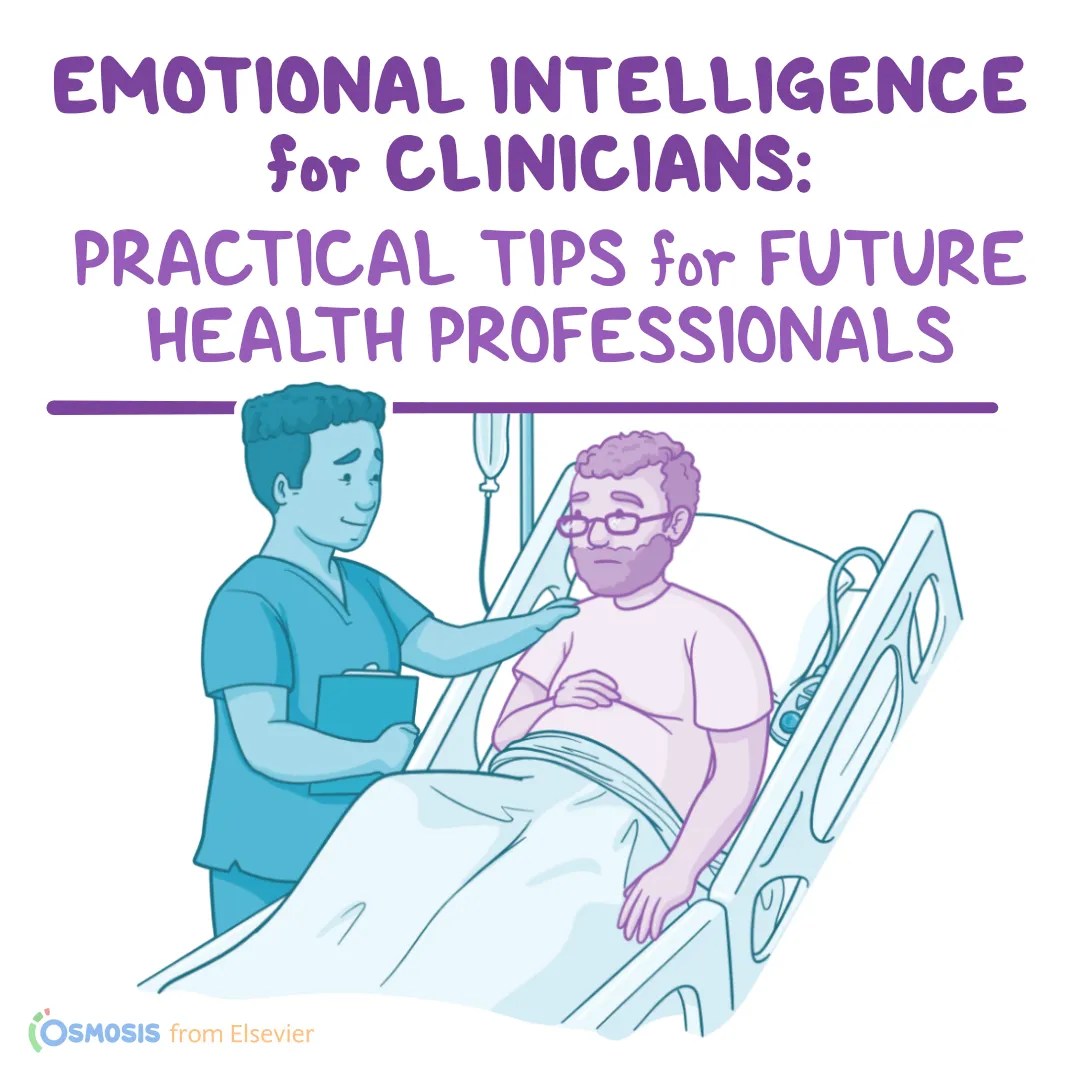
Emotional Intelligence for Clinicians: Practical tips for future health professionals
— Updated:
Dr. Amin Azzam recently hosted an Osmosis webinar offering valuable advice on the importance of emotional intelligence and resilience in healthcare. In today’s Osmosis blog, we’re sharing his top-notch advice and discussing the crucial role EI, EQ, and emotional well-being play in today’s healthcare landscape. It should be no surprise that characteristics…
-
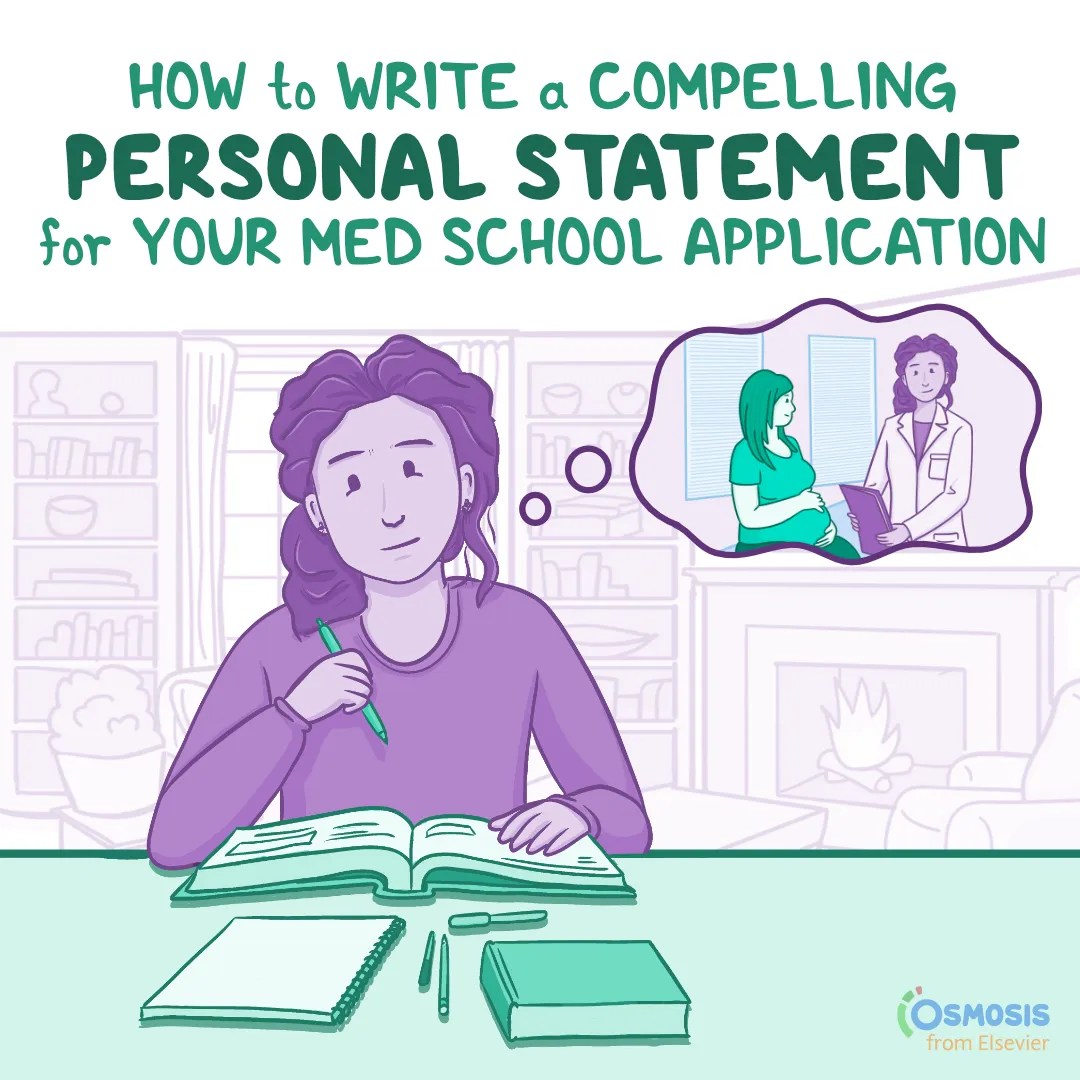
How to Write a Compelling Personal Statement for Your Med School Application
— Updated:
In today’s Osmosis blog, we’re giving you an advantage over the competition with this quick guide to writing a compelling personal statement on your medical school application. Discover valuable tips and techniques to effectively showcase your motivation, unique qualities, and passion for practicing medicine! If you were to look at…
-
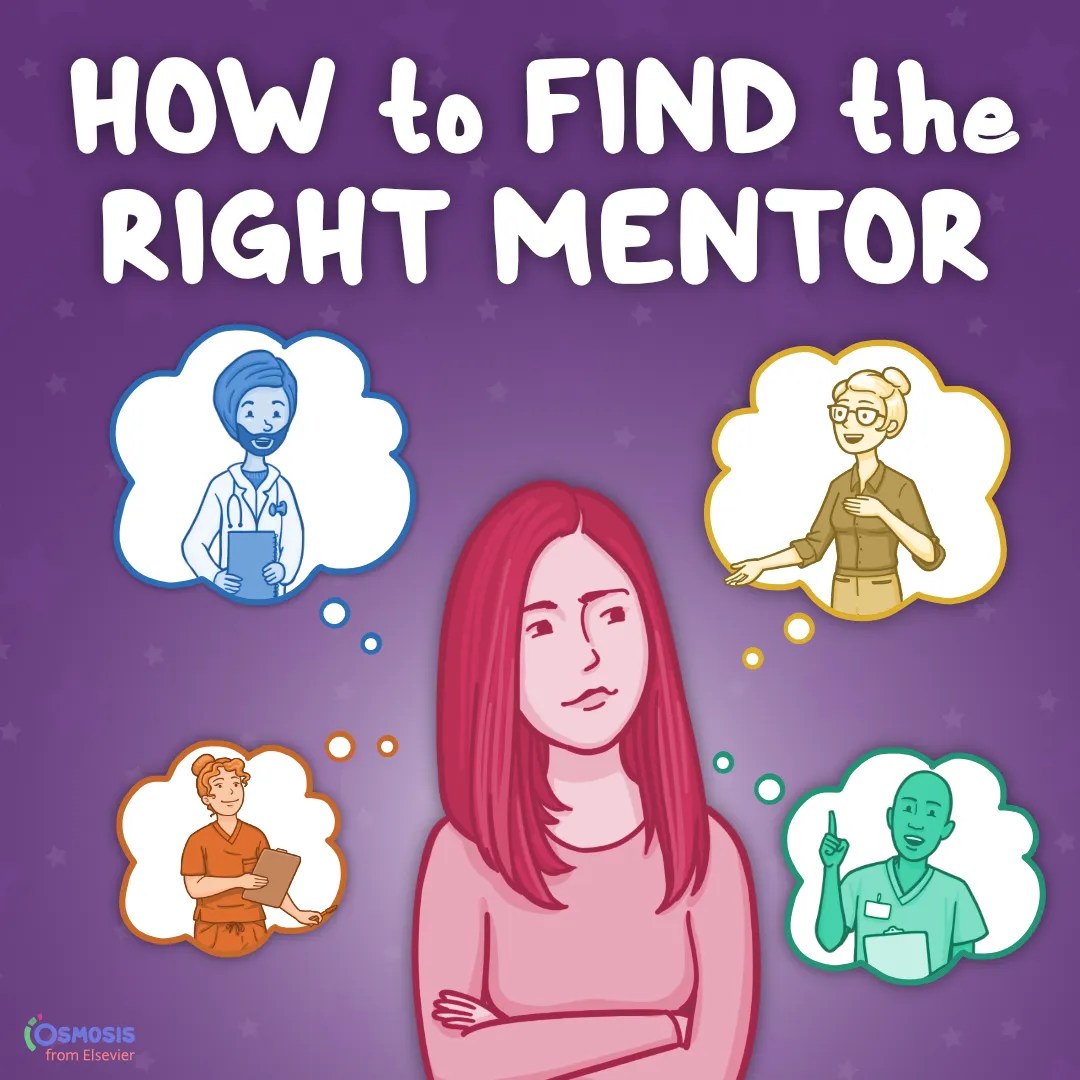
How to Find the Right Mentor for Your Healthcare Career
— Updated:
The right mentor can shape your healthcare career by offering guidance, opportunities, and support. Learn how to find a mentor, build a meaningful relationship, and maximize the benefits of mentorship throughout your professional journey.
-
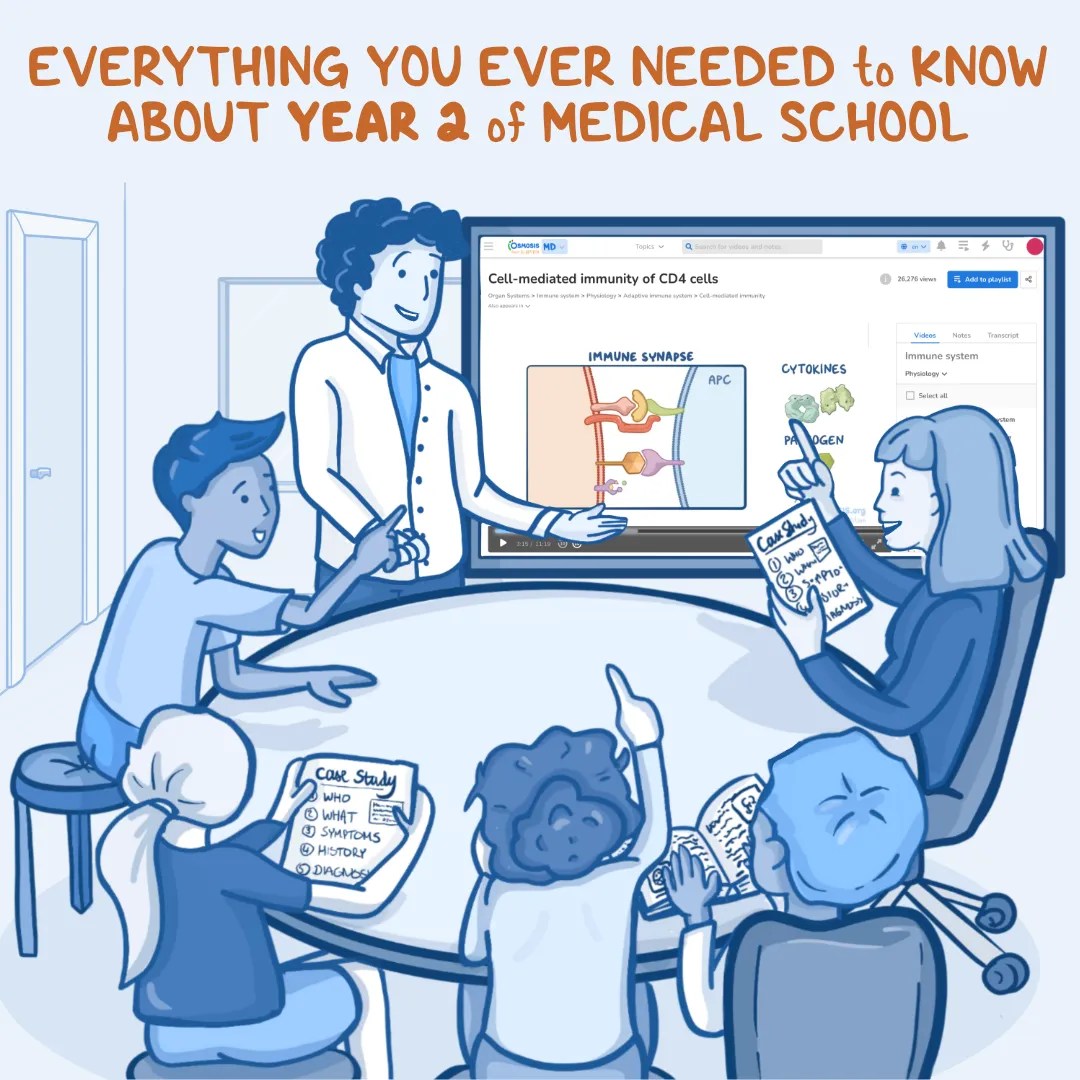
Everything You Ever Needed to Know About Year 2 of Medical School
— Updated:
There’s a lot to balance during Year 2 of medical school. However, with proper time management skills, effective studying techniques, and a desire to continuously improve, you’ll be on the path to success in no time! Get the details in today’s Osmosis blog. After making it through that first year…