
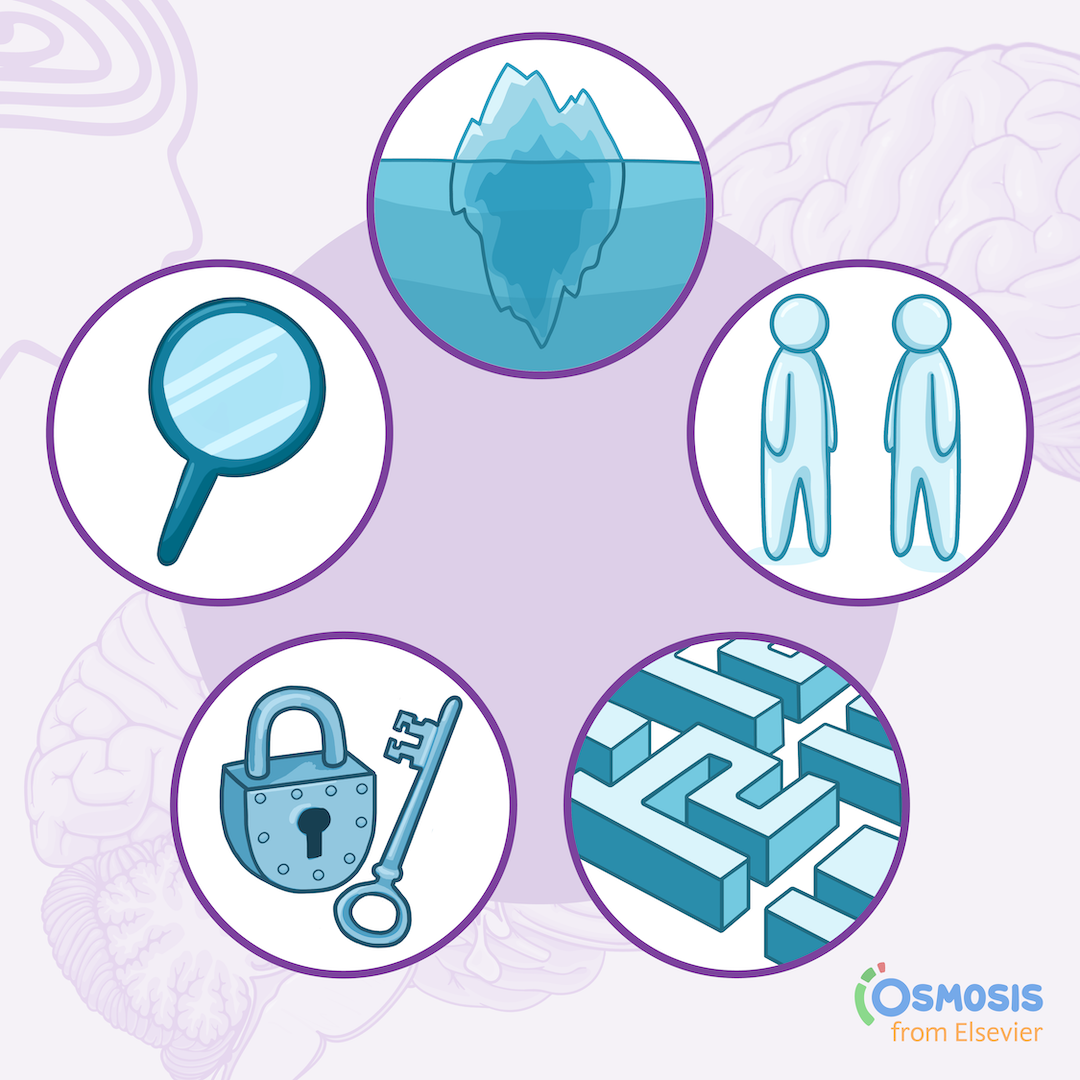
Clinicians use a variety of mental health interventions to treat patients living with mental health concerns. Today, we’re focusing on one of the foundational approaches in psychotherapy: psychodynamic therapy. Developed in the late nineteenth century, this evidence-based approach focuses on helping patients explore how unconscious thoughts, feelings, and memories affect and influence their current behavior.
Psychodynamic therapy is an effective option for treating a variety of mental health conditions. By helping your patients develop insights into unconscious internal conflicts, they become empowered and capable of developing healthier coping strategies, reducing symptoms of anxiety and depression, and building stronger interpersonal relationships.
What is Psychodynamic therapy?
To better understand psychodynamic therapy, let’s take a look at Sigmund Freud’s psychodynamic model. Freud proposed three levels of the mind: the conscious, preconscious, and unconscious. He believed that three elements shape personality and behavior. First, there’s the Id, which drives instinctive behavior and is a part of the unconscious mind. Next is the Superego, which serves as our moral center and evolves through life experiences that teach us moral ideals, operating in both conscious and subconscious awareness. And lastly, the Ego, which balances what the Id desires, offers guidance from the Superego, and is a part of conscious awareness.
During sessions, patients are encouraged to freely express their fears, desires, dreams, along with whatever else comes to mind. Overall, the focus is to dig into repressed emotions and difficult feelings to improve patients’ interpersonal relationships. By understanding the origin of their current difficulties, they can cultivate self-awareness, develop healthier relationships, and change their behavior.
The core principles of psychodynamic therapy include exploring unconscious processes, developing defense mechanisms, transference, and countertransference. Clinicians ask questions and use analysis to help individuals explore unresolved issues that contribute to the difficulties they are currently facing.

Clinicians help patients identify the defense mechanisms that they’re using to cope with uncomfortable feelings or situations. Freud proposed that there were both mature and immature defense mechanisms. Through psychodynamic therapy, patients strive to utilize mature defense mechanisms, allowing them to navigate difficult times in a healthy way.
Transference takes place when a patient redirects their feelings about a significant figure in their life (such as a parent, partner, sibling, or friend) onto their clinician. Countertransference is when a clinician directs their emotional reactions toward a patient. Both responses are unconscious, and exploring these dynamics highlights relationship patterns and unresolved conflicts.
Psychodynamic therapy differs from other treatment options such as cognitive behavioral therapy (CBT) and humanistic therapy, because it focuses on examining the patient’s unconscious and conscious desires, urges, and needs. In contrast, CBT focuses on identifying negative thought patterns and teaching patients helpful strategies to change their way of thinking, decrease unproductive behaviors, and develop problem-solving skills.
Humanistic therapy emphasizes self-growth and the patient’s ability to make rational choices. Psychodynamic therapy is a holistic approach to therapy that focuses on understanding both unconscious and conscious patterns of behavior. This therapeutic approach can be more long-term compared to CBT, which is generally short-term and focuses on altering distorted thinking patterns to influence and change behavior for the better. Humanistic therapy focuses on conscious thoughts and empowering patients to achieve self-actualization.
The Theoretical Foundation
It’s important to distinguish between psychoanalysis and psychodynamic therapy, as they’re often used interchangeably but offer very different approaches. They also differ in session number, office layout, therapeutic relationships, and the focus of sessions. Let’s examine their differences.
Psychoanalysis
- Often has 3-5 sessions a week involving long-term treatment over several years.
- Patient may lie on a couch while the clinician sits out of their line of sight.
- In an imbalanced therapeutic relationship, clinicians are distant toward their “troubled” patients.
- Has a heavier focus on exploring the unconscious mind.
Psychodynamic Therapy
- Generally requires one session per week, which can be either brief or long-term treatment.
- Clinicians and patients remain in each other’s line of sight, facing one another.
- Consists of a collaborative therapeutic relationship, working to increase the patient’s self-awareness and understand established patterns.
- Focuses on conscious awareness, personality, and the unconscious mind.
In addition to the core principles of psychodynamic therapy, there are a range of contemporary psychodynamic models, including ego psychology, object relations theory, and self-psychology. Ego psychology focuses on the role of Ego in defense mechanisms, and adaptation to build resilience and problem-solving skills. Object relations theory shows how relationships with early caregivers shape personality development later in life. Psychiatrist Heinz Kohut developed self-psychology in the 1970s. In self-psychology, it’s believed that if an individual develops a healthy sense of self at a young age, they’ll be able to self-regulate themselves later in life. In contrast, those who don’t will rely on others to fulfill their needs and struggle with self-soothing.
Common Psychodynamic Therapy Techniques
Remember how we previously discussed that patients share whatever comes to mind during sessions? This technique, known as free association, helps unearth unconscious feelings and thoughts, while also allowing patients to openly express themselves and process their feelings in a healthier way. Aside from having patients freely speak, a therapist can also read a list of words and ask the patient to respond with the first thought that pops into their mind, which can uncover hidden connections and unconscious inner turmoil.
Interpretation is another crucial aspect of psychodynamic therapy, to address a central topic that the therapist believes is causing the patient’s suffering. Interpretations are often used to gain a deeper understanding of unconscious and preconscious themes, with the goal of enhancing self-understanding.
A strong therapeutic relationship can serve as a valuable tool for insight. Exploring transference and countertransference is another helpful technique. Using transference, the patient can examine thought patterns and feelings that were expressed towards others in childhood while working with their therapist. Countertransference, on the other hand, is when the therapist reacts to their patient based on their own childhood experiences.
Another technique to learn more about a patient’s unconscious mind is dream analysis. Dreams can magnify repressed desires, fears, motivations, or conflicts. Because who hasn’t had an anxiety dream (think “having to remember your high school locker combo”)? Clinicians dissect the patient’s dreams by probing for detailed descriptions. While not invariably acknowledged as an effective analysis tool, each patient and clinician can decide whether or not to include it in their treatment plan.

Indications and Contraindications
Psychodynamic therapy is helpful in treating the following conditions:
- Borderline personality disorder
- Major depressive disorder
- Anxiety disorders
- Eating disorders
- Stress
- Isolation and loneliness
- Relationship difficulties
While it’s a helpful mental health treatment in various conditions, psychodynamic therapy may be less effective in patients who aren’t open to discussing their feelings and thoughts. Those who want a fast, solution-oriented treatment, as well as those who can’t commit to long-term treatment due to financial restraints or personal readiness, may not be ideal candidates for this type of therapy. It’s also not a recommended patient care strategy for patients with psychosis, severe mood episodes, or a high risk for self-harm or suicide, as they need urgent attention and may lack insight due to their condition. Psychodynamic therapy is also not recommended for those with limitations in their mental capacity. Because psychodynamic therapy can be emotionally difficult and requires a great deal of introspection, it’s essential to assess a patient’s emotional and intellectual readiness and motivation for this type of mental health treatment.
Structure and Duration of Treatment
Psychodynamic therapy can either be short-term or long-term depending on the individual’s needs and therapy goals. Short-term psychodynamic therapy may be up to 25 sessions, while long-term treatment may last up to two years. Short-term therapy normally focuses on issues like anxiety and depression, while long-term therapy is suitable for addressing personality disorders and significant emotional issues. Regardless of the length of psychodynamic therapy, these sessions are often open-ended, using the free association technique. Sessions are normally once a week for about an hour.
Setting therapy goals is a great way to maintain focus during treatment, along with measuring progress. The most crucial initial goal is to establish and maintain a strong therapeutic relationship. Then, to reduce symptoms and improve feelings of self-worth while developing healthier interpersonal relationships.
Evidence Base and Outcomes
A criticism of psychodynamic therapy is that there’s not enough evidence confirming its effectiveness. As you’ve learned throughout this guide, many of the key concepts focus on the unconscious mind, which is hard to gauge scientifically. Despite this criticism, research shows that building a therapeutic alliance and fostering constructive emotional experiences often leads to more insight, self-awareness, personal growth, and lasting changes in behavior and personality. Research also indicates that psychodynamic therapy is more beneficial in improving personality functioning, emotional well-being, and interpersonal functioning than other approaches.
Additional research is needed to explore the potential issues that transference and countertransference may pose for the therapeutic relationship, including its cultural significance, dependency, and the need for specialized training.

Integrating Psychodynamic Therapies into Clinical Practice
For those who’re new to psychodynamic approaches, understanding the importance of the therapeutic alliance in a patient’s progress is critical. Make sure to address your patients with compassion and apply your knowledge of cultural competence in all interactions. These sessions can be intense and emotionally charged for patients, so creating an environment where they feel seen, respected, and heard is essential.
An interdisciplinary approach can truly improve patient outcomes. Collaboration between teams leads to comprehensive treatment plans and effective care. If you’re interested in further training in psychodynamic therapy, check out these programs and resources:
- Psychodynamic Psychotherapy Program
- Adult Psychodynamic Psychotherapy
- Psychodynamic Psychotherapy Training
- American Academy of Psychodynamic Psychiatry and Psychoanalysis
Exploring Psychodynamic Therapy
Psychodynamic therapy is a robust approach that helps uncover the unconscious thoughts and feelings influencing behavior. By combining this approach with a strong, compassionate therapeutic relationship, clinicians can support patients in gaining deeper self-awareness and developing healthier coping mechanisms. If you’re a healthcare professional interested in expanding your skills, exploring psychodynamic therapy can be a handy tool in your practice. Remember, integrating this approach alongside other therapies and always considering your patient’s unique background helps create personalized, effective care. Keep learning, stay curious, and continue helping your patients build emotional resilience and healthier relationships!
Key Takeaways
- Psychodynamic therapy explores unconscious thoughts shaping behavior and emotions.
- Core techniques include free association, interpretation, and dream analysis.
- Transference and countertransference reveal relationship patterns in therapy.
- Best for treating anxiety, depression, personality disorders, and relationship issues.
- Requires emotional and intellectual readiness and long-term commitment for effective outcomes.
Resources
- https://www.ncbi.nlm.nih.gov/books/NBK606117/
- https://positivepsychology.com/psychodynamic-therapy/
- https://www.verywellhealth.com/psychodynamic-therapy-5218902#toc-benefits-of-psychodynamic-therapy
- https://www.betterhelp.com/advice/behavior/history-and-principles-of-the-psychodynamic-model/
- https://www.psychologytoday.com/us/therapy-types/psychodynamic-therapy
- https://www.icsw.edu/icsw_blog/what-is-psychodynamic-therapy
- https://www.ncbi.nlm.nih.gov/books/NBK606117/
- https://www.apa.org/topics/psychotherapy/approaches
- https://therapyhelpers.com/blog/psychodynamic-vs-cbt-vs-humanistic/?srsltid=AfmBOorojw_n2E3uQKFynJOvvDdLcWbTmMkYZozeriz1KFvY8rUfXbYs
- https://www.apa.org/monitor/2017/12/psychoanalysis-psychodynamic
- https://www.goodtherapy.org/learn-about-therapy/types/self-psychology
- https://psycnet.apa.org/record/2024-14494-007
- https://www.hiwellapp.com/en/blog/psychoanalytic-and-psychodynamic-therapies-differences-and-commonalities#h-the-differences-between-psychodynamic-therapy-and-psychoanalysis
- https://www.betterliferecovery.com/therapy/psychodynamic/
- https://www.ncbi.nlm.nih.gov/books/NBK64952/
- https://aipnyc.org/psychodynamic-psychotherapy-program/
- https://www.columbiapsychiatry.org/education-and-training/columbia-university-center-psychoanalytic-training-and-research/train/psychotherapy-programs/adult-psychodynamic-psychotherapy
- https://www.pany.org/psychodynamic-psychotherapy-of-adults
- https://www.aapdp.org/

Try Osmosis by Elsevier today! Access your free trial and discover why millions of current and future clinicians and caregivers love learning with us.
Leave a Reply