
Category: Physician Assistants/Associates (PA)
-
5 Powerful Ways to Reduce Implicit Bias for Better Patient Care
— Updated:
Implicit bias can shape clinical interactions and treatment decisions without conscious intent. Explore practical ways clinicians and caregivers can recognize assumptions, challenge blind spots, and support more equitable patient care.
-

PANCE® Question of the Day: Generalized muscle aching
— Updated:
A patient on long-term dialysis develops progressive muscle weakness, bone pain, and abnormal hand imaging. Can you identify the laboratory pattern most consistent with the underlying condition?
-
How to Use Generative AI for Clinical Documentation
— Updated:
Generative AI is reshaping clinical documentation, from drafting notes to organizing handoffs and discharge information. Explore where AI can support healthcare workflows, and the safeguards needed to use it responsibly.
-

PANCE® Question of the Day: Pigmented lesion
— Updated:
A patient presents with a pigmented skin lesion after years of significant sun exposure. Can you identify what feature most strongly supports further evaluation in this PANCE-style clinical case?
-
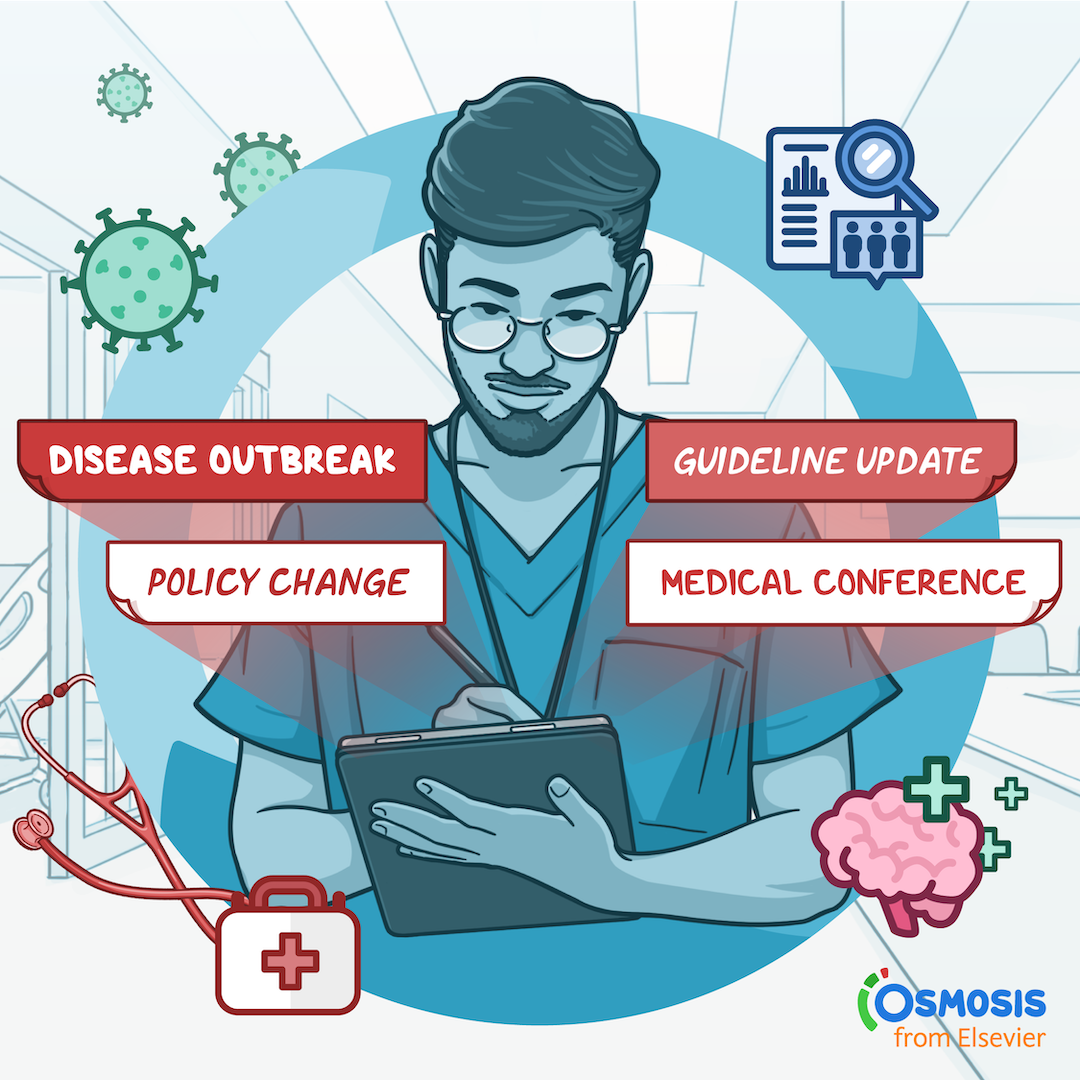
The Healthcare Learning Effect No One Talks About
— Updated:
How do healthcare events shape what clinicians and students learn? Explore how outbreaks, guideline updates, policy changes, and major medical conferences influenced learning activity on the Osmosis platform and what these patterns reveal about medical education.
-
Consejos de prácticas clínicas: cómo aplicar una Examinación de Estado Mental
— Updated:
El examen del estado mental es una herramienta esencial para evaluar el funcionamiento psicológico y cognitivo de un paciente. Descubre cómo realizarlo paso a paso, interpretar sus componentes y aplicarlo con confianza en la práctica clínica.
-
PANCE® Question of the Day: Bloody nose
— Updated:
A patient presents with fever, hypotension, rash, and signs of systemic illness after a recent nasal procedure. Can you identify the diagnosis and the laboratory abnormality most consistent with this life-threatening condition?
-
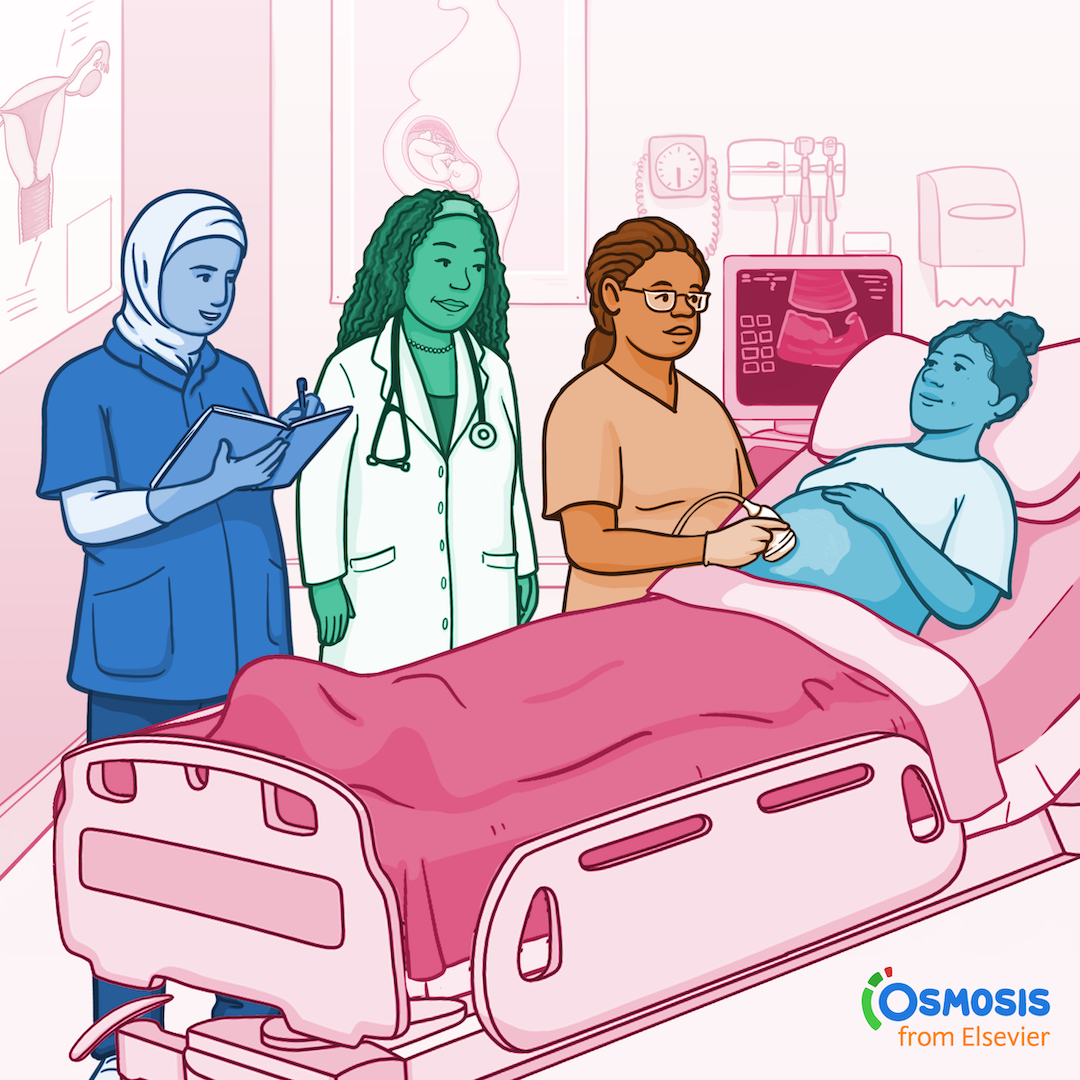
How to Combat Racial Disparities in Maternal Health: 6 Key Strategies
— Updated:
Black women in the US experience significantly higher rates of pregnancy-related complications and death than other groups. Explore the factors driving these disparities and the evidence-based strategies that can help improve maternal health equity.
-
PANCE® Question of the Day: Diabetic ketoacidosis
— Updated:
A patient with diabetic ketoacidosis improves clinically but remains acidotic and hypotensive. Can you identify the next best management step in this high-yield PANCE-style scenario?
-
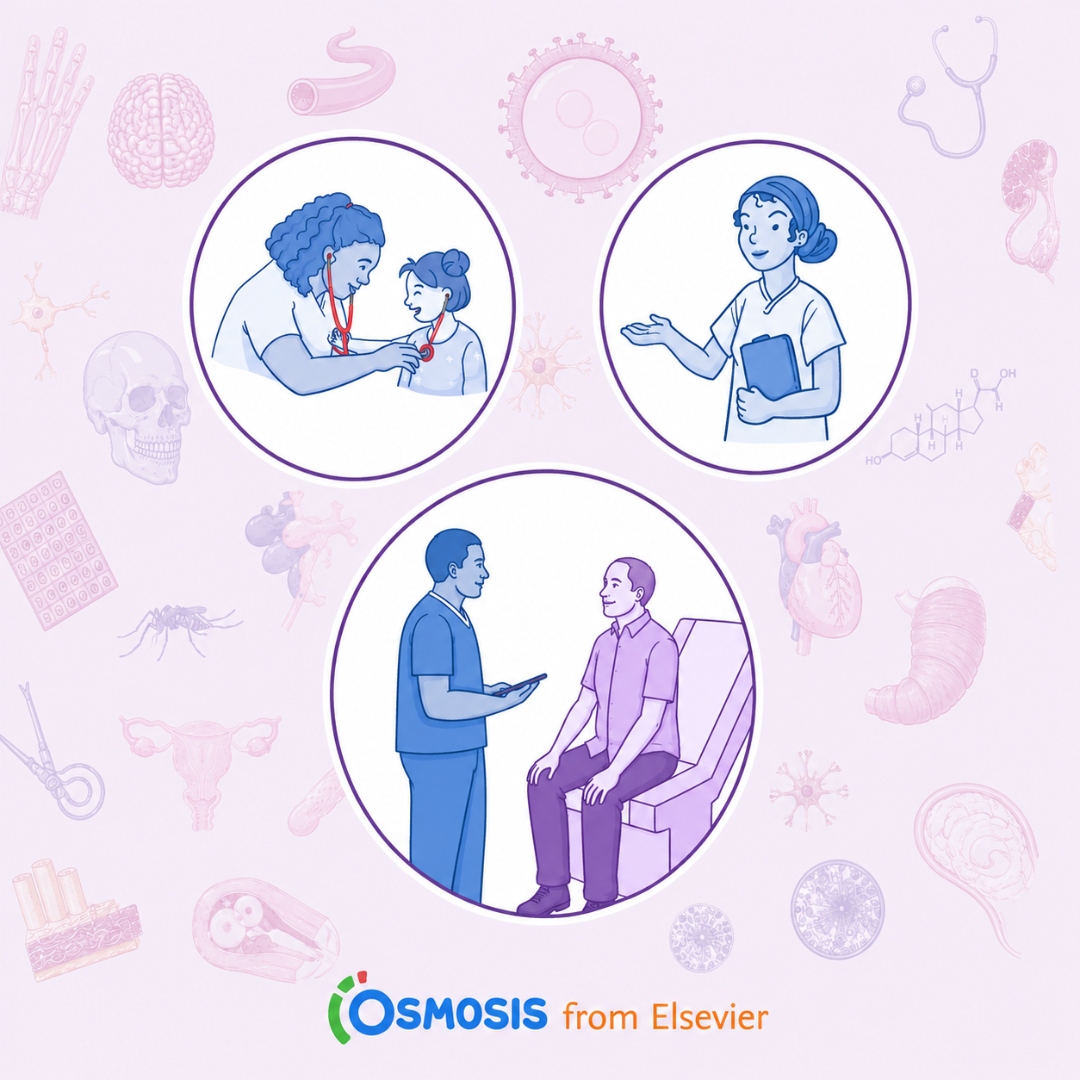
Small Communication Choices That Improve Patient Care
— Updated:
Small communication choices can have a lasting impact on patient trust, understanding, and care experiences. Discover practical strategies for creating more respectful, empathetic, and patient-centered interactions.
-
A Hidden History of Medicine: Unethical Experiments on Black Communities
— Updated:
Medicine’s history isn’t just a story of discovery and innovation. Many major medical advances were shaped by racism, exploitation, and unethical experimentation on Black communities. Understanding this history and its lasting impact is essential to building a more ethical, equitable, and trustworthy healthcare system today.
-

PANCE® Question of the Day: Blue extremities
— Updated:
Learn how to perform a newborn’s rapid assessment, obtain vital signs, and use a structured scoring approach to guide clinical decisions and determine appropriate next steps in care and disposition for optimal newborn outcomes.
-
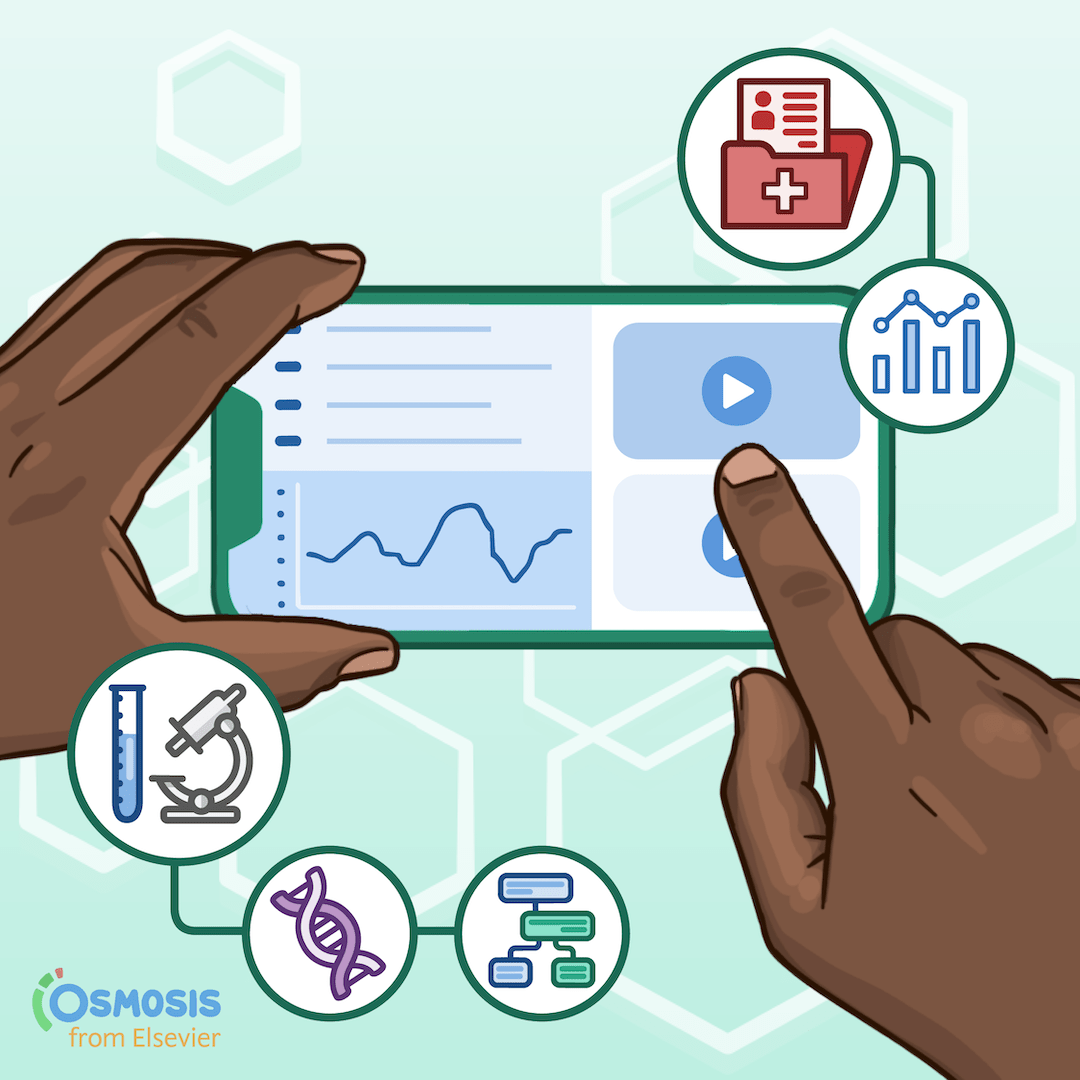
What an Independent Study Found About Medical Learning Apps
— Updated:
A study comparing major medical education apps ranked Osmosis highest for learning usefulness and usability, highlighting the importance of efficient, learner-centered design in healthcare education.
-
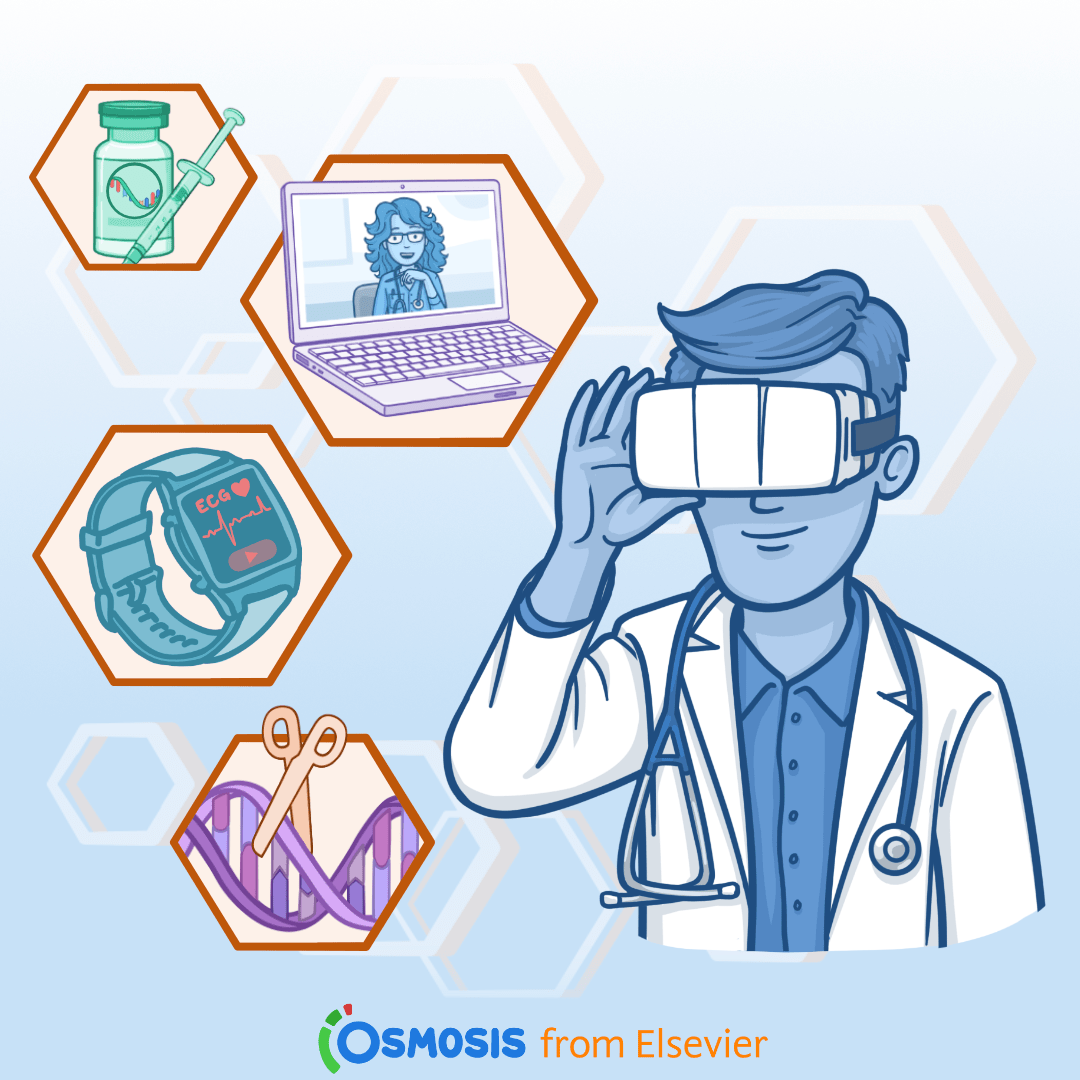
10 Remarkable Medical Breakthroughs from the Last Decade
— Updated:
Healthcare is entering a transformative era driven by biotechnology, AI, and digital health. Discover the innovations reshaping diagnosis, treatment, and prevention, along with what they signal for the future of medicine.
-
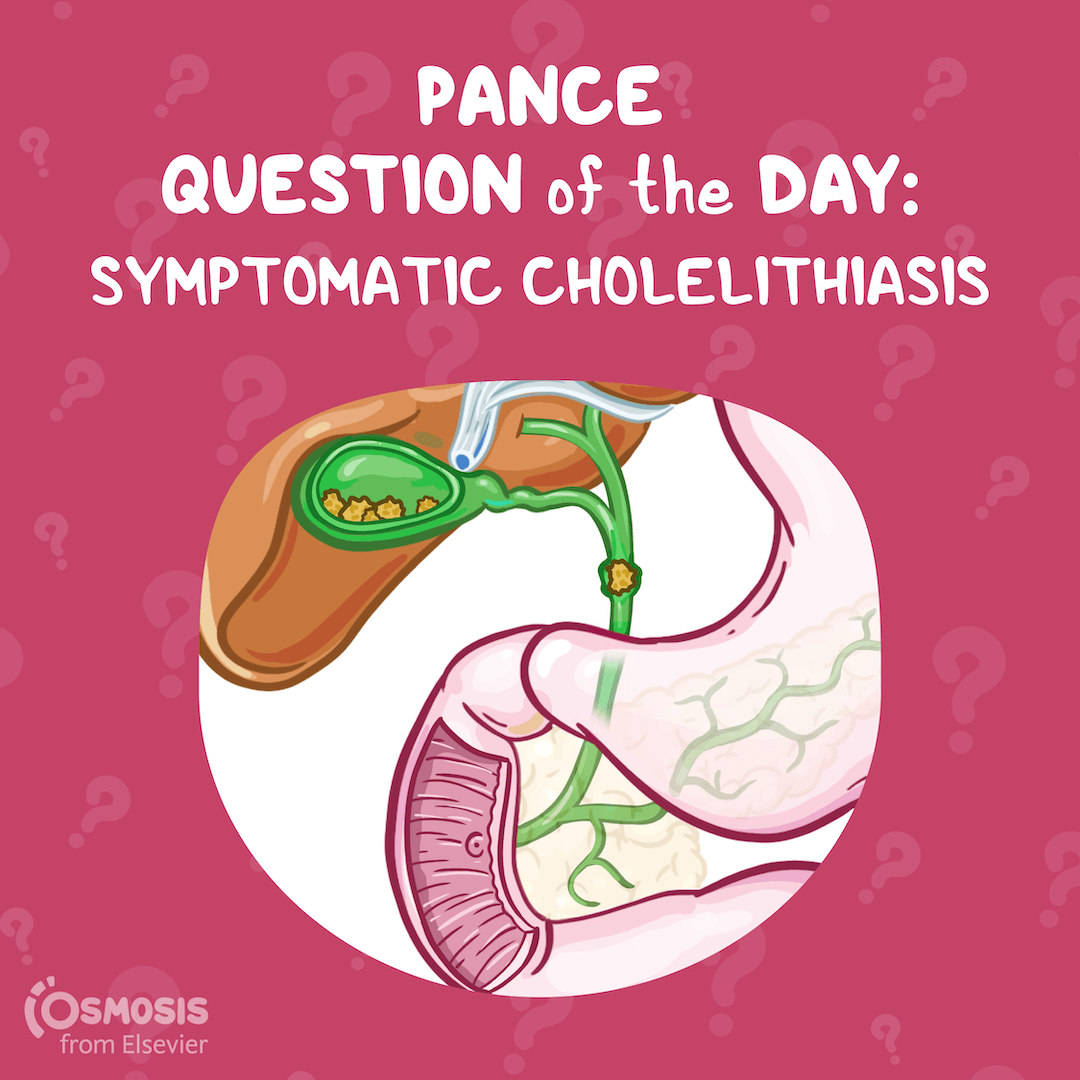
PANCE® Question of the Day: Symptomatic cholelithiasis
— Updated:
A postoperative patient develops shortness of breath after laparoscopic cholecystectomy. Learn practical, evidence-based strategies to prevent atelectasis during the recovery period, focusing on movement, breathing support, and monitoring.
-
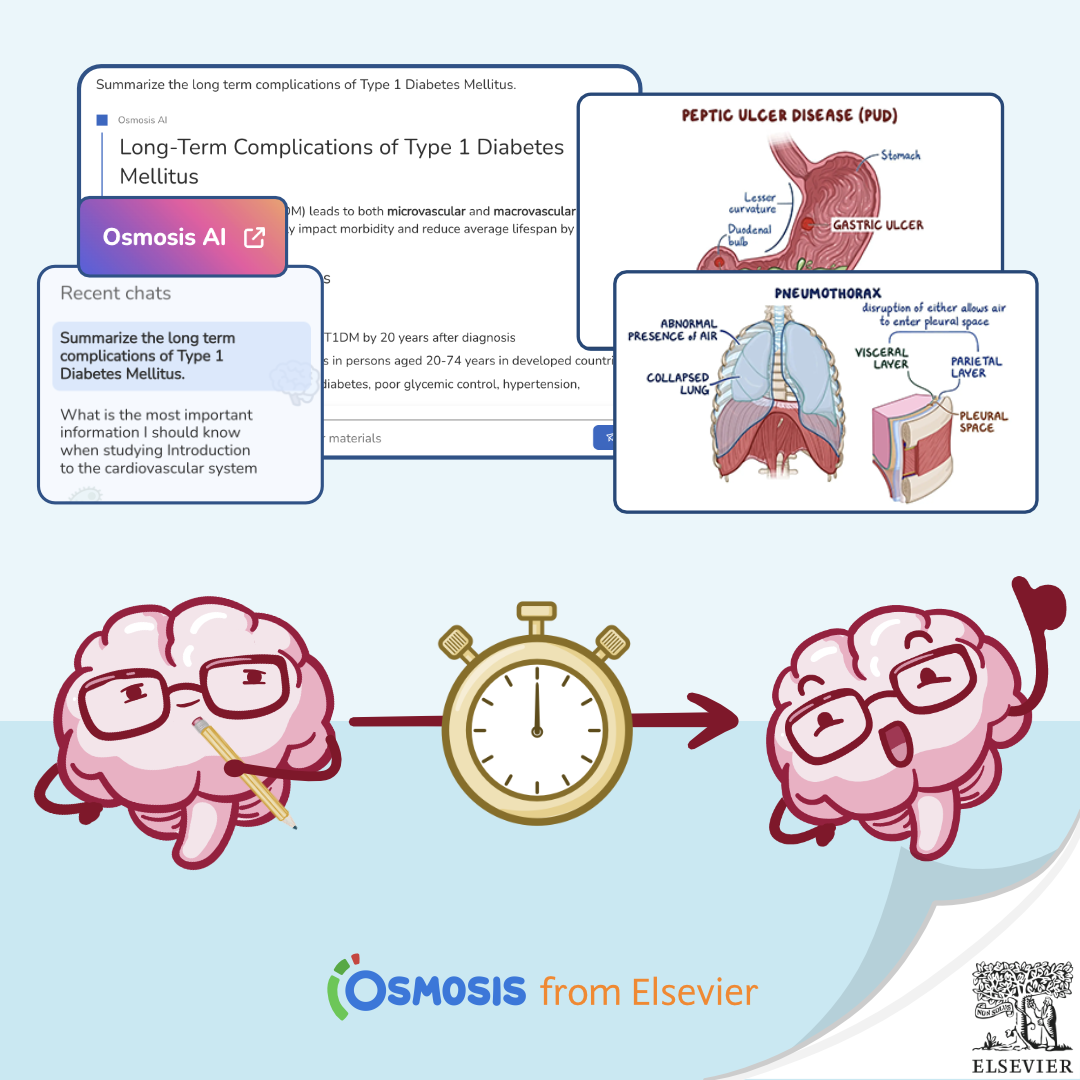
How to Go from Question to Clarity in Seconds with Osmosis AI
— Updated:
Osmosis AI delivers clear, structured explanations from trusted Elsevier content, keeps you focused, and guides your next steps to build clinical judgment and exam readiness without compromising accuracy or critical thinking.
-
Lista final de consejos de estudio por Osmosis de Elsevier
— Updated:
Una guía práctica en español sobre cómo Osmosis de Elsevier reúne consejos y técnicas de aprendizaje para destacarte en salud, prepararte para exámenes USMLE/NCLEX y triunfar en prácticas clínicas y rotaciones. Aprenderás a adaptar métodos a tu estilo, priorizar lo esencial y mantener la motivación a lo largo del programa.
-
PANCE® Question of the Day: Fatigued and cold
— Updated:
A 32-year-old woman presents with months of fatigue, weight gain, cold intolerance, and constipation. Explore a structured approach to evaluating suspected thyroid disorders, including which tests to order next and how antibody testing helps clarify autoimmune involvement.
-
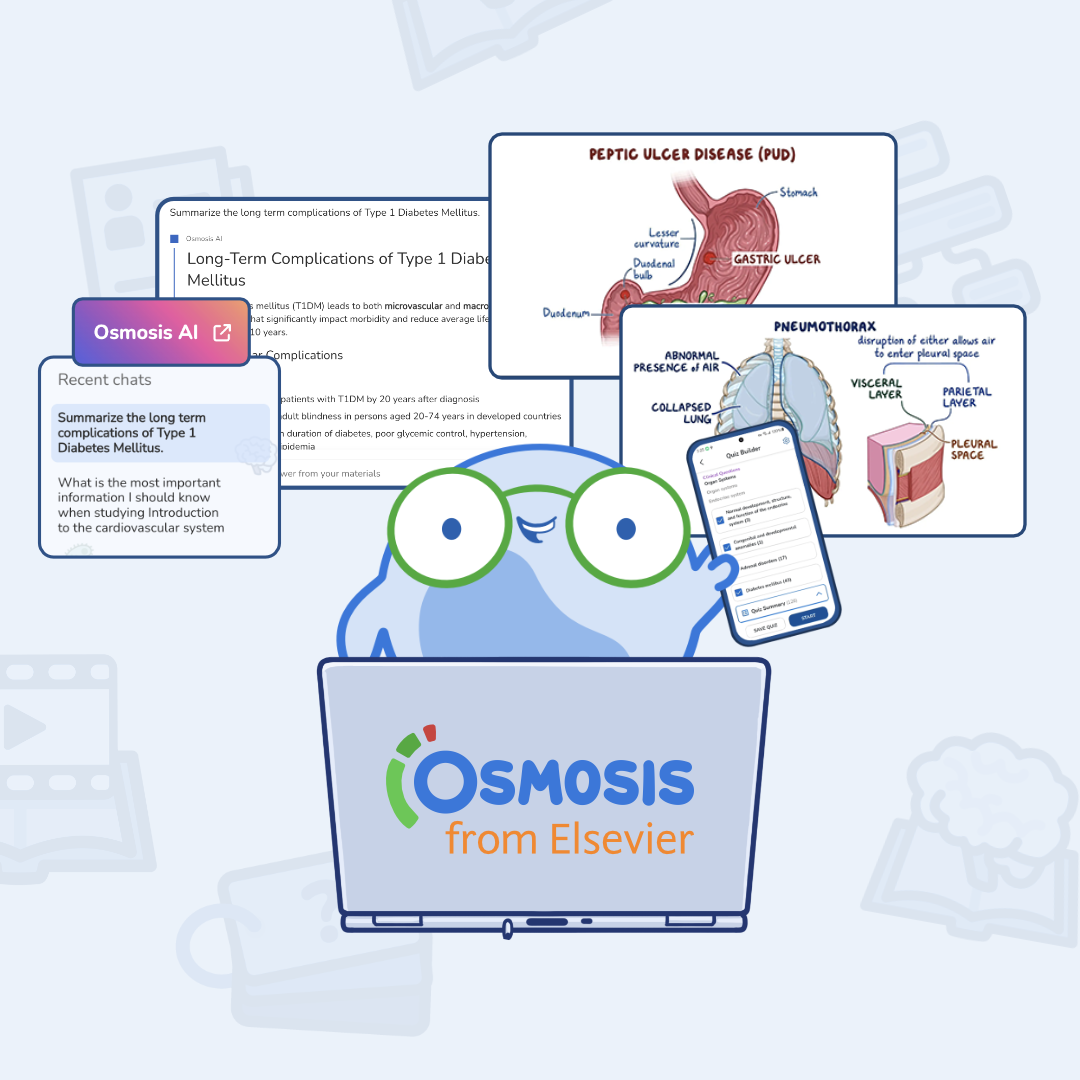
Osmosis Product Updates: 2026
— Updated:
Discover the ways Osmosis is evolving throughout the year! Learn about new features, content, badges, and helpful playlists to streamline planning and make your study experience more effective.
-
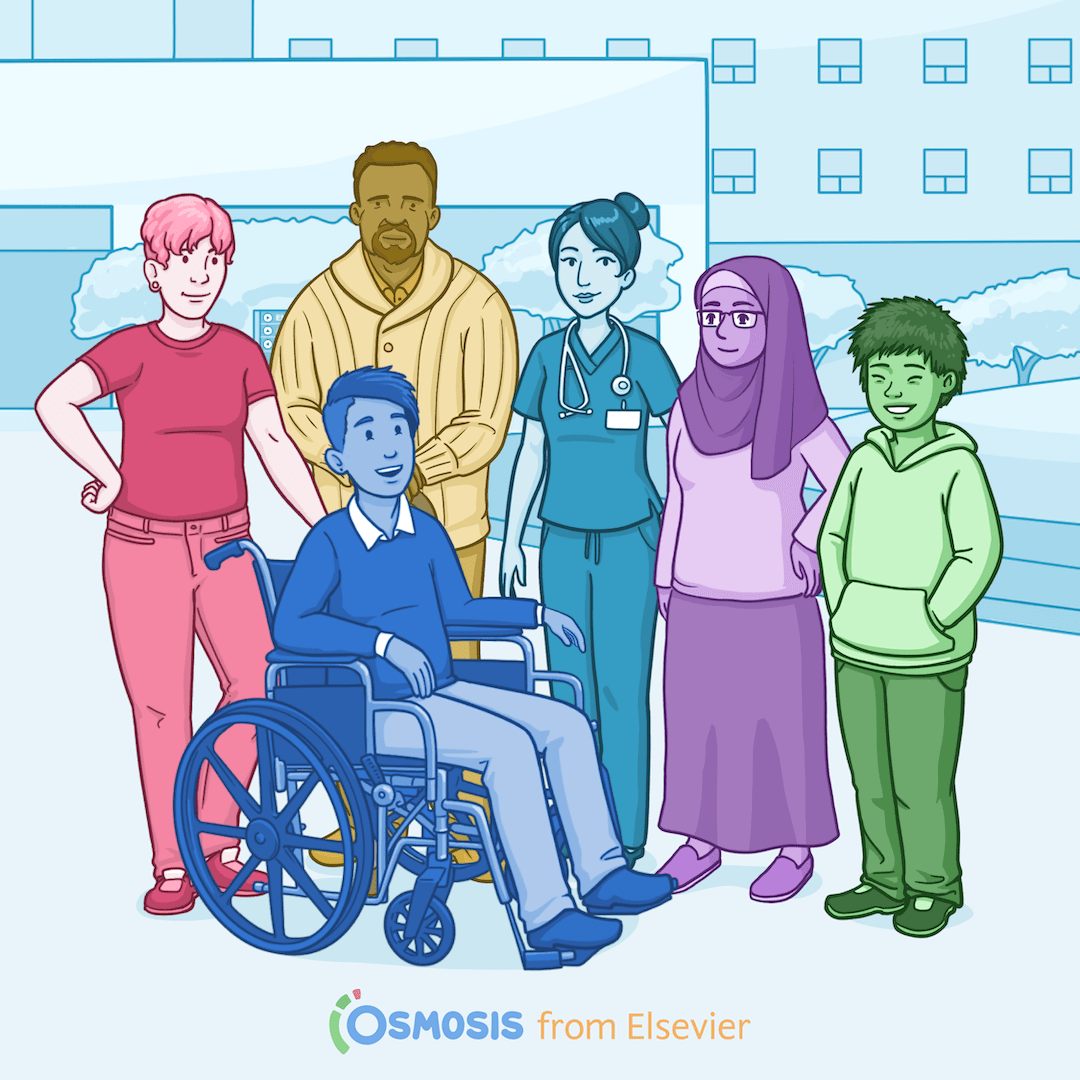
How to Become a Culturally Competent Clinician
— Updated:
Learn practical strategies to deliver equitable, patient-centered care in a diverse world, including addressing Social Determinants of Health (SDOH), strengthening cultural competence in clinical practice, recognizing implicit (unconscious) bias, improving communication, and advancing patient advocacy.
-

PANCE® Question of the Day: Bloody stool
— Updated:
A child presents with bright red blood stool and pain during bowel movements. Understanding key history elements helps guide diagnosis and care.
-
What You Need to Study Medicine Effectively
— Updated:
Studying medicine isn’t about memorization. Discover what truly effective learning platforms do to build clinical reasoning, retention, and real-world patient care skills.
-

The Science of Rest & Recovery: Why Healthcare Learners Need Downtime (and How to Actually Take It)
— Updated:
Healthcare training rewards endurance, but biology tells a different story. Learning does not improve by pushing endlessly. It improves when stress and recovery are balanced. Understanding how rest supports cognition, memory, and emotional resilience may be the most overlooked study strategy in healthcare education.
-
PANCE® Question of the Day: Hemoptysis
— Updated:
A 45-year-old with productive cough, hemoptysis, and systemic symptoms presents with cavitary lung lesions. Recognize key clinical and imaging features to guide diagnosis.
-
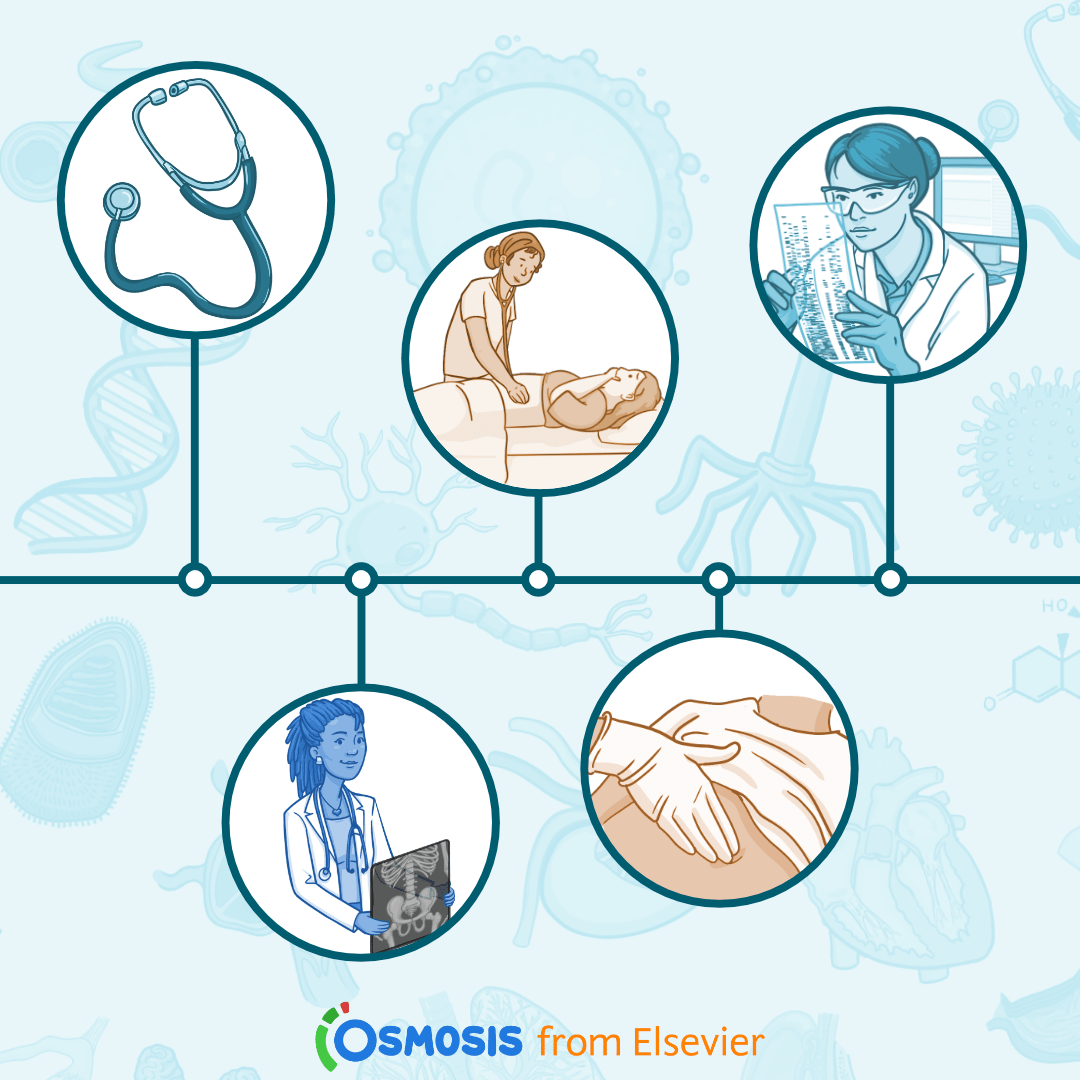
A History of Internal Medicine: From Physical Exams to Precision Medicine
— Updated:
Trace internal medicine’s journey from bedside exams by candlelight to cutting-edge precision care. Discover how pioneers and technology shaped this vital specialty.
-
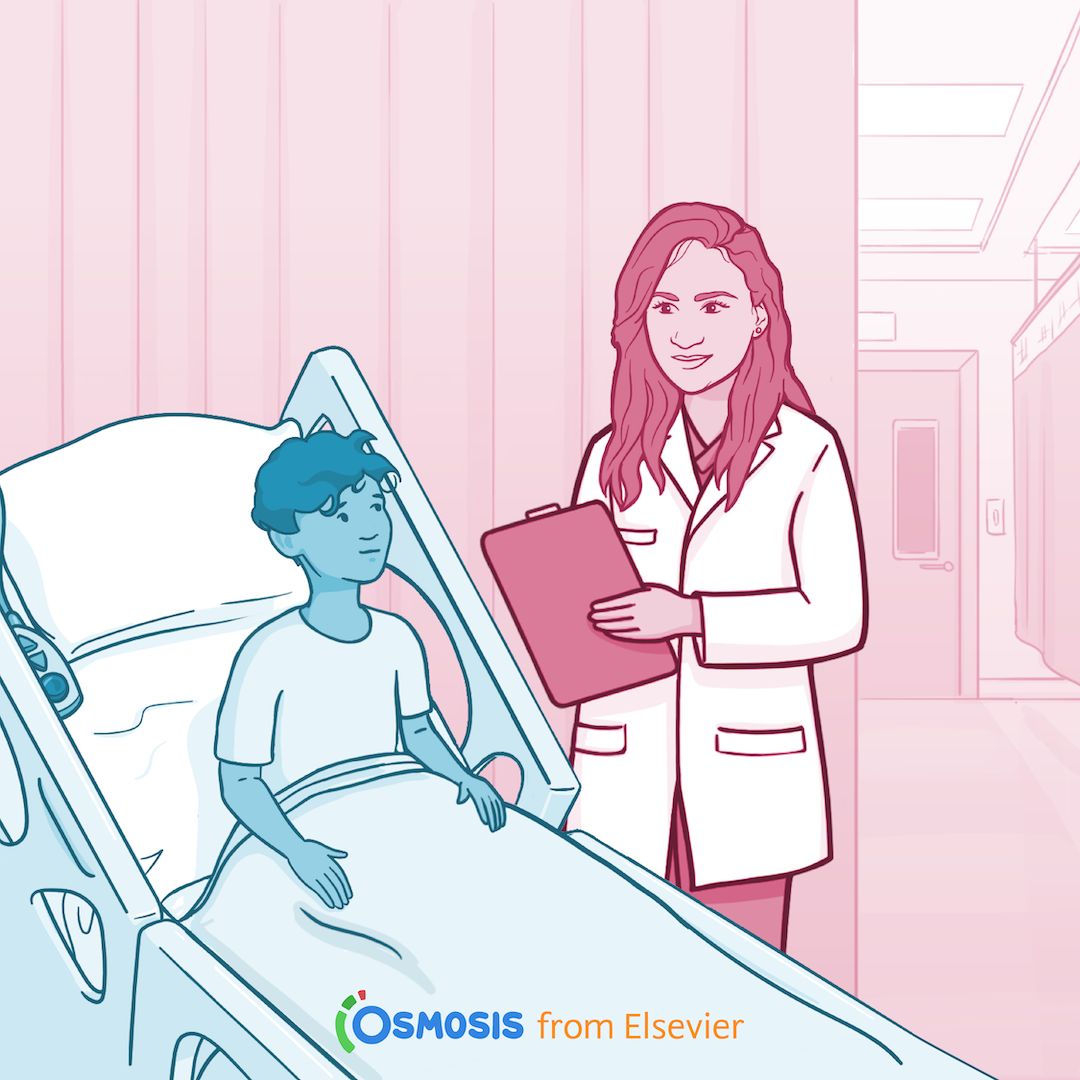
Stories of Gratitude: What Patients Taught Me
— Updated:
A pediatric case initially thought to be diabetic ketoacidosis reveals a rare cause after thorough history-taking, highlighting the importance of clinical curiosity and listening.
-
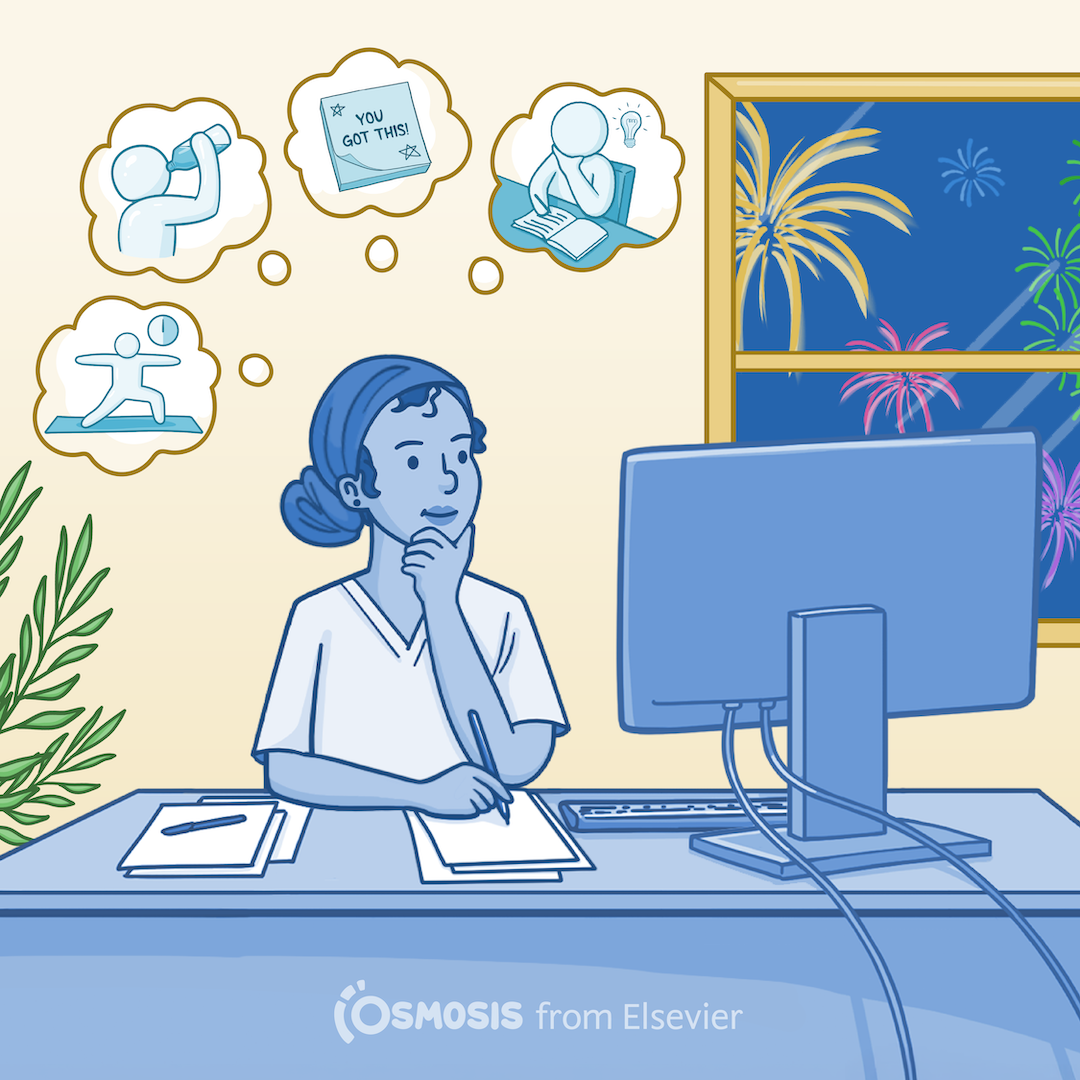
Small Habits, Big Impact: A Simple Reset Guide for the New Year
— Updated:
Discover simple, effective ways to improve focus and resilience during demanding healthcare training. Small daily actions build confidence and maintain motivation.
-
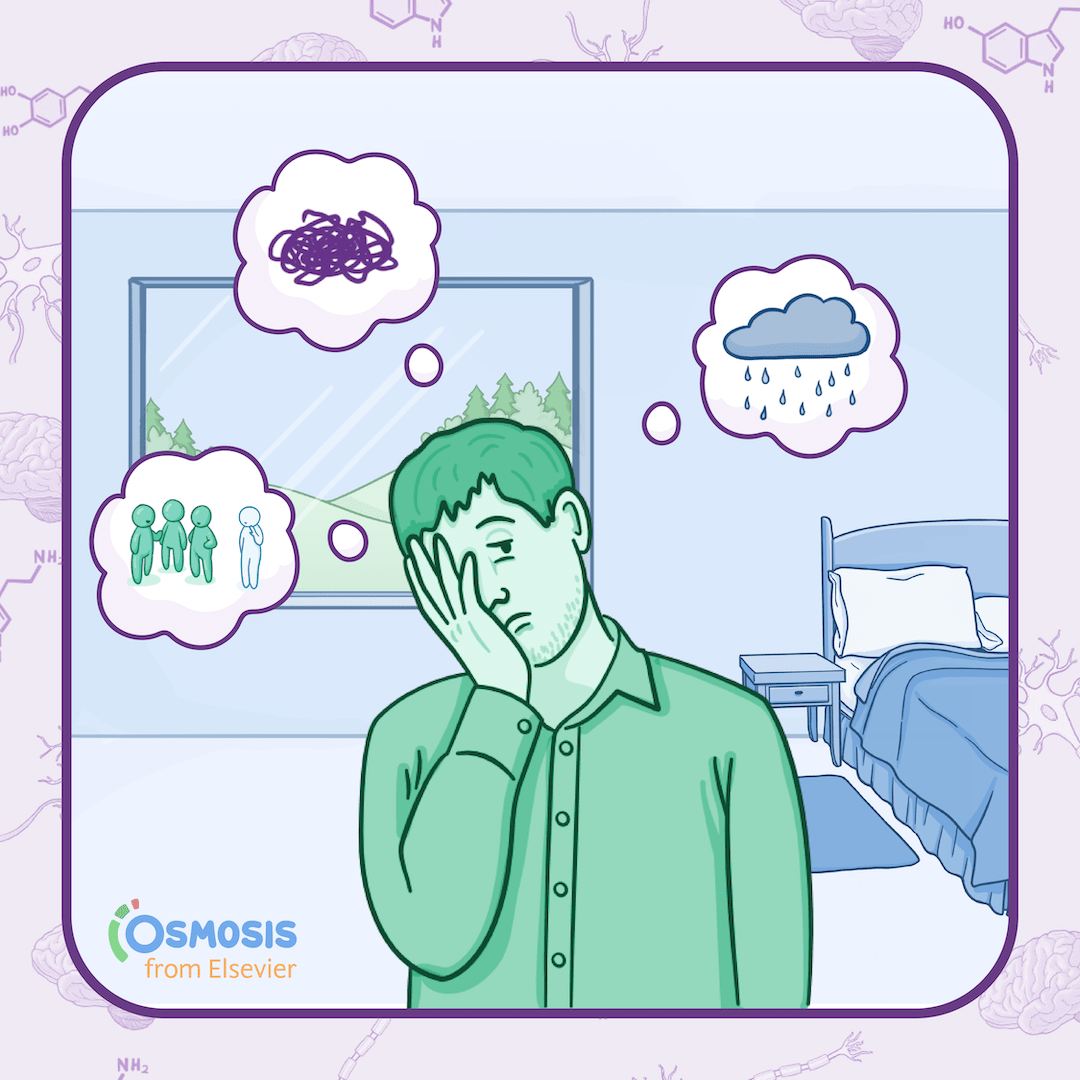
Understanding Illness Anxiety Disorder: A helpful guide for health professionals
— Updated:
Illness Anxiety Disorder (formerly known as hypochondria) causes persistent fear of serious illness despite normal tests. Discover causes, diagnosis, and management strategies to support affected patients.
-
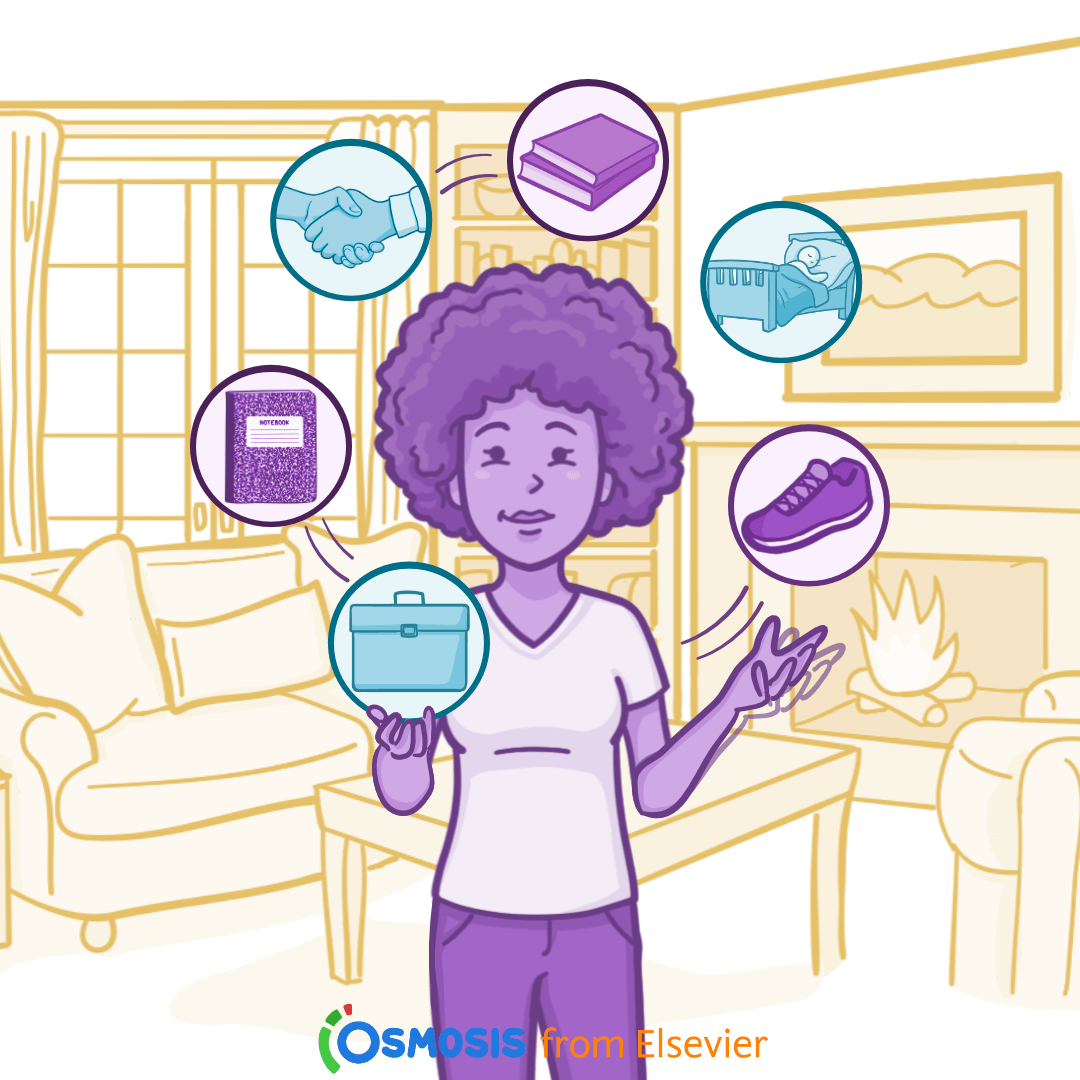
How to Manage Your Stress and Prevent Burnout at the End of Term
— Updated:
Healthcare training is demanding and burnout is common, but manageable. Discover effective stress management techniques, self-care habits, and when to seek support to thrive during your studies.
-
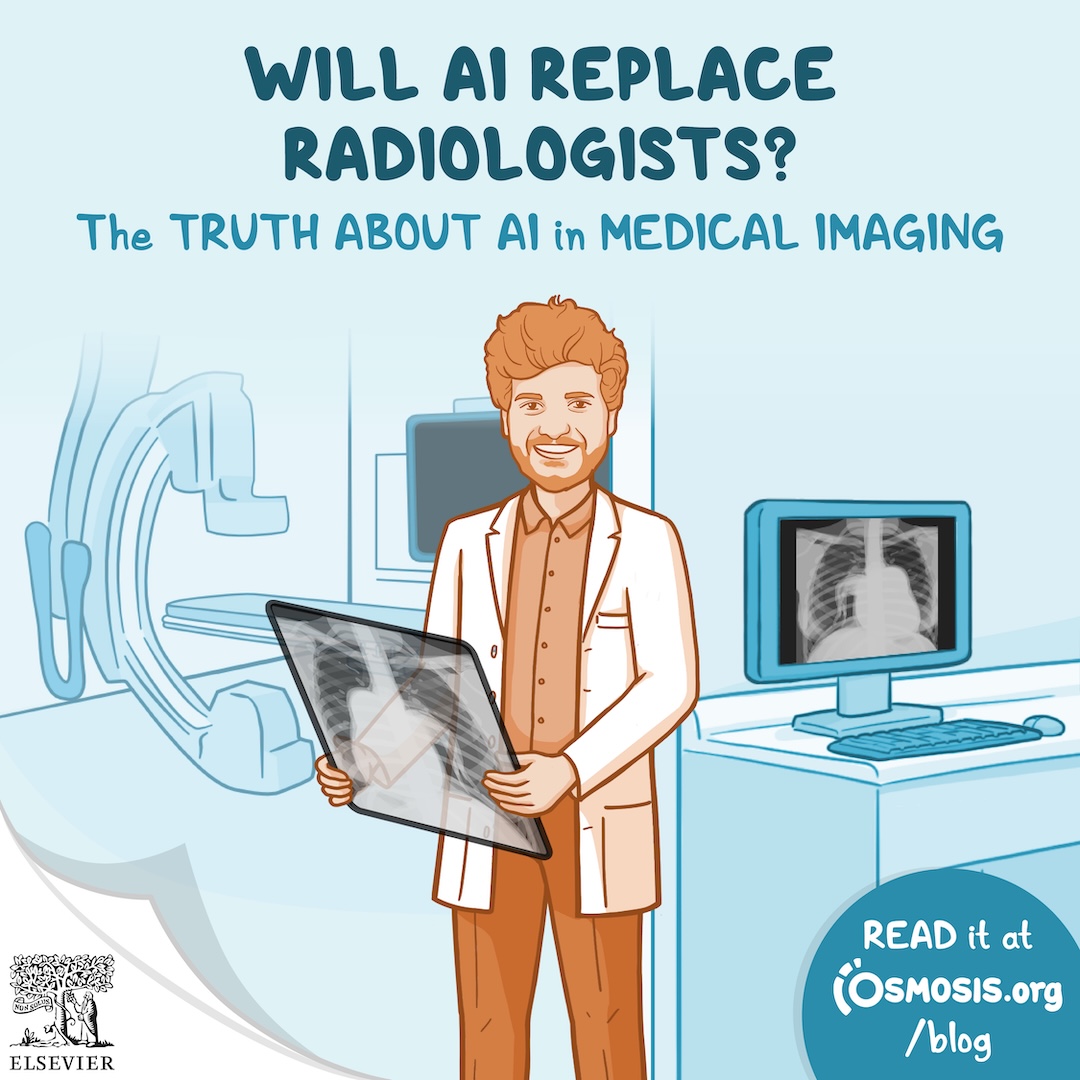
Will AI Replace Radiologists? The Truth About AI in Medical Imaging
— Updated:
AI is reshaping healthcare and radiology by enhancing imaging and diagnostics, but significant challenges remain. Discover why AI won’t replace radiologists but will support them in the future of healthcare.