
Category: Physician Assistants/Associates (PA)
-
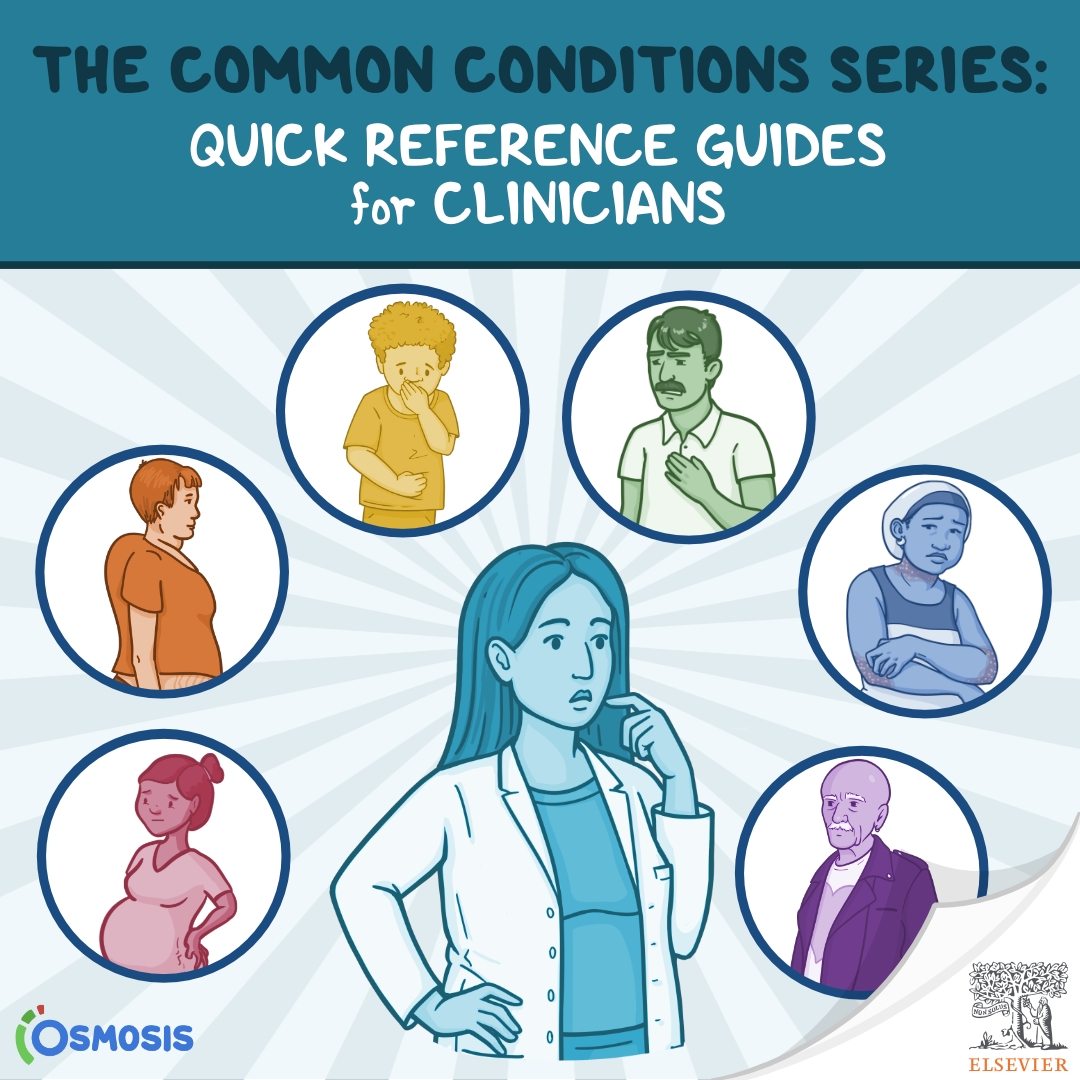
The Common Conditions Series: Quick Reference Guides for Clinicians
— Updated:
Mastering knowledge and importance of common health conditions is vital for delivering high-quality patient care. Osmosis has put together a series of quick reference guides covering topics like diabetes mellitus, long COVID, gut health, cortisol-related conditions, pregnancy, and care for older adults. Equip yourself with the knowledge to recognize their…
-
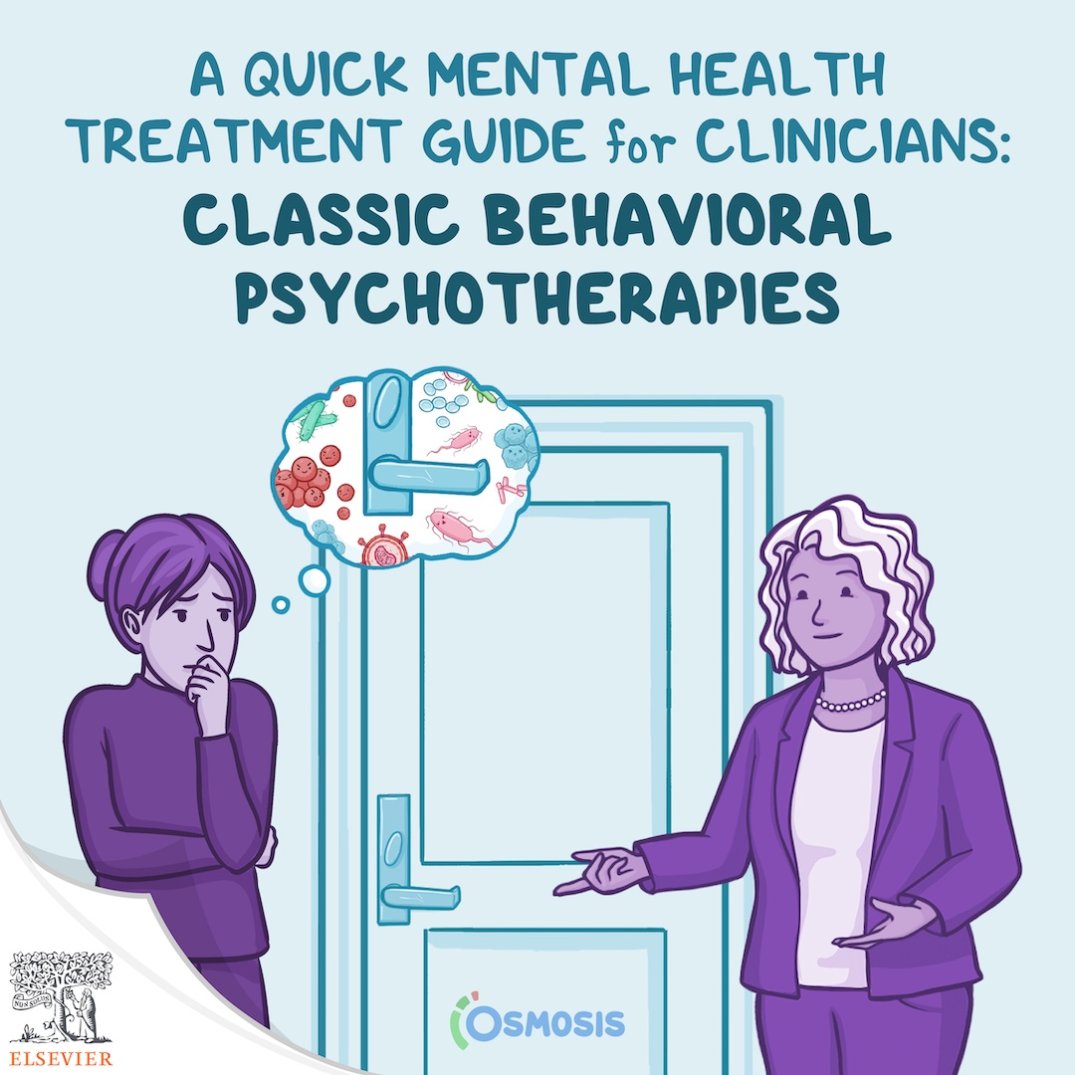
A Quick Mental Health Treatment Guide for Clinicians: Classic Behavioral Psychotherapies
— Updated:
Get some valuable insights into behavioral psychotherapy and its critical role in mental health care. Learn about various therapeutic approaches, the importance of finding a culturally-competent therapist, and practical strategies for effective treatment. Learn how to enhance your understanding of mental health issues and provide compassionate care to your patients…
-

A Quick Reference Guide to Common Conditions Related to Sexual Health, Part 3: Parasites and Fungi
— Updated:
Understanding sexual health is crucial for our overall well-being. Learn about common STIs like trichomoniasis, pubic lice, and candidiasis, their symptoms, risks, and the importance of timely diagnosis and treatment. Empower yourself with knowledge to promote better health outcomes and awareness about sexual health issues!
-
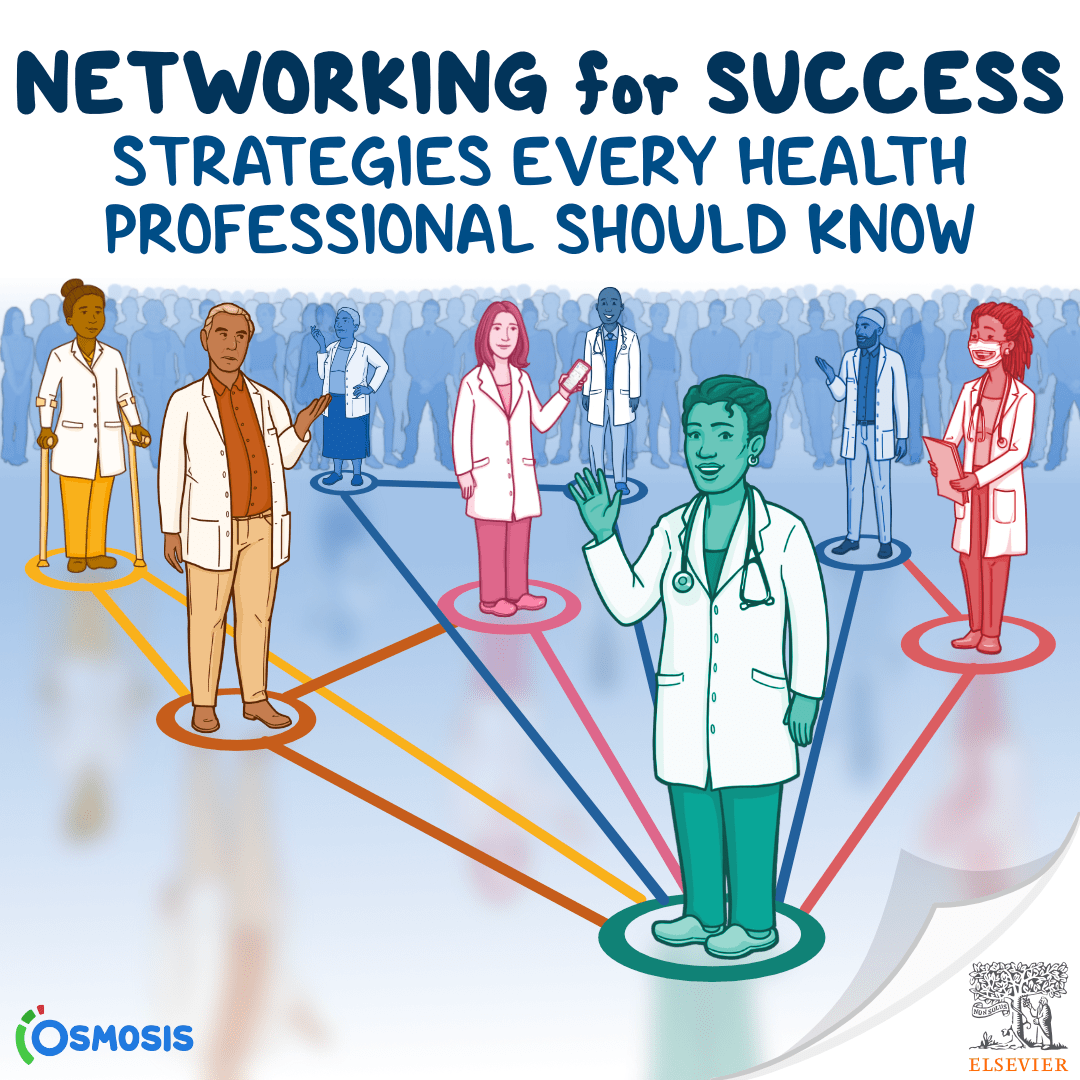
Networking for Success: Strategies Every Health Professional Should Know
— Updated:
Discover the power of networking in healthcare with practical strategies designed for medical students, faculty, and professionals. This short guide covers the essentials of building meaningful connections, overcoming common networking challenges, and making the best of both formal and informal opportunities to enhance your career. Embrace the art of networking…
-
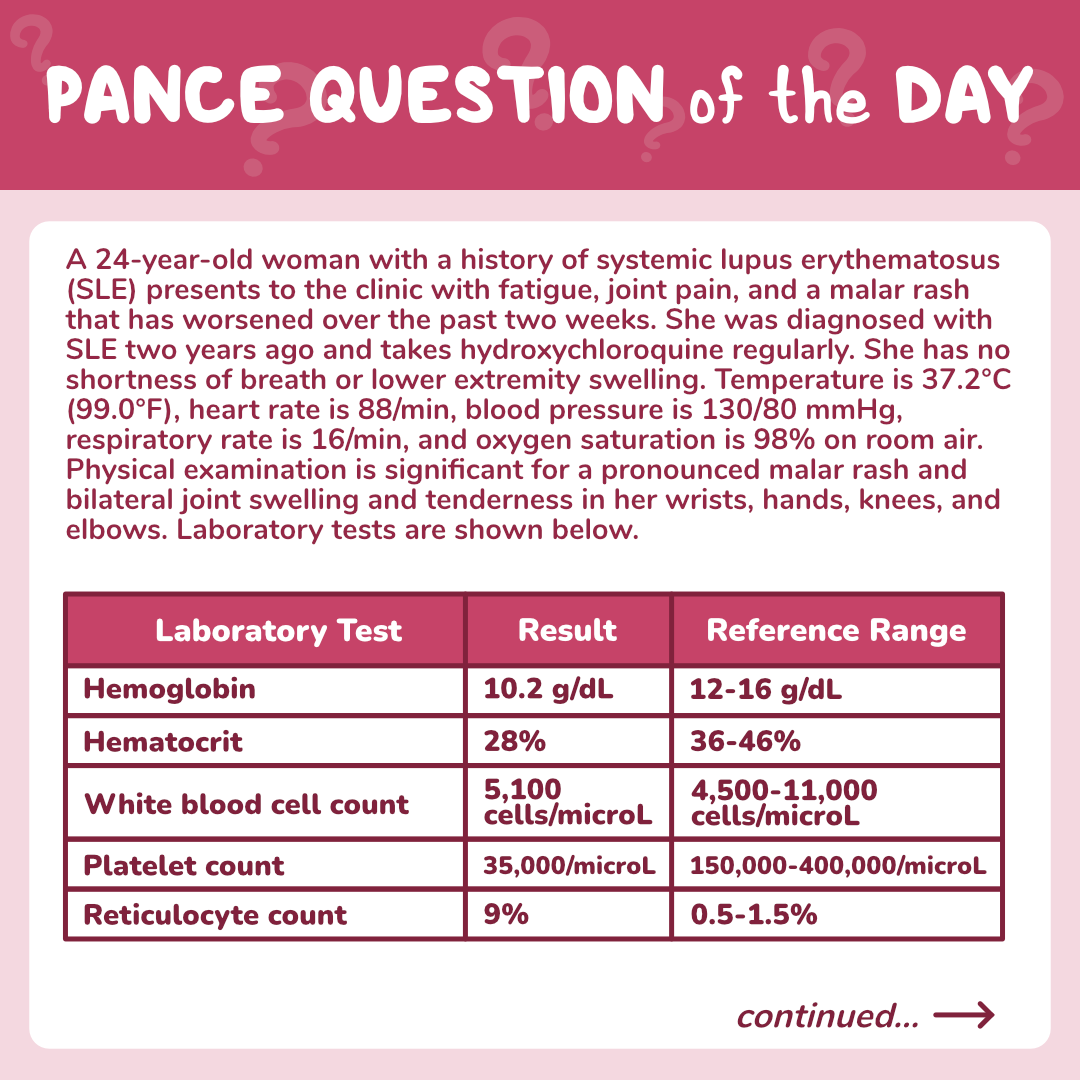
PANCE® Question of the Day: SLE management
— Updated:
Prepare for the PANCE with this challenging clinical scenario that tests your ability to diagnose and manage a common yet serious condition. Devise a stepwise, evidence-based approach to treating an adult with systemic lupus erythematosus, including hydroxychloroquine, NSAIDs, glucocorticoids, and other immunomodulating agents, as well as ACE inhibitors and angiotensin receptor…
-
The Top 10 Helpful Medical Mnemonics from Osmosis
— Updated:
Dive into the whirlwind of medical school with these top 10 mnemonics designed to enhance your learning and retention. From assessing melanoma to mastering heart sounds, these clever memory aids will help you navigate your studies and prepare for clinical practice. Keep them close to achieve success in your medical…
-
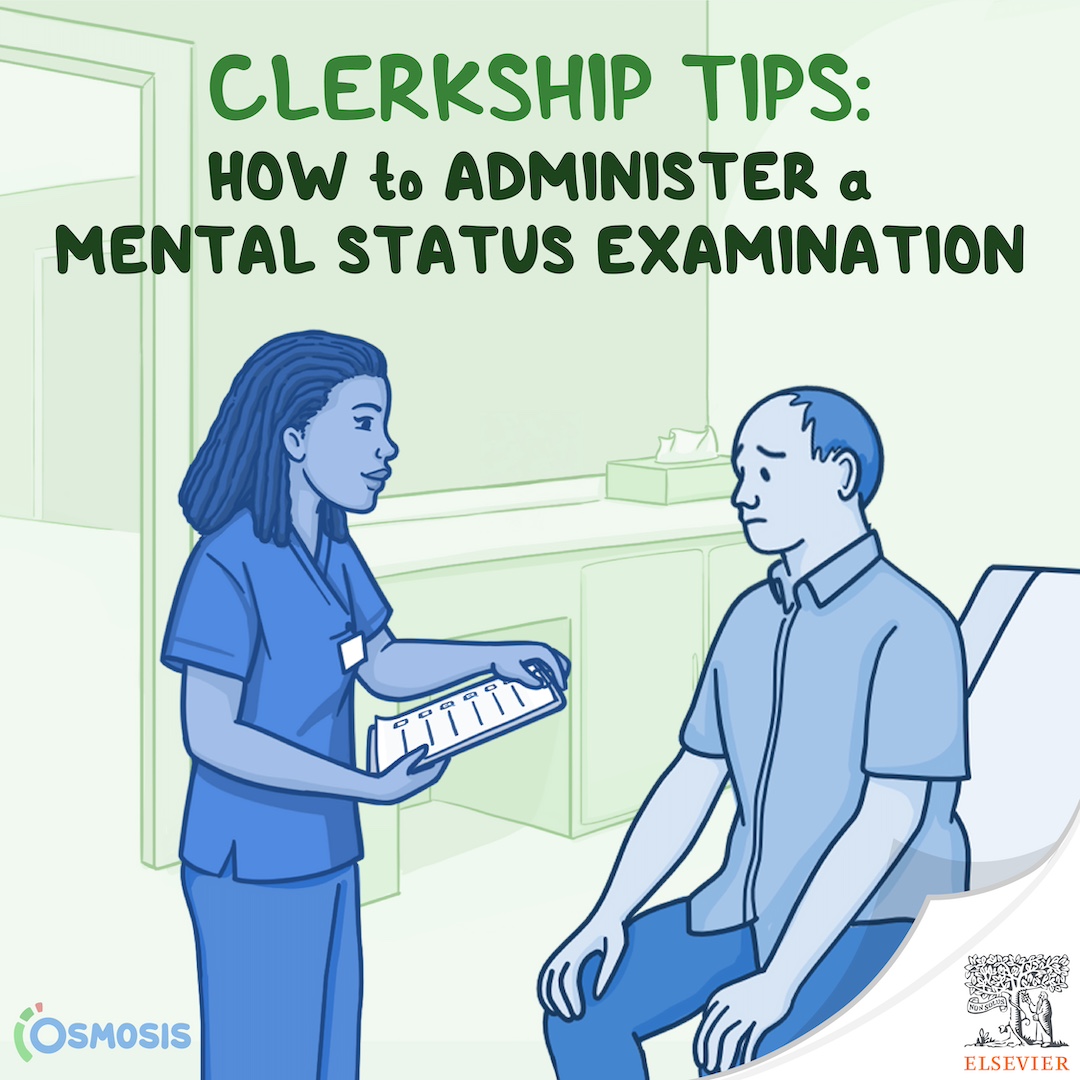
Clerkship Tips: How to Administer a Mental Status Examination
— Updated:
The Mental Status Exam (MSE) is essential for evaluating psychological functioning in clinical practice. This guide explores its components, significance, and tips for effective implementation in patient assessments, making it a valuable tool for healthcare providers across various specialties.
-

10 Examples of Outdated Heart Health Advice
— Updated:
Explore ten widespread heart health myths, their origins, and current evidence to better inform patient care and personal wellness.
-
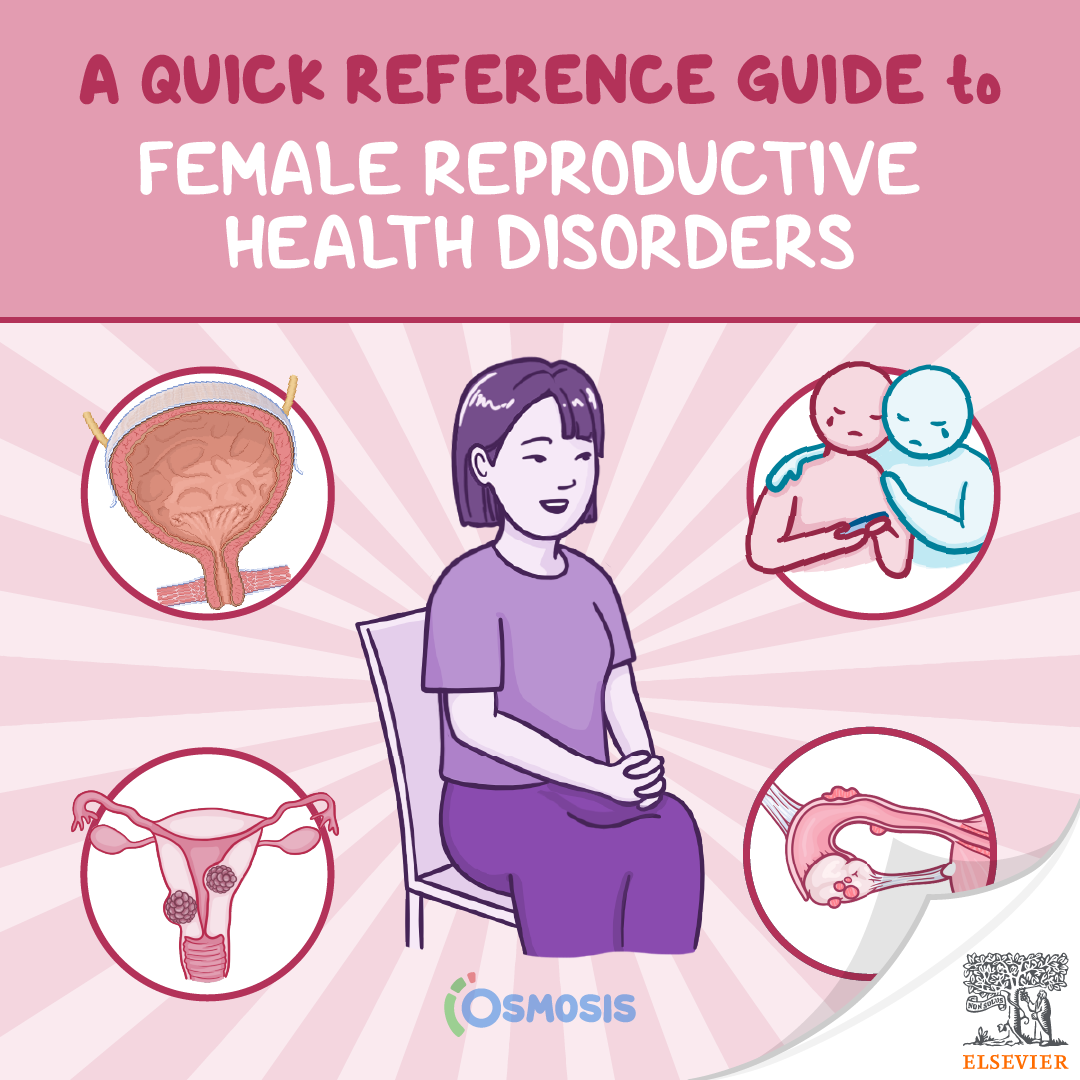
A Quick Reference Guide to Female Reproductive Health Disorders
— Updated:
Learn about prevalent reproductive health disorders affecting female bodies, including their signs, diagnostic methods, and treatment options.
-
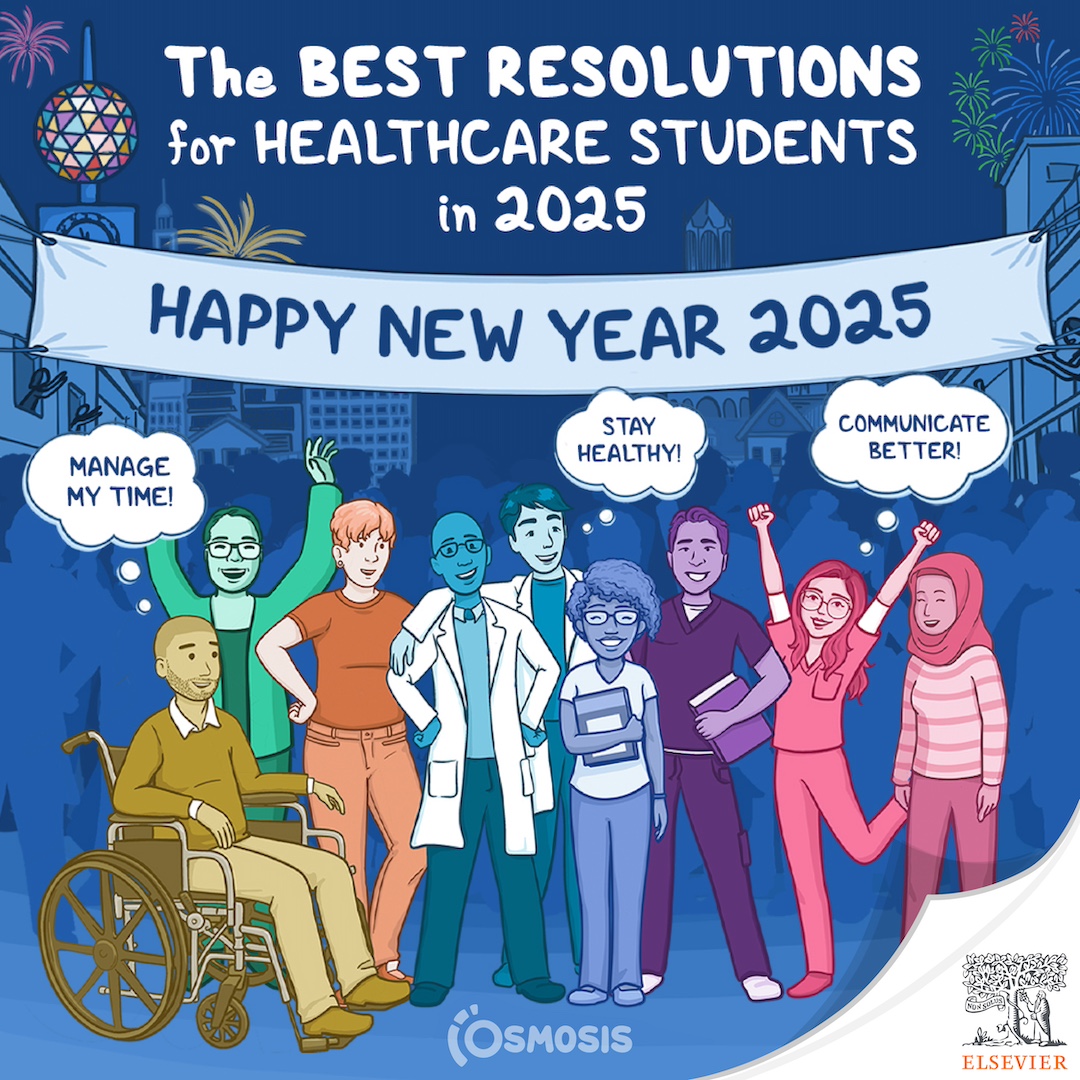
The Best Resolutions for Healthcare Students in 2025
— Updated:
Embrace the opportunity to thrive in your medical education with crucial resolutions tailored to healthcare students. From prioritizing self-care and enhancing clinical skills to fostering professional relationships and engaging in lifelong learning, these strategies will help you excel in your journey as a future healthcare professional.
-
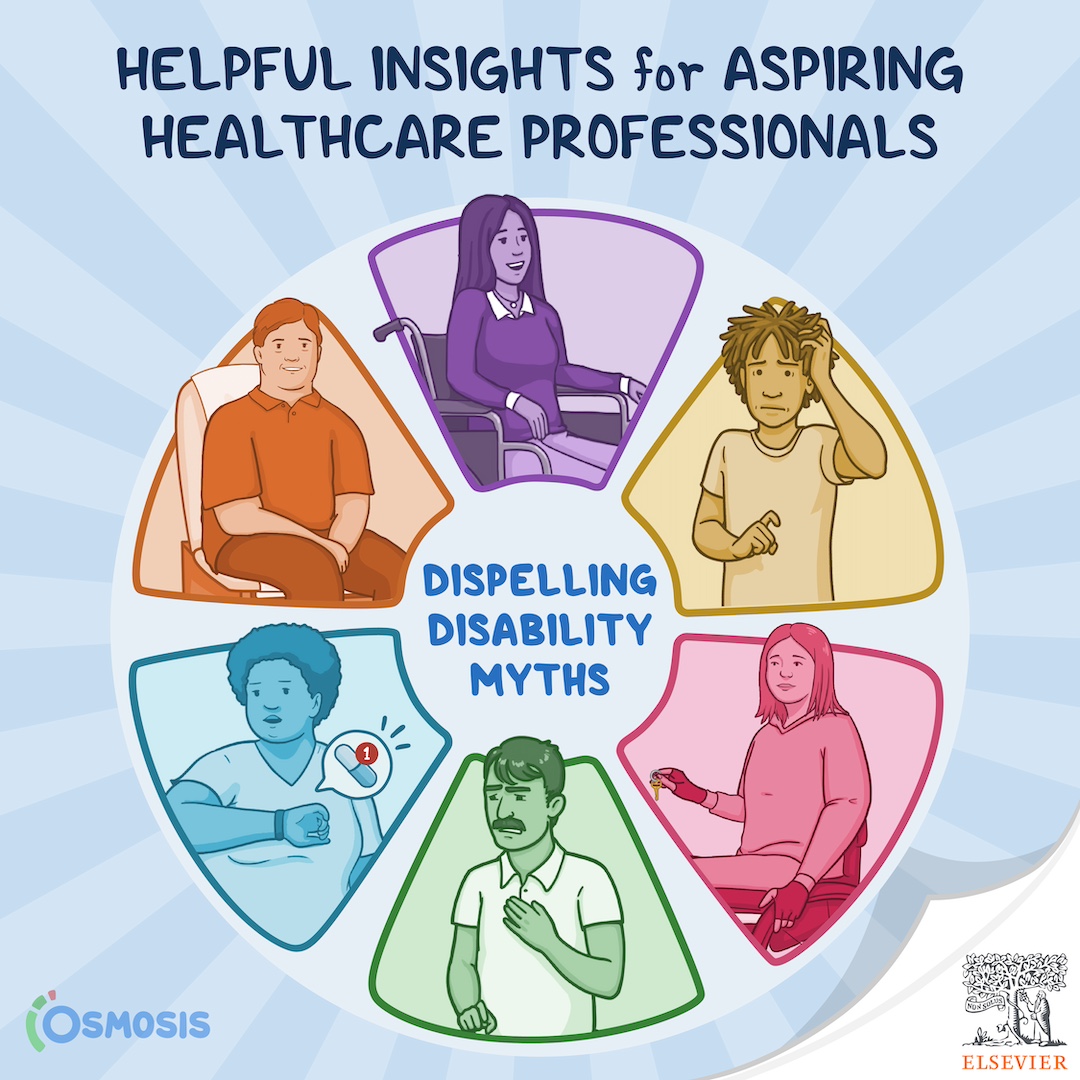
Dispelling Disability Myths: Helpful Insights for Aspiring Healthcare Professionals
— Updated:
According to the CDC, approximately one in four US adults will experience a disability at some point in their lives. Despite how common disability is, people with disabilities face ongoing misconceptions and biases that contribute to existing disparities in healthcare access and quality. It’s crucial to address and dispel these…
-

The Most Frequently Asked Questions About Becoming a PA: What You Need to Know
— Updated:
PAs, or physician associates (or assistants), are licensed clinicians who provide medical services to patients of all ages and stages of life while under the supervision of an MD or DO. As this essential profession becomes more popular and the number of PA training programs increases, let’s take a moment to…
-
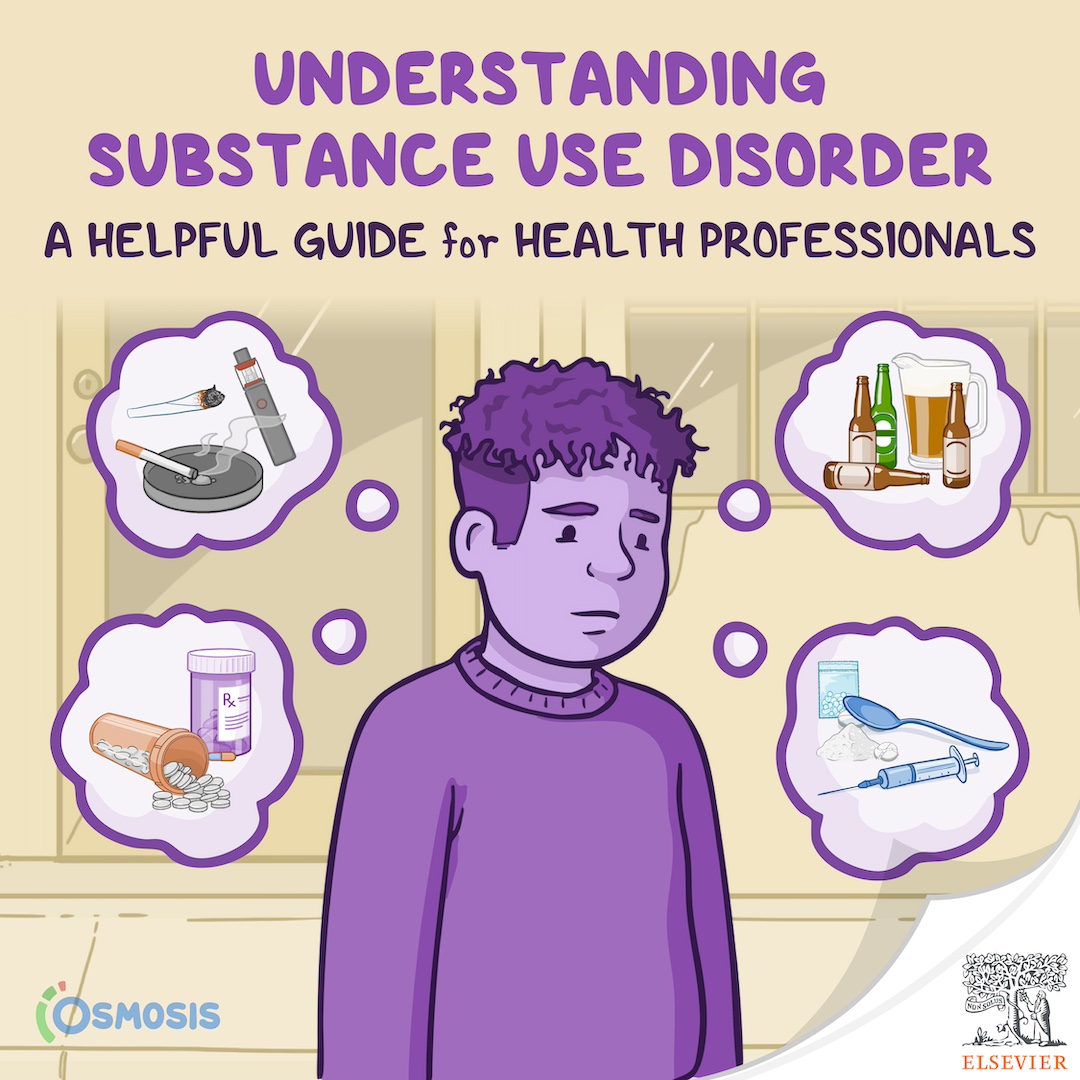
Understanding Substance Use Disorder: A helpful guide for health professionals
— Updated:
Substance Use Disorder (SUD) is a health condition involving a patient’s uncontrolled use of a substance, such as alcohol, drugs, and medications, that affects an individual’s daily life by impairing their physical and mental health, along with social functioning. There are about 20 million people in the US (approximately 6% of the total…
-
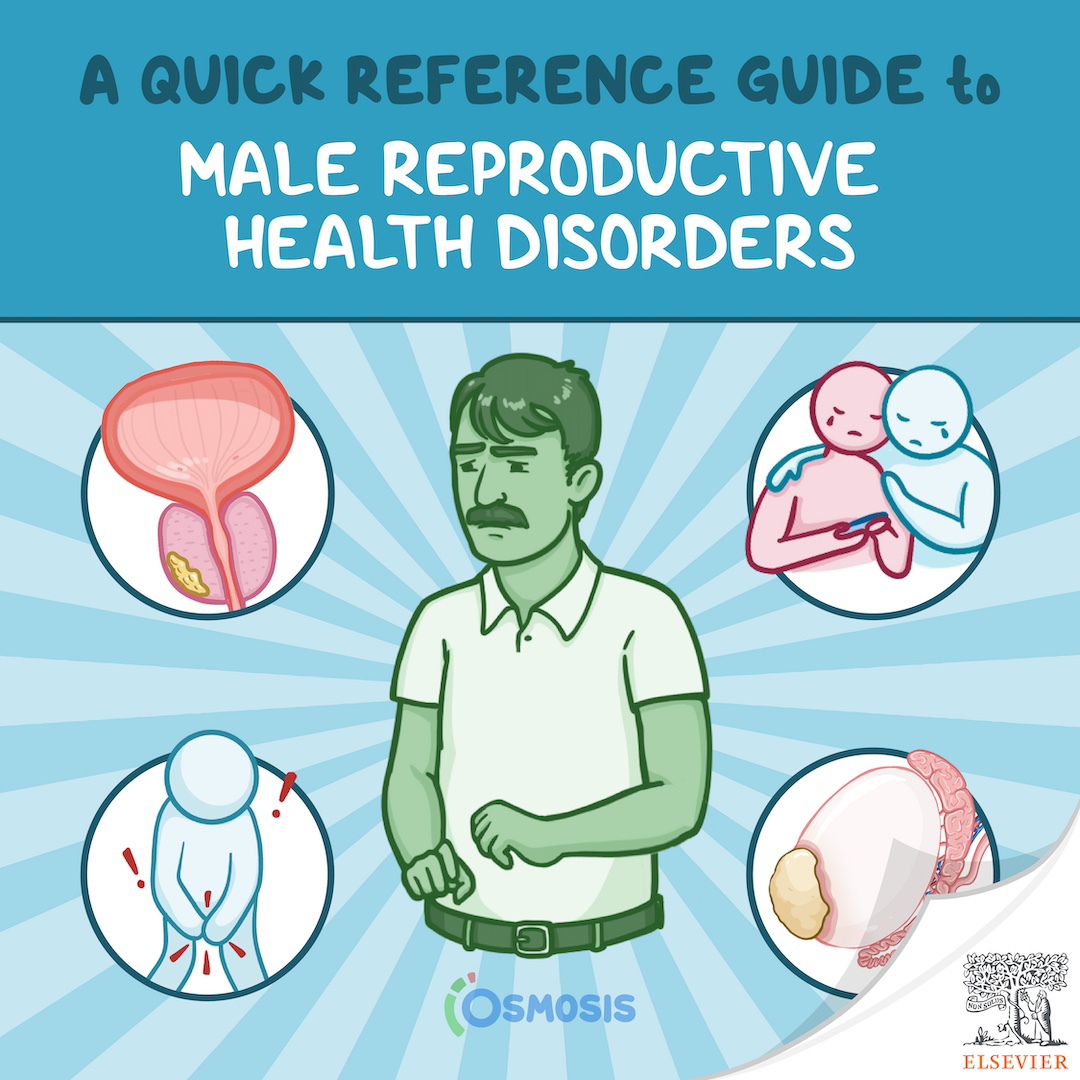
A Quick Reference Guide to Male Reproductive Health Disorders
— Updated:
Despite the importance of reproductive health in relation to overall well-being, many people avoid discussing it due to stigma, cultural norms, fear of judgment, lack of awareness, privacy concerns, and apprehension about medical intervention. Yet several reproductive health conditions significantly impact not only a male patient’s physical health but also…
-

Top Ten Health Conditions That Are Easily Misdiagnosed
— Updated:
An accurate diagnosis is the cornerstone of medicine and the basis for any treatment. Nonetheless, a misdiagnosis can happen to any clinician due to a variety of issues, including overlapping symptoms or referencing an incomplete medical history. Let’s look at a quick case study to consider the challenges and potential…
-

A Quick Mental Health Treatment Guide for Clinicians: Classic Psychotherapies
— Updated:
When contemplating the concept of psychotherapy, it’s not uncommon to conjure up images of a grand office space adorned with an extravagant leather sofa, where a patient reclines while reflecting on past childhood experiences. While this depiction may be prevalent in pop culture, it’s essential to recognize that psychotherapy includes…
-

How to Study Anatomy: Effectively Proven Strategies for Faster Learning
— Updated:
Unlock effective anatomy study strategies with tips on identifying your learning style, using mnemonics and visuals, managing study sessions, and boosting retention through group work.
-
Digital Health Tools: Empowering PAs for Better Patient Outcomes
— Updated:
Digital health tools are changing how we do healthcare. Let’s take a look at the fascinating realm of digital health and discuss the profound impact technology is making on healthcare as we know it. With newer technologies in place, healthcare systems are enhancing workflows, boosting communication, and enabling more personalized…
-
Making the Most of Clinical Rotations as a PA Student
— Updated:
You’ve officially made it through the didactic phase of your physician’s assistant program. First of all, congratulations! Now comes the next challenge: clinical rotations. Think of rotations as learning how to read; the didactic phase was learning the alphabet. Now, you’re in the next crucial phase of applying what you’ve learned to become…
-
How to Use Osmosis to Study for the PACKRAT Exam
— Updated:
Preparing for the PACKRAT exam? Learn how the Osmosis Clinical Sciences library, practice questions, and smart study habits can boost your confidence and score.
-
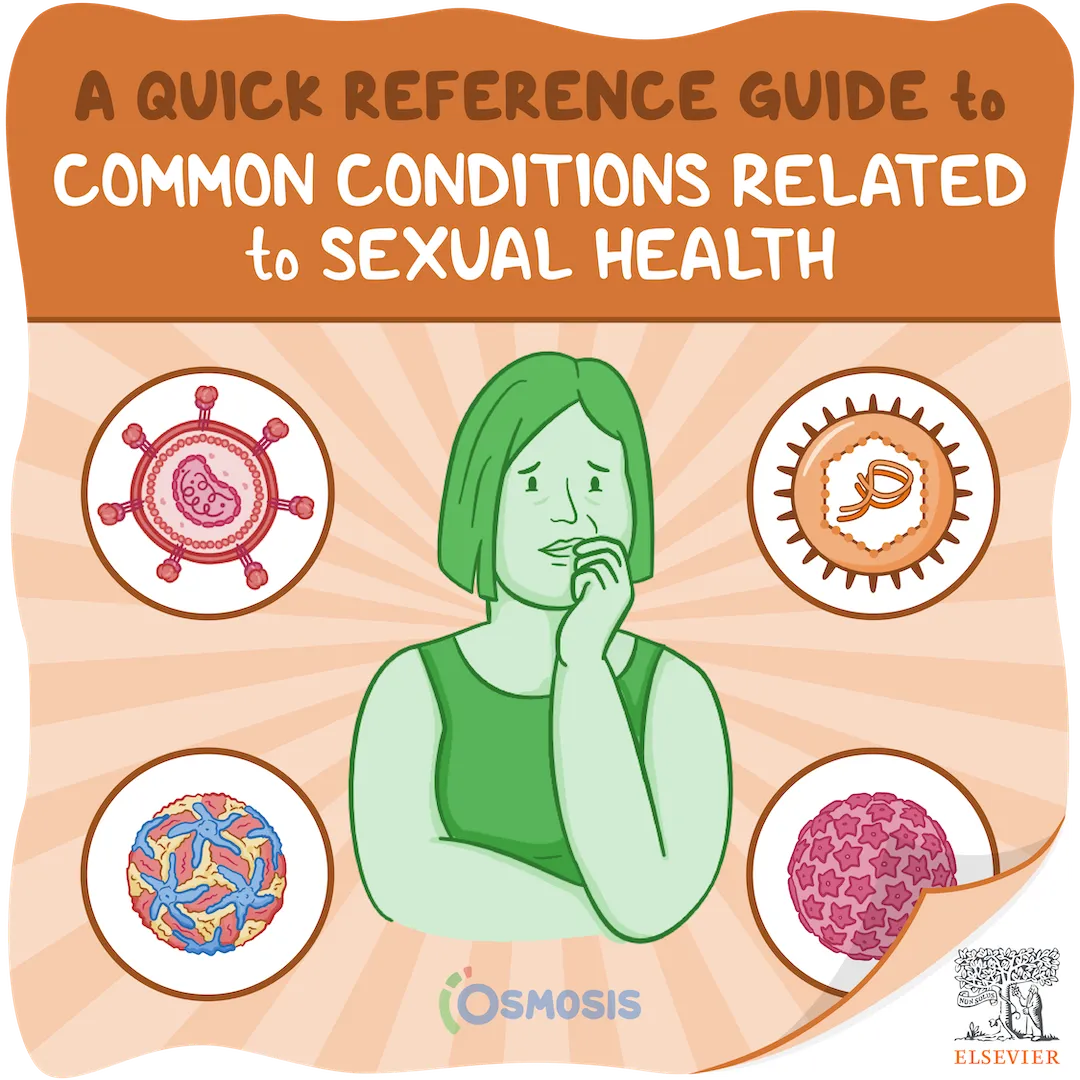
A Quick Reference Guide to Common Conditions Related to Sexual Health, Part 2: Viruses
— Updated:
Understand the importance of sexual health with our quick reference guide to common viral infections. This article covers critical conditions such as HIV, Hepatitis B, and Herpes Simplex Virus, detailing their symptoms, diagnostic approaches, and management strategies. Equip yourself with knowledge to promote better health outcomes and foster open conversations…
-
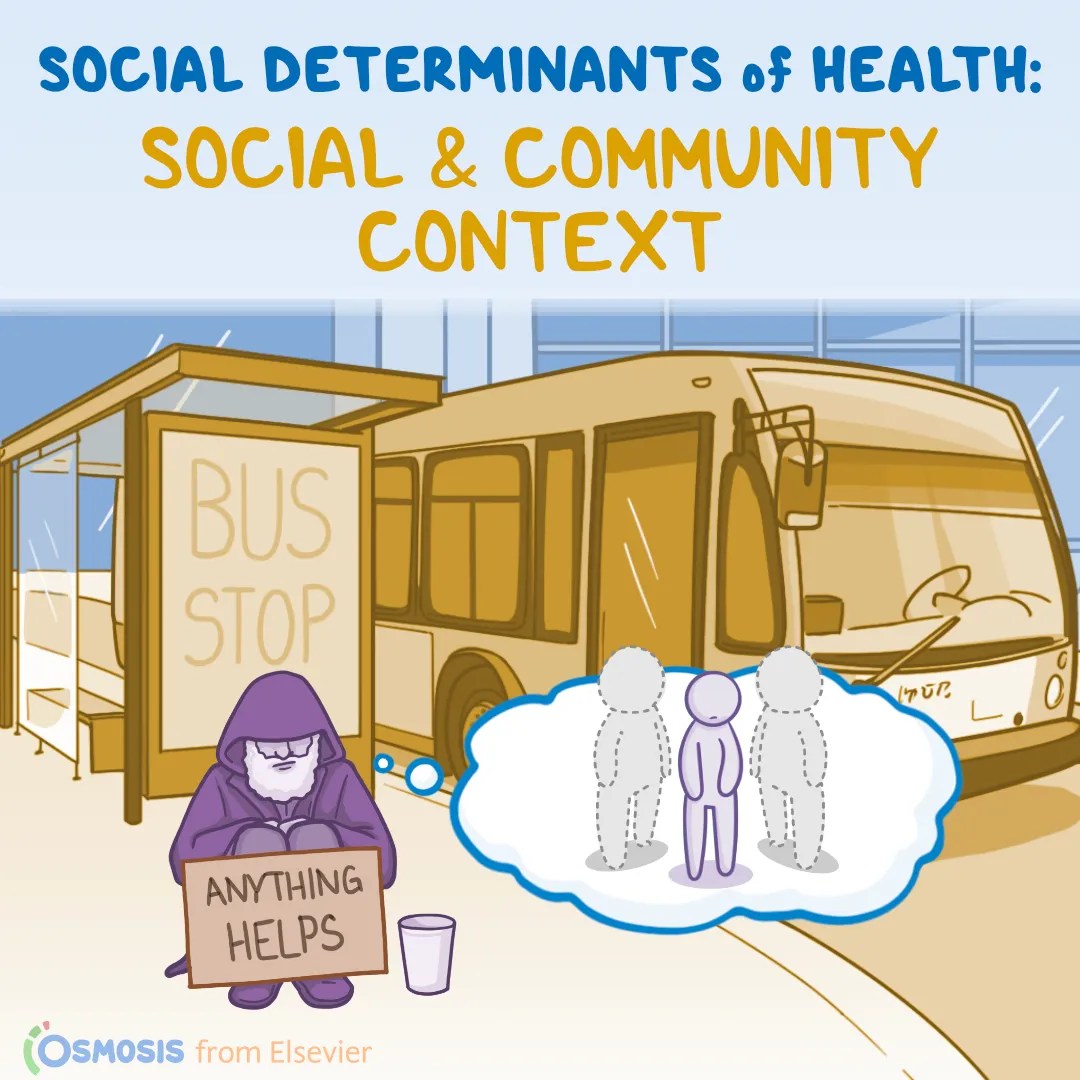
Social Determinants of Health: Social and Community Context
— Updated:
Learn about the vital role of education in health outcomes, the challenges of educational disparities, and strategies to promote equitable access.
-
The Mindful Health Professional: Techniques for Effectively Communicating with Patients
— Updated:
Explore mindfulness techniques and learn how to improve emotional regulation, patient-provider relationships, and clinical outcomes from psychiatrist and professor emeritus Frank John Ninivaggi, M.D., DLF-APA.
-
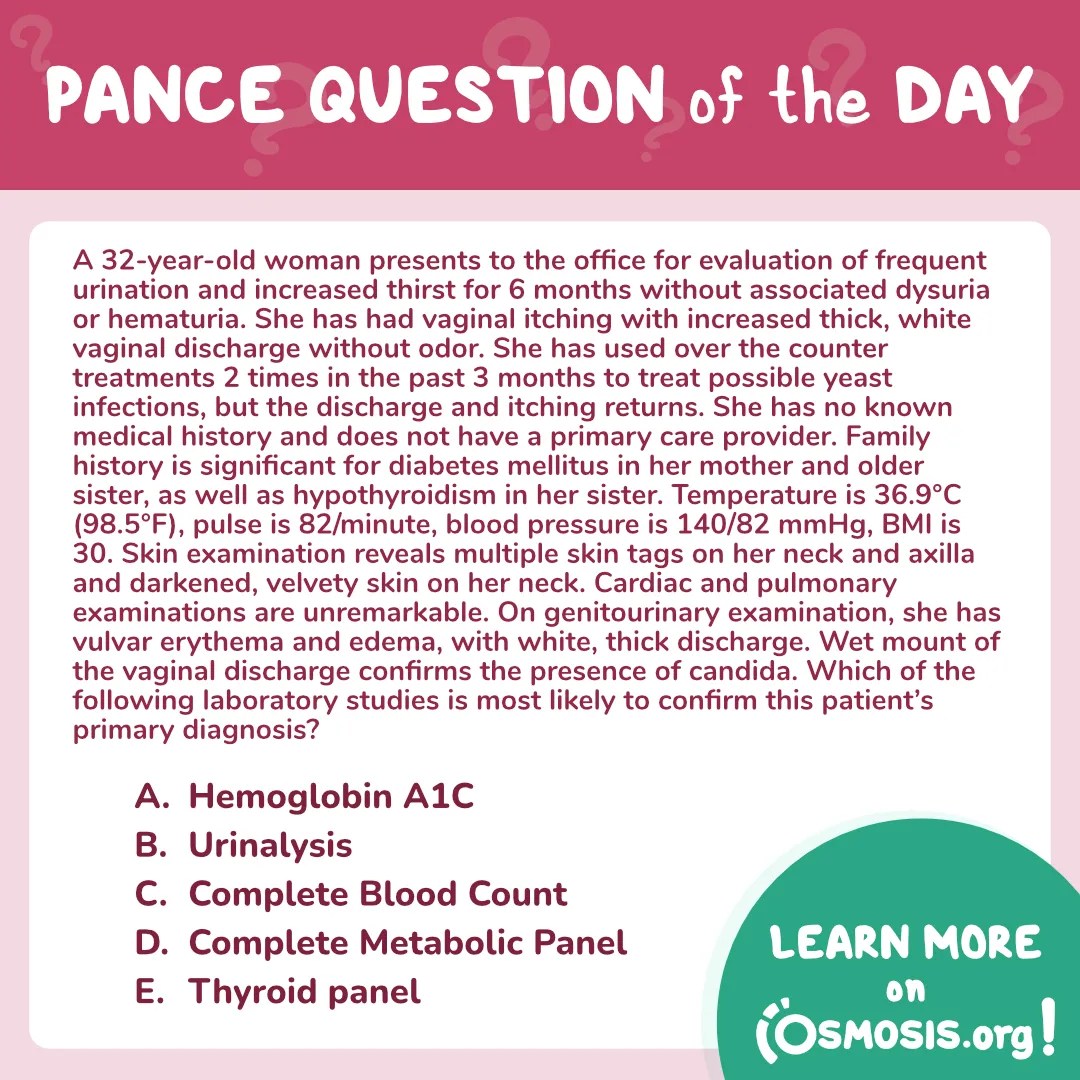
PANCE® Question of the Day: Candida
— Updated:
Prepare for the PANCE: A 32-year-old woman with frequent urination, thirst, yeast infections, and insulin resistance signs—what lab confirms the diagnosis? A 32-year-old woman presents to the office for evaluation of frequent urination and increased thirst for 6 months without associated dysuria or hematuria. She has had vaginal itching with…
-
Understanding Personality Disorders: A helpful guide for health professionals
— Updated:
Explore key features and challenges of personality disorders, including diagnostic criteria and treatment strategies, to enhance clinical understanding and patient care.
-
How to Pay for Medical, Nursing, or Health Care Training Programs
— Updated:
Facing the rising costs of medical or nursing education? Learn about scholarships, grants, federal and private loans, and budgeting strategies to finance your healthcare training.
-

Understanding PTSD: A helpful guide for health professionals
— Updated:
Approximately 6% of US adults develop Post-Traumatic Stress Disorder (PTSD) during their lifetime. A sometimes debilitating mental health condition that develops after someone has experienced or witnessed a terrifying, dangerous, or shocking event, PTSD symptoms generally persist for more than one month and include reliving the traumatic event, avoidance of reminders of the experience, and…
-
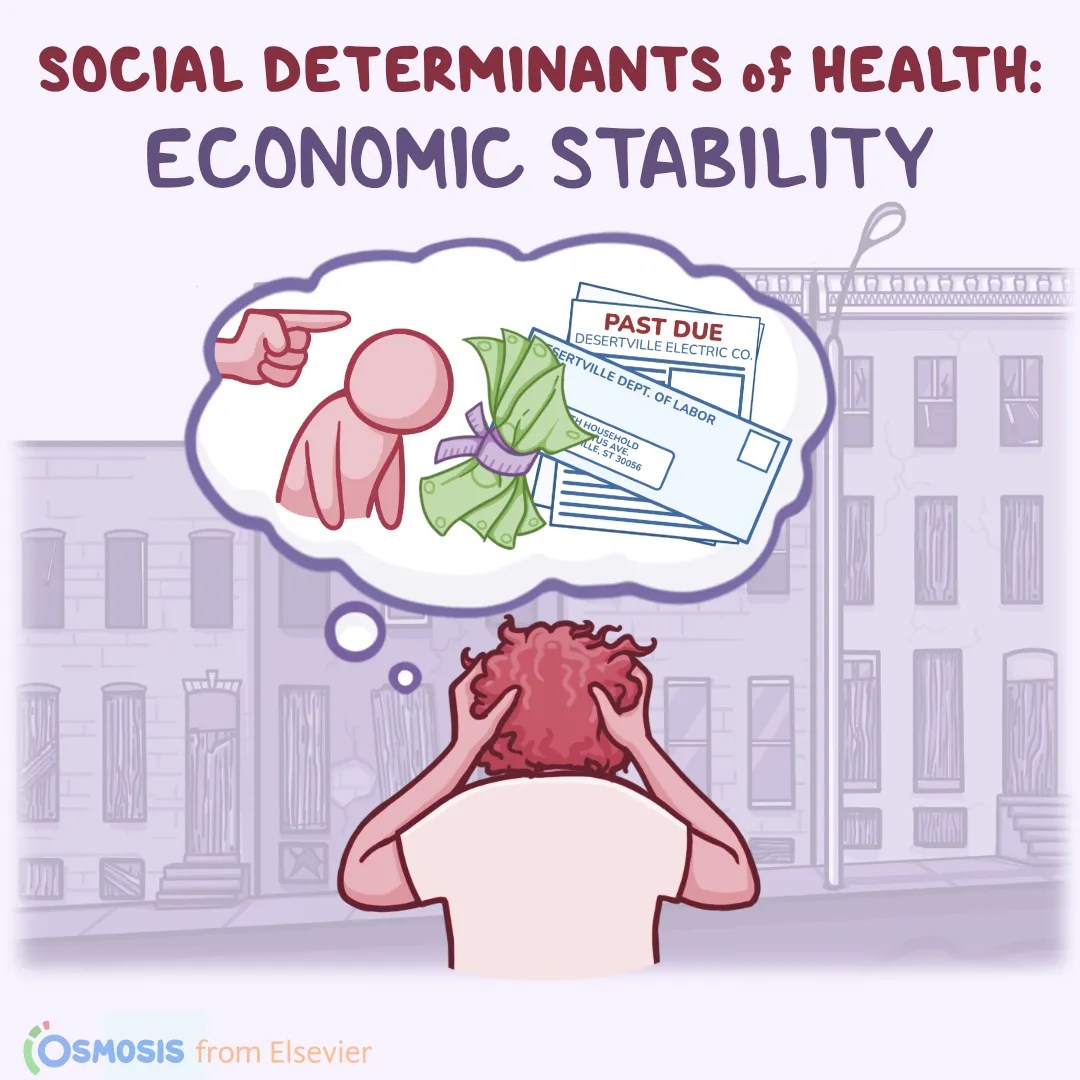
Social Determinants of Health: Economic Stability
— Updated:
Learn about the impact of economic stability on health, the challenges faced by underserved populations, and strategies to improve healthcare access and equity.
-
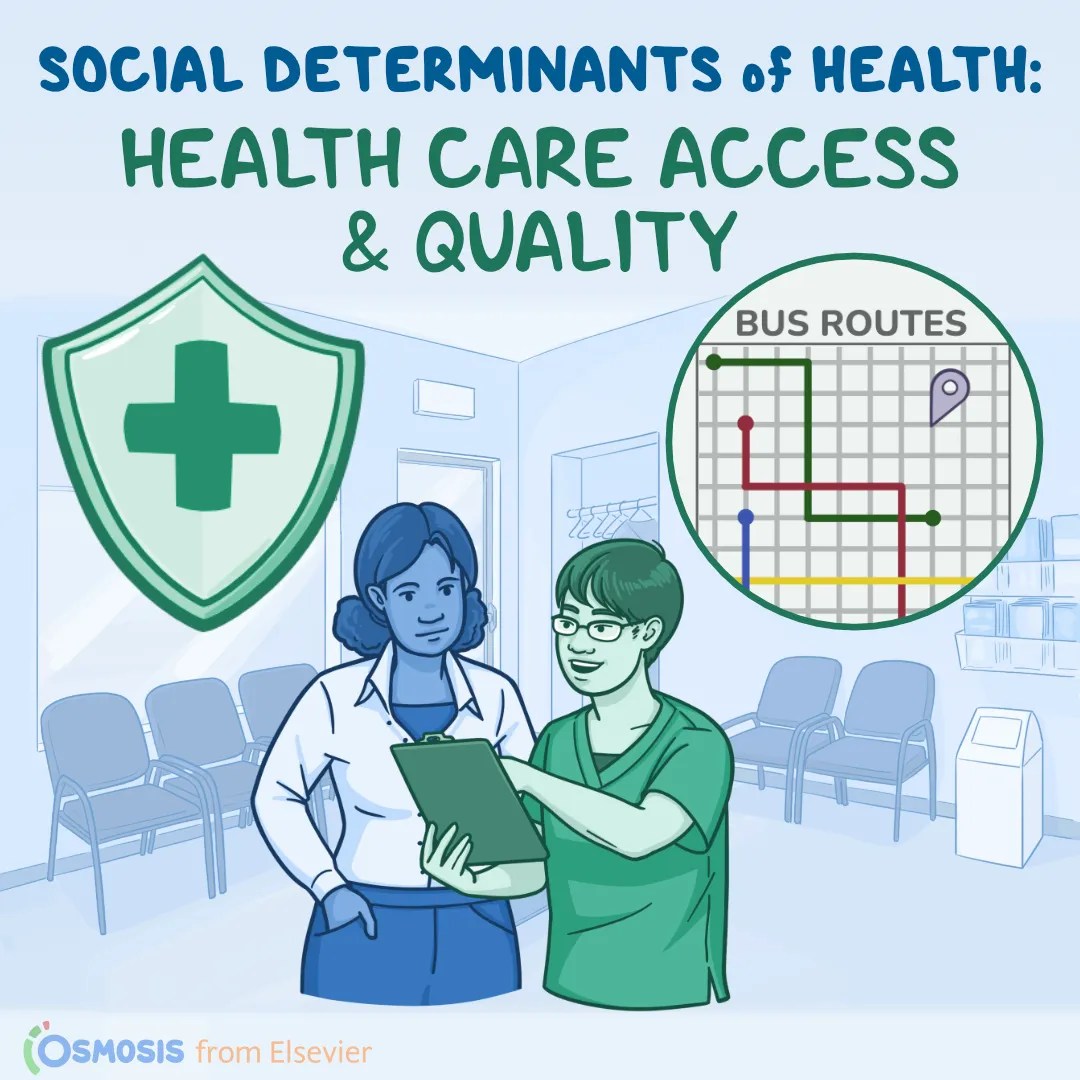
Social Determinants of Health: Health Care Access and Quality
— Updated:
Explore how social determinants like healthcare access and quality affect patient outcomes and what you can do to promote equity as a clinician.
-
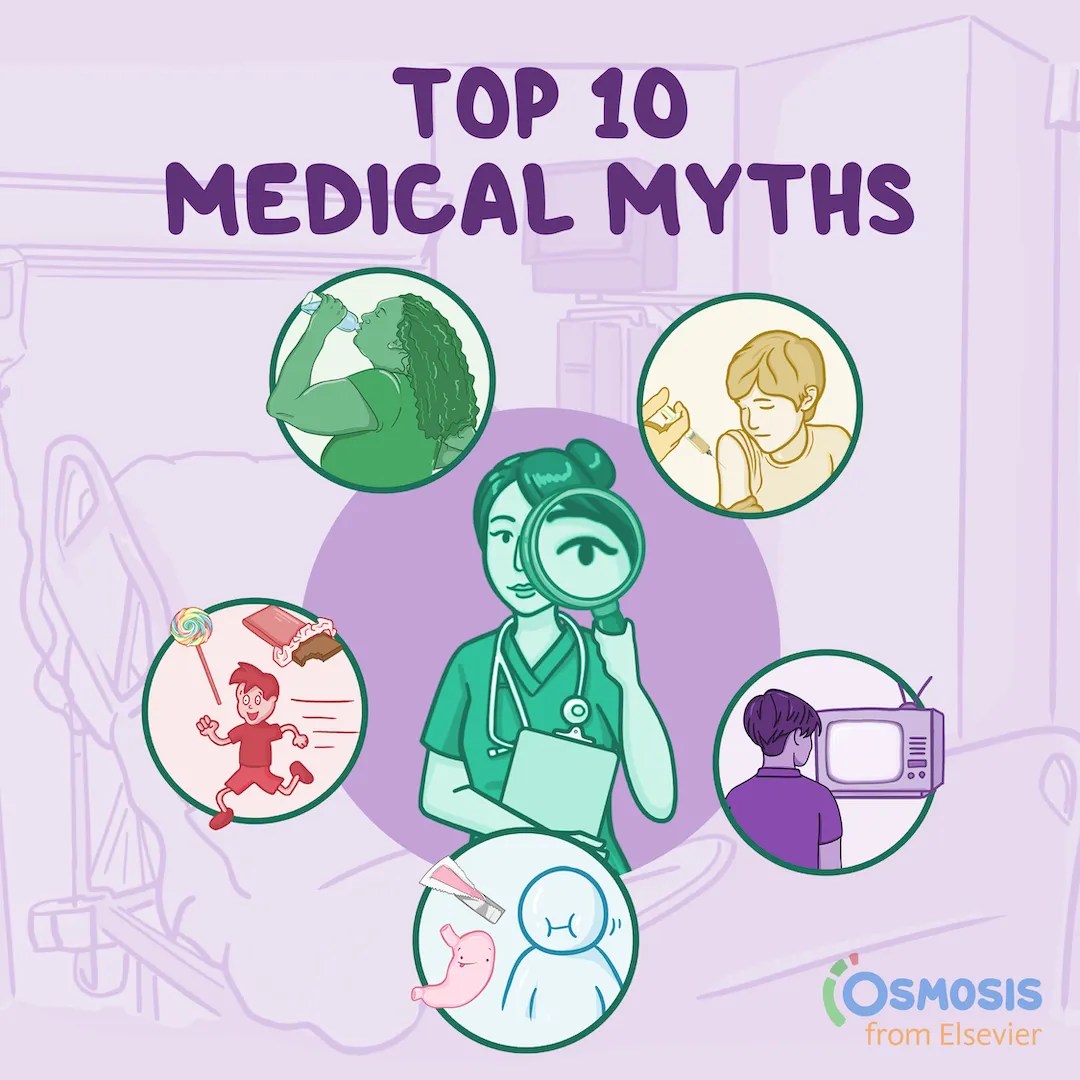
Top 10 Medical Myths: What Your Patients Should Know
— Updated:
Does chewing gum stays in your stomach for seven years and does sugar makes kids hyperactive? Share these ten top medical misconceptions to foster informed discussions and enhance patient trust.