
Category: Physician Assistants/Associates (PA)
-
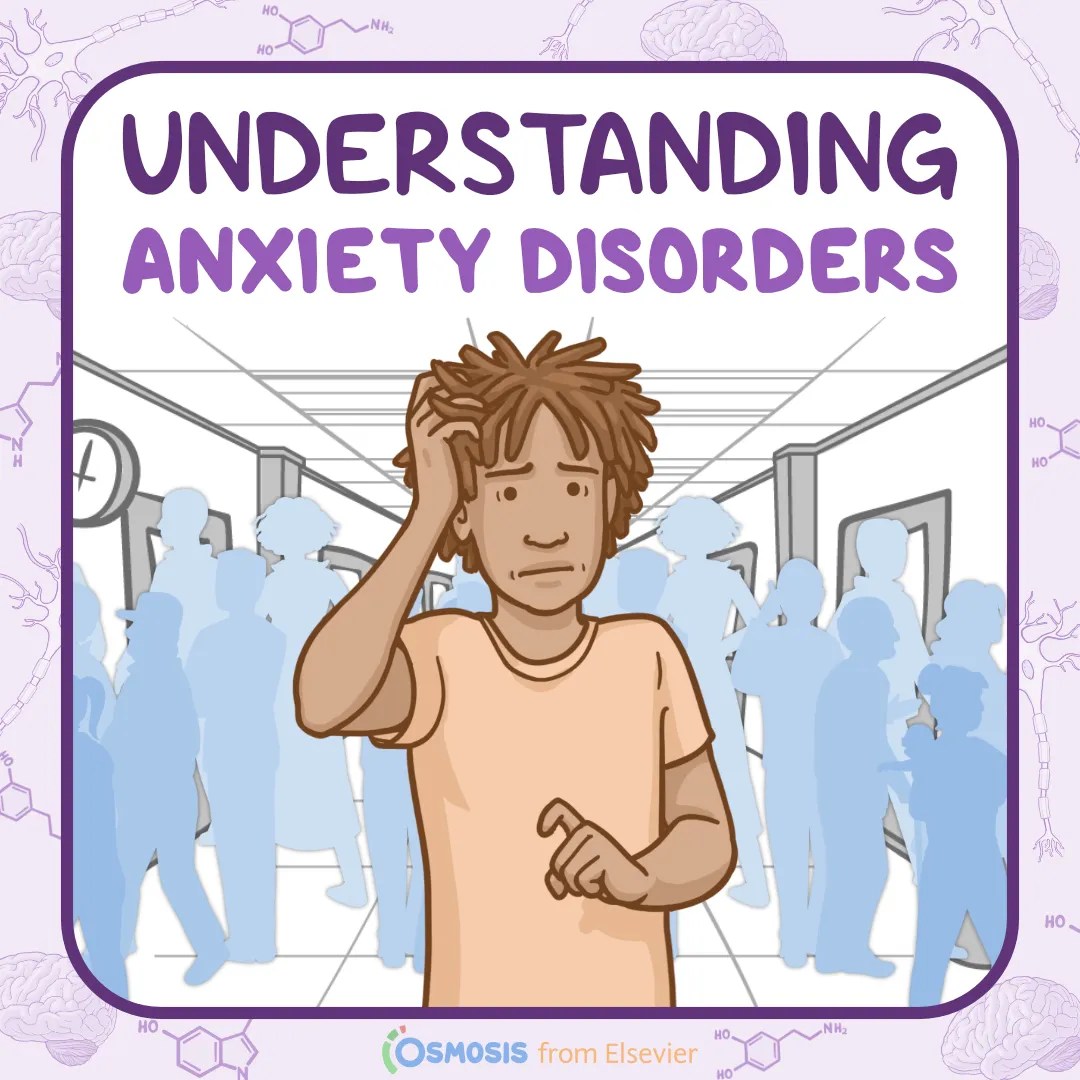
Understanding Anxiety Disorders: A helpful guide for health professionals
— Updated:
We all experience feelings of nervousness, worry, fear, or anxiety to the point of discomfort and distress at various points in our lives. Anxiety is a normal response to fear-provoking situations. However, for people who live with an anxiety disorder, these feelings are excessive, persistent, and disrupt the flow of daily…
-
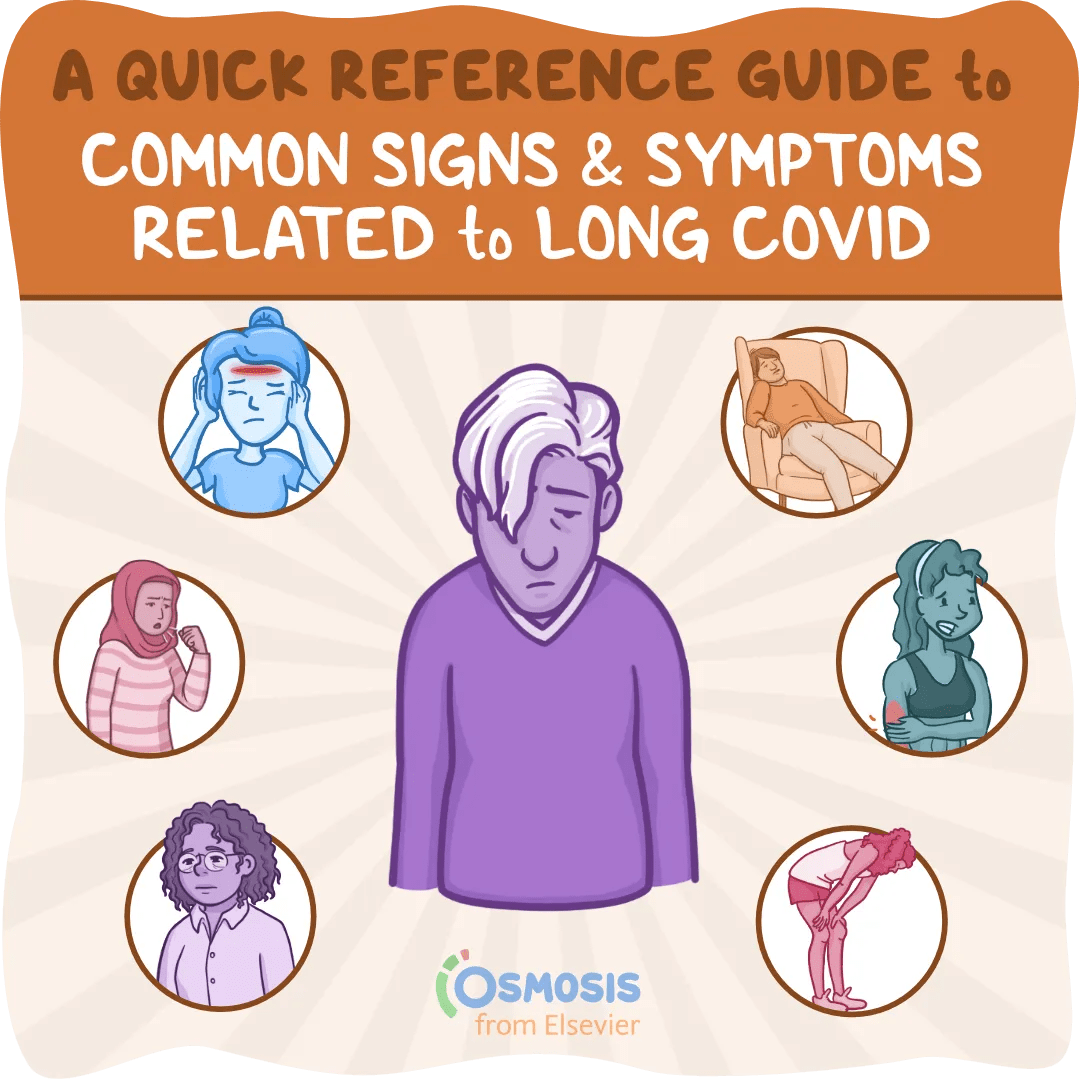
A Quick Reference Guide to Common Conditions Associated with Long Covid
— Updated:
Understanding the common conditions associated with Long COVID is crucial for effective patient care and recovery. This guide explores persistent symptoms such as fatigue, cognitive issues, and dysautonomia, along with evidence-based management strategies to support patients in their healing journey. Equip yourself with the knowledge to navigate the complexities of…
-
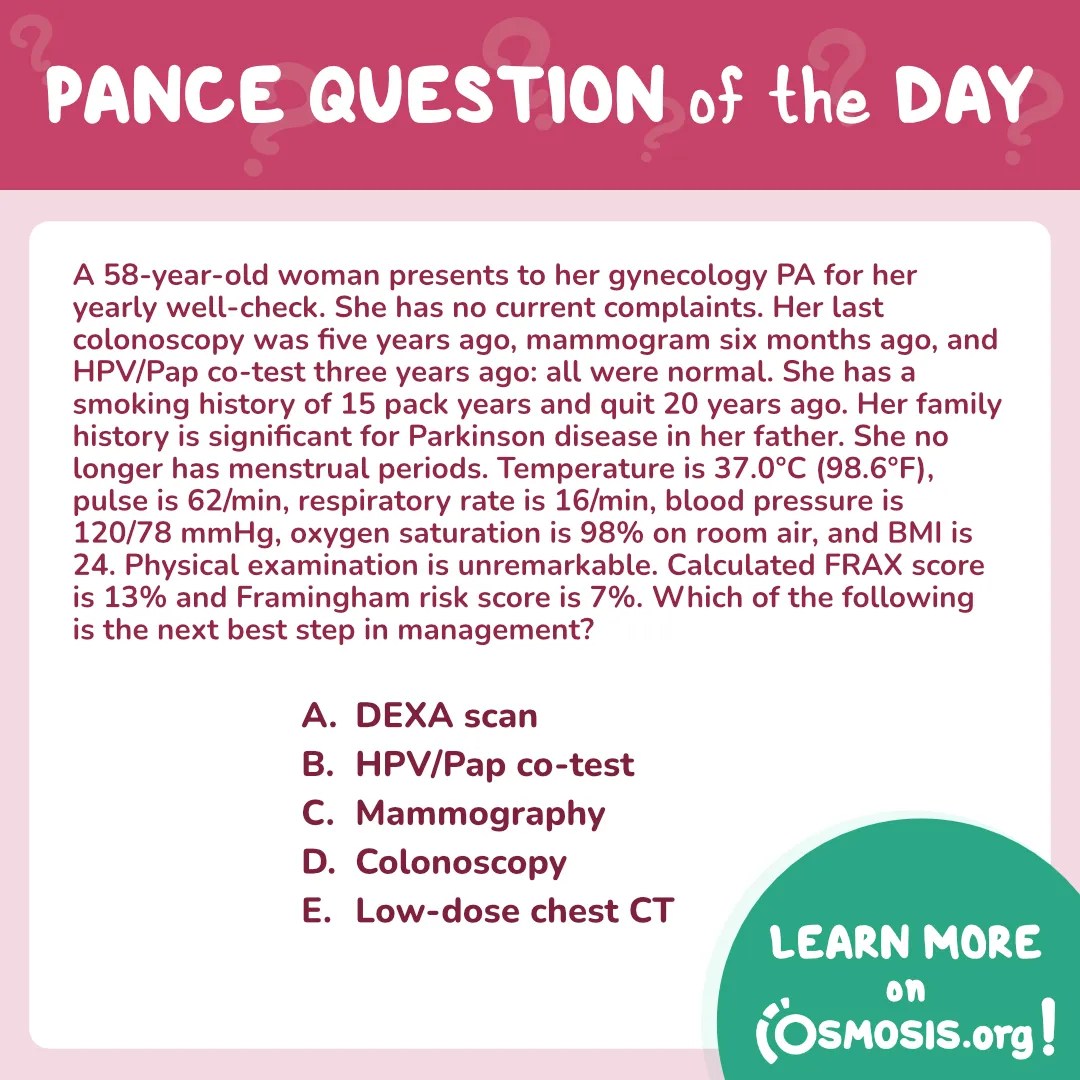
PANCE® Question of the Day: Gynecology exam
— Updated:
Prepare for the PANCE with this question! Learn about osteoporosis screening using FRAX score. Understand when to assess fracture risk in postmenopausal women, even if they’re younger than 65. A 58-year-old woman presents to her gynecology PA for her yearly well-check. She has no current complaints. Her last colonoscopy was…
-
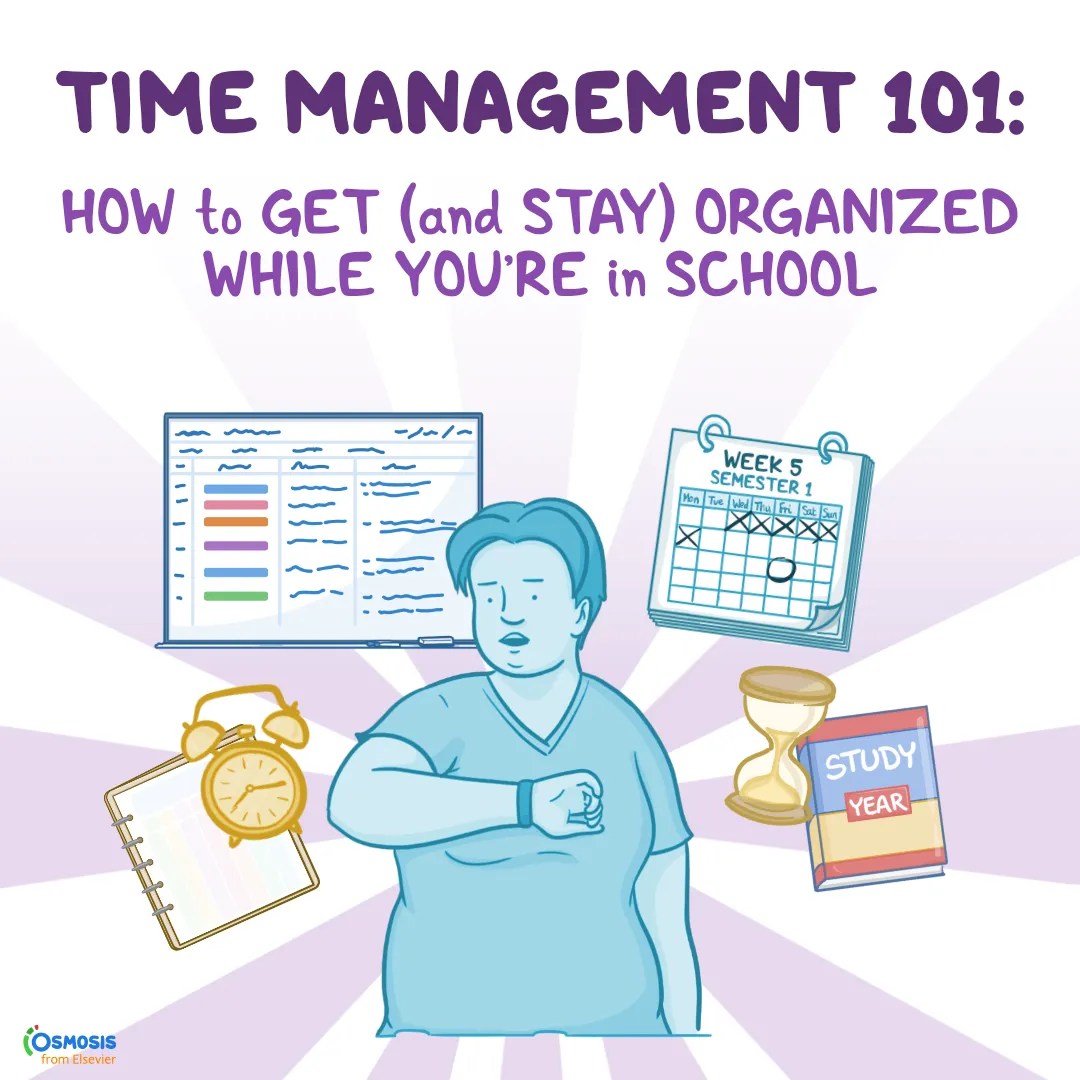
Time Management 101: How to get (and stay) organized while you’re in school
— Updated:
Overwhelmed by the pace of healthcare training? Discover time management tools like the Eisenhower matrix and active learning to boost focus, reduce stress, and improve retention.
-
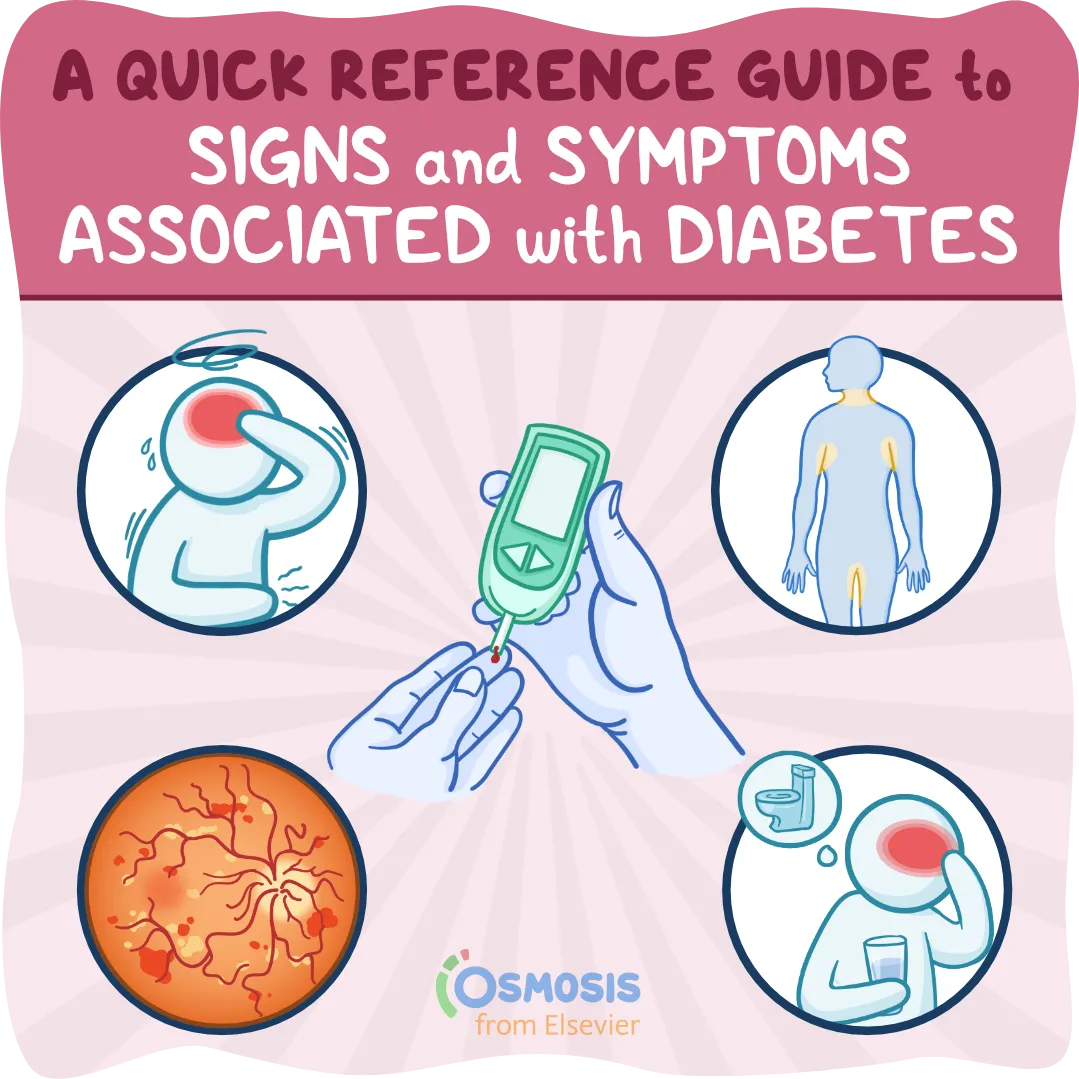
A Quick Reference Guide to Signs and Symptoms Associated with Diabetes Mellitus
— Updated:
Learn to identify common signs and symptoms of diabetes mellitus, including hypoglycemia, hyperglycemia, acanthosis nigricans, and vascular changes, to improve diagnosis and care.
-
Social Determinants of Health: Education Access and Quality
— Updated:
Learn about the vital role of education in health outcomes, the challenges of educational disparities, and strategies to promote equitable access.
-
How to Discuss Sensitive Topics with Your Patients
— Updated:
Enhance your ability to engage patients in sensitive medical discussions with empathy, active listening, and culturally competent communication for better outcomes.
-
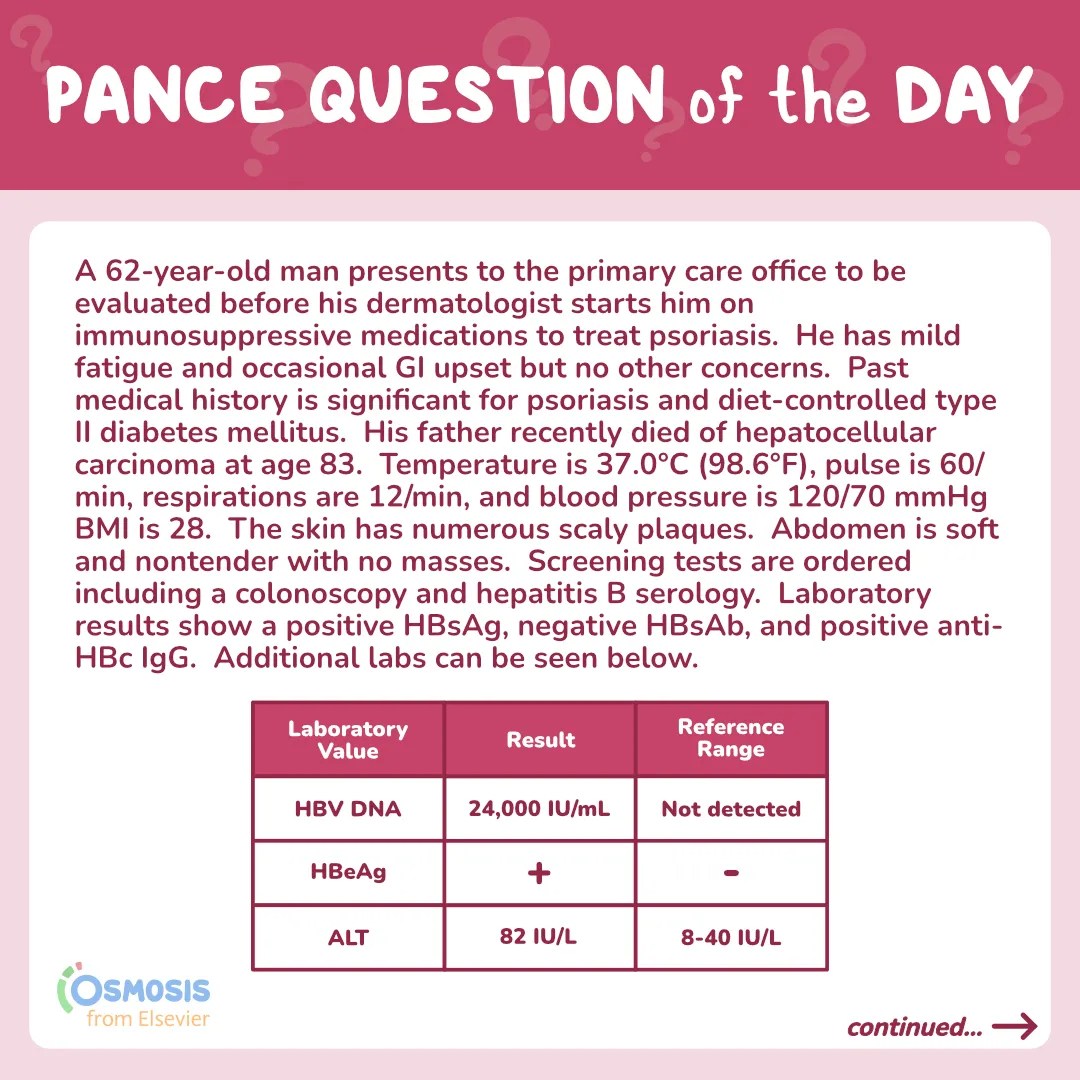
PANCE® Question of the Day: Hepatitis B
— Updated:
Prepare for the PANCE with this comprehensive topic on pulmonary function testing (PFT) in asthma assessment. Follow the case of a 62-year-old man with psoriasis and a family history of hepatocellular carcinoma presents with positive HBsAg, negative HBsAb, and positive anti-HBc IgG. What’s the best next step in management before…
-
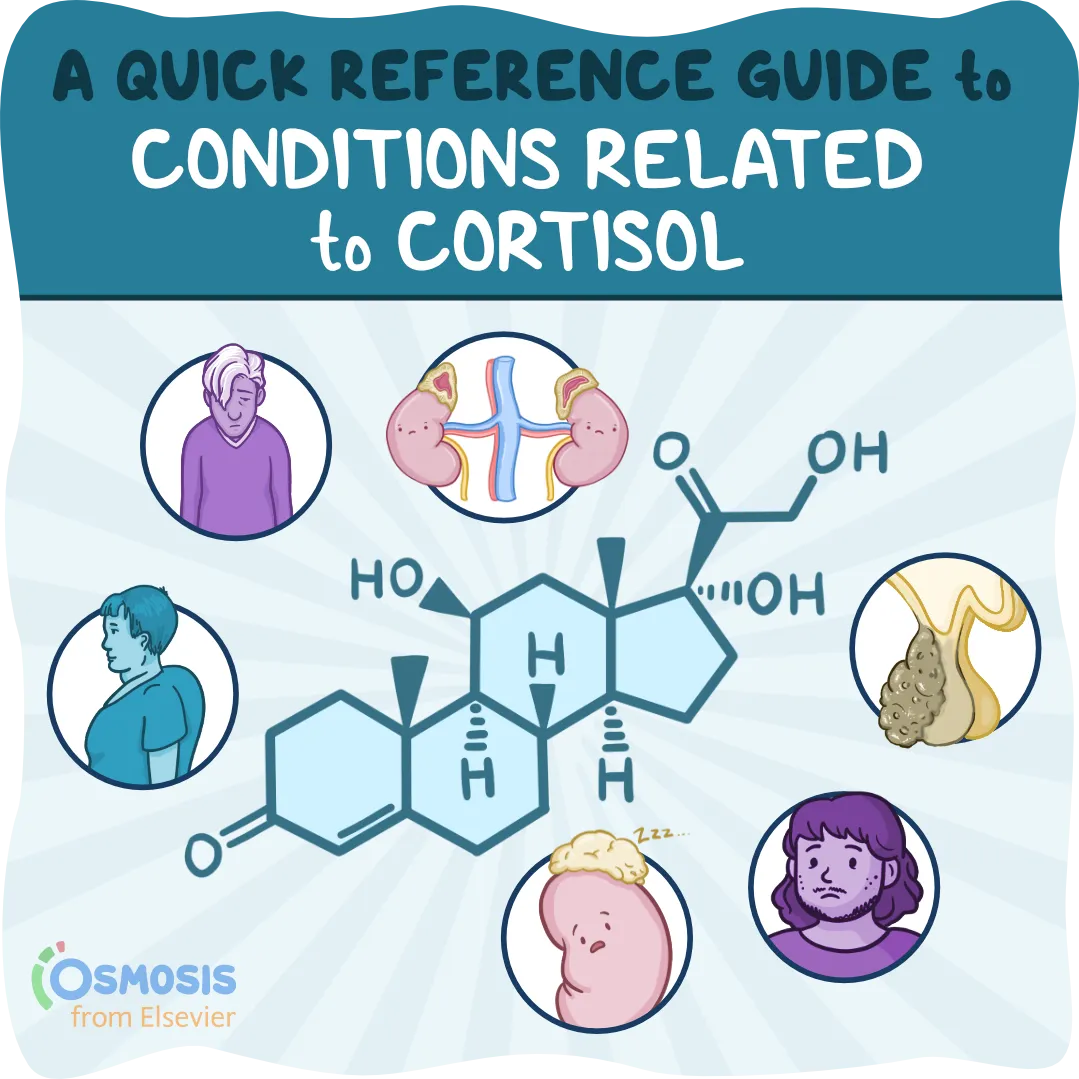
A Quick Reference Guide to Conditions Related to Cortisol
— Updated:
Cortisol imbalances cause diverse health issues from excess to deficiency. Understand hypercortisolism and adrenal insufficiency, their signs, diagnoses, and management strategies.
-
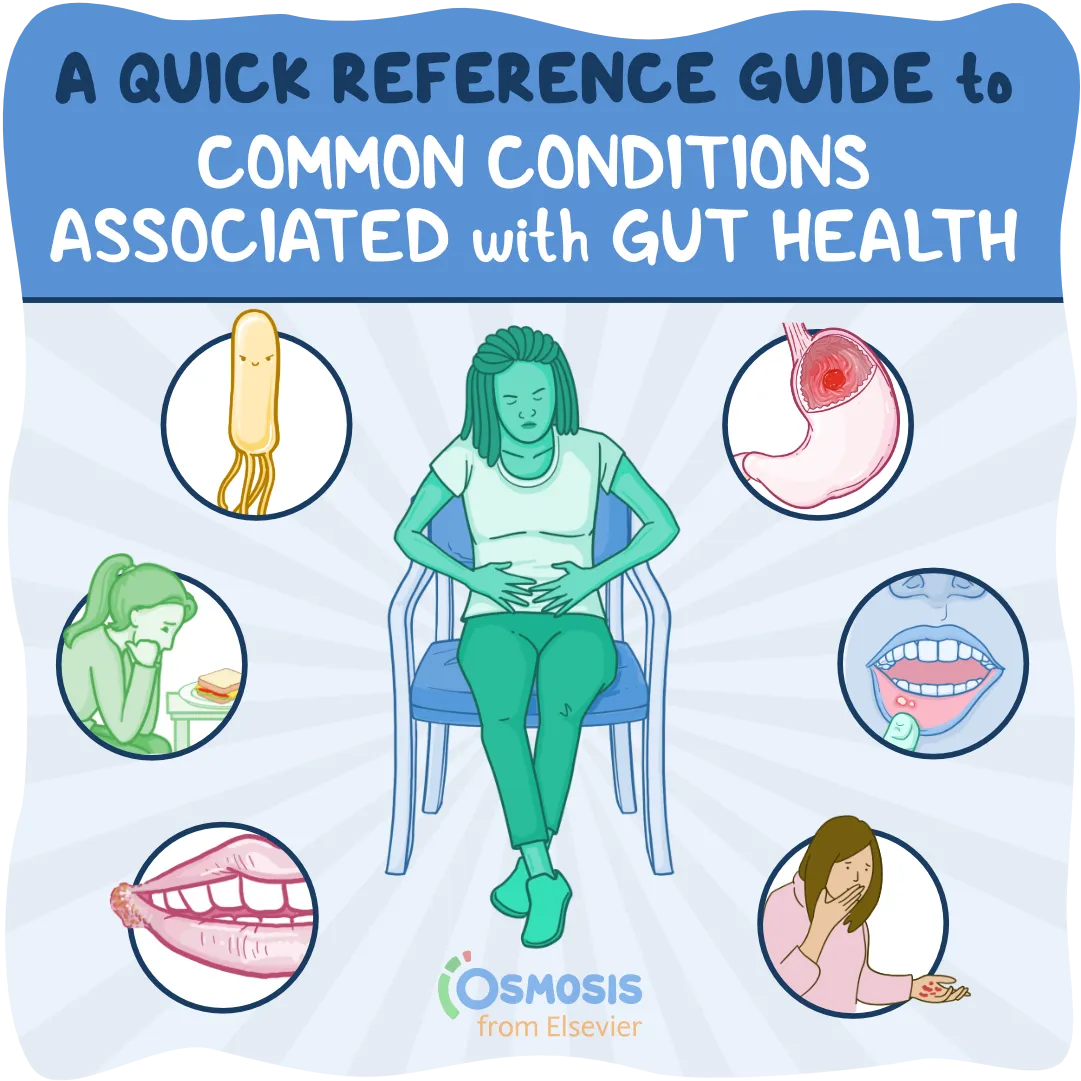
A Quick Reference Guide to Common Conditions Associated with Gut Health
— Updated:
Understand the importance of gut health with our quick reference guide on common gastrointestinal conditions. This article covers dysbiosis, gastritis, and other related disorders, detailing their symptoms, diagnostic methods, and effective treatment strategies. Equip yourself with the knowledge to enhance patient care and promote overall wellness in your practice.
-
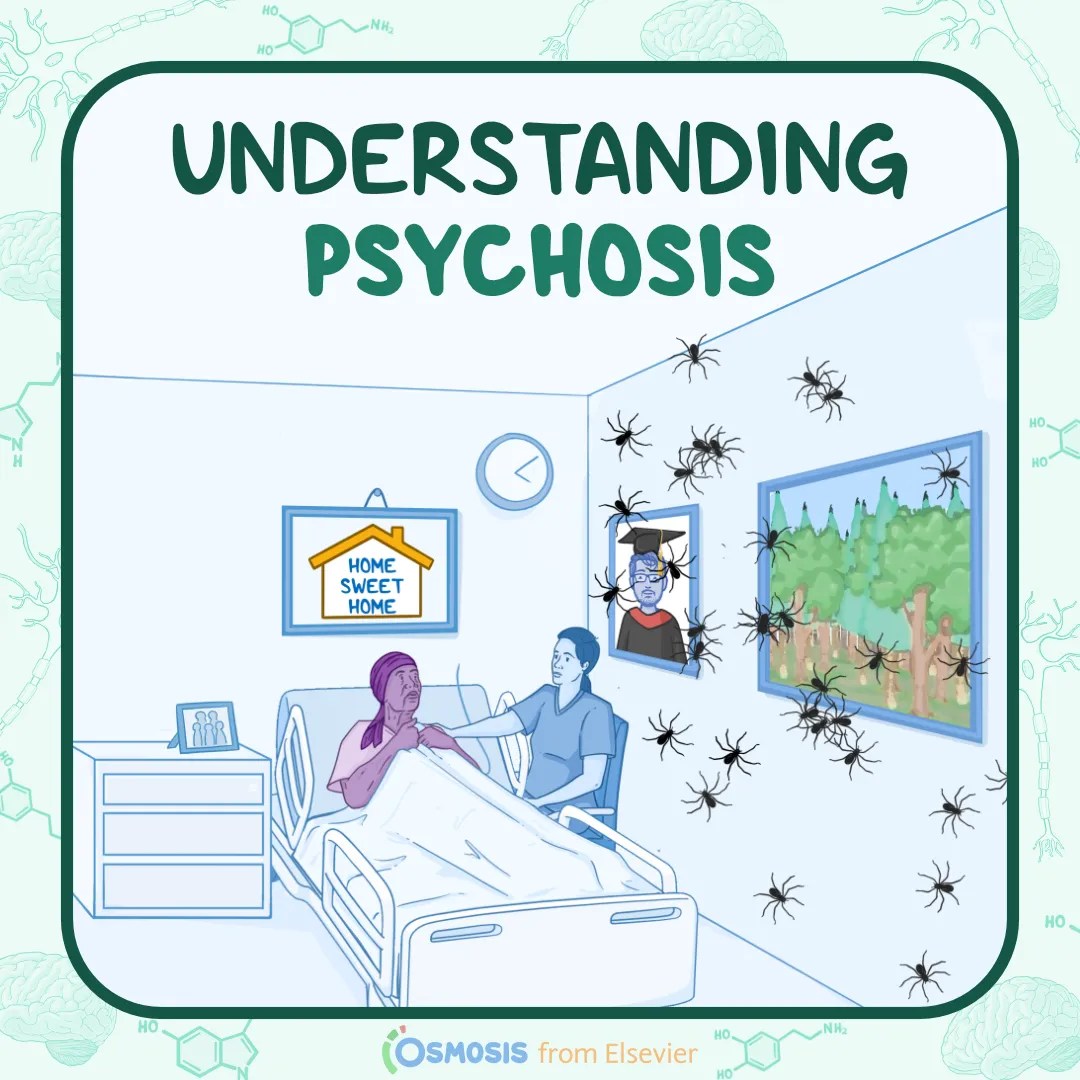
Understanding Psychosis: A helpful guide for health professionals
— Updated:
In today’s Osmosis from Elsevier blog, we’re exploring the impact and causes of psychosis, its diverse symptoms, and the importance of early intervention. Learn how to recognize, support, and reduce stigma as a clinician, caregiver, or family member. Imagine if how you perceive reality changed radically, with a disconnect in…
-
Black Health Inequity: A Cry for Equity and Justice for All
— Updated:
In a guest blog post, Dr. Itunu Johnson-Sogbetun addresses the everyday reality of health inequity for Black communities worldwide, as well as her pioneering work in creating HEAL, Health Equity and Advocacy Learning courses, developed to confront health disparities head-on and guide us to equitable access to healthcare for all.…
-
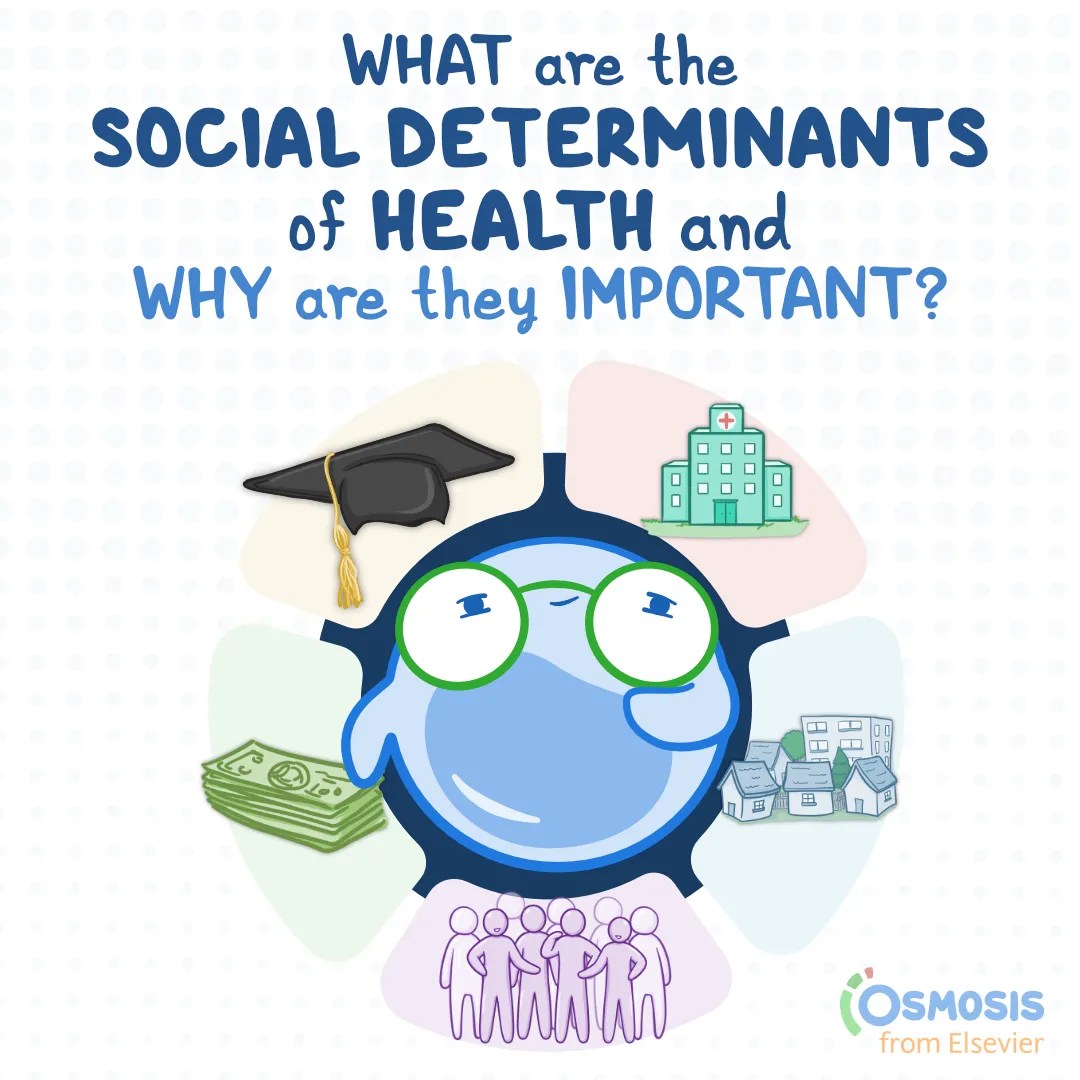
What Are the Social Determinants of Health and Why Are They Important?
— Updated:
Discover how social, economic, and environmental factors influence health beyond genetics, shaping disparities and opportunities in healthcare access.
-
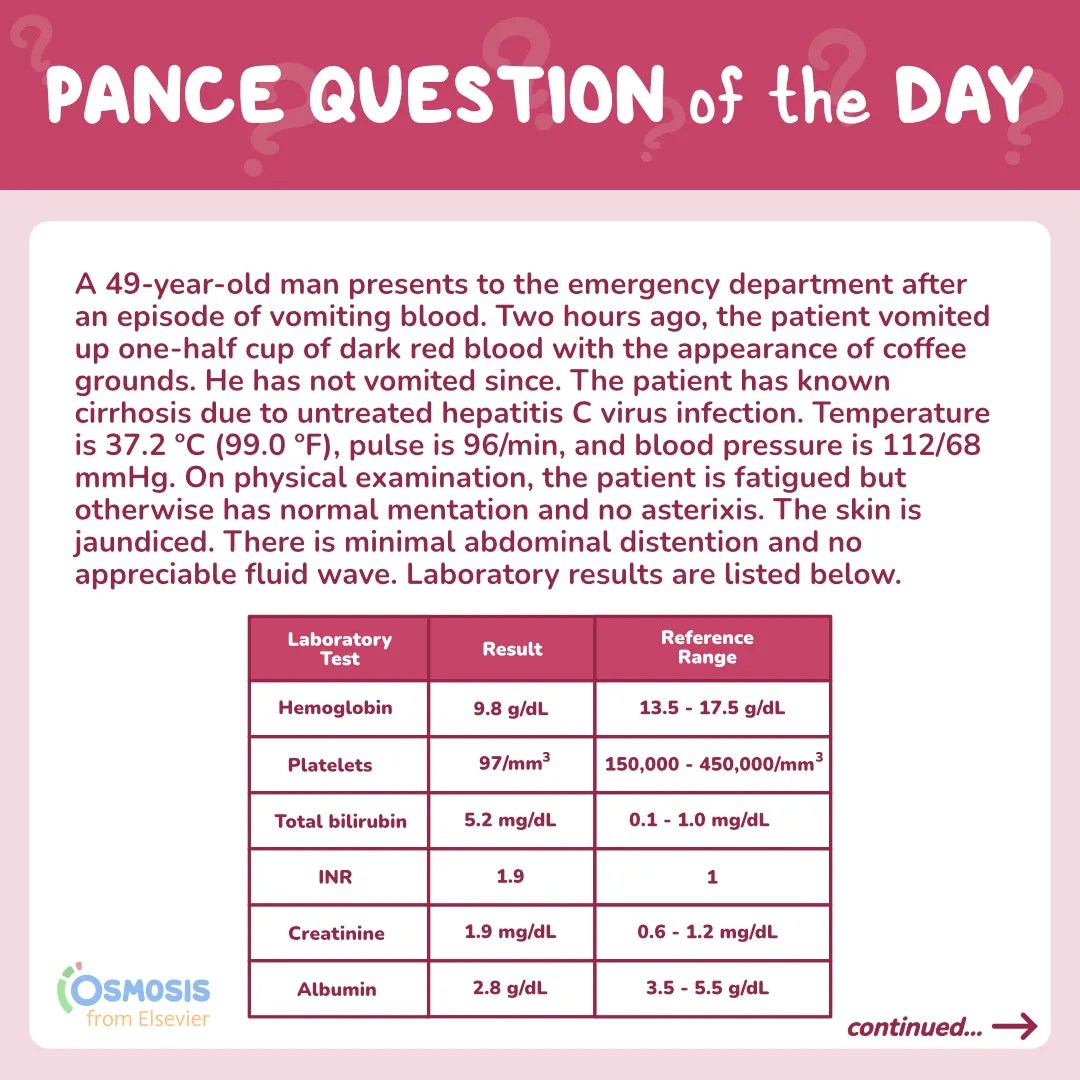
PANCE® Question of the Day: Hepatitis C
— Updated:
This week, we are sharing another PANCE®-style practice question to test your knowledge of medical topics. Today’s case focuses on a 49-year-old man with cirrhosis and vomiting blood. Explore his symptoms, physical examination findings, and lab results to determine the most appropriate treatment. Learn more about this critical medical scenario. A…
-

11 Tips for Taking a Patient History
— Updated:
A comprehensive medical history is vital for an accurate diagnosis, developing personalized treatment plans, and establishing a good rapport with your patients. On today’s Osmosis blog, let’s take note of some helpful tips for recording a high-quality medical history.
-
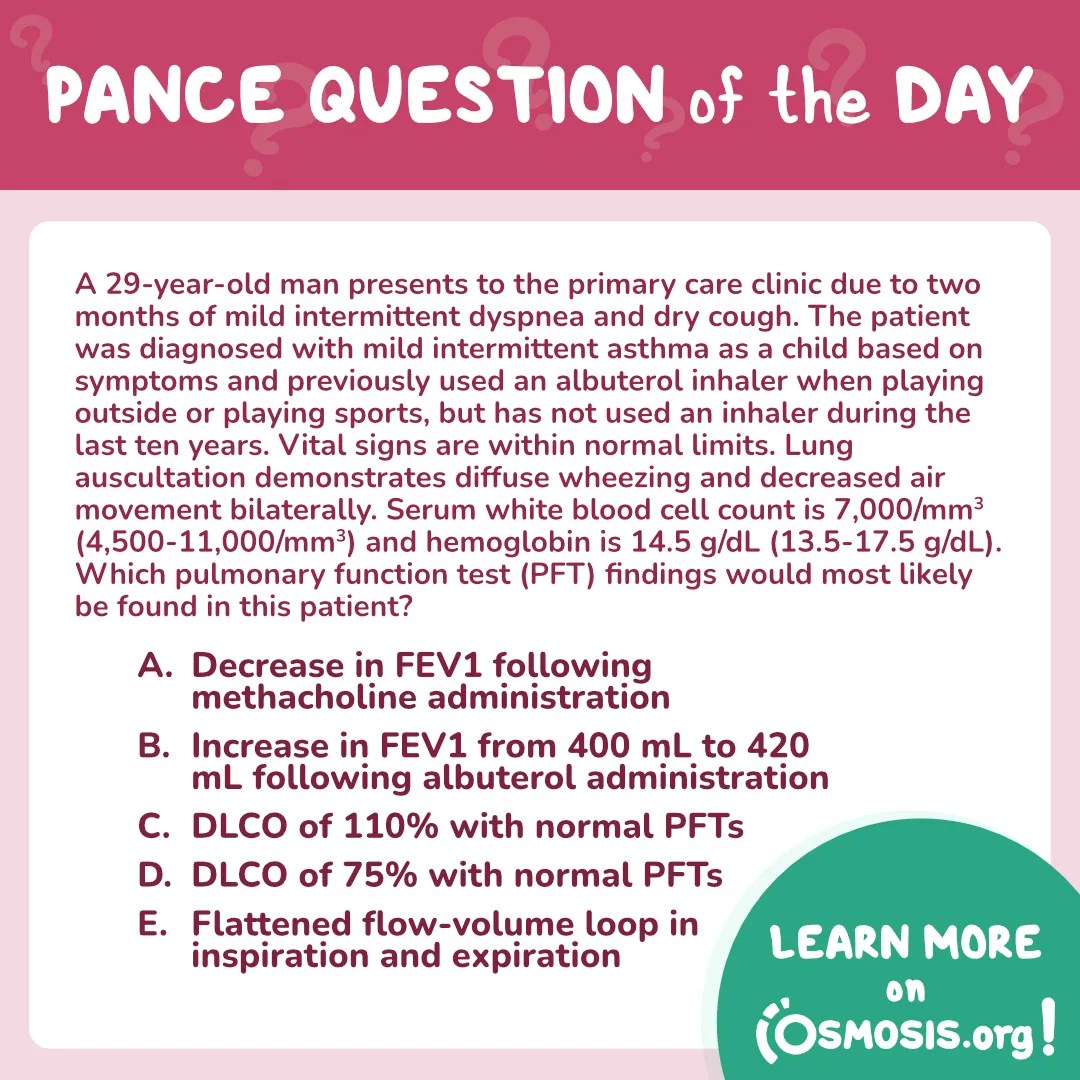
PANCE® Question of the Day: Pulmonary function test (PFT)
— Updated:
Prepare for the PANCE with this comprehensive topic on pulmonary function testing (PFT) in asthma assessment. Follow the case of a 29-year-old man presenting with dyspnea and dry cough, with a history of childhood asthma. Explore the vital signs, lung auscultation, and laboratory findings to determine the most likely PFT…
-
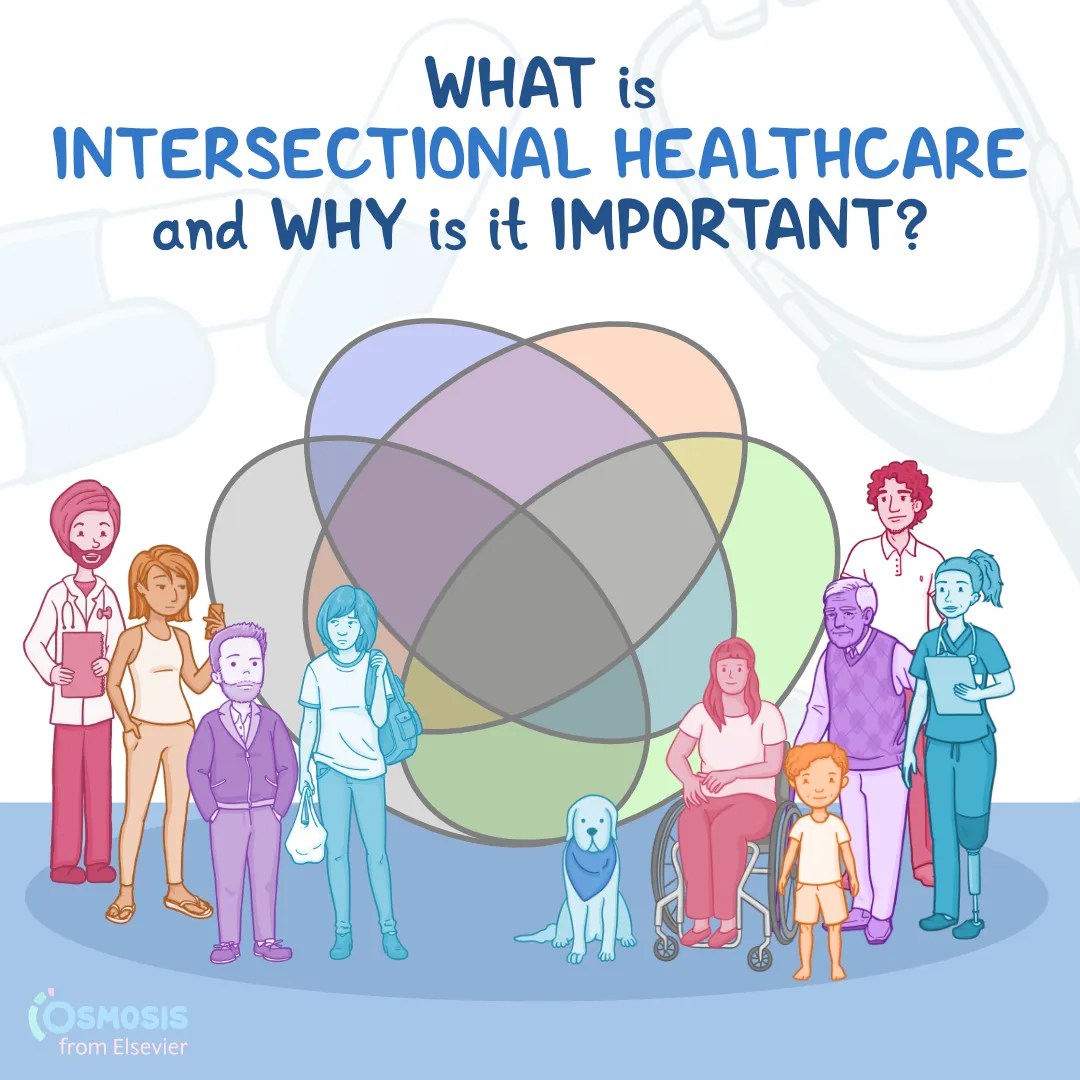
What Is Intersectional Healthcare and Why Is It Important?
— Updated:
Learn how intersectionality shapes patient experiences and how healthcare providers can deliver more equitable, respectful, and effective care.
-
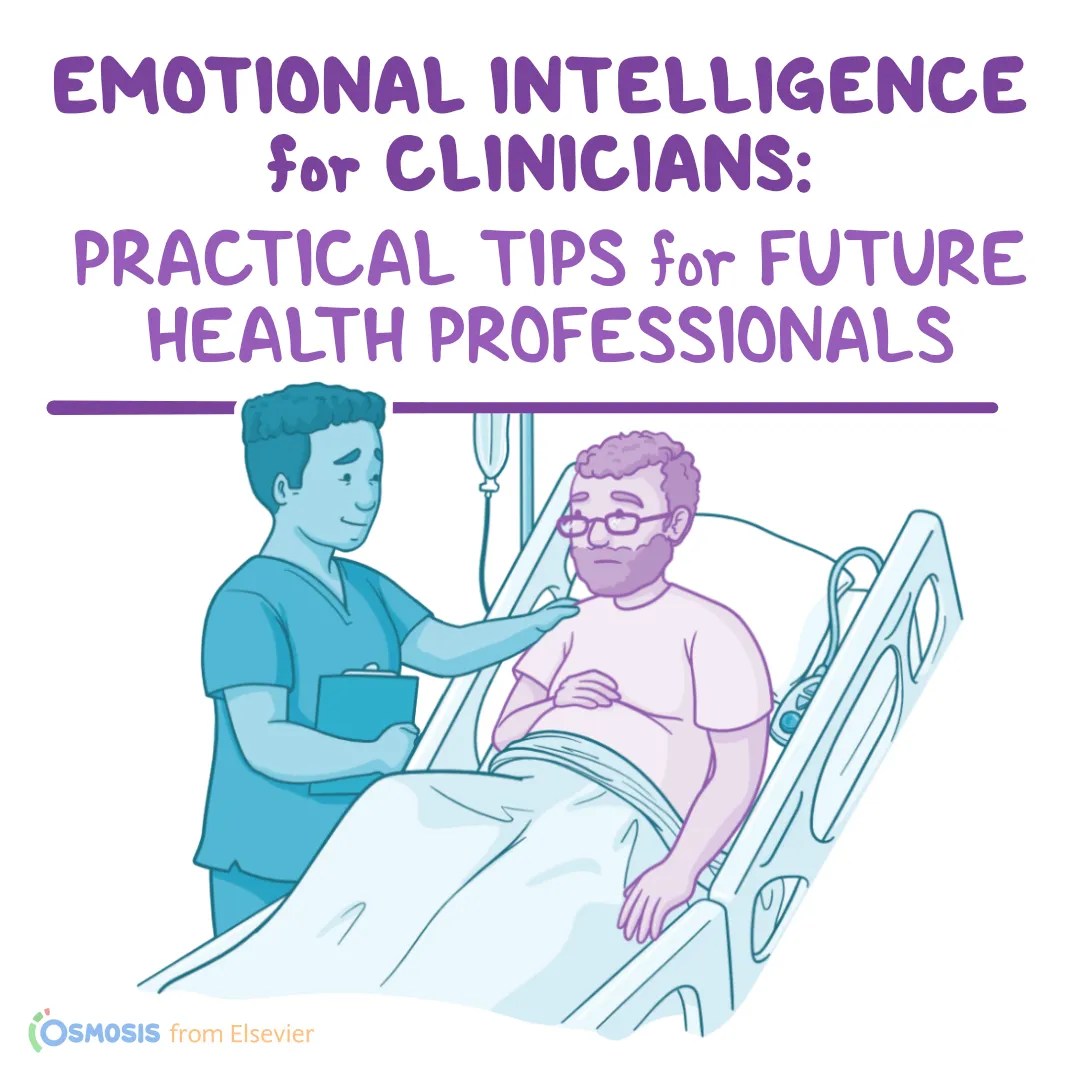
Emotional Intelligence for Clinicians: Practical tips for future health professionals
— Updated:
Dr. Amin Azzam recently hosted an Osmosis webinar offering valuable advice on the importance of emotional intelligence and resilience in healthcare. In today’s Osmosis blog, we’re sharing his top-notch advice and discussing the crucial role EI, EQ, and emotional well-being play in today’s healthcare landscape. It should be no surprise that characteristics…
-
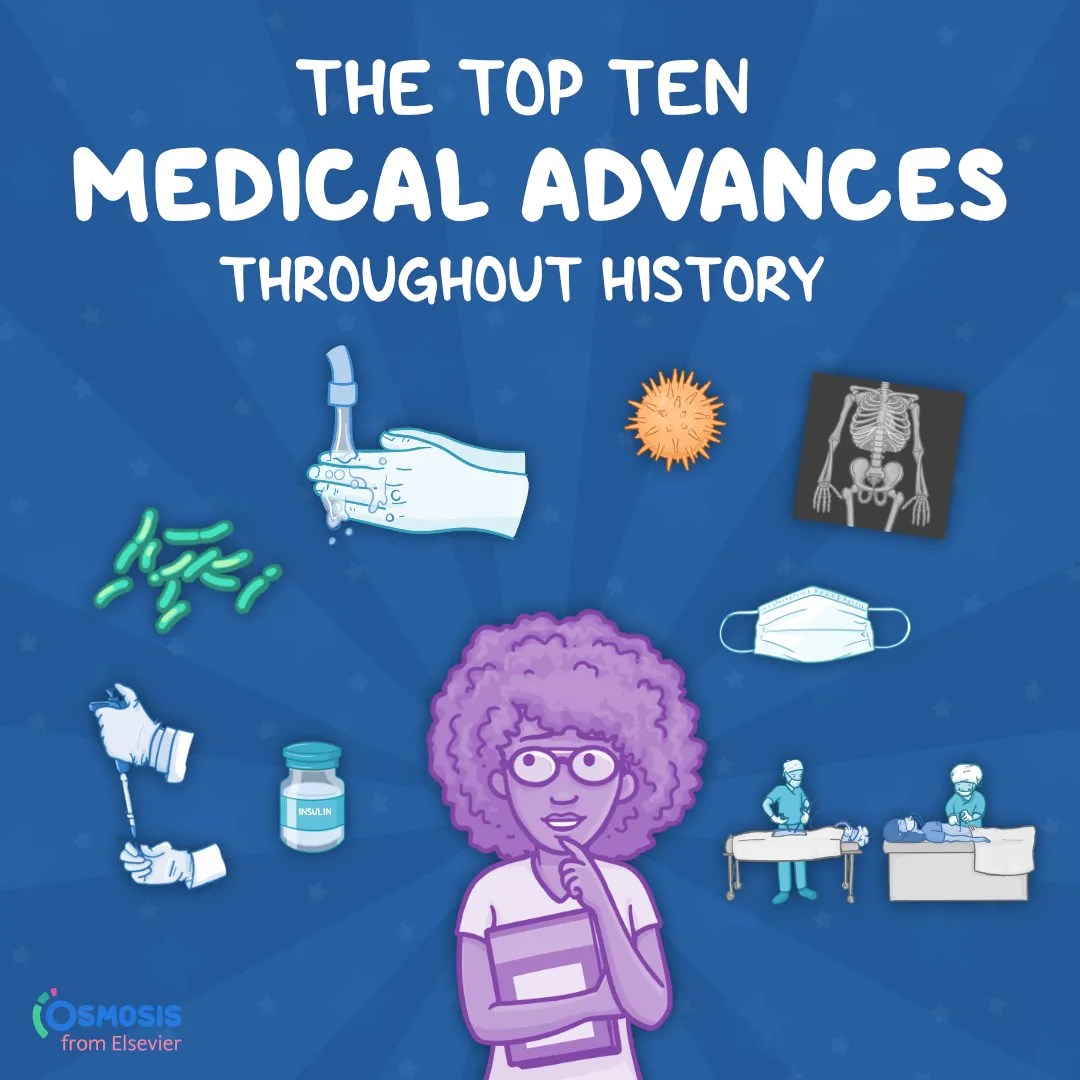
The Top 10 Medical Advances in History
— Updated:
Explore ten key medical advances such as antibiotics, vaccines, anesthesia, and AI that have transformed healthcare and boosted global life expectancy.
-
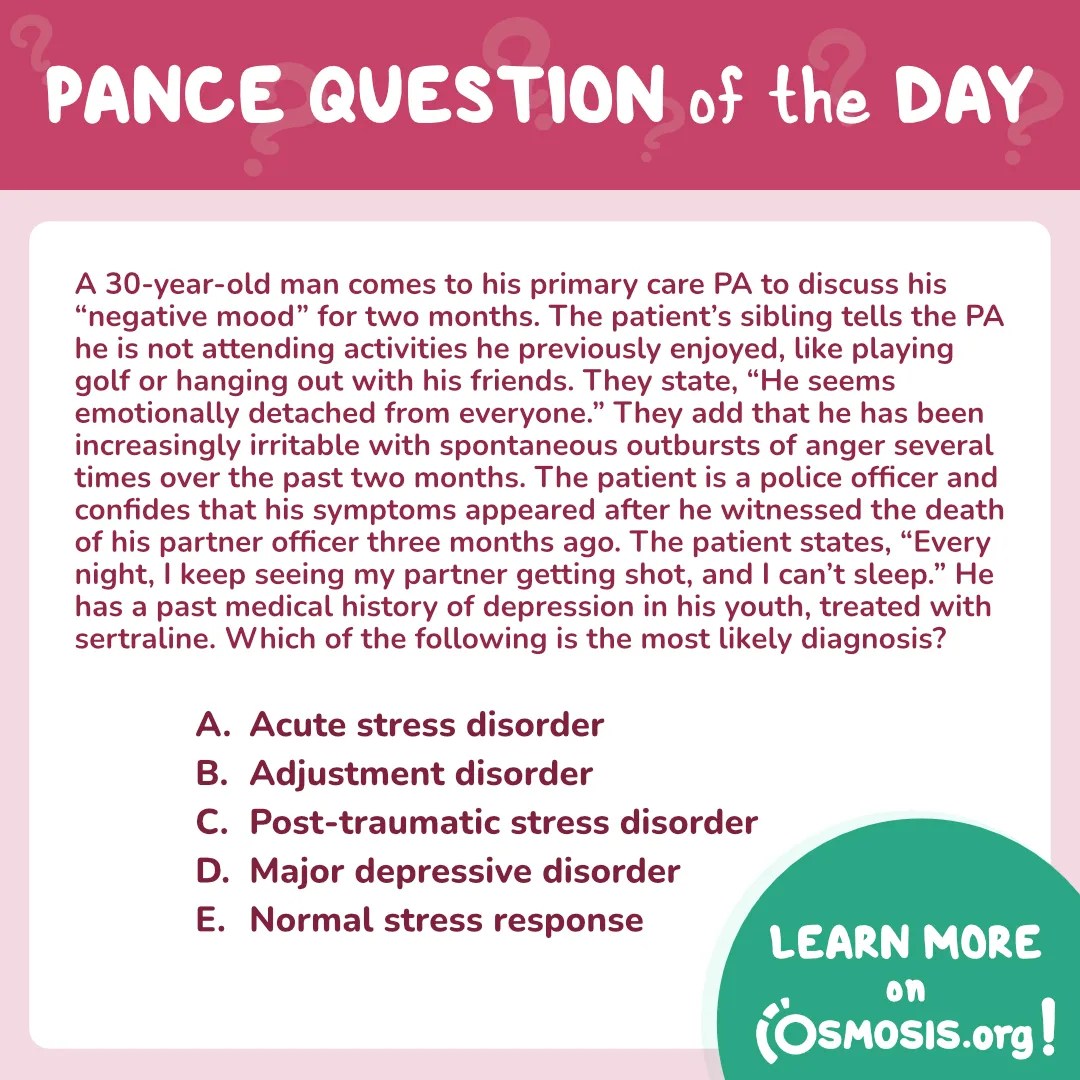
PANCE® Question of the Day: Post-traumatic stress disorder (PTSD)
— Updated:
This week, we are sharing another PANCE® style practice question to test your knowledge of medical topics. Today’s case focuses on a 30-year-old man with a history of depression presents to his primary care PA with symptoms of negative mood, emotional detachment, and irritability following the death of his partner officer.…
-
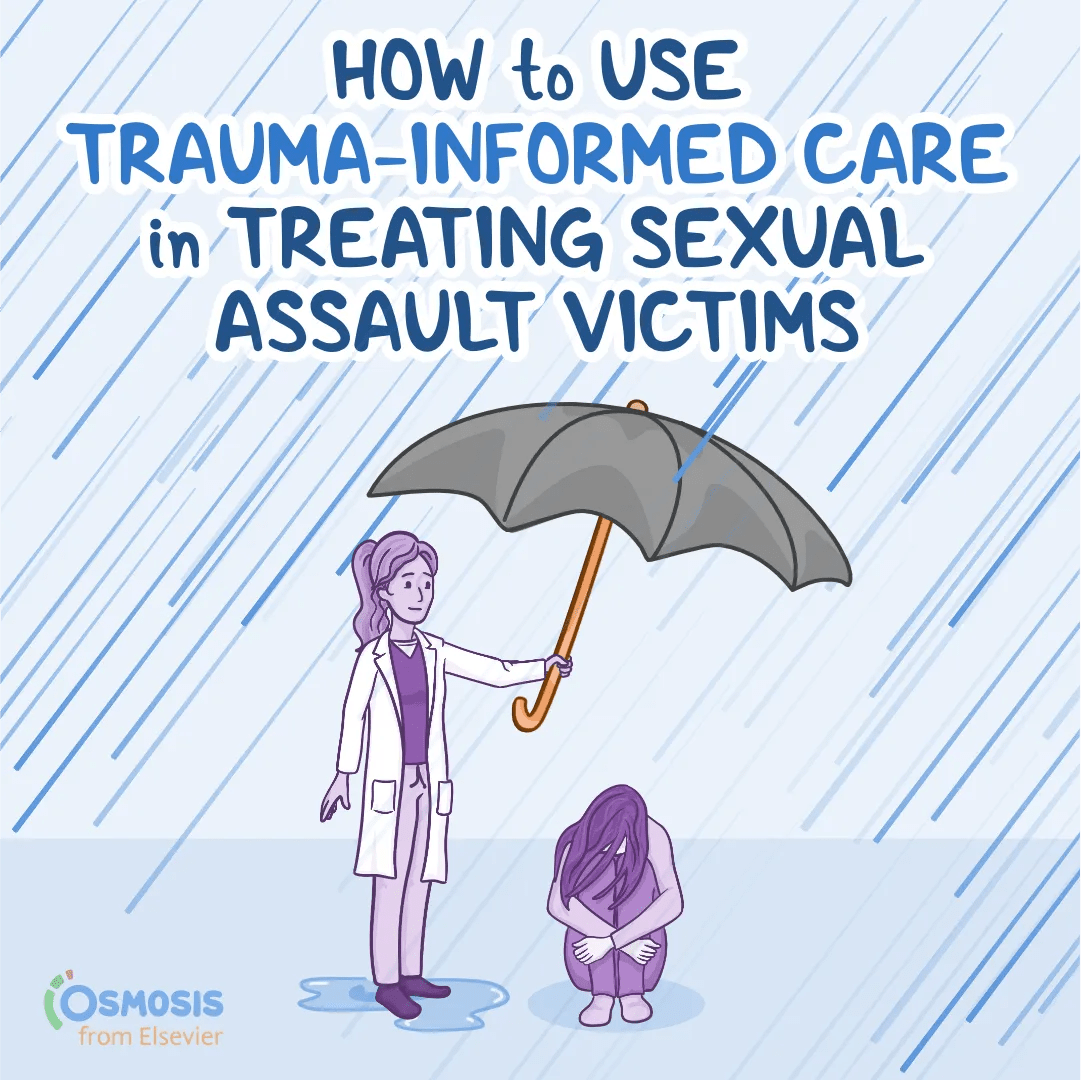
How to Use Trauma-Informed Care in Treating Sexual Assault Victims
— Updated:
Explore the principles and benefits of trauma-informed care for sexual assault survivors and trauma patients, emphasizing empathy, safety, and effective communication.
-
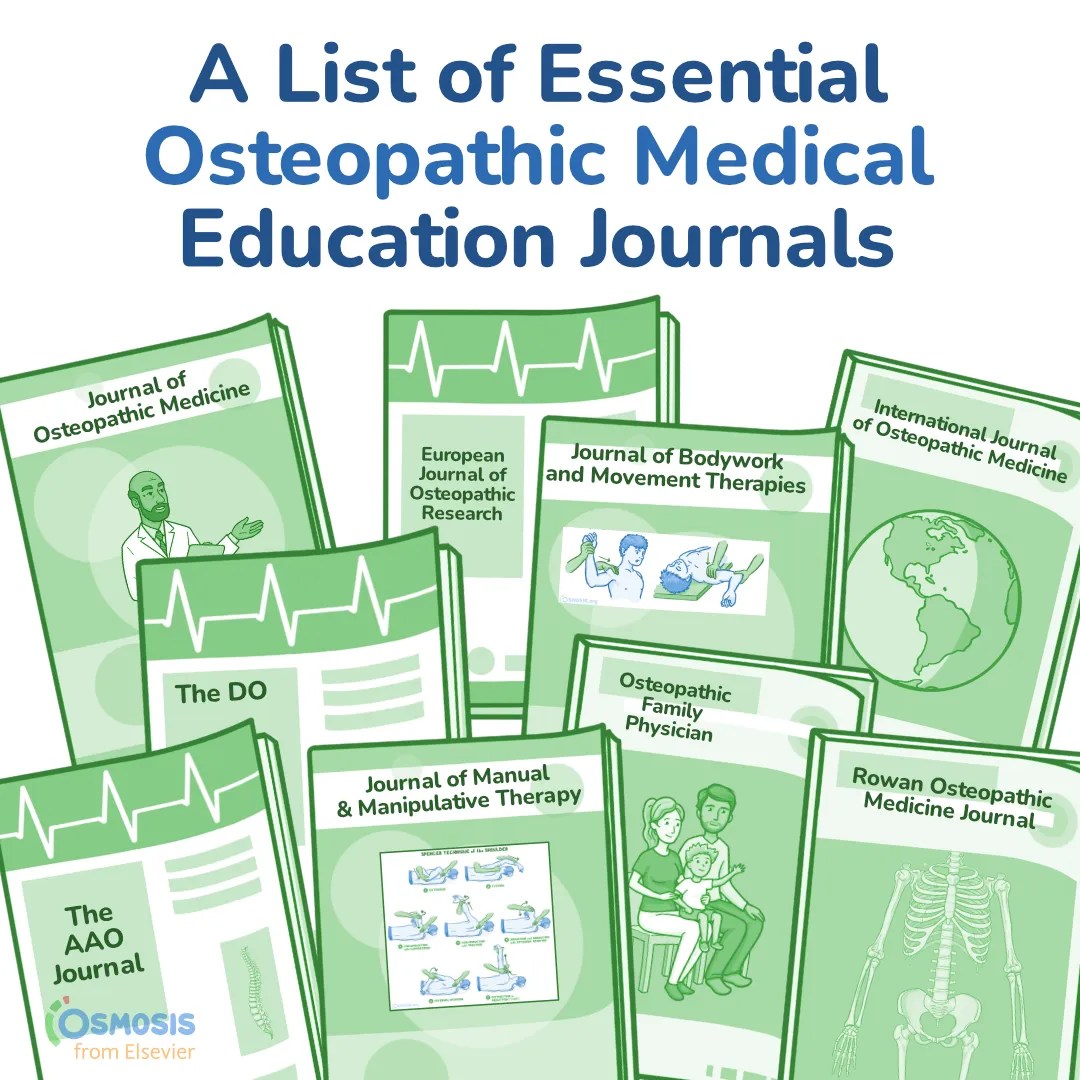
A List of Essential Osteopathic Medical Education Journals
— Updated:
Osteopathic medical education research improves teaching and training strategies, helps determine effective policies for the field, and shapes the future of clinical practice. Read on to learn more about current osteopathy-focused journals in today’s Osmosis blog.
-
How to Maintain a Good Work-Life Balance as a Physician Assistant
— Updated:
Physician assistants, or PAs, are often unsung heroes in healthcare. In addition to supporting doctors in the office, PAs decrease physician workloads by handling tedious tasks like suturing after a long session of surgery or taking on administrative duties such as managing prescriptions. PAs also provide doctors with the ability…
-
What’s in a Name? Why PAs Want to Evolve from Assistant to Associate
— Updated:
In May 2021, the American Academy of Physician Associates (AAPA) voted to pass a resolution to change the official title of “Physician Assistant” to “Physician Associate” after years of research and debate. Here’s why they’re making the change. A brief history of PAs In the mid-1960s, physicians and educators were…
-
Living With Hypochondria or Illness Anxiety Disorder: A Patient’s Perspective
— Updated:
Read about living with Illness Anxiety Disorder, the impact of chronic health fears, and the critical role of empathy in medical care.
-

The Best Medical Podcasts
— Updated:
Medical podcasts provide a cost and time-effective way for physicians and medical students to learn more about the field of medicine. Whether it’s keeping up to date on the latest research or learning how to avoid burnout, the best medical podcasts provide countless learning opportunities that help you become a better…
-

Active Recall: The Most Effective High-Yield Learning Technique
— Updated:
Are you maximizing your study effectiveness? Many healthcare and medical students rely on familiar methods like rereading text or flashcards without realizing it’s less effective. Discover science-backed study techniques that can improve learning, boost your exam performance, and transform your study habits.
-
Words Matter: The Power of Inclusive Language in Medicine
— Updated:
As healthcare professionals, you will be called on to continue learning and growing for the duration of your career. Yes, you’ll know more as a seasoned worker than someone fresh out of school. However, you will also build up automatic responses and—yes, it happens even to the best of us—blind…
-
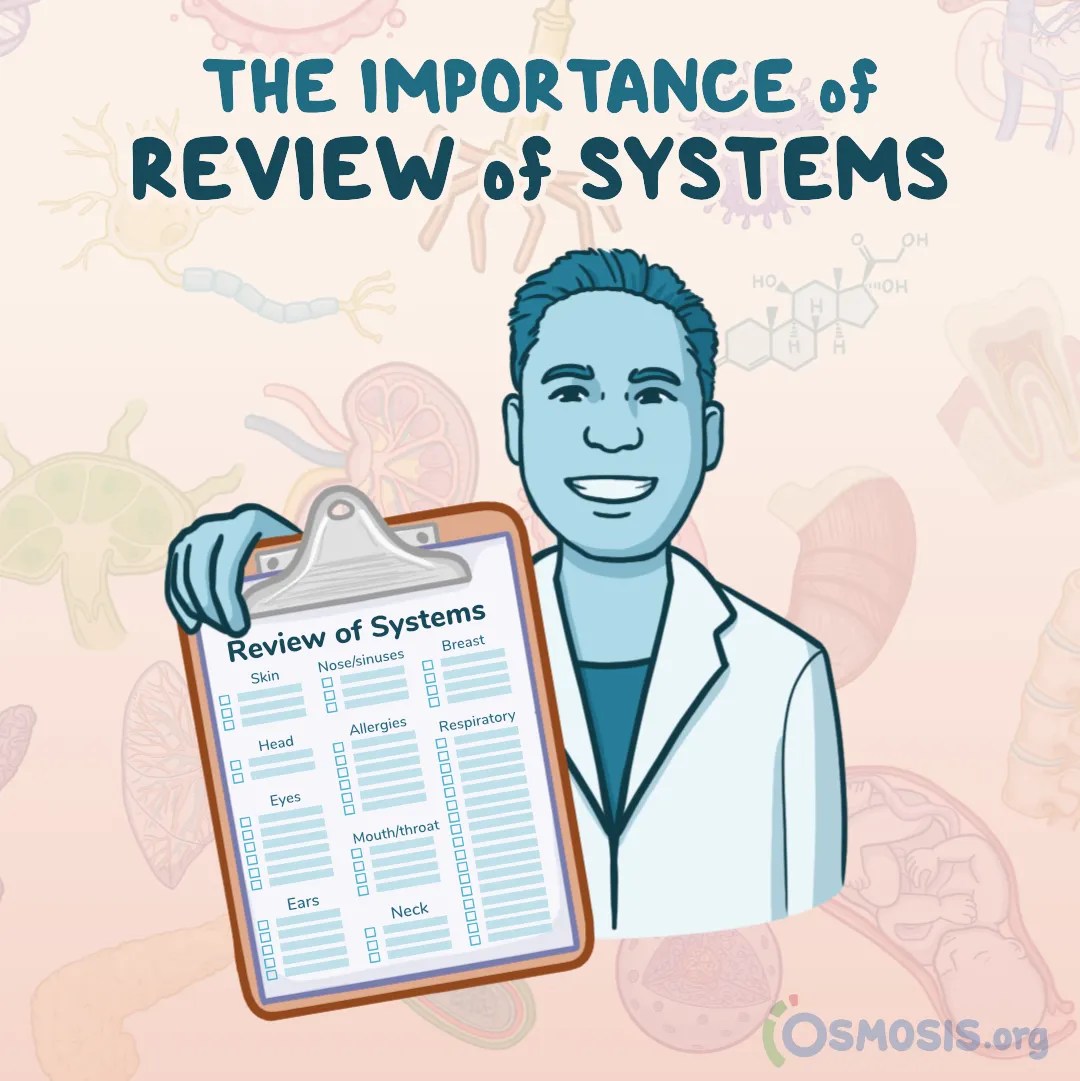
Importance of Review of Systems
— Updated:
Discover how a complete review of systems (ROS) can lead to making critical diagnoses and ultimately improving patient outcomes.
-
How to Study for the PANCE Exam: Tips from an Experienced PA-C
— Updated:
Passing the PANCE® exam: It’s the last milestone to reach in becoming a full-fledged physician assistant. Pretty exciting, right? But also nerve-wracking, as this transition from student to certified PA is a hurdle of questions: What is the best way to study? How long should you practice? And how do…