
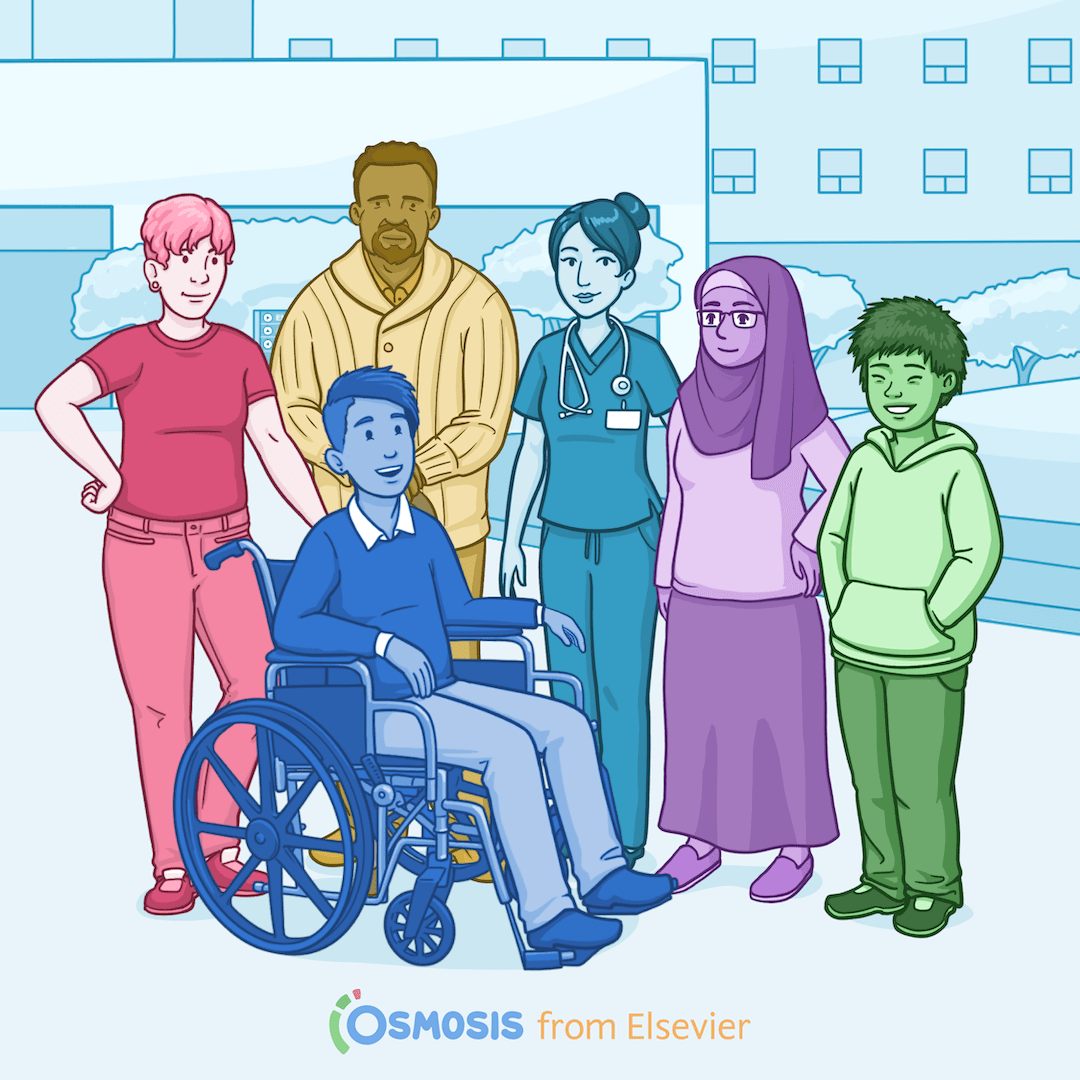
Cultural competence helps clinicians deliver equitable, patient-centered care in a diverse world. By addressing implicit bias, improving communication, and recognizing Social Determinants of Health (SDOH), healthcare professionals can reduce disparities and improve patient outcomes.
In a diverse world full of a variety of cultures, spiritual beliefs, ethnicities, languages, ability levels, and socioeconomic backgrounds, cultural competence is necessary to provide equitable and effective care. But what is cultural competence? Simply stated, cultural competence is a clinician’s ability to provide care that respects each patient’s culture, preferred language, and values.
Why does cultural competence matter in healthcare? Because cultural beliefs shape how people view health, when they seek care, if they follow treatments, and if they’re able to make lifestyle changes. Clinicians who value cultural competence connect better with patients. This leads to better care, reduced disparities, and a stronger clinician-patient bond.
Now that we’ve established why cultural competence matters, let’s explore specific steps you can take to enhance inclusive practices and promote positive change in healthcare.
Core Components of Cultural Competence
Developing strong clinician-patient relationships grounded in cultural competency should be a top priority for all clinicians, as trust, empathetic communication, loyalty, and patient involvement in decision-making are associated with these relationships, along with improved health outcomes. The following foundational elements serve as the core components of cultural competence and provide a framework for delivering equitable, patient-centered care.
Start with Self-Awareness
Becoming a culturally competent clinician takes self-awareness and reflection. The first step is to examine your own cultural background, values, and assumptions. This is critical, as our backgrounds shape how we see the world and how we show up in it. Take some time to reflect on your subconscious attitudes, stereotypes, and feelings towards people from a variety of races, ethnicities, genders, physical appearances, ages, orientations, or socioeconomic conditions. Those beliefs, collectively known as implicit bias, are subconscious, and they can negatively impact patient care and lead to discrimination.
For example, a systematic review identified that 36.5% to 77% of diagnostic errors were associated with cognitive biases. Another study found that medical trainees still believe that Black people are not as sensitive to pain as White people and are less likely to treat a Black patient’s pain appropriately. Yet another study found that physicians were more likely to prescribe pain medication to White patients than to non-white patients. These clear examples of implicit bias in healthcare influence clinical decision-making, often leading to the patient’s detriment. Conversely, Black men were 19% more likely to agree to preventive cardiovascular services when seen by Black physicians, reducing the Black–White gap in preventive service uptake by up to 50% in the study sample.
As a caregiver, it’s important to understand the power dynamics within the clinician-patient relationship. Typically, patients see a clinician when they’re feeling sick; some people may feel frustrated or even hopeless about their current condition. Other patients may feel strongly about the type of care that they need based on personal experience and research. You must create a delicate balance between using your clinical judgement to make care decisions and including your patients in the decision-making process through the conscious use of active listening, effective communication practices, collaboration, and empathy.
Knowledge Acquisition
Once you’ve done some self-reflection, it’s time to learn about the diverse cultural beliefs, practices, and health-related values of your patients. Aside from their chief medical complaint, these beliefs are what each patient brings to the experience. Remember, you aren’t expected to know everything about each culture, but approaching patients with curiosity, a willingness to learn, and humility is a great starting point. It’s also important for clinicians to engage with their local community (e.g., partner locally, show up consistently, engage with community leaders) to better understand the people who may eventually become your patients. There’s also training available to strengthen intercultural communication skills and to learn how to appropriately respond to cultural differences.
In addition to cultural competence, it’s key to learn how to practice cultural humility in healthcare, emphasizing openness, self-evaluation, curiosity, and appreciation of cultural differences. The combination of gaining knowledge of other cultures and value systems and actively practicing cultural humility fosters an environment for patient-centered, inclusive care. This broader perspective naturally extends to understanding the Social Determinants of Health (SDOH), which shape patient experiences both within and beyond clinical settings.
Research shows that factors such as education, income, housing stability, food access, and social support, known collectively as the Social Determinants of Health, often have a greater influence on overall health outcomes than medical care alone or even genetic factors. So, addressing them during patient interactions will have a profound impact on your patients’ long-term health and well-being.
Let’s do a quick overview of the Social Determinants of Health and how each determinate affects health outcomes:
- Education Access and Quality: Higher levels of education are linked to better employment opportunities, higher income, greater health literacy, and improved long-term health outcomes. When access to quality education is unequal, it perpetuates disparities in both education and health.
- Economic Stability: Financial security supports access to food, housing, and quality healthcare, whereas economic hardship increases the risk of poor health outcomes and reduced life expectancy.
- Health Care Access and Quality: Geographic location, socioeconomic status, language barriers, systemic discrimination, and provider shortages limit access to equitable, high-quality care and negatively impact patients and health outcomes.
- Neighborhood and Built Environment: Safe housing, clean water, nutritious food, and stable living conditions promote health, while unsafe environments and food insecurity contribute to chronic disease and stress-related conditions. In addition, living in unstable housing conditions leads to chronic stress, increased risk of hypertension, diabetes, and mental health disorders.
- Social and Community Context: Supportive relationships and inclusive social networks foster emotional well-being and access to resources. Whereas social isolation and discrimination negatively affect health outcomes.
The goal is to foster stable, low-stress environments that support positive health outcomes and enable access to essential resources. Because the Social Determinants of Health are interconnected, clinicians must understand how these factors shape each patient’s lived experience and the disparities they face, moving beyond a checklist approach to provide individualized care and meaningful advocacy.
Prioritize Communication Skill Development
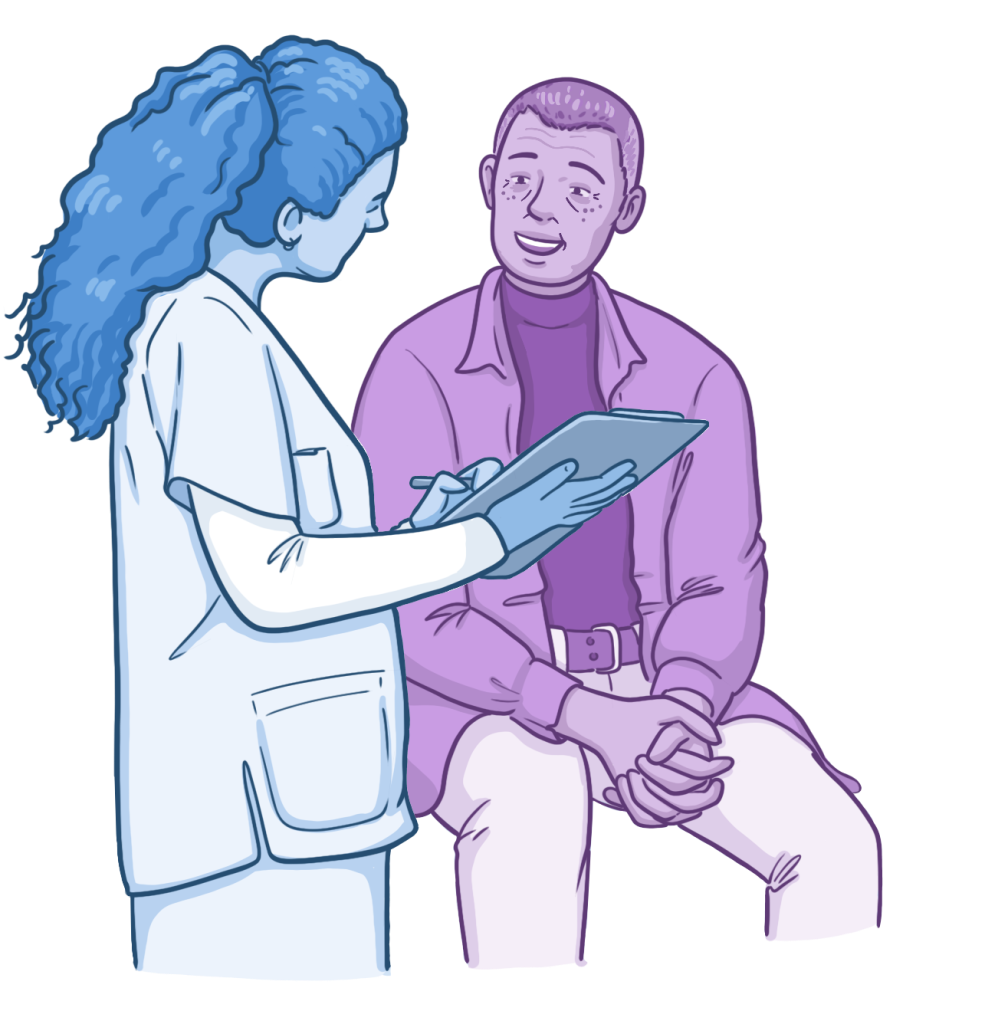
Effective communication is a key component of healthcare. From gathering a detailed clinical history to explaining a treatment plan and answering patient questions, a provider’s communication must align with a patient’s needs. Through culturally sensitive patient communication, clinicians use language that’s accessible and inclusive to different communities. Words are powerful, and using inclusive language that respects different races, ethnicities, sexual orientations, gender identities, and ideologies is an important way to help patients feel safe and supported. Incorporating interpreters into your patient interactions so that patients can speak in the language most comfortable for them can also enhance the patient’s comfort and trust.
When providing culturally responsive care, clinicians should consider adapting their assessments and treatment plans to align with each patient’s cultural context. By taking a patient’s demographics, identity, values, and socioeconomic background into account, personalized care plans can both identify disparities and ensure care is tailored to the individual.
For example, encouraging a prediabetic patient to add 30 minutes of exercise to their day and eat more nutritious foods is standard. However, if the patient lives in an unsafe neighborhood or in a food desert (an area with limited access to affordable, healthy food, especially fresh fruits and vegetables), this instruction may not be feasible. Instead, take time to become informed about community and state initiatives that support safety or food security. By understanding each of your patients’ options and limitations, you can avoid generic recommendations, tailor interventions to their individual needs, and improve overall patient outcomes.
It’s All About Continuous Engagement
Evolving into a culturally competent clinician should be viewed as an ongoing process rather than a final destination. Remaining committed to lifelong learning by completing cultural competence trainings for clinicians, reflecting on your own biases, and making adjustments as you learn about your patients is necessary for growth, as well as remaining open to feedback from patients and colleagues. We all have blind spots, biases, and missteps. Having a growth mindset and a willingness to learn will help you become the well-rounded, culturally competent clinician your patients deserve.
Practical Applications for Clinicians
Conducting Culturally Sensitive Interviews
Interviewing patients is a critical piece of any clinical encounter. Clinicians must remember to be respectful, open, empathetic, and actively listen to their patients. Patients can feel alienated when clinicians use medical jargon or don’t properly explain the presenting illness or treatment plan to them. So, it’s critical to take a moment to ask your patients if they understand their symptoms or condition. While clinicians spend years studying various conditions, taking the time to learn about a patient’s firsthand experience with the illness is equally important because it provides the opportunity to learn from your patients, acknowledge concerns, and clarify misunderstandings.
In addition to getting the patient’s personal perspective, exploring social, familial, and cultural influences on health helps you understand potential barriers to treatment adherence, enabling you to collaborate more effectively with the patient on their care plan. Overall, encouraging patients to share their values and priorities is a great way to conduct a culturally sensitive interview.
The Importance of Validating Cultural Differences
Communication styles and nonverbal cues vary across cultures. Being aware of differences in tone, volume, eye contact, and facial expressiveness is necessary. For example, White Americans often appreciate direct eye contact, while some Asian cultures consider it rude. Some Caribbean people use a variety of facial expressions and nonverbal cues to express how they feel, while some Asian and American Indian cultures tend to keep a neutral facial expression when communicating. Recognizing these differences and respecting the unique expressions of pain, distress, or emotion allows for culturally sensitive conversations and cultural competence in healthcare. It also helps clinicians avoid pathologizing culturally normative behaviors (e.g., interpreting limited eye contact as disengagement or lack of understanding rather than a sign of respect in some cultures).
On Addressing Stereotypes
Earlier in this article, we discussed the importance of reflecting on your own beliefs, values, and biases. We’ve established that unconscious personal assumptions and stereotypes, also known as implicit biases, negatively impact care and can make patients feel misunderstood or judged, leading to diagnostic and treatment errors. Instead, take the time to proactively question your thoughts and allow curiosity and openness to guide you rather than making assumptions in each clinical encounter. With self-awareness and adaptability, you can avoid stereotyping patients and respect their individuality.
For example, if you catch yourself assuming a patient may be nonadherent based on their background, pause and ask yourself, “What evidence do I actually have?” Then replace the assumption with an open-ended question to the patient, such as, “Are there any challenges that might make this treatment plan difficult for you?”
How to Create Inclusive Environments
Creating a welcoming clinical environment that reflects and respects diverse backgrounds helps patients feel safe and valued. Display inclusive signage and clearly posted non-discrimination policies in both your office and on your website to reinforce a commitment to equity. Use gender-affirming language, honor patients’ chosen names and pronouns. Provide interpreter services or multilingual materials when needed. Ensure that intake forms and educational resources reflect diverse racial, gender, sexual, and family identities. And, of course, encourage and attend regular staff training on cultural competence and implicit (unconscious) bias to further strengthen an inclusive and supportive care setting.
Challenges and Strategies in Cultural Competence
Inevitable Offense
Remember, the goal of cultural competence isn’t perfection; it’s openness, understanding, and respect for different cultures and identities. Mistakes and misunderstandings will happen, even when you’re well-informed. Rather than responding defensively, give yourself the opportunity to take a moment and prioritize addressing the misunderstanding with humility, accountability, and a willingness to learn.
For example, if a patient tells you that a comment you made felt dismissive of some aspect of their life or culture, you could respond with, “Thank you for telling me. I’m sorry that what I said came across that way. That was not my intention. I appreciate you sharing your perspective, and I would like to better understand so I can provide care that respects your beliefs.” Showing a willingness to learn can make a powerful impact.
Intra-cultural Variation
Diversity and inclusion enrich our communities; they exist not only between groups but within them as well. For example, patients who share the same cultural, racial, or ethnic background may have very different beliefs, values, and experiences. Avoid making assumptions. Instead, approach each patient as an individual and respect their unique experiences. Learn about the person that you’re treating. By asking about their unique perspectives, you create space for collaboration, offer respect for intra-cultural differences, and provide better, more personalized care.
Advocating for Systemic Change
Creating a culturally sensitive and inclusive healthcare system doesn’t only fall on clinicians. Healthcare systems should be challenged as well because they can also perpetuate inequities.
For example, do you realize that race was used as a factor in calculating the glomerular filtration rate (GFR) until as recently as 2021? This flawed practice was based on the inaccurate assumption that Black patients have higher muscle mass, which artificially inflated GFR values and often delayed the diagnosis of Chronic kidney disease. Although the race coefficient was removed, its use contributed to missed opportunities for early intervention and worsened outcomes for Black patients.
This is only one example of the many ways systemic racism and structural barriers perpetuate inequality in the health care system. As a clinician, you can advocate for policies that reduce barriers to care and align your practice with broader social justice efforts. Supporting initiatives that improve affordability, expand access to clean water, and combat housing discrimination are just a few meaningful ways to get involved.
As Dr. Martin Luther King Jr. said, “Injustice anywhere is a threat to justice everywhere.” Consider the causes you’re willing to champion; your advocacy can make a meaningful difference for both your patients and your community.
Putting Cultural Competence into Practice
Now that we’ve learned about cultural competence, cultural humility, and the importance of having culturally sensitive conversations with patients, keep in mind that all of this is a process that improves with a change in mindset and by putting the strategies listed above into practice.
It truly cannot be overstated how impactful the clinician-patient relationship is in establishing trust, fostering collaboration, and improving patient outcomes. As a clinician, always remember the power that you have and look for opportunities to enhance equity for your patients. Ongoing reflection and a commitment to culturally responsive care are important.
Stay curious, keep growing, and always be willing to learn about the people you have the privilege to treat!
Key Takeaways
- Cultural competence is essential for equitable, patient-centered care and directly impacts trust, communication, and health outcomes.
- Implicit bias influences clinical decisions and contributes to health disparities, making self-awareness critical.
- Social Determinants of Health (SDOH) often shape outcomes more than medical care alone and must be addressed to reduce disparities.
- Culturally responsive communication strengthens the clinician-patient relationship and improves engagement.
- Cultural competence requires ongoing learning, humility, and advocacy to advance health equity.
References
- https://www.aeaweb.org/articles?id=10.1257%2Faer.20181446
- https://www.sciencedirect.com/science/article/pii/S0020748925000884
- https://link.springer.com/article/10.1186/s12939-024-02189-1
- https://journals.plos.org/plosone/article?id=10.1371%2Fjournal.pone.0219971
- https://pmc.ncbi.nlm.nih.gov/articles/PMC2719963
- https://www.ncbi.nlm.nih.gov/books/NBK589697
- https://pmc.ncbi.nlm.nih.gov/articles/PMC8004354/#S0004
- https://www.aamc.org/news/how-we-fail-black-patients-pain
- https://hms.harvard.edu/news/combating-bias-medicine
- https://pmc.ncbi.nlm.nih.gov/articles/PMC4732308
- https://med.stanford.edu/stanfordmedicine25/blog/archive/2022/importanceofculturalcompetence.html
- https://pmc.ncbi.nlm.nih.gov/articles/PMC7011228
- https://www.cdc.gov/about/priorities/why-is-addressing-sdoh-important.html
- https://learningpolicyinstitute.org/product/how-money-matters-factsheet
- https://www.mdpi.com/2075-4698/12/6/178
- https://link.springer.com/article/10.1186/s12909-025-08008-7
- https://www.sciencedirect.com/science/article/pii/S0738399123002707
- https://thinkculturalhealth.hhs.gov/assets/pdfs/resource-library/communication-styles.pdf
- https://pmc.ncbi.nlm.nih.gov/articles/PMC9495470

Try Osmosis from Elsevier today! Access your free trial and find out why millions of current and future clinicians and caregivers love learning by Osmosis.
Leave a Reply