
Author: Rowan Bell, MD
-
USMLE® Step 1 Question of the Day: Sickle cell trait
— Updated:
Two prospective parents with the same inherited trait want to understand their child’s genetic risk. Can you calculate the probability using key principles of Mendelian inheritance?
-
USMLE® Step 2 CK Question of the Day: Urinalysis
— Updated:
A 6-month-old presents with irritability, fever, and abnormal urinary findings. Can you determine the most appropriate initial treatment based on her age, clinical status, and test results?
-

PANCE® Question of the Day: Generalized muscle aching
— Updated:
A patient on long-term dialysis develops progressive muscle weakness, bone pain, and abnormal hand imaging. Can you identify the laboratory pattern most consistent with the underlying condition?
-
USMLE® Step 1 Question of the Day: Amenorrhea
— Updated:
A 55-year-old patient presents with 12 months of amenorrhea and other characteristic symptoms. Can you identify the laboratory finding most specific to her condition?
-
USMLE® Step 2 CK Question of the Day: Elevated alkaline phosphatase
— Updated:
A patient presents with persistent abnormal liver testing and mild pruritus despite normal biliary imaging. Can you identify the additional finding most consistent with the underlying condition?
-
COMLEX® Question of the Day: ASIS compression test
— Updated:
A marathon runner develops low back and anterior thigh pain with abnormal pelvic findings on structural examination. Can you identify the correct osteopathic diagnosis in this high-yield OMM-style case?
-
USMLE® Step 1 Question of the Day: Vitamin K
— Updated:
Why do newborns routinely receive vitamin K after birth? Challenge your understanding of neonatal physiology and coagulation with this high-yield USMLE-style clinical scenario.
-

PANCE® Question of the Day: Pigmented lesion
— Updated:
A patient presents with a pigmented skin lesion after years of significant sun exposure. Can you identify what feature most strongly supports further evaluation in this PANCE-style clinical case?
-
USMLE® Step 2 CK Question of the Day: Postoperative acute kidney injury
— Updated:
A postoperative patient develops worsening kidney function after surgery. Can you identify the most likely cause of acute kidney injury in this high-yield USMLE-style clinical scenario?
-
USMLE® Step 1 Question of the Day: Low back pain
— Updated:
A young athlete develops persistent low back pain during gymnastics training. Can you identify the underlying pathology behind this common sports-related spinal condition?
-
USMLE® Step 2 CK Question of the Day: Scout CT
— Updated:
A patient develops worsening abdominal pain, distension, and obstipation after recent treatment for an injury. Can you identify the most likely underlying cause in this USMLE-style clinical scenario?
-

PANCE® Question of the Day: Bloody nose
— Updated:
A patient presents with fever, hypotension, rash, and signs of systemic illness after a recent nasal procedure. Can you identify the diagnosis and the laboratory abnormality most consistent with this life-threatening condition?
-

USMLE® Step 1 Question of the Day: Abdominal discomfort
— Updated:
A patient with signs of advanced liver disease develops complications related to increased portal pressure. Can you identify the consequence most closely associated with this high-yield USMLE-style case?
-
USMLE® Step 2 CK Question of the Day: Influenza medications
— Updated:
An older patient develops worsening respiratory symptoms and concerning clinical findings. Can you identify the most appropriate treatment strategy in this high-yield USMLE-style case?
-
PANCE® Question of the Day: Diabetic ketoacidosis
— Updated:
A patient with diabetic ketoacidosis improves clinically but remains acidotic and hypotensive. Can you identify the next best management step in this high-yield PANCE-style scenario?
-

USMLE® Step 1 Question of the Day: Vortioxetine interaction
— Updated:
A young patient develops rapid-onset agitation, hyperthermia, and rigidity after a medication change. Can you identify the underlying mechanism behind this high-yield clinical scenario?
-
USMLE® Step 2 CK Question of the Day: Withdrawal symptoms
— Updated:
A young woman presents with anxiety and tremors after binge drinking. Can you determine the appropriate next step in managing this common but nuanced clinical scenario?
-
USMLE® Step 1 Question of the Day: Thromboprophylaxis medication
— Updated:
A postoperative patient develops a concerning drop in platelets after starting thromboprophylaxis. Can you identify the drug mechanism behind this clinical scenario?
-

PANCE® Question of the Day: Blue extremities
— Updated:
Learn how to perform a newborn’s rapid assessment, obtain vital signs, and use a structured scoring approach to guide clinical decisions and determine appropriate next steps in care and disposition for optimal newborn outcomes.
-

USMLE® Step 2 CK Question of the Day: Postpartum mental health
— Updated:
A postpartum case explores how anxiety and irritability evolve after delivery, highlighting diagnostic clues, screening tools, and treatment options to differentiate anxiety from blues or depression in the postpartum period.
-
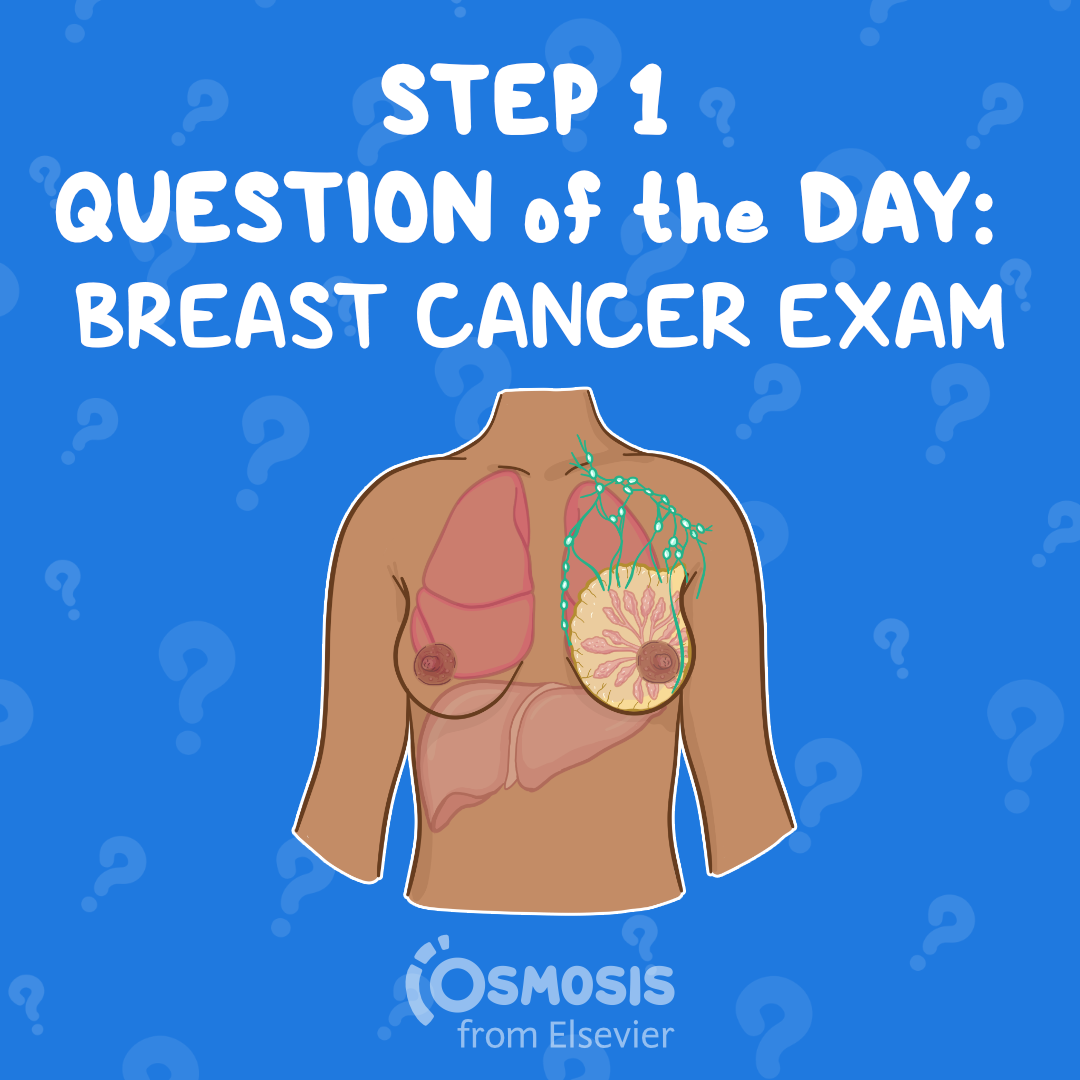
USMLE® Step 1 Question of the Day: Breast cancer exam
— Updated:
A 50-year-old woman presents with a persistent itchy breast rash and skin changes, including peau d’orange, dimpling, nipple retraction, and fixation of the breast. What’s the diagnosis?
-
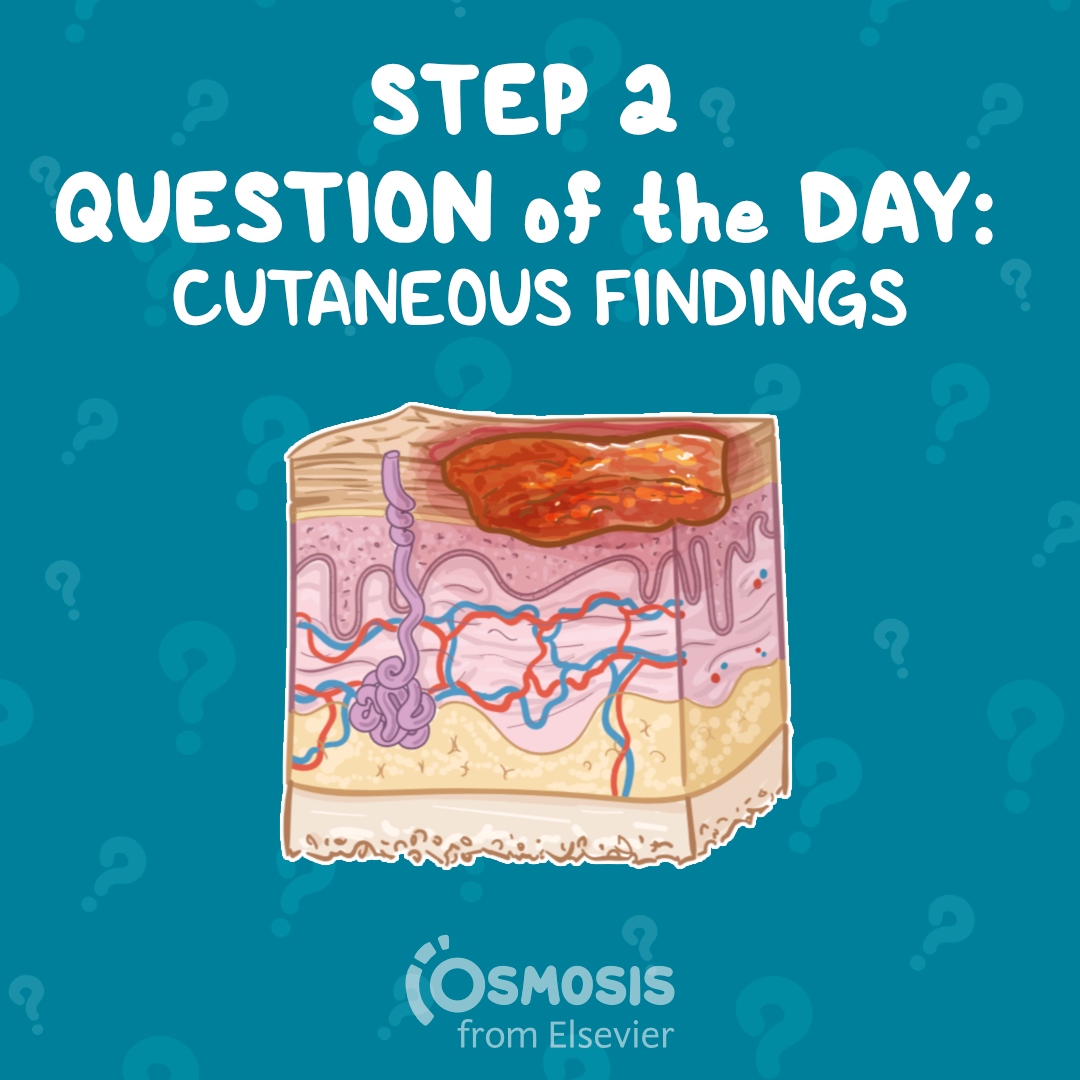
USMLE® Step 2 CK Question of the Day: Cutaneous findings
— Updated:
Review this clinical case of a cutaneous wound in an elderly patient with limited mobility, highlighting how pressure ulcer staging guides management decisions and care plans. What’s next in patient management?
-
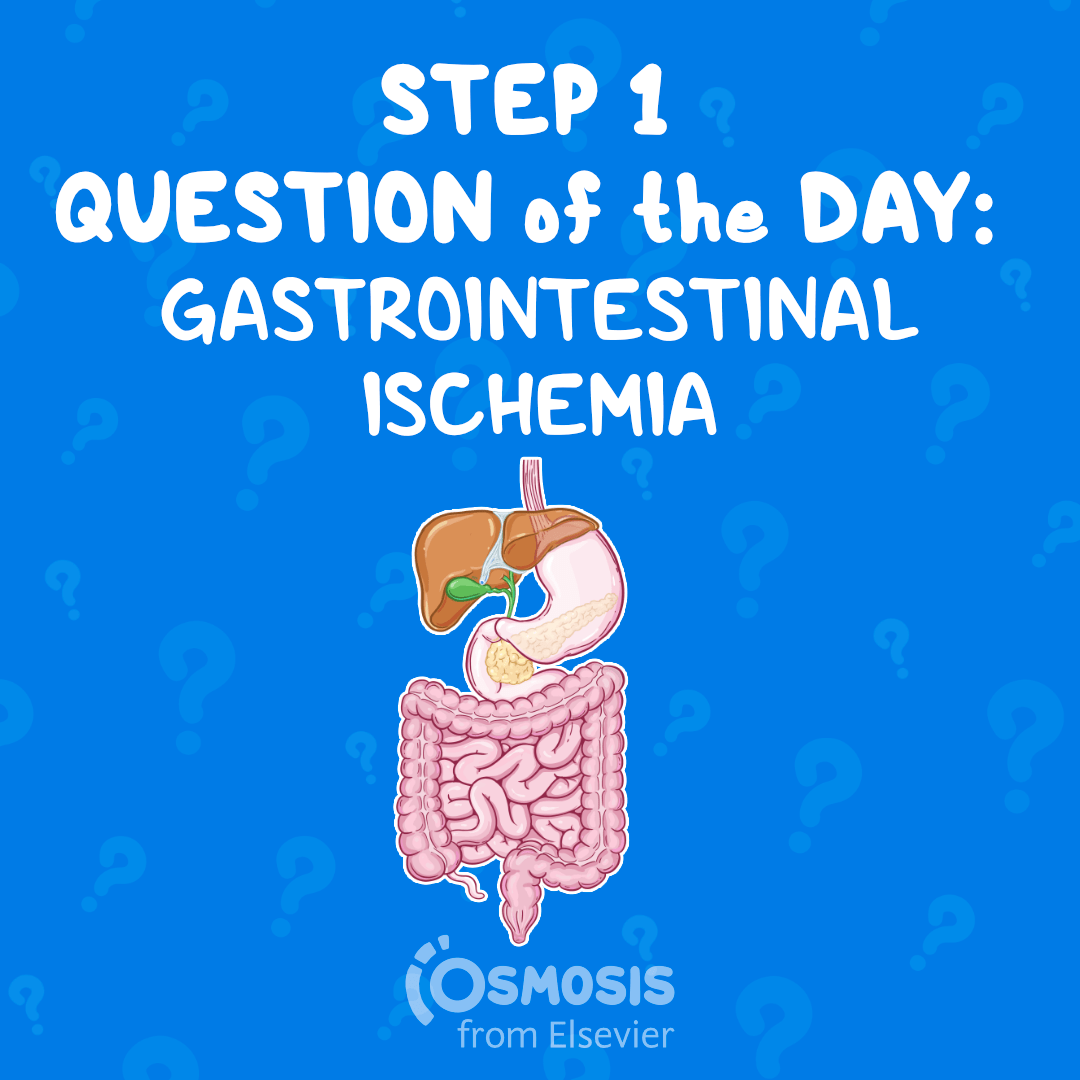
USMLE® Step 1 Question of the Day: Gastrointestinal ischemia
— Updated:
Learn from this clinical case highlighting why certain gut regions are more vulnerable when perfusion drops, how watershed zones operate, and how clinicians use pathophysiology and reasoning to treat the issue.
-
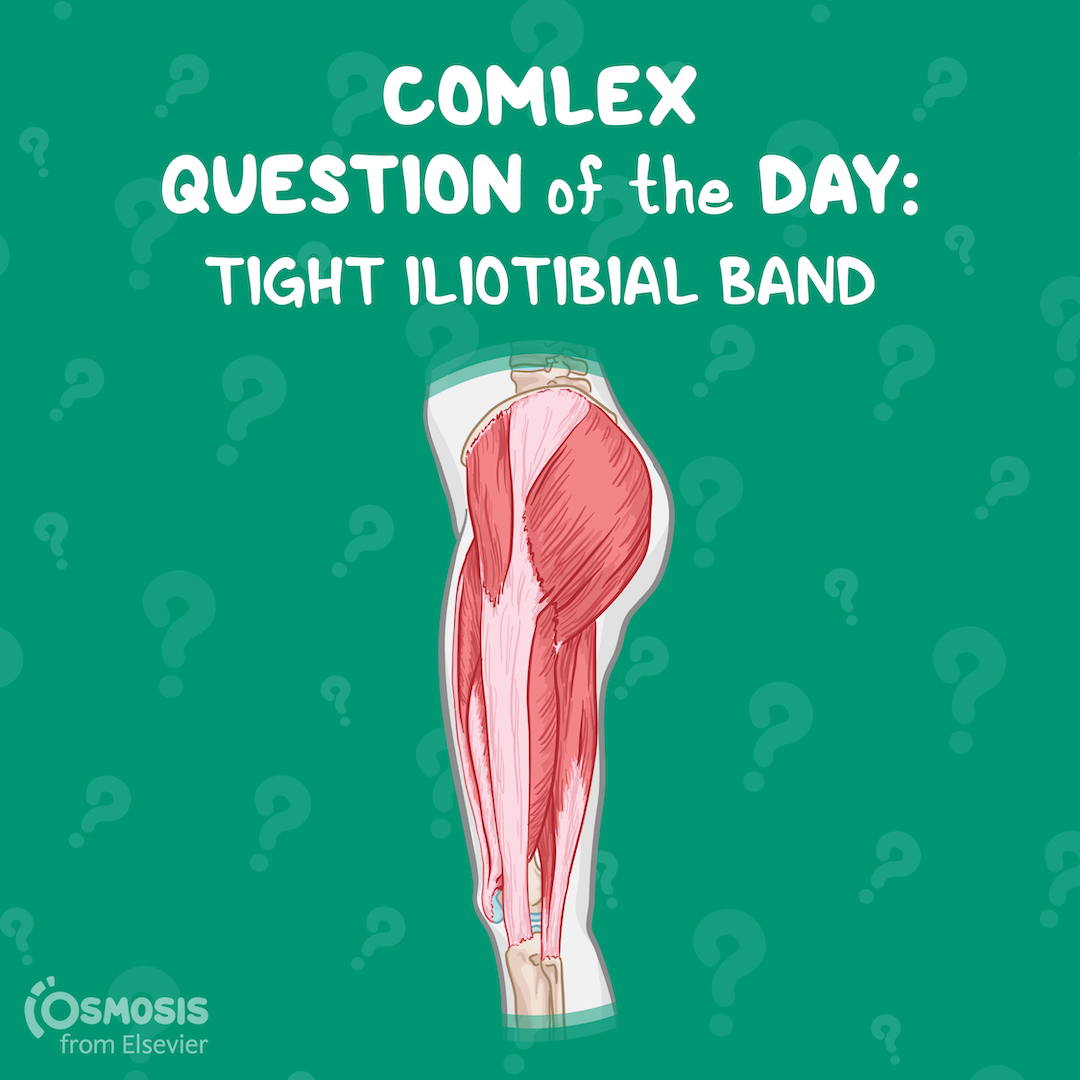
COMLEX® Question of the Day: Tight iliotibial band
— Updated:
When IT band pain crops up in runners, a practical approach matters. Learn how DO clinicians structure history, apply key exam clues, and design conservative treatment plans that help athletes recover without unnecessary downtime.
-
USMLE® Step 2 CK Question of the Day: Head trauma
— Updated:
A child arrives after a sledding accident with head trauma. The next steps hinge on a structured neuro exam and objective severity assessment. What’s next?
-
USMLE® Step 1 Question of the Day: Chronic cough
— Updated:
A histology image reveals a granulomatous lesion with central necrosis. Learn how caseating granulomas develop, how to distinguish infectious etiologies from other causes, and how to integrate histology with clinical context to sharpen differential diagnosis and clinical reasoning.