
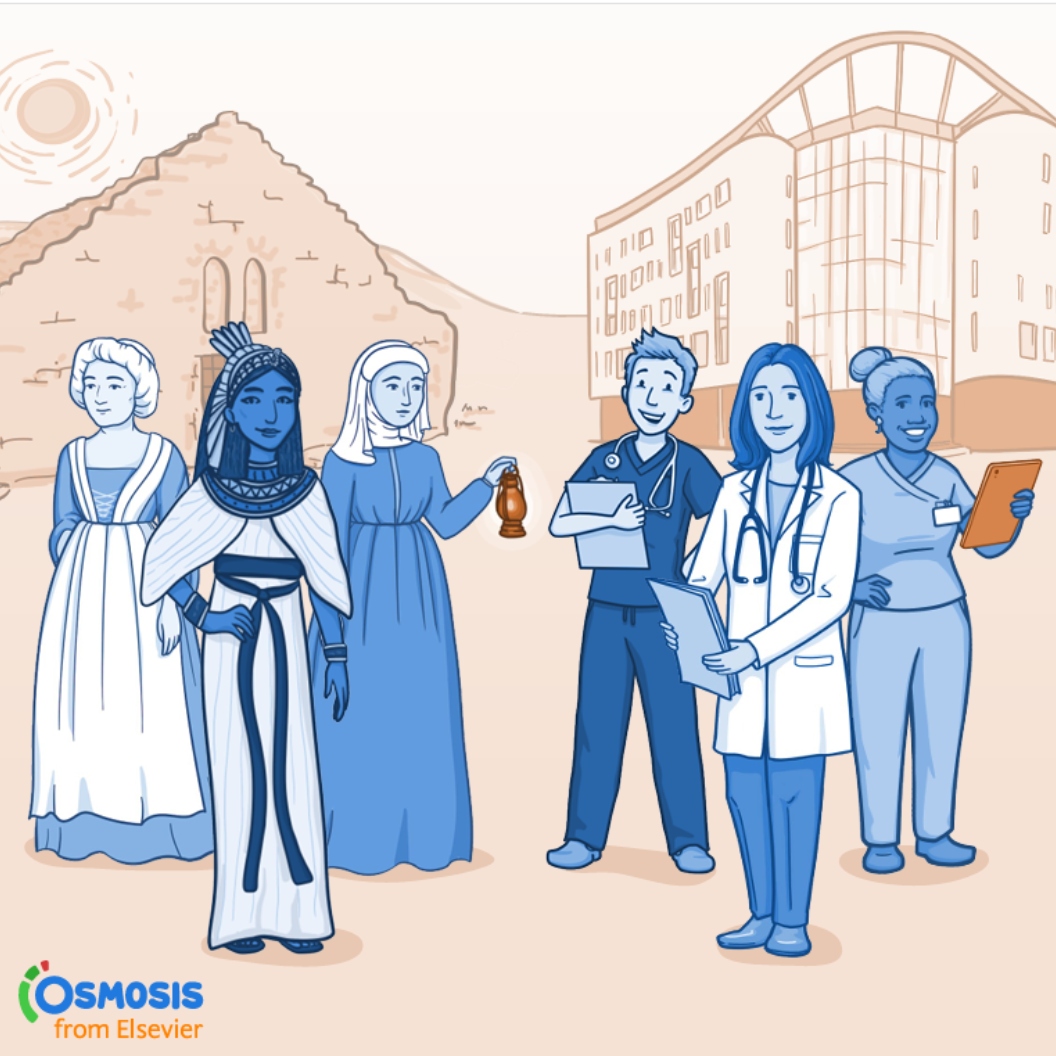
Nursing’s story is one of the most heartwarming and transformative tales out there. It’s a story of ordinary people turning empathy into expertise, battling impossible odds, and literally saving the world one patient at a time. From ancient healers whispering prayers over the sick to today’s nurse practitioners prescribing meds and leading hospital units with confidence, this profession has shaped healthcare more than almost anything else.
How Nursing Shaped Modern Healthcare
Nursing holds the crown as one of humanity’s oldest dedicated caregiving roles. Long before doctors had scalpels or labs had microscopes, caregivers used intuition, herbs, observation, and sheer determination to keep communities alive through plagues and wars. That instinctual care has morphed into the highly skilled, evidence-based profession we know today. Over the centuries, nursing has evolved from informal, community-based caregiving into a rigorously regulated, scientifically grounded profession that forms the indispensable core of contemporary healthcare worldwide.
As a result of this transformation, the role of nurses has expanded dramatically within today’s complex healthcare systems. Nurses assess complex conditions, coordinate multidisciplinary teams, implement life-saving sophisticated knowledge of anatomy, herbal pharmacology, massage, hydrotherapy, and even basic surgical techniques interventions, educate patients and families, conduct research, influence policy, and provide the compassionate human connection that technology alone can never replace. Without this evolution, hospitals would collapse under their own weight, preventive care would falter, and vulnerable populations would suffer far more.
Let’s celebrate nursing’s remarkable evolution from its ancient origins in compassionate, community-based care to its emergence as a dynamic, evidence-driven profession. From the transformative spark of Florence Nightingale’s work to the rise of organized training, professional standards, and global associations that have elevated nursing into a respected discipline. Ultimately, this is a story of enduring legacy and bold forward momentum, honoring where nursing has been while embracing its innovative, powerful future.
Early Caregiving and the Roots of Nursing
Let’s travel back to ancient Egypt around 3100 BC, where the Nile’s rhythms dictated life and death. Medical papyri such as the Ebers and Edwin Smith documents reveal caregivers’ knowledge of anatomy, herbal pharmacology, massage, hydrotherapy, and even basic surgical techniques. Midwives held a revered position, assisting births with rituals honoring gods and goddesses, blending practical skill with spiritual protection. Care was never isolated. Families, communities, and priests collaborated to restore balance to body and soul.
In ancient Greece, Hippocrates revolutionized thinking by rejecting supernatural explanations for disease and emphasizing observation, diet, exercise, and hygiene. Early caregivers adopted these measures to improve survival rates. In India, Ayurvedic texts described hospital-like facilities where attendants provided diet therapy, wound care, massage, and emotional support, rooted in the holistic balance of doshas. And in China’s traditional system, people relied on family and community healers who used acupuncture, moxibustion, herbal formulas, and Qi restoration to maintain harmony. Across these cultures,family members and local healers formed the backbone of healthcare. Religious and spiritual dimensions permeated deeply. Caregiving was a sacred act tied to karma in India, divine will in Egypt and Rome, and ancestral balance in China.
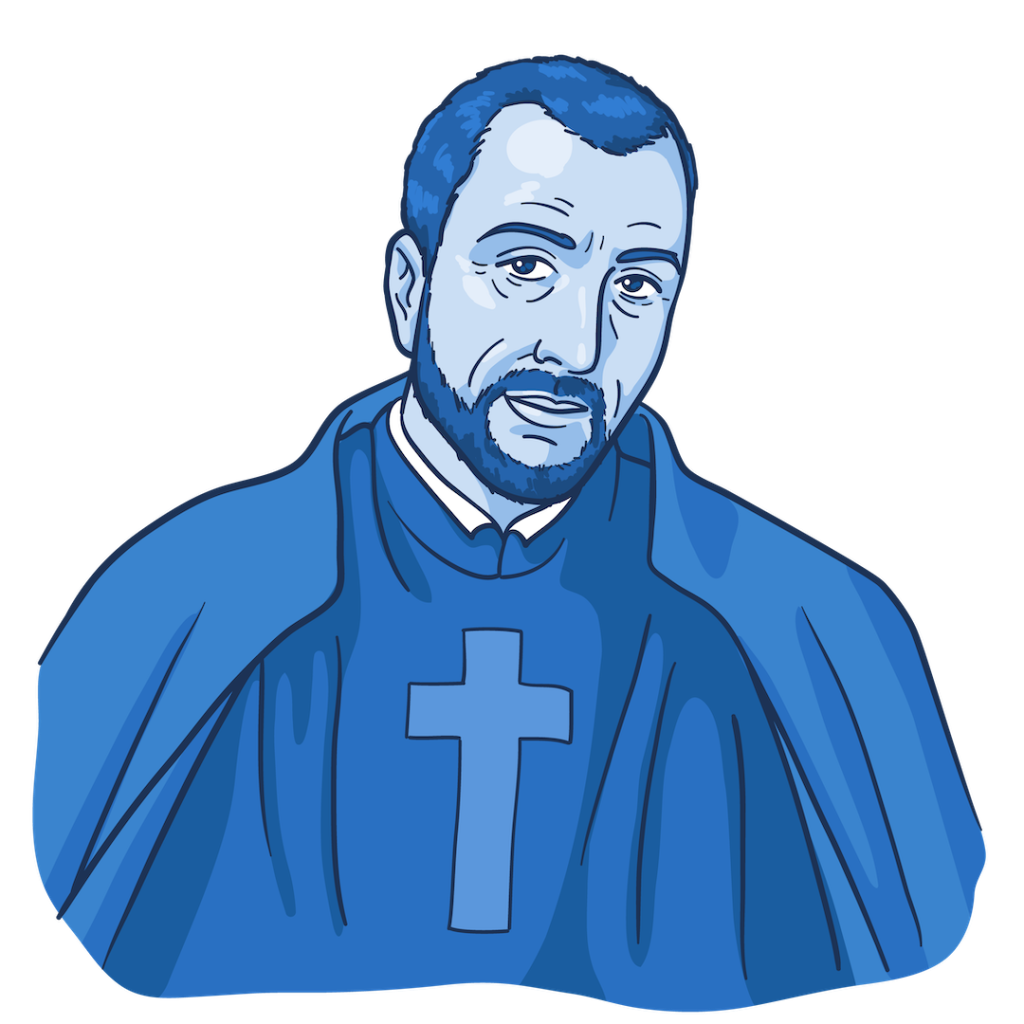
The Middle Ages saw Christian monasticism elevate caregiving to new heights in the Western world. After Rome’s fall, monasteries and convents became primary centers of care. Orders like the Knights Hospitaller operated infirmaries for pilgrims, the poor, and the sick, emphasizing cleanliness, nutrition, wound care, and spiritual solace. Figures like St. Basil, who built a massive hospital complex called the Basiliad, and St. Camillus de Lellis (1550–1614), who founded orders dedicated to the incurably ill with extraordinary tenderness. These medieval developments reinforced nursing’s enduring hallmarks of humility, service, holism, dignity for all patients, and the integration of body-mind-spirit care.
The Turning Point: Florence Nightingale and the Birth of Modern Nursing
Step into the early 19th century, and the state of healthcare was grim. Hospitals reeked of rot, overcrowding bred nasty infections, ventilation was nonexistent, and mortality from preventable causes regularly exceeded battle wounds in wars. Sanitation was a foreign concept, and pus, a common sign of wound infection, was often viewed as a sign of healing and termed laudable pus.
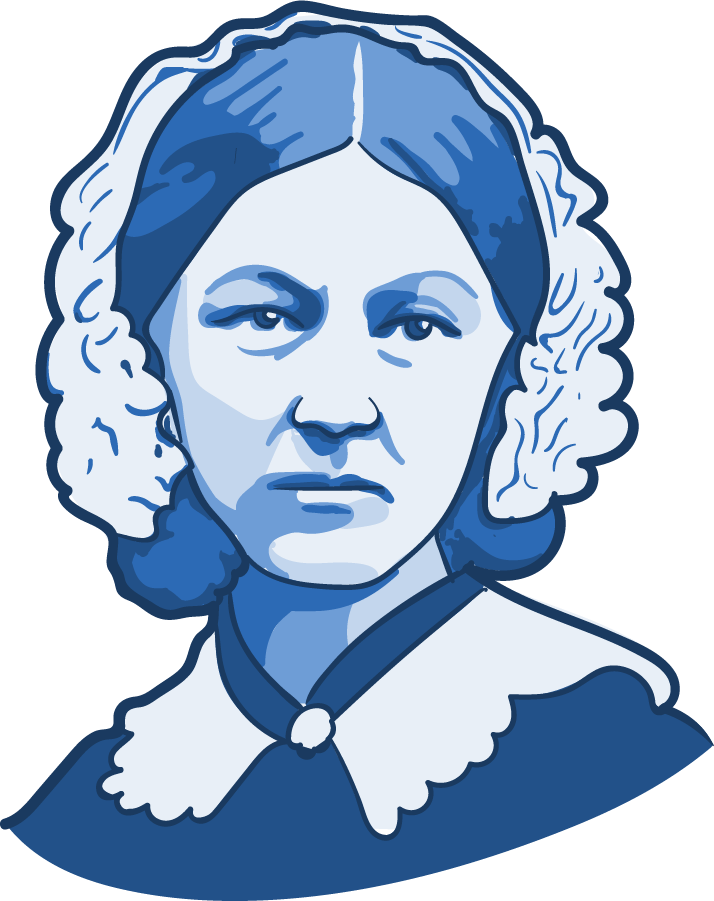
Enter Florence Nightingale (1820–1910), the brilliant, stubborn reformer who refused to accept the status quo. Born into wealth, she defied expectations by training at the Deaconess Institute in Kaiserswerth, Germany, a religiously-based training institution created to educate women for roles in nursing, social work, and community care. When the Crimean War erupted, shocking reports reached Britain of wounded soldiers dying in filth at Scutari Barracks Hospital. Nightingale, backed by the British government, arrived in November 1854 with 38 volunteer nurses. The scene was apocalyptic. There were open sewers, vermin, lice-infested bedding, rotten food, and no clean water or supplies. Death rates soared past 42%, mostly from typhus, cholera, and dysentery, not combat.
Nightingale acted decisively and scientifically. She scrubbed everything with soap and water, demanded fresh linens and air circulation, improved nutrition, and enforced strict hygiene protocols, including handwashing. Perhaps her most revolutionary action was collecting meticulous statistics, tracking deaths before and after interventions. Her famous “coxcomb” or rose diagrams visualized preventable mortality. By summer 1855, death rates had dramatically fallen to around 2%. Her nightly rounds with a small lamp earned the poetic nickname “Lady with the Lamp” from soldiers and were recognized in Longfellow’s verse.
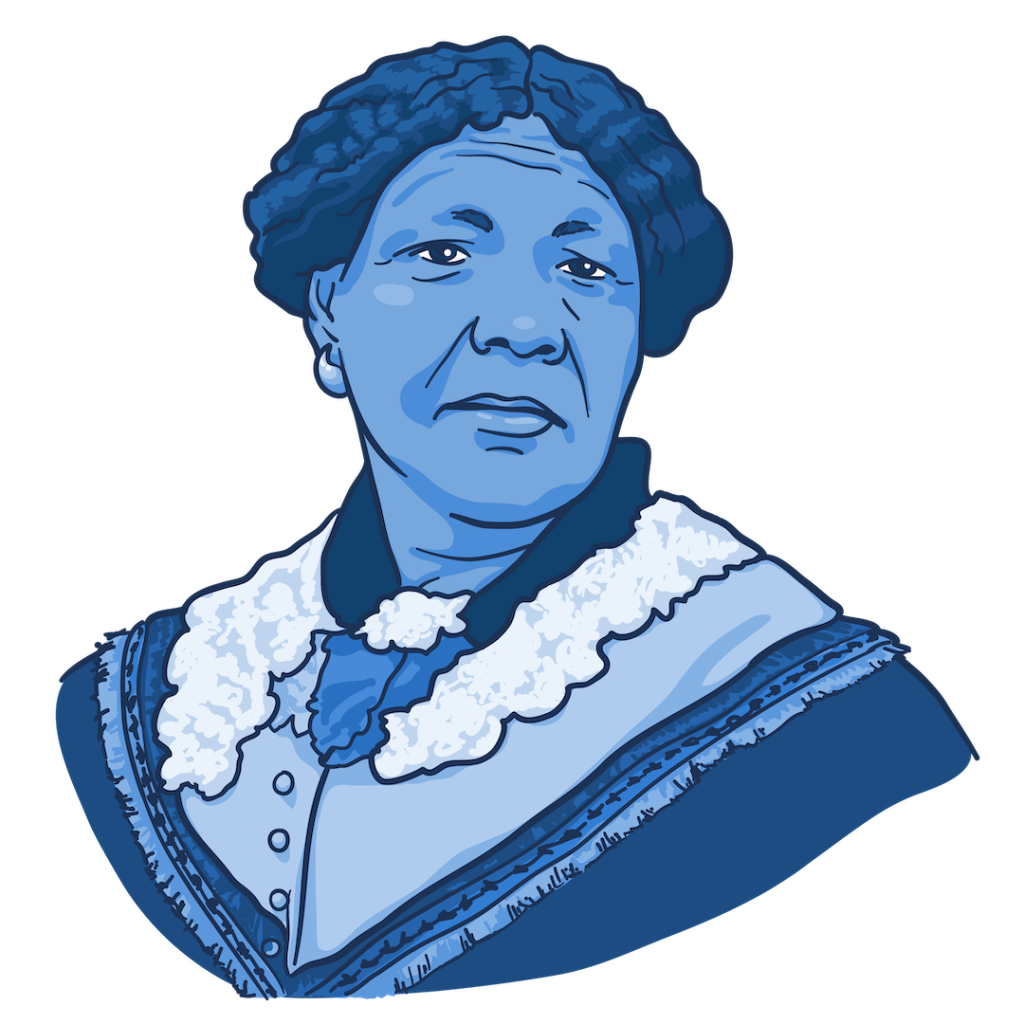
Mary Seacole, a Jamaican-born nurse and healer, also made vital contributions during the Crimean War. Rejected by official nursing efforts due to racial prejudice, she self-funded her journey in 1855. Near Balaclava, she ran the “British Hotel,” providing food, shelter, supplies, and holistic care. She bravely treated wounded soldiers on battlefields, earning the affectionate title “Mother Seacole” for her kindness and courage.
While Nightingale focused on hospital-wide sanitation, statistics, and systemic reform, Seacole’s work was more individualized, entrepreneurial, and frontline-oriented, delivering direct sustenance, comfort, and care in a war zone despite facing discrimination.
Returning to England as a national hero, Nightingale used the public donations to the Nightingale Fund to establish the Nightingale Training School at St. Thomas’ Hospital in London in 1860. Unlike previous training, which was haphazard and often ineffective, Nightingale’s program offered a structured curriculum. Students lived in “Nightingale Homes,” emphasizing character, education, and respectability, helping make nursing a viable, honored occupation for middle- and upper-class women.
In the years after the Crimean War, nursing shifted from informal caregiving to a more organized and respected practice under Nightingale’s influence. Her emphasis on sanitation, discipline, and trained care shaped how Americans approached wartime medicine during the Civil War. Thousands of women stepped into nursing roles, providing not only medical treatment but also hygiene, nutrition, and emotional support, which improved recovery rates among soldiers. Dorothea Dix, as Superintendent of Army Nurses, helped establish standards for recruitment and conduct, bringing structure and authority to the role, while Clara Barton, later known as the “Angel of the Battlefield,” delivered supplies and cared for the wounded directly on the front lines, experiences that later led her to found the American Red Cross.
Expansion of Nursing Education and Professional Standards
Nightingale’s model ignited a worldwide training explosion. In the US, the first formal schools, Bellevue (New York), Massachusetts General (Boston), and New Haven (Connecticut), opened. Modeled on St. Thomas’, these hospital-based diploma programs provided intense hands-on experience, with students living on-site and working long shifts caring for patients in exchange for room, board, and instruction. Standardization became urgent as programs proliferated. By the 1890s, curricula converged on the essentials: anatomy, physiology, bacteriology (after Pasteur and Koch’s germ theory), hygiene, ethics, pharmacology basics, and bedside techniques.
Professional organizations crystallized unity and advocacy. The American Society of Superintendents of Training Schools for Nurses (later National League for Nursing) focused on education quality. The Nurses’ Associated Alumnae of the United States and Canada became the American Nurses Association (ANA) in 1911, lobbying for registration, better wages, and working conditions. The International Council of Nurses (ICN) was founded in 1899 in London by Ethel Fenwick and others, connecting nurses globally, establishing universal standards, and holding pioneering congresses.
Before the emergence of formal training for Black nurses, countless unnamed Black women served as nurses, midwives, and healers during slavery and in the post–Civil War South. Enslaved women provided essential care on plantations, often in “sick houses,” using traditional healing knowledge. After emancipation, many Black nurses continued as community midwives and caregivers, especially in rural areas, sustaining vital healthcare traditions despite limited recognition and resources.
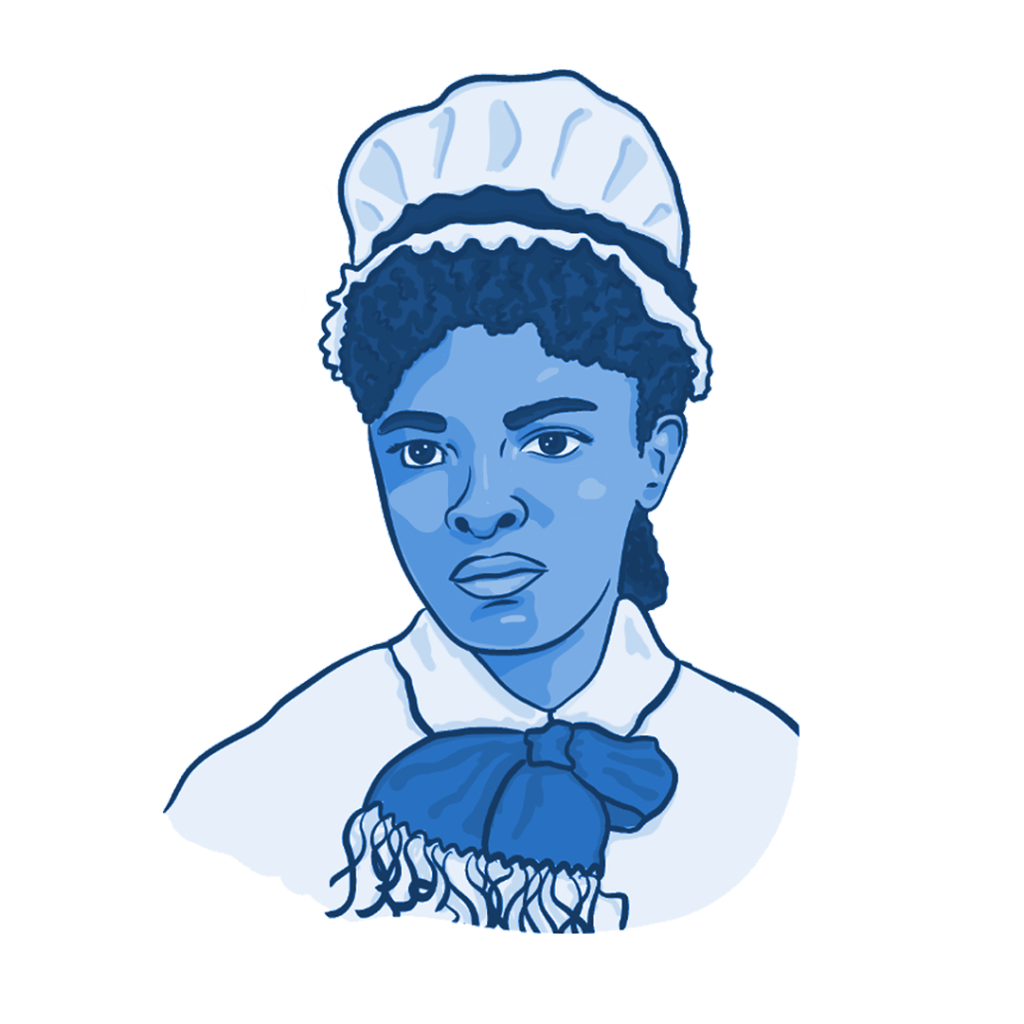
Mary Eliza Mahoney holds immense historical significance as the first African American to graduate from a professional nursing program in the United States, earning her license in 1879 from the New England Hospital for Women and Children. Amid widespread racial discrimination that limited opportunities for Black women in healthcare, her achievement shattered barriers and elevated nursing standards through her renowned efficiency, compassion, and professionalism.
Mahoney’s contributions extended beyond practice. She joined the early American Nurses Association and, in 1908, co-founded the National Association of Colored Graduate Nurses to combat discrimination, advocate for equal opportunities, and advance professional excellence for minority nurses. Her pioneering legacy continues to inspire diversity and inclusion in the field today.
Licensure transformed accountability. North Carolina enacted the first nurse practice act in 1903, requiring registration and examination. By 1923, all 48 US states had licensure laws. State boards administered exams, enforced standards, and protected the public.
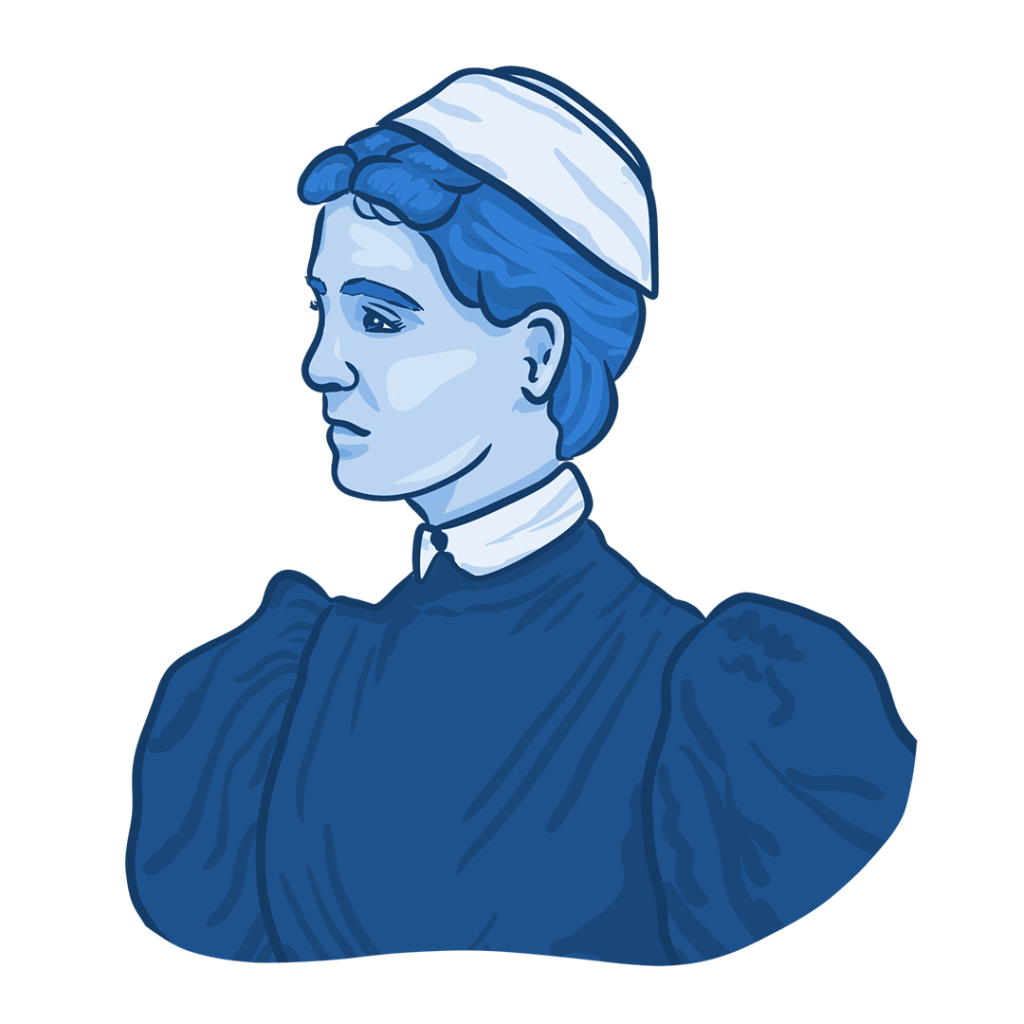
Ethics and standards of practice developed concurrently. Early ANA codes emphasized confidentiality, loyalty to physicians ( which later evolved into patient advocacy), compassion, and integrity. Pioneers like Isabel Hampton Robb (who organized the first superintendents’ society) and Mary Adelaide Nutting (the first nursing professor at Columbia) pushed for university affiliation and higher education. These milestones shifted nursing from fragmented training to a structured profession.
Nursing in the 20th Century: Specialization and Scientific Advancement
The 20th century catapulted nursing into the modern era through wars, science, and visionary leaders. During World War I, the U.S. sent over 21,000 Army nurses to France, where they mastered triage, wound irrigation, gas mask care, and shell-shock support, earning respect and military commissions. During World War II, over 59,000 US nurses served, pioneering the administration of penicillin, blood banking, shock treatment, and psychiatric care for combat fatigue.
Public health nursing surged. Lillian Wald founded the Henry Street Settlement in New York, providing home visits, school inspections, and support to the immigrant communities. Wald coined the term “public health nurse,” which targeted prevention, education, sanitation, and community empowerment. Specialties such as pediatrics, psychiatry, critical care, surgery, trauma, and oncology emerged as medicine advanced. Technology demanded specialized knowledge, so nurses became experts in machines and protocols.
Nursing theory elevated practice to science. Virginia Henderson’s 14 basic human needs provided a universal framework. Dorothea Orem’s Self-Care Deficit Theory defined how to help patients achieve independence. Martha Rogers’ Science of Unitary Human Beings viewed people as energy fields in constant interaction with their environments. While Sister Callista Roy’s Adaptation Model described adaptation across physiological, self-concept, role function, and interdependence modes. These theories informed curricula, research, and clinical decisions.
Evidence-based practice solidified in the late 20th century. Nurses embraced randomized controlled trials, systematic reviews, and quality improvement. The century turned nursing from generalist bedside work into specialized, theoretical, research-driven excellence.
The Rise of Advanced Practice and Higher Education
After World War II, nursing education changed dramatically. Diploma programs waned as associate and baccalaureate degrees grew in universities, where they emphasized critical thinking, research literacy, leadership, community health, and theory alongside clinical mastery.
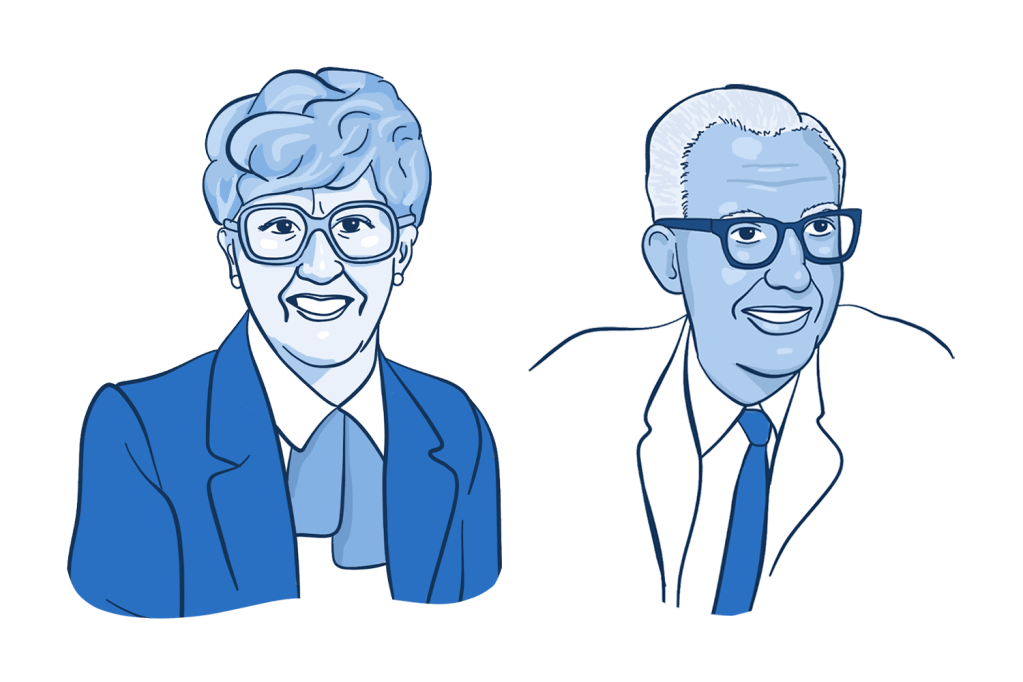
The advanced practice revolution ignited in the 1960s amid physician shortages and unmet needs. Loretta Ford and Henry Silver launched the first nurse practitioner program at the University of Colorado in 1965, training nurses to diagnose and treat common illnesses, prescribe medications, and manage chronic conditions. Clinical nurse specialists developed expertise in areas like oncology, pediatrics, and mental health.
Master’s programs expanded for educators, administrators, and advanced clinicians.The Doctor of Nursing Practice was formalized by the American Association of Colleges of Nursing in 2004, and focuses on clinical leadership, evidence translation, quality improvement, systems change, and policy application.
The scope of nursing practice expanded radically. In 30 US states, NPs now hold full practice authority. Advanced roles have improved access, reduced costs, enhanced outcomes, and filled the primary care gap, with advanced practice transforming nurses from supporters to autonomous providers and system leaders.
Nursing in Modern Healthcare Systems
In contemporary systems, registered nurses (RNs) are the indispensable hub of interdisciplinary teams. RNs collaborate daily with physicians, pharmacists, therapists, social workers, dietitians, and chaplains to deliver seamless, coordinated care. They perform assessments, catch subtle deteriorations, manage complex medication regimens, educate on self-care, facilitate discharges, and advocate when needs aren’t met.
Technology integration has been revolutionary, with electronic health records that enable real-time charting, telehealth platforms that connect nurses to remote patients, and wearable devices and remote sensors that track vital signs. Newer innovations include AI tools that can predict sepsis, falls, and readmission risks, giving nurses more time for important patient interactions and the patient-centered care that defines nursing.
The global challenges in nursing are real. The WHO projects a 5.9 million-nurse shortfall by 2030 due to aging populations, epidemics of chronic disease, retirements, and migration. The COVID-19 pandemic exposed shortages while highlighting nurses’ heroism in mass vaccinations, surge staffing, and emotional support.
Discussions of healthcare reform position nurses centrally. The Affordable Care Act expanded prevention roles, while value-based payment models reward reduced readmissions and population health management, areas where nurses excel. Organizations such as the ANA and ICN advocate for safe staffing ratios, expanded full practice authority, mental health resources, and equity. In crises, nurses lead public education, policy input, and community resilience.For the last 24 consecutive years, nurses have been ranked the most trusted profession in the US.
Ongoing Challenges and the Future of Nursing
Nursing currently faces formidable hurdles. Ongoing workforce shortages are critical as populations age and chronic conditions rise, with retirements, burnout-driven exits, and inadequate education pipelines exacerbating the gap. Solutions that are gaining traction include accelerated BSN programs, student loan forgiveness, international recruitment with fair migration policies, and simulation-based training to scale capacity.
Challenges with burnout and mental health demand urgent action. Chronic understaffing, emotional exhaustion, long shifts, and workplace violence take a toll. Promising interventions include resiliency training, employee assistance programs, trauma-informed leadership, mandated breaks, and healthy-work-environment movements. Many organizations now prioritize nurse well-being as a patient safety imperative.
Diversity, equity, inclusion, and belonging efforts have accelerated. Historically white and female-dominated, nursing now actively recruits men, people of color, LGBTQ+ individuals, and immigrants through scholarships, mentorship, culturally sensitive curricula, and anti-bias initiatives.
Technological advancements offer hope and hurdles. AI is streamlining documentation, predicting complications, and personalizing care plans, while telehealth expands access to care. Ethical training prevents “technostress” and ensures technology augments, not replaces, the human element.
Looking to the future with genuine excitement, nurses will dominate in leadership roles. Advocacy will champion health equity, pandemic preparedness, sustainable systems, and workforce support. Nursing’s core of compassion, fused with competence and courage, will help overcome these challenges. The road is tough, but this profession has conquered worse. The future is unquestionably bright, bold, and led by nurses.
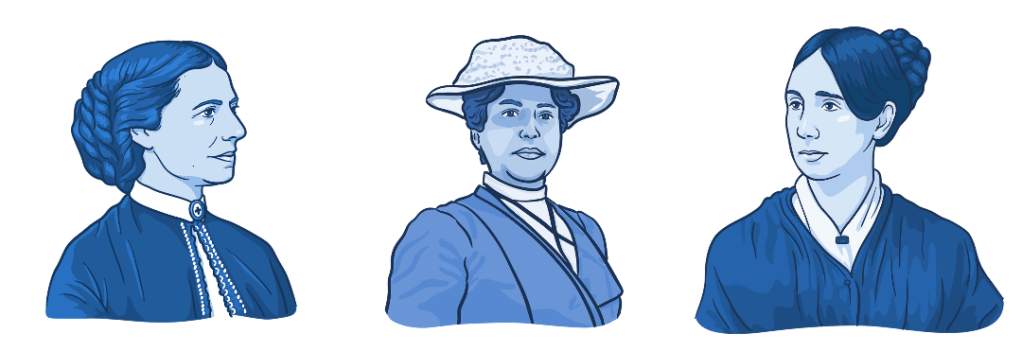
Honoring the Past, Leading the Future of Nursing
What an incredible history! From ancient Egyptian midwives invoking goddesses during births to Ayurvedic attendants balancing doshas in Ashoka’s hospitals, through medieval monastic infirmaries where nuns and Knights Hospitaller provided dignified, holistic care, to Florence Nightingale’s 1860 revolution. Subsequent developments such as standardized training, licensure, role expansion, the public health focus, advanced practice roles, and today’s tech-savvy, patient-centered nursing leadership positions nursing as healthcare’s irreplaceable core. Nurses deliver the most direct care, prevent errors, teach prevention, humanize technology, advocate for equity, and touch lives in profound ways. They blend science with soul and provide the human heart of healing.
The past built an unbreakable foundation. The present proves nursing’s power, and the future belongs to those who carry the lamp forward. To every nurse past and present, you’re a legend. Keep shining, keep advocating, keep evolving. Nursing isn’t just a profession. It’s a movement transforming the world, one caring act, one bold decision, one healed life at a time. Here’s to honoring the roots while fearlessly shaping tomorrow. You are part of something truly extraordinary.
Key Takeaways
- Nursing evolved from informal caregiving into a regulated, evidence-based healthcare profession.
- Florence Nightingale revolutionized care through sanitation, data, and structured training.
- Education, licensure, and professional organizations established modern nursing standards.
- Advanced practice roles expanded nurses’ autonomy, improving access and outcomes.
- Ongoing challenges include workforce shortages, burnout, and adapting to technological change.
Reviewer
Katie Arps, BSN, RN, Registered Nurse Writer
References
- https://elsevier-elibrary.com/contents/fullcontent/82122/epubcontent_v2/OEBPS/xhtml/chp0001.xhtml
- https://www.crystalinks.com/egyptmedicine.html
- https://ayurveda.com/blog/the-ancient-ayurvedic-writings/
- https://chinese.mythologyworldwide.com/the-yellow-emperors-role-in-traditional-chinese-medicine/
- https://www.worldhistory.org/Knights_Hospitaller/
- https://www.britannica.com/biography/Saint-Basil-the-Great
- https://www.patheos.com/blogs/lostinaoneacrewood/2020/01/03/basiliad-basil-of-caesarea-social-justice-worlds-first-hospital/
- https://www.catholic.org/saints/saint.php?saint_id=265
- https://pmc.ncbi.nlm.nih.gov/articles/PMC9185732/
- https://cwfn.uoguelph.ca/short-papers-excerpts/nightingale-statistics-and-the-crimean-war/
- https://www.mcgill.ca/oss/article/how-florence-nightingale-used-data-visualization-save-lives
- https://www.poetryloverspage.com/poets/longfellow/collections/temp/santa_filomena.html
- https://www.maryseacoletrust.org.uk/learn-about-mary/
- https://www.nursing.upenn.edu/nhhc/nursing-through-time/1870-1899/
- https://guysandstthomas.shorthandstories.com/the-nightingale-training-school/
- https://www.worldhistory.org/Germ_Theory/
- https://www.aanp.org/news-feed/breaking-barriers-a-history-of-mary-eliza-mahoney
- https://www.nln.org/
- https://www.nursingworld.org/ana/
- https://www.history.com/articles/nursing-women-civil-war
- https://www.icn.ch/
- https://pmc.ncbi.nlm.nih.gov/articles/PMC9185732/
- https://www.historyhit.com/who-was-ethel-gordon-fenwick-the-first-nurse/
- https://www.nursing.upenn.edu/nhhc/american-nursing-an-introduction-to-the-past/
- https://nursingtheory.org/nursing-theorists/Isabel-Hampton-Robb
- https://www.womenshistory.org/education-resources/biographies/mary-adelaide-nutting
- https://currentnursing.com/nursing_theory/Henderson.html
- https://bns.institute/nursing-foundation/orems-self-care-deficit-theory/
- https://nurseslabs.com/martha-e-rogers-theory-unitary-human-beings/
- https://nurseslabs.com/sister-callista-roys-adaptation-model/
- https://www.aanp.org/about/founders
- https://www.aacnnursing.org/our-initiatives/education-practice/doctor-of-nursing-practice/about-the-dnp
- https://nursejournal.org/nurse-practitioner/np-practice-authority-by-state/
- https://www.icn.ch/sites/default/files/inline-files/ICN%20Policy%20Brief_Nurse%20Shortage%20and%20Retention.pdf
- https://www.hhs.gov/healthcare/about-the-aca/index.html
- https://www.nursingworld.org/news/news-releases/2026-news-releases/nurses-ranked-most-trusted-professionals-for-24th-consecutive-year/
- https://health.clevelandclinic.org/moxibustion
- https://pmc.ncbi.nlm.nih.gov/articles/PMC5538214/

Try Osmosis from Elsevier today! Access your free trial and find out why millions of current and future clinicians and caregivers love learning by Osmosis.

Leave a Reply