
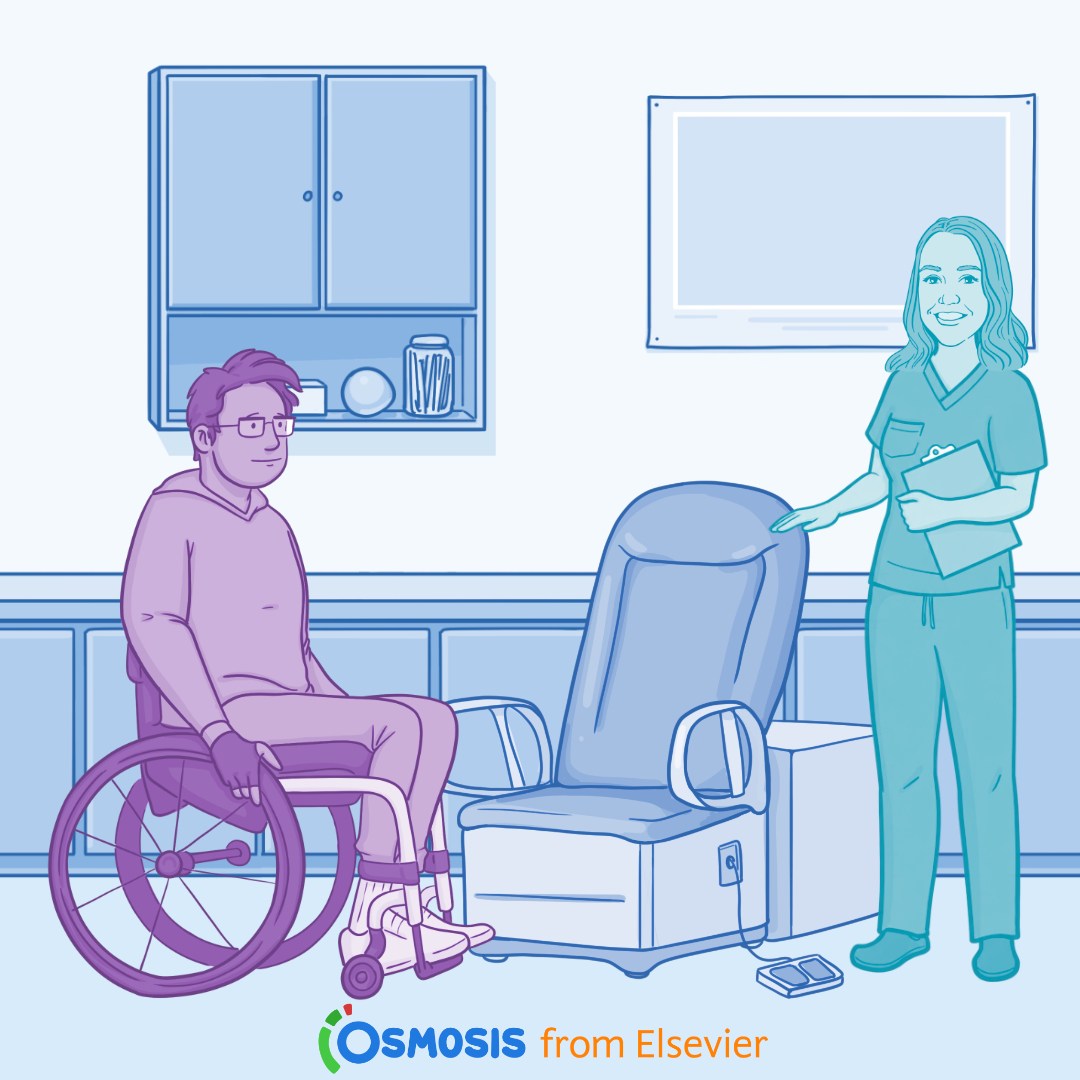
Why We Created the Caring for Patients with Disabilities Series
Healthcare professionals enter their careers with a shared goal: helping patients achieve the best possible outcomes. Yet for millions of people living with disabilities, receiving care can involve barriers that extend far beyond their diagnosis.
Some barriers are physical, such as inaccessible medical equipment or examination rooms. Others involve communication, information processing, or navigating digital resources that were not designed with accessibility in mind. Often, these barriers are unintentional. But regardless of intent, they can affect a patient’s safety, autonomy, understanding, and ability to participate fully in their care.
That reality inspired the creation of Caring for Patients with Disabilities, a new featured series from Osmosis that explores how healthcare professionals and healthcare systems recognize and remove barriers to care. Rather than focusing on disability labels, the series highlights practical and observable actions clinicians can take to create more accessible, equitable healthcare experiences.
Why Accessibility Matters in Healthcare
As our team developed the series, we identified a guiding principle that shaped every script: accessibility is a fundamental part of quality healthcare and patient safety. When communication, environments, equipment, and workflows are accessible, misunderstandings and safety risks decrease, helping patients better understand their care, make informed decisions, and participate in the process.
To bring those ideas to life, we chose a case-study format. Each story follows a familiar arc: a patient encounter, an accessibility barrier, a clinician or system response, and a resulting improvement in participation, understanding, or safety. By grounding the content in realistic clinical situations, we show that accessibility is a practical part of everyday healthcare rather than an abstract concept.
How the Series Teaches Accessible Patient Care
The series explores four distinct patient experiences.
1. Hidden Disabilities: Responding Without Assumptions
The first case study, Understanding Hidden Disabilities, introduces learners to the concept of non-visible disabilities and the importance of respectful, patient-centered communication. The case highlights the Hidden Disabilities Sunflower, a voluntary symbol that lets individuals indicate they may need additional support without disclosing a diagnosis. Above all, the story emphasizes observation, empathy, patience, and the importance of responding to each patient’s expressed needs rather than making assumptions.
2. Cognitive Accessibility: Making Health Information Easier to Understand
The second case study focuses on Cognitive Accessibility Needs, and it demonstrates how communication strategies such as plain language, slower pacing, visual supports, and teach-back techniques can improve patient understanding. These practical adjustments make a meaningful difference for patients who process information differently, helping ensure that health information is both understandable and actionable.
3. Developmental Disabilities: Supporting Patient Communication
The third case study explores Developmental Disabilities and Supported Communication. Here, learners see how clinicians can ask, observe, adapt, and confirm understanding while keeping patients at the center of healthcare decisions. The story highlights the role of augmentative and alternative communication (AAC) tools and demonstrates how caregivers can support communication without replacing the patient’s voice.
4. Physical Disabilities: Removing Mobility and Access Barriers
The fourth case study examines Physical Disability and Mobility-related Access Barriers, exploring how patients can encounter challenges before a clinical conversation even begins, including inaccessible entrances, medical equipment that doesn’t accommodate all patients, and workflows that unintentionally create obstacles. The story reinforces an important message of the series: accessibility is essential to providing safe, effective, and equitable care.
One aspect of this final script is especially meaningful to our team: a nursing content creator with lived experience of physical disability wrote it. Her experience brought an important perspective to the project, reflecting the realities many patients encounter in healthcare settings. Her perspective reinforced one of the central themes of the series: the people most affected by accessibility barriers have valuable insights into how to address those barriers.
Principles for Providing Accessible, Patient-Centered Care
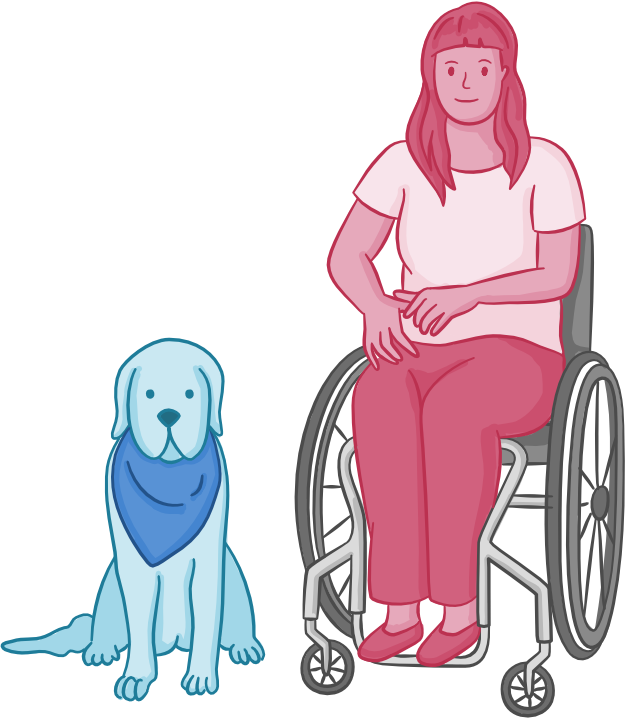
Throughout development, our team remained committed to a consistent set of principles: direct communication with patients, person-centered language, respect for autonomy, practical accessibility solutions, and interdisciplinary collaboration. We also worked to show accessibility in action rather than simply discussing it in theory.
Why Is This Series Being Released Now?
The timing of this series is significant. It arrives at an important moment, as expectations around accessibility continue to evolve, including requirements associated with the Americans with Disabilities Act (ADA) and the European Accessibility Act (EAA). While regulations help shape the conversation, the series focuses on the human impact behind those requirements. Our goal is to help learners understand what accessibility means and why it matters.
Why Should You Watch This Series?
Ultimately, the Osmosis Caring for Patients with Disabilities series is about more than compliance. It’s about recognizing that every patient deserves the opportunity to communicate effectively, participate in decisions, access information, and receive care with dignity. Through realistic examples of clinicians identifying barriers and responding with practical, patient-centered solutions, this series demonstrates how healthcare professionals can help build a more accessible future for all patients, one patient encounter at a time.
Key Takeaways
- Accessibility is a fundamental component of healthcare quality, patient safety, autonomy, and meaningful participation in care.
- Healthcare barriers can involve physical environments, medical equipment, communication, information processing, and digital resources.
- Plain language, visual supports, teach-back, and communication accommodations can make health information clearer and more actionable.
- Clinicians should communicate directly with patients, respect autonomy, avoid assumptions, and adapt care to expressed accessibility needs.
- Practical accessibility improvements and interdisciplinary collaboration can help create safer, more equitable healthcare experiences for patients with disabilities.

Get your free trial now to find out why future clinicians and caregivers love learning by Osmosis!
Leave a Reply