

Pause for a second and consider what separates a good clinician from a remarkable one?
Imagine you’re in the thick of a hectic clinic day. The soft hum of monitors fills the air, and anxious voices overlap like background music. Amid it all, one clinician stands out. Not because they can quote the latest statin guidelines from memory, but because they take a moment to really see the person in front of them. In a world where algorithms and apps compete for our attention, an instant of genuine human connection still changes everything.
Being a truly remarkable clinician isn’t just about passing your boards or mastering the perfect differential diagnosis. Those are the essentials; the building blocks of clinical competence. What sets exceptional clinicians apart goes beyond knowledge or technical skill. True excellence is based on empathy, adaptability, and a lifelong commitment to learning.
Patients today don’t just come in with symptoms; they arrive with Google searches and late-night WebMD tabs. The clinicians who thrive are the ones who can meet that patient’s energy with curiosity, compassion, and a touch of creativity. Think sharp mind, open heart, and flexibility worthy of a pro surfer catching the next big wave.
The best part? Remarkable clinicians come in a variety of forms, be they MDs, DOs, NPs, PAs, and beyond. Each brings a different strength, a different story, and a shared purpose. Because being remarkable isn’t about your title; it’s about how you show up for your patients, your team, and yourself.
Whether you’re an NP advocating for your rural community or a PA navigating the fast-paced rhythm of the ER, these aren’t “extra” skills. They’re the secret ingredients that turn good care into extraordinary care.
So buckle up, future healers and caregivers. We’re diving into the blueprint for becoming the kind of clinician people talk about long after the visit ends, with gratitude, respect, and a hint of awe.

Laying the Foundation: Education and Training for Clinicians
Alright, let’s kick off with laying the foundation: the education and training that launches you into your chosen profession. Think of it as your superhero origin story, rigorous, transformative, and packed with enough plot twists to rival a medical drama binge-watch.
Nurse Practitioners (NP)
Let’s begin with Nurse Practitioners, the trailblazers who bridge nursing’s nurturing roots with advanced practice prowess.
Nurse Practitioner (NP) Education Pathway
| Stage | Program / Credential | What You’ll Learn & Do | Key Milestones |
|---|---|---|---|
| Foundation | Bachelor of Science in Nursing (BSN) | Build a strong foundation in patient care and clinical judgment through coursework and rotations. | Earn RN license after passing the NCLEX-RN. |
| Training | Master of Science in Nursing (MSN) or Doctor of Nursing Practice (DNP) | Dive deeper into pharmacology, pathophysiology, and population health with 500–1,000 hours of clinical experience. | Graduate from an accredited MSN or DNP program. |
| Certification | National Certification (e.g., ANCC, AANP) | Demonstrate advanced clinical expertise in a chosen specialty. | Obtain NP credential and state license. |
| Practice & Growth | Nurse Practitioner (NP) | Diagnose, prescribe, educate, and lead across diverse healthcare settings. | Begin practice and pursue lifelong learning. |
Seal the deal with national certification from bodies like the American Nurses Credentialing Center (ANCC), and boom, you’re an NP, ready to diagnose, prescribe, and lead with authority.
Physician Assistants/Associates (PA)
Physician Assistants/Associates are the ultimate shape-shifters of the team.
Physician Assistant/Associate (PA) Education Pathway
| Stage | Program / Credential | What You’ll Learn & Do | Key Milestones |
|---|---|---|---|
| Foundation | Bachelor’s Degree (Science Focus) | Complete prerequisites in biology, chemistry, and anatomy while gaining healthcare experience. | Earn bachelor’s degree and relevant patient-care hours. |
| Graduate Program | PA Program (2–2.5 Years, ARC-PA Accredited) | Study anatomy, pharmacology, and ethics while completing 2,000+ hours of clinical rotations in areas like surgery, emergency medicine, and psychiatry. | Graduate from an accredited PA program. |
| Certification | National Commission on Certification of Physician Assistants (NCCPA) | Take and pass the PANCE exam to certify your readiness for practice. | Earn the PA-C credential. |
| Practice & Growth | Physician Assistant (PA-C) | Work in collaboration with physicians to diagnose, treat, and educate patients across specialties. | Maintain certification through ongoing CME. |
Certification from the National Commission on Certification of Physician Assistants (NCCPA) is your badge of honor, proving you’re not just trained, you’re battle-tested.
Doctor of Medicine (MD)
Now, for the MDs, the classic hero’s journey. It’s a rite of passage, grueling nights on call, epiphanies over EKGs, and the thrill of your first solo procedure.
Doctor of Medicine (MD) Education Pathway
| Stage | Program / Credential | What You’ll Learn & Do | Key Milestones |
|---|---|---|---|
| Foundation | Bachelor’s Degree (Pre-Med Focus) | Study biology, chemistry, and physics while completing required pre-med coursework and gaining healthcare experience. | Take the MCAT and apply to medical school. |
| Medical School | Doctor of Medicine (MD) | Four years of rigorous training—basic sciences, clinical skills, and patient care. | Graduate from accredited med school; pass USMLE Steps 1 & 2. |
| Residency | Residency Program (3–7 Years) | Hands-on training in a chosen specialty (e.g., internal medicine, surgery, pediatrics). | Complete residency; pass USMLE Step 3. |
| Optional Fellowship | Subspecialty Training (1–3 Years) | Deepen expertise in a focused area like cardiology or oncology. | Earn board certification in specialty/subspecialty. |
With residencies in fields like internal medicine, psychiatry, family medicine, or surgery sculpt you into a diagnostic dynamo.
Doctors of Osteopathic Medicine (DO)
Enter the DOs, the holistic heavy-hitters who share the MD path but crank up the compassion dial with Osteopathic Manipulative Medicine (OMM).
Doctor of Osteopathic Medicine (DO) Education Pathway
| Stage | Program / Credential | What You’ll Learn & Do | Key Milestones |
|---|---|---|---|
| Foundation | Bachelor’s Degree (Pre-Med Focus) | Complete core sciences and pre-med coursework while gaining clinical exposure. | Take the MCAT and apply to osteopathic medical school. |
| Medical School | Doctor of Osteopathic Medicine (DO) | Four years of medical education, including allopathic coursework plus Osteopathic Manipulative Medicine (OMM) training. | Pass COMLEX Levels 1 & 2 (or USMLE equivalent). |
| Residency | Residency Program (3–7 Years) | Full-spectrum clinical training with emphasis on holistic, whole-person care. | Complete residency; pass COMLEX Level 3 (or USMLE Step 3). |
| Optional Fellowship | Subspecialty Training (1–3 Years) | Pursue advanced training in areas such as sports medicine, neurology, or family medicine. | Achieve board certification. |
DO residencies mirror MDs, but with an emphasis on holistic, whole-person care, blending the best of evidence-based medicine with a touch of therapeutic magic.
The Role of Continuing Education in Healthcare
Regardless of your chosen path, there’s an enthusiastic kicker. Healthcare isn’t a “set it and forget it” type of career. Lifelong learning is your eternal flame. Continuing medical education (CME) credits keep you sharp.
- Certification renewals every 5-10 years often require recertification exams and performance audits.
- Professional development: Join societies like the AAFP or AAPA for conferences that spark ideas and networks that fuel dreams.
It’s not drudgery; it’s your ticket to staying ahead, evolving from novice to expert. So, embrace the grind. It’s forging you into a clinician who’s not just qualified, but truly remarkable.
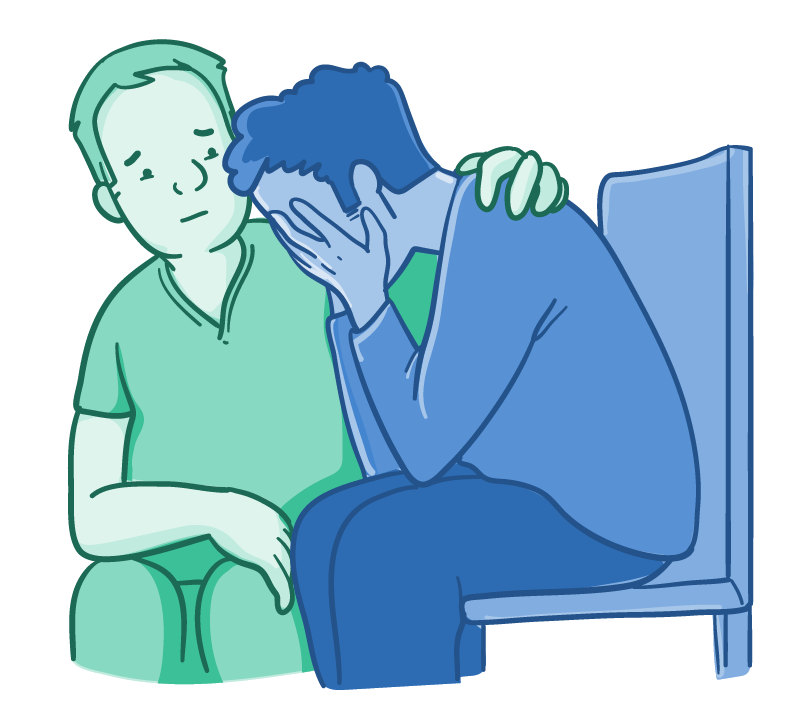
Empathy in Healthcare: The Cornerstone of Clinical Excellence
Empathy is that electric spark that turns a consultation into a connection or a diagnosis into a dialogue. It’s the ability to step into your patient’s shoes — not just intellectually, but with your whole heart — understanding and sharing their feelings as if they were your own. In the high-stakes theater of healthcare where fear and fragility collide, empathy isn’t optional. It’s the cornerstone that builds unbreakable trust and therapeutic alliances.
Studies show patients with empathic clinicians have better outcomes. Beyond the warm fuzzies, empathy turbocharges outcomes. It fosters cooperation, skyrockets satisfaction scores, and even slashes complications when patients feel partnered, not patronized. It’s the difference between a checklist visit and a life-changing conversation.
How Do You Cultivate Empathy?
Here are some key ways to become more empathetic:
- Active listening and validation: Ditch the mental multitasking, put down the tablet, lean in, and echo back what you’re hearing. Show your patients that you’re listening, validate their emotions, and ask open questions. Active listening helps create instant rapport because patients feel heard.
- Self-assess with the Jefferson Scale of Empathy (JSE): A quick questionnaire that rates your perspective-taking and compassionate care. Consider a low score a roadmap to growth rather than a judgment (we’re all different).
- Reflection and mindfulness. End each shift or work day by journaling. For example, “What did I miss in that interaction? How would I feel in their spot?” Some journaling apps offer clinician-tailored meditations to quiet the inner critic and support being (emotionally and mentally) present for your patients and co-workers.
Some Challenges with Being a Long-Term Clinician
Of course, challenges lurk, specifically compassion fatigue and burnout. These sneaky empathy vampires leave you drained after a parade of heart-wrenching cases. The fix is establishing boundaries with bite. Schedule “empathy breaks” for walks or laughs with colleagues. Never underestimate the therapeutic value of YouTube dog and cat videos. Remember, empathy isn’t a bottomless well. It’s a muscle that thrives on recharge. By weaving self care into your schedule, you’re not just a clinician, you’re a healer who leaves patients whispering, “Finally, someone gets it.”
Adaptability in Healthcare: Thriving in Change
Being a clinician is a wild rollercoaster: new technology hits the market faster than iPhone updates and patient expectations evolve with every viral health hack.
Bring on adaptability, your secret weapon for not just surviving, but riding these waves with a grin. It’s the art of bending without breaking while embracing uncertainty as opportunity. It matters because rigid clinicians drown in disruption. Adaptable clinicians lead the charge, innovating care that saves lives and sanity.
Top Traits of Adaptability
The most important traits of adaptability include:
- An openness to learning and killer problem-solving skills.
- Emotional resilience keeps you steady amid storms.
- Flexibility lets you pivot direction without missing a beat.
How to Improve Adaptability?
Start with the Adaptability Quotient (AQ) test, a self-audit that assesses your change-readiness. Get a low score? High-five for honesty, now take the time to identify patterns. Patterns reveal blind spots. Practice by deliberately seeking discomfort. Volunteer for that pilot program on VR therapy or shadow a colleague in a new sub-specialty. Growth blooms in the stretch: embrace it. There is a real-world payoff: better overall performance, seamless collaboration, and top-tier patient care.

Clinician Self-Care: How to Sustain a Lifelong, Fulfilling Career
Let’s get real about the elephant in the exam room: burnout. That soul-sucking fog that turns your passion into an endless grind. The AMA’s 2022 survey found a whopping 63% of US doctors experienced feelings of burnout during the pandemic’s peak, including exhaustion, cynicism, and a nagging sense of inefficacy. NPs, PAs, MDs, DOs, no one’s immune. But here’s the truth. Self-care isn’t selfish. It’s your superpower sustainment plan. You can’t pour from an empty cup, or, in our world, diagnose from a depleted one.
Self-Care Principles
The reality is that shifts bleed into weekends, and you likely carry emotional loads heavier than a full trauma bay. But flip the script with principles that keep you focused, fulfilled, and fabulous:
- Prioritize the basics: Get 7-9 hours of sleep (yes, even post-call), exercise sessions that spark endorphins (hike, yoga, or dance like nobody’s charting), and nutrition that fuels, not fizzles (swap vending machine raids for veggie-packed power bowls you can keep in the fridge).
- Mindfulness is your mental armor: 10 minutes of breathwork daily can declutter the chaos.
- Don’t go solo: Nurture social connections, date nights, buddy brunches, or clinician support groups where venting turns to victories. Professional networks are gold.
- Join wellness committees or reach out to a therapist or peer for check-ins.
- Spot early signs of exhaustion and burnout: Delegate, decompress, and demand some downtime.
Why Is It Important?
Clinicians who regularly practice self-care deliver better care. The research screams it. Lower burnout correlates with better patient safety and satisfaction. You’re modeling resilience, proving medicine’s a marathon, not a masochistic sprint. Just imagine being refreshed and radiant, cracking jokes in rounds while nailing differentials. Self-care is your ticket to a career that’s long, loving, and legendarily impactful. Take the time to fill your well; your patients will happily drink in your best.
The Power of Lived Experience in Patient Care
Never underestimate the power of lived experience. It’s the vibrant mosaic of personal passions, hobbies, and non-clinical escapades that supercharges your empathy and relatability. It’s the X-factor that turns a textbook clinician into an unforgettable one because nothing bridges a gap like shared humanity.
Human connection thrives here. Imagine bonding with a teen patient over your mutual love for indie bands, or drawing on your marathon-training grit to inspire a cardiac rehab newbie. These slices of life infuse interactions with authenticity, making “How are you feeling?” a genuine portal to connection rather than a perfunctory probe.
Balance and perspective are essential, so carve out non-med zones. Devour novels that whisk you to far-flung worlds, jet off for cultural immersions that broaden your worldview, or lose yourself in creative hobbies like painting or podcasting. These aren’t luxuries. They’re lifelines, preventing medicine from monopolizing your soul.
Bring those insights to your practice. A travel tale of resilience might reframe a patient’s chronic pain journey, fostering holistic, person-centered care that honors their whole story. The outcome is increased rapport with patients who open up more, adhere better, and heal holistically. It’s enthusiastic alchemy. Your lived richness enriches their lives. So, chase those sunsets while strumming that guitar. A fuller you makes for a fiercer clinician.
Curiosity and Altruism in Healthcare: The Dual Engines of Growth
Strap in for the dynamic duo: Curiosity and altruism, the twin turbochargers propelling you from competent to fabulous clinician. Curiosity is that insatiable itch to uncover “why” and “how.” It’s the spark that drives innovation in lightning-fast fields, from gene therapies to global health hacks. Altruism is medicine’s moral North Star, the selfless drive to hoist patients above all, even when your tank’s on empty.
The Combined Effect of Curiosity and Altruism
Curiosity alone might make you a trivia titan, altruism a quiet saint, but combined, you’ll become a force. Whether it’s questioning protocols to pioneer better paths or teaching with zeal born of a genuine desire to give back, the combined effect of curiosity and altruism will make you unstoppable.
Cultivate curiosity by devouring journals, TED Talks, or cross-disciplinary chats. Ask “What if?” during grand rounds. Practice altruism by volunteering, mentoring, or conducting equity audits in your practice. Together, they fuel personal growth and create lifelong learners who heal smarter, connect deeper, and inspire daily.
How to Build a Clinical Career You Love
Dreaming of a career that’s less “survive the shift” and more “thrive in your tribe“? It’s all about building a career that suits you. Reflect on what patient care gets you out of bed in the morning: that oncology consult where hope sparked, or the peds well-check that came with a side of giggles? Pinpoint which populations bring you joy. Is it geriatric wisdom or adolescent fire, that align with your interests and values? And settings matter! Is it the urban buzz or rural rhythm you prefer, a solo swagger or team tango? Consider the less beaten paths, such as teaching medical students, researching cures, or working in the industry on device innovation.
Reflect on these questions:
- Do I like to operate?
- Which age group do I enjoy working with?
- How long is my attention span?
- Where do I want to live?
- Do I like to teach?
They will help you work out what excites you. Don’t be afraid to seek out support to help you find your true purpose.
We’ve journeyed through the blueprint, from the foundations to empathy’s embrace, adaptability’s agility, self-care’s sanctuary, lived experience’s lift, and curiosity-altruism’s charge. Remarkable clinicians are integrators and alchemists, turning skills into stories that heal hearts and bodies. Keep reflecting and committing to growth. It’s your edge in this epic journey. Be remarkable: not only in your application of your clinical skills but in how you care, connect, and continue to grow.
References
- https://www.osmosis.org/blog/2023/11/20/how-to-become-a-nurse-practitioner-the-osmosis-ultimate-guide-part-one
- https://www.nursingworld.org/ancc/
- https://www.arc-pa.org/
- https://www.nccpa.net/
- https://www.osmosis.org/library/do/foundational-sciences/osteopathic-manipulative-medicine-(omm)
- https://www.osmosis.org/library/pa
- https://learn.hms.harvard.edu/insights/all-insights/elevating-patient-care-through-empathy
- https://www.jefferson.edu/academics/colleges-schools-institutes/skmc/research/research-medical-education/jefferson-scale-of-empathy.html
- https://www.osmosis.org/blog/how-to-practice-empathy-as-a-nurse-and-why-you-should
- https://melbado.com/adaptability-self-assessment-test/
- https://www.ama-assn.org/practice-management/physician-health/pandemic-pushes-us-doctor-burnout-all-time-high-63
- https://jamanetwork.com/journals/jamanetworkopen/fullarticle/2825639

Try Osmosis from Elsevier today! Access your free trial and find out why millions of current and future clinicians and caregivers love learning with us.
Leave a Reply