
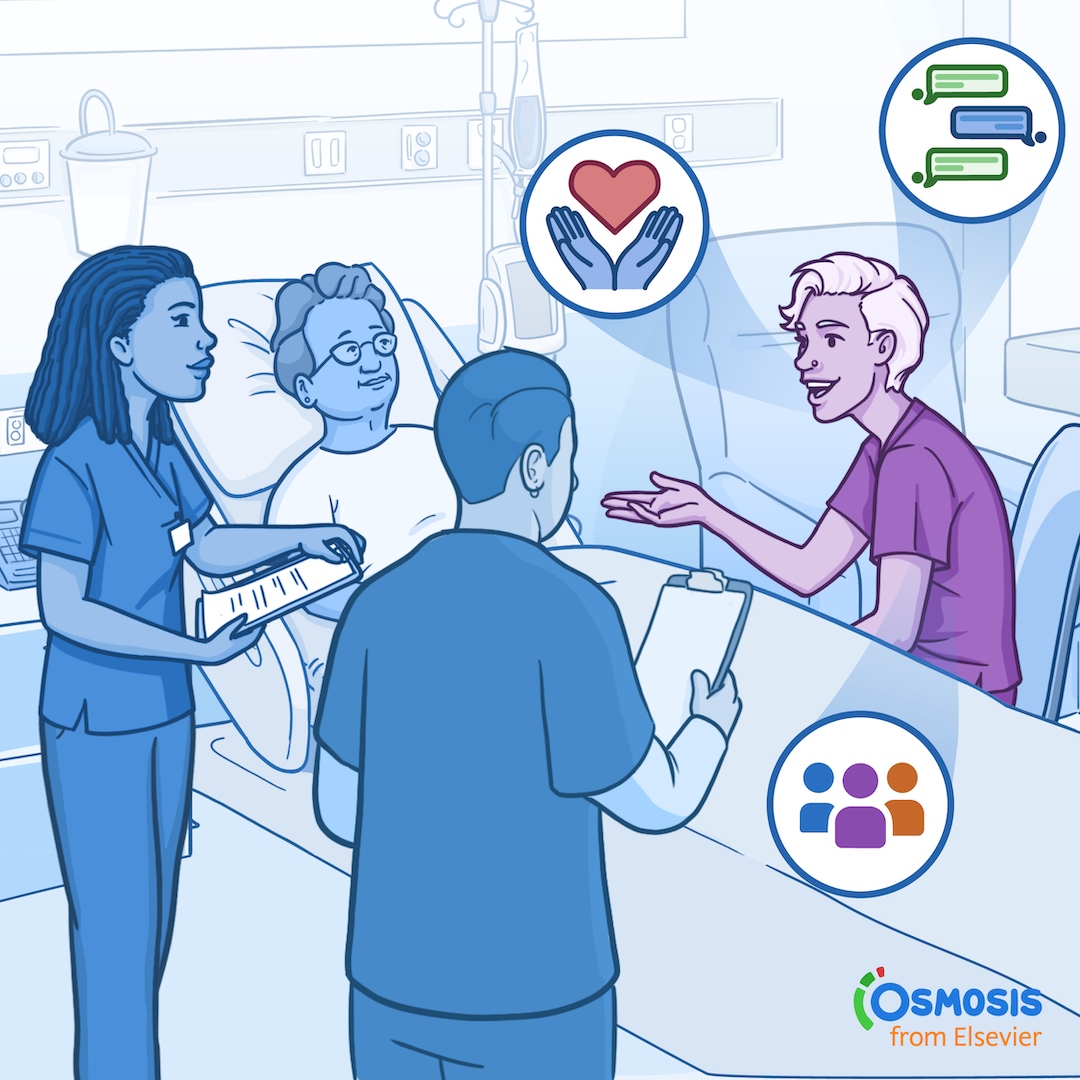
You step onto the hospital floor as a brand-new resident, stethoscope around your neck, white coat pressed and ready, mind buzzing with all the clinical knowledge you gained through years of study. You have aced your exams, survived intense clerkships, and matched into the program of your dreams. Almost immediately, you discover a fundamental truth that changes how you see your new role. Great residents need far more than clinical knowledge to succeed and stand out. Residents also rely on soft skills like communication, teamwork, empathy, adaptability, and professionalism. These skills help you build trust with patients, collaborate effectively with your healthcare team, and navigate the challenges of residency.
Let’s explore what makes a great resident, why soft skills matter in medicine, and some practical ways to strengthen these key skills throughout your training.
Why Soft Skills Matter in Residency
Residency is fast-paced and demanding. You manage complex cases, work long hours, coordinate with multidisciplinary teams, and make decisions as clinical situations evolve. In this challenging environment, soft skills are essential for putting your clinical knowledge into practice.
Strong communication skills help you deliver clear handoffs, explain complex information in accessible language, and listen for important details. These habits can help prevent miscommunication and support safer, more coordinated care.
Teamwork is just as important. Residents work closely with physicians, nurses, pharmacists, therapists, and other healthcare professionals. Learning how to collaborate, ask for help, share responsibility, and support your colleagues can make the team more effective and improve the patient experience.
Think about residents or physicians you’ve admired. Chances are, they stood out not only because of what they knew, but also because of how they worked with others. Perhaps they explained a diagnosis compassionately, supported an intern during a difficult shift, stayed calm in an emergency, or responded thoughtfully to feedback.
These skills are also an important part of graduate medical education. In fact, they’re so important that the ACGME includes interpersonal and communication skills and professionalism among its core competencies.
Developing your soft skills can help you become a more effective teammate, build stronger relationships with patients, and make the most of your residency training.
The Most Important Soft Skills for Residents
Five soft skills are especially important during residency: communication, teamwork, adaptability, empathy, and professionalism. You’ll use them every day—during rounds, handoffs, patient conversations, and interactions with colleagues.
Here’s what each skill can look like in practice.
Communication
Effective communication helps patients, families, and members of the healthcare team understand important information and make informed decisions.
As a resident, you can strengthen your communication by:
- Translating complex medical information into clear, accessible language.
- Explaining diagnoses, treatment options, risks, and expected outcomes in ways patients and families can understand.
- Using the teach-back method to check understanding by asking patients to explain key information in their own words.
During handoffs and rounds, aim to communicate concisely while including the information your colleagues need. Structured tools such as SBAR can help organize important details.
Active listening is another important part of communication. Give people time to speak, avoid unnecessary interruptions, and ask questions that help clarify their concerns. For example, you might ask, “What concerns you most about this plan?”
Written communication matters, too. Clear progress notes, timely orders, and professional messages can help the healthcare team stay coordinated.
You can improve these skills through regular practice and reflection. After an important interaction, consider what went well and what you might approach differently next time. Over time, effective communication and rapport-building can become a natural part of your clinical practice.
Teamwork
Residency is a team effort. Effective teamwork means recognizing and using the expertise of everyone involved in a patient’s care.
That might mean listening to a nurse’s bedside observations, considering a pharmacist’s medication recommendations, incorporating a therapist’s perspective, or consulting another specialist. Interprofessional collaboration can help create more comprehensive, patient-centered care plans.
You can also strengthen teamwork by:
- Offering help when a colleague is managing a heavy workload.
- Sharing useful resources and information.
- Acknowledging your colleagues’ contributions.
- Knowing when to take the lead and when to give others space to learn.
- Addressing disagreements respectfully and focusing on shared goals.
Small actions can make a meaningful difference. Learn the names and roles of the people you work with, offer help when you can, and participate thoughtfully in team discussions and debriefs.
Strong teamwork supports patient care while also creating a more collaborative working environment.
Adaptability
Residency involves constant change. Test results alter treatment plans, unexpected admissions arrive, workflows shift, and different attendings may have different approaches.
Adaptability means responding to these changes thoughtfully without losing sight of patient care and your priorities.
It also means being open to feedback. Throughout residency, supervisors and colleagues will identify areas where you can improve. Rather than viewing feedback as criticism, try to use it as information that can help you grow.
Adaptability becomes especially important when you’re balancing competing demands such as patient care, documentation, education, and rest. When circumstances change, gather the information you need, reassess your priorities, and adjust your plan.
You can develop adaptability by approaching each rotation with curiosity. Ask questions about unfamiliar workflows, reflect on how you responded to unexpected situations, and consider what you might do differently next time.
These habits can help you navigate residency and prepare for the changing demands of clinical practice.
Empathy
Empathy helps you understand and respond to what patients and families may be experiencing.
Clinical information is important, but patients are more than their laboratory results, imaging studies, or diagnoses. Seeing the person behind the illness means considering their concerns, values, circumstances, and goals.
Simple behaviors can help communicate empathy. Sit at eye level when possible, use the patient’s name, give them time to speak, and acknowledge difficult emotions.
Empathy also involves cultural humility. Ask questions rather than making assumptions, and consider how a patient’s background, beliefs, and experiences may influence their preferences and decisions.
When a patient seems frustrated or difficult to engage, curiosity can help. Pain, fear, uncertainty, or previous experiences with healthcare may be influencing the interaction.
Empathy can strengthen the therapeutic relationship and help patients feel heard and respected.
Like other soft skills, empathy develops through practice. Give patients your full attention when you can, reflect on challenging interactions, and consider how you might better support them in future encounters.
Professionalism
Professionalism brings many of these skills together. It includes accountability, reliability, respect, ethical behavior, and a commitment to patient care.
As a resident, professionalism means following through on your responsibilities, arriving prepared, completing tasks on time, communicating respectfully, and taking responsibility when something doesn’t go as planned.
Humility is also important. Residency is a period of intensive learning, and you won’t always know the answer. Recognizing the limits of your knowledge—and asking for help when you need it—is an important part of safe clinical practice.
Professionalism also includes treating patients, families, and colleagues with respect regardless of their role or background. Maintain appropriate boundaries, protect patient confidentiality, and model professional behavior for medical students and other trainees.
Consistent professionalism helps build trust with patients and colleagues while preparing you for increasing responsibility throughout your training.
How to Build Your Soft Skills During Residency
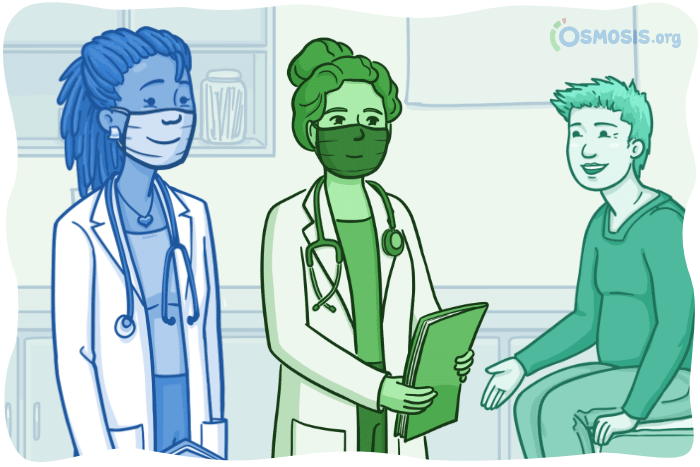
Developing soft skills takes intentional practice. The good news is that residency gives you opportunities to practice them every day.
Ask for Specific Feedback
Seek feedback from attendings, senior residents, peers, nurses, and other members of the healthcare team. Specific questions tend to produce more useful feedback.
For example, you might ask:
- “How could I make my rounds presentation clearer?”
- “Was there anything I could have handled differently in that family discussion?”
- “How can I communicate more effectively during handoffs?”
Then choose one or two concrete changes to practice.
Reflect on Challenging Interactions
After a difficult encounter or shift, take a few minutes to think about what happened. What went well? What was challenging? What would you change next time?
Regular reflection can strengthen self-awareness and help you recognize patterns in how you communicate and respond to stress.
Learn from Role Models
Pay attention to residents, attendings, nurses, and other colleagues whose interpersonal skills you respect.
Notice how they approach difficult conversations, deliver bad news, resolve disagreements, communicate uncertainty, or build rapport with patients. When appropriate, ask them about the strategies they use.
Use Your Program’s Resources
Take advantage of opportunities such as simulation training, communication workshops, leadership development, mentorship, and wellness programs.
These settings give you opportunities to practice skills, receive feedback, and learn from colleagues outside the immediate pressures of patient care.
Invest in Your Team
Get to know the people you work with. Learn their roles, acknowledge their contributions, and offer support when appropriate.
Strong professional relationships can make collaboration easier and create an environment where team members feel more comfortable asking questions, sharing concerns, and learning from one another.
Give Yourself Time
Soft skills develop gradually. A difficult conversation that feels uncomfortable early in residency may become much more manageable with experience, reflection, and feedback.
Pay attention to small signs of progress—a clearer handoff, a productive family meeting, or a conflict handled more constructively. These moments can show you where your skills are growing and where you still have room to improve.
Bringing Clinical and Soft Skills Together
Clinical knowledge is fundamental to residency, but how you apply that knowledge matters.
Communication helps patients understand their care. Teamwork allows healthcare professionals to combine their expertise. Adaptability helps you respond when circumstances change. Empathy helps patients feel seen and heard. Professionalism builds trust and accountability.
You don’t need to master all of these skills at once. Instead, treat them the same way you approach clinical learning: practice, seek feedback, reflect, and improve over time.
By developing both your clinical expertise and your interpersonal skills, you can become a more effective resident, a stronger teammate, and a more thoughtful physician.
Key Takeaways
- Communication, teamwork, adaptability, empathy, and professionalism are five core soft skills residents use throughout clinical training.
- Clear communication supports safer handoffs, patient understanding, and coordinated care.
- Effective teamwork requires residents to recognize the expertise of nurses, pharmacists, therapists, physicians, and other healthcare professionals.
- Seeking specific feedback and reflecting on challenging interactions can strengthen interpersonal skills over time.
- Combining clinical expertise with strong interpersonal skills helps residents become more effective physicians and teammates.
References
- https://med.stanford.edu/gme/housestaff/current/core_competencies.html
- https://www.osmosis.org/answers/sbar-handoff-report-acronym
- https://www.osmosis.org/video/Communication
- https://www.osmosis.org/learn/Enhancing_communication_and_rapport-building
- https://www.osmosis.org/learn/Therapeutic_Communication
- https://www.osmosis.org/blog/how-to-teach-teamwork-and-interprofessional-practice-in-healthcare
- https://www.osmosis.org/learn/Interprofessional_teamwork%3A_Nursing
- https://www.osmosis.org/blog/skills-that-set-you-apart-becoming-a-remarkable-clinician
- https://www.osmosis.org/blog/how-to-collaborate-with-your-er-attending
- https://www.osmosis.org/learn/Documentation_and_reporting
- https://www.osmosis.org/blog/the-osmosis-ultimate-guide-to-thriving-in-clinical-rotations
- https://www.osmosis.org/blog/how-to-practice-empathy-as-a-nurse-and-why-you-should
- https://www.osmosis.org/blog/how-to-become-a-culturally-competent-clinician
- https://www.osmosis.org/blog/why-you-should-stop-practicing-empathy-and-start-feeling-it
- https://www.osmosis.org/learn/Professionalism
- https://www.sciencedirect.com/science/article/pii/S2772501423000283
- https://www.osmosis.org/blog/how-to-develop-your-emotional-intelligence-as-a-health-professional
- https://www.osmosis.org/blog/tips-to-become-a-better-listener-as-a-healthcare-professional
- https://www.ama-assn.org/education/improve-gme/2-skills-help-residents-build-better-relationships-patients
- https://med.stanford.edu/gme/housestaff/current/core_competencies.html
- https://www.acgme.org/globalassets/pdfs/guide-to-the-common-program-requirements-residency.pdf
- https://www.aamc.org/about-us/mission-areas/medical-education/cbme/core-epas
- https://www.umms.org/ummc/pros/gme/acgme-competencies/interpersonal-skills-communication
- https://www.marshfieldclinic.org/education/residents-and-fellows/well-being-committee/acgme/professionalism

Get your free trial now to discover why millions of clinicians and caregivers love learning by Osmosis.
Leave a Reply