

Stepping onto a pediatric ward for the first time is an adrenaline rush wrapped in pure chaos (in the best and most terrifying way possible). There are bright primary colors everywhere, cartoon characters smiling from every wall, and the soundtrack of giggles mixed with sudden wails. One minute, a four-year-old is showing you their favorite dinosaur toy, the next, they’re screaming bloody murder because you dared to look at their ears.
On the sidelines, their parents or guardians are, of course, in full protective (and likely, anxious) mode, desperate for reassurance that their baby’s going to be okay. And looming over every decision is the unforgiving reality of pediatric dosing. Everything is weight-based. Every milligram per kilogram matters enormously in bodies that have zero room for error.
But here’s the liberating truth most medical students initially miss: this rotation doesn’t demand that you become a genius or a showman. The real killer isn’t lack of smarts or hard work; it’s pouring energy into the wrong things. We’re going straight to the heart of what drives success. The mindset flip that turns anxiety into focus. You’ll walk away more confident, more clinically sharp, and more resilient than when you started. Because Pediatrics isn’t something to simply survive. It’s something to own. And you’ve got the tools to smash your pediatric rotation. Let’s get to it!
What Makes Pediatric Rotations Difficult?
What sets pediatrics apart is that you’re never treating a solitary patient. Instead, you’re stepping into a whole-family ecosystem where emotions run high, and dynamics shift constantly. Parents arrive carrying their own baggage, such as fears from previous bad experiences, cultural beliefs, internet-fueled worries, or simple exhaustion from sleepless nights with a sick child. You have to take a beat to read the room, manage expectations, and build rapport at the same time.
Good communication in Peds requires acrobatic flexibility. One patient is a nonverbal infant. The next is a chatty seven-year-old. Then comes the 15-year-old who barely looks up from their phone and needs you to respect their privacy while still looping in their parents appropriately. No adult-standard orders here. Every antibiotic, pain med, fluid rate, or resuscitation calculation scales precisely to kilograms, and tiny patient bodies forgive almost nothing.
Then pile on the extras:
- plotting growth curves
- knowing developmental milestones
- memorizing vaccine schedules
- interpreting subtle signs in kids who can’t verbalize pain or distress
The emotional weight is heavy. Seeing a baby struggle to breathe, consoling parents after a devastating diagnosis, or witnessing abuse/neglect cases can stay with you.
Rotation environments swing wildly. Inpatient wards are fast-paced with acuity spikes and rapid turnover, while outpatient clinics emphasize prevention, education, and continuity. Peds attendings and teams have different styles. Some love teaching, while others value efficiency. Evaluations lean heavily on soft skills, including communication, professionalism, and collaboration, rather than simple fact recall.
These challenges mirror the broader shift from preclinical to clinical years with real patients, real stakes, and real-time pressure. Learn to channel your energy into the things that matter, and pediatrics becomes one of the most fulfilling rotations you’ll ever do.
The Mindset Shift That Changes Everything
The moment everything clicks in pediatrics is when you stop asking, how do I impress everyone? Instead, you ask, how do I keep this kid safe and this family supported? Most students arrive wired for the wrong game; hunting zebras when daily life in pediatrics is 90% horses like asthma exacerbations, viral bronchiolitis, or dehydration from gastroenteritis.
The good news is that you don’t need to know every obscure syndrome. What you do need is razor-sharp pattern recognition. Walking into a room and recognizing that this child is sick and requires escalation, versus this child is stable, is key. That gut call, backed by solid vitals knowledge and red-flag awareness, saves lives far more often than naming a rare metabolic disorder.
Your progress will reveal itself gradually but powerfully. Your vital sign interpretation will sharpen, presentations will tighten, and you’ll start anticipating needs. Kindness evolves from a polite add-on to a clinical superpower, calming frantic parents and improving cooperation from scared kids.
Lock this in early, and pediatrics transforms. It becomes less intimidating, more rewarding, and the perfect training ground for the judgment, composure, and resilience you’ll carry into every future rotation and beyond.
What Actually Matters During Your Pediatric Rotation
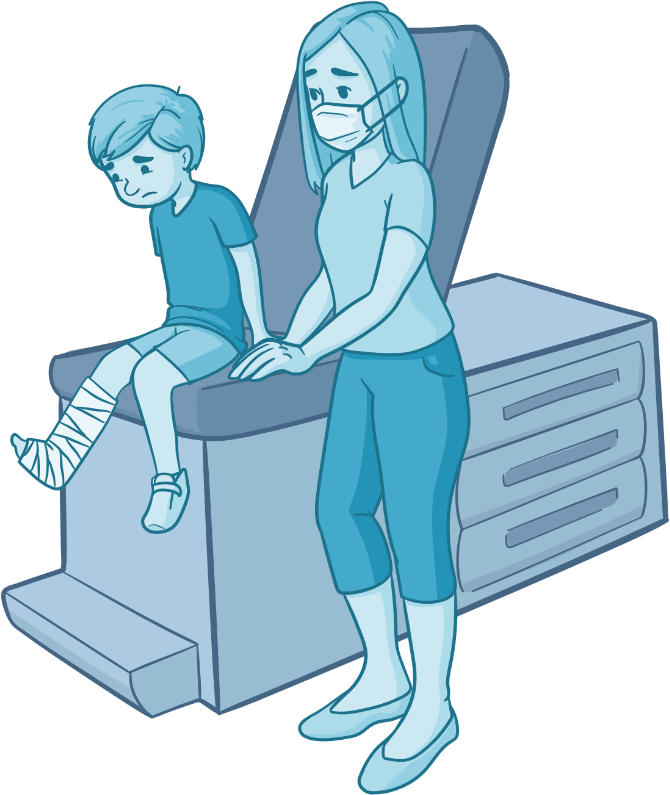
Evaluations, respect from the teams you work with, and having a real impact on kids all hinge on a handful of core competencies consistently executed. First and foremost, nail the sick/not-sick determination. Burn age-specific vital signs into your brain. Learn to spot decompensation markers instantly. When instinct screams,” This is bad, voice it without delay. Teams value students who escalate appropriately over those who wait for permission.
Developmental awareness is non-negotiable. Memorize gross and fine motor, language, and social milestones to screen efficiently. Ask targeted questions during the patient’s history to determine if intervention is necessary.
Communication separates good students from great ones. Learn how to adapt your style from playful and concrete with toddlers to direct and respectful with adolescents. Use plain language and reassurance with parents, while validating anxiety upfront. It opens doors.
Get 100% clear on the high-frequency, most common pediatric conditions:
- Asthma
- Bronchiolitis
- Otitis media
- Strep pharyngitis
- Viral rashes
- Dehydration
- Newborn jaundice
- Well-child care and vaccines
- Adolescent mental health
Dosing safety is sacred ground. Triple-check every mg/kg, use apps/charts, or consult seniors/pharmacists. Don’t ever guess. Reliability matters: show up early, chase down results, update families, finish notes, and perform consistently. These habits build unbreakable trust and make you indispensable.
What Doesn’t Matter as Much During Your Pediatric Rotation
It’s easy to waste mental and physical energy on things that, in the end, barely move the needle. Deep-diving into ultra-rare conditions may feel scholarly, but it rarely helps patients. Those cases are unicorns. Instead, focus on when to suspect and refer.
Work hard to remember that it’s better to listen more, speak less, and make every word count. And saying ridiculously late without purpose isn’t dedication; it’s inefficiency. Learn to be effective within normal hours.
Keep in mind that treating a rotation like a never-ending job interview creates toxic pressure. Treat each shift as a learning building block. Don’t strive to be perfect; it leads to exhaustion and mistakes. Sustainable excellence earns far better feedback and personal growth than dramatic over-effort.
How to Study Without Burning Out on Pediatrics
The secret to thriving academically during pediatrics is making your studies an extension of your clinical work, rather than a competing burden. Anchor everything to the patients you see. For example, if you admit a wheezing kid, review the asthma severity classification, pharmaceutical interventions, and discharge criteria that evening. Linking what you’ve learned to real patient cases creates powerful retention.
Ruthlessly prioritize the high-yield topics, including:
- Growth and development
- Vaccine schedule
- Asthma step therapy
- Dehydration assessment
- Fever by age
Keeping study sessions short, sweet, and focused on a single topic with no distractions will help you maintain focus. Refer to rotation-optimized resources. Explore the wealth of Osmosis resources to help you not only survive, but thrive in your rotations.
Embrace “good enough” as the target. Those daily focused study blocks compound exponentially, eliminating the need for cramming and reducing the impact on your sleep and performance. Study smarter so you can sleep, eat, move, and recharge, so you can stay clinically sharp, shelf-ready, and human throughout your rotation, rather than turning into a super caffeinated zombie!
Common Traps During Pediatric Rotation
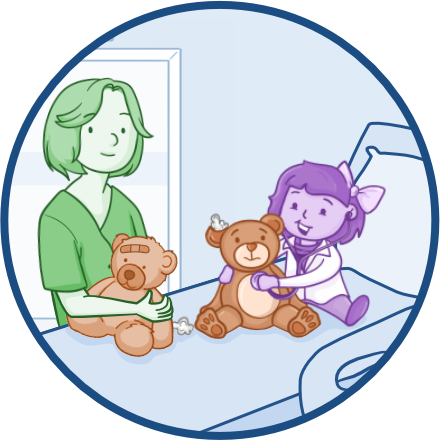
Pediatrics is littered with seductive traps that derail even strong performers. The “be the fun one” trap is huge. It often feels inauthentic, distracts from medical priorities, and can undermine professionalism in the eyes of parents. Authentic engagement, including a calm presence, developmentally appropriate interaction, and genuine curiosity, builds trust faster.
Taking bad outcomes personally is emotionally devastating in this rotation. Medicine has uncertainty, team decisions, and patient variables beyond your control. Reflect and learn, but do your best to let go of blame. Healthy emotional boundaries prevent burnout. Feeling personally responsible for every outcome and blurring boundaries leads to compassion fatigue. Try to set mental firewalls without becoming cold or distant.
Another hurdle is learning how to have difficult conversations with patients and parents. Whether it’s vaccine hesitancy, abnormal findings, or a poor prognosis, dodging conflict delays patient care and impacts your professional growth. Practice delivering difficult news with empathy, structure, and follow-up support.
Last, and most common, is sacrificing basics, such as sleep, food, or your social life, which invites errors, irritability, and poor judgment. Learn to take time out. It’s a core clinical competency that protects you while increasing patient safety.
Common First Rotation Mistakes and How to Avoid Them
Pediatrics carries an emotional intensity unlike any other rotation. Certain situations can hit hard. A previously healthy toddler fighting respiratory failure, parents’ eyes filling with tears as you explain their child’s abnormal labs. The gut-punch of child abuse/neglect cases, or sitting with a family after devastating news. Know that feeling shaken, sad, or even tearful after those encounters is normal and healthy. And take note that suppressing emotions isn’t a strength. It’s a fast track to burnout.
The real skill is caring deeply while protecting your own reserves.
- Make routine debriefs a habit
- Talk through tough cases with your colleagues
- Journal privately to offload thoughts without worry of judgment
- Connect with non-medical friends or family for perspective and some light-heartedness
- Safeguard your recovery time
- Prioritize sleep, regular exercise, proper meals, hobbies, and social time
Do your best to process your feelings constructively rather than bottling them up or ruminating on them. Seek support early if you’re struggling. Most schools offer confidential, free counseling.
Done right, the emotional weight of pediatrics becomes a source of growth. You’ll develop deeper empathy, stronger composure under pressure, and greater meaning in the work. You’ll emerge tougher in a more steady, more compassionate way, and better equipped for the long haul of medicine.
What Smashing Your Pediatric Rotation Really Looks Like
When you’re legitimately smashing your pediatrics rotation, it won’t feel flashy. You’ll feel steady, competent, and quietly confident. You’ll develop a sense of stability in practice, interpret vital signs in context, identify red flags instinctively, and know when to escalate calmly and decisively. No drama necessary, just reliable clinical judgment.
Your presentations will be structured and include the relevant story, pertinent exams, thoughtful assessments, and a prioritized plan with rationale. Teams will begin to trust your thinking and know you’ll follow through. Parents will lean in when you talk because you’ll be able to explain what’s happening in plain language, validate their fears, listen actively, and provide a plan with clear next steps.
Counseling will start to feel more effortless. Whether you’re breaking down vaccine schedules with crystal-clear explanations, tackling developmental worries calmly without unnecessary alarm, or offering behavior guidance with steady confidence, it will all begin to feel natural and impactful. During adolescent visits, you’ll be able to strike the perfect balance of honoring their growing autonomy and confidentiality, while keeping parents meaningfully informed.
At the end of each day, you should be tired but fulfilled, not drained. You’ll manage admissions, well visits, emotional conversations, code situations, and routine care without falling apart and while absorbing knowledge nonstop, adding real value to the team, and fiercely guarding your own energy. That’s not just surviving—that’s truly smashing your rotation.
On Succeeding Where It Counts
In the end, smashing your pediatric rotation isn’t about perfection, encyclopedic knowledge, or constant performance. It’s built on three unshakable pillars: dedication to patient safety, clear, empathetic, and jargon-free communication with kids and families, and unwavering reliability and consistency when it matters most.
When you live these pillars, magic truly happens. Families feel seen, heard, and genuinely supported, even on the scary days. Your team will lean on you because they know you’ll catch things, communicate well, and close loops. You’ll grow real clinical muscle: better judgment, faster pattern recognition, and stronger emotional steadiness. And most importantly, you actually enjoy the work rather than just endure it.
Most medical students leave pediatrics noticeably changed. More confident in their assessments, more skilled at de-escalating anxiety, more resilient after tough cases, and more excited about medicine overall. That mindset of ruthlessly focusing on what truly impacts patients and teams, rather than what merely looks impressive, will serve you well on every rotation, shelf exam, residency application, and patient interaction ahead.
You’ve got the roadmap now. Pediatrics is tough, beautiful, and incredibly rewarding rotation when approached right. The kids, the families, and your future self are all counting on you to show up as the safe, kind, reliable doctor you already are. Go own this rotation. You’ve got this, and it’s going to be incredible!
Key Takeaways
- Success in pediatrics hinges on safety, communication, and consistent reliability, not perfection.
- Mastering “sick vs. not sick” recognition and age-specific vitals is critical for clinical decision-making.
- Effective communication with both children and caregivers is a core differentiator.
- Focus on high-yield conditions and real patient-based learning to study efficiently.
- Emotional resilience and self-care are essential to avoid burnout and sustain performance.
References
- https://www.cdc.gov/vaccines/hcp/imz-schedules/child-schedule-vaccines.html
- https://www.osmosis.org/learn/Physical_assessment_-_Pediatric:_Nursing
- https://www.osmosis.org/learn/Developmental_milestones_(childhood):_Clinical_sciences
- https://www.med.unc.edu/pediatrics/cccp/wp-content/uploads/sites/1156/2025/06/Pediatric-Medication-Dosing-Guildelines.pdf
- https://www.osmosis.org/blog/the-osmosis-ultimate-guide-to-thriving-in-clinical-rotations
- https://www.ama-assn.org/practice-management/career-development/physician-specialty-pediatrics
- https://kevinmd.com/2024/04/whats-love-got-to-do-with-it-the-emotional-toll-of-the-practice-of-medicine.html
- https://publications.aap.org/pediatrics/article/150/5/e2022059665/189767/Physician-Health-and-Wellness
- https://www.cardiacdirect.com/normal-vital-signs-by-age/#1674583377641-7f06850a-6184
- https://umem.org/files/uploads/1204171557_Lu4182012.pdf
- https://www.cdc.gov/act-early/milestones/index.html
- https://www.rxdosecalc.com/
- https://www.jpeds.com/article/S0022-3476(15)00547-8/fulltext
- https://nyschildrensasthma.org/wp-content/uploads/2025/09/Assessing-Asthma-Severity-and-Control-Charts-1.pdf
- https://health.hawaii.gov/asthma/files/2013/06/asthmachart.pdf
- https://www.osmosis.org/learn/Dehydration_(pediatrics):_Clinical_sciences
- https://www.osmosis.org/blog/how-to-use-osmosis-to-help-you-thrive-during-clinical-rotations
- https://pmejournal.org/articles/10.5334/pme.1521

Try Osmosis today! Get your free trial today to find out why millions of clinicians and caregivers love learning by Osmosis.
Leave a Reply