
Category: Clinical Skills
-
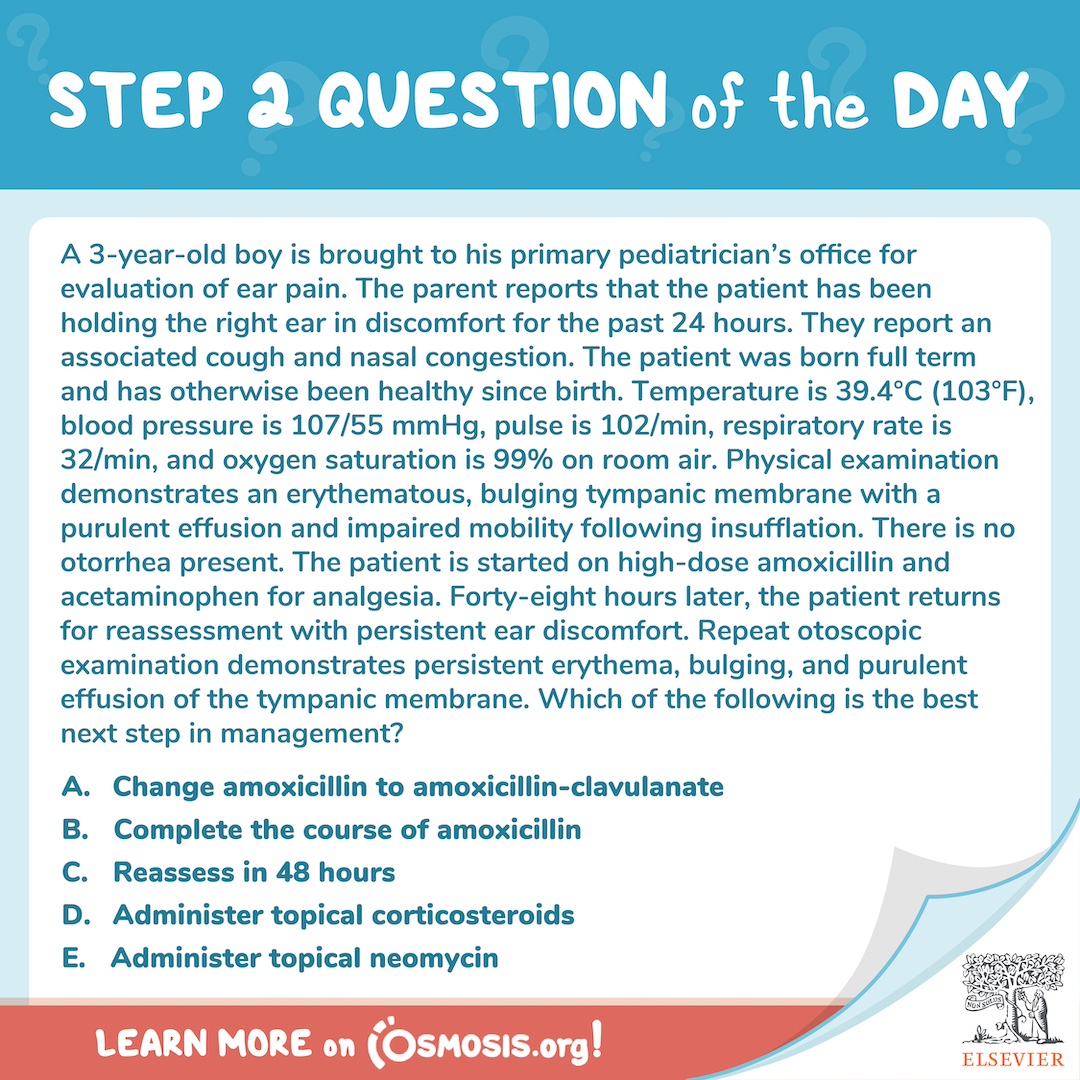
USMLE® Step 2 Question of the Day: Ear pain
— Updated:
Just in time with a new USMLE® Step 2 CK Question of the Day! Today’s case involves a 3-year-old boy with ear pain in his right ear along with a cough and nasal congestion. The patient is on high-dose amoxicillin and acetaminophen, but returns 48 hours later for reassessment. What’s the…
-
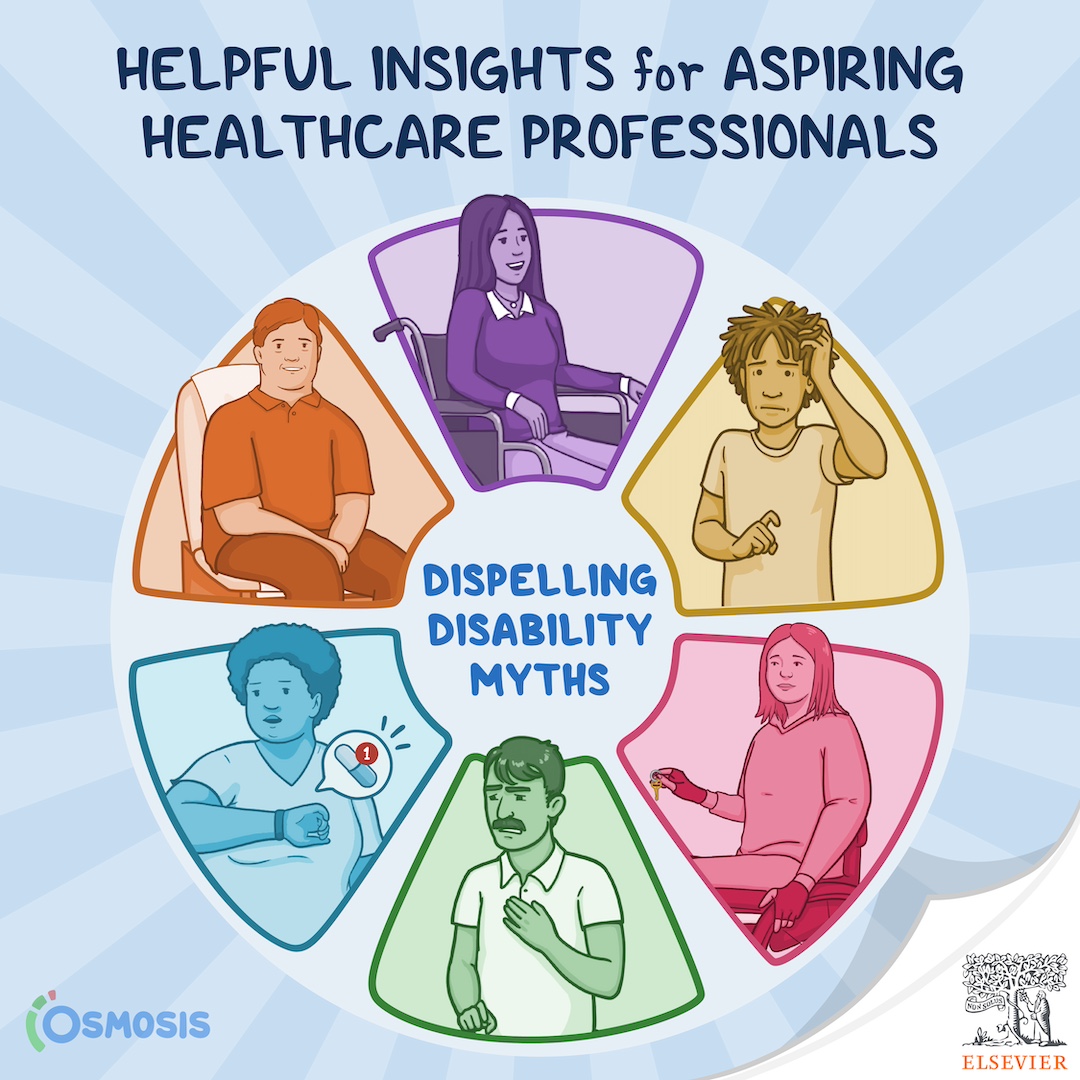
Dispelling Disability Myths: Helpful Insights for Aspiring Healthcare Professionals
— Updated:
According to the CDC, approximately one in four US adults will experience a disability at some point in their lives. Despite how common disability is, people with disabilities face ongoing misconceptions and biases that contribute to existing disparities in healthcare access and quality. It’s crucial to address and dispel these…
-
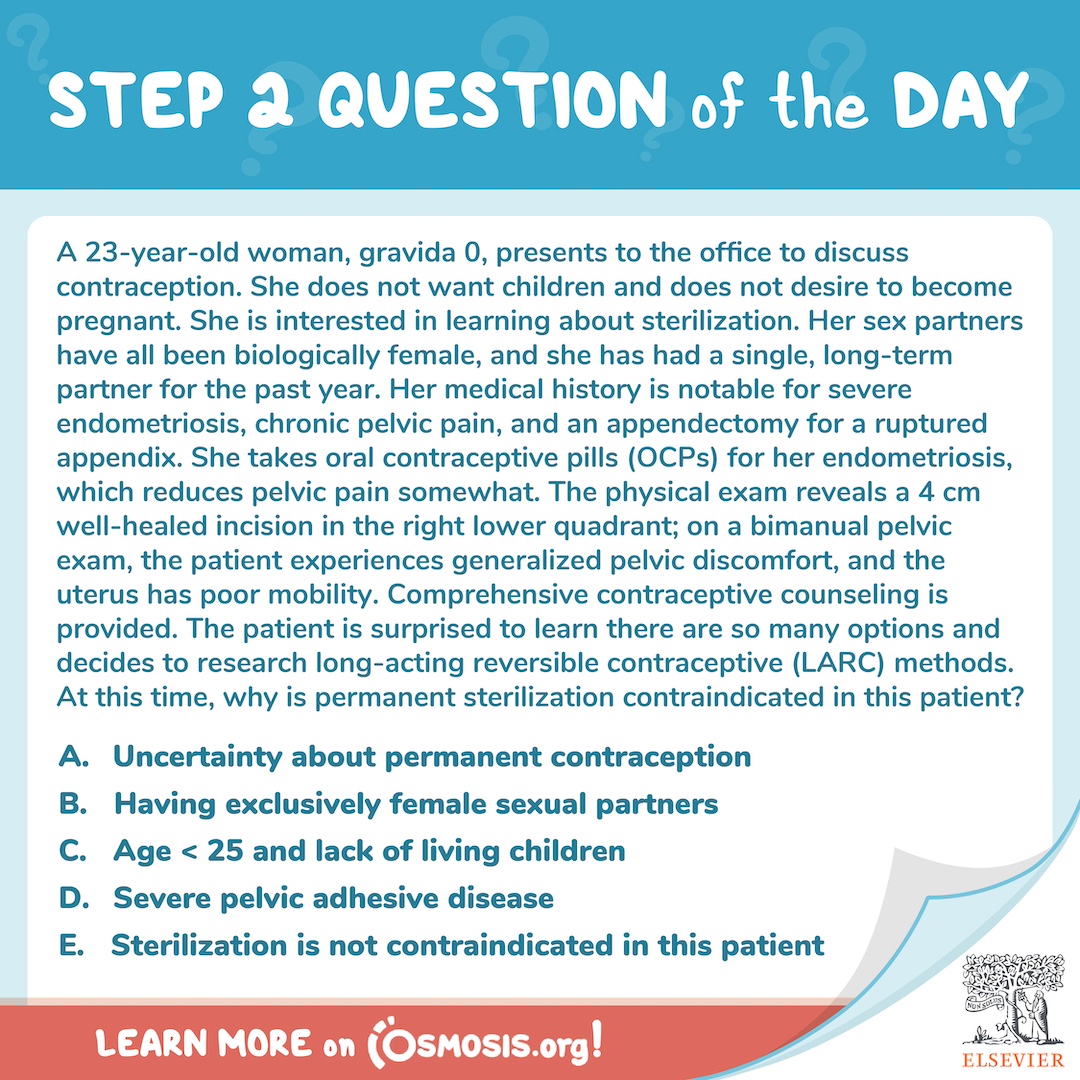
USMLE® Step 2 Question of the Day: LARC
— Updated:
A young woman considering permanent contraception expresses uncertainty and wants to explore LARCs first. Understand why full informed consent is essential before sterilization.
-
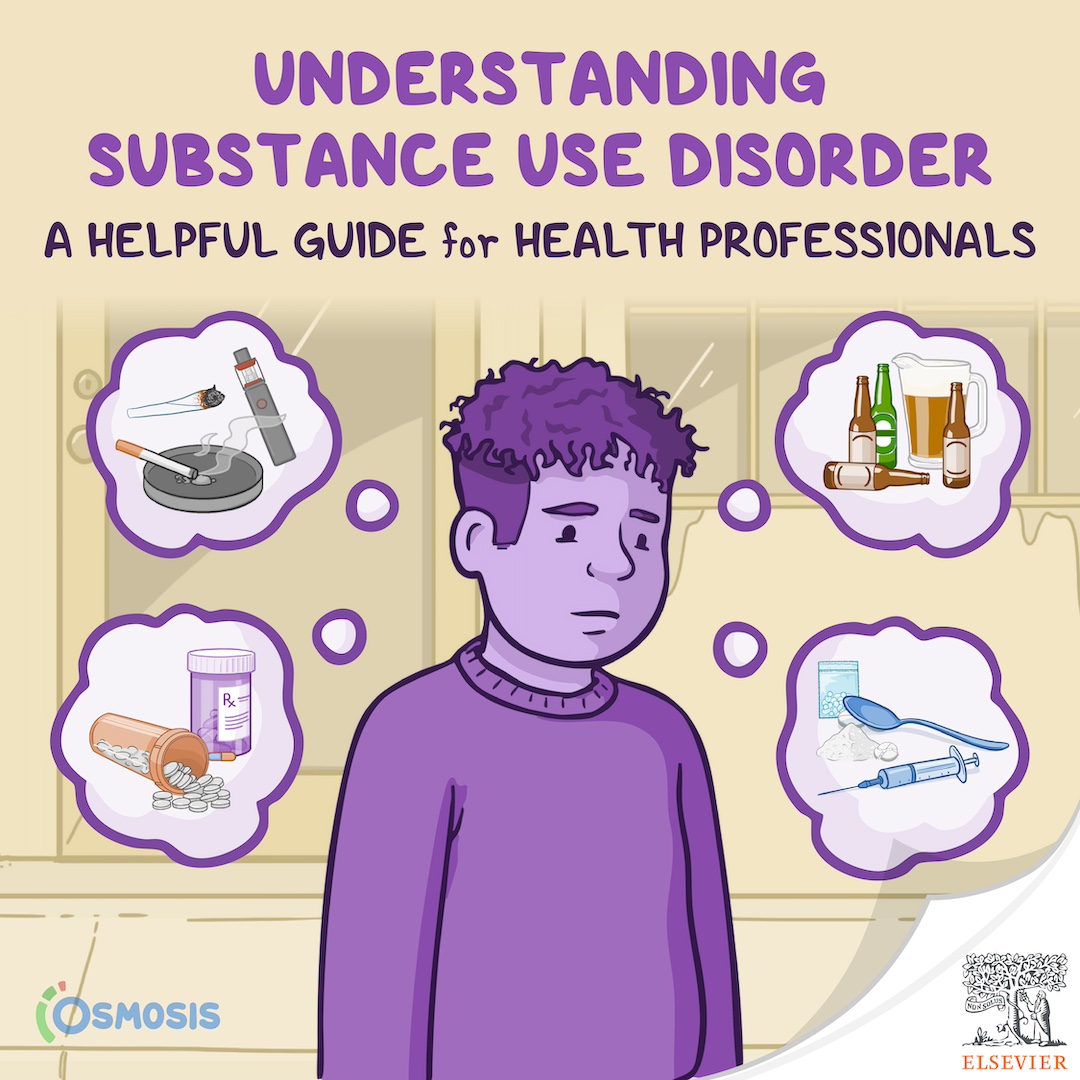
Understanding Substance Use Disorder: A helpful guide for health professionals
— Updated:
Substance Use Disorder (SUD) is a health condition involving a patient’s uncontrolled use of a substance, such as alcohol, drugs, and medications, that affects an individual’s daily life by impairing their physical and mental health, along with social functioning. There are about 20 million people in the US (approximately 6% of the total…
-
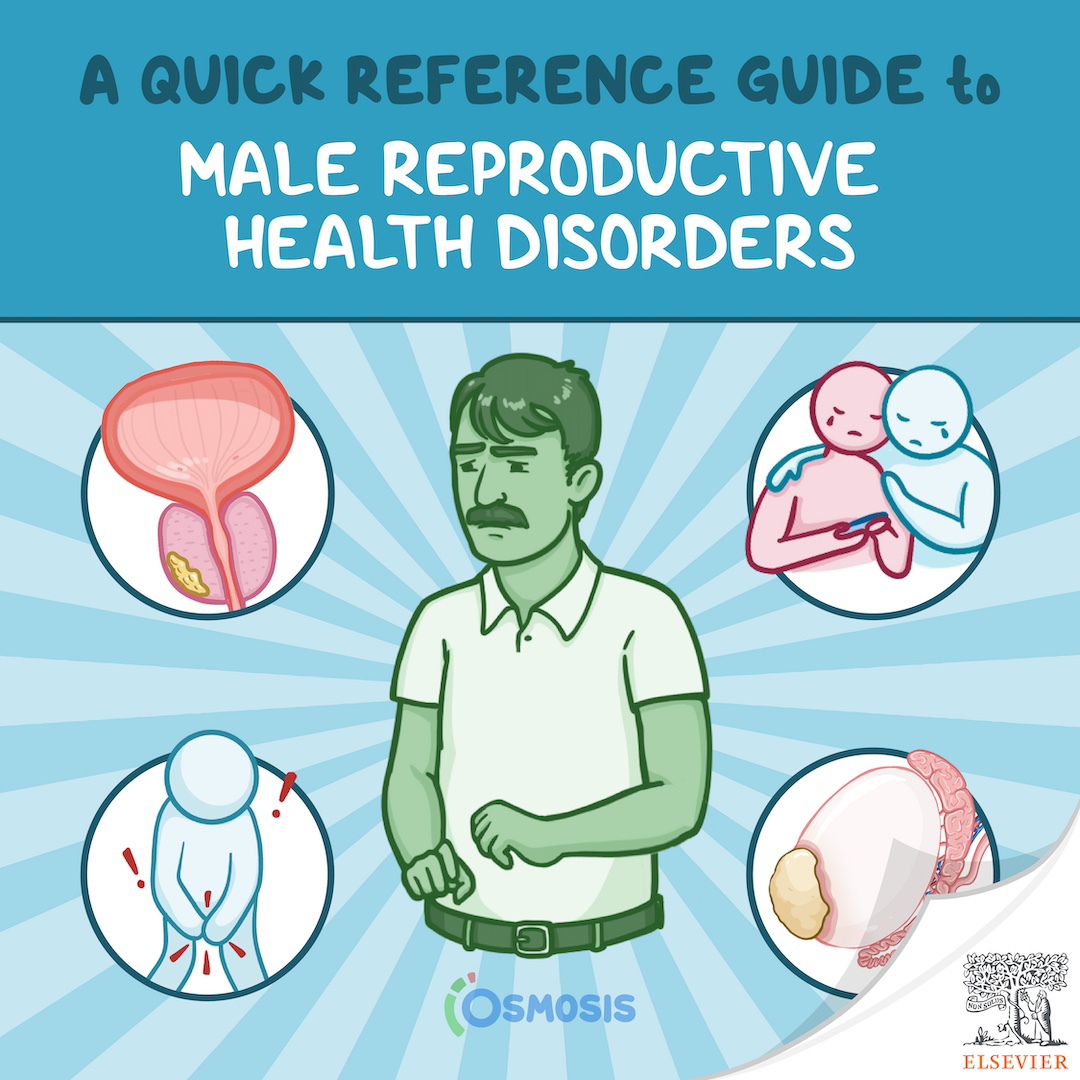
A Quick Reference Guide to Male Reproductive Health Disorders
— Updated:
Despite the importance of reproductive health in relation to overall well-being, many people avoid discussing it due to stigma, cultural norms, fear of judgment, lack of awareness, privacy concerns, and apprehension about medical intervention. Yet several reproductive health conditions significantly impact not only a male patient’s physical health but also…
-

Top Ten Health Conditions That Are Easily Misdiagnosed
— Updated:
An accurate diagnosis is the cornerstone of medicine and the basis for any treatment. Nonetheless, a misdiagnosis can happen to any clinician due to a variety of issues, including overlapping symptoms or referencing an incomplete medical history. Let’s look at a quick case study to consider the challenges and potential…
-

A Quick Mental Health Treatment Guide for Clinicians: Classic Psychotherapies
— Updated:
When contemplating the concept of psychotherapy, it’s not uncommon to conjure up images of a grand office space adorned with an extravagant leather sofa, where a patient reclines while reflecting on past childhood experiences. While this depiction may be prevalent in pop culture, it’s essential to recognize that psychotherapy includes…
-
Making the Most of Clinical Rotations as a PA Student
— Updated:
You’ve officially made it through the didactic phase of your physician’s assistant program. First of all, congratulations! Now comes the next challenge: clinical rotations. Think of rotations as learning how to read; the didactic phase was learning the alphabet. Now, you’re in the next crucial phase of applying what you’ve learned to become…
-
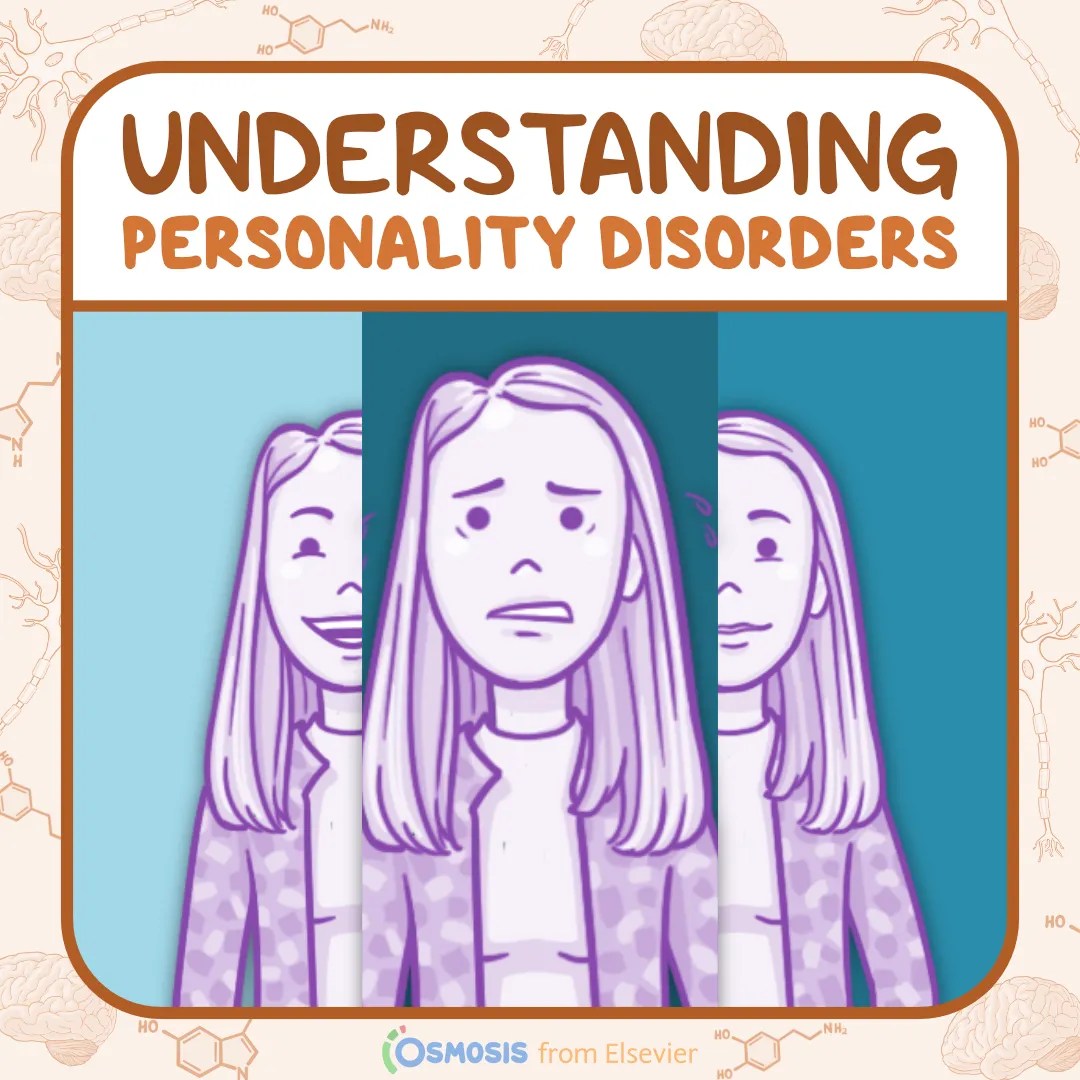
Understanding Personality Disorders: A helpful guide for health professionals
— Updated:
Explore key features and challenges of personality disorders, including diagnostic criteria and treatment strategies, to enhance clinical understanding and patient care.
-
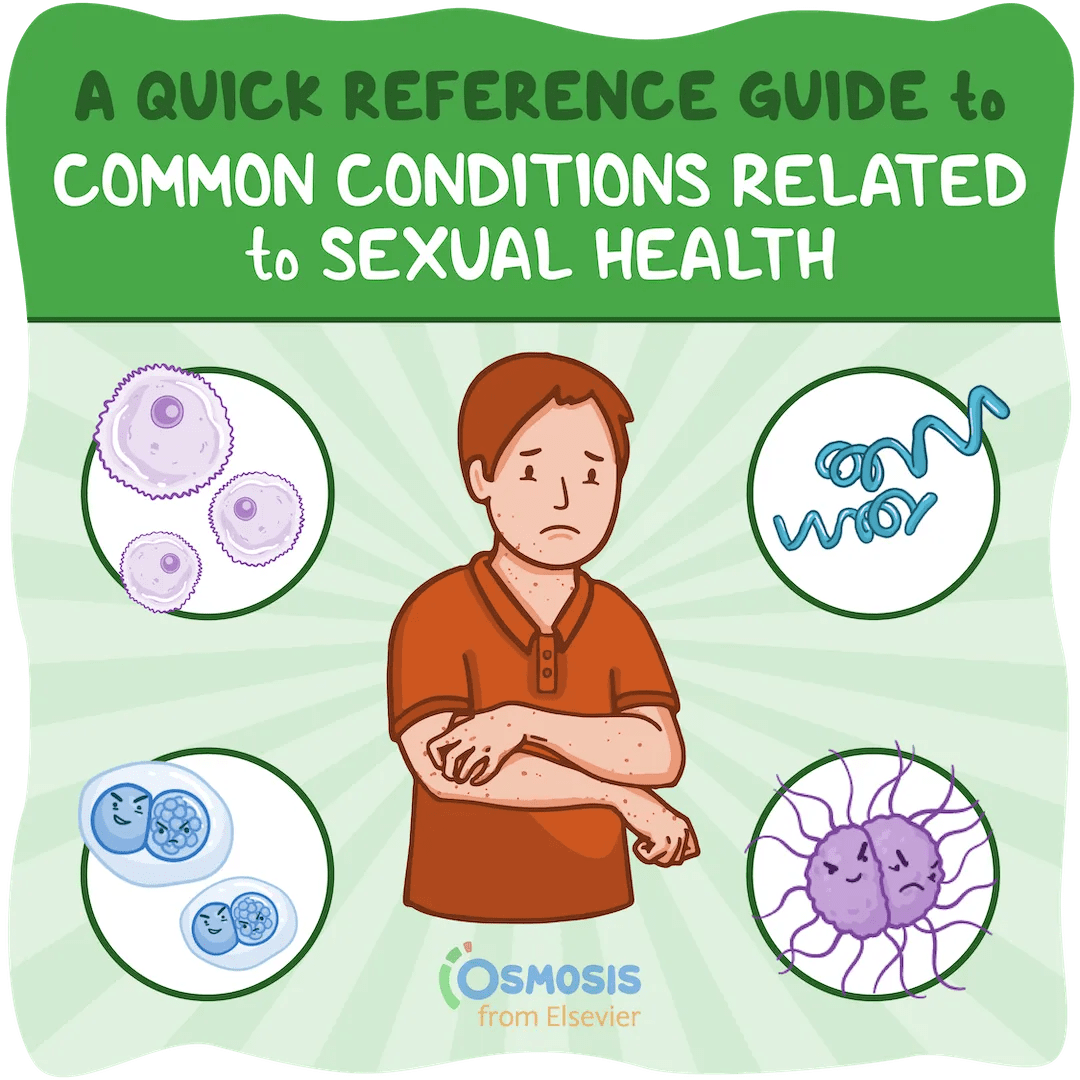
A Quick Reference Guide to Common Conditions Related to Sexual Health, Part 1: Bacterial Infections
— Updated:
Understanding bacterial infections is essential for maintaining sexual health and overall well-being. This quick reference guide covers common conditions such as chlamydia, gonorrhea, and syphilis, detailing their symptoms, diagnostic approaches, and effective treatment strategies. Equip yourself with the knowledge to promote better health outcomes and engage in informed conversations about…
-
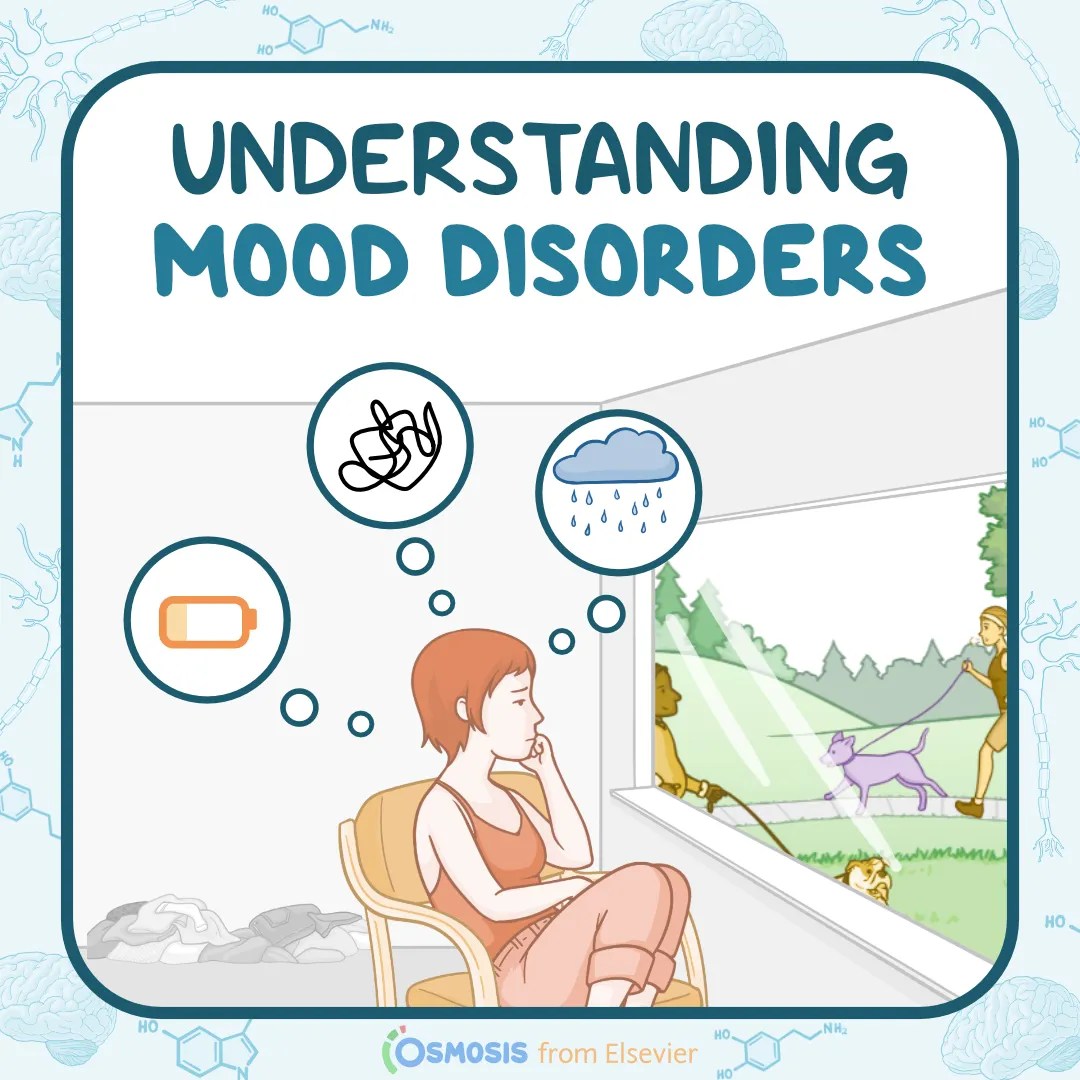
Understanding Mood Disorders: A helpful guide for health professionals
— Updated:
Mental health awareness has been on the rise, with more people educating themselves on different mental health conditions, sharing their experiences with living with mental illness on social media, along with an increase in the development of new public health programs to improve access to valuable resources. Mental health is…
-
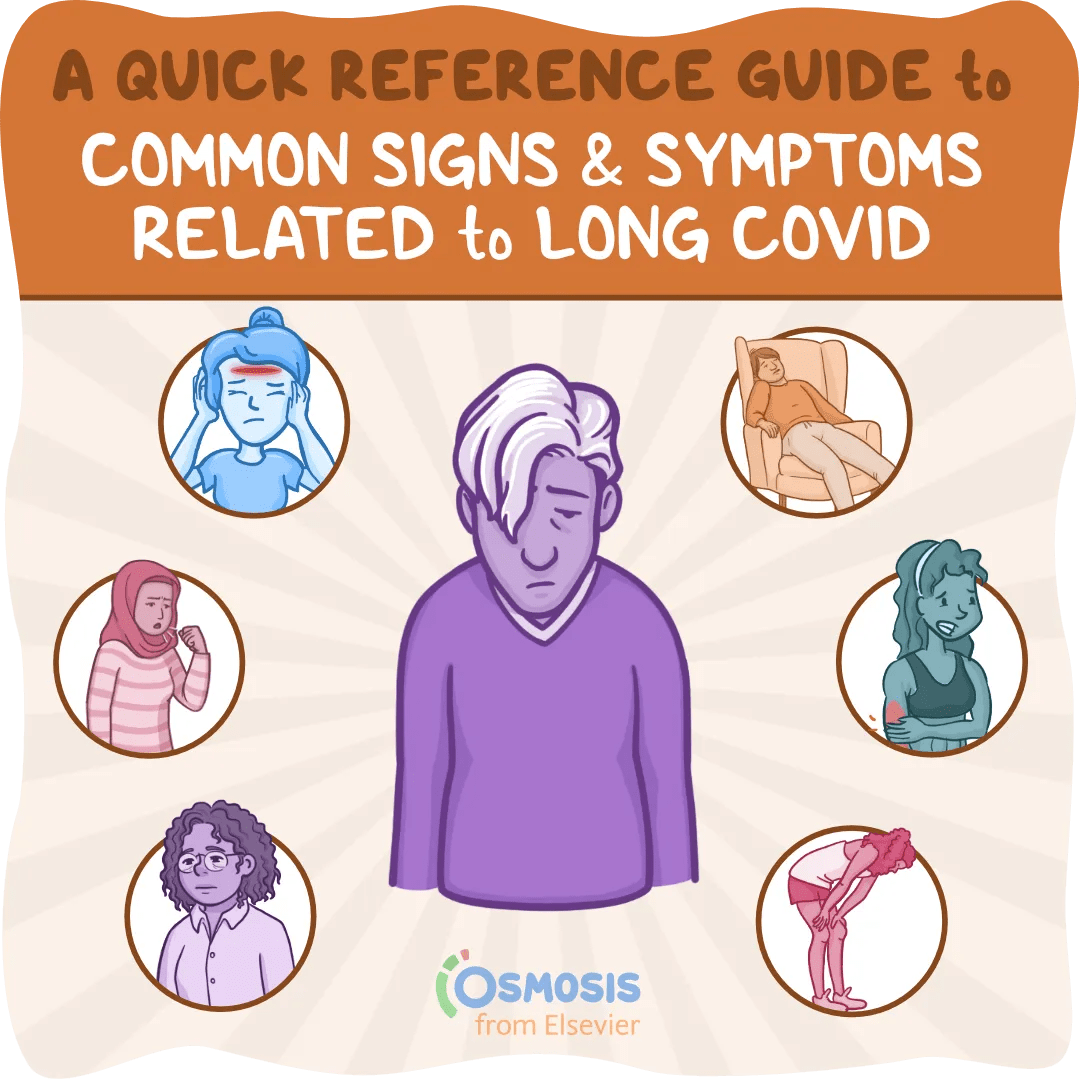
A Quick Reference Guide to Common Conditions Associated with Long Covid
— Updated:
Understanding the common conditions associated with Long COVID is crucial for effective patient care and recovery. This guide explores persistent symptoms such as fatigue, cognitive issues, and dysautonomia, along with evidence-based management strategies to support patients in their healing journey. Equip yourself with the knowledge to navigate the complexities of…
-
How to Impress Your Attending: Obstetrics and Gynecology Edition
— Updated:
Welcome to your clerkship in obstetrics and gynecology! You’ll find this rotation beneficial no matter your future specialty because you’ll very likely encounter pregnant patients, whether you’re a primary care physician or a surgical subspecialist. Probably the best part of your OB/GYN clerkship is that you’ll gain valuable skills that…
-
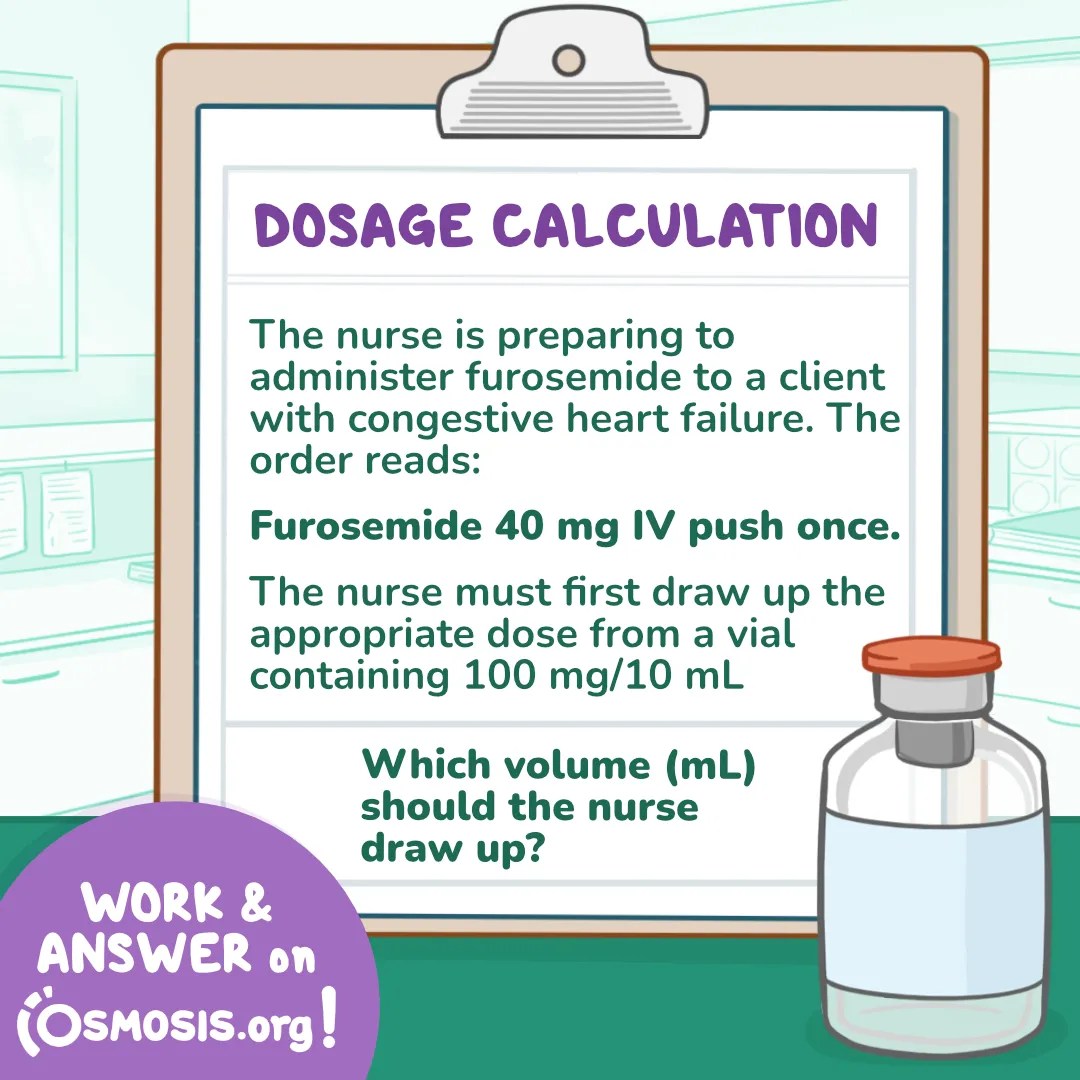
Dosage Calculation: Furosemide
— Updated:
Learn how to accurately calculate and prepare the correct furosemide IV push dose for a patient with congestive heart failure using clear nursing math principles.
-
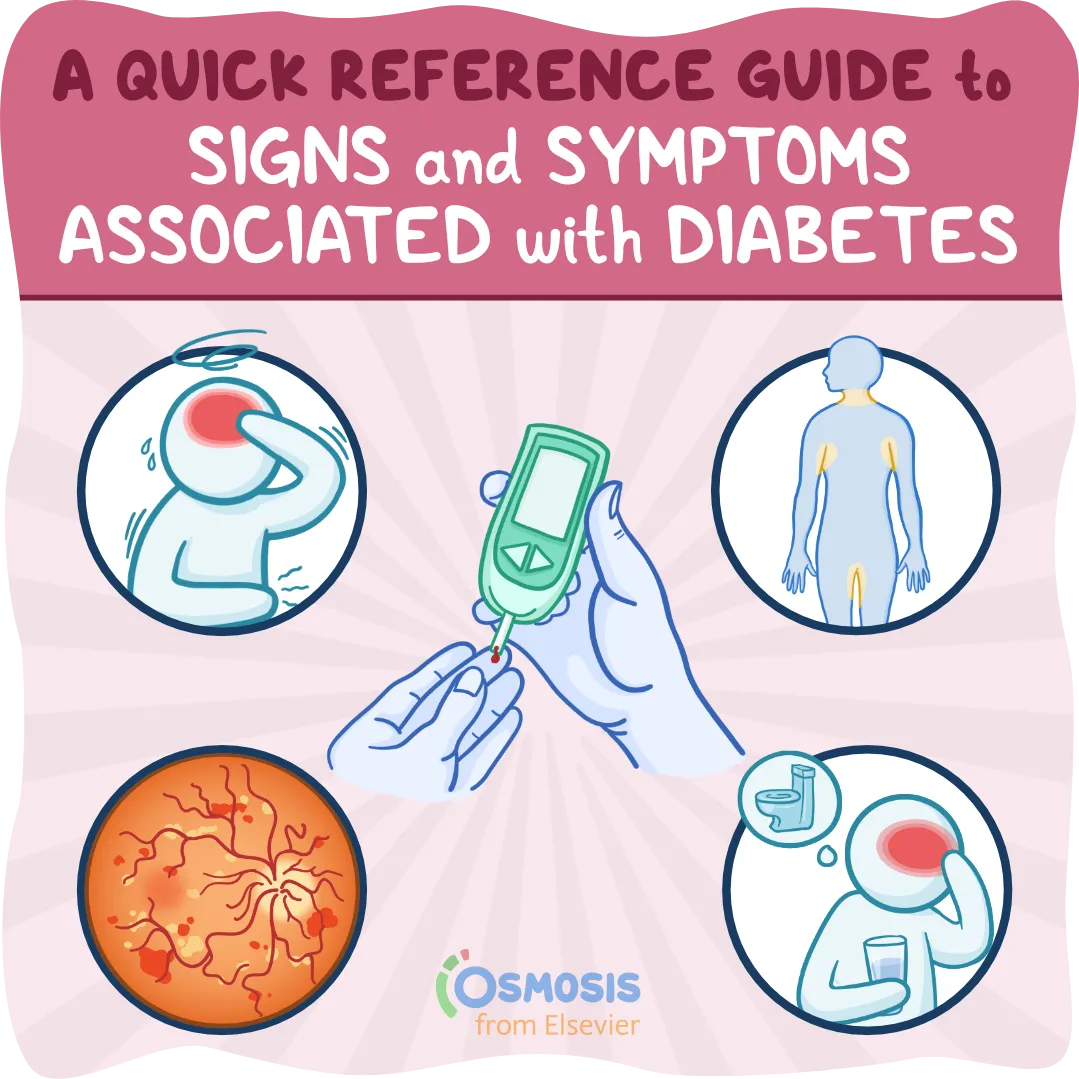
A Quick Reference Guide to Signs and Symptoms Associated with Diabetes Mellitus
— Updated:
Learn to identify common signs and symptoms of diabetes mellitus, including hypoglycemia, hyperglycemia, acanthosis nigricans, and vascular changes, to improve diagnosis and care.
-
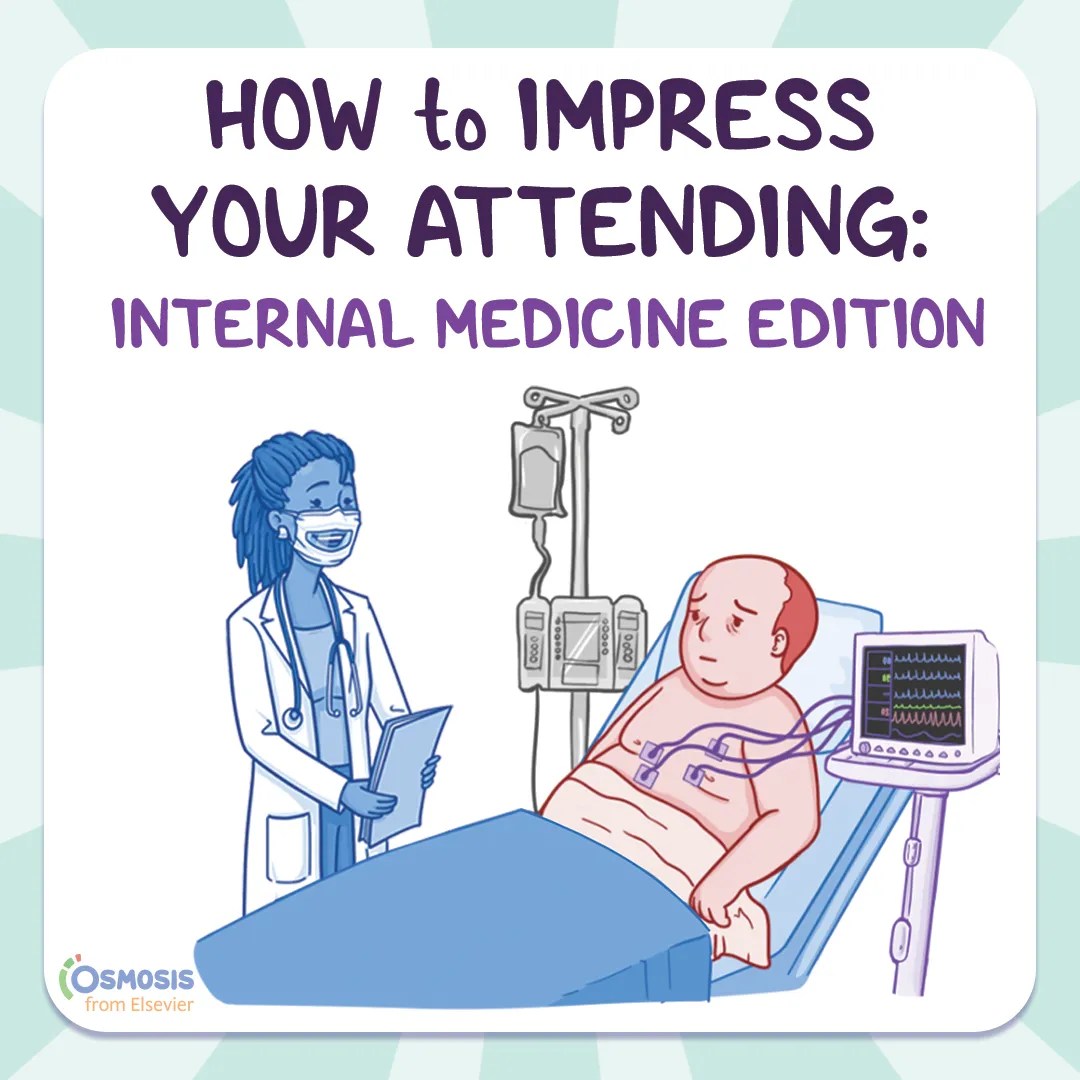
How to Impress Your Attending: Internal Medicine Edition
— Updated:
Internal medicine is a vast specialty covering all major organ systems, common diseases, rare diseases, and everything in between. Not even a seasoned internal medicine specialist can possibly know it all. The excellent news is that most Internal Medicine attendings don’t expect a third-year medical student to know it all.…
-
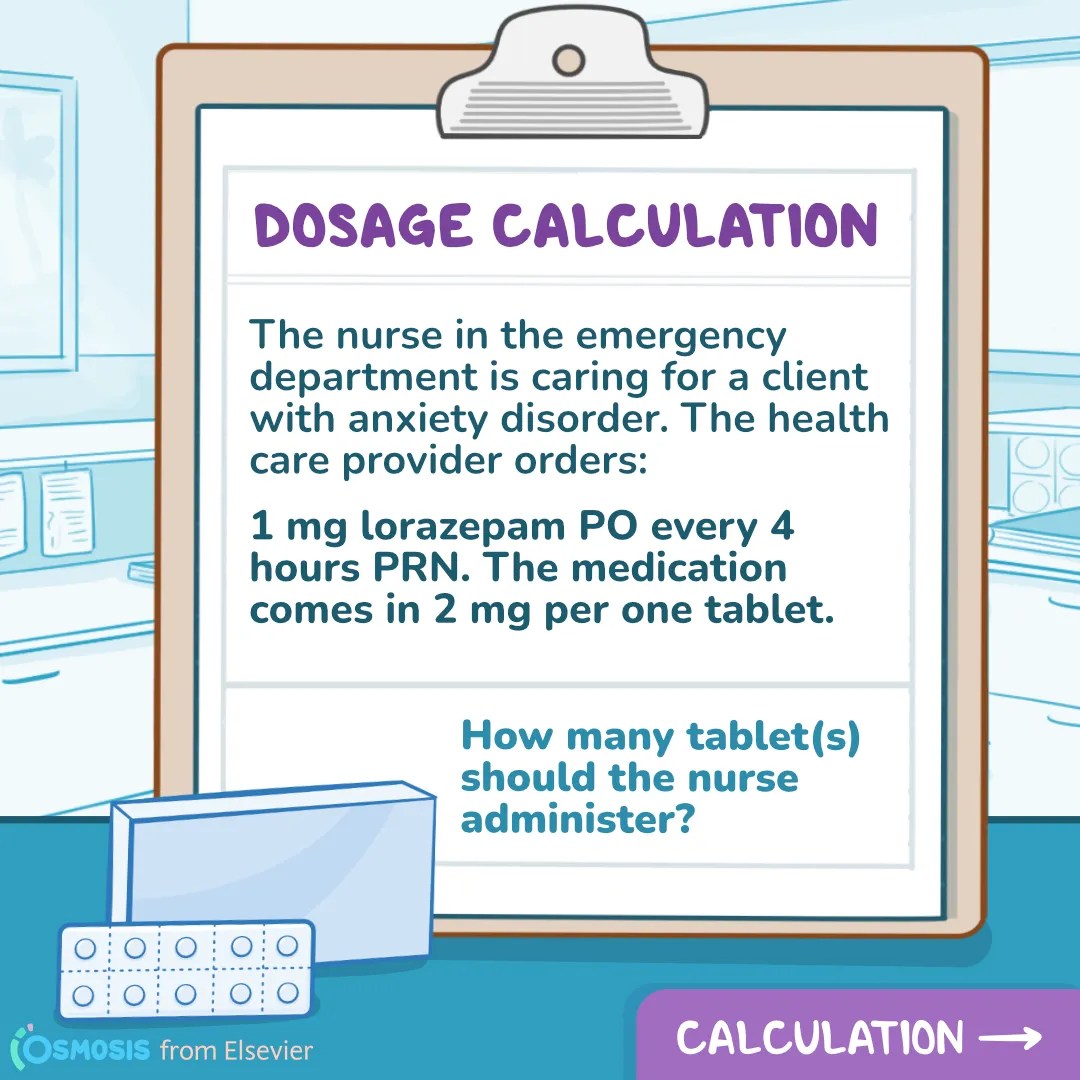
Dosage Calculation: Lorazepam
— Updated:
Dosage calculation for lorazepam is important for the treatment of anxiety disorder in the emergency department. Learn about the appropriate dosage and considerations for administering this medication. The nurse in the emergency department is caring for a patient with anxiety disorder. The healthcare provider orders 1 mg lorazepam PO every…
-
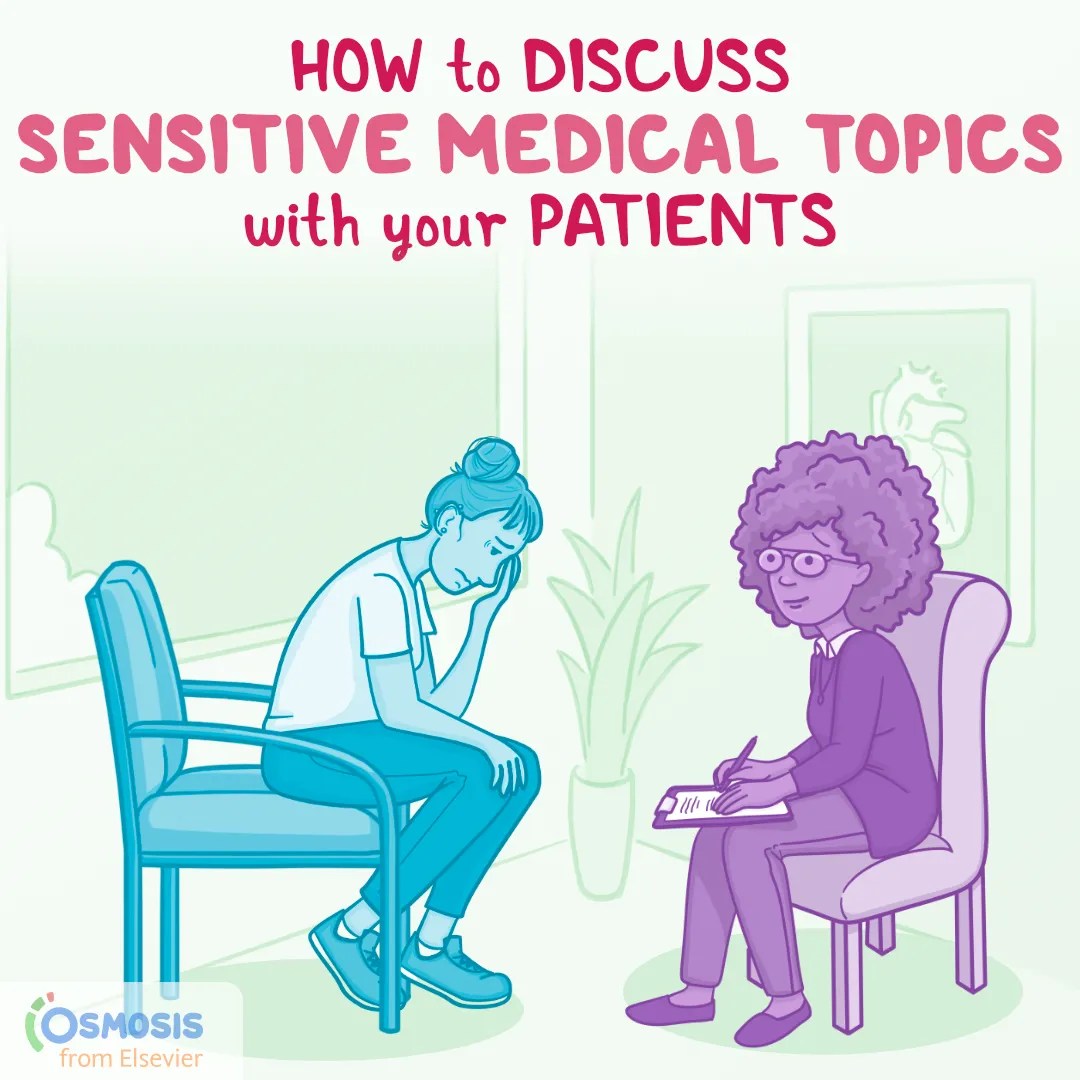
How to Discuss Sensitive Topics with Your Patients
— Updated:
Enhance your ability to engage patients in sensitive medical discussions with empathy, active listening, and culturally competent communication for better outcomes.
-
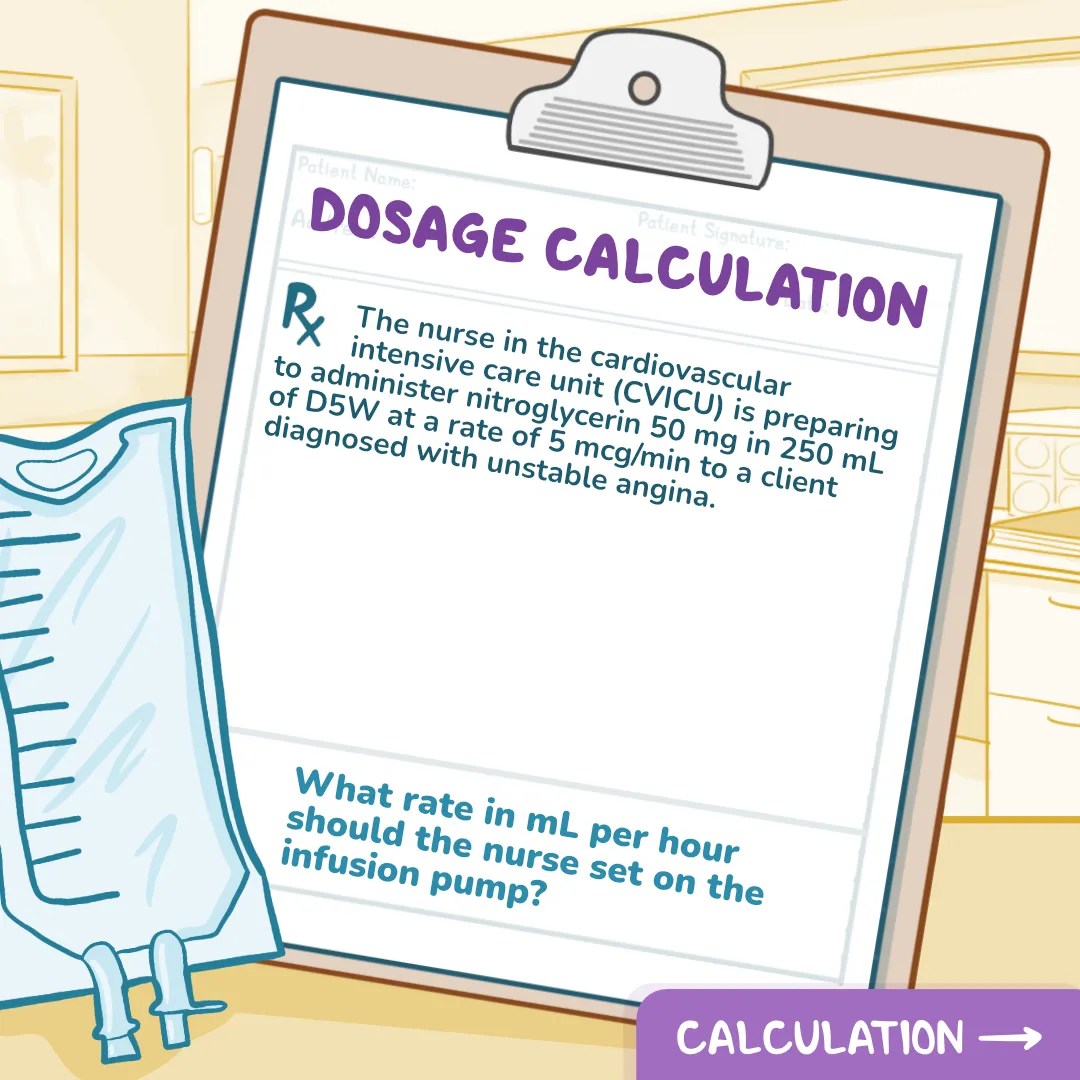
Dosage Calculation: Nitroglycerin
— Updated:
Learn how to calculate the correct nitroglycerin infusion rate for unstable angina patients in the CVICU and set the infusion pump safely and accurately.
-
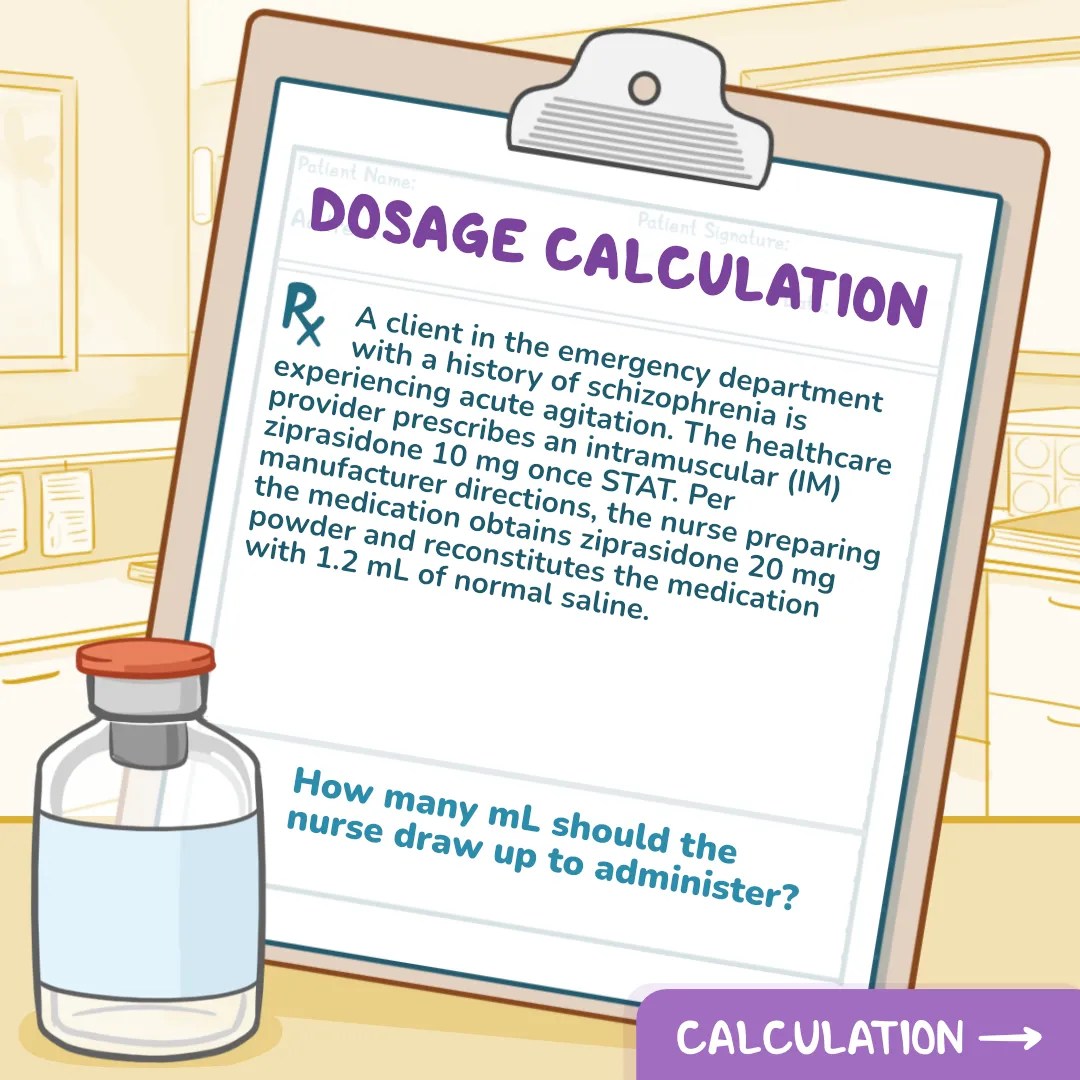
Dosage Calculation: Ziprasidone
— Updated:
Dosage calculation for Ziprasidone, an intramuscular medication, requires proper reconstitution. Learn the correct process and guidelines to ensure accurate administration. A patient in the emergency department with a history of schizophrenia is experiencing acute agitation. The healthcare provider prescribes an intramuscular (IM) ziprasidone 10 mg once STAT. Per manufacturer directions,…
-
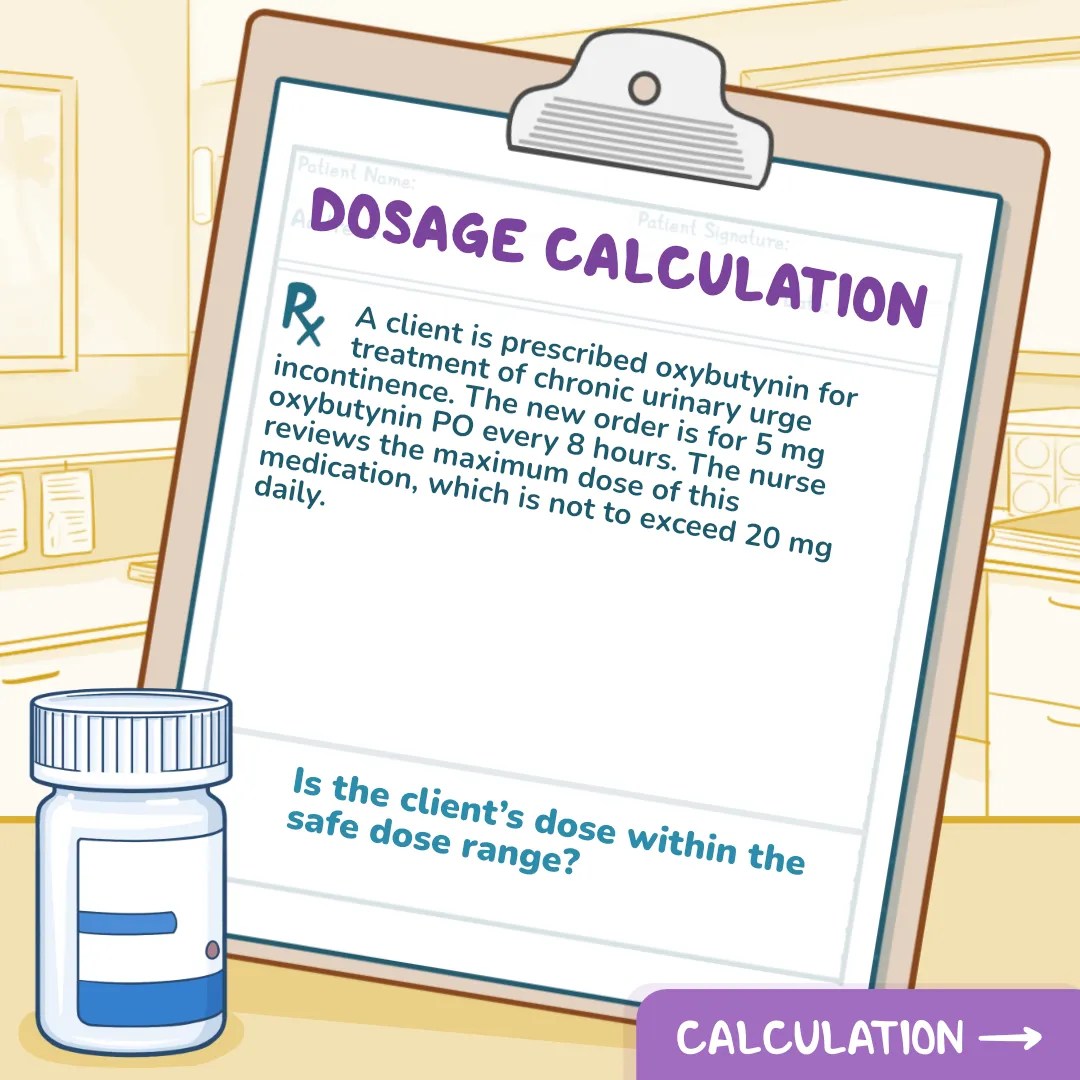
Dosage calculation: Oxybutynin
— Updated:
Dosage calculation for oxybutynin, a medication commonly used to treat symptoms of an overactive bladder. Learn how to accurately calculate and administer the appropriate dosage. A client is prescribed oxybutynin for treatment of chronic urinary urge incontinence. The new order is for 5 mg oxybutynin PO every 8 hours. The…
-
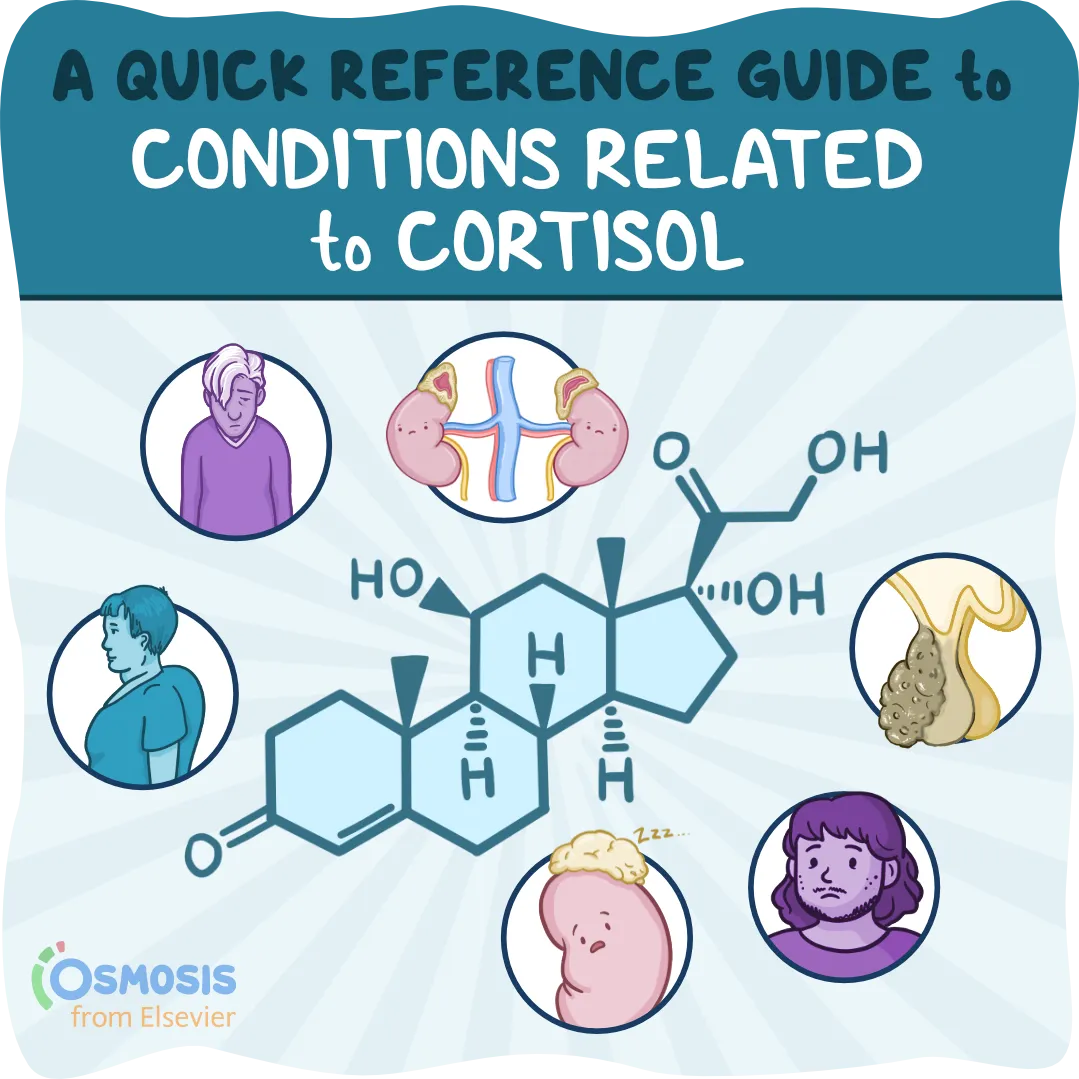
A Quick Reference Guide to Conditions Related to Cortisol
— Updated:
Cortisol imbalances cause diverse health issues from excess to deficiency. Understand hypercortisolism and adrenal insufficiency, their signs, diagnoses, and management strategies.
-
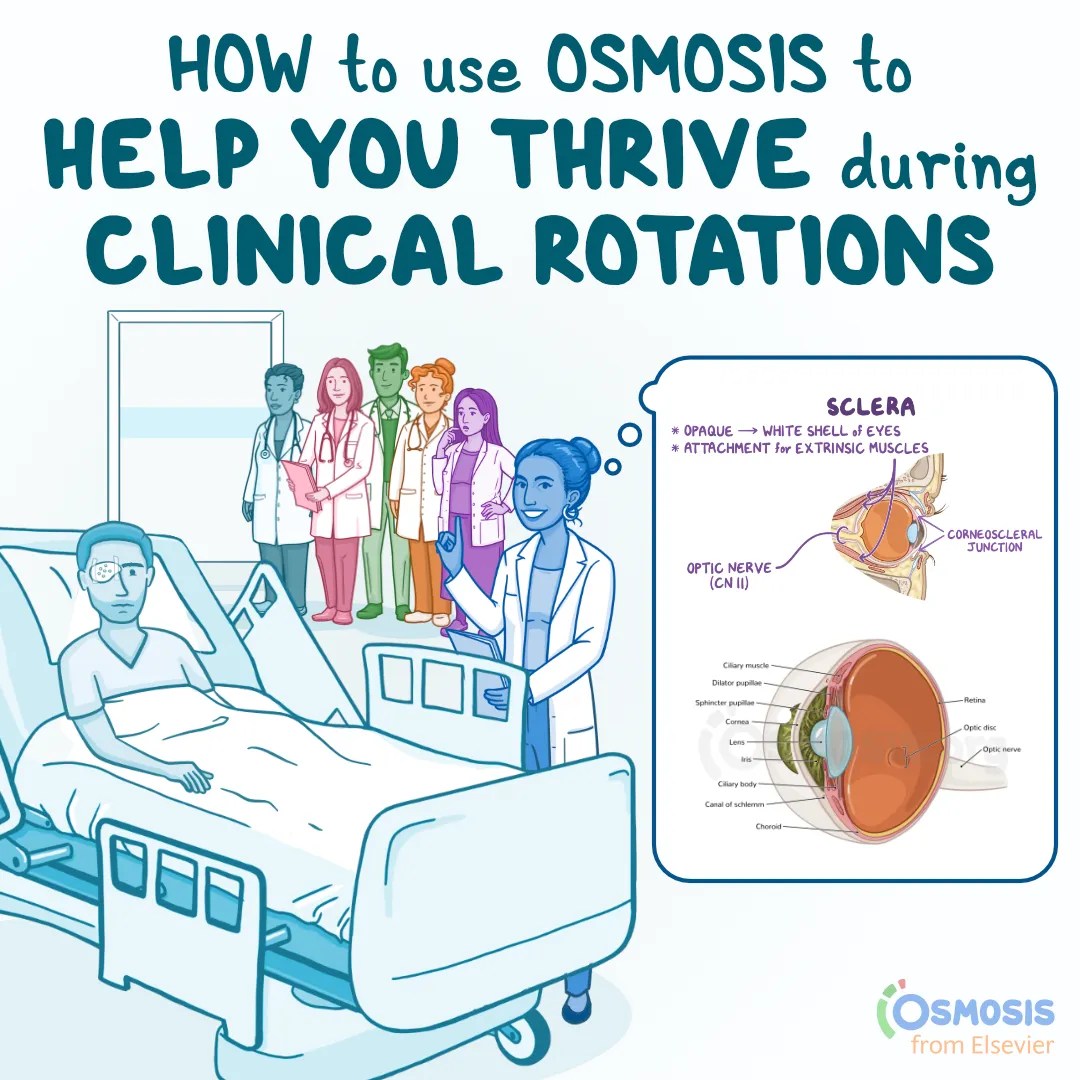
How to Use Osmosis to Help You Thrive During Clinical Rotations
— Updated:
Embarking On Your Clinical Journey Clinical rotations mark a pivotal point in your journey to becoming a medical professional. Stepping into the realm of real-world health care introduces a unique set of expectations, routines, and challenges that may seem formidable. So, while keeping up with your studies can seem daunting,…
-
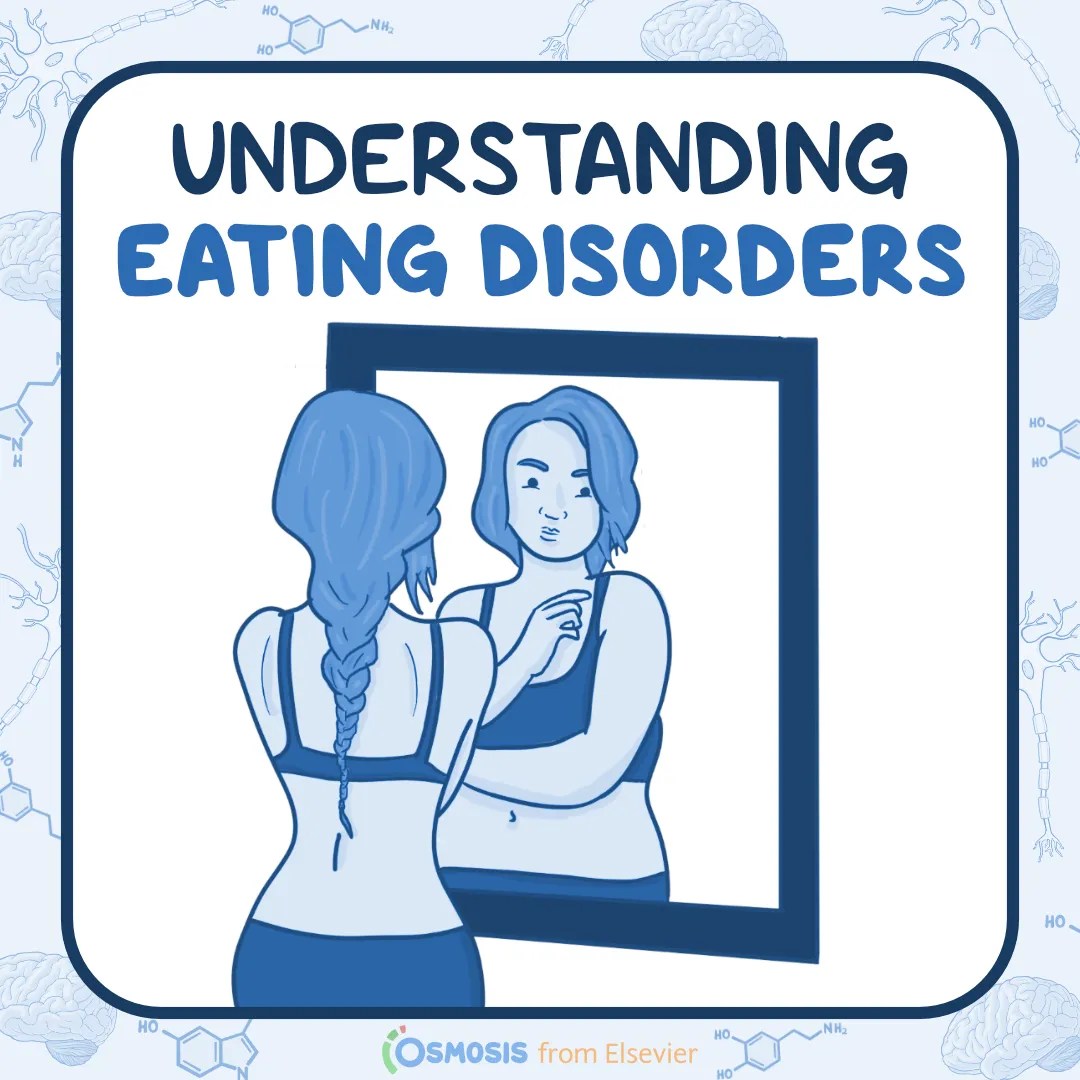
Understanding Eating Disorders: A helpful guide for health professionals
— Updated:
When someone mentions eating disorders, do you immediately envision someone of a particular gender, weight, race, or age? The reality is that eating disorders are common, affecting 28.8 million Americans facing an eating disorder in their lifetime, and the global prevalence of eating disorders is on the rise. An eating disorder occurs when…
-
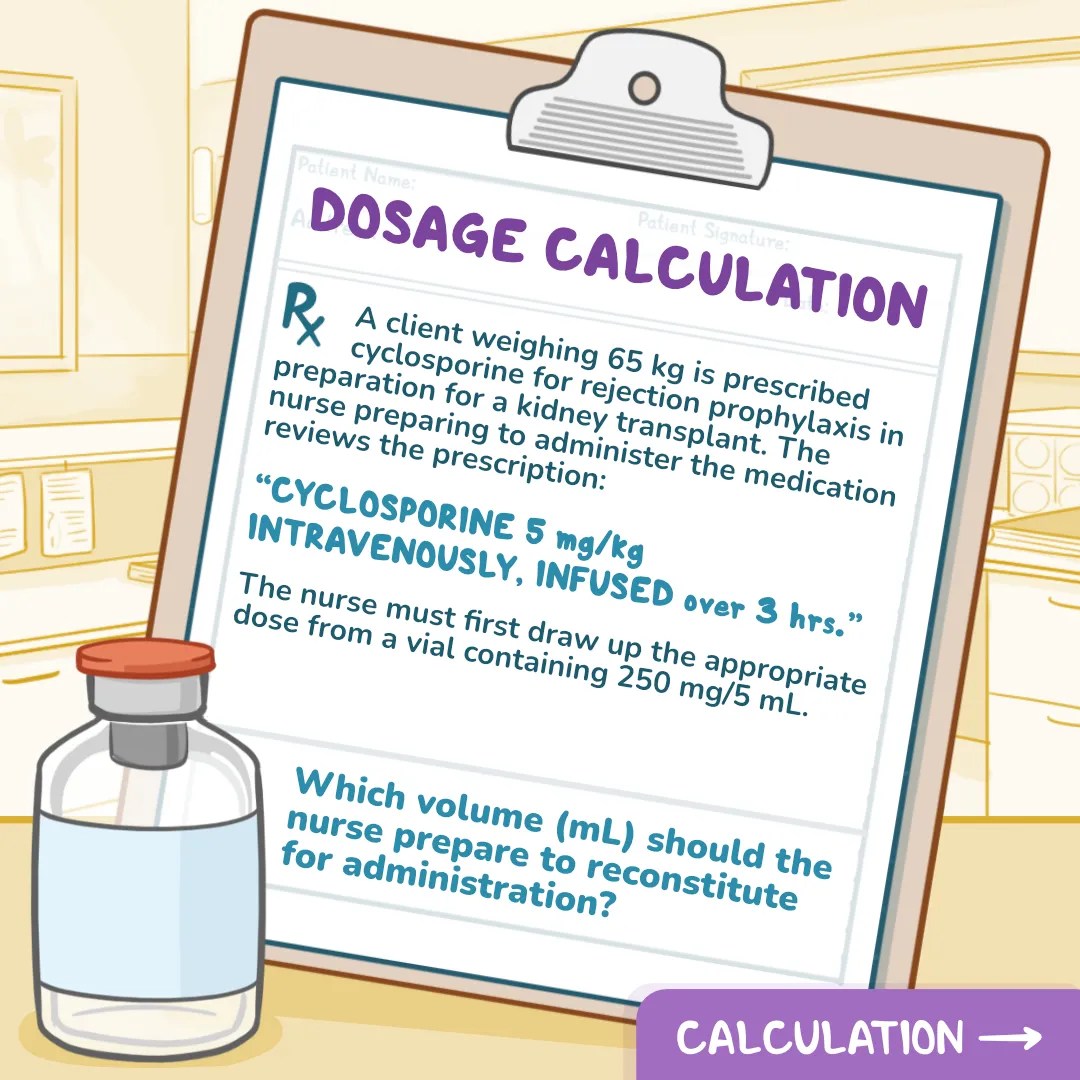
Dosage Calculation: Cyclosporine
— Updated:
Dosage calculation for cyclosporine, a medication commonly used for rejection prophylaxis in kidney transplant patients, is crucial for patient safety. Learn how to accurately calculate and administer the appropriate dosage. A client weighing 65 kg is prescribed cyclosporine for rejection prophylaxis in preparation for a kidney transplant. The nurse preparing…
-
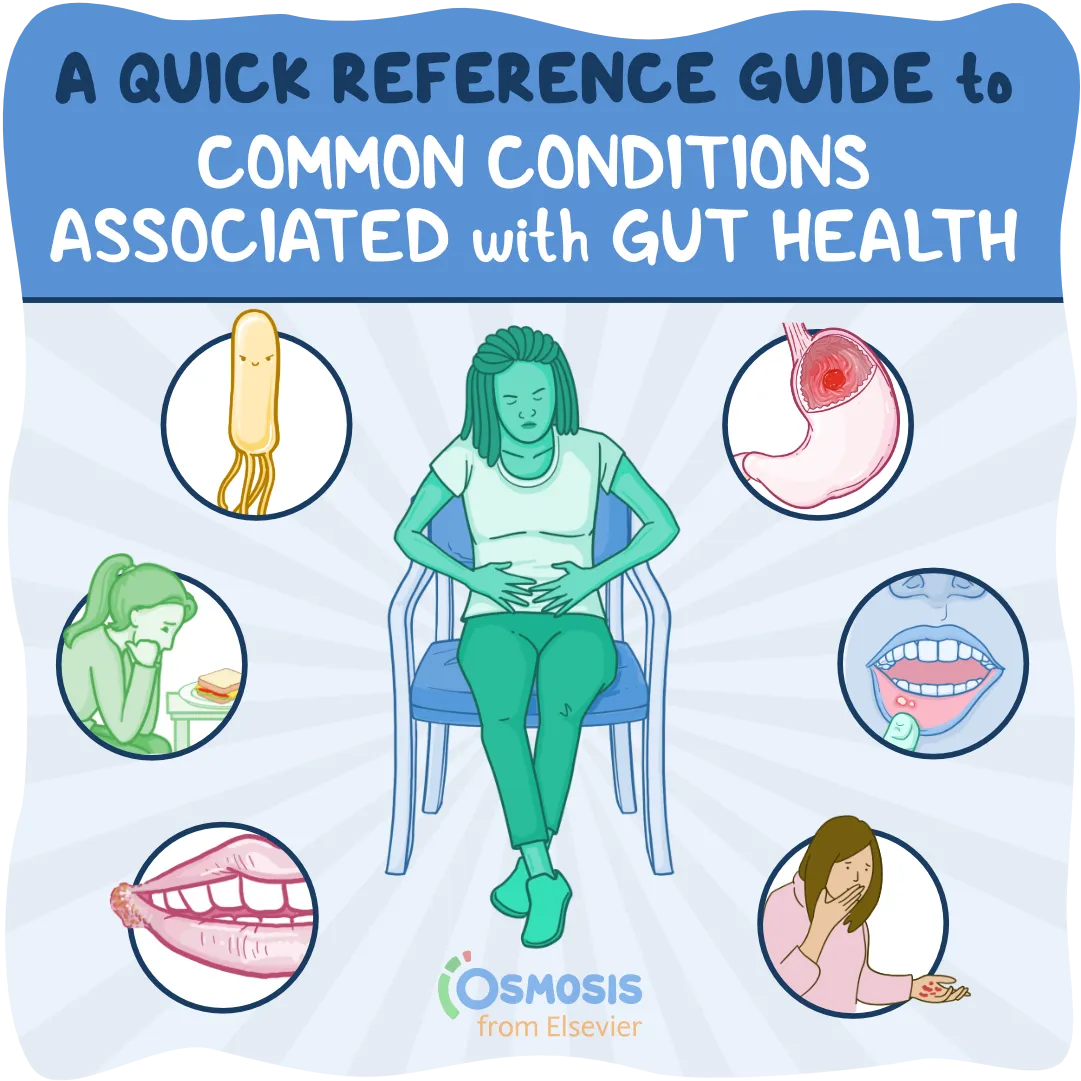
A Quick Reference Guide to Common Conditions Associated with Gut Health
— Updated:
Understand the importance of gut health with our quick reference guide on common gastrointestinal conditions. This article covers dysbiosis, gastritis, and other related disorders, detailing their symptoms, diagnostic methods, and effective treatment strategies. Equip yourself with the knowledge to enhance patient care and promote overall wellness in your practice.
-

Expectations vs. Reality: What being a nurse is really like
— Updated:
We’re debunking common myths and sharing practical tips on education, workload, mentorship, and professional growth to help new nurses thrive in today’s demanding healthcare environment.
-
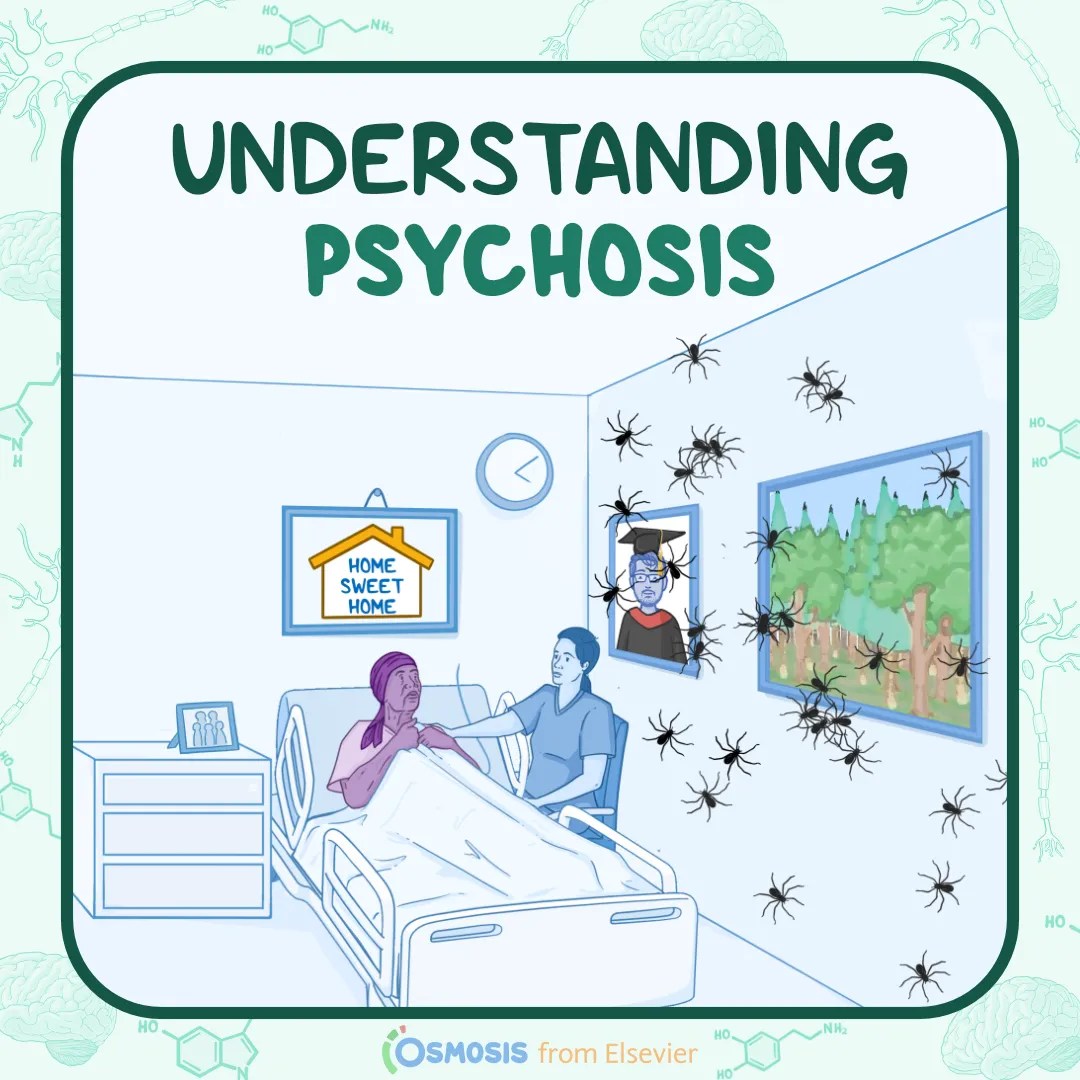
Understanding Psychosis: A helpful guide for health professionals
— Updated:
In today’s Osmosis from Elsevier blog, we’re exploring the impact and causes of psychosis, its diverse symptoms, and the importance of early intervention. Learn how to recognize, support, and reduce stigma as a clinician, caregiver, or family member. Imagine if how you perceive reality changed radically, with a disconnect in…
-
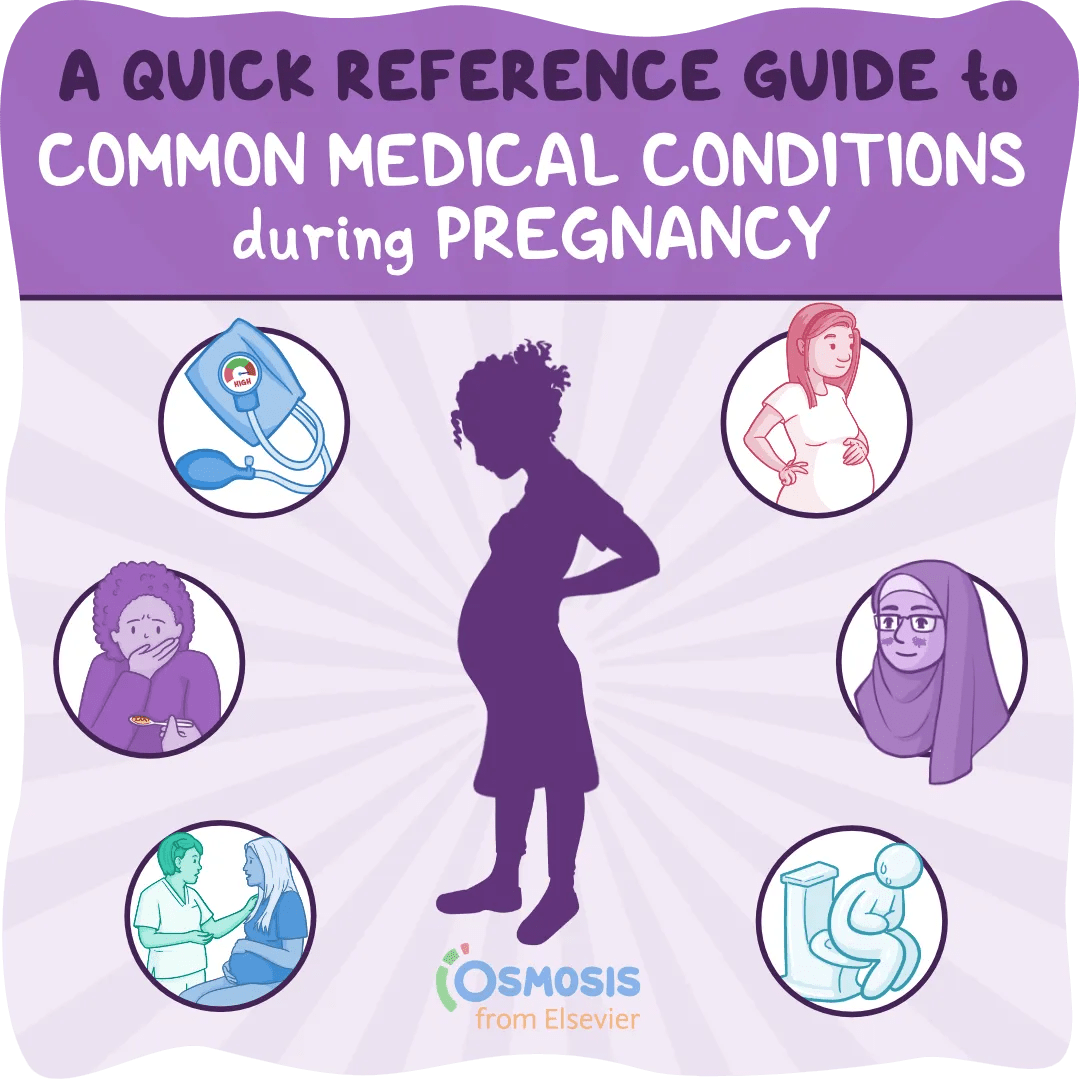
A Quick Reference Guide to Common Conditions Associated with Pregnancy
— Updated:
In today’s Osmosis from Elsevier blog, we’re exploring common pregnancy conditions – nausea, skin changes, constipation, and supine hypotension – along with the causes of those conditions, their symptoms, and effective treatments. Pregnancy, typically spanning about forty weeks or nine months, is (quite literally) a transformative experience involving adaptions the…
-
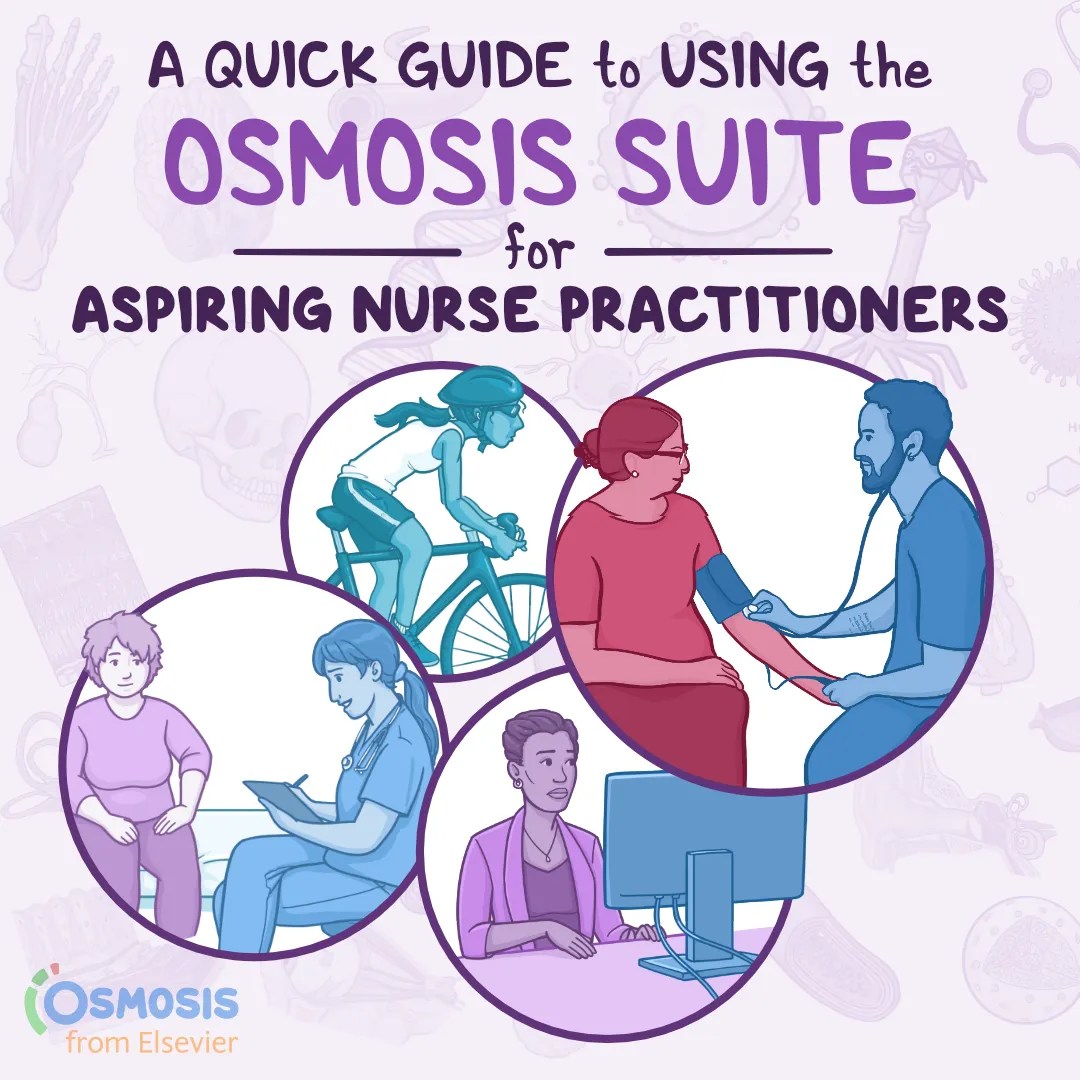
A Quick Guide to Using the Osmosis Suite for Aspiring Nurse Practitioners
— Updated:
What’s the new Osmosis by Elsevier Clinical Sciences library? Designed to strengthen your clinical decision-making skills, the Clinical Sciences library from Osmosis by Elsevier provides hundreds of clinically-focused videos, helpful decision-making trees, new board-style questions, and expert-reviewed, patient-centered content. Clinical Sciences videos are paired with evidence-based decision-making trees that guide you through differential diagnoses, identify the correct diagnosis…