
Category: Clinical Skills
-
Healthcare Advocacy Checklist for Patients and Providers
— Updated:
In today’s Osmosis blog, we’re sharing a patient advocacy checklist developed by Dr. Maria Pfrommer, filled with helpful advice on everything from communicating effectively with your care team to understanding insurance. When patients and their families face challenging medical diagnoses, there are a number of proactive steps they can take to navigate the…
-
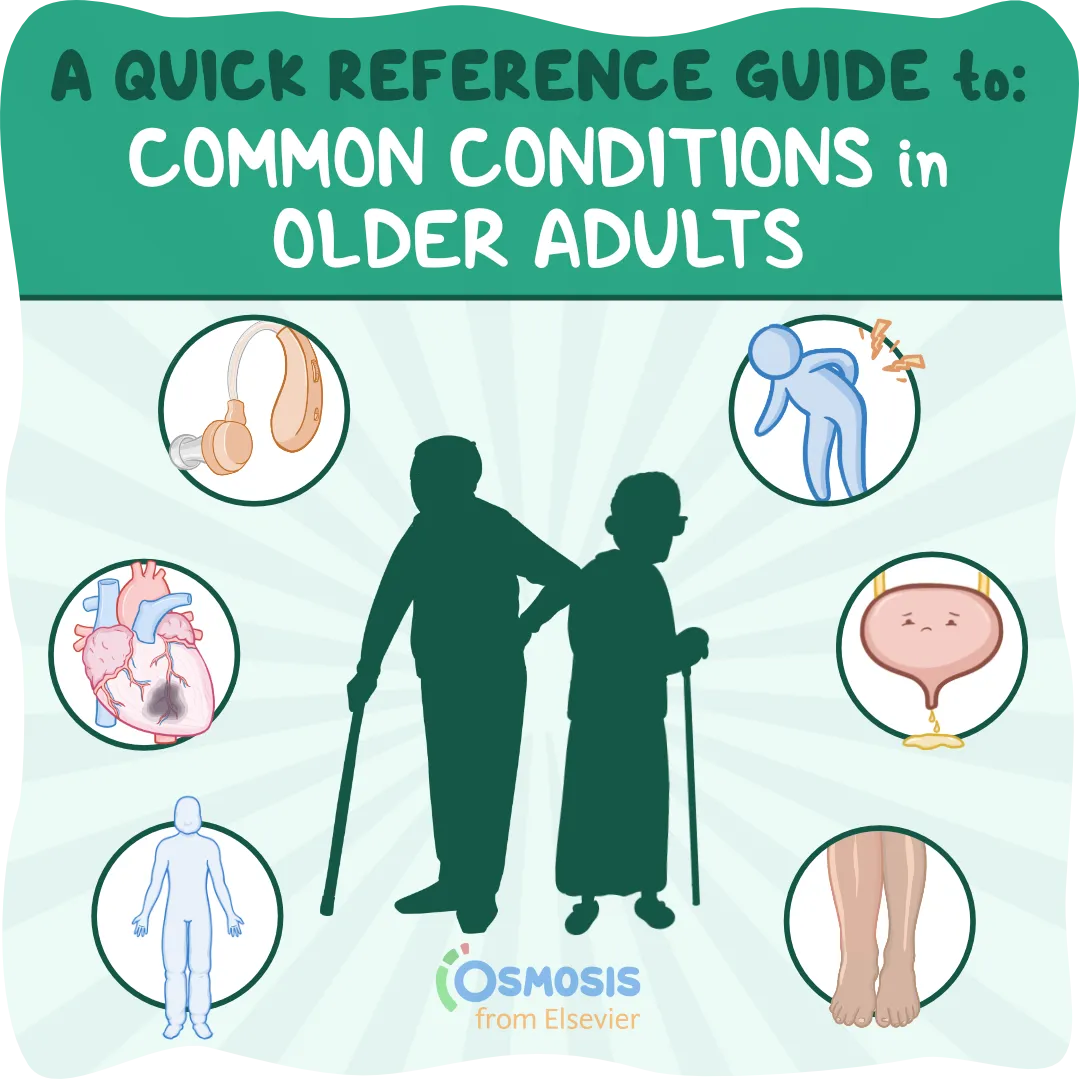
A Quick Reference Guide to Common Conditions in Older Adults
— Updated:
Diagnosing common conditions is vital to providing effective care and sustaining a high quality of life for all patients, but it’s especially important as patients age. In today’s Osmosis by Elsevier blog, we’re exploring some of the common conditions that present as we grow older. In the coming decades, the…
-
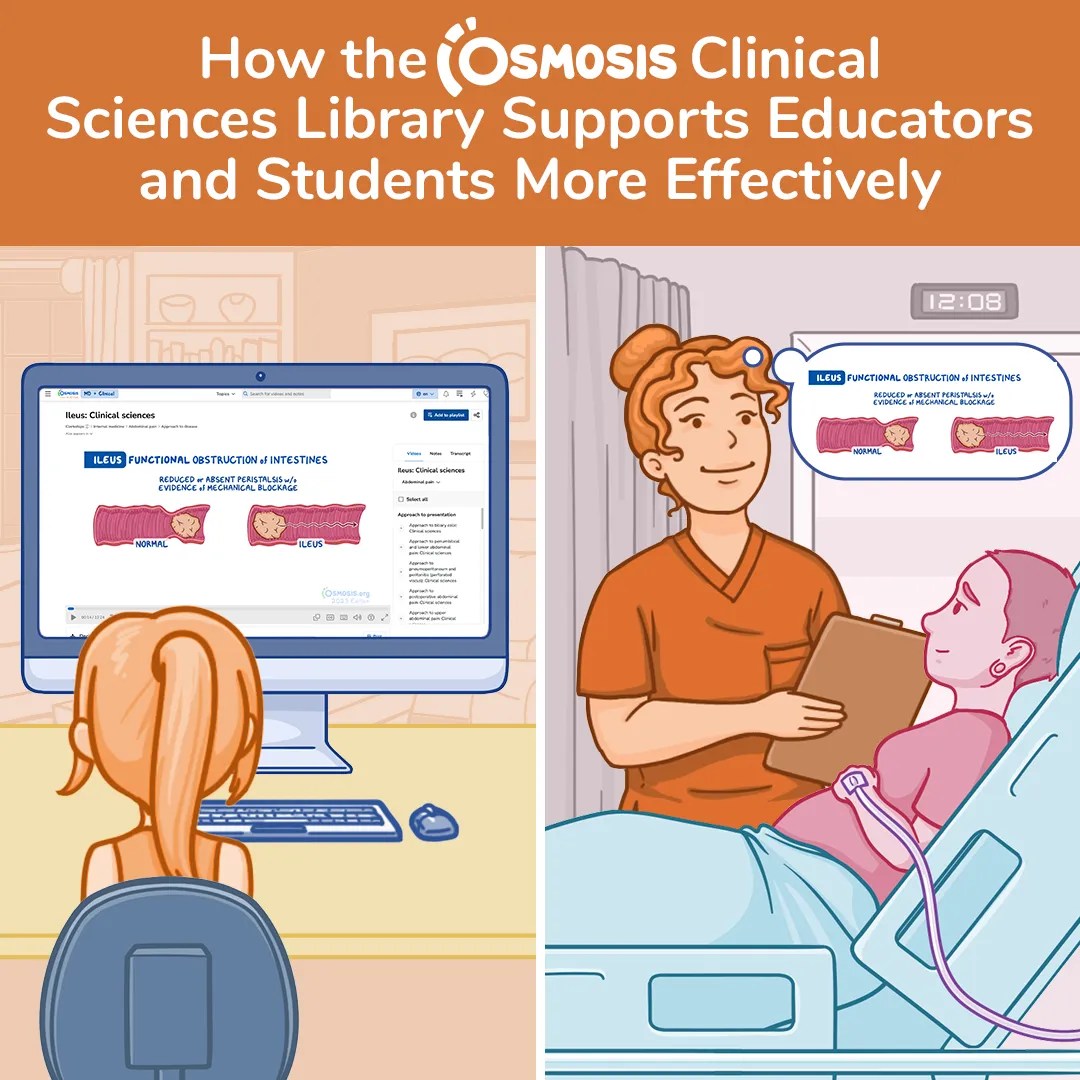
How the Osmosis Clinical Sciences Library Supports Educators and Students More Effectively
— Updated:
In today’s Osmosis blog, we’re introducing educators to the Osmosis Clinical Sciences library, a new and valuable resource during the transition to clinical rotations. Discover how our new content fosters engaged and effective learning. As medical students transition from preclinical studies into their clinical years in medical school, they begin…
-
11 Tips for Taking a Patient History
— Updated:
A comprehensive medical history is vital for an accurate diagnosis, developing personalized treatment plans, and establishing a good rapport with your patients. On today’s Osmosis blog, let’s take note of some helpful tips for recording a high-quality medical history.
-
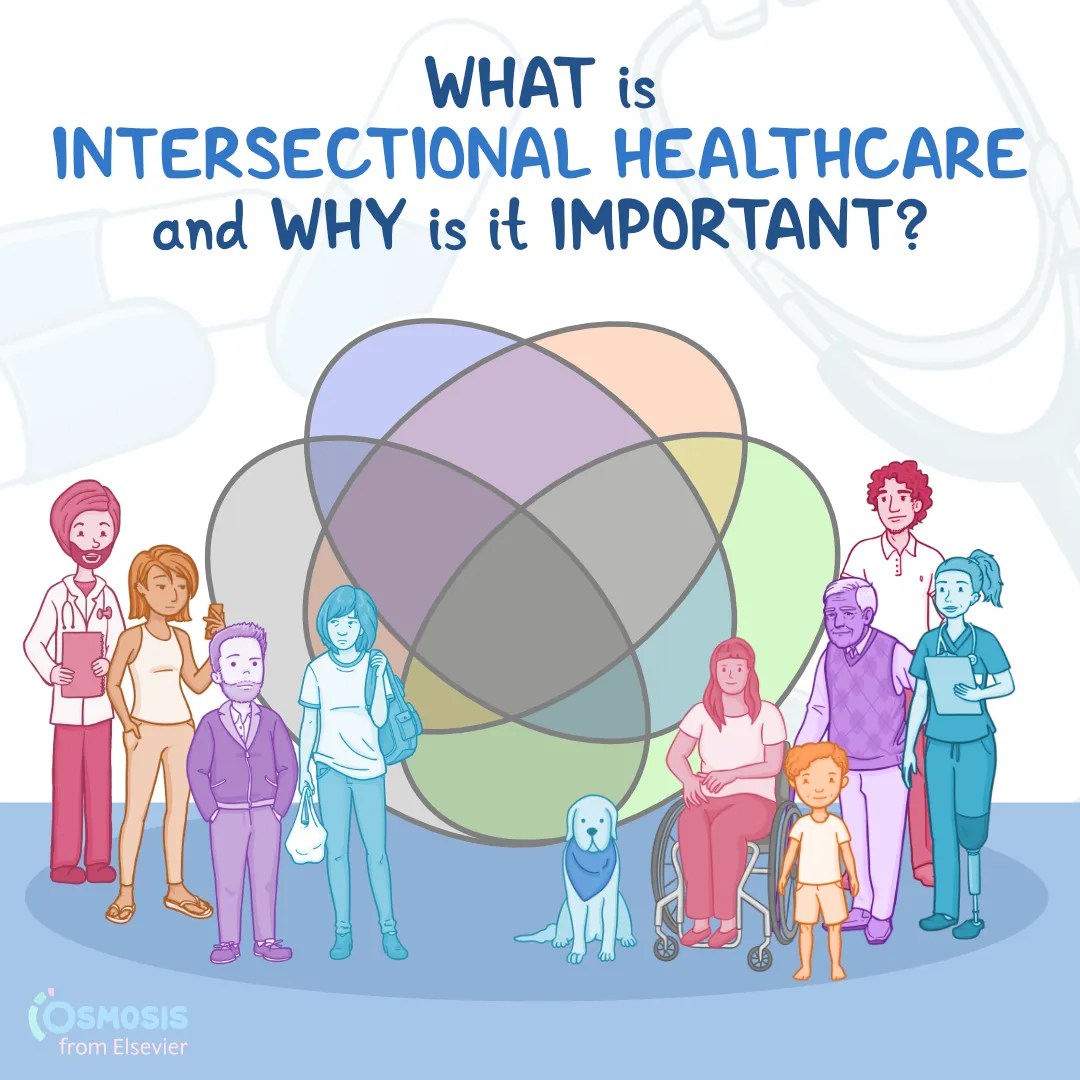
What Is Intersectional Healthcare and Why Is It Important?
— Updated:
Learn how intersectionality shapes patient experiences and how healthcare providers can deliver more equitable, respectful, and effective care.
-
The Osmosis Ultimate Guide to Thriving in Clinical Rotations
— Updated:
Clinical rotations are a pivotal time for medical students because they take their first big step toward becoming full-fledged doctors. Your days are filled with long hours, there’s a lot of pressure to perform, and you have to make sure to study for exams like USMLE Step 1®. It’s also…
-
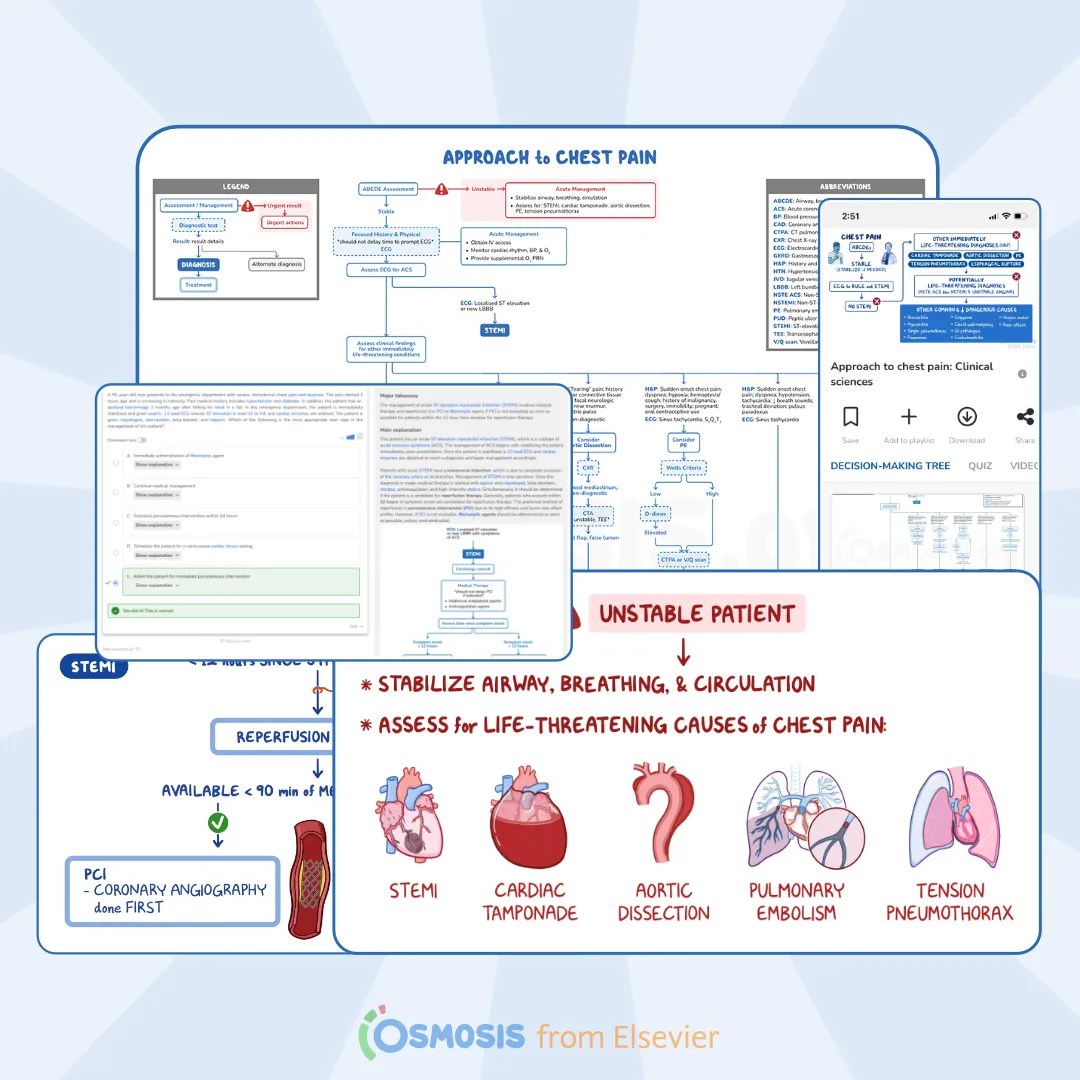
Learn How to Think Clinically with the New Osmosis Clinical Sciences Library
— Updated:
We’re excited to announce the first set of videos for our new Clinical Sciences library is live on Osmosis! Keep reading to learn why we’re so excited about this series and how you can incorporate it into your studies. What’s the new Osmosis Clinical Sciences library? The Osmosis Clinical Sciences library helps…
-
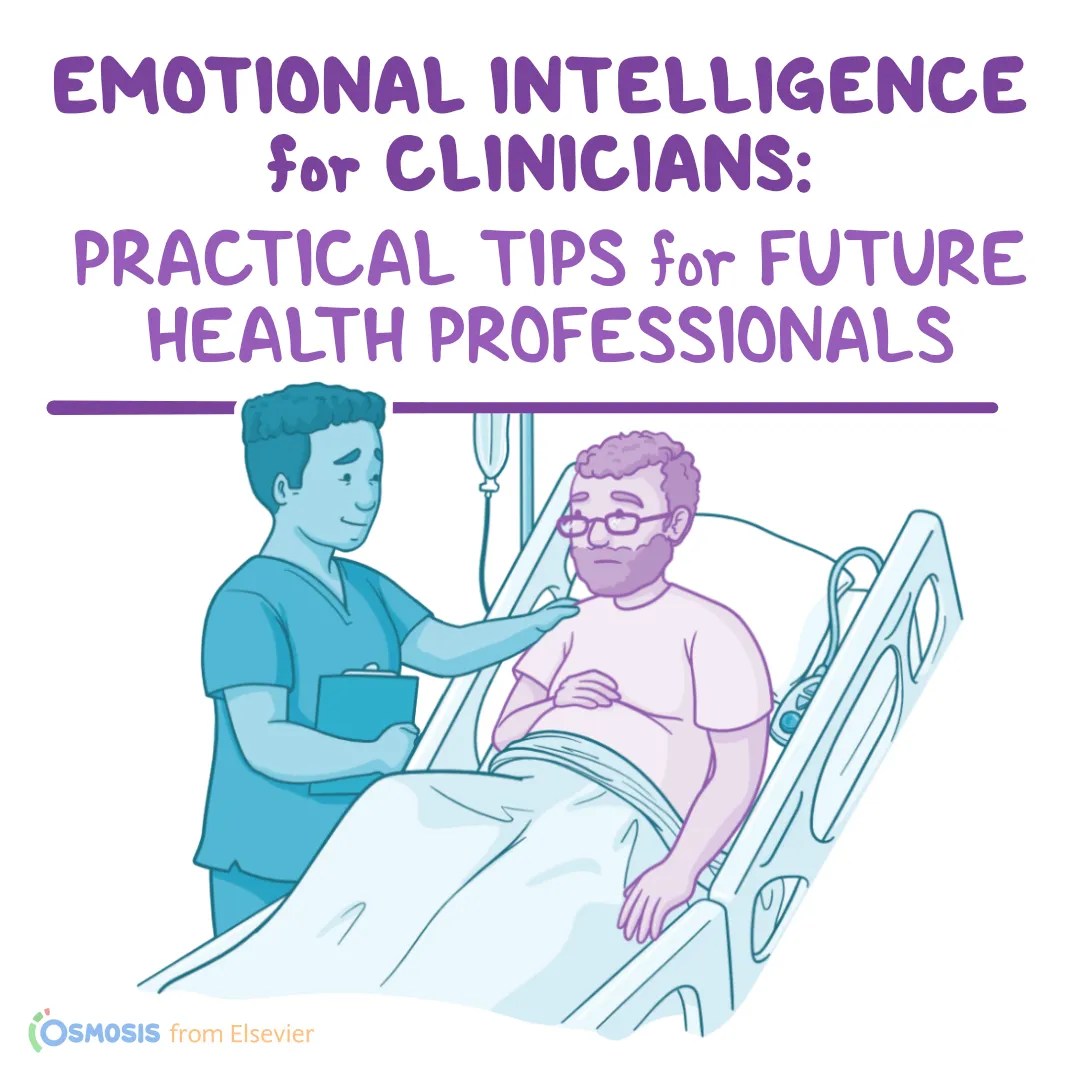
Emotional Intelligence for Clinicians: Practical tips for future health professionals
— Updated:
Dr. Amin Azzam recently hosted an Osmosis webinar offering valuable advice on the importance of emotional intelligence and resilience in healthcare. In today’s Osmosis blog, we’re sharing his top-notch advice and discussing the crucial role EI, EQ, and emotional well-being play in today’s healthcare landscape. It should be no surprise that characteristics…
-
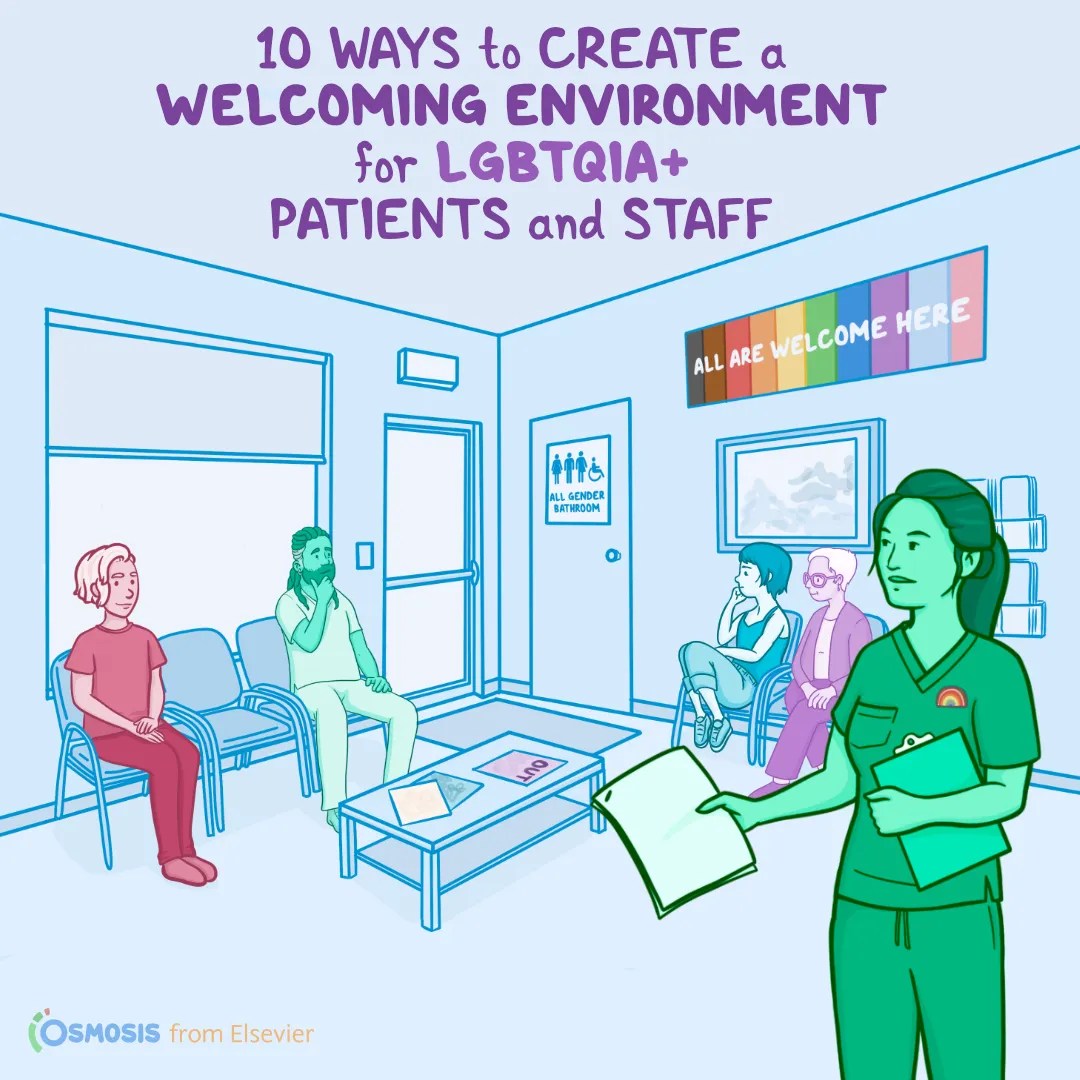
10 Ways to Create a Welcoming Environment for LGBTQIA+ Patients and Staff
— Updated:
Find out how to create safe spaces, promote equity, and foster belonging for your LGBTQIA+ patients and staff with these simple and effective tips ranging from revising forms and updating signage to collaborating with local organizations and more in today’s Osmosis blog.The LGBTQIA+ community has endured a variety of forms…
-
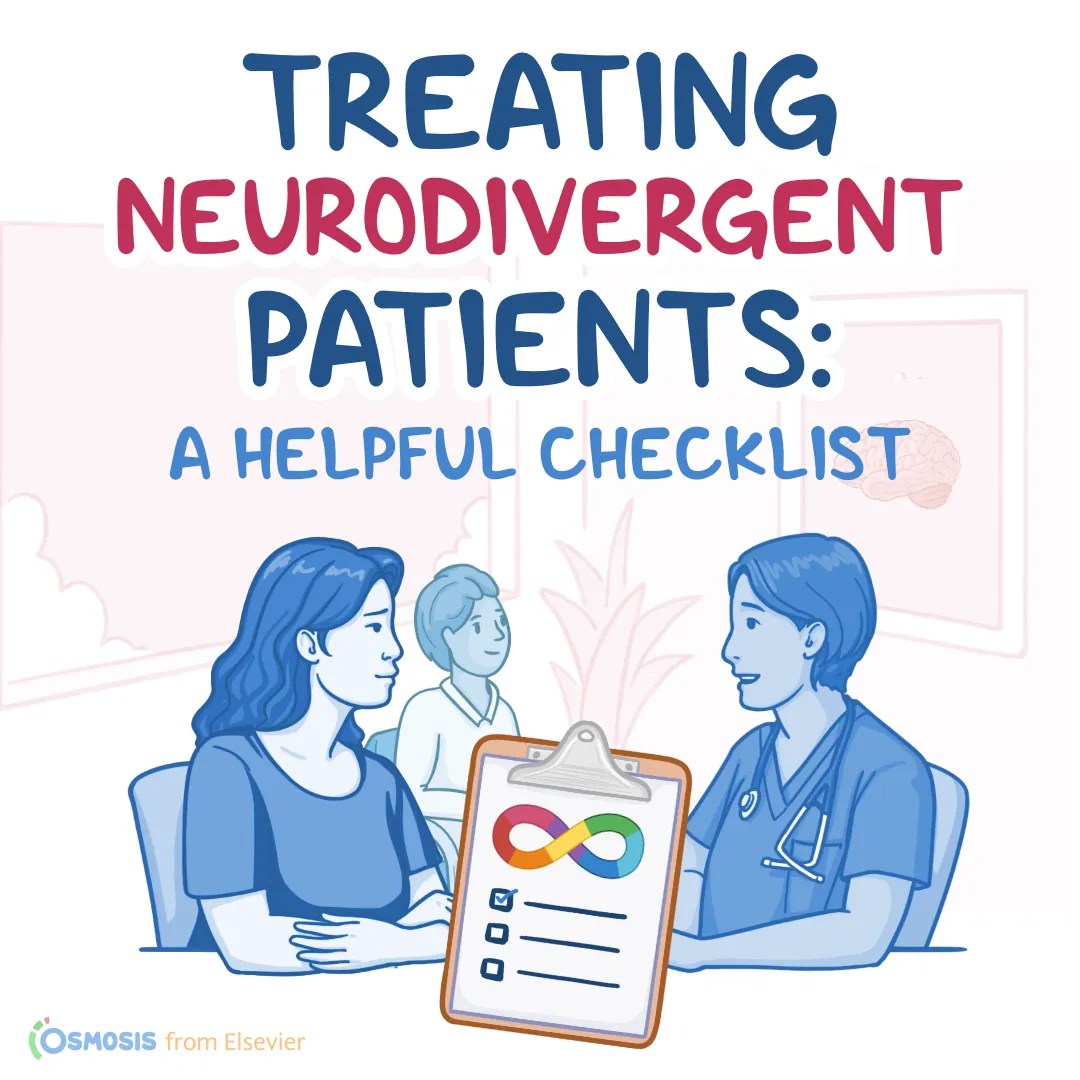
Treating Neurodivergent Patients: A helpful checklist
— Updated:
When it comes to working with patients who have neurodivergent brains, the key lies in conscious collaboration to achieve the desired outcome. In today’s Osmosis blog, Stephanie Viggiano, Digital Communications Manager with Elsevier, offers valuable strategies for effective collaboration in treating neurodivergent patients, drawing from her personal experience. Providing personalized…
-
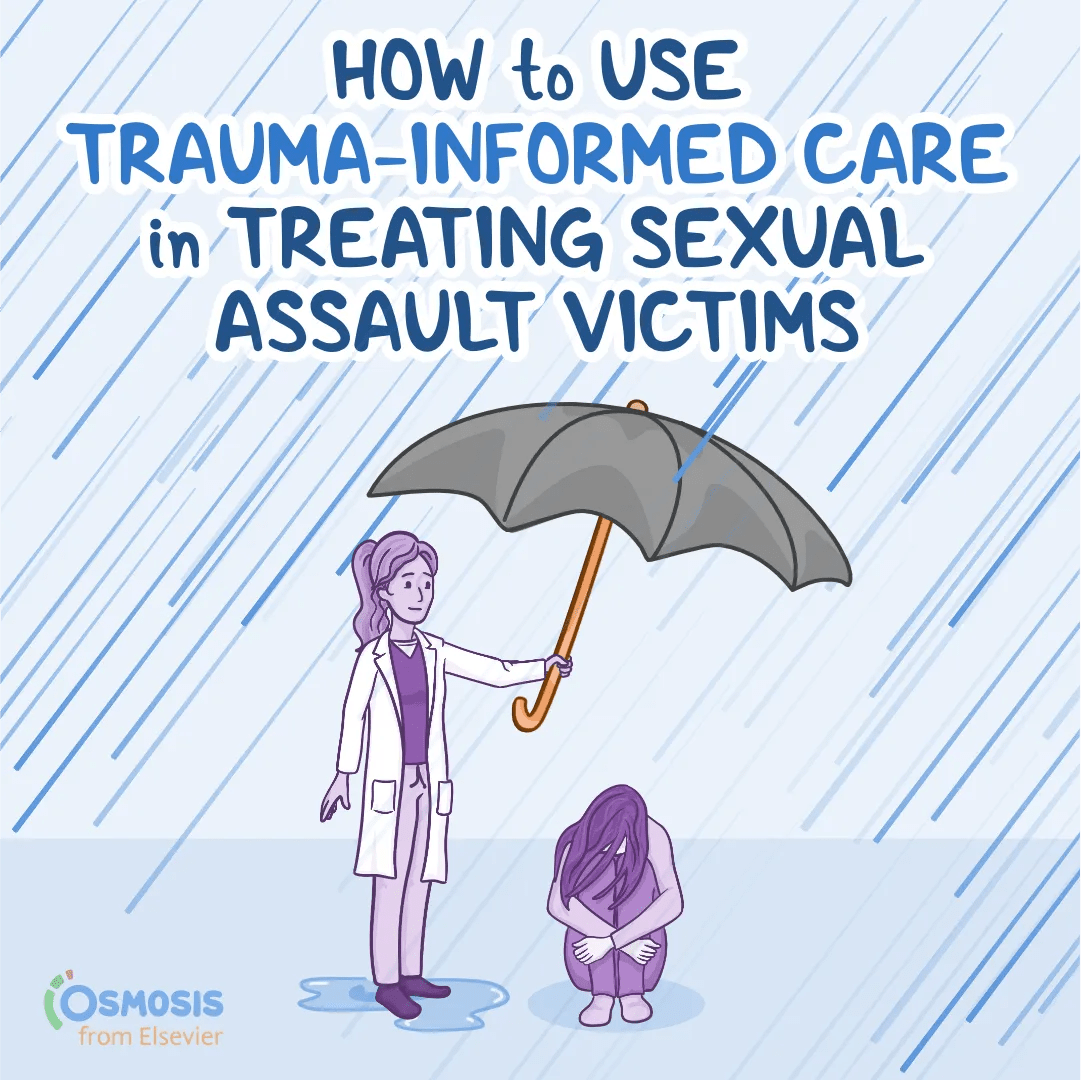
How to Use Trauma-Informed Care in Treating Sexual Assault Victims
— Updated:
Explore the principles and benefits of trauma-informed care for sexual assault survivors and trauma patients, emphasizing empathy, safety, and effective communication.
-
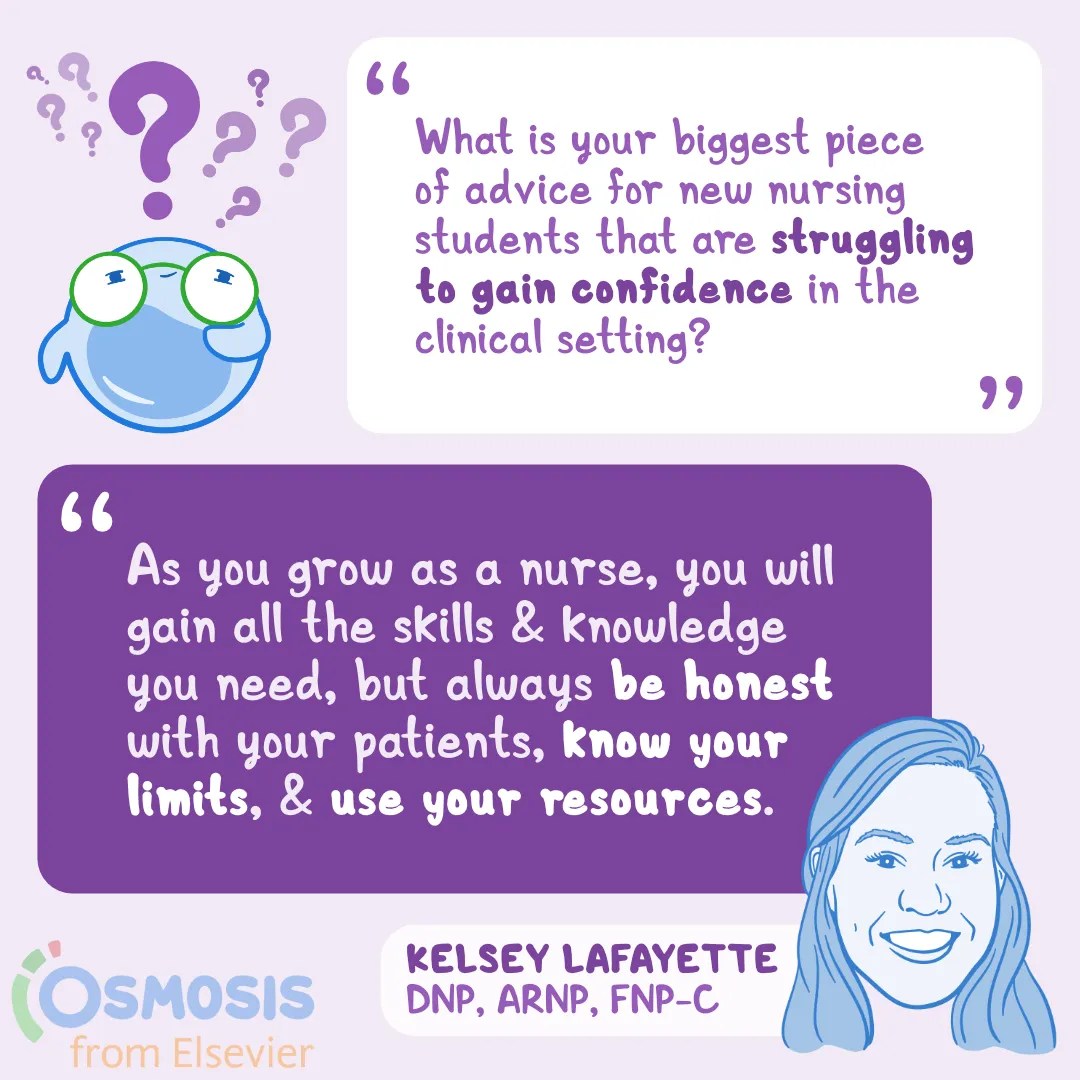
Ask-a-Nurse: Building confidence
— Updated:
Welcome back to our Ask-a-Nurse corner! A few weeks ago, one of our learners asked, “How do you build confidence in yourself and your abilities?” Osmosis Nursing Content Manager, Kelsey Lafayette, DNP, ARNP, FNP-C, shares some encouraging advice below. True confidence will come with time. It’s that kind of confidence when you can…
-
The Anatomy of a Chart: How to read and interpret an EHR
— Updated:
Learn about the six essential sections of the electronic health record to review for comprehensive patient care during nursing clinical rotations and beyond.
-
10 Tips to Prepare for Your First Clinical Nursing Experience
— Updated:
A practical guide for nursing students entering clinicals, covering how to prepare, communicate, learn on the job, and practice self-care while building professional habits that support patient care and long-term success.
-
The Best Medical Podcasts
— Updated:
Medical podcasts provide a cost and time-effective way for physicians and medical students to learn more about the field of medicine. Whether it’s keeping up to date on the latest research or learning how to avoid burnout, the best medical podcasts provide countless learning opportunities that help you become a better…
-
My First Clinical Nursing Experience
— Updated:
Today on the blog, Osmosis Nursing Student Ambassador (ONSA) Nishtha Patel shares her experiences in clinicals. Her words of wisdom can help you understand what to expect, and how to approach this big step with confidence! One thing that comes to mind when you decide to go to nursing school…
-
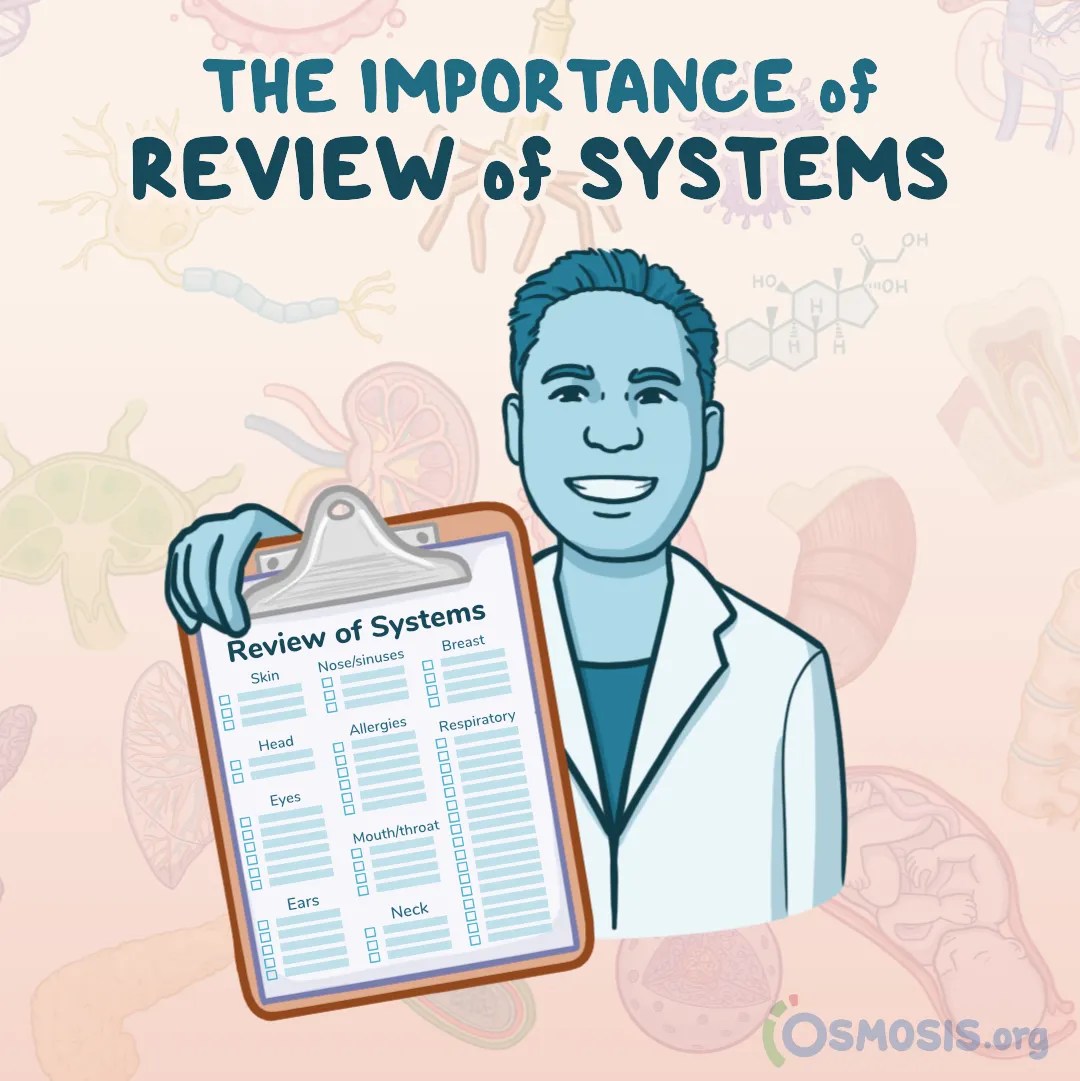
Importance of Review of Systems
— Updated:
Discover how a complete review of systems (ROS) can lead to making critical diagnoses and ultimately improving patient outcomes.
-
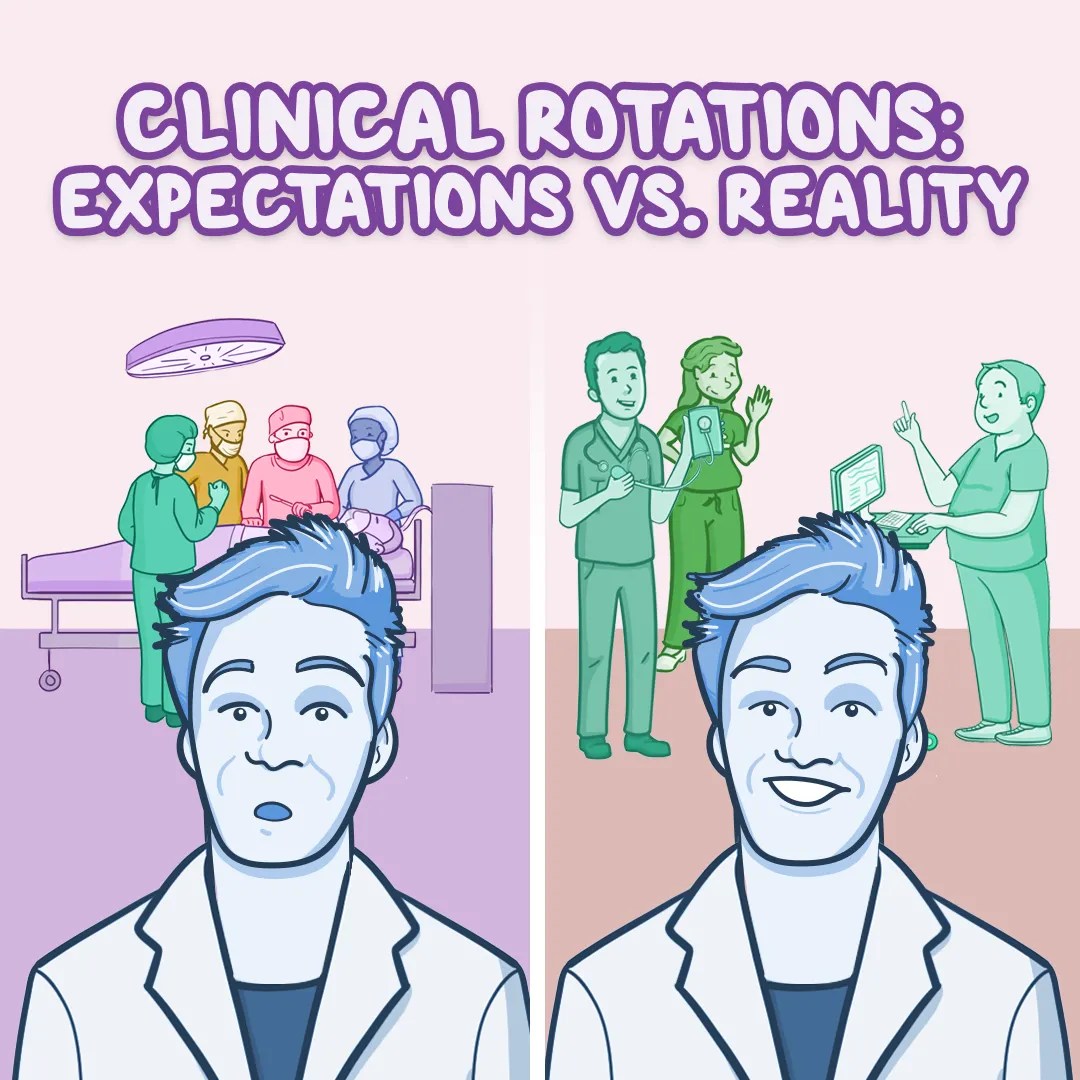
Clinical Rotations: Expectations vs Reality
— Updated:
Most pre-clinical students have a familiar yet foreign idea of how a hospital works. In this blog, Kieren talks through what he expected going into a hospital for the first time and how this matched with what actually happened during his first week. Introduction The ideas and expectations of what…
-
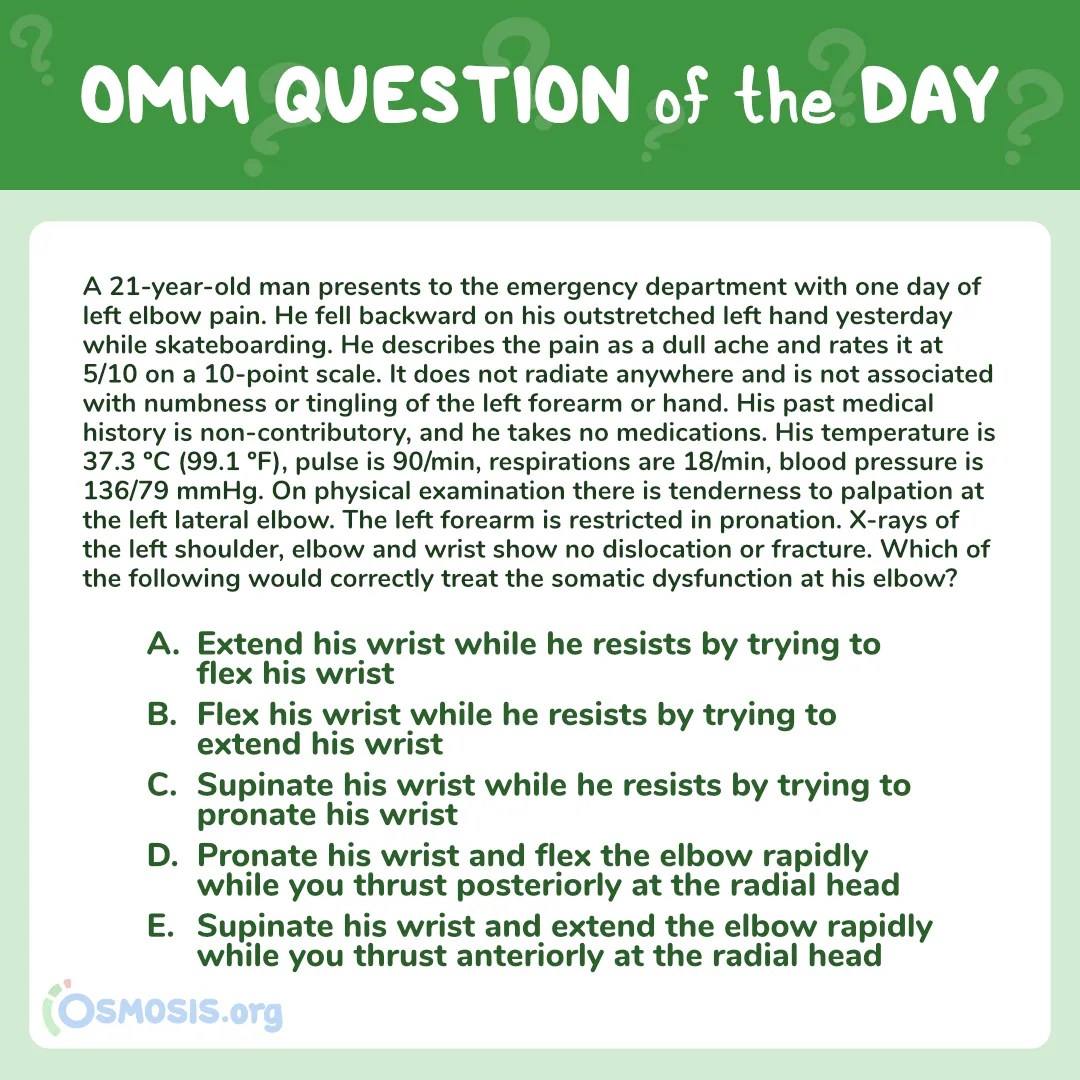
OMM Question of the Day: Upper Extremity – HVLA (Radial Head)
— Updated:
Explore today’s OMM question focusing on elbow somatic dysfunction and learn the correct treatment technique for a patient with a radial head issue.
-
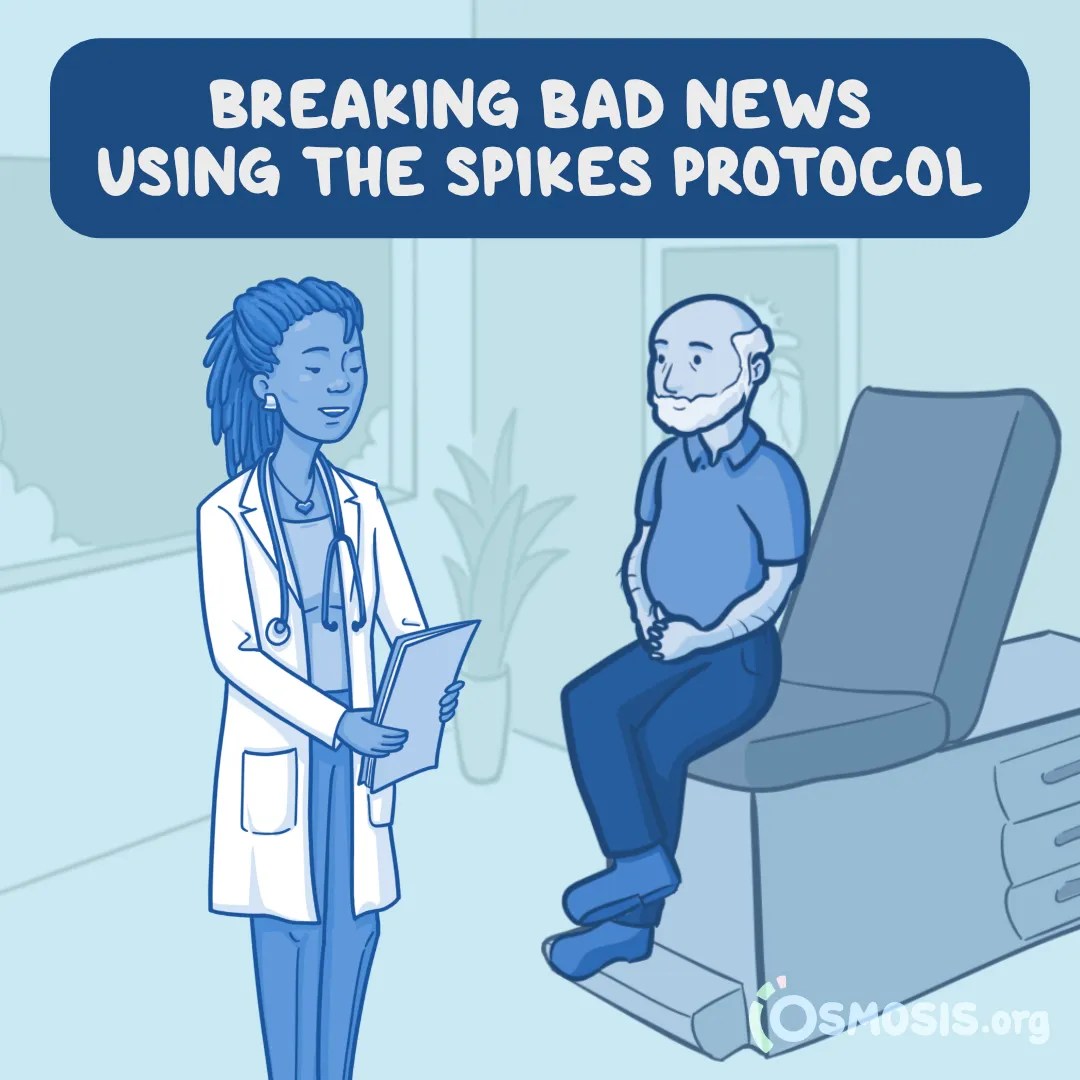
Breaking Bad News: Using the SPIKES Protocol vs. the BREAKS Protocol
— Updated:
Learn how to deliver tough medical news to patients using the SPIKES and BREAKS protocols to enhance communication and create better patient outcomes.
-
Your Medical Residency Interview Questions, Answered
— Updated:
Can you believe you are almost there? Just an inch away from getting matched into your dream specialty! The light is shining at the end of the tunnel—but you are not there just yet. You have to get through these interviews to test the waters before you match which residency…
-
How to Impress Your Attendings During Clinical Rotations
— Updated:
Are you ready to embark upon your third year? It’s a time in a medical student’s life where you go from simulated cases and enter into real life scenarios. Read on to ensure you are prepared to enter the professional world and stand out amongst your peers. I am beyond…
-
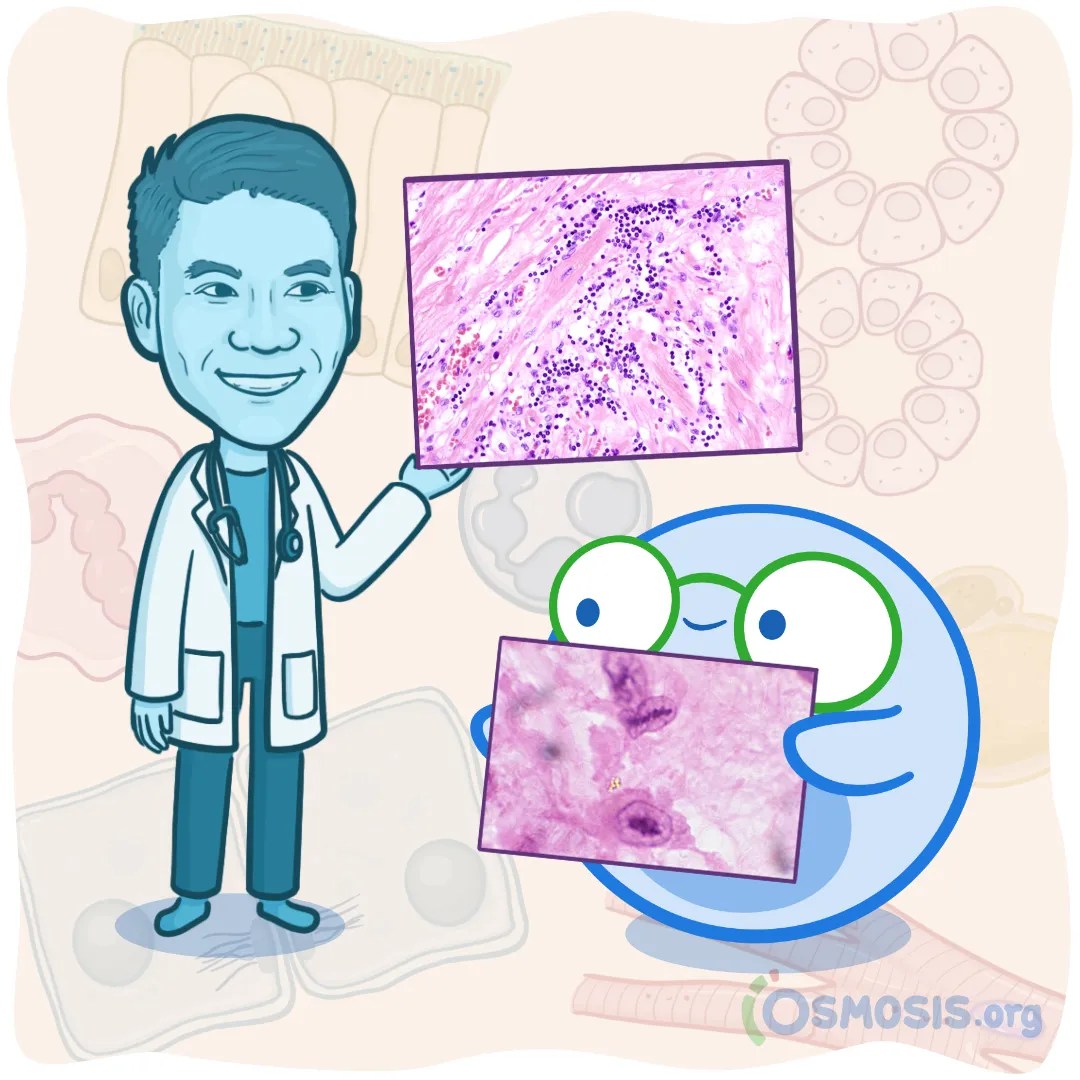
Learn Histology with Videos on Osmosis
— Updated:
Improve your understanding of histology with the Osmosis Histology video series! This comprehensive collection of videos offers clear explanations and engaging visuals to help medical, nursing, and healthcare students learn the essential histological features of various organ systems. Dive into the fascinating world of histology today!
-
How to Thrive During Clinical Rotations and Make the Most of Your Time in the Clinic
— Updated:
Clinical rotations are one of the most challenging (and rewarding) parts of medical school. Learn 12 practical strategies to improve your clinical skills, stay organized, work effectively with your team, and make the most of every clerkship.
-
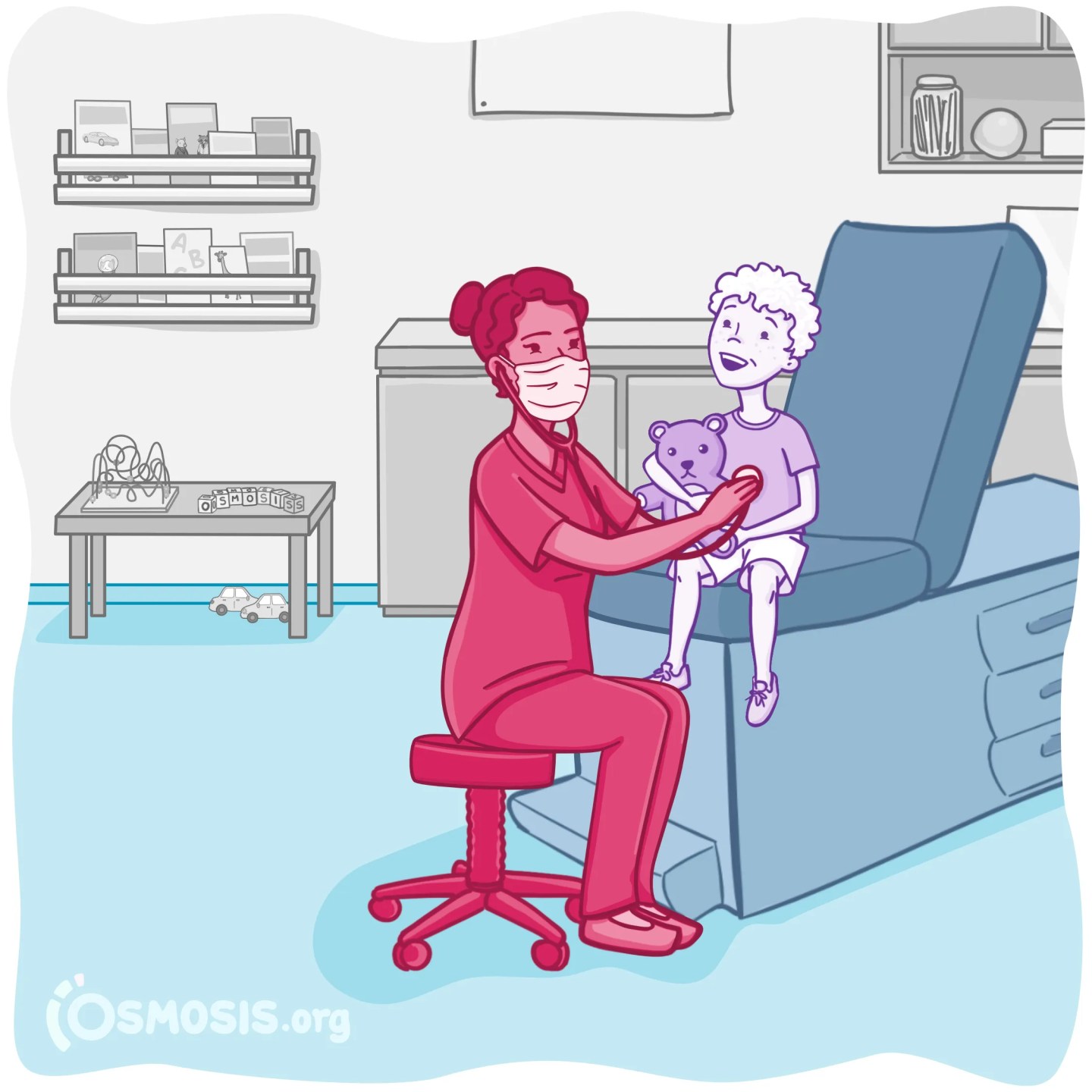
What You Should Know to Become a Pediatric Nurse
— Updated:
In today’s guest post, learn about the ins-and-outs of pediatric nursing, one of the most popular and rewarding career tracks in nursing. There are a large number of career options available in health care, and nursing is the most common profession in the industry with a variety of opportunities to…
-
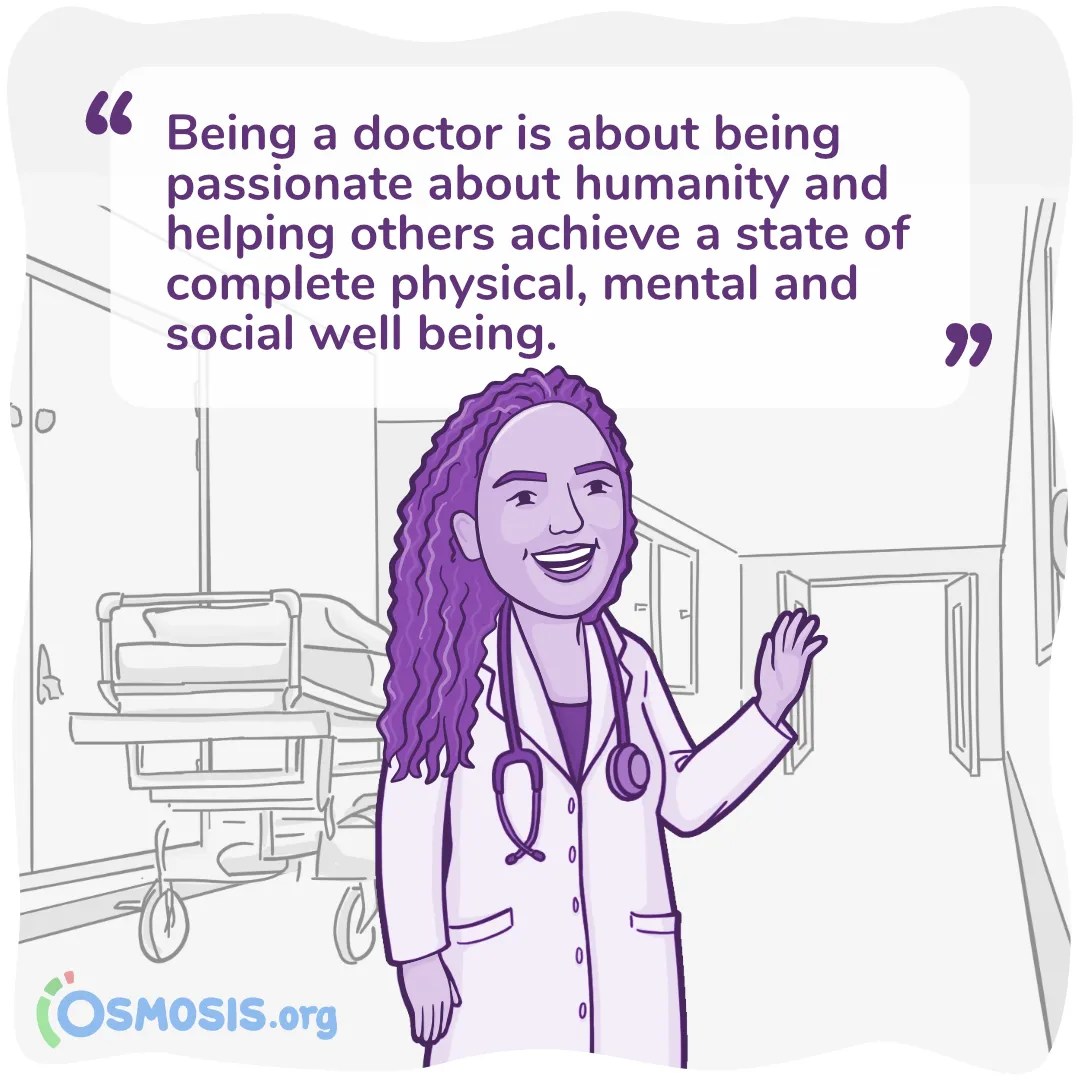
What “Inclusive Medicine” Means to Me
— Updated:
Being a doctor who follows inclusive medicine is not only about treating symptoms and prescribing medication or performing surgery. Being a doctor is about being passionate about humanity and helping others achieve a state of complete physical, mental and social well-being. In today’s blog, OMEF Inés Marquina meditates on the…
-
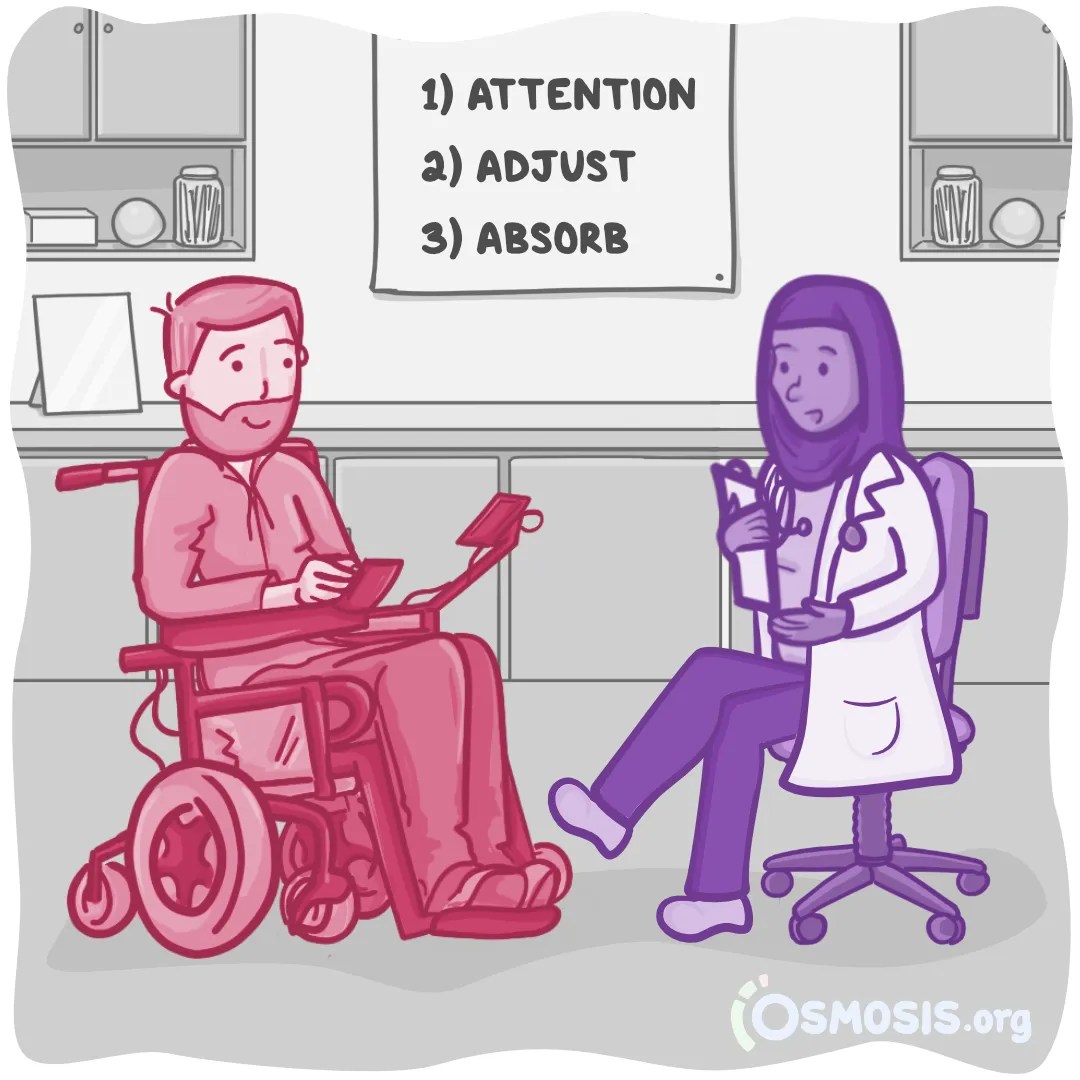
The Approach Formula: Accommodating Patients with Disabilities on the Spot
— Updated:
In response to the novel coronavirus pandemic, an ideal on-the-spot approach in accommodating patients with disabilities is being shared. All-inclusive communications strategies can be used right now when interacting with a person, no matter the background nor (dis)ability. In this article, Dr. Sarah Elizabeth Moreman discusses the Approach Formula and…
-
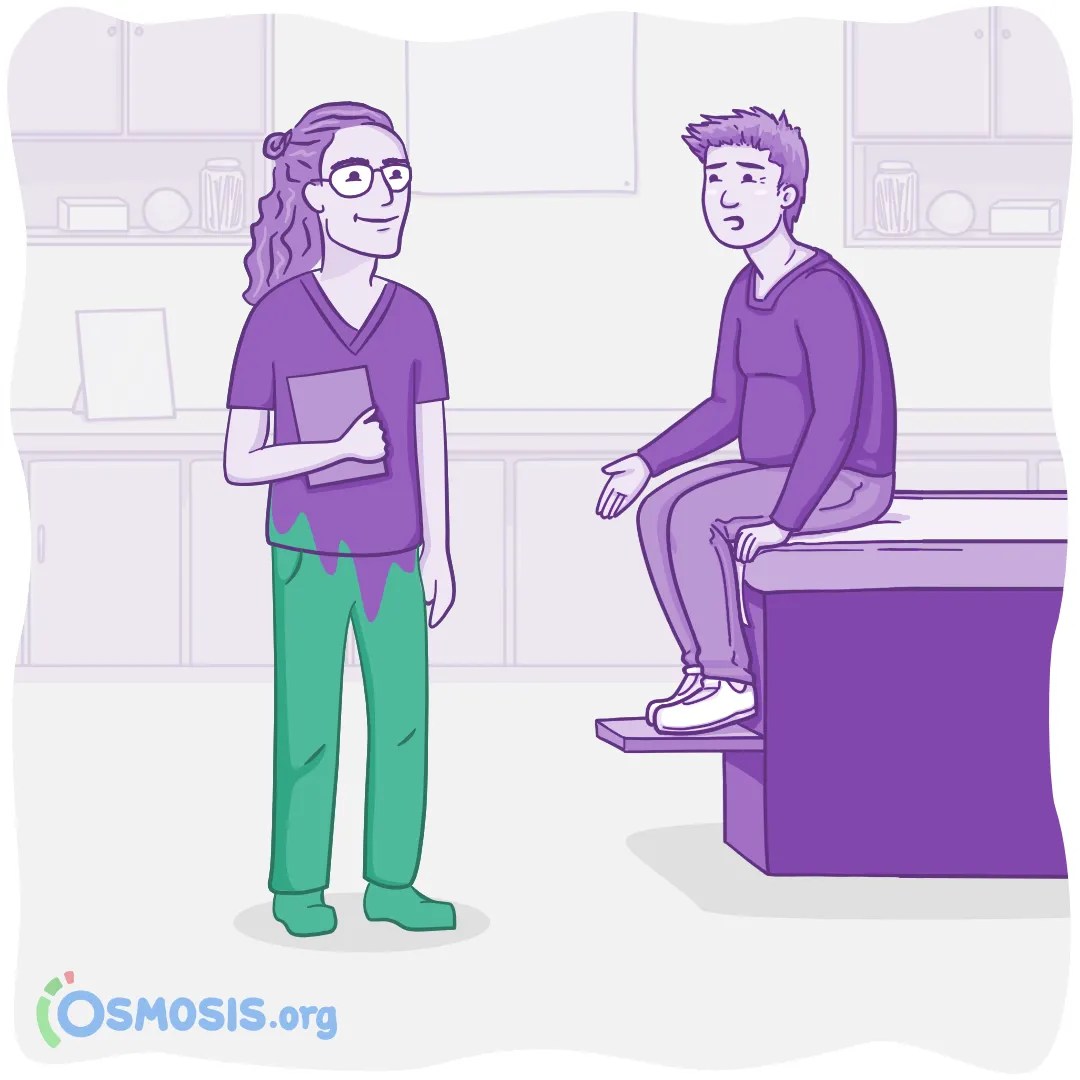
Why You Should Stop Practicing Empathy and Start Feeling It
— Updated:
Patients don’t need someone to appear empathetic; they need someone who is empathetic. You can be that person without burning yourself out! In this article, Osmosis Medical Education Fellow Jon Urquidi Ferreira discusses the prominent role empathy has begun to play in medicine and why he thinks we should commit…
-
Approaching Patient Encounters with Compassion
— Updated:
Showing empathy and compassion is essential for building solid physician-patient relationships. Read about how medical student Farrah-Amoy started with the heart during her first patient interview. As health profession students, we often get hung up on the details. We do our best to get a thorough history, always remembering OLD…
-

If Santa Claus Were Your Patient
— Updated:
What medical conditions might Santa Claus have? From rosacea to cardiomegaly, explore the playful diagnosis behind the jolly old elf’s health.