
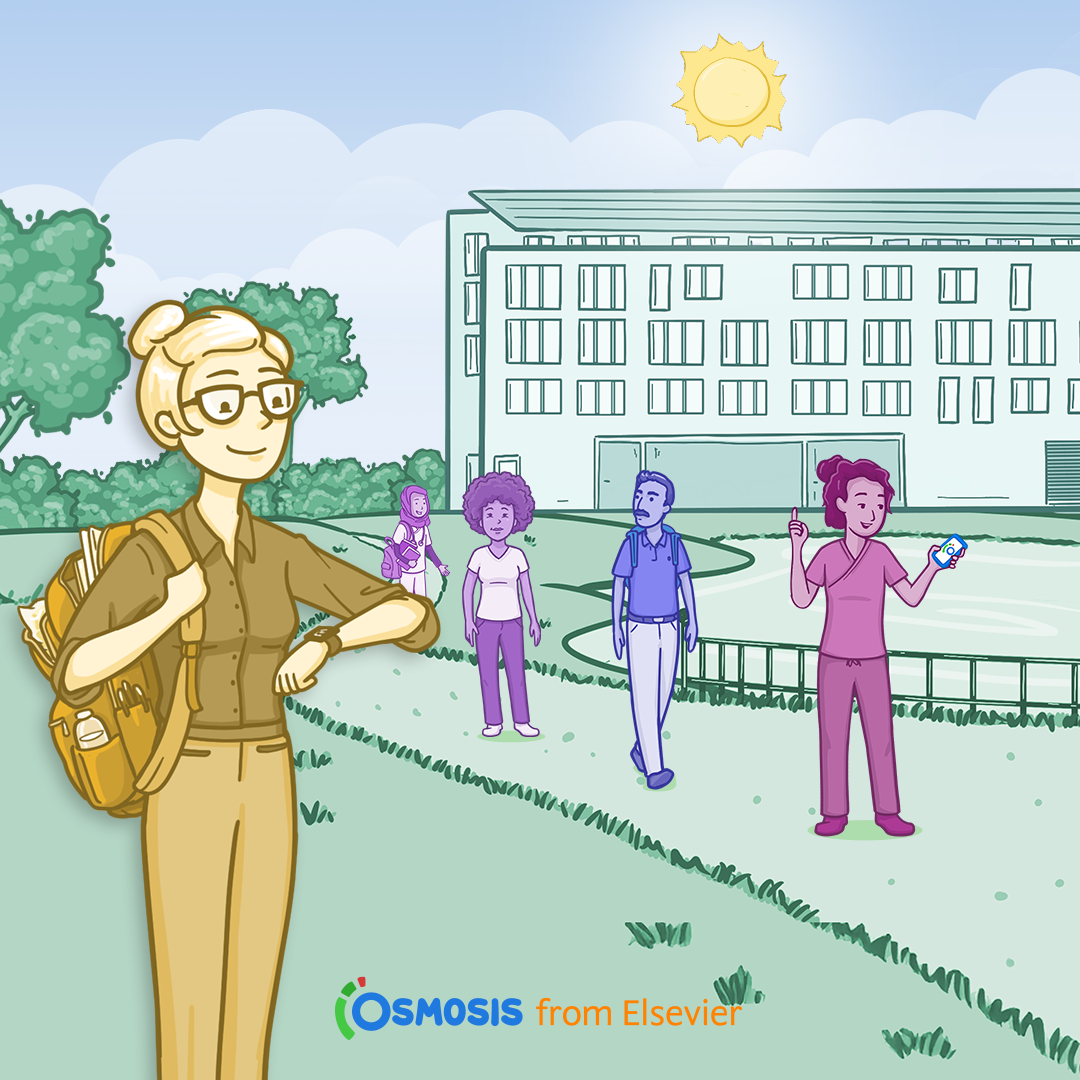
The weeks following winter break can feel like shifting suddenly from stillness to a sprint. After time away from the rigor of clinical schedules and heavy study loads, students return feeling both refreshed and overwhelmed. As an educator, you have a unique opportunity to ease that transition. With a few intentional strategies, you can set students up to regain momentum, rebuild confidence, and re-engage with both the content and the community around them.
Understand the Challenges Students Face Post-Break
Even the most resolute medical students may return feeling out of rhythm, anxious about jumping back into demanding coursework, or frustrated by how much they feel they’ve forgotten. Others may be carrying mental or physical fatigue from family responsibilities, travel, or personal commitments that weren’t exactly restful.
A powerful thing to do is acknowledge these challenges openly and without judgment. For example, you might begin class by normalizing the experience of needing time to readjust, sharing that dips in confidence or productivity are extremely common, and reminding students that re-entry is a process, not an immediate expectation.
Creating space for students to voice their concerns further validates their experience. When you name the challenges aloud, you signal that these struggles are not failures, but predictable responses to time away from an intense learning environment.
This kind of transparency tells students they don’t need to hide their discomfort or pretend they’re “back to 100%” from day one. Instead, they can focus on rebuilding skills and confidence with the support of an educator who understands the realities of medical training.
Re-Establish Clear Expectations and Goals
Clear expectations can make all the difference after time away. Students often return from break unsure of what to prioritize first, which can quickly lead to stress or decision fatigue. Taking time to outline upcoming objectives, key deadlines, and assessment timelines helps students focus their energy where it matters most.
Alongside this clarity, you can encourage students to set achievable goals for the weeks ahead. Rather than framing success solely around exam scores or long-term outcomes, guide students toward process-based goals—like consistent study blocks, regular review, and built-in recovery time. This approach gives students space to rebuild momentum without burning out early.
Tools like the Osmosis Study Schedule can support this goal-setting in a very practical way. Students can start with a custom or pre-built schedule, with topics already aligned to major board exams such as USMLE Step 1 & 2, COMLEX, NCLEX, or PANCE, reducing the cognitive load of deciding what to study first. They can also choose specific topics and subtopics, tailor the number of hours per week they realistically want to study, and select the learning formats that work best for them—whether that’s videos, questions, or concise explanations.
The ability to track progress in real time allows students to see steady wins, which can be especially motivating early in the term. Just as importantly, students can add their own custom tasks and schedule wellness breaks, reinforcing the idea that rest and recovery are part of a sustainable study plan—not distractions from it.
When you pair clear academic expectations with flexible, student-centered planning tools, you help learners return from break with a sense of structure, ownership, and confidence that sets the tone for the rest of the term.

Refresh Foundational Knowledge and Skills
After a long break, it’s completely normal for students to feel a little rusty. Even content they once felt confident about can seem fuzzy at first, and jumping straight into new material can quickly become frustrating. Taking time early in the term to revisit foundational knowledge allows students to rebuild confidence and get back into learning mode.
This doesn’t have to mean lengthy review lectures. Short, focused refreshers like quick concept check-ins, case-based warm-ups, or brief review sessions go a long way in reactivating prior learning. Low-pressure quizzes and active recall exercises are especially effective here, helping students surface what they remember and identify gaps without the stress of high-stakes grading.
Encouraging peer-led study groups or collaborative review sessions also makes the process feel less isolating. When students explain concepts to one another, they reinforce their own understanding while benefiting from different perspectives and study strategies.
Framing review as a normal and expected part of re-entry—not a sign of falling behind—sets the right tone. When students understand that revisiting the basics is part of getting back into the swing of things, they’re more likely to engage fully and move forward with renewed confidence.
Use Formative Assessments Early to Guide Teaching and Support
Early in the term, you need a clear sense of where students stand. Low-stakes formative assessments offer a straightforward way to do that without adding pressure. These can be quick knowledge checks, short clinical reasoning prompts, polling questions during class, or brief reflections that reveal how confident students feel about key topics.
The real value of these assessments isn’t the score, it’s the insight. Reviewing early results can highlight patterns across the cohort, such as concepts that didn’t stick over break or areas where confidence is lower than expected. This allows educators to adjust pacing, revisit tricky topics, or offer targeted resources before small gaps turn into bigger obstacles.
Formative assessments also open the door for meaningful feedback. Early, specific feedback helps students understand where they stand and what to focus on next, which is especially reassuring after time away. Tools like Osmosis can support this process with leveling, offering targeted, digestible content to help students close gaps efficiently.
When used thoughtfully, early formative assessments send a clear message: the goal isn’t to catch students off guard, but to support them as they find their footing again. This reassurance leaves students re-engaged with confidence and momentum.
Foster Connection, Well-Being, and Healthy Habits
A successful return from break isn’t just about recovering academic momentum. It’s also about students reconnecting with their peers, resetting their rhythms, and re-establishing habits that support long-term success.
Start by creating opportunities for social reconnection: a brief class icebreaker, a small-group check-in, or a casual peer-led discussion about challenges and strategies for re-entry. These moments rebuild a sense of community and give students a chance to share concerns or anxieties.
At the same time, encourage healthy habits: remind students of the importance of balanced sleep, nutritious meals, regular movement, and scheduled downtime — especially during early weeks when burnout risk can spike. Frame these not as “extra” tasks, but as foundational elements of effective learning and resilience. You might even build in brief pauses or low-stress wellness check-ins early in the term, and offer resources to support mental and physical health.
Nurturing both belonging and well-being helps students return not only ready to learn but also equipped to sustain their energy and motivation through the term ahead.
Conclusion
Supporting students through the post-break transition doesn’t require an overhaul. Thoughtful, proactive steps that center empathy, clarity, and strong learning science are key. Normalizing the challenges, providing structure, refreshing essential knowledge, and using early feedback to guide instruction make the return to medical training feel much more manageable, purposeful, and engaging for students.
Key Takeaways
- Understand the Challenges: Normalize the post-break adjustment period by openly acknowledging common struggles like disrupted study habits, fatigue, and stress, so students feel seen and supported.
- Re-Establish Clear Expectations: Provide transparent course objectives and model realistic, flexible goal-setting, encouraging it through small reflective exercises and tools like the Osmosis Study Schedule.
- Refresh Foundational Knowledge: Use review sessions, active recall exercises, and peer-led groups to reactivate prior learning and rebuild confidence early in the term.
- Use Formative Assessments Early: Implement low-stakes assessments to gauge baseline knowledge, identify trends in misconceptions, and offer timely guidance using Osmosis for targeted leveling.
- Support Well-Being and Community: Foster reconnection through small-group check-ins, promote healthy routines, and acknowledge that belonging and well-being are essential foundations for strong academic performance.
Want to set your students up for a strong, confident return after winter break? Learn how the Osmosis team helps educators assess, support, and re-engage learners from day one. Schedule a call today!
Leave a Reply