
Author: Jessica Kromer
-
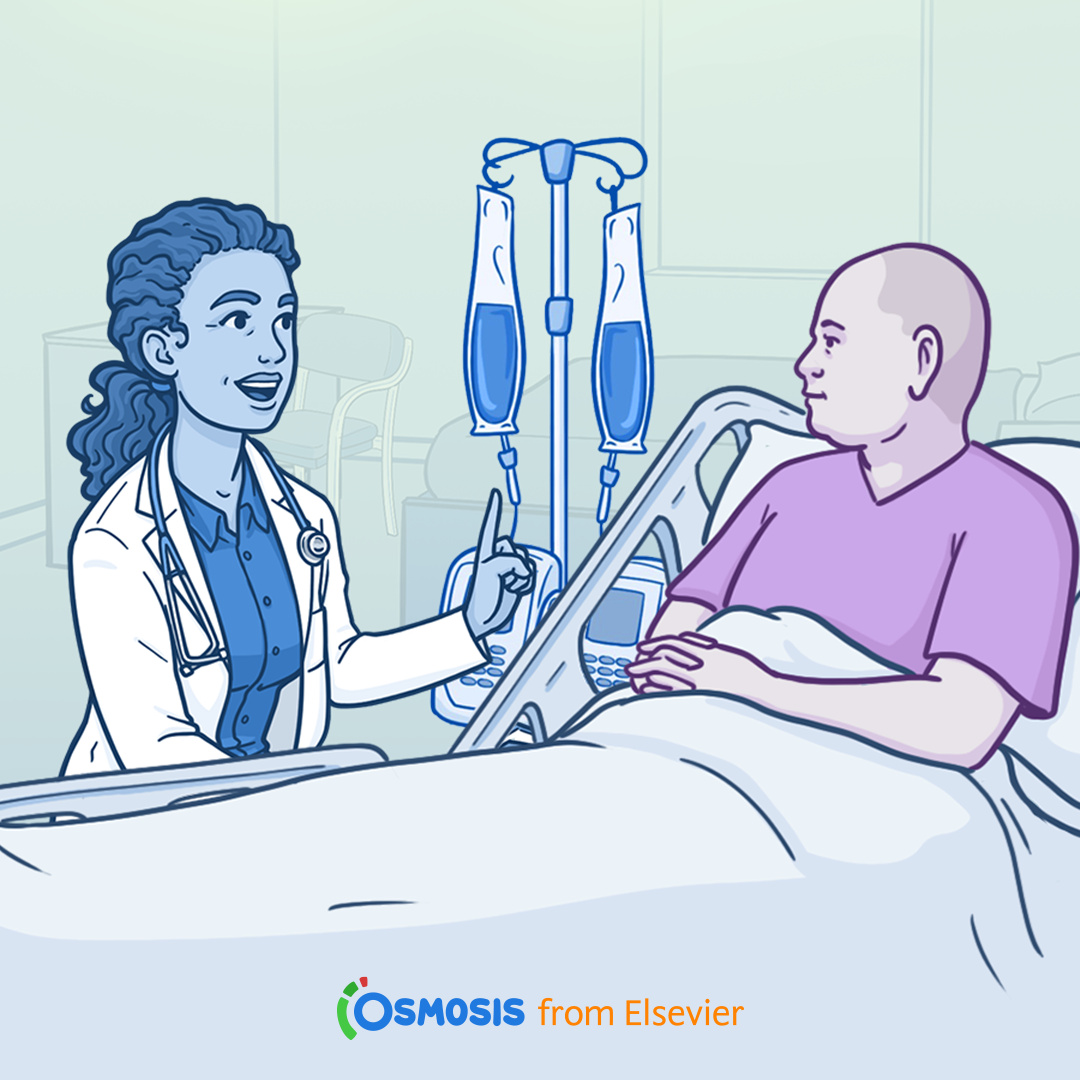
How to Teach Patient-Centered Care Skills to Healthcare Students
— Updated:
Patient-centered care starts with more than clinical knowledge. Explore how educators can help students build empathy, communication, shared decision-making, and inclusive care skills from the beginning of their training.
-
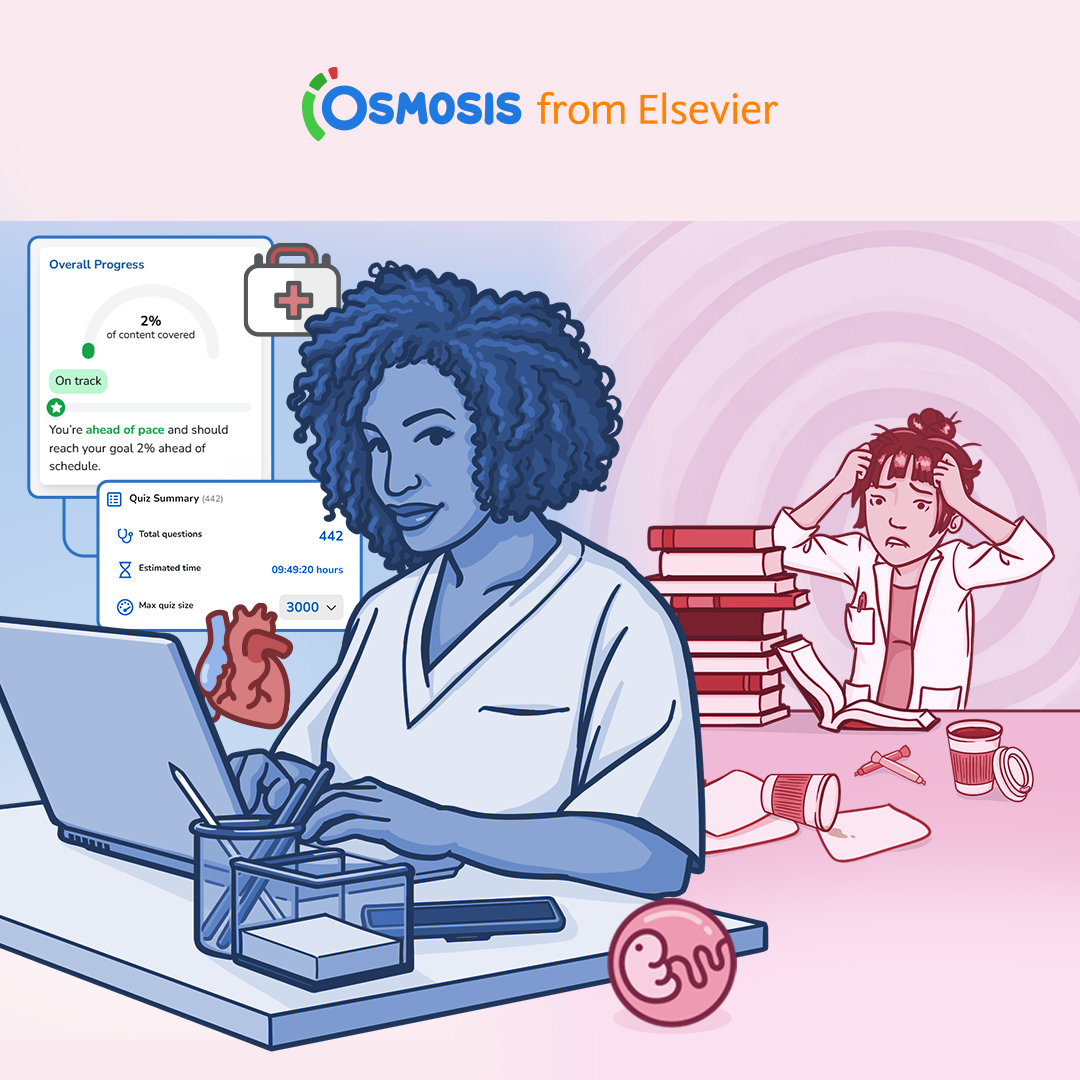
5 Ways to Reduce Overwhelm in New Healthcare Students
— Updated:
The transition into healthcare education is demanding, but it doesn’t have to be overwhelming. Learn five practical, evidence-based strategies educators can use to build confidence, improve study habits, and support student success from the very first weeks.
-
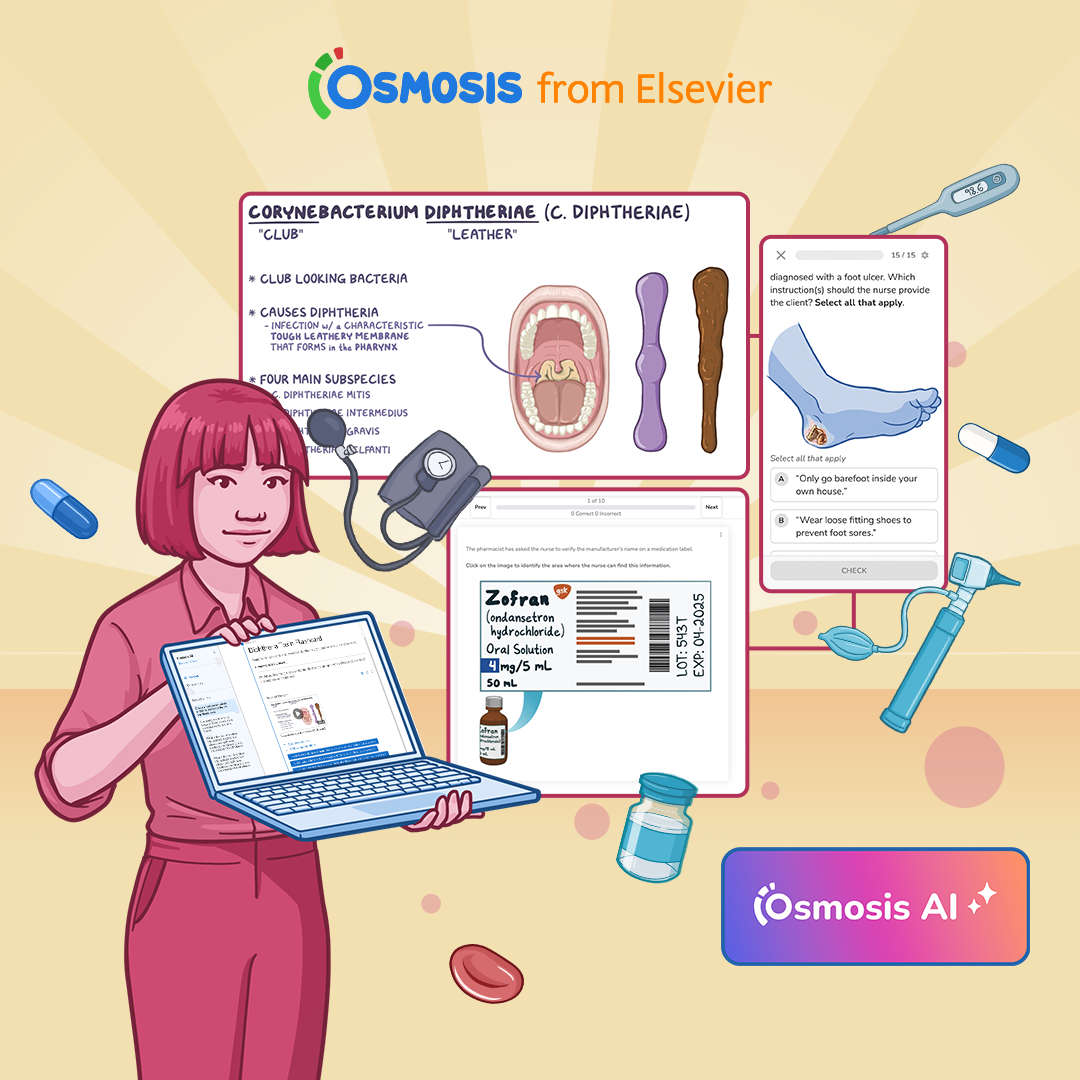
How to Support Evidence-Based Learning with Osmosis AI
— Updated:
Students don’t just need faster answers; they need deeper understanding. Learn how Osmosis AI supports evidence-based learning by reinforcing clinical reasoning, active learning, and trusted educational content within a seamless study experience.
-
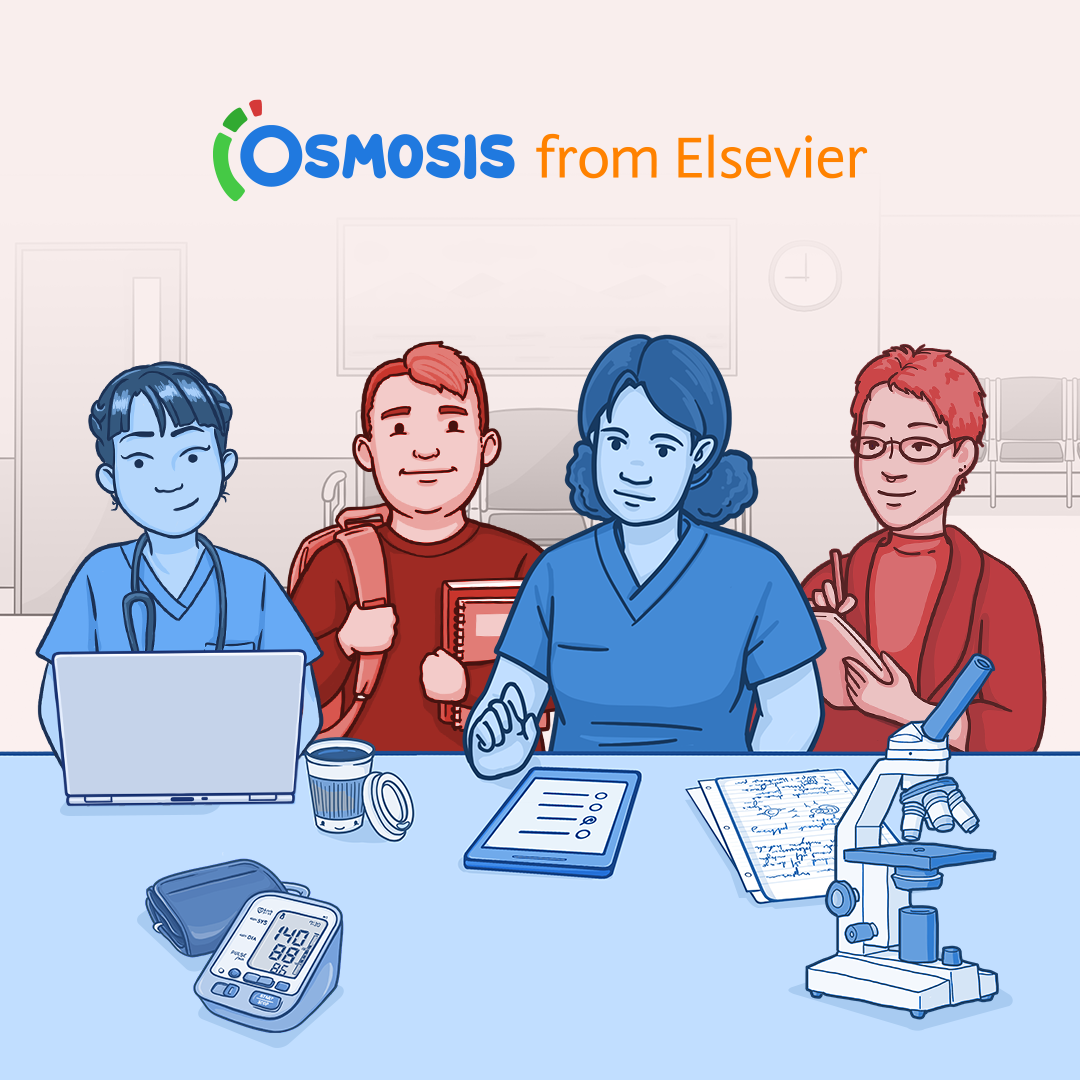
How to Design and Deliver High-Impact Team-Based Learning Activities
— Updated:
Team-Based Learning transforms students from passive listeners into active problem-solvers. Discover practical strategies for designing high-impact TBL activities that strengthen clinical reasoning, collaboration, and learner engagement.
-
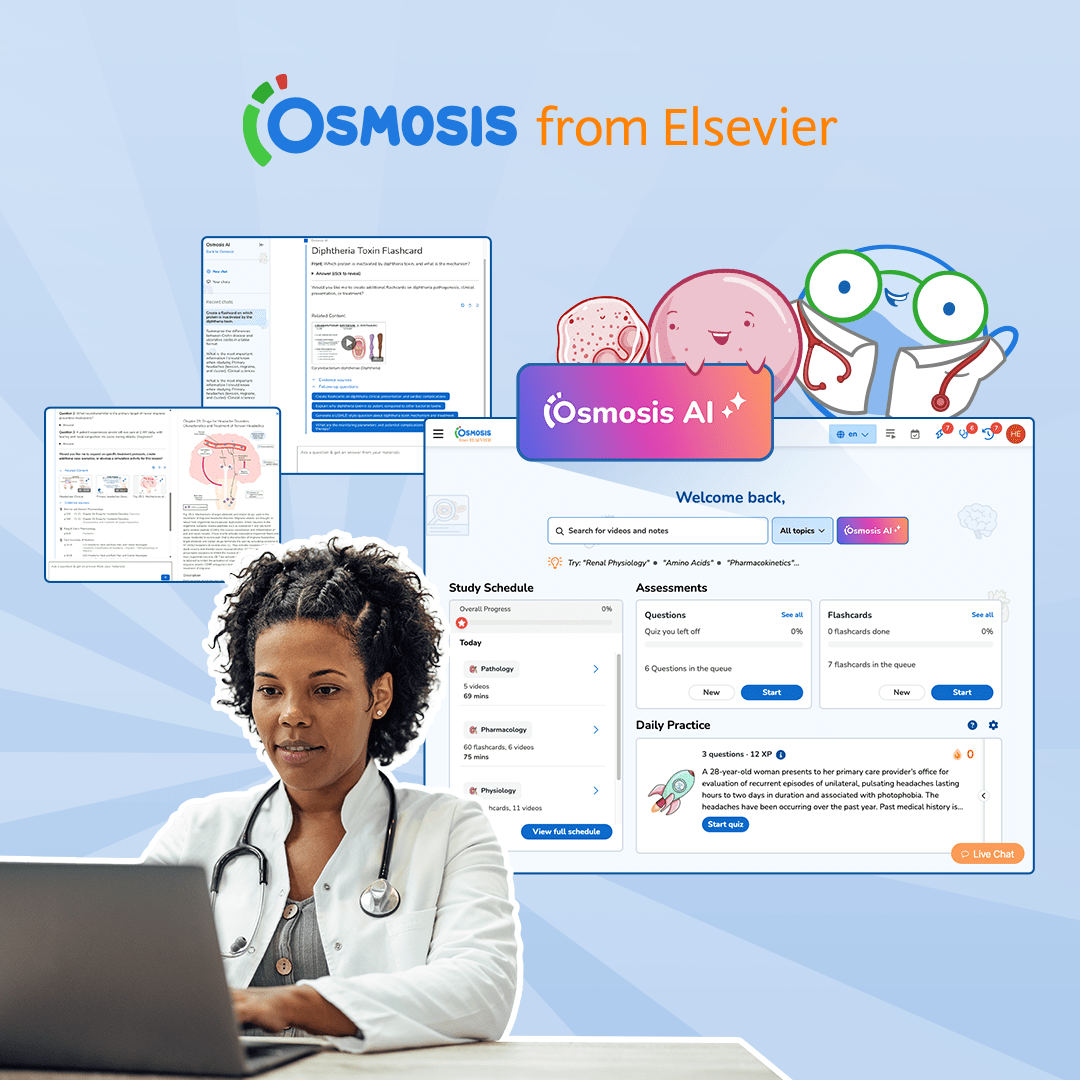
How to Flip Your Classroom with Osmosis AI
— Updated:
Flipped classrooms can transform medical education, but building lessons takes time. Learn how Osmosis AI helps educators create engaging, evidence-based learning experiences more efficiently.
-
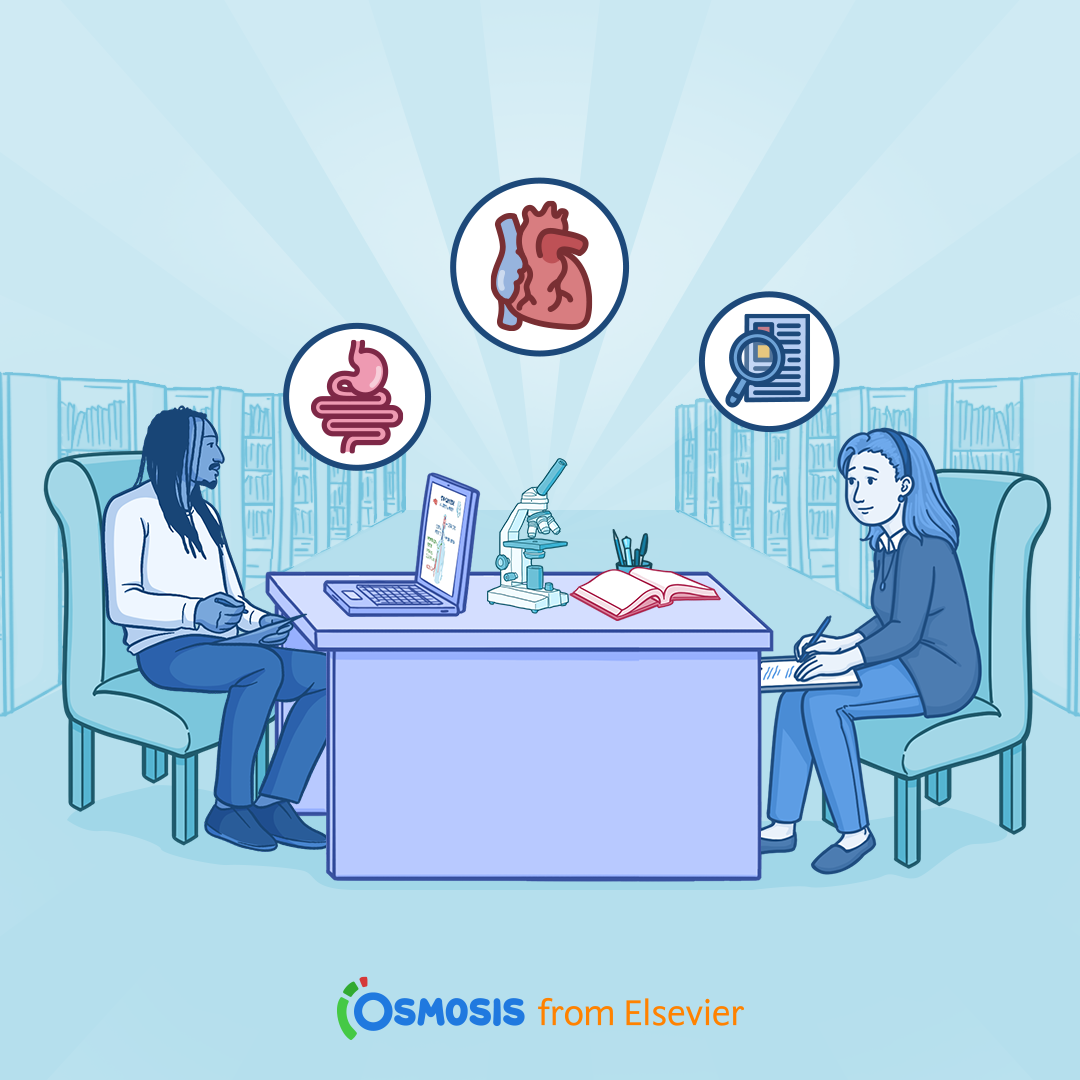
10 Educator Tips for Identifying and Addressing Learning Gaps
— Updated:
Educators learn to spot learning gaps early, tailor targeted supports, and reduce stigma, empowering medical trainees with momentum and confidence. This evidence-based approach blends formative assessment, precise feedback, and collaborative strategies to foster growth, resilience, and lifelong learning in a demanding training environment.
-
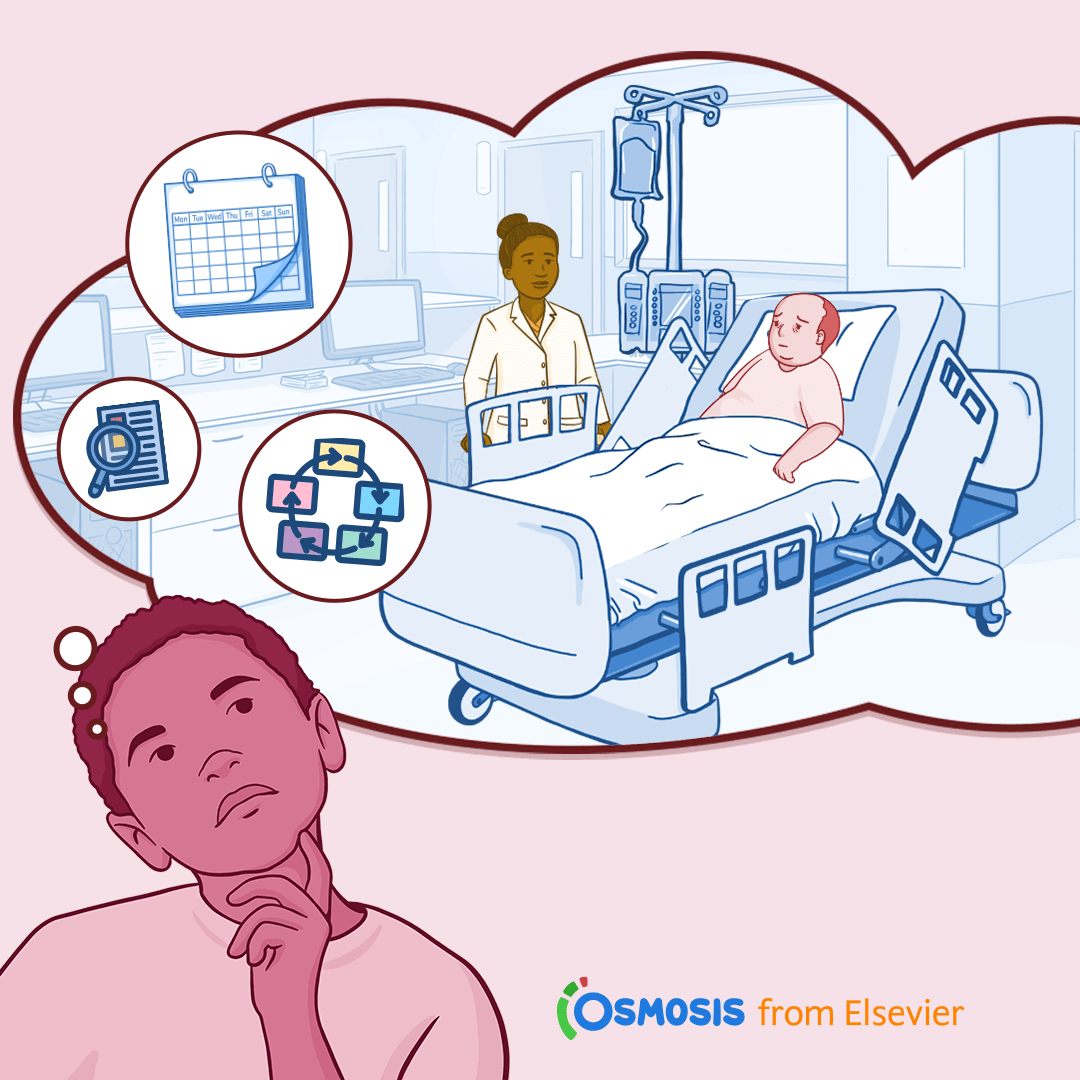
Easy Ways to Integrate Active Recall and Spaced Repetition into Your Curriculum
— Updated:
Healthcare students don’t struggle from lack of effort; they struggle from ineffective study habits. Active recall and spaced repetition shift learning from passive review to durable understanding, helping students retain information, apply knowledge clinically, and study more efficiently in high-stakes medical training environments.
-
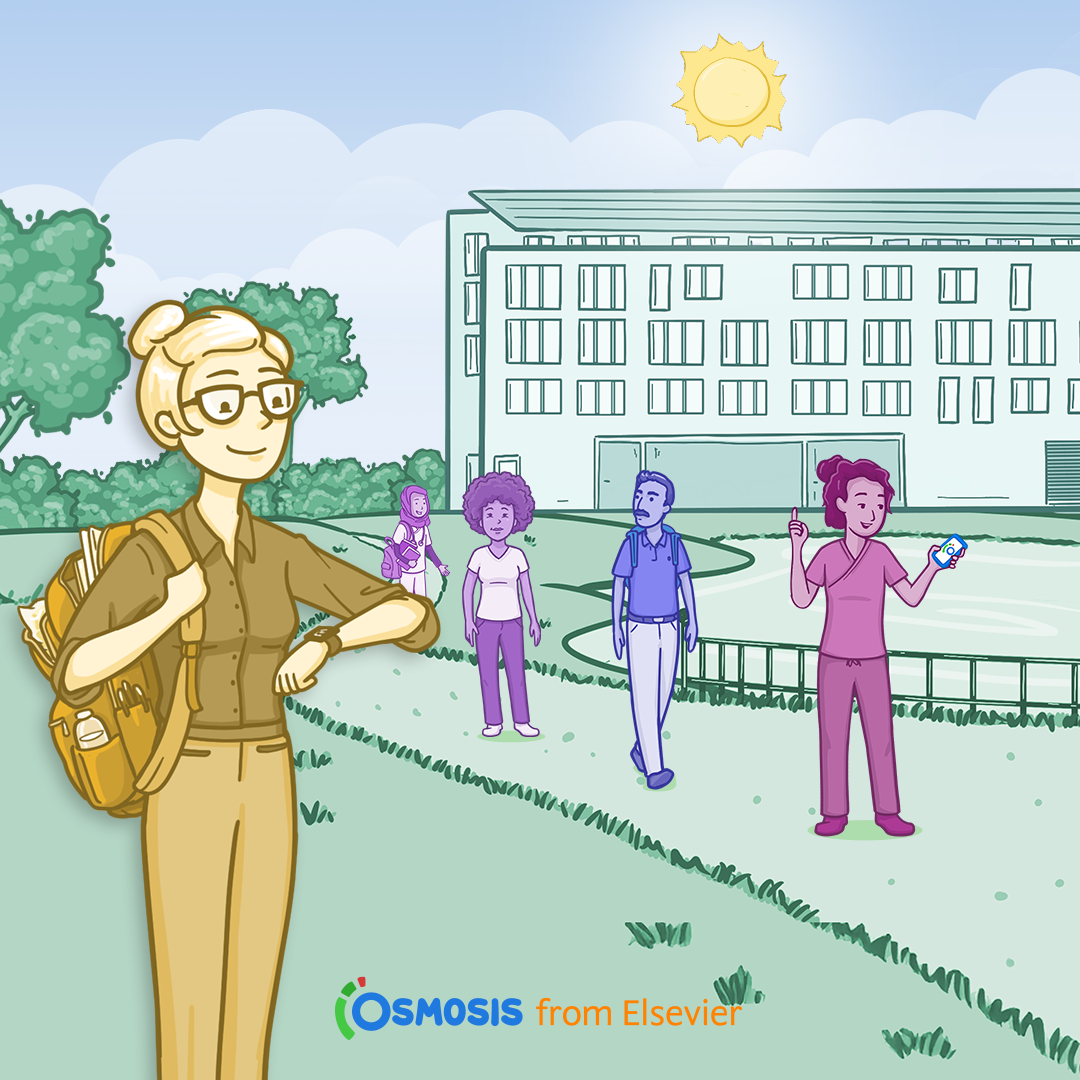
Preparing Students for a Successful Return After the Winter Break
— Updated:
Support students returning from winter break with practical tips for regaining momentum, refreshing knowledge, setting goals, and fostering well-being in medical training.
-
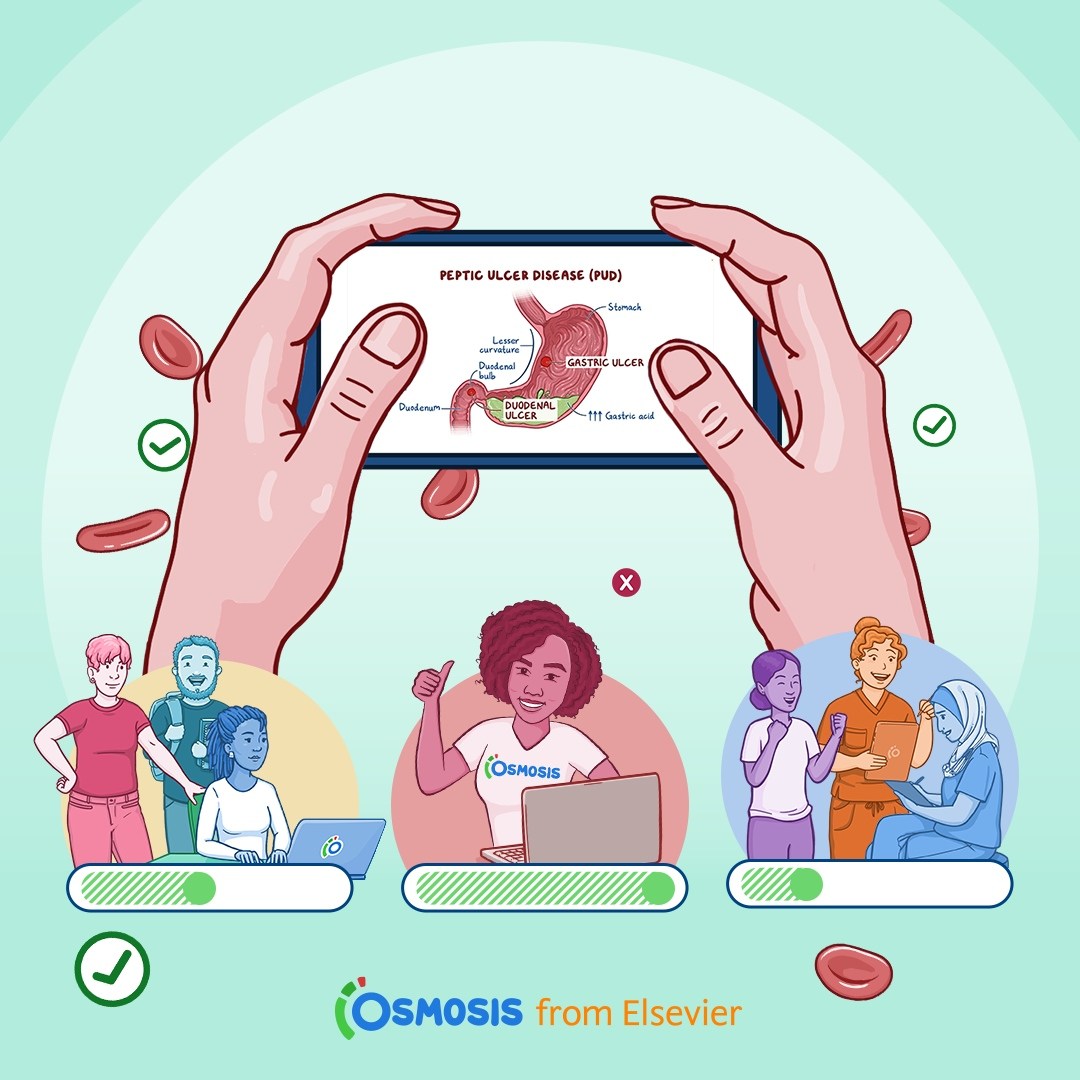
5 Quick Reads That Will Elevate Active Learning in Your Classroom
— Updated:
Elevate your medical classroom with five practical reads offering easy-to-implement active learning strategies—from teamwork and self-directed learning to effective quizzing and large-group engagement.
-
5 Student Study Mistakes Medical Educators Should Watch For
— Updated:
Discover five common study mistakes medical students make—from poor time management to passive learning—and how educators can support better habits, well-being, and clinical readiness.
-
Making the Most Out of a Medical Conference
— Updated:
Learn how to prepare strategically for medical conferences, build meaningful connections, select sessions wisely, and extend learning beyond the event.
-
How to Use Goal Setting to Fuel Healthcare Student Motivation
— Updated:
Learn how goal setting enhances motivation and success in healthcare education by promoting focus, persistence, and personalized learning strategies.
-
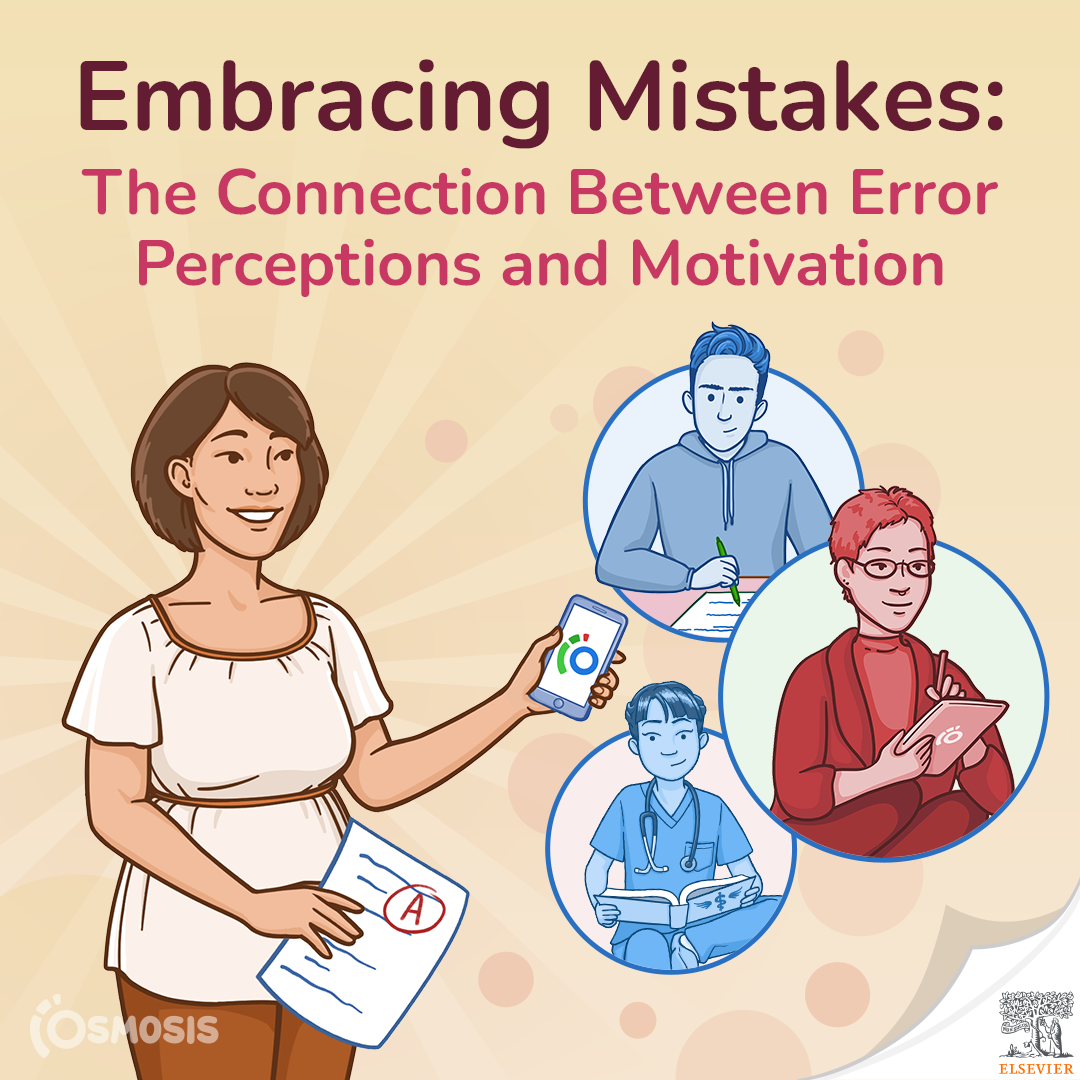
Embracing Mistakes: The Connection Between Error Perceptions and Motivation
— Updated:
Learn why embracing mistakes as learning tools can boost healthcare students’ motivation and resilience, and how educators can cultivate a supportive, growth-focused environment.
-
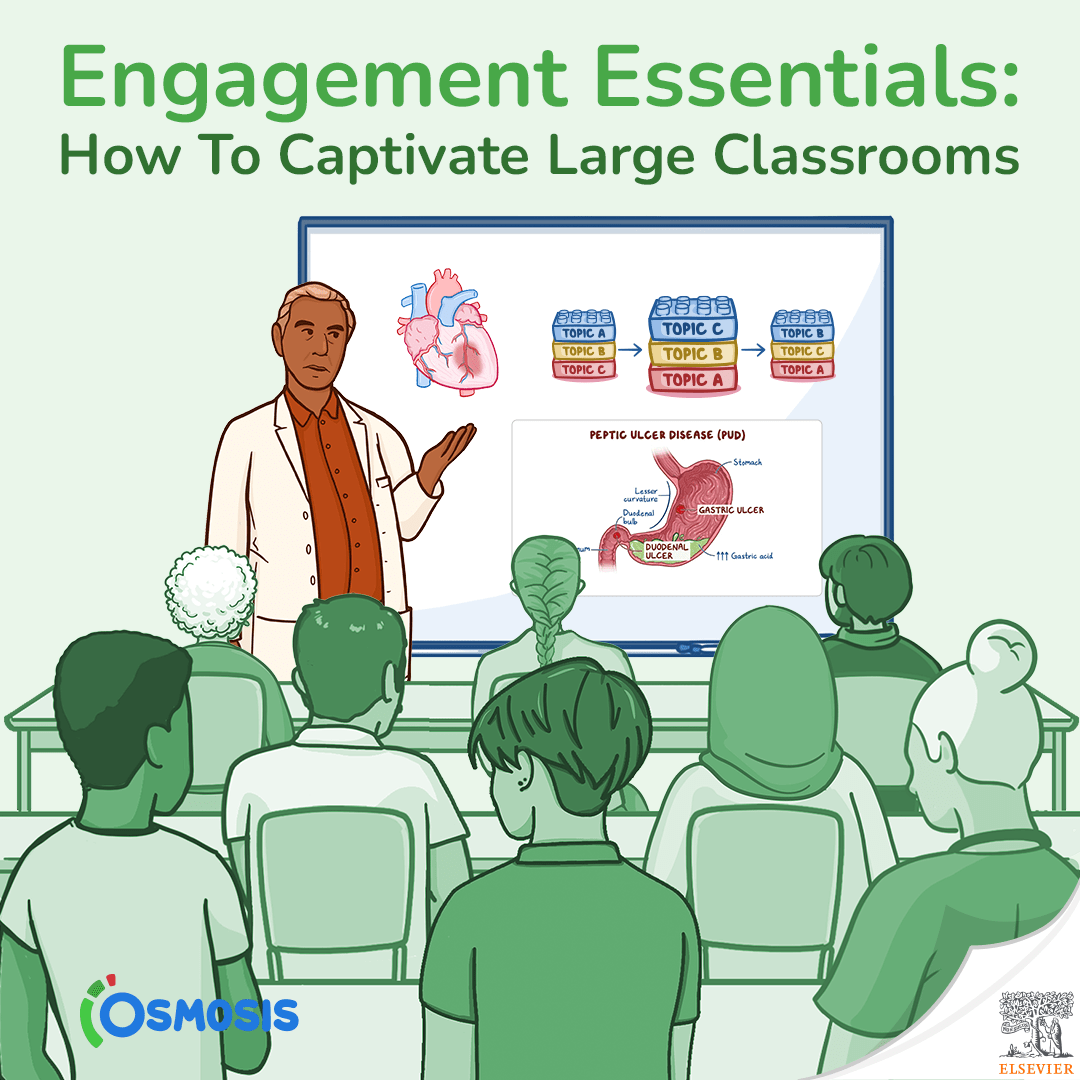
Engagement Essentials: How to Captivate Large Classrooms
— Updated:
Get practical tips for educators to engage and motivate students in large healthcare classrooms, including interactive methods, collaboration, and technology integration
-
The Art of Feedback: Fostering Growth in Healthcare Education
— Updated:
Discover the importance of feedback in healthcare education and explore best practices to foster growth, collaboration, and effective learning in your students.
-
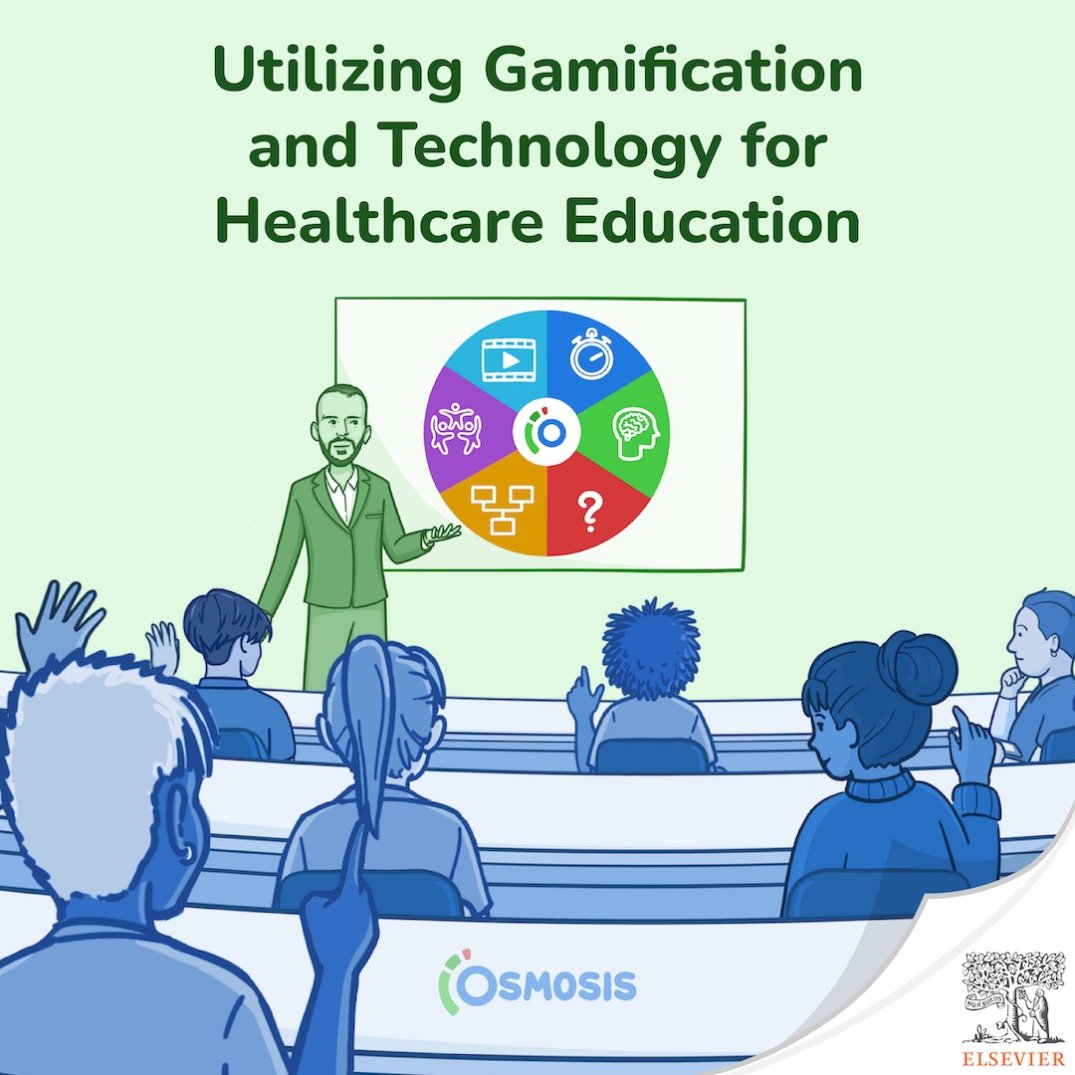
Utilizing Gamification and Technology for Healthcare Education
— Updated:
Explore how gamification can significantly enhance student engagement, improve knowledge retention, and create an enjoyable learning experiences, along with the best practices for implementing gamification effectively.
-
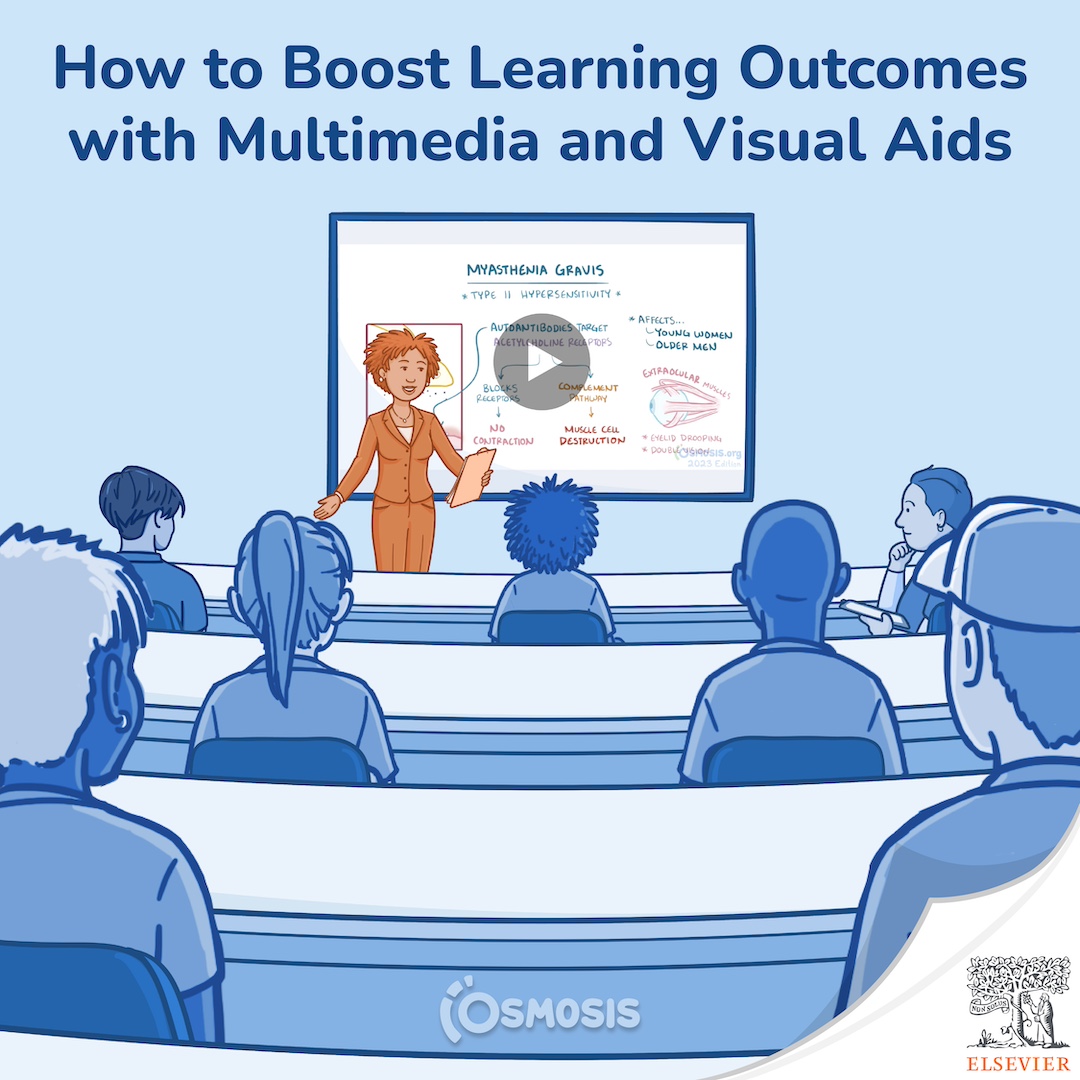
How to Boost Learning Outcomes with Multimedia & Visual Aids
— Updated:
Transform your medical education approach with the integration of multimedia and visual aids! This article explores the cognitive benefits of these tools, effective strategies for implementation, and how they can enhance learning outcomes for students. Discover how to make complex medical concepts more accessible and engaging while fostering an active…
-
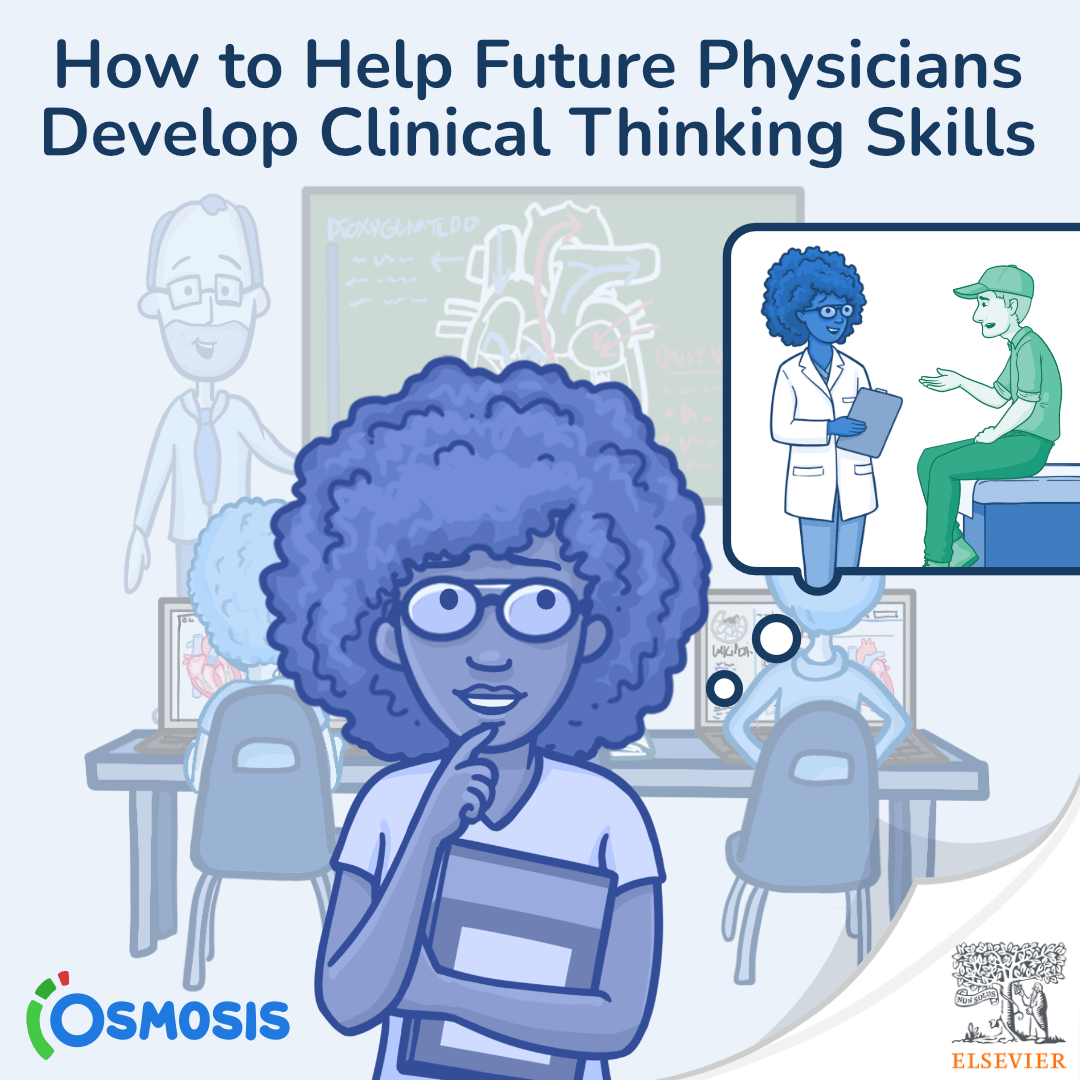
Developing Clinical Thinking Early in Future Physicians
— Updated:
Clinical thinking is the cornerstone of medical practice, enabling physicians to make accurate diagnoses, devise effective treatment plans, and provide exceptional patient care. For medical educators, fostering this critical skill set in future physicians early in their training is essential.
-
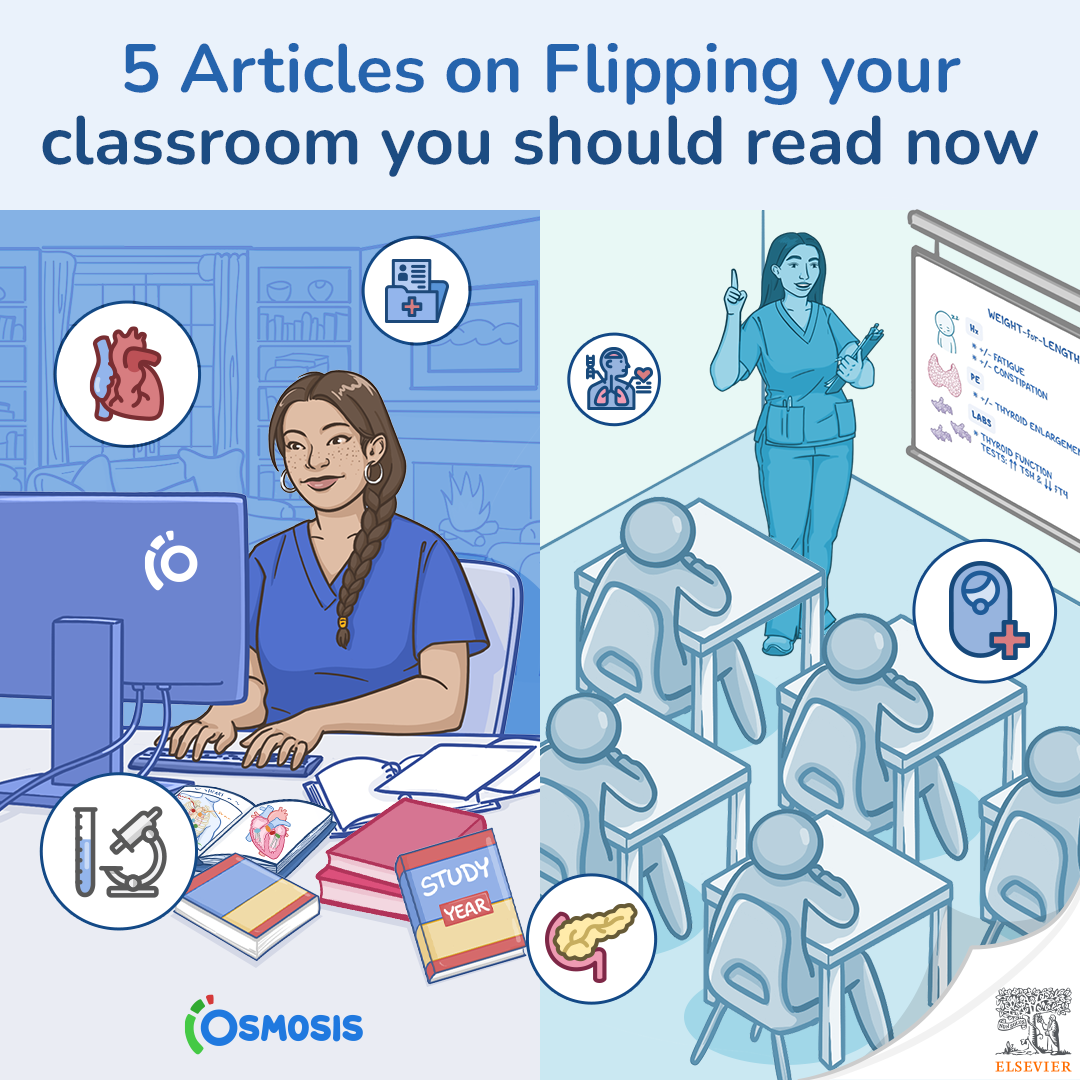
5 Articles on Flipping Your Classroom You Should Read Now
— Updated:
Explore five essential articles that unveil how to flip your classroom effectively, engage students actively, and implement innovative teaching strategies for better learning outcomes.
-
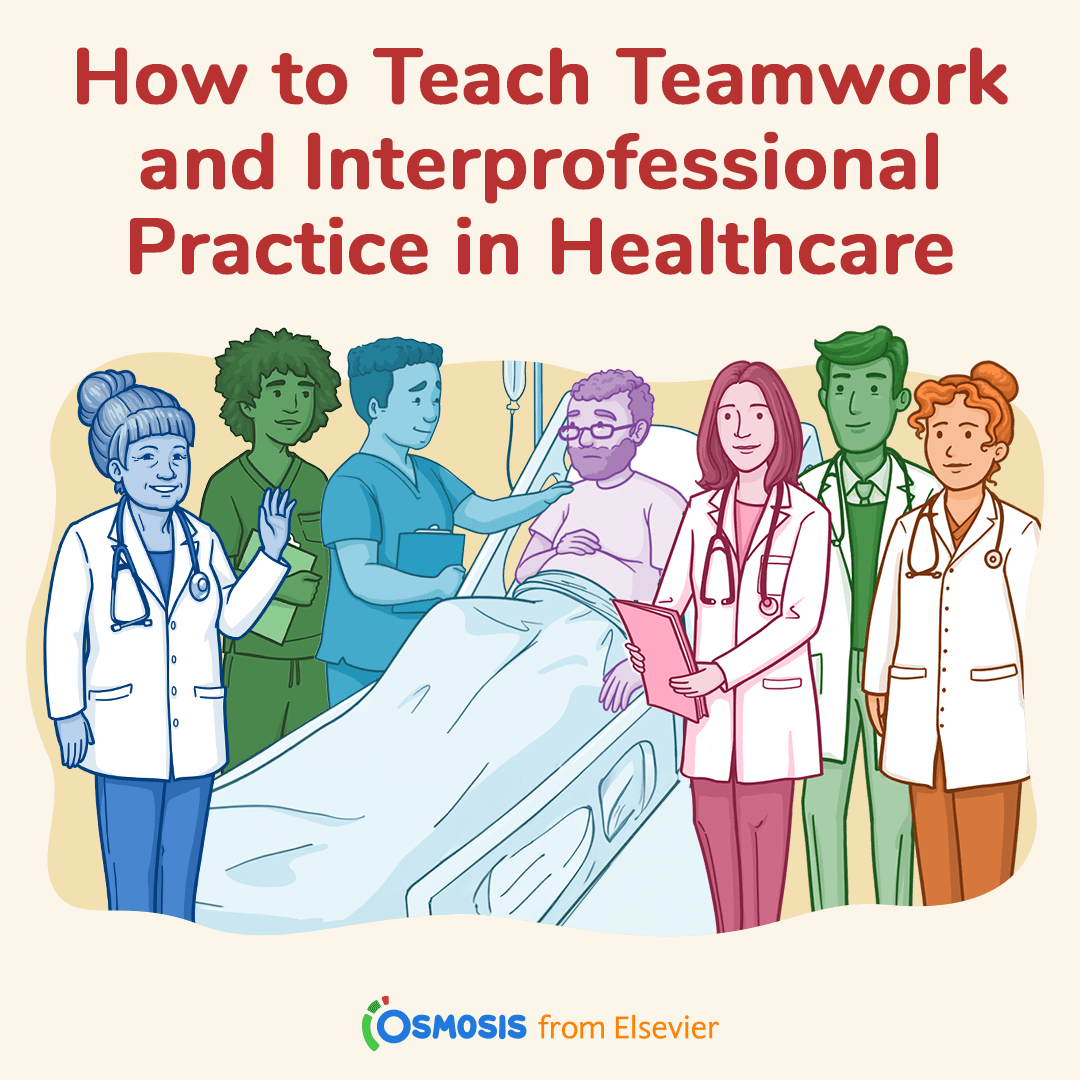
How to Teach Teamwork and Interprofessional Practice in Healthcare
— Updated:
Teamwork and interprofessional practice are essential components of modern healthcare. They are the collaborative efforts of various healthcare professionals to provide comprehensive patient care. Developing teamwork and interprofessional practice skills is crucial for the following reasons: Creating supportive learning environments with effective curricula and assessments enables healthcare educators to teach…
-

Collaborative Learning: How to Use It In Your Classroom
— Updated:
The phrase “collaborative learning” refers to a broad range of pedagogical strategies that involve student work or the combined intellectual work of students and their teachers. Students typically work in groups of two or more, producing a product or collaboratively seeking insight, answers, or meanings. Let’s explore the importance of…
-
How to Help Students Navigate the Transition From the Classroom to Clinical Learning
— Updated:
Transitioning from the classroom to clinical learning is a significant milestone for healthcare students. This phase is fraught with challenges, including adapting to new environments, applying theoretical knowledge in practical settings, and anxiety about interacting with real patients. Additionally, the pressure to perform can exacerbate stress and impact learning. Healthcare educators can help ease…
-
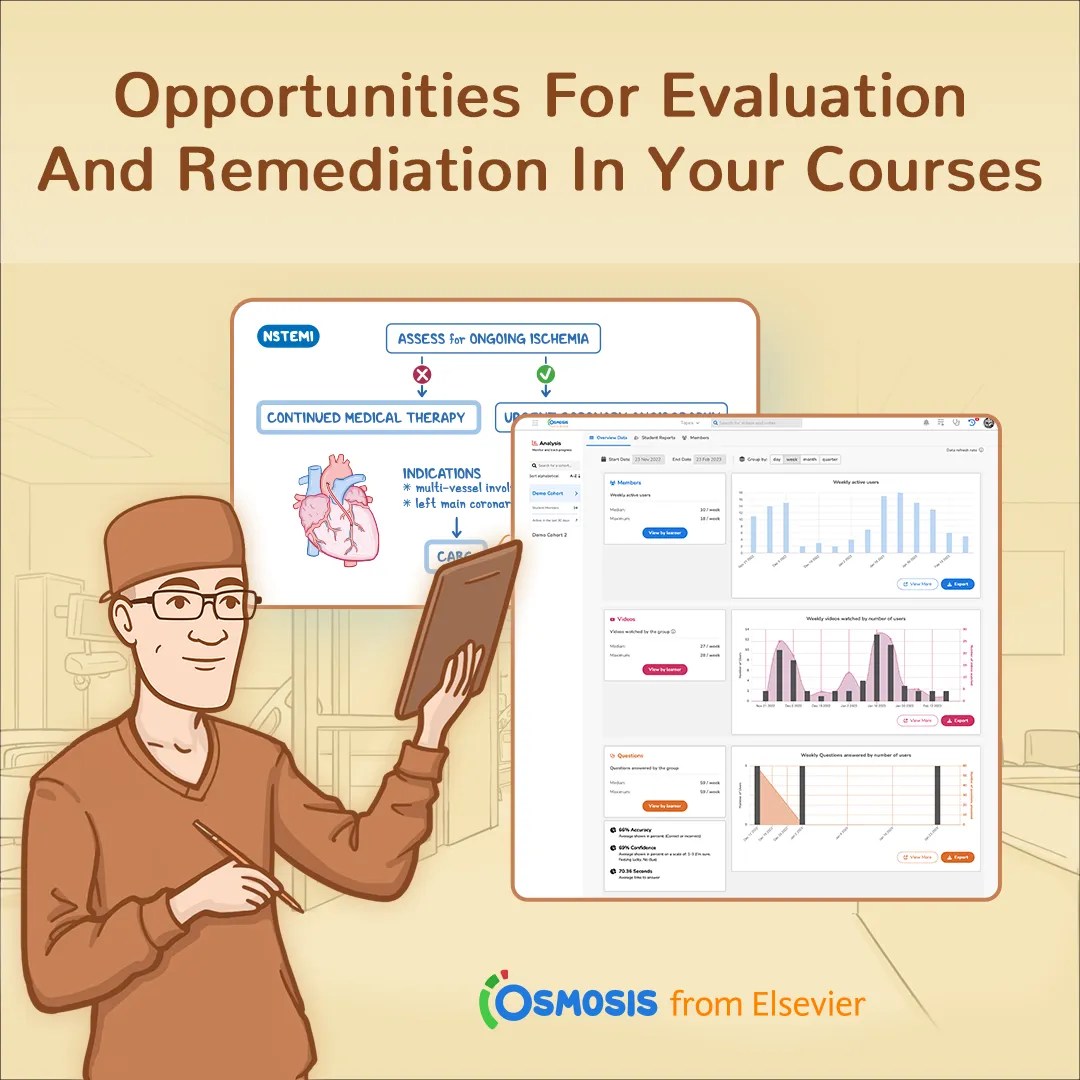
Opportunities For Evaluation and Remediation in Your Courses
— Updated:
Identifying and supporting at-risk students in healthcare education is crucial for increasing their chances of success and preparing them for the demands of the profession. Educators face the challenge of recognizing struggling students early, providing effective interventions, and fostering a supportive learning environment. This article explores strategies for evaluation and…
-
How to Build Learner Communication Skills to Boost Clinical Competence
— Updated:
Effective communication is paramount in healthcare’s naturally fast-paced environment. To develop competent and compassionate healthcare providers, you must foster strong communication skills in your students. Let’s explore the significance of communication in clinical settings, identify common barriers, and discuss actionable strategies to enhance healthcare learners’ communication skills. Understanding Communication Skills…
-
Six Ways University Partners Are Integrating Osmosis Into Their Curricula
— Updated:
Explore six key methods to incorporate Osmosis resources into healthcare curricula—from self-directed learning and formative assessments to flipped classrooms and remediation support.
-
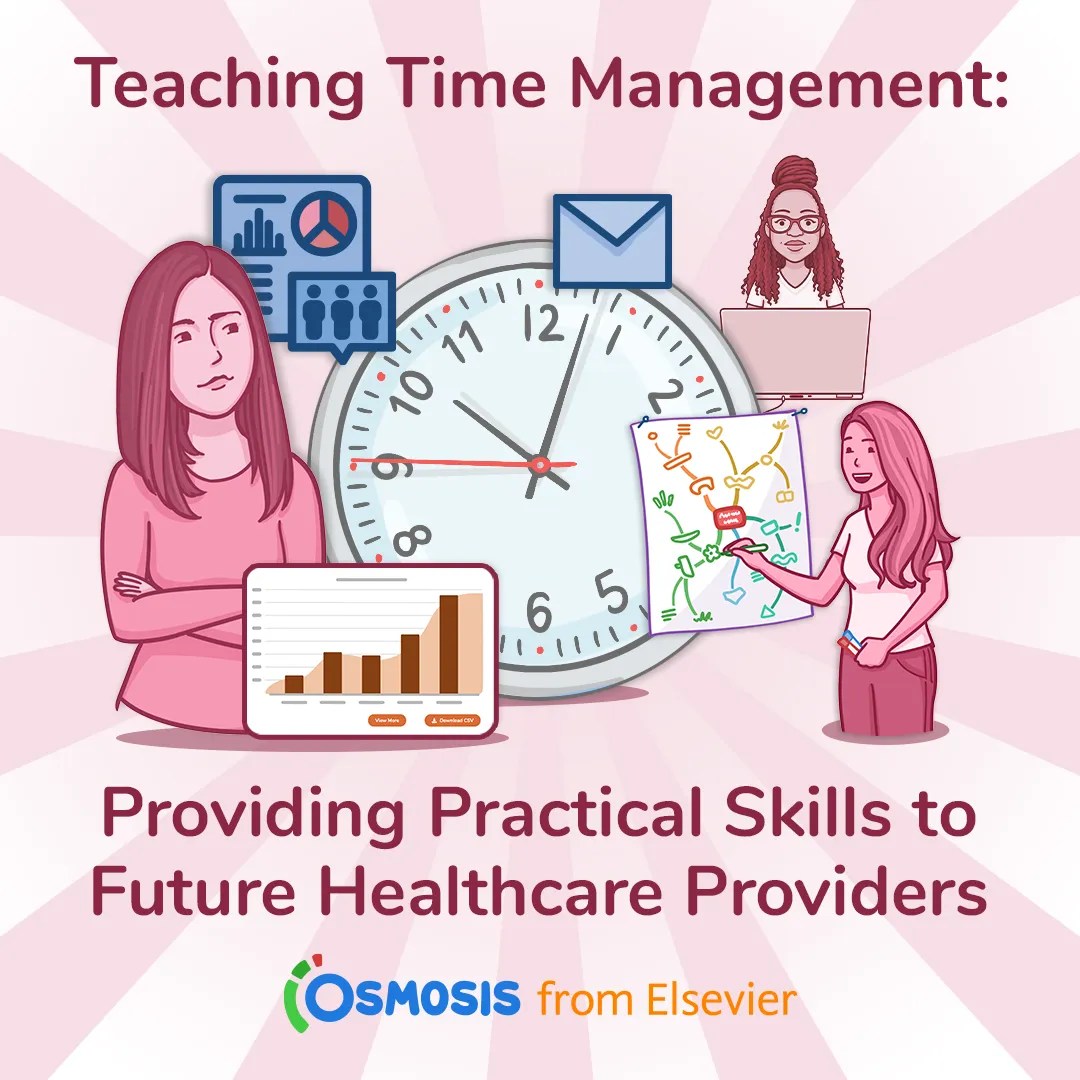
Teaching Time Management: Providing Practical Skills for Future Healthcare Providers
— Updated:
Successful time management is crucial in healthcare because it directly impacts patient outcomes and the overall quality of care. In a fast-paced and dynamic environment, healthcare professionals must efficiently allocate their time to prioritize patient needs, adhere to protocols, maintain accurate records, and more. Part of the educator’s role is to increase…
-

How to Design Clinical Assessments For Healthcare Students
— Updated:
Clinical learning assessment is essential to guarantee that future healthcare practitioners deliver safe and proficient care. Through apt clinical assessments, educators contribute to shaping a skilled and versatile healthcare workforce. This ensures that students not only grasp medical theories but also acquire the practical skills needed for success. Explore various…
-
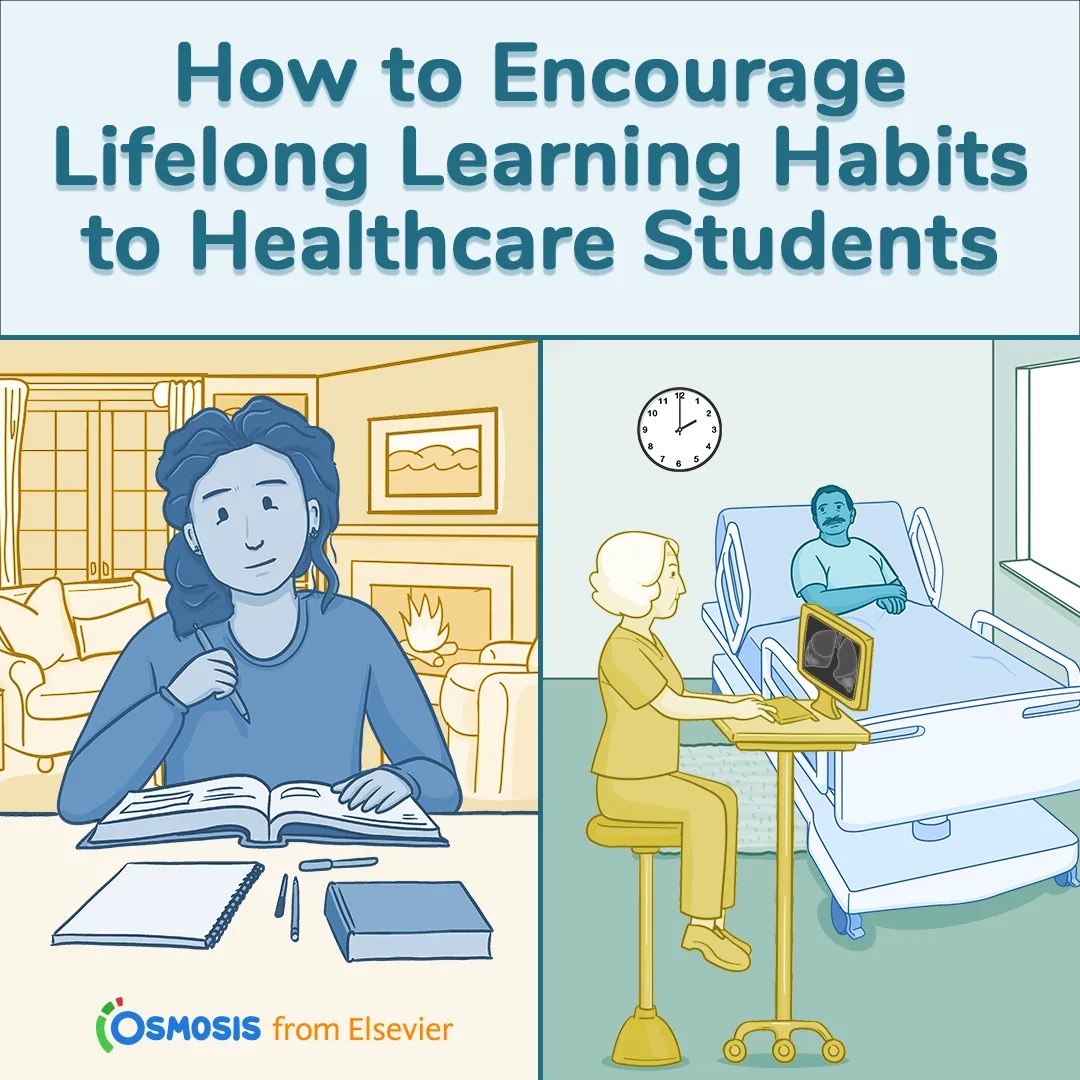
How to Encourage Lifelong Learning Habits to Healthcare Students
— Updated:
In an era of rapid advancements, professionals must embrace continuous education to navigate their complex roles effectively. From groundbreaking medical technologies to emerging treatments, the healthcare sector is a dynamic field that demands constant adaptation. Therefore, lifelong learning in healthcare professions is a necessity to stay at the forefront of…
-
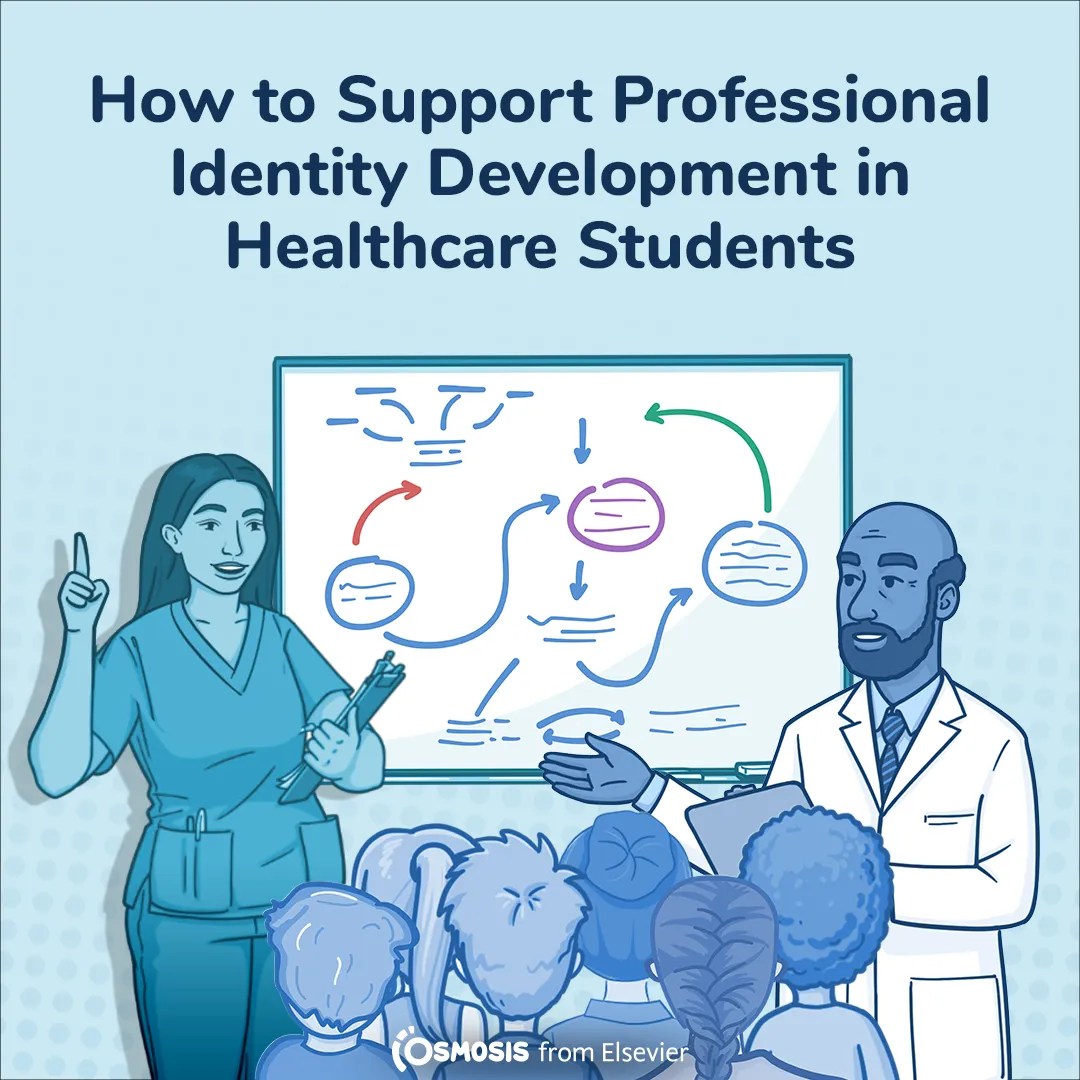
Supporting Professional Identity Development in Healthcare Students
— Updated:
When a new group of students enters your classroom, each of them brings a unique set of beliefs, experiences, backgrounds, and identities with them. Therefore, professional identity development in health profession students begins as early as day one of school and should be fostered throughout their education and beyond. According…
-
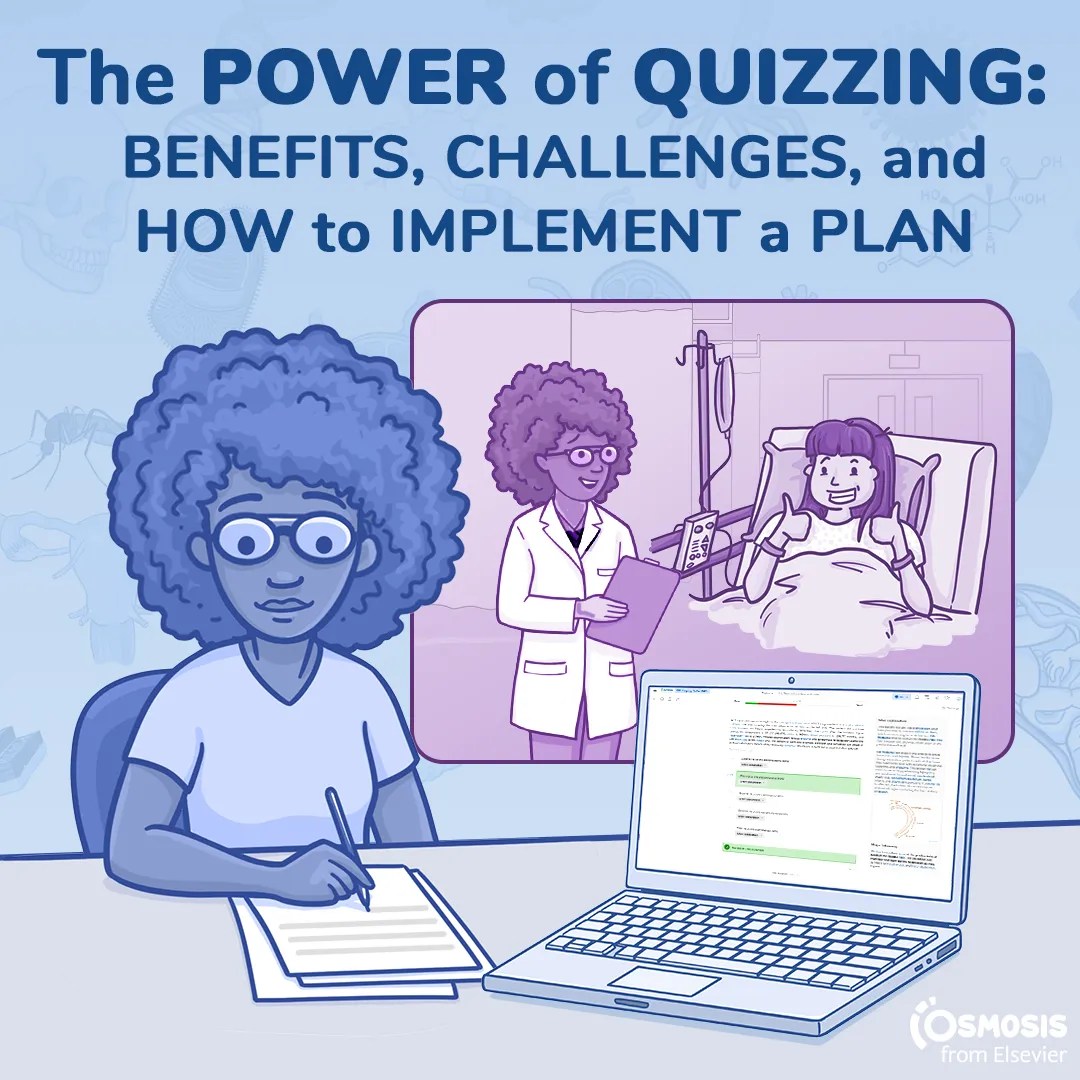
The Power of Quizzing: Benefits, Challenges, and How to Implement a Plan
— Updated:
Explore the benefits and challenges of quizzing in healthcare education. Learn how to implement effective quizzes to improve retention and student performance.