
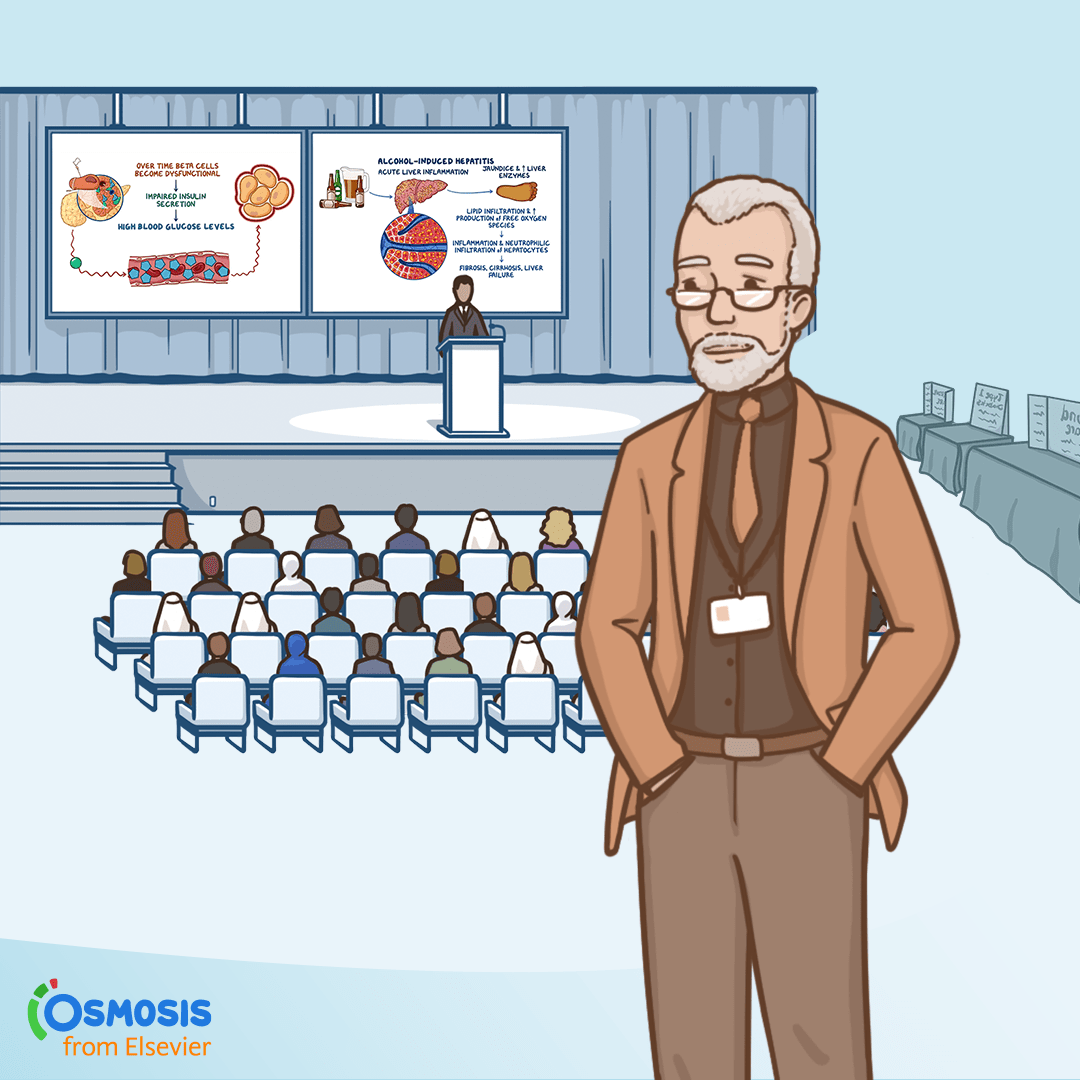
Conferences can be energizing, overwhelming, and inspiring all at once. For medical educators, they’re not just a chance to learn the latest in teaching and research, but also a place to connect with peers who understand the unique challenges of shaping future healthcare professionals. Knowing how to navigate the conference experience is key to walking away with not just new knowledge, but also new opportunities and relationships that last long after the event ends.
Before You Go: Set Yourself Up for Success
Making the most out of a medical conference begins before you step into the venue. A little preparation helps you feel less overwhelmed and more intentional about what you want to gain.
Start With Your Goals
Ask yourself: What do I hope to walk away with? It might be a new teaching strategy, fresh research for a paper, or a handful of meaningful professional connections. Having a focus in mind will help you prioritize sessions and conversations once you arrive.

Practical Prep Goes a Long Way
Bring comfortable shoes, you’ll be on your feet more than you expect—and a refillable water bottle to stay hydrated. A portable charger keeps your phone ready for notetaking, networking apps, or snapping slides you want to remember. Don’t forget a backup notebook to jot down takeaways, questions, or ideas sparked in the moment.
It’s also worth scanning the program and downloading the conference app ahead of time. Highlight the sessions and speakers that align most with your interests and block out time for breaks.
Think About Introductions
A simple, clear way of explaining who you are and what excites you in medical education makes networking feel more natural. If you get nervous in large groups, preparing a couple of go-to conversation starters, like asking someone what session they’re most excited about, helps ease the pressure.
These small steps before the conference shift your experience from “trying to keep up” to “making the most of every opportunity.” Once you’re ready, the real impact comes from contributing your voice and expertise.
Be a Thought Leader
Conferences are more than learning opportunities—they’re also platforms to shape the conversation around medical education. Visibility isn’t about self-promotion for its own sake; it’s about contributing your perspective, elevating your institution, and sparking ideas that ripple outward into how healthcare professionals are trained.
Increase Your Presence
If you can, step into roles that highlight your expertise. You may volunteer to present a poster, participate in a panel, or lead a workshop. Even if you’re early in your career, consider applying to host a roundtable discussion or a lightning talk.
These shorter formats are excellent entry points and often lead to rich conversations you may not get by sitting in the audience. Don’t underestimate how your unique teaching approach, classroom strategies, or research findings may inspire peers facing similar challenges.
Use Social Media
Thought leadership also extends beyond the stage. Many conferences now encourage participants to share their experiences online:
- To find colleagues with similar interests, post on LinkedIn before the conference about the sessions you’re excited about.
- During the event, you can live-post short reflections, key takeaways, or even photos of poster sessions (with permission). Tagging speakers or using conference hashtags expands your visibility and position you as an engaged, active contributor to the broader medical education community.
If social media feels overwhelming, then start small. Commit to sharing one meaningful insight per day of the conference or highlight one session that really resonated with you. You’ll be surprised how often these posts open the door for online conversations that continue long after the conference ends.
And remember—thought leadership isn’t only about broadcasting your own expertise. It’s equally about amplifying others. Sharing a colleague’s presentation, spotlighting a session you found valuable, or celebrating the work of junior educators signals generosity and helps build a culture of collaboration.
Contribute your voice—on stage, in conversations, and online—to shape the dialogue in medical education and strengthen your professional presence. Of course, thought leadership doesn’t happen in isolation; it grows out of the relationships you build with colleagues along the way.
Build Stronger Relationships
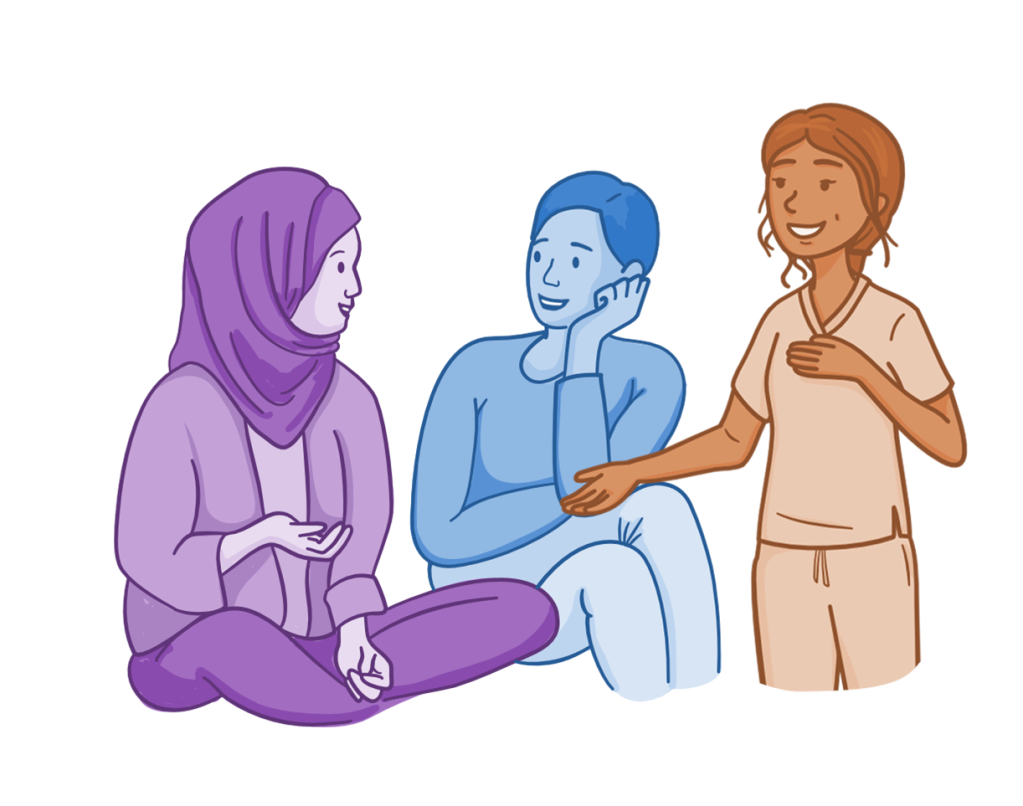
Beyond lectures and plenaries, conferences are about people. The hallway chats and coffee breaks often lead to the most memorable connections.
Whether you’re extroverted or introverted, the best way to start is by attending social events. These informal settings help you get to know colleagues on a more personal level. When networking, go beyond the quick exchange of business cards.
Tools like LinkedIn or digital business cards make staying in touch easier, but the real value comes from authentic conversations. Approach discussions with genuine curiosity: ask about a colleague’s challenges, passions, or projects, and look for shared interests.
Finally, don’t let those new contacts fade into the conference haze. A prompt follow-up message—even a simple “It was great meeting you, let’s continue the conversation”—goes a long way in building lasting professional relationships.
Choose the Right Sessions
A packed schedule is both exciting and exhausting. To make the most of your time, be intentional about the sessions you attend. Research the program in advance and select those that align with your professional goals or spark genuine curiosity.
Mix it up: Balance content-heavy lectures with interactive workshops or small-group discussions. Both formats serve different needs—lectures expand your knowledge base, while workshops give you the chance to practice, question, and apply what you learn.
Give yourself permission to pivot: If a session isn’t what you expected, it’s okay to quietly step out and join another one. Protecting your time ensures you’re gaining value instead of sitting through content that doesn’t resonate. Also, carve out some downtime in your schedule. Use it to reflect, recharge, or even jot down takeaways. These purposeful pauses often make the learning stick.
When you do attend a session that excites you, don’t hesitate to connect with the speaker afterward. Asking a thoughtful question or following up via LinkedIn or email can open doors for a new mentorship or collaboration.
Share Your New Knowledge
The conference doesn’t end when you head home. What you bring back to your institution (and to your students) multiplies the impact of your experience.
Consider sharing your learnings in a faculty meeting, a short workshop, or even over coffee with colleagues. Summarizing highlights in a digestible way not only reinforces your own understanding but also supports your team.
Your role as an educator also puts you in a unique position to mentor junior faculty or students. Sharing insights from the conference helps them see pathways they may not have considered and feel more connected to the wider medical education community.
Finally, think about conference learning as a spark for ongoing community building. Stay engaged with peers you met, support their projects, and foster collaboration beyond the event. That’s how conferences transform from isolated experiences into long-term professional growth.
Conclusion
A medical conference is more than just a calendar event—it’s an investment in yourself and the field of medical education. By showing up as a thought leader, nurturing relationships, choosing sessions wisely, and sharing what you’ve learned, you’ll walk away with more than notes in a binder. You’ll have new ideas, allies, and momentum for the work that matters most.
Additional Reading
- A Helpful List of Major Medical Education Conferences
- A Helpful List of Nursing Education Conferences
- Networking for Success: Strategies Every Health Professional Should Know
Key Takeaways
- Set clear goals before attending to focus your conference experience.
- Network authentically and follow up to build lasting professional relationships.
- Choose sessions that align with your learning objectives and interests.
- Share knowledge gained to enhance your team’s practice and growth.
- Use breaks wisely to recharge and reflect for better information retention.
Want to help your students stay motivated and reach their full potential? Discover how Osmosis supports personalized, goal-driven learning. Schedule a call today!
Leave a Reply