
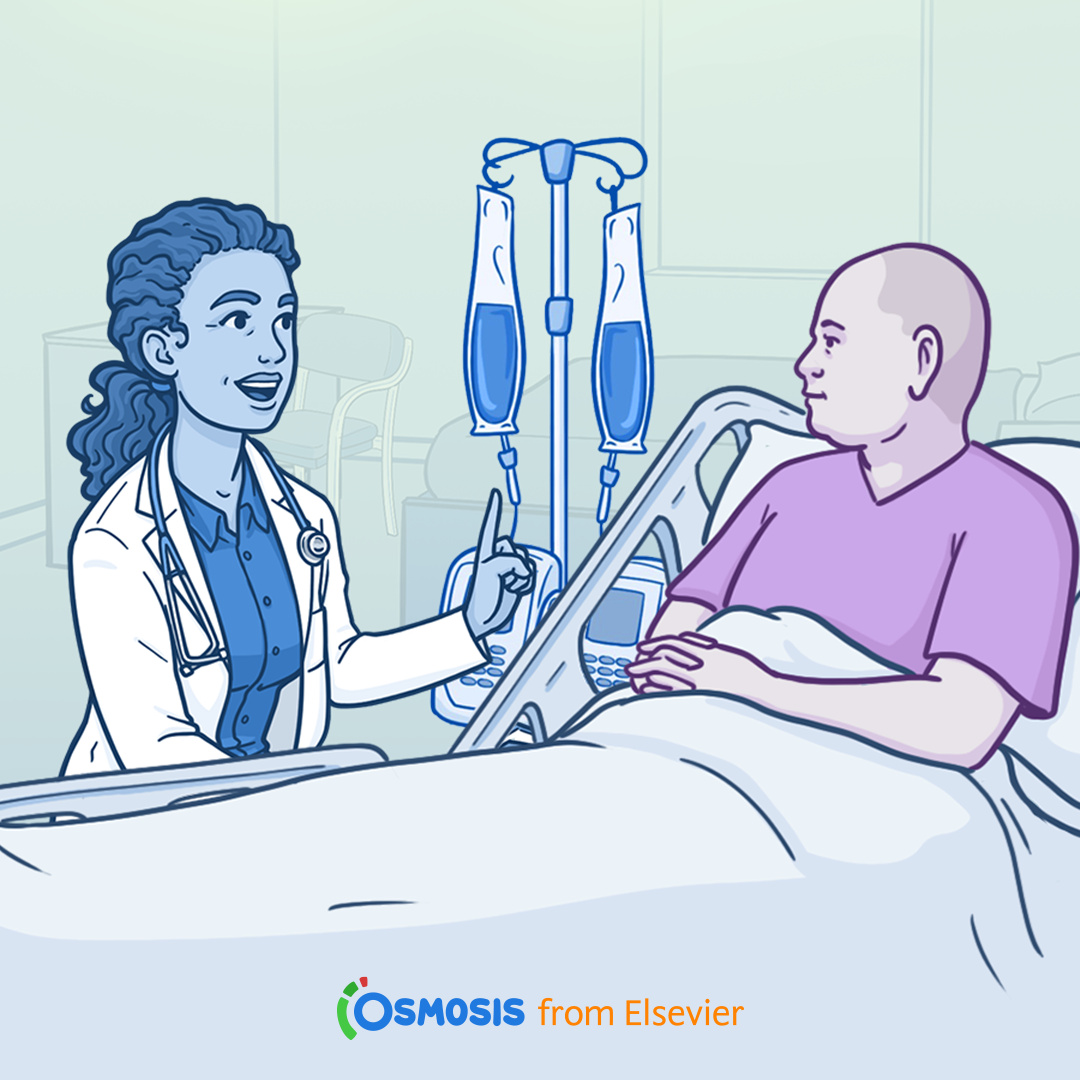
Healthcare is constantly changing, and so are the skills future healthcare professionals need to succeed. Today, it’s not enough for students to simply diagnose and treat a condition. They also need to understand the person behind the diagnosis and make patients feel heard, respected, and involved in their care. That’s the heart of patient-centered care.
A PartnerMD survey of more than 500 respondents found that 68% of patients say their primary care visits feel rushed, while 80% worry that important health issues will go unnoticed. These findings highlight the need for healthcare professionals who can communicate effectively and make the most out of every patient interaction.
Medical educators have an opportunity to introduce patient-centered care early and give students meaningful ways to practice it. By integrating these skills early, giving students plenty of opportunities to practice, and demonstrating what patient-centered care looks like in action, your students will graduate better prepared to deliver compassionate, high-quality care.
Define Patient-Centered Care for Learners
Before students can put patient-centered care into practice, they need to understand what it looks like.
Patient-centered care can feel like a broad or abstract concept, so breaking it down into specific skills makes it easier for students to understand and apply. Four key areas to emphasize are empathy and respect, active listening and communication, shared decision-making, and cultural competence.
Empathy and Respect
At its core, patient-centered care starts with seeing the patient as a person, not simply as a diagnosis, case, or set of symptoms.
Students should learn how to approach every patient with empathy, respect, and an understanding that each person brings their own experiences and concerns to the healthcare setting. Even small actions, such as introducing themselves, maintaining appropriate eye contact, or acknowledging a patient’s concerns, can help establish trust.
Active Listening and Communication
Effective communication involves more than asking the right questions. Students also need to learn how to listen carefully to what patients are saying and what they may be struggling to express.
Teaching students to use open-ended questions, avoid unnecessary medical jargon, clarify misunderstandings, and reflect what they’ve heard helps them become more effective communicators.
Shared Decision-Making
Patient-centered care also means recognizing that patients should have a voice in decisions about their health.
Students learn to explain treatment options clearly, discuss potential benefits and risks, and ask about a patient’s preferences and goals. Rather than simply telling patients what they should do, future healthcare professionals learn to partner with them in making informed decisions.
Cultural Competence
Every patient comes from a different background, with their own culture, beliefs, values, language, and experiences. These factors can influence how patients understand illness, approach treatment, and interact with healthcare professionals.
Helping students recognize these differences and approach them with curiosity rather than assumptions prepares them to provide more respectful and inclusive care.
Start Early: Embedding Patient-Centered Skills from Day One
Research suggests that introducing communication and patient-centered care concepts during the preclinical years gives students time to practice these skills before they’re navigating the pressures of real-world clinical environments.
One way to do this is to introduce communication training alongside foundational science courses. Even when students are learning anatomy, physiology, or pathology, you can incorporate patient stories and scenarios that remind them how these concepts connect to real people.
For example, instead of teaching a disease solely through its pathophysiology, you might introduce a case that includes the patient’s concerns, lifestyle, family situation, or barriers to care. Students then consider not only What is happening physiologically? but also What might this experience be like for the patient?
Case-based learning (CBL) can be especially useful here. Realistic cases give students an opportunity to connect foundational knowledge with the human side of healthcare. They practice thinking through how they would explain a diagnosis, respond to a patient’s concerns, or involve a patient in treatment decisions.
This approach has strong support from educators: 96% of faculty in one study agreed that CBL was an effective way to develop concepts, while nearly 81% felt it enabled students to learn more with less effort; importantly, the study also found significant improvements in clinical decision-making.
The earlier these skills are introduced, the more naturally they become part of a student’s approach to patient care. Rather than trying to correct communication gaps later, you help students develop strong habits from the beginning.

Use Active Learning to Teach Communication Skills
Students can read about empathy, active listening, and shared decision-making, but they need opportunities to practice these skills if they’re going to feel comfortable using them with real patients.
Active learning gives students that opportunity.
Practice with Role-Playing
Role-playing exercises give students a low-stakes environment to practice difficult conversations. One student might take on the role of a healthcare professional while another plays the patient, with scenarios ranging from delivering difficult information to addressing treatment concerns.
The goal isn’t necessarily to get every conversation perfect. It’s to give students a chance to try, make mistakes, receive feedback, and try again.
Use Standardized Patient Encounters
Standardized patient encounters and objective structured clinical examinations (OSCEs) take this practice a step further by creating realistic interactions that allow students to demonstrate their communication skills.
These encounters assess more than whether students ask the correct clinical questions. You can also evaluate whether students listen attentively, demonstrate empathy, explain information clearly, and involve the patient in the conversation.
Build Reflection into Small Groups
Small group discussions help students think more deeply about what effective patient-centered care looks like in practice.
After a role-play, case, or standardized patient encounter, ask students to reflect on questions such as:
- What went well during the interaction?
- How did the patient’s perspective influence the conversation?
- Was there a moment when the communication could have been more empathetic or inclusive?
- How might the patient’s cultural background or personal preferences affect their care?
- What would you do differently next time?
Reflection helps students move beyond simply completing an exercise and encourages them to think critically about their own communication habits.
Active learning moves patient-centered care from theory into practice. Students get to experiment with different approaches, receive feedback, and build confidence in a safe environment before they’re responsible for navigating these conversations independently.
Model Patient-Centered Care as an Educator
Students aren’t learning only from what’s written in the syllabus. They’re also watching how you interact with them, their peers, patients, and other members of the healthcare team.
In other words, faculty behavior sets the standard.
If you want students to communicate with empathy and respect, those qualities should be visible in the learning environment. That might mean taking time to listen when a student has a concern, responding respectfully to different perspectives, or using inclusive language when discussing patients and their experiences.
You can also share real clinical experiences that demonstrate what patient-centered care looks like and where it can be challenging. Talking honestly about difficult conversations, communication missteps, or moments when listening to a patient changed the course of care helps students see these skills as practical, everyday parts of healthcare rather than abstract competencies.
Bringing Patient-Centered Care into Everyday Practice
Patient-centered care is an essential part of modern healthcare, and you can help students build these skills long before they enter clinical practice. Start by defining what patient-centered care looks like, introduce it early, give students opportunities to practice, and model the communication and empathy you want them to develop. With consistent reinforcement, these skills become a natural part of how future healthcare professionals approach every patient and clinical interaction.
Key Takeaways
- Patient-centered care is built on empathy, respect, active listening, shared decision-making, and cultural competence.
- Introducing these skills early helps students develop stronger communication habits before entering high-pressure clinical environments.
- Case-based learning, role-playing, standardized patients, and reflection give learners practical opportunities to apply patient-centered skills.
- Faculty behavior matters because students learn from how educators communicate, respond to concerns, and model respect in clinical and classroom settings.
- Consistent practice and reinforcement help patient-centered communication become a routine part of future clinical care.
Resources
- https://www.partnermd.com/blog/the-state-of-primary-care-in-2025-survey-findings-on-wait-times-rushed-visits-and-preventive-care
- https://pmc.ncbi.nlm.nih.gov/articles/PMC6442250/
- https://pmc.ncbi.nlm.nih.gov/articles/PMC8641758/
- https://www.osmosis.org/blog/5-quick-reads-that-will-elevate-active-learning-in-your-classroom
Discover how Osmosis enables active, personalized learning for academic success and student well-being. Schedule a call today!
Leave a Reply