

Clinicals are on the horizon, and your first surprise is already waiting: standards for “doing well” on your rotations changes from one clerkship to the next. On one service, speed gets you noticed. On another, it’s patience. The habits that made you shine in a family medicine clinic might leave you lost in the OR, and the presentation style that works in the ED won’t land well on the psychiatry unit.
Here’s the good news: most struggles simply come down to priorities that are slightly off course. Maybe you’re chasing zebras when the team needs you to spot the horses. Maybe you’re overpreparing in a way that doesn’t help you on your upcoming rotation. Or maybe you’re trying to look impressive when what the team really needs is someone helpful.
That’s why we created this series: the story of your clinical year, told one rotation at a time. Each article covers:
- What makes each rotation difficult
- The mindset shift that changes everything
- What actually matters during each clinical rotation
- What aspects you can let go of
- How to study effectively for shelf exams without burning out
Feel free to start at the beginning and read them in order, or jump straight to the rotation you’re on right now. Either way, we’re with you for every shift!
Before you start! If you’re reading this is prior your first rotation, we suggest you take a look at:
- Common First Rotation Mistakes and How to Avoid Them
- The Osmosis Ultimate Guide to Thriving in Clinical Rotations
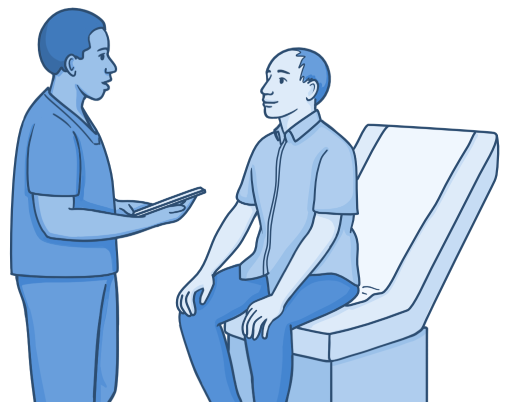
Act 1: Learning the Rhythm of Patient Care
Your first rotations are about building foundations: how a day runs, how to think through a patient, and how to become someone the team can count on.
Family Medicine
Fifteen-minute visits, five concerns, and a patient who saves their biggest issue for when they reach for the doorknob. Family medicine rotations reward practical judgment over perfect knowledge. Learn to set the agenda, think common conditions first, weave in preventive care, and leave patients with a plan they understand and can follow.
Internal Medicine
The breadth of information feels endless, but internal medicine isn’t a trivia contest. It’s training in prioritization and pattern recognition. Master the daily workflow, break every patient into active problems, assessments, and plans, and follow them over time so you can tell whether your patients are getting better or worse.
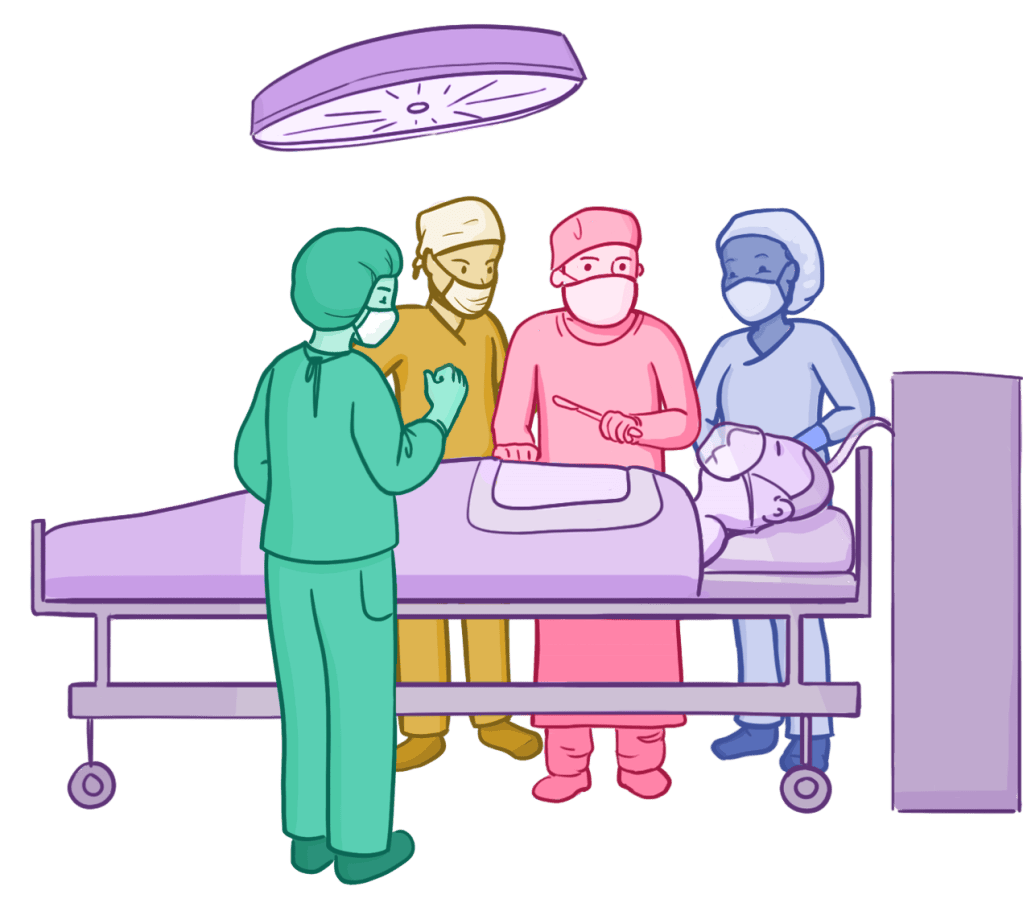
Act 2: Performing Under Pressure
Surgery, OBGYN, and Emergency medicine rotations raise the stakes and speed up the pace, testing whether you can stay calm, useful, and know when to step away.
Surgery
Long days, steep learning curves, and murky expectations. The fix isn’t toughness. It’s preparation, anticipation, and reliability. Know why the patient is having the operation, the key steps, and the common complications, then protect your energy so you can keep showing up well.
OBGYN
Clinic, the OR, and labor and delivery in the same week. Here the winning skill is situational awareness: knowing your patients, spotting obstetric emergencies early, and anticipating what the team needs before they ask.
Emergency Medicine
Limited information, rapid decisions, and constant interruptions. The ER isn’t about solving every mystery. It’s about spotting danger fast and keeping patients safe. Sharpen your sick-versus-not-sick instincts, reassess often, and think about disposition from the start.
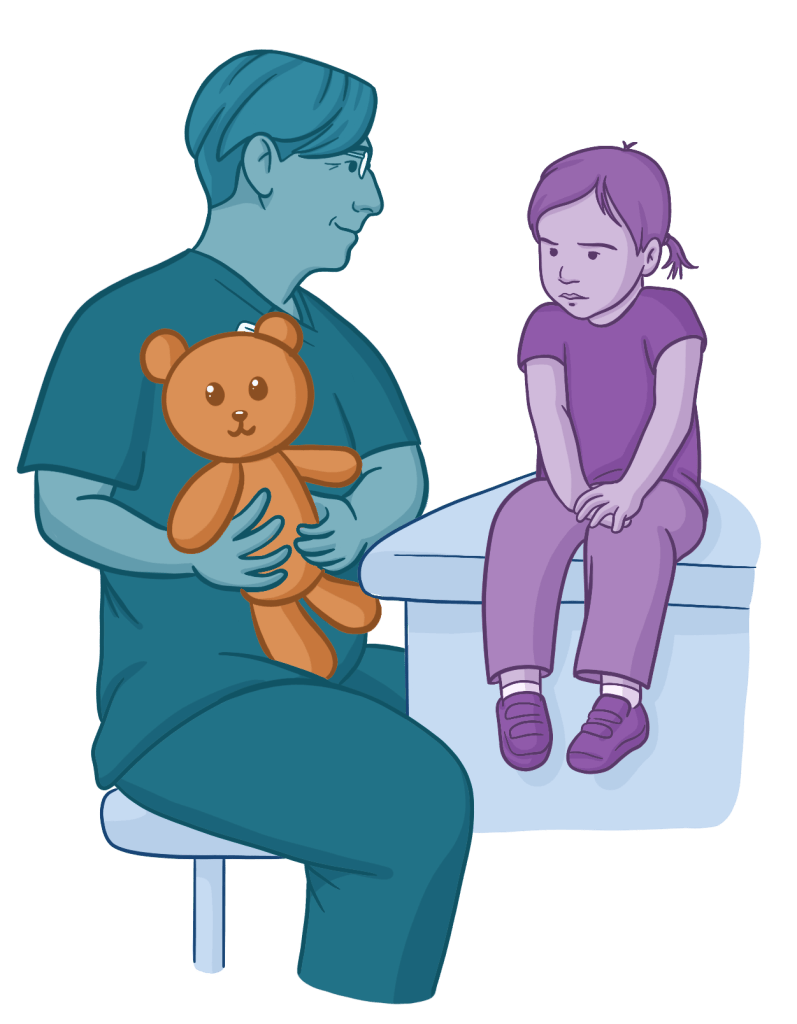
Act 3: Seeing the Whole Patient
This last set of rotations asks you to widen your lens: to the family in the room, the person behind the symptoms, and the anatomy behind the exam.
Pediatrics
You’re never treating just one patient. You’re caring for a child and a family. Learn age-specific vitals, respect weight-based dosing, and adapt your communication from toddler to teenager to anxious parent. This is also the rotation where protecting your emotional reserves matters most.
Psychiatry
No labs, no imaging, just conversation. Success comes from building rapport, running a structured interview, delivering a tight mental status exam, and screening for risk directly and early. Patients should leave feeling heard, not processed.
Neurology
Localization first, diagnosis second. Build a consistent neuro exam, say where the lesion is before you name the disease, and know the emergencies that can’t wait: stroke, status epilepticus, cord compression, and raised intracranial pressure.
What Every Rotation Has in Common
The specialties change, but many of the same best practices keep coming back:
- Common conditions beat rare ones. Focus on the conditions you see daily, rather than the rare conditions, known as zebras. Learn what the most common, high-yield conditions are for each rotation.
- Useful beats impressive. Medical teams trust students who are organized, honest about what they don’t know, and easy to work with.
- Recognize danger and escalate early. Whether it’s a crashing patient, a suicide risk, or a postpartum bleed, speaking up promptly is an appreciated best practice.
- Study around your patients. Use your time at work to learn! Review the cases you saw that day, in focused 30–45 minute blocks. “Prepared enough” is a legitimate standard (versus attaining perfection, which is both impossible and super stressful).
- Protect your energy. Sleep and rest are necessary. Staying late on your shift with no purpose isn’t dedication, but a quick road to burnout. Rest, food, and maintaining reasonable boundaries make you better at the job.
- Structure your presentations. Short, organized, and clear language on your assessment and plan wins every time.
Final Thoughts
Succeeding on a rotation is never about being the smartest person in the room. Across every rotation, the students who stand out stay curious, show up prepared, communicate clearly, and stay excited about medicine after school and rotations end. None of these traits is innate. You build them by asking one more question than you were required to, preparing a little each night, and taking feedback seriously every time you present. Some rotations will feel effortless, and others will shake your confidence. That’s normal. What people remember is how you showed up: engaged, reliable, and willing to learn.
Take what you can from each one, and let the next be a fresh start. The goal isn’t perfection. It’s becoming the clinician you’d want caring for your own family.

Get your Osmosis from Elsevier free trial today to discover why millions of clinicians and caregivers love learning by Osmosis!
Leave a Reply