
Category: Dentistry
-
Conociendo Osmosis: consejos y trucos para usar la plataforma
— Updated:
¿Nuevo en Osmosis o quieres aprovechar mejor la plataforma? Aprende cómo crear planes de estudio efectivos, utilizar la repetición espaciada y organizar tus recursos para estudiar de forma más inteligente y eficiente.
-
Small Communication Choices That Improve Patient Care
— Updated:
Small communication choices can have a lasting impact on patient trust, understanding, and care experiences. Discover practical strategies for creating more respectful, empathetic, and patient-centered interactions.
-
Lista final de consejos de estudio por Osmosis de Elsevier
— Updated:
Una guía práctica en español sobre cómo Osmosis de Elsevier reúne consejos y técnicas de aprendizaje para destacarte en salud, prepararte para exámenes USMLE/NCLEX y triunfar en prácticas clínicas y rotaciones. Aprenderás a adaptar métodos a tu estilo, priorizar lo esencial y mantener la motivación a lo largo del programa.
-
Osmosis Product Updates: 2026
— Updated:
Discover the ways Osmosis is evolving throughout the year! Learn about new features, content, badges, and helpful playlists to streamline planning and make your study experience more effective.
-
What You Need to Study Medicine Effectively
— Updated:
Studying medicine isn’t about memorization. Discover what truly effective learning platforms do to build clinical reasoning, retention, and real-world patient care skills.
-

The Science of Rest & Recovery: Why Healthcare Learners Need Downtime (and How to Actually Take It)
— Updated:
Healthcare training rewards endurance, but biology tells a different story. Learning does not improve by pushing endlessly. It improves when stress and recovery are balanced. Understanding how rest supports cognition, memory, and emotional resilience may be the most overlooked study strategy in healthcare education.
-
Small Habits, Big Impact: A Simple Reset Guide for the New Year
— Updated:
Discover simple, effective ways to improve focus and resilience during demanding healthcare training. Small daily actions build confidence and maintain motivation.
-

Ten Years of Learning by Osmosis: The All-In-One Learning Platform
— Updated:
For a decade, Osmosis has transformed healthcare education through engaging videos, innovative tools, and a learner-first approach, supporting millions worldwide. Help us celebrate this important milestone!
-
Tips to Become a Better Listener as a Healthcare Professional
— Updated:
Effective listening is key in healthcare. Get practical tips to enhance your listening skills, build trust, and improve patient care without missing vital details.
-
Cómo dar malas noticias: el uso del protocolo SPIKES versus el protocolo BREAKS
— Updated:
Descubre cómo los protocolos SPIKES y BREAKS guían a los profesionales de la salud para dar malas noticias de manera compasiva y efectiva.
-

Getting to Know Osmosis: Tips & Tricks for Using the Platform
— Updated:
Explore how Osmosis helps healthcare students study smarter with personalized schedules, engaging videos, effective study techniques, and peer support.
-

How to Use the New Osmosis Study Schedule Tool
— Updated:
Explore the fully redesigned Osmosis Study Schedule that adapts to your learning style and busy life, helping you stay organized and motivated throughout your healthcare training.
-
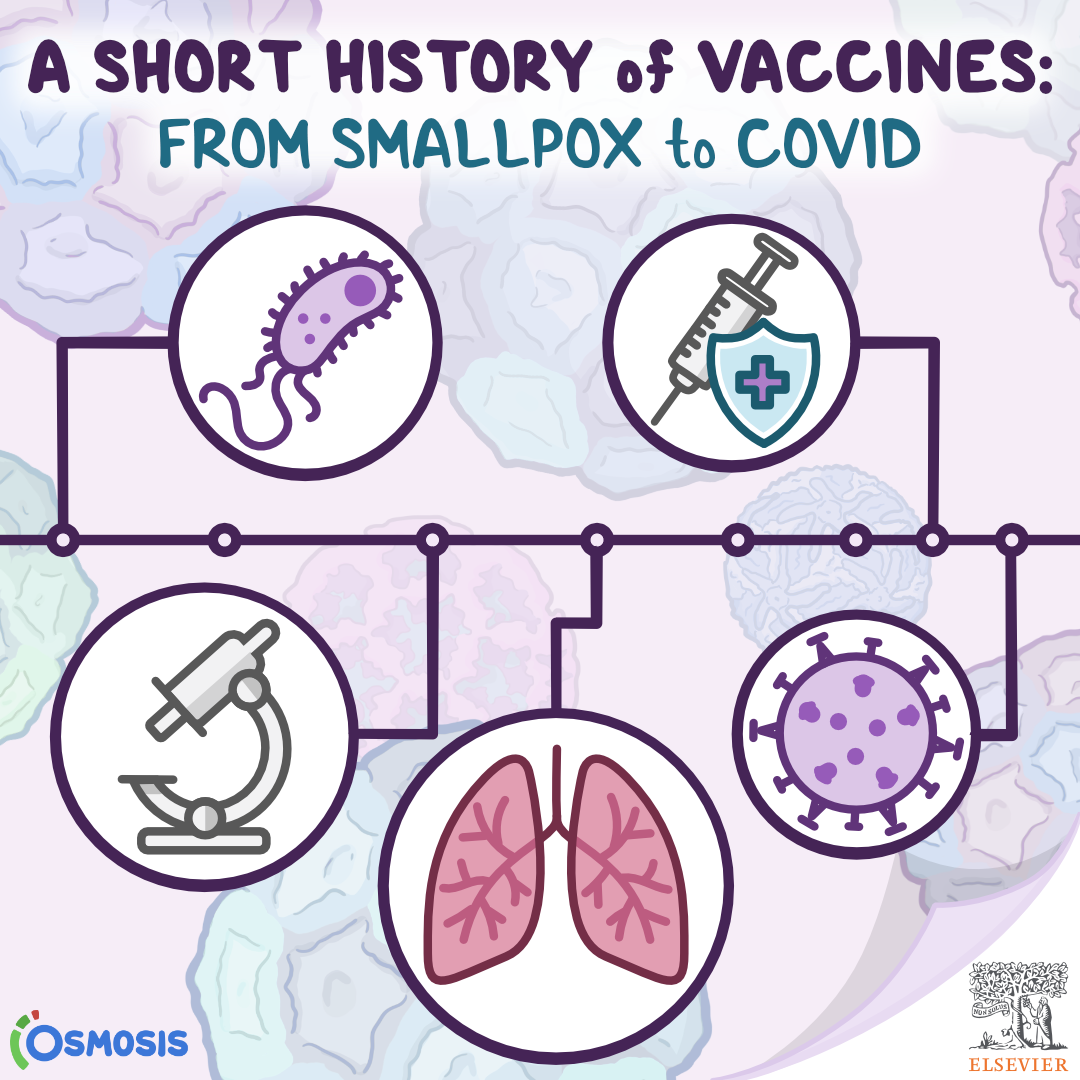
A Short History of Vaccines: From Smallpox to COVID
— Updated:
Learn the pivotal role of vaccines in combating infectious diseases and the evolution of vaccination from variolation to mRNA technology in modern medicine.
-
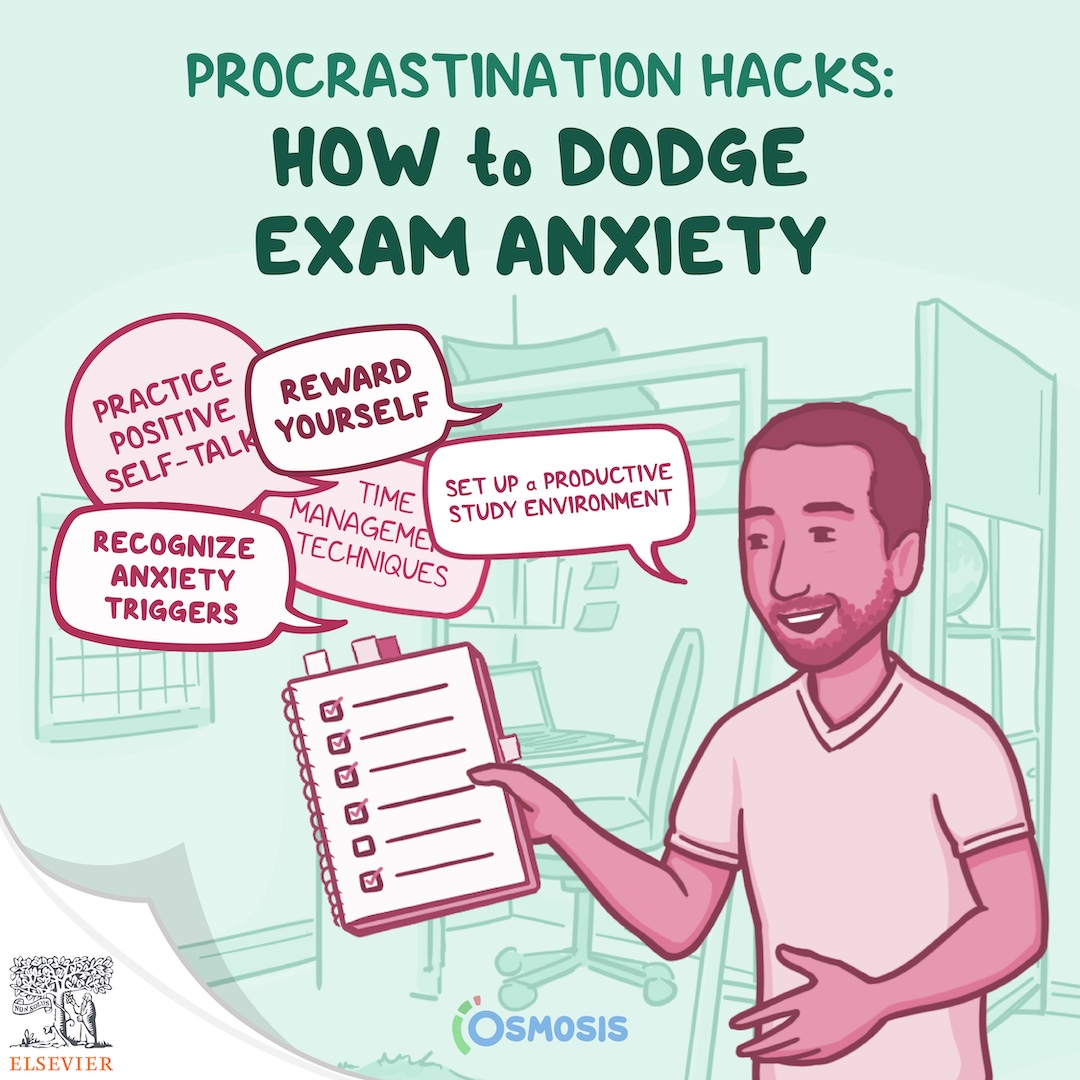
Procrastination Hacks: How to Dodge Exam Anxiety
— Updated:
Unlock your potential as a healthcare student by adopting effective study habits and overcoming procrastination! Learn practical strategies to manage exam anxiety and enhance productivity. From utilizing the Pomodoro Technique to establishing a support network and rewarding yourself for achievements, these tips will help you navigate the challenges of medical…
-
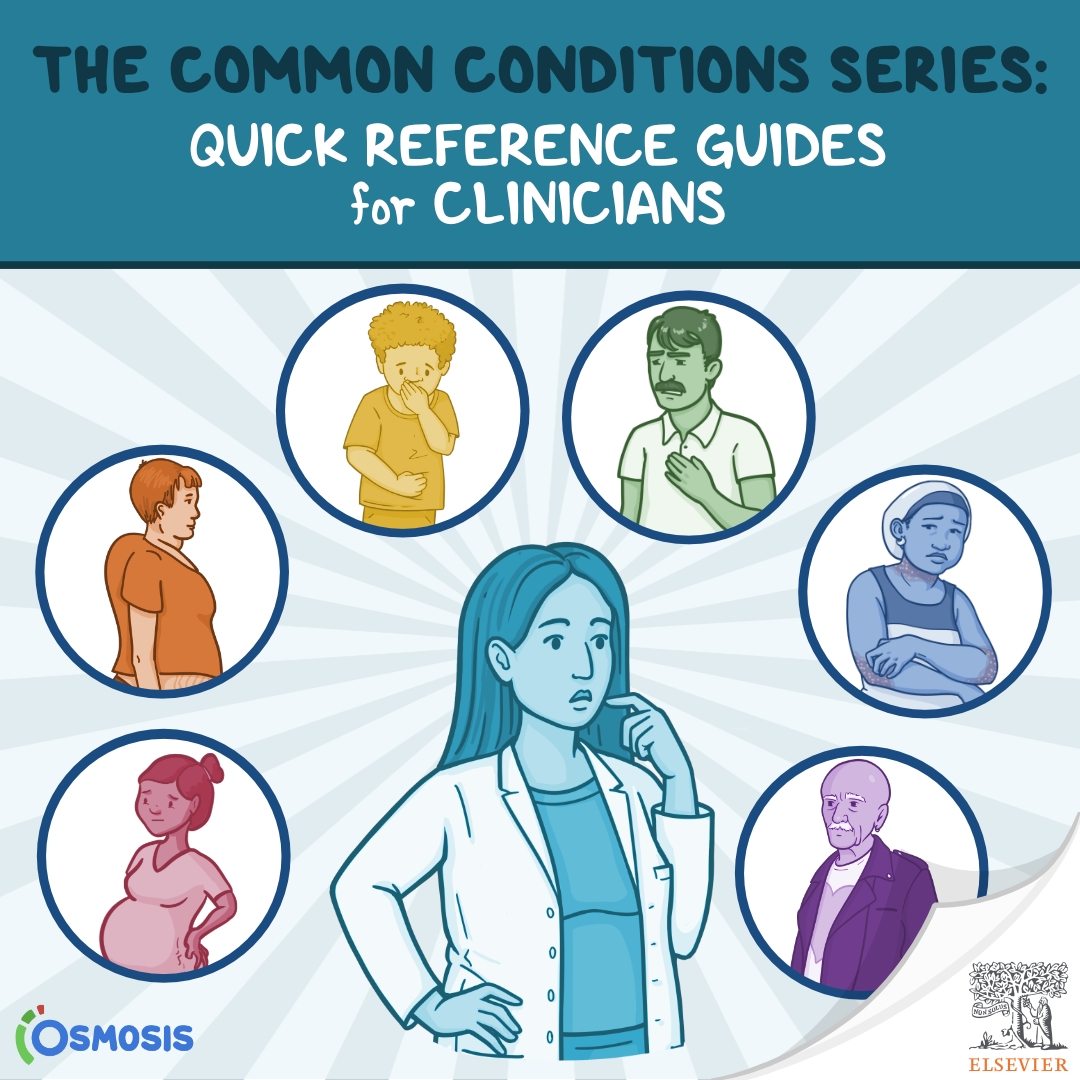
The Common Conditions Series: Quick Reference Guides for Clinicians
— Updated:
Mastering knowledge and importance of common health conditions is vital for delivering high-quality patient care. Osmosis has put together a series of quick reference guides covering topics like diabetes mellitus, long COVID, gut health, cortisol-related conditions, pregnancy, and care for older adults. Equip yourself with the knowledge to recognize their…
-
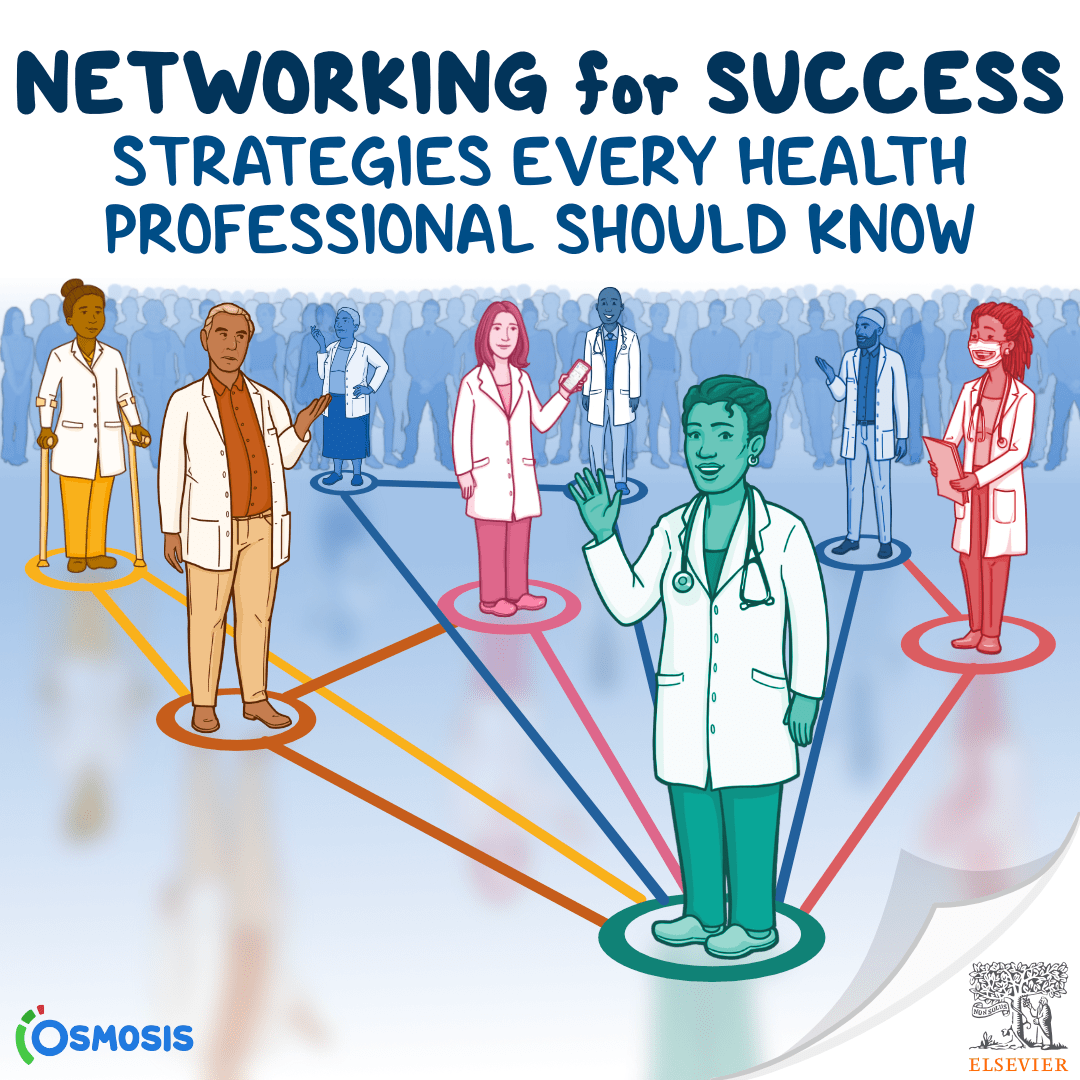
Networking for Success: Strategies Every Health Professional Should Know
— Updated:
Discover the power of networking in healthcare with practical strategies designed for medical students, faculty, and professionals. This short guide covers the essentials of building meaningful connections, overcoming common networking challenges, and making the best of both formal and informal opportunities to enhance your career. Embrace the art of networking…
-
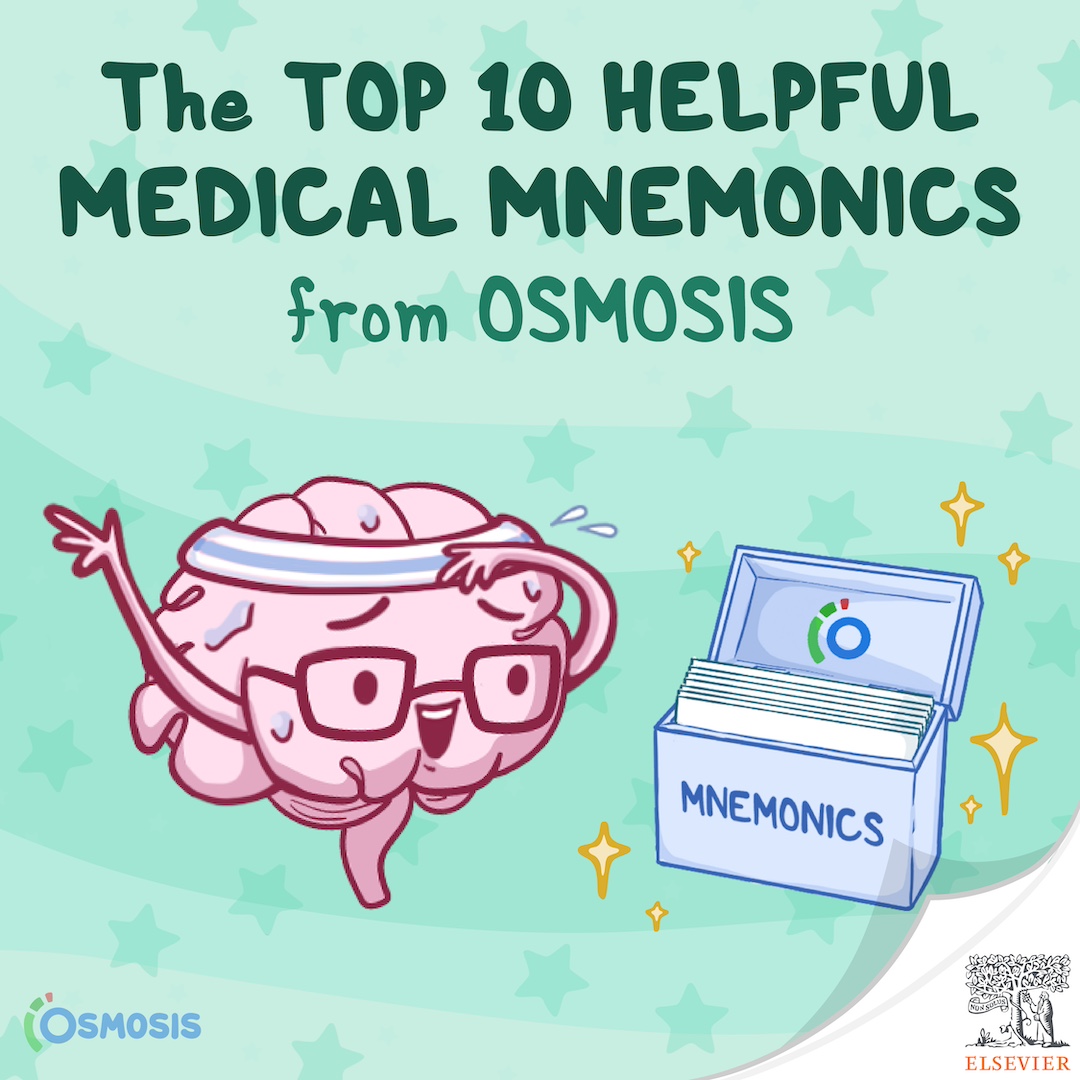
The Top 10 Helpful Medical Mnemonics from Osmosis
— Updated:
Dive into the whirlwind of medical school with these top 10 mnemonics designed to enhance your learning and retention. From assessing melanoma to mastering heart sounds, these clever memory aids will help you navigate your studies and prepare for clinical practice. Keep them close to achieve success in your medical…
-

10 Examples of Outdated Heart Health Advice
— Updated:
Explore ten widespread heart health myths, their origins, and current evidence to better inform patient care and personal wellness.
-
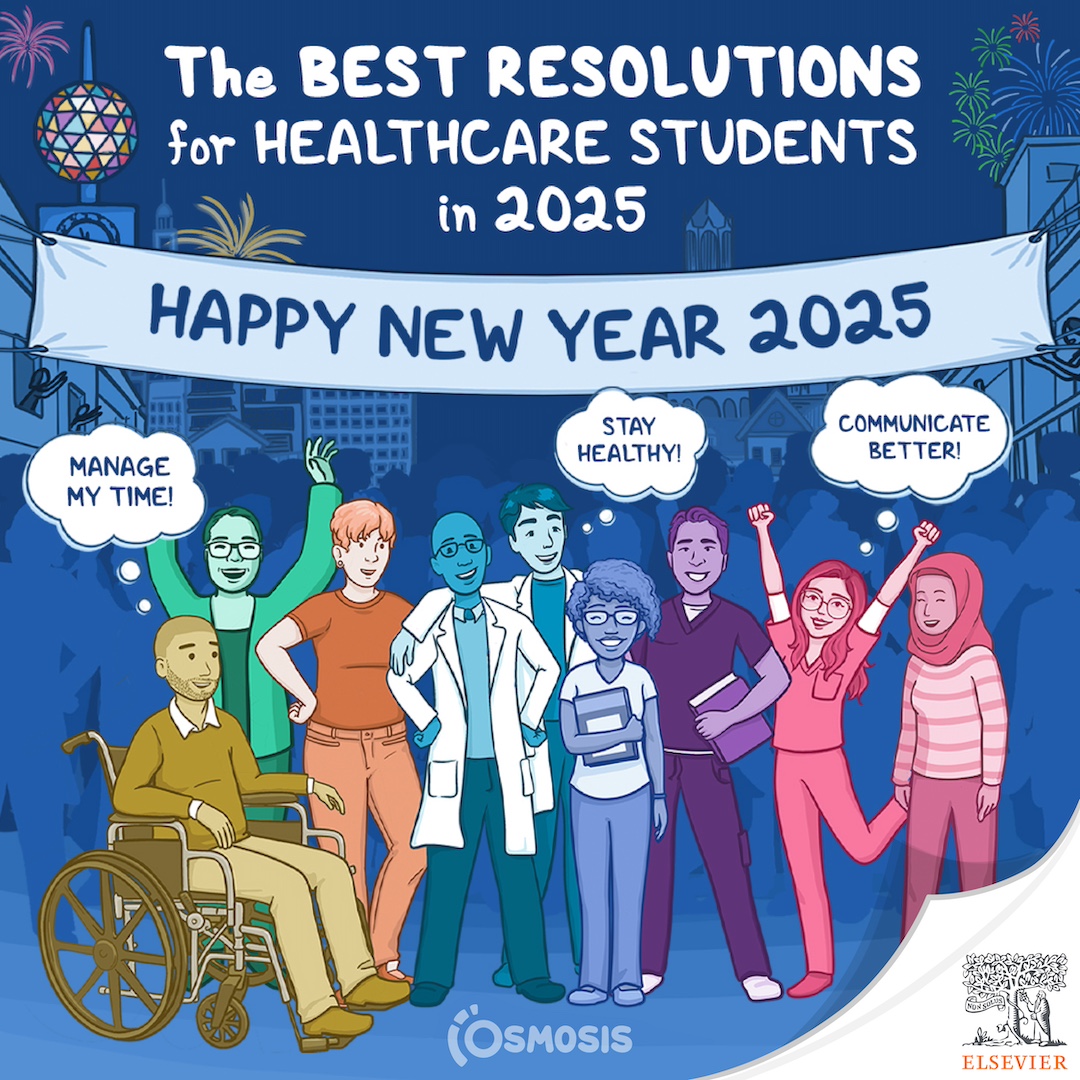
The Best Resolutions for Healthcare Students in 2025
— Updated:
Embrace the opportunity to thrive in your medical education with crucial resolutions tailored to healthcare students. From prioritizing self-care and enhancing clinical skills to fostering professional relationships and engaging in lifelong learning, these strategies will help you excel in your journey as a future healthcare professional.
-
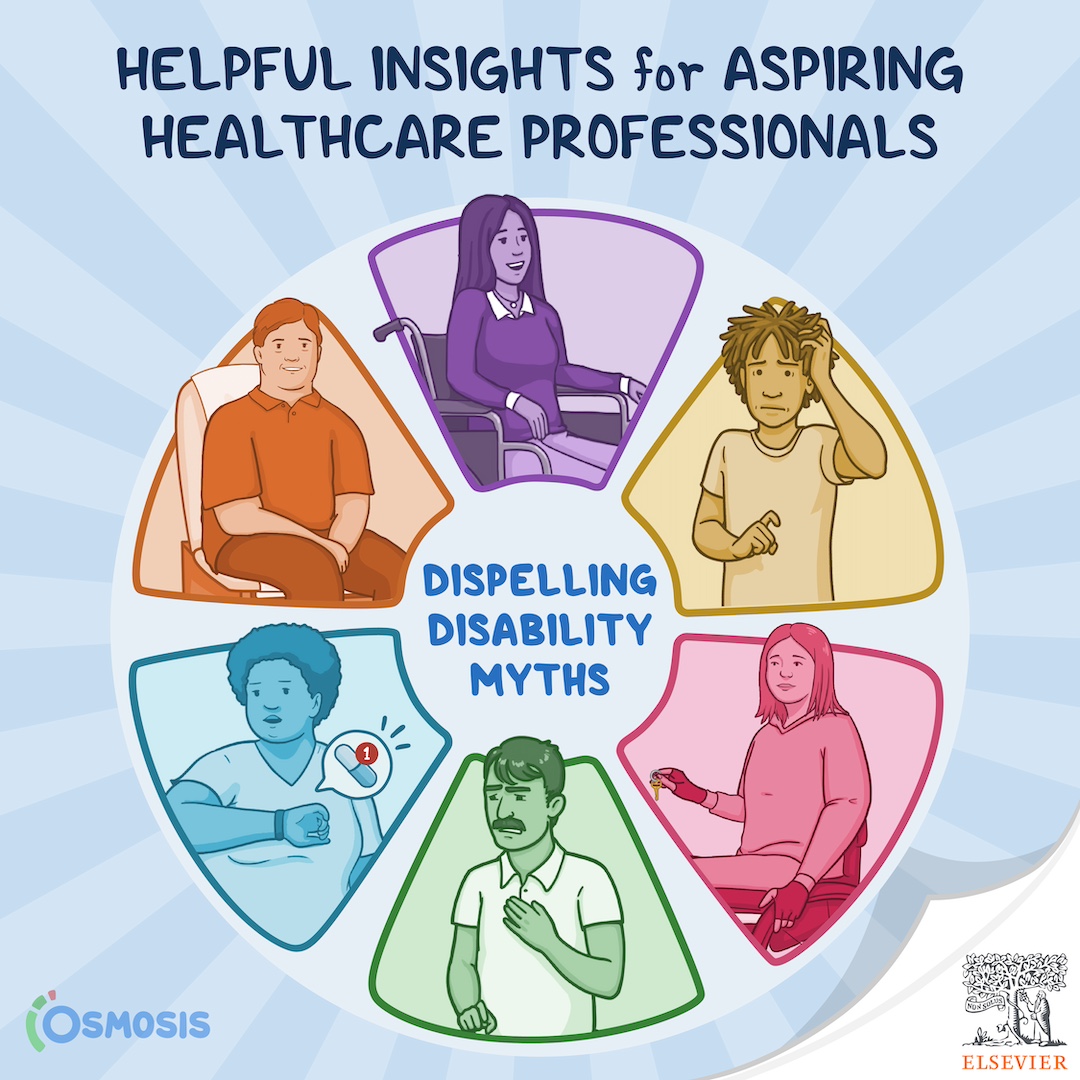
Dispelling Disability Myths: Helpful Insights for Aspiring Healthcare Professionals
— Updated:
According to the CDC, approximately one in four US adults will experience a disability at some point in their lives. Despite how common disability is, people with disabilities face ongoing misconceptions and biases that contribute to existing disparities in healthcare access and quality. It’s crucial to address and dispel these…
-
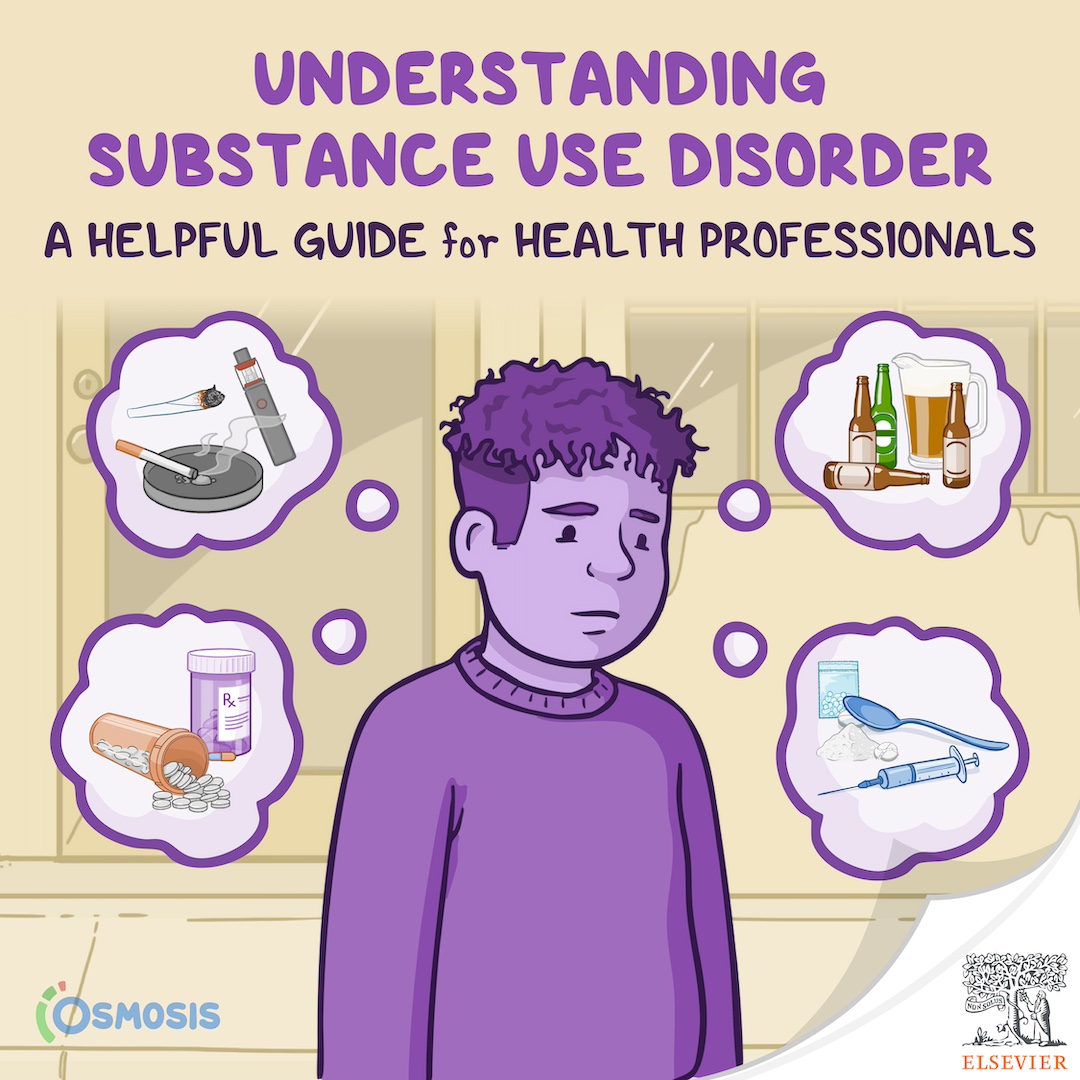
Understanding Substance Use Disorder: A helpful guide for health professionals
— Updated:
Substance Use Disorder (SUD) is a health condition involving a patient’s uncontrolled use of a substance, such as alcohol, drugs, and medications, that affects an individual’s daily life by impairing their physical and mental health, along with social functioning. There are about 20 million people in the US (approximately 6% of the total…
-
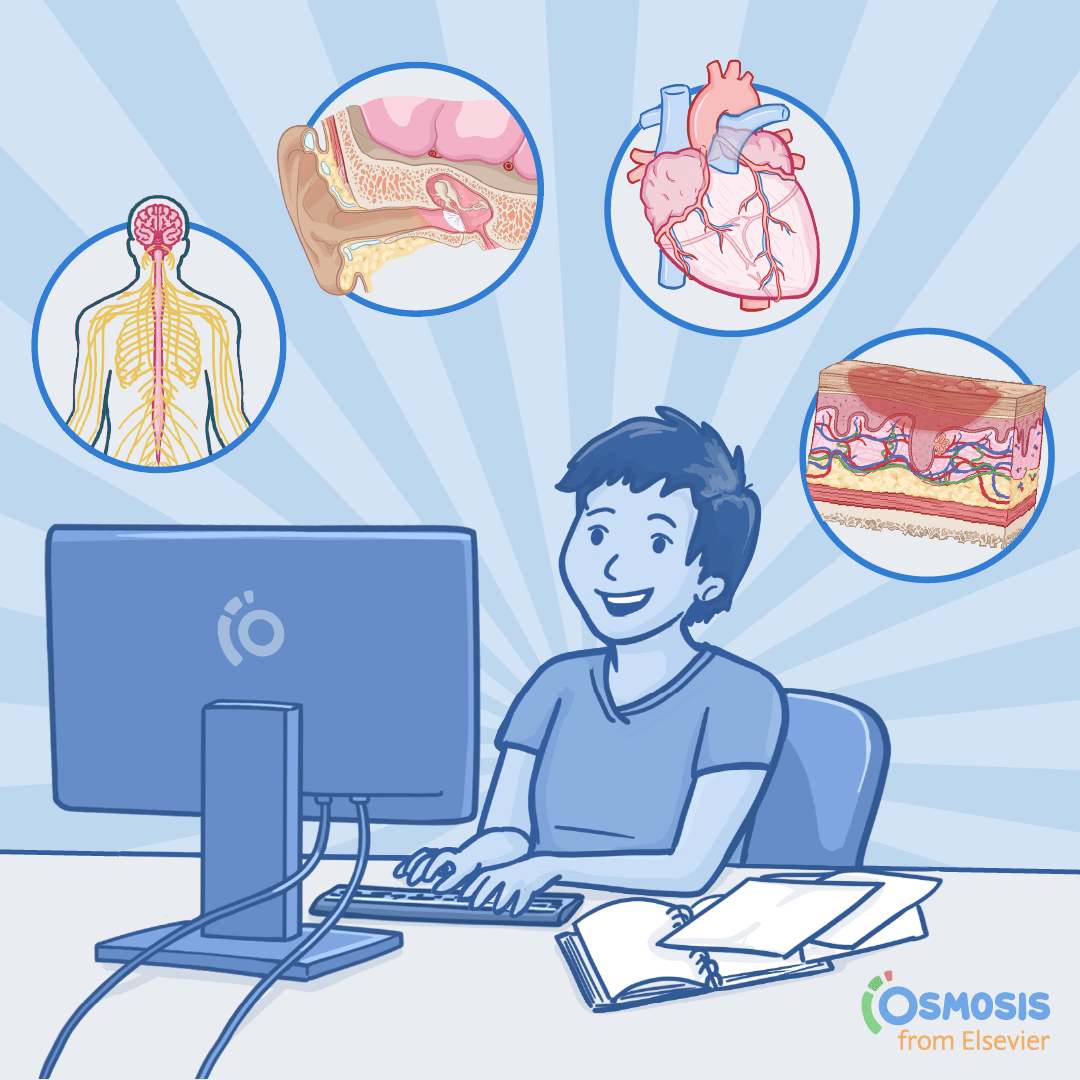
How to Study Anatomy: Effectively Proven Strategies for Faster Learning
— Updated:
Unlock effective anatomy study strategies with tips on identifying your learning style, using mnemonics and visuals, managing study sessions, and boosting retention through group work.
-
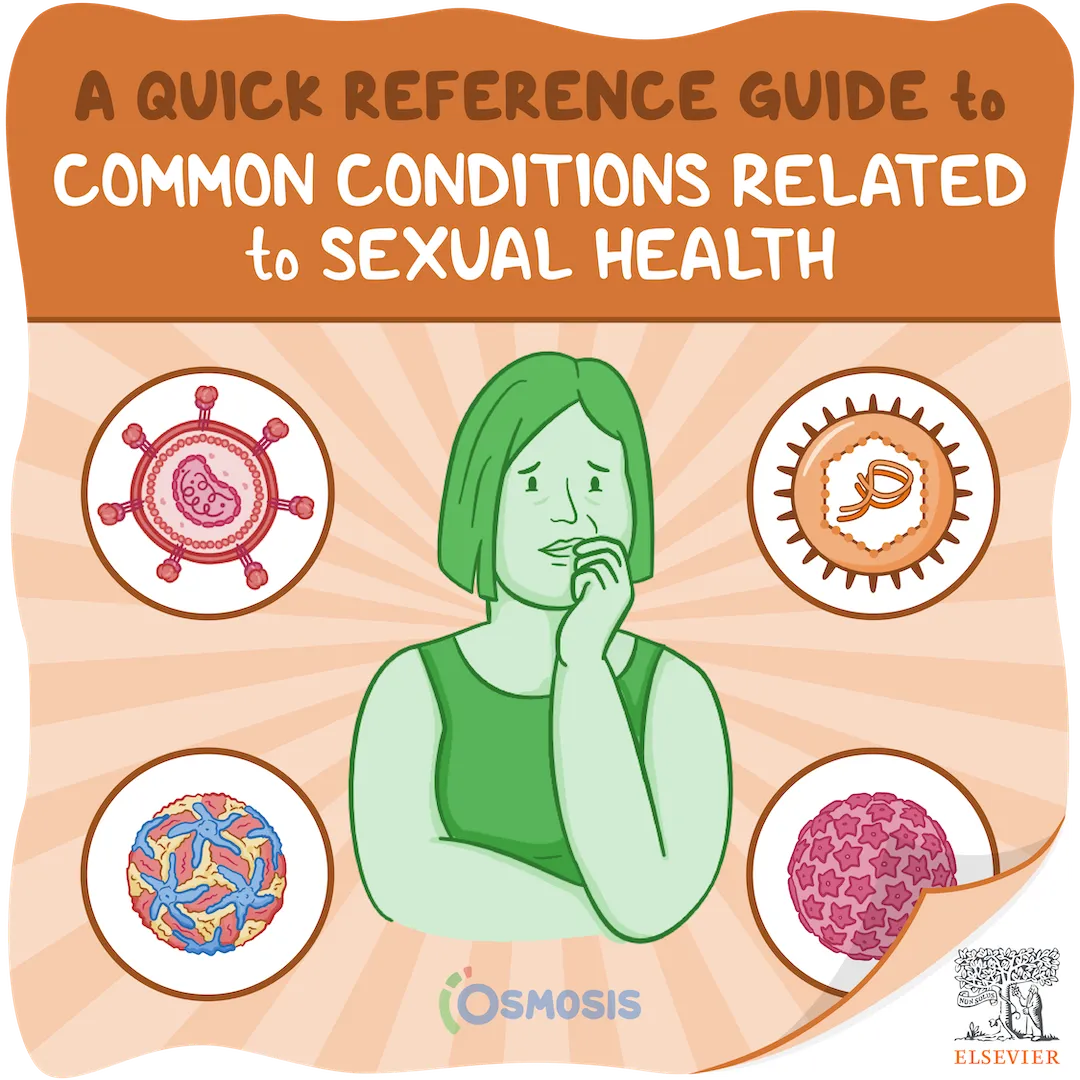
A Quick Reference Guide to Common Conditions Related to Sexual Health, Part 2: Viruses
— Updated:
Understand the importance of sexual health with our quick reference guide to common viral infections. This article covers critical conditions such as HIV, Hepatitis B, and Herpes Simplex Virus, detailing their symptoms, diagnostic approaches, and management strategies. Equip yourself with knowledge to promote better health outcomes and foster open conversations…
-
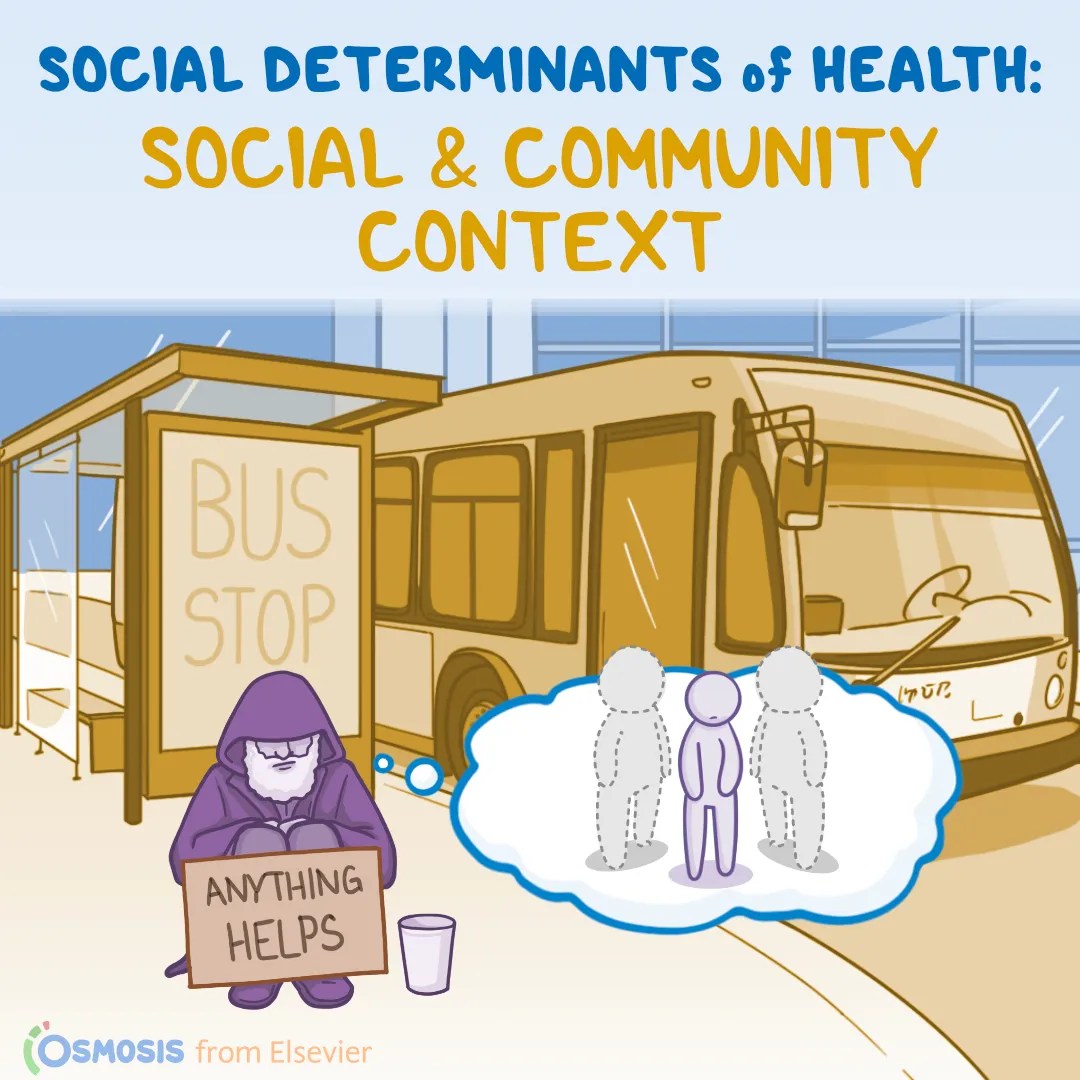
Social Determinants of Health: Social and Community Context
— Updated:
Learn about the vital role of education in health outcomes, the challenges of educational disparities, and strategies to promote equitable access.
-
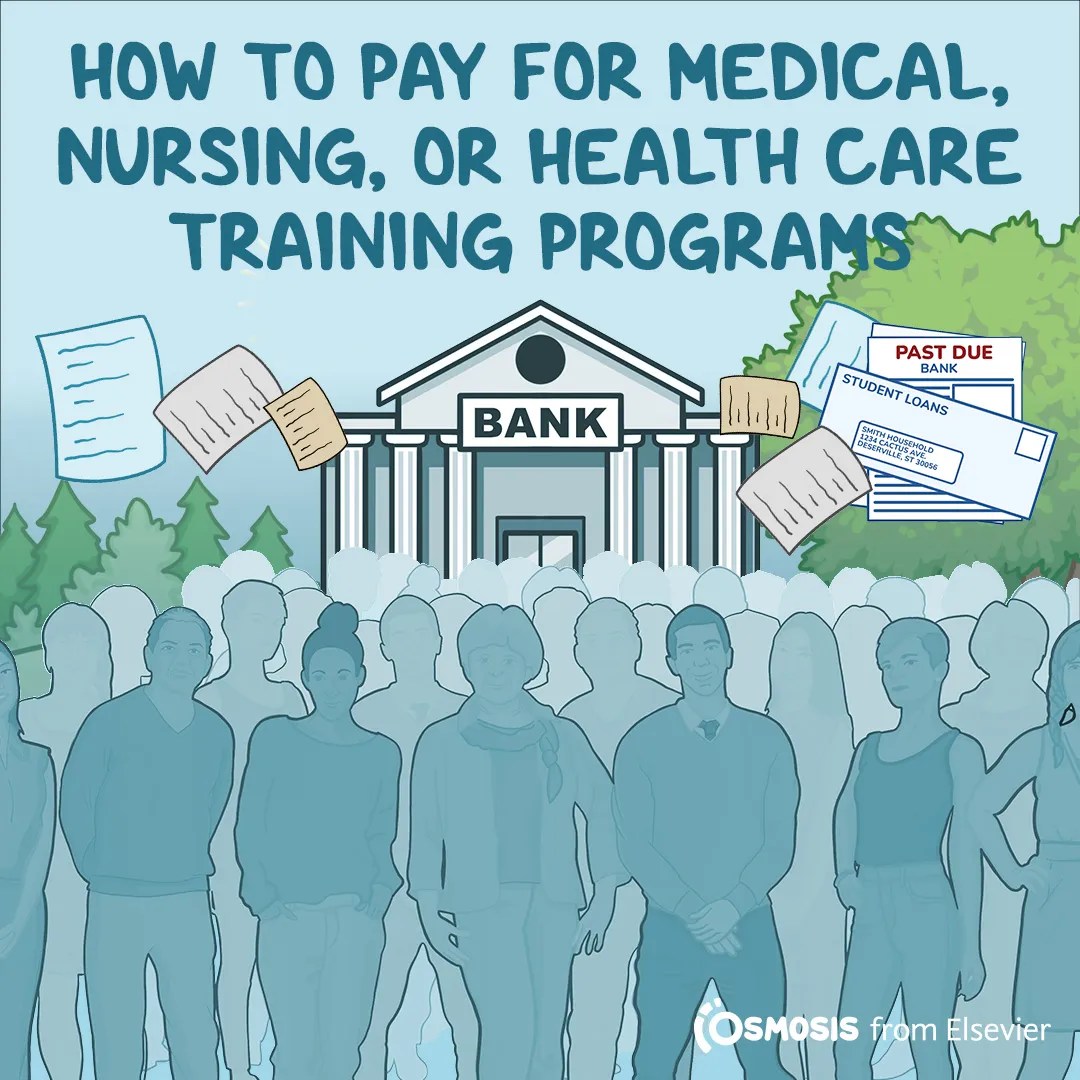
How to Pay for Medical, Nursing, or Health Care Training Programs
— Updated:
Facing the rising costs of medical or nursing education? Learn about scholarships, grants, federal and private loans, and budgeting strategies to finance your healthcare training.
-
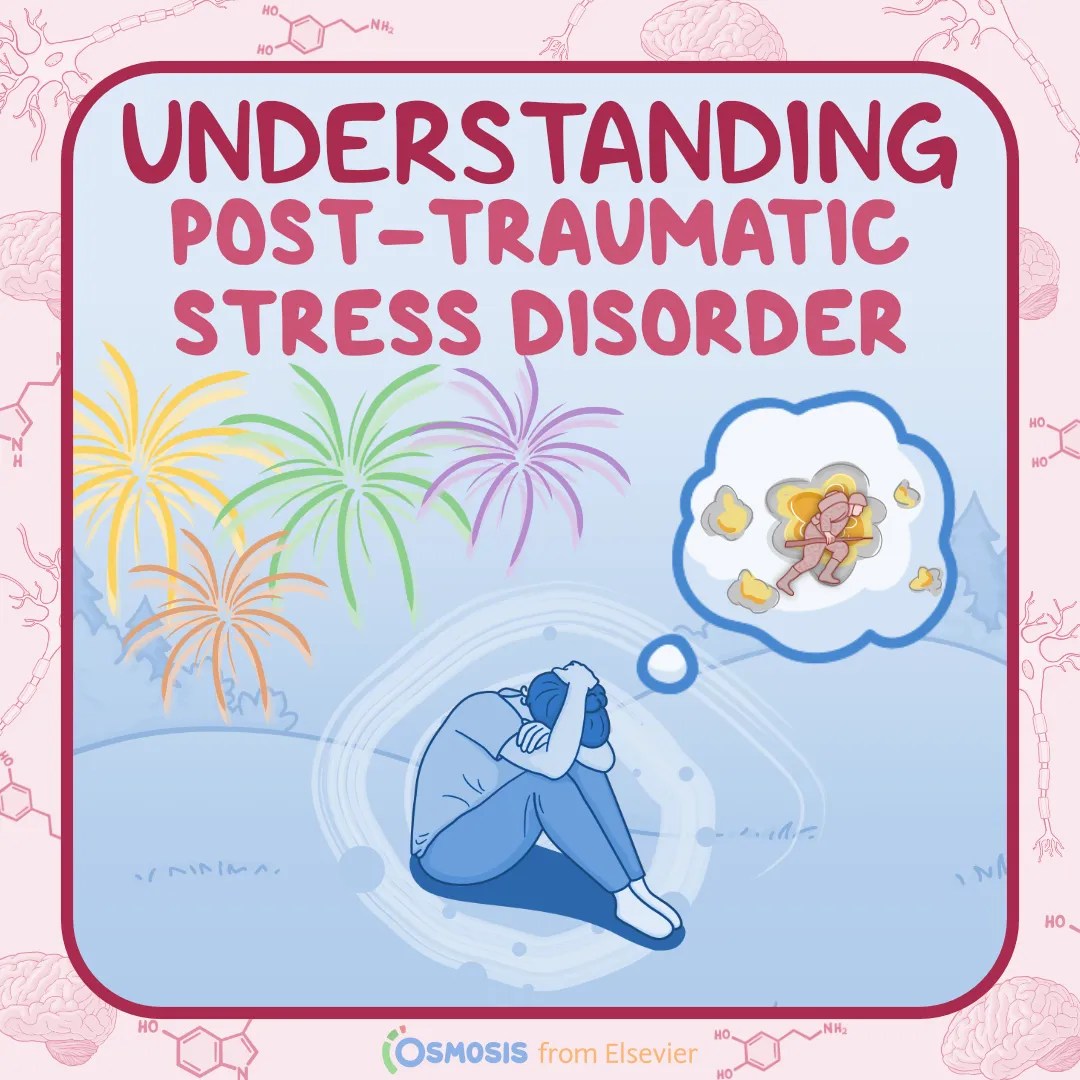
Understanding PTSD: A helpful guide for health professionals
— Updated:
Approximately 6% of US adults develop Post-Traumatic Stress Disorder (PTSD) during their lifetime. A sometimes debilitating mental health condition that develops after someone has experienced or witnessed a terrifying, dangerous, or shocking event, PTSD symptoms generally persist for more than one month and include reliving the traumatic event, avoidance of reminders of the experience, and…
-
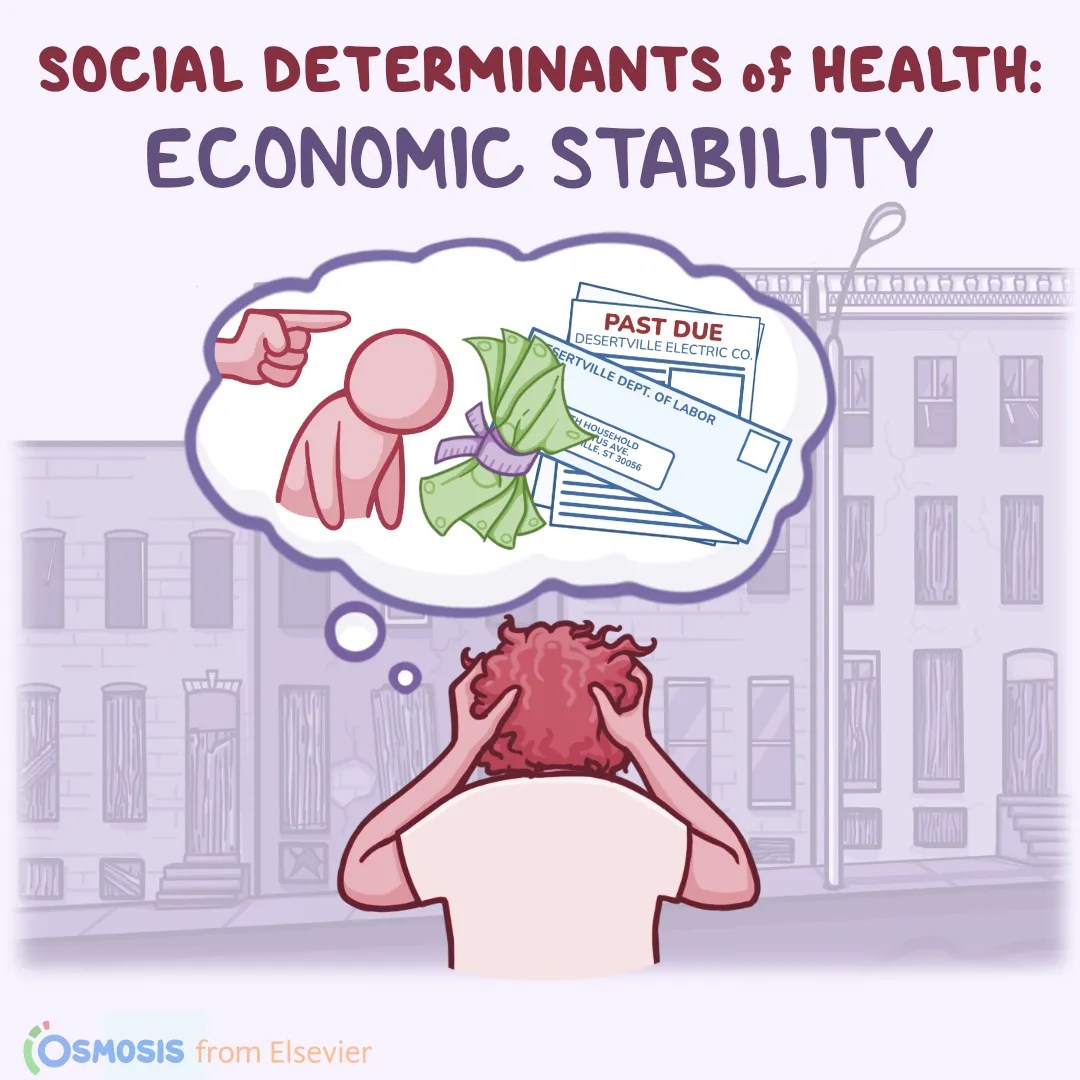
Social Determinants of Health: Economic Stability
— Updated:
Learn about the impact of economic stability on health, the challenges faced by underserved populations, and strategies to improve healthcare access and equity.
-
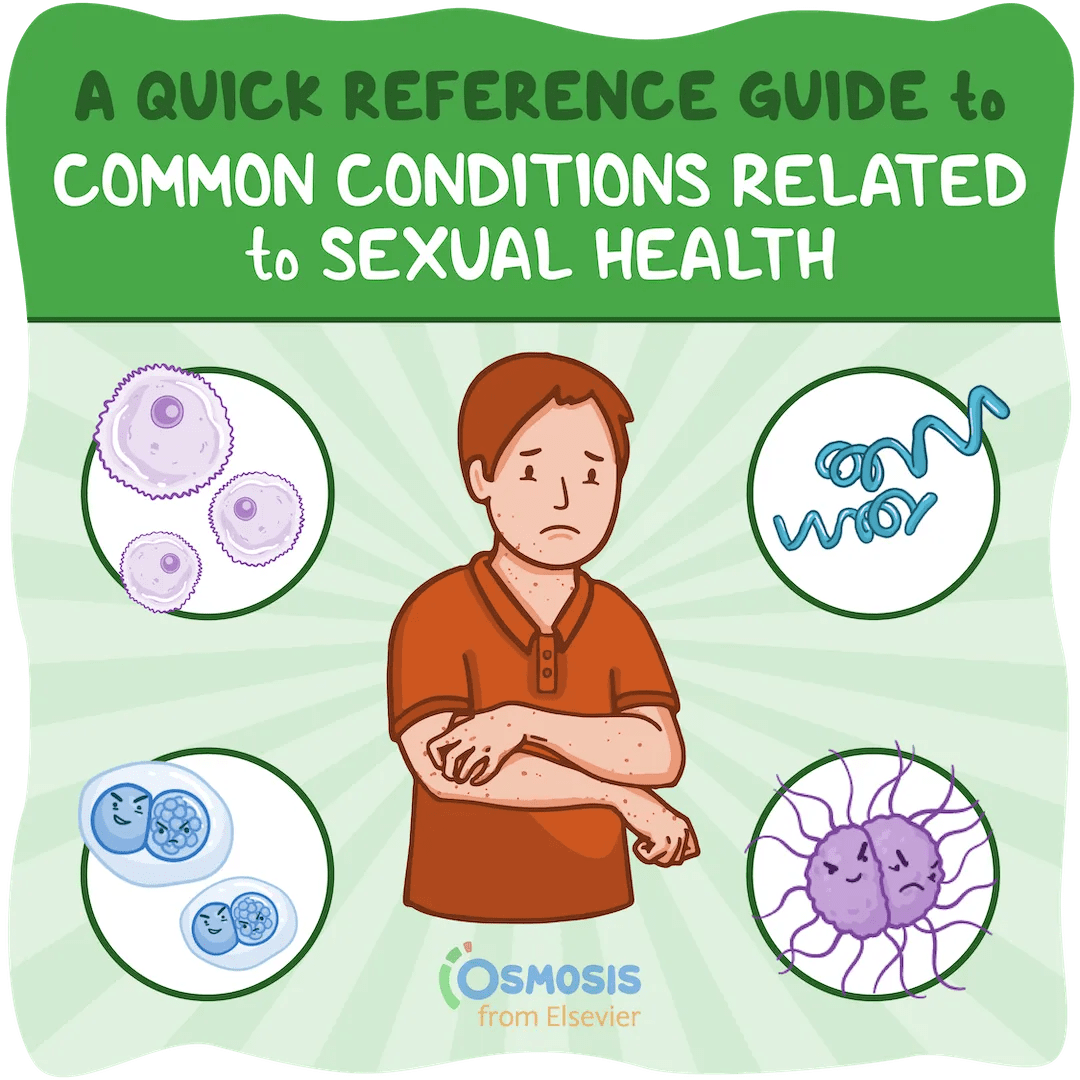
A Quick Reference Guide to Common Conditions Related to Sexual Health, Part 1: Bacterial Infections
— Updated:
Understanding bacterial infections is essential for maintaining sexual health and overall well-being. This quick reference guide covers common conditions such as chlamydia, gonorrhea, and syphilis, detailing their symptoms, diagnostic approaches, and effective treatment strategies. Equip yourself with the knowledge to promote better health outcomes and engage in informed conversations about…
-
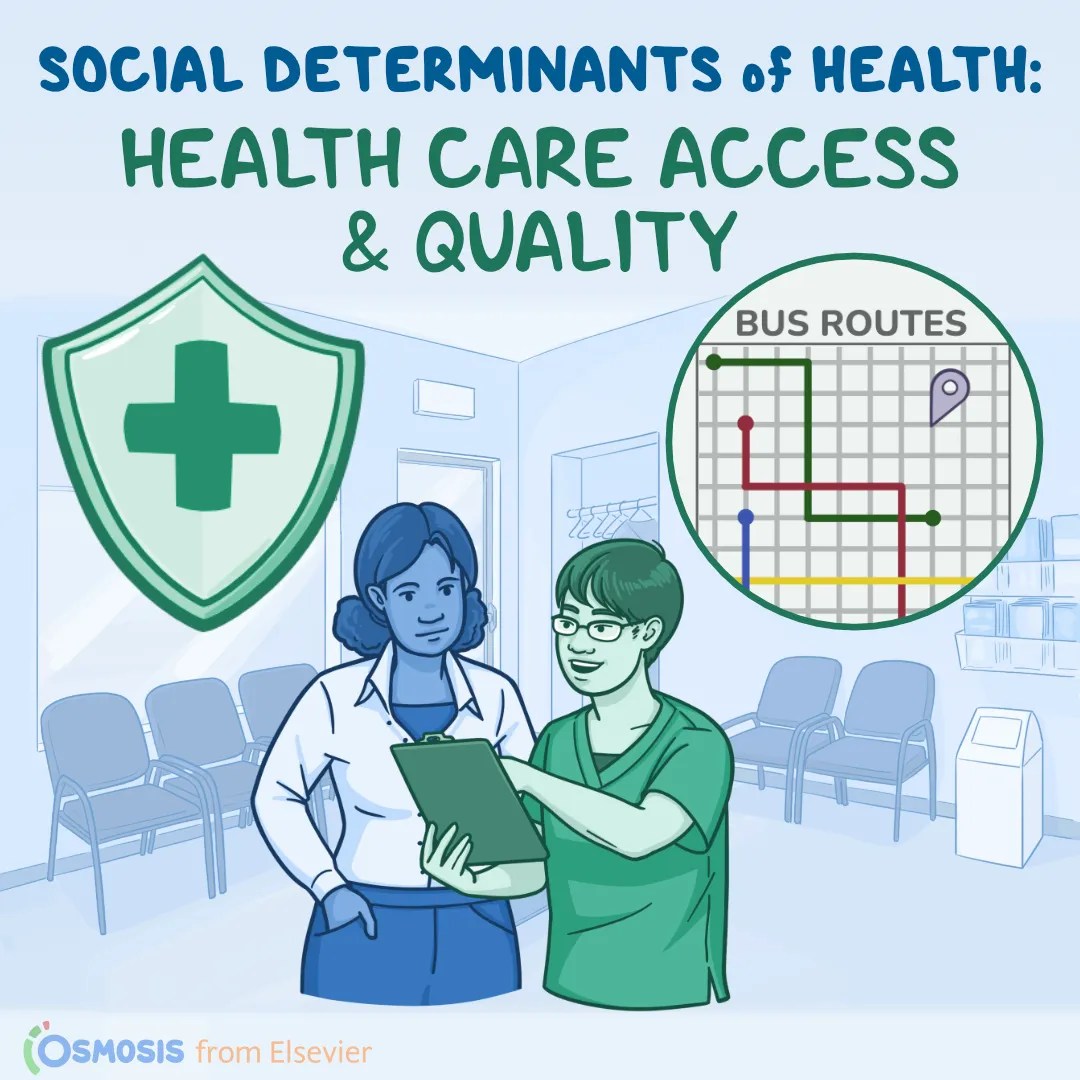
Social Determinants of Health: Health Care Access and Quality
— Updated:
Explore how social determinants like healthcare access and quality affect patient outcomes and what you can do to promote equity as a clinician.
-
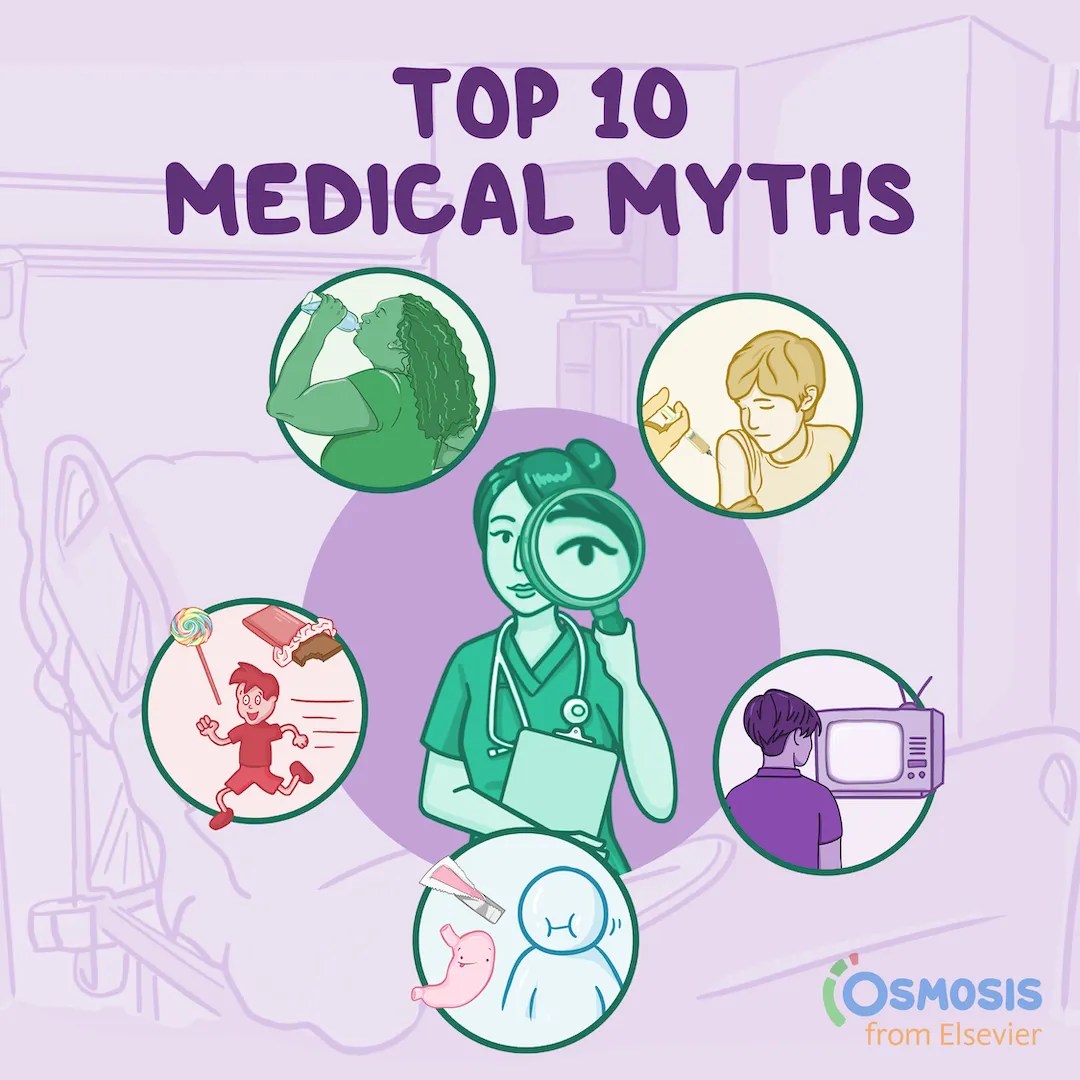
Top 10 Medical Myths: What Your Patients Should Know
— Updated:
Does chewing gum stays in your stomach for seven years and does sugar makes kids hyperactive? Share these ten top medical misconceptions to foster informed discussions and enhance patient trust.