
Category: Educators
-
The Best Medical Podcasts
— Updated:
Medical podcasts provide a cost and time-effective way for physicians and medical students to learn more about the field of medicine. Whether it’s keeping up to date on the latest research or learning how to avoid burnout, the best medical podcasts provide countless learning opportunities that help you become a better…
-
How to Use LinkedIn Effectively in Medical School
— Updated:
A handy guide to using LinkedIn with practical tips for building a strong profile, networking effectively, and connecting with influential healthcare professionals.
-
How Osmosis Videos Are Made
— Updated:
Take a look at this in-depth article on the Osmosis video production process, from scriptwriting and voiceovers to animation and editing. Find out how our dedicated team leverages multimedia techniques to present complex medical topics in a way that enhances learning and retention for students and healthcare professionals alike.
-
How to evaluate innovative online teaching methods
— Updated:
As an educator, you have an opportunity to pilot and evaluate innovative online teaching methods to improve your students’ learning experience. In a world where COVID-19 has made remote teaching and learning common, this is especially true. A recent article, From Modules to MOOCs: Application of the Six-Step Approach to Online Curriculum Development…
-
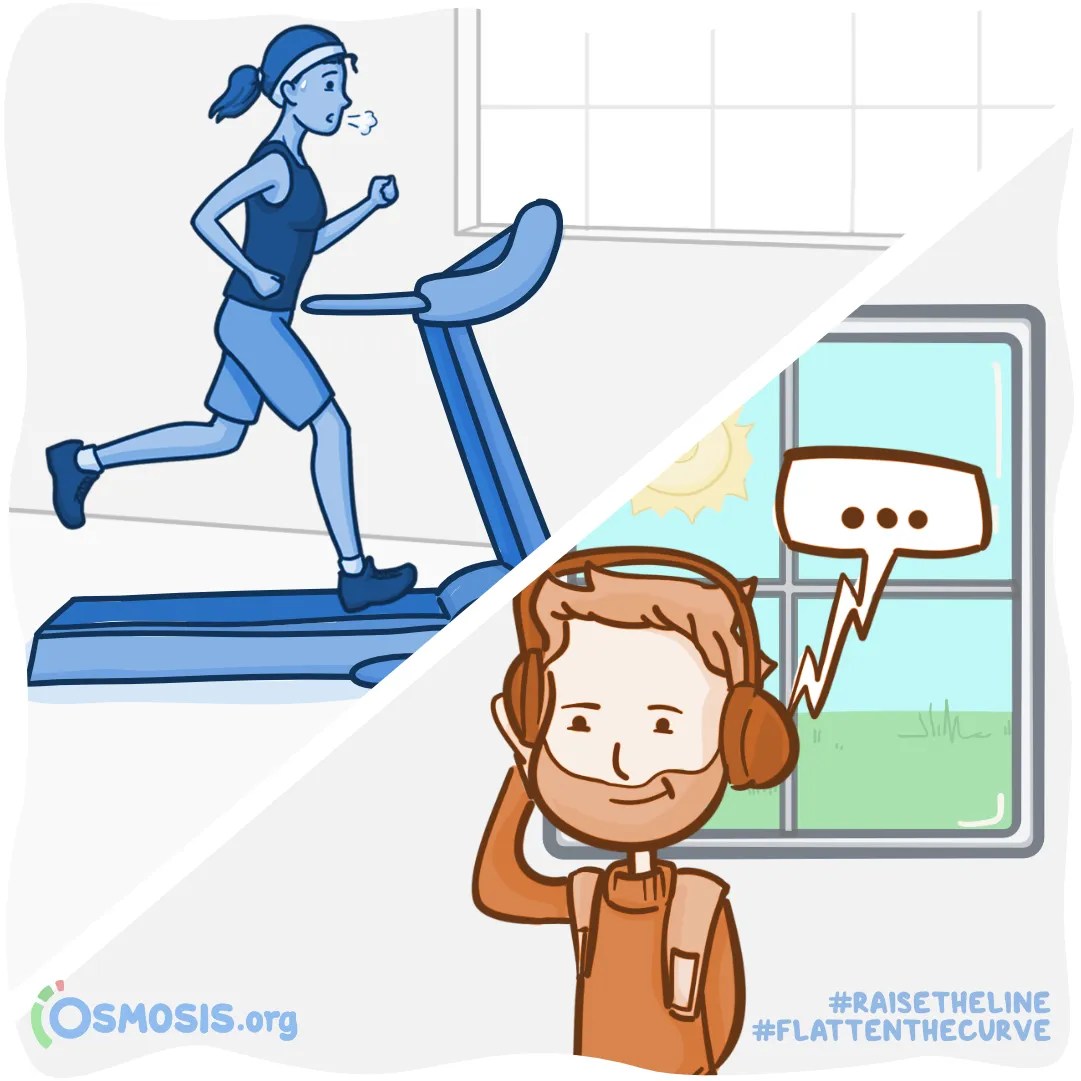
Supporting Educators’ Mental Health
— Updated:
As a health educator, you need to take care of yourself during the COVID-19 pandemic so you can provide effective support to your patients and students. In today’s post, Leah Tieger, a writer on the Osmosis team, shares how you can support your own mental health during times of crisis.…
-
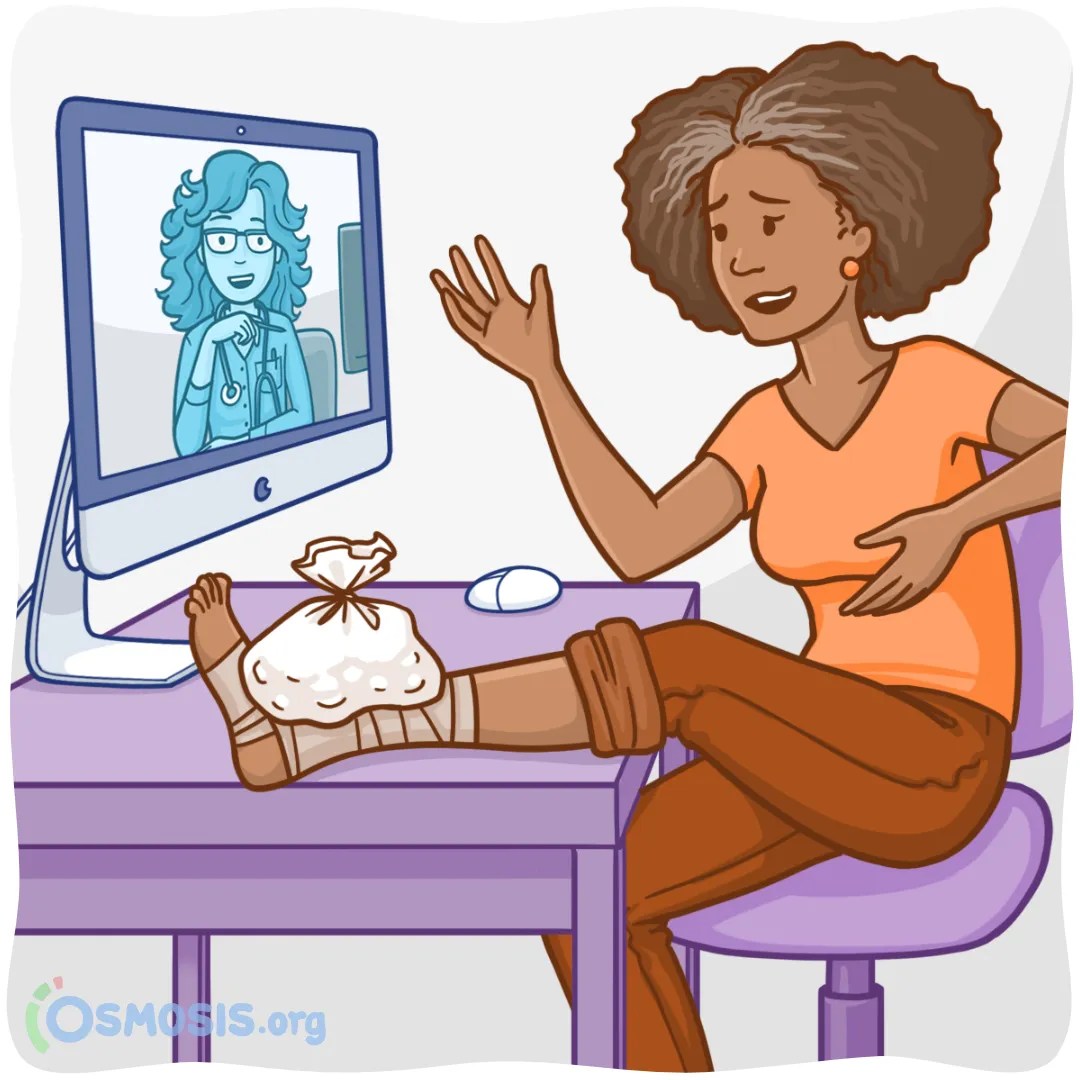
Telemedicine, Changing the Face of Healthcare
— Updated:
Learn about the impact of telemedicine on healthcare, its benefits for patients and providers, and the challenges of expanding access in underserved
-
Tips for Piloting the Flipped Classroom in Your Course or Program
— Updated:
Thinking of piloting a flipped classroom? Discover practical advice on planning, evaluating, and refining your pilot to enhance student learning and gain faculty support.
-
How to Flip a Class, Course, or Curriculum
— Updated:
Simply put, a flipped classroom operates by assigning lectures and didactic learning as independent study. In-class time is then used for collaborative group work, or to review and flesh out the subject material introduced earlier. There are several benefits to this approach, including improved learning outcomes, increased student engagement, and greater accuracy in instructional…
-
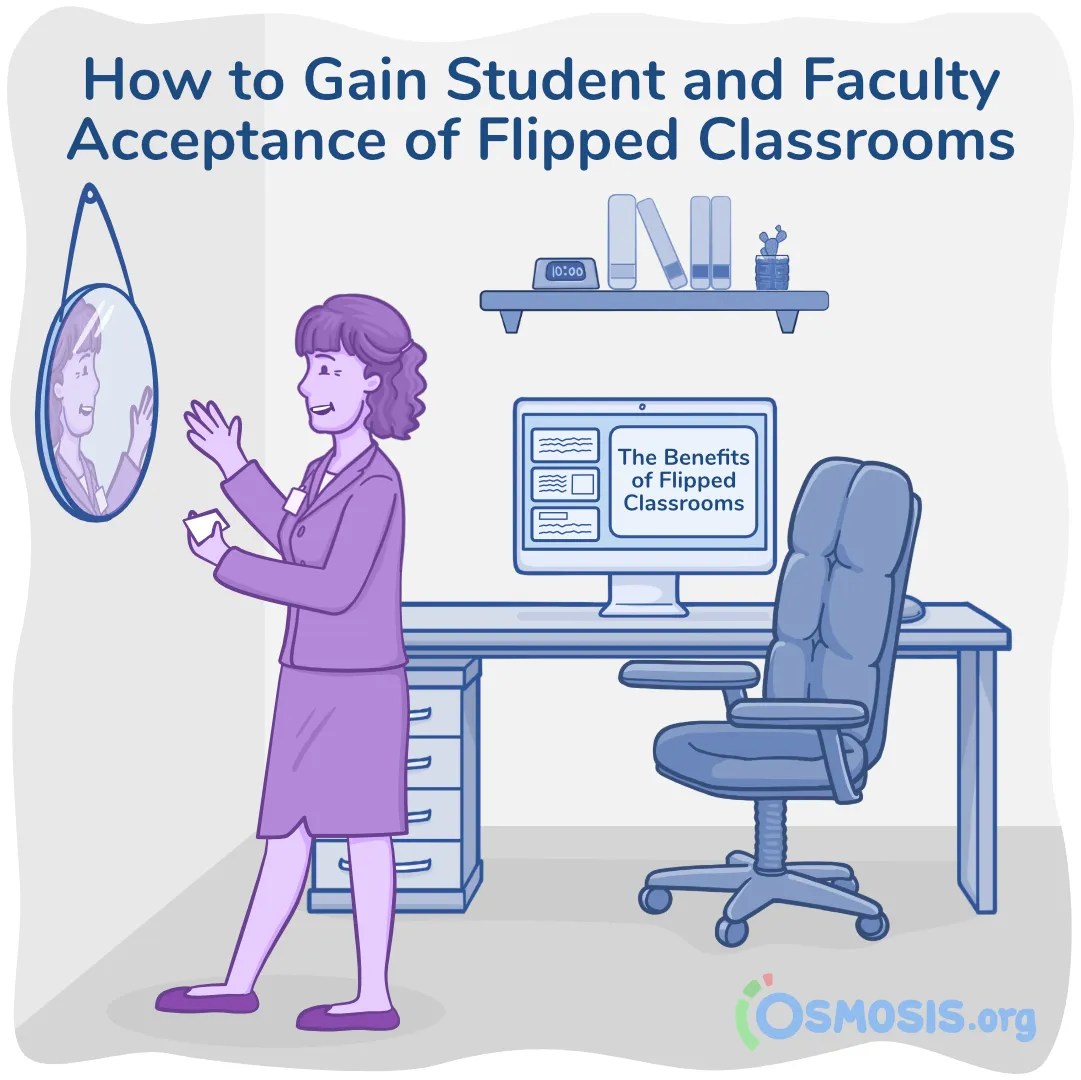
How to Gain Administrator and Faculty Support for Flipped Classrooms
— Updated:
The flipped classroom has become common in health education programs across the United States. As an administrator, course director, or faculty member in a program that hasn’t yet implemented it, you may want to integrate this teaching strategy into your course or curriculum. But, in order to do that, you…
-
Teaching Professionalism in Nursing in Your Program
— Updated:
How can your nursing program incorporate professionalism in nursing content into your curriculum, and why is it important to do so? In today’s post, Leah Tieger, a writer on the Osmosis team, introduces the concept of professionalism in nursing, discusses how it benefits patients, and shares some tips for including…
-
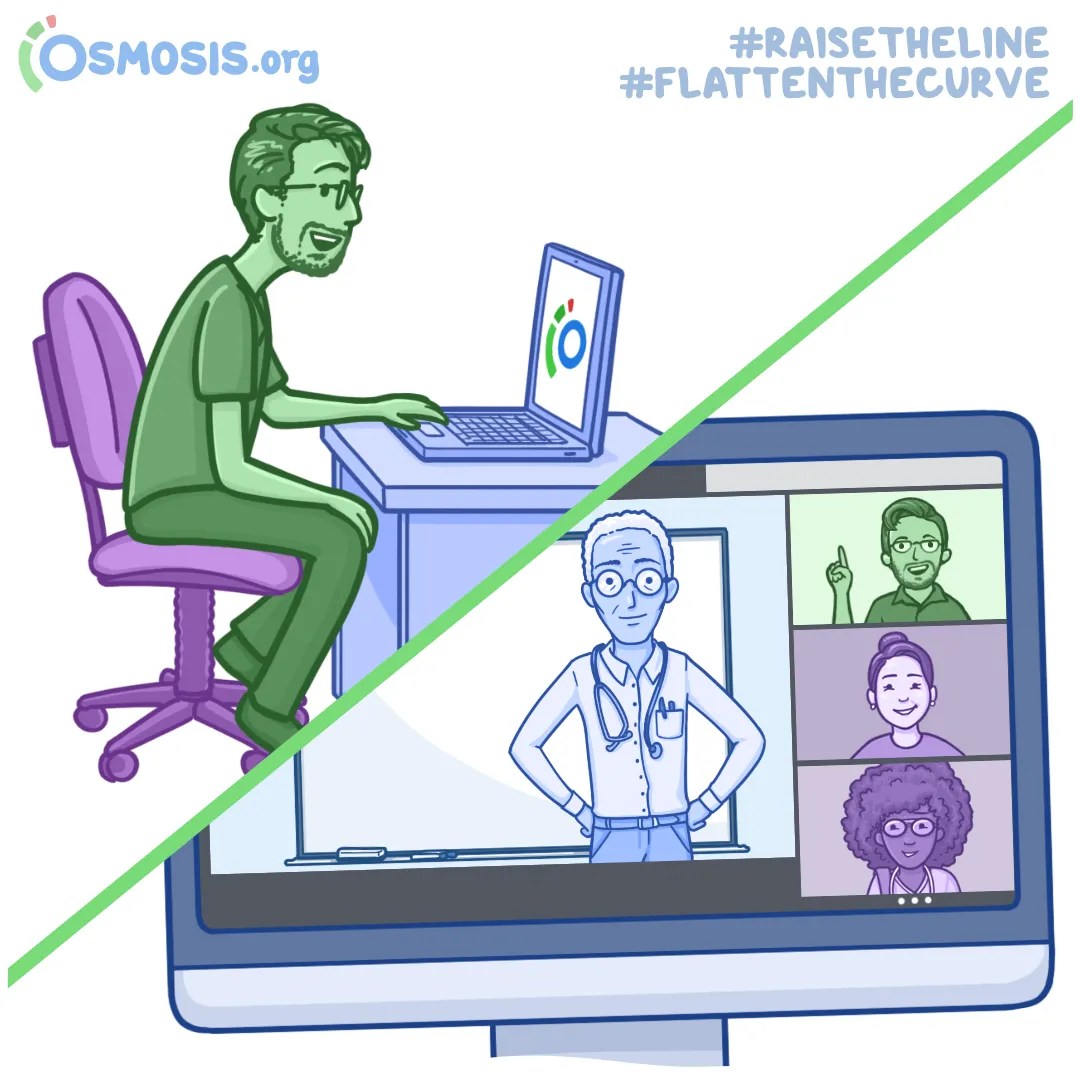
An Introduction to the Flipped Classroom
— Updated:
Are you considering transitioning your program’s curriculum to a flipped classroom model? In today’s post, Leah Tieger, a writer on the Osmosis team, offers an introduction to flipped classrooms and their potential benefits and drawbacks. Top-tier health education programs, from Stanford Medicine to Duke University’s School of Nursing, are implementing…
-
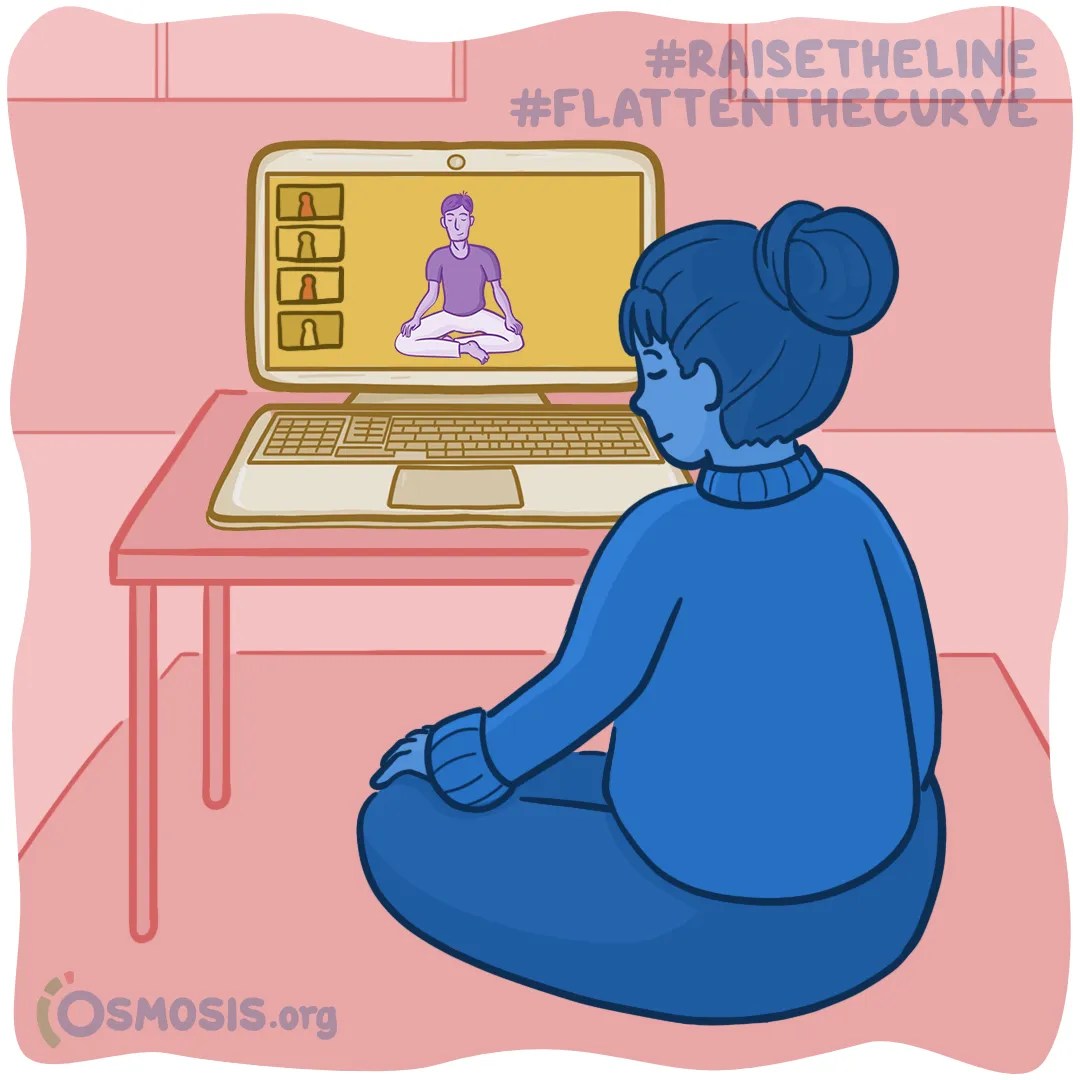
Managing Your Students’ Mental Health During Emergencies
— Updated:
As an educator, you have a responsibility to support your health professions students’ mental health during times of crisis. In today’s post, Leah Tieger, a writer on the Osmosis team, shares strategies for supporting your students during difficult periods. For health professions students, the COVID-19 pandemic has caused a sudden…
-
Using Osmosis to Support Distance Learning
— Updated:
Has your institution moved from live classes to distance learning? If so, you know that this transition can be difficult. In today’s blog, our team shares how you can use the Osmosis platform to support distance learning in your program. Interest in distance learning has surged due to institutions’ responses…
-
Self-Directed Learning in the Time of COVID-19
— Updated:
A self-directed medical curriculum has unique challenges. In today’s blog, Osmosis Medical Education Fellow Edith Gonzalez shares her usual routine and how it has been impacted by COVID-19. Though many medical school curriculums are traditional, some are geared toward self-directed student learning. In a self-directed learning curriculum, the bulk of…
-
A List of High-Impact Medical Education Journals
— Updated:
Medical education research improves teaching and training strategies, helps determine effective policies for the field, and shapes the future of clinical practice.