
Category: Registered Nursing (RN)
-
![Women in Healthcare in 2022: Breaking Down the Numbers [Infographic]](https://www.osmosis.org/blog/wp-content/uploads/sites/2/2024/09/women-in-healthcare-in-2022-breaking-down-the-numbers-infographic.webp?w=1080)
Women in Healthcare in 2022: Breaking Down the Numbers [Infographic]
— Updated:
Women have been actively involved in healthcare for centuries, nursing their families and communities through every type of illness imaginable. We’ve taken a look at the latest statistics about women in healthcare to discover where women are excelling, where they’re underrepresented, and some key areas for growth and change during Women…
-

The Past, Present, and Bright Future of Women in Healthcare
— Updated:
Learn more about the pioneering women in medicine, their impact on healthcare, challenges faced, and the ongoing push for gender equality and leadership roles.
-
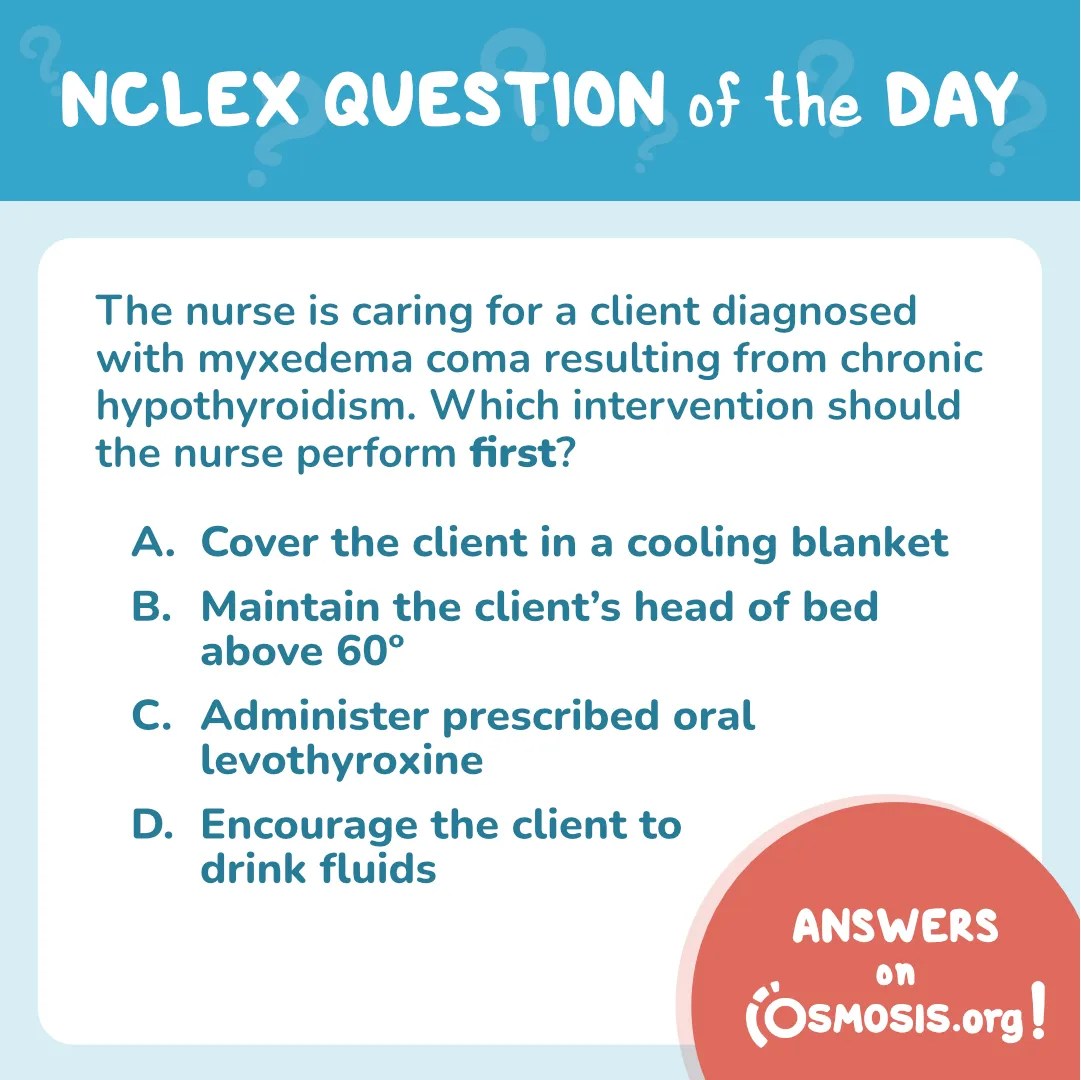
NCLEX-RN® Question of the Day: Chronic hypothyroidism
— Updated:
Which nursing intervention should be performed first for a client with myxedema coma to ensure airway safety and support breathing?
-
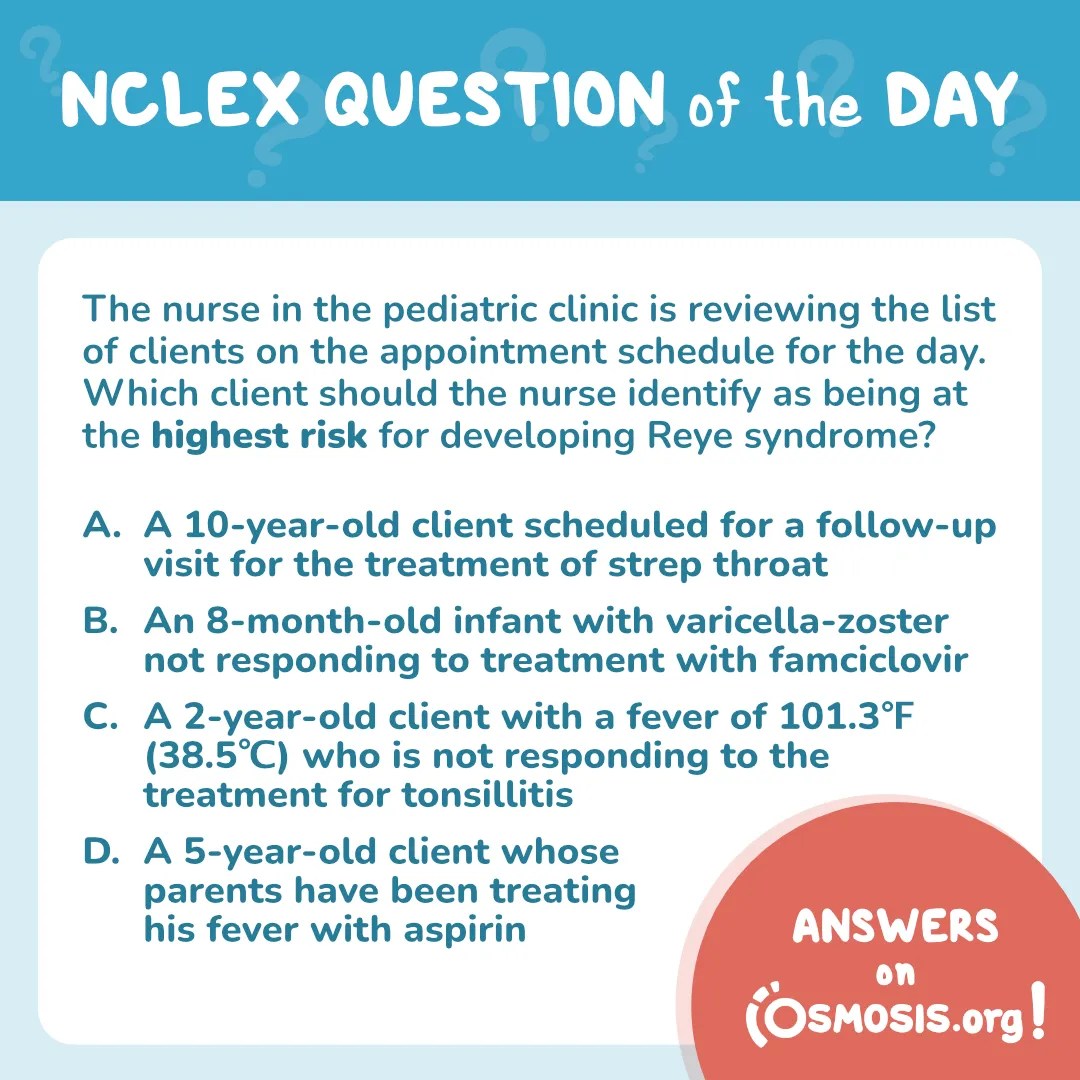
NCLEX-RN® Question of the Day: Reye syndrome risk
— Updated:
Today’s NCLEX-RN® question of the day focuses on risk factors associated with the development of Reye syndrome. Can you figure it out? The nurse in the pediatric clinic is reviewing the list of clients on the appointment schedule for the day. Which client should the nurse identify as being at…
-
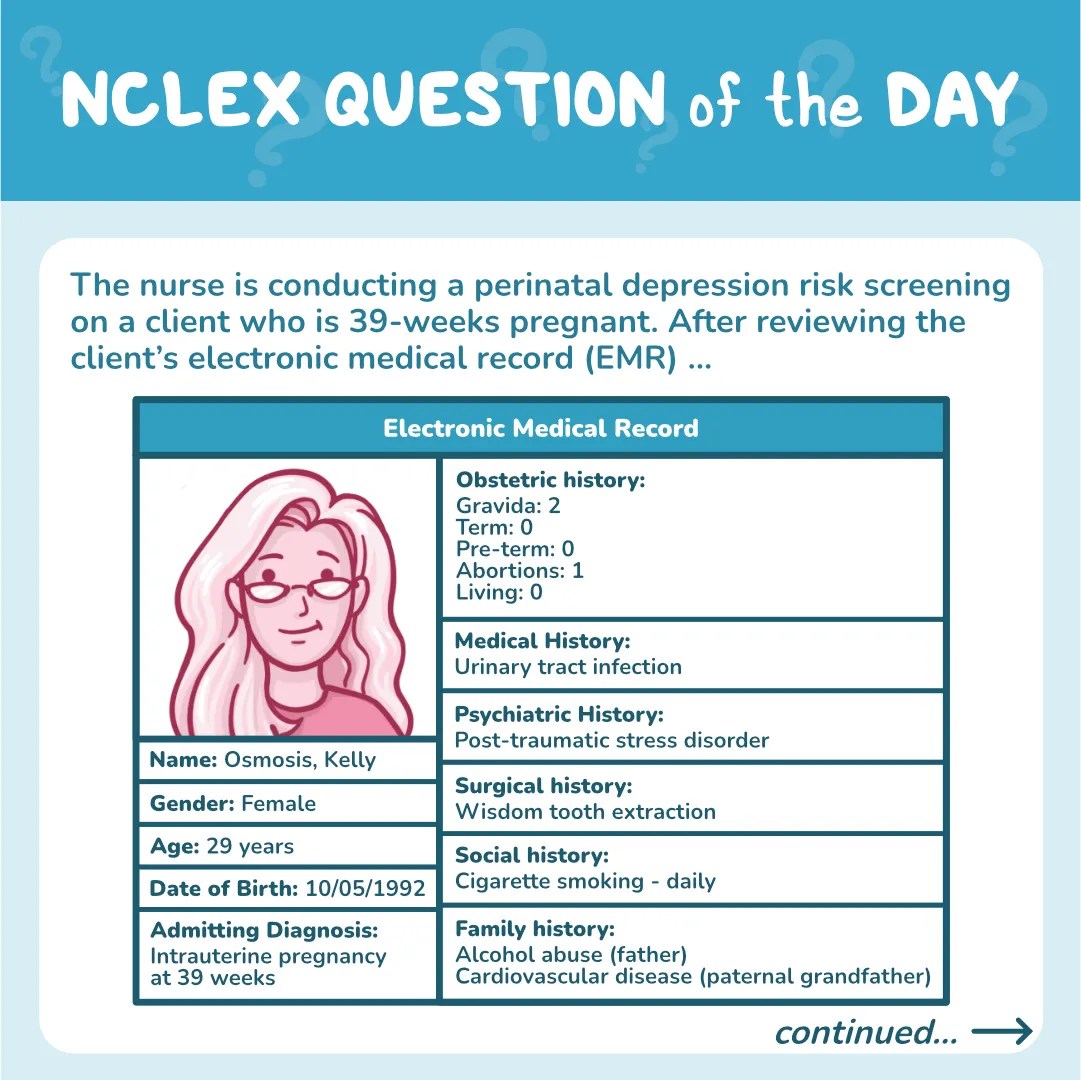
NCLEX-RN® Question of the Day: Perinatal depression risk screening
— Updated:
Today’s NCLEX-RN® question of the day focuses on risk factors for developing perinatal depression. The nurse is conducting a perinatal depression risk screening on a client who is 39-weeks pregnant. After reviewing the client’s electronic medical record (EMR), which finding should the nurse identify as a risk factor for developing…
-
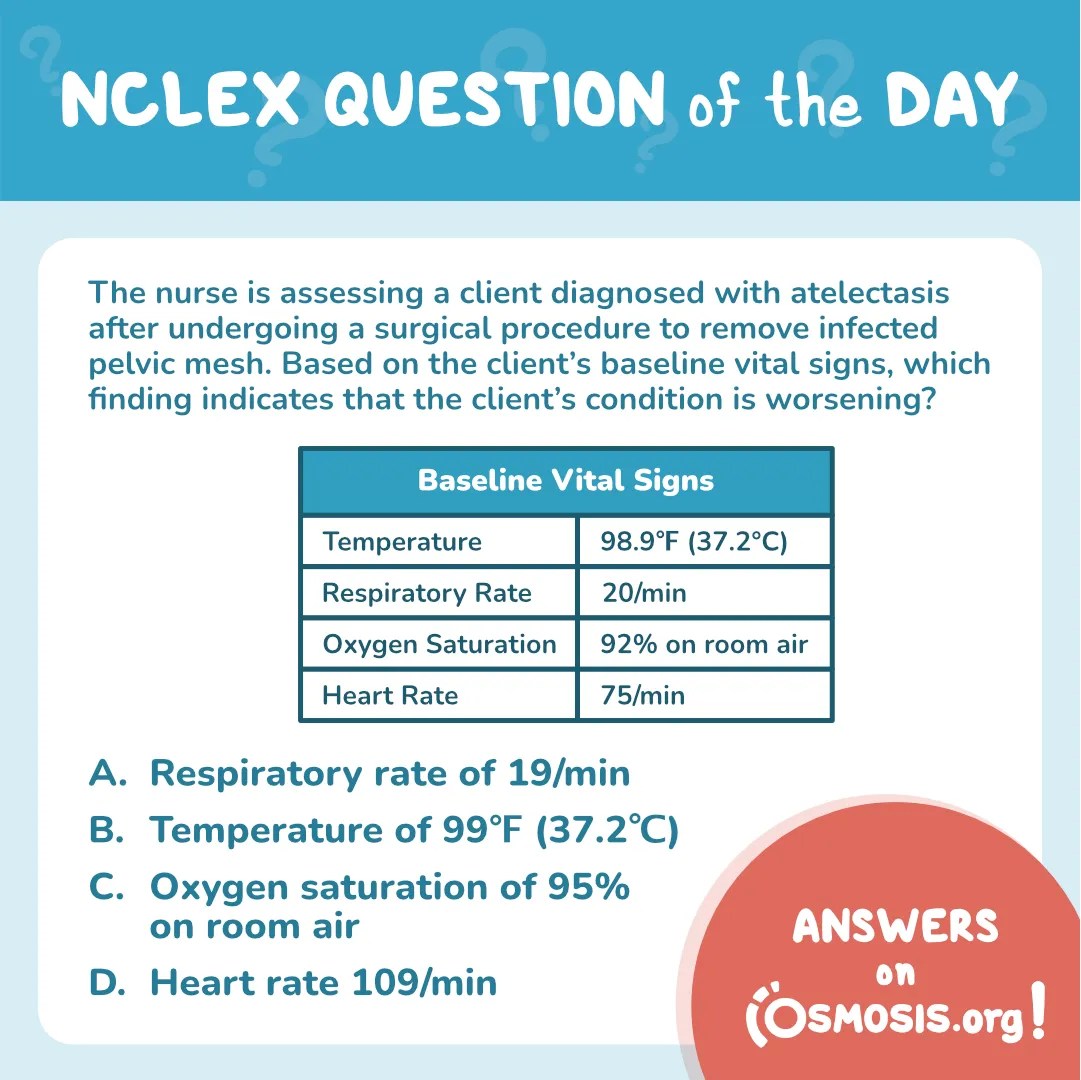
NCLEX-RN® Question of the Day: Atelectasis after removal of pelvic mesh
— Updated:
Today’s NCLEX-RN® question of the day focuses on the client’s baseline vital signs after surgery. Can you figure it out? The nurse is assessing a client diagnosed with atelectasis after undergoing a surgical procedure to remove infected pelvic mesh. Based on the client’s baseline vital signs, which finding indicates that the…
-
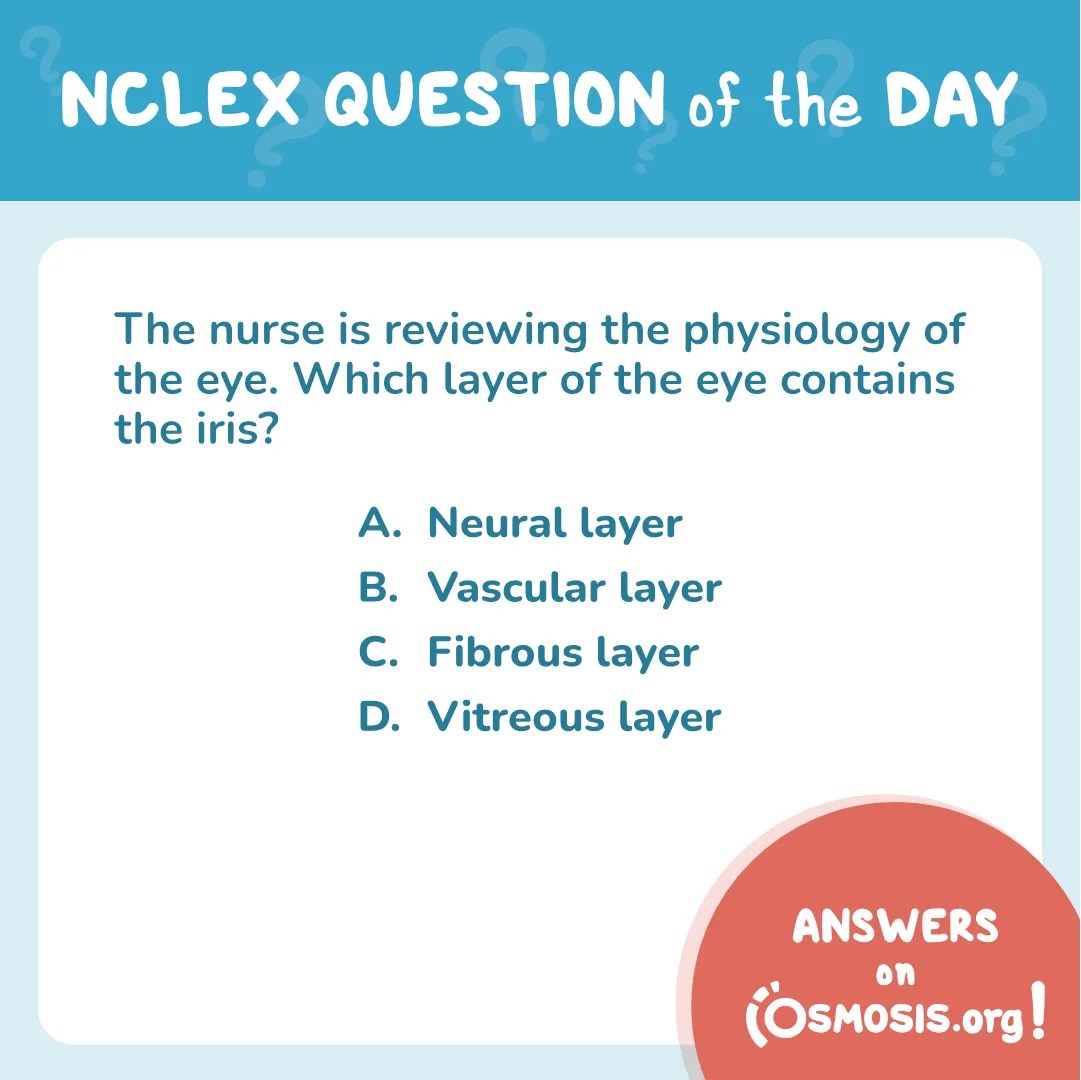
NCLEX-RN® Question of the Day: Physiology of the eye
— Updated:
Today’s NCLEX-RN® question of the day focuses on the physiology of the eye. The nurse is reviewing the physiology of the eye. Which layer of the eye contains the iris? A. Neural layer B. Vascular layer C. Fibrous layer D. Vitreous layer Scroll down for the correct answer! Check out our NCLEX-RN Study…
-
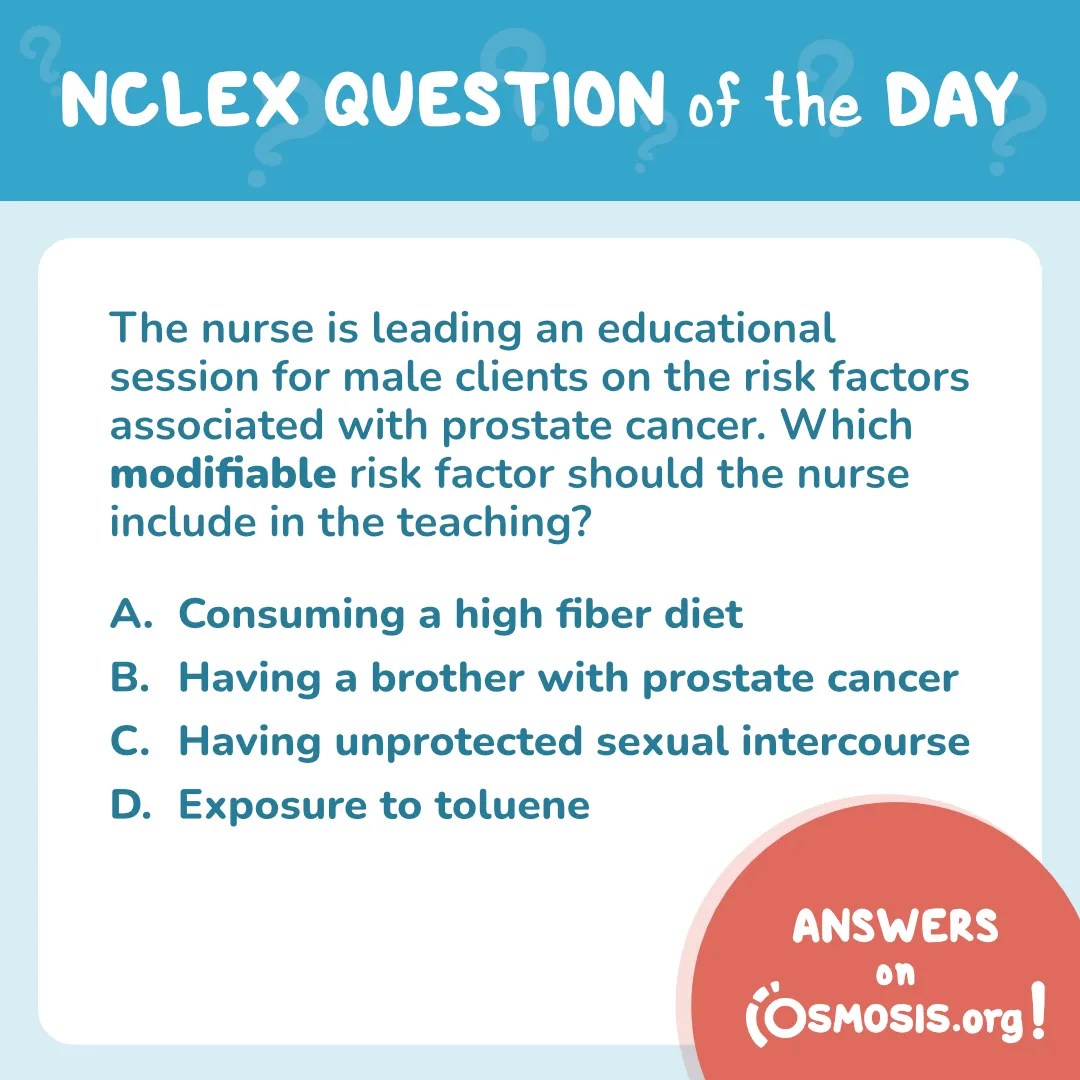
NCLEX-RN® Question of the Day: Modifiable risk factors for prostate cancer
— Updated:
Today’s NCLEX-RN® question of the day focuses on modifiable risk factors associated with prostate cancer. Can you figure it out? The nurse is leading an educational session for male clients on the risk factors associated with prostate cancer. Which modifiable risk factor should the nurse include in the teaching? A. Consuming a high fiber diet…
-
How to Answer Different Question Types on the NCLEX®
— Updated:
Osmosis recently hosted nurse Elizabeth “Liz” Lucas for an insightful webinar explaining the different types of NCLEX questions and providing some strategies for conquering them. In addition to working as a nurse, Liz is the Senior Content Manager at Osmosis and head of the question writing team for us. If you’re curious…
-

The NCLEX-RN® Pass Rates for 2022
— Updated:
The National Council Licensure Examination (NCLEX®), administered by the National Council of State Boards of Nursing (NCSBN), is the exam that aspiring nurses must pass to apply for licensure in a state board of nursing. Learn more about the 2022 NCLEX pass rate for both U.S. and International nursing students…
-
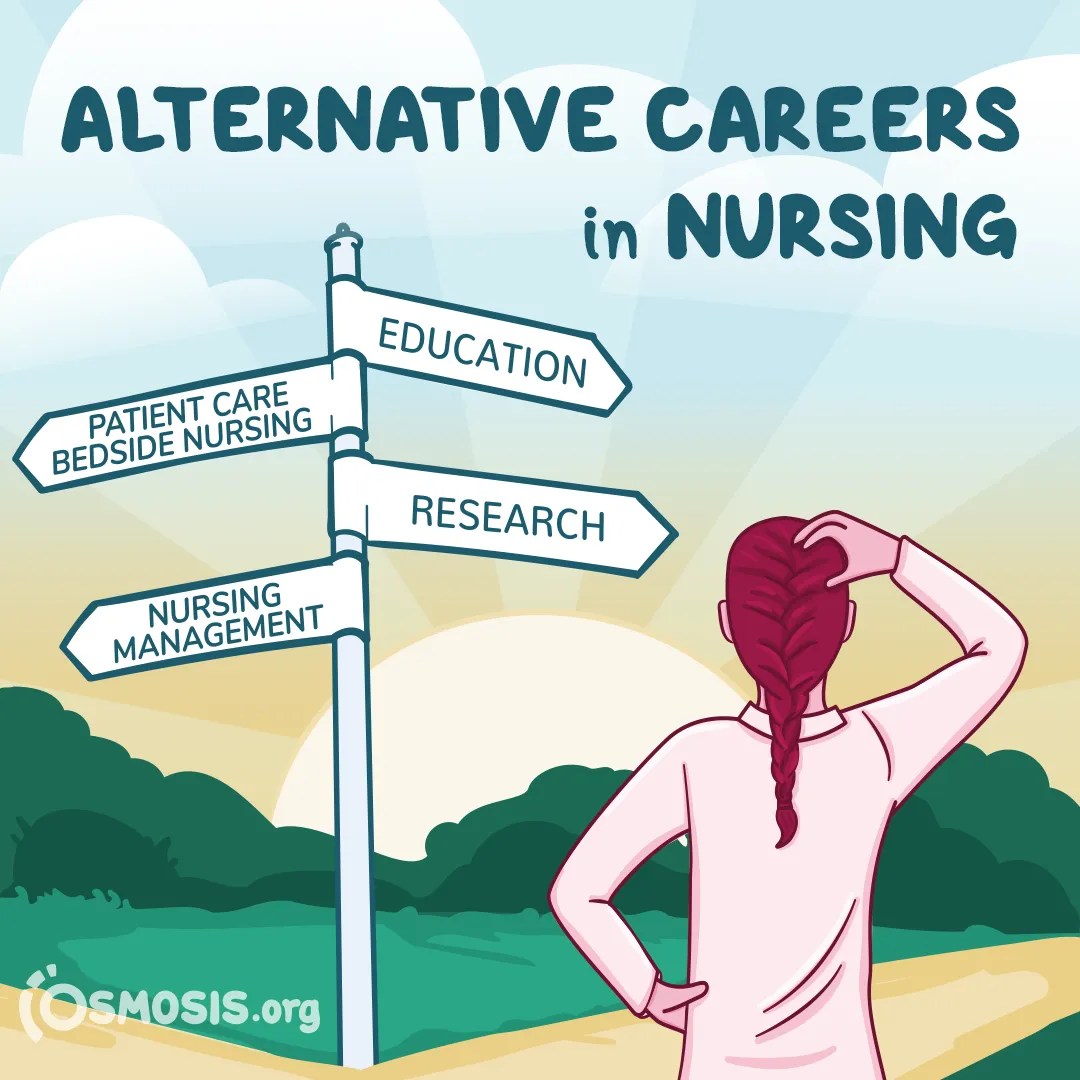
Alternative Careers in Nursing
— Updated:
Nursing is a complex and evolving profession that offers endless career opportunities. Depending on location, skills or interests, as well as financial capabilities and experiences, obtaining a nursing degree can lead to many opportunities in different healthcare settings. In this article, we break down the different career paths for nursing,…
-

NCLEX-RN® Question of the Day: Venous insufficiency
— Updated:
Today’s NCLEX-RN® question of the day focuses on a client diagnosed with venous insufficiency. Can you figure it out? The nurse is interviewing a client diagnosed with venous insufficiency. Which of the following statements by the client is consistent with this diagnosis? A. “My feet are always cold, and I can’t…
-

Your Nursing Grad School Questions: Answered
— Updated:
You may not be really thinking about graduate school yet because you’re in the throes of your undergraduate degree, but it’s never too early to start planning for what your next degree might be! A recent report stated that nearly 88,000 bedside nurses are leaving to go to graduate school.…
-
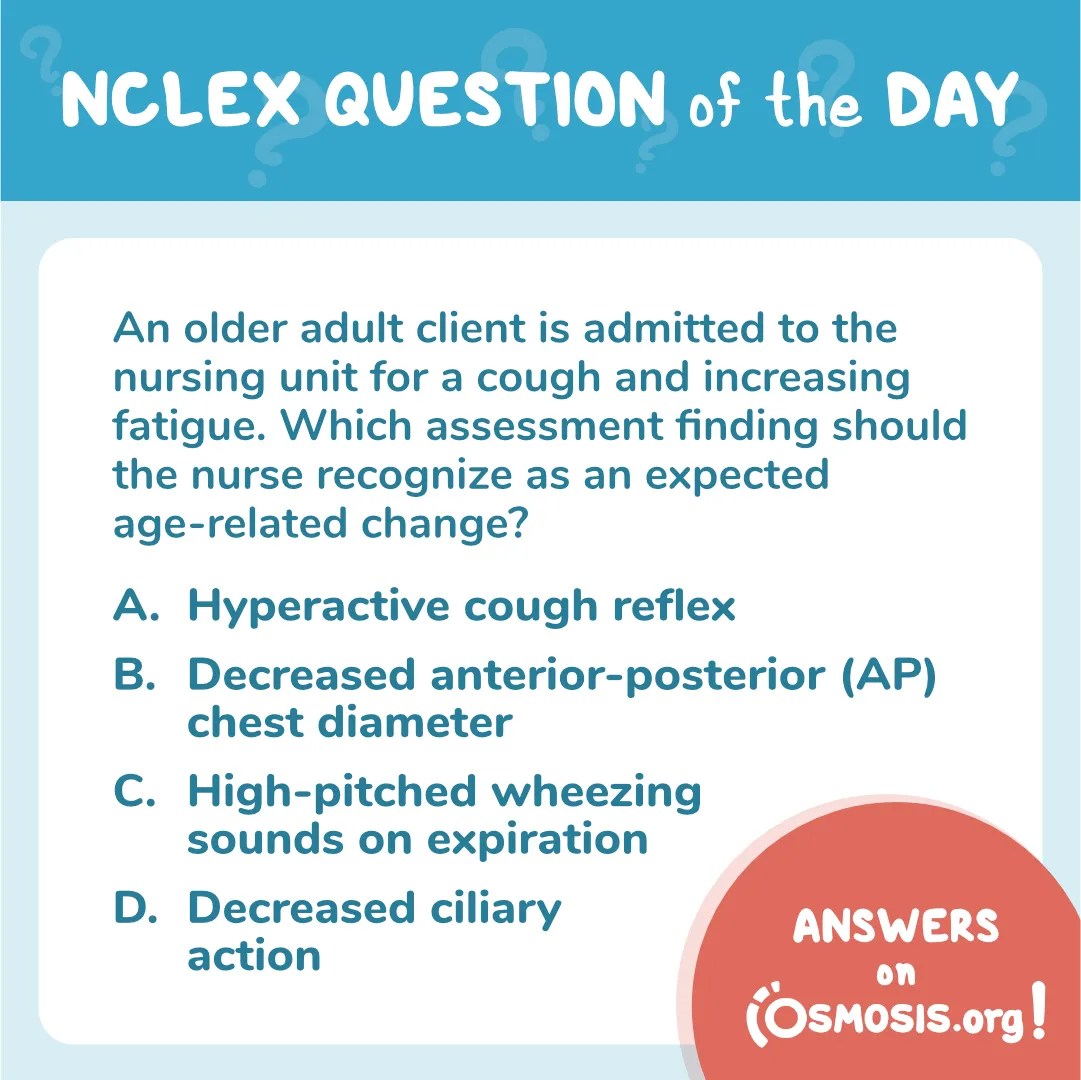
NCLEX-RN® Question of the Day: Age-related changes
— Updated:
Today’s NCLEX-RN® question of the day focuses on which assessment findings are expected to be found in older patients and which are not. An older adult client is admitted to the nursing unit for a cough and increasing fatigue. Which assessment finding should the nurse recognize as an expected age-related…
-
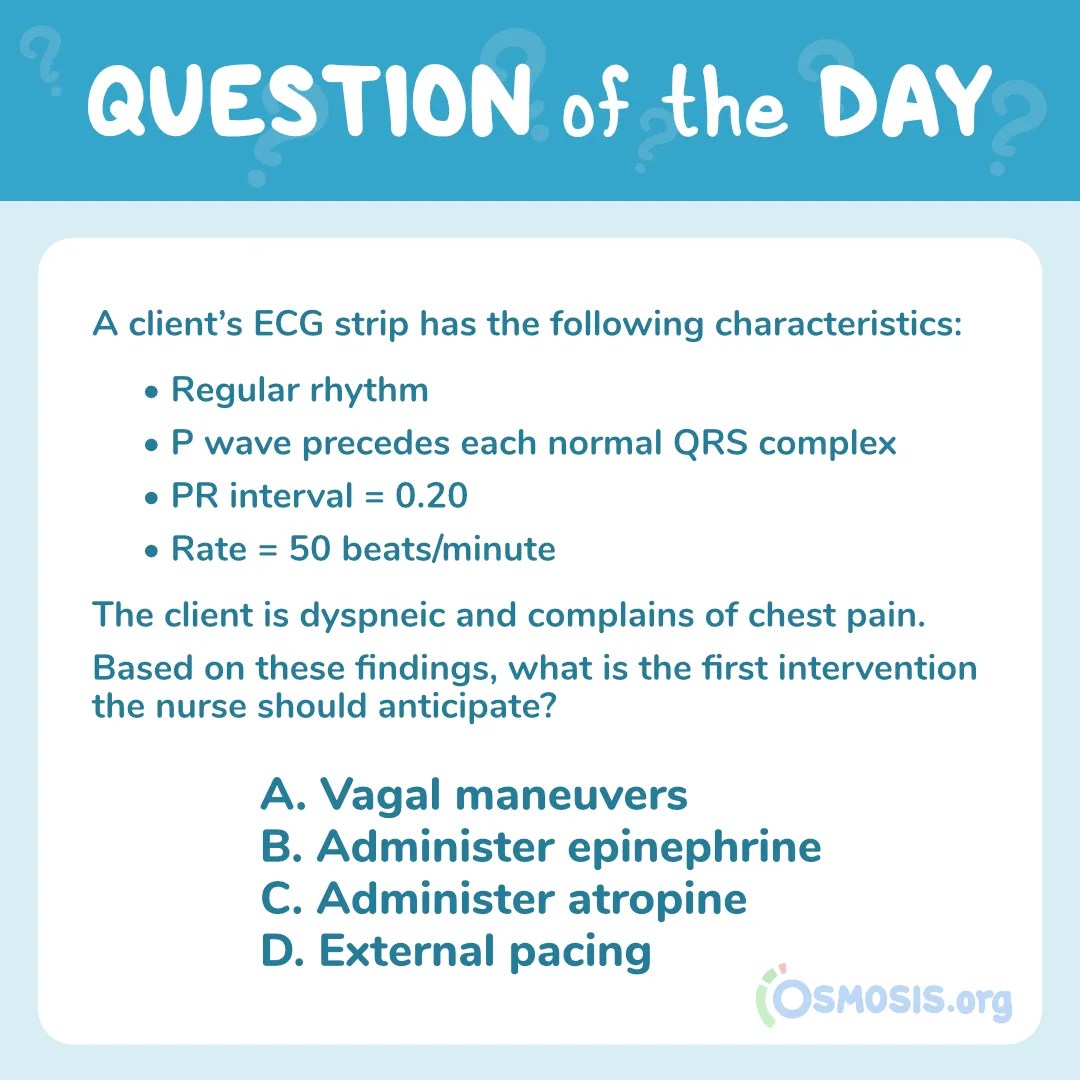
NCLEX-RN® Question of the Day: Electrocardiogram (ECG) strip
— Updated:
A patient with a slow, regular heart rhythm presents with chest pain and dyspnea. Which nursing intervention should be anticipated first?
-
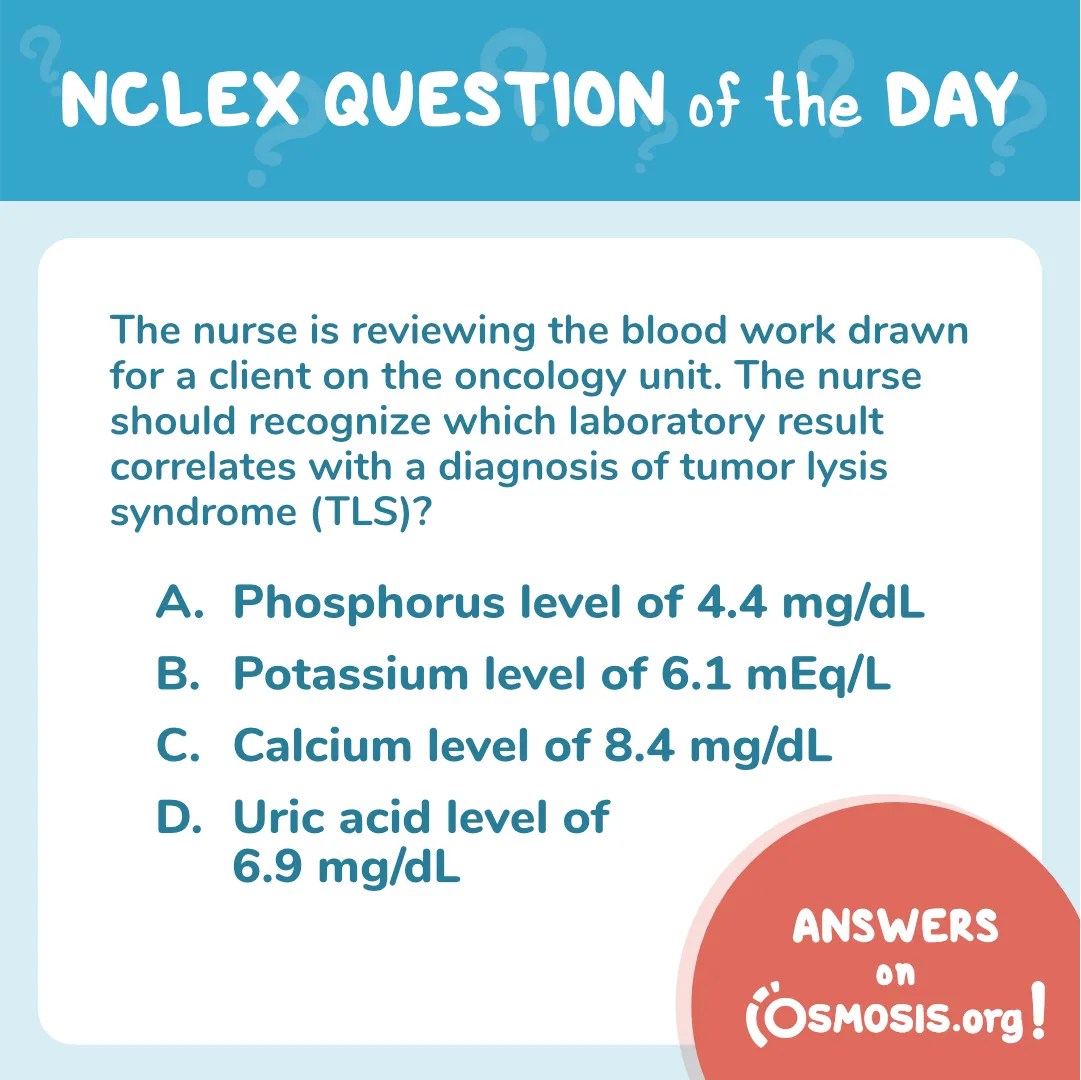
NCLEX-RN® Question of the Day: Tumor lysis syndrome (TLS)
— Updated:
Today’s NCLEX-RN® question of the day focuses on a nurse reviewing laboratory results on an oncology unit. The nurse is reviewing the blood work drawn for a client on the oncology unit. The nurse should recognize which laboratory result correlates with a diagnosis of tumor lysis syndrome (TLS)? A. Phosphorus…
-
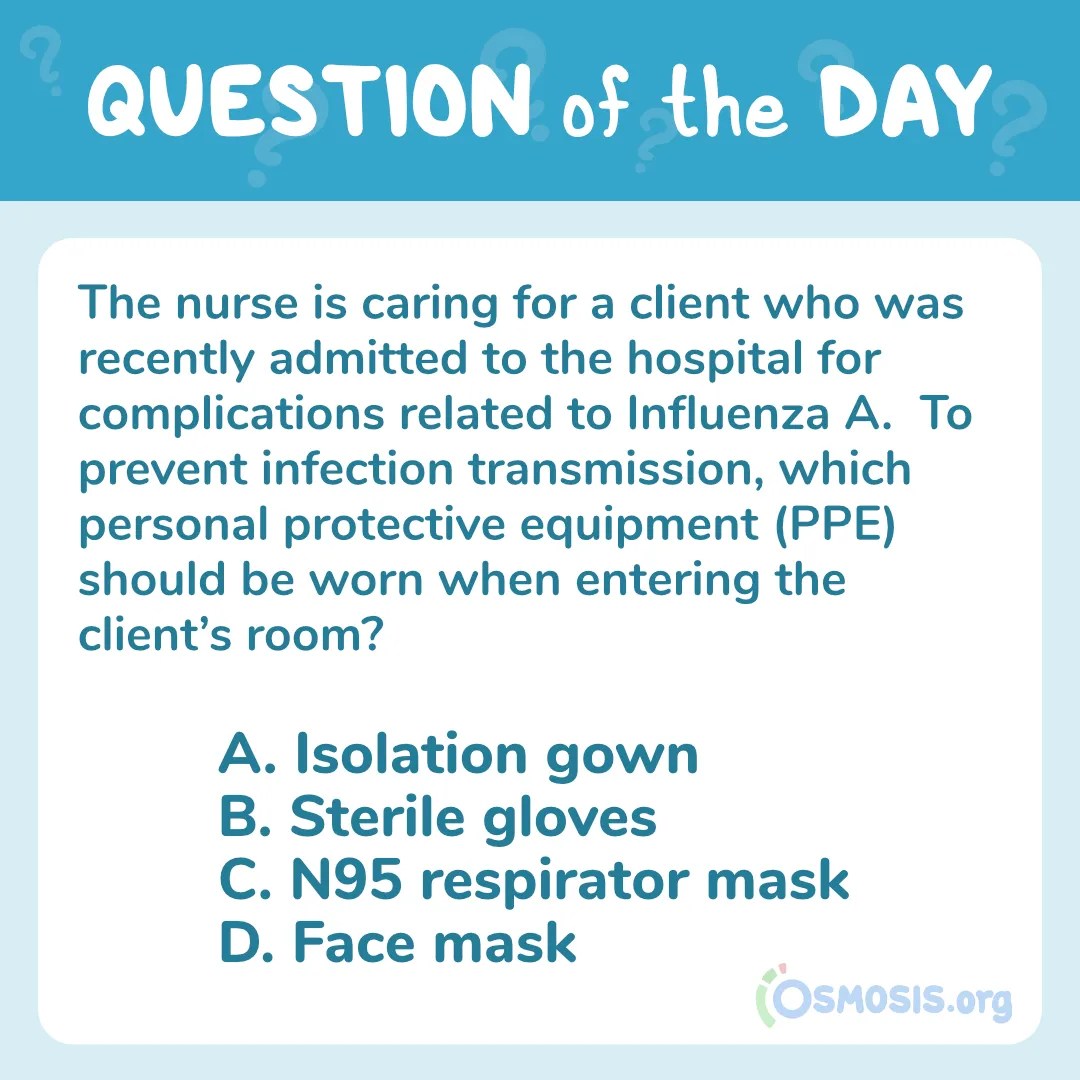
NCLEX-RN® Question of the Day: Influenza A
— Updated:
Which PPE should a nurse wear when caring for a patient with Influenza A to effectively prevent transmission of the virus?
-
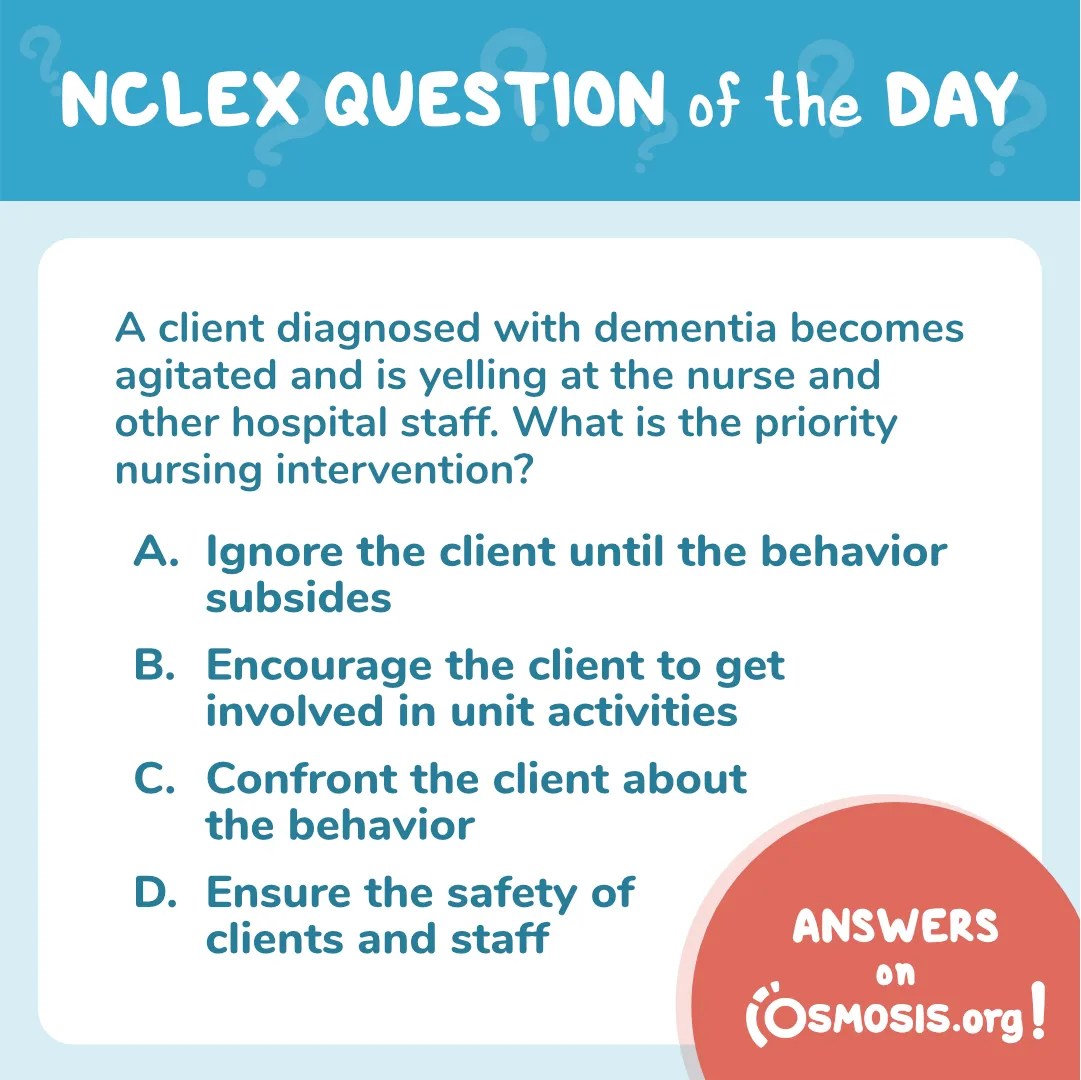
NCLEX-RN® Question of the Day: Agitated dementia client
— Updated:
Today’s NCLEX-RN® question of the day focuses on how a nurse should handle an agitated client diagnosed with dementia. The nurse in the medical-surgical unit is caring for a client diagnosed with dementia. The client becomes agitated and starts to yell at the nurse and other hospital staff. Which is…
-
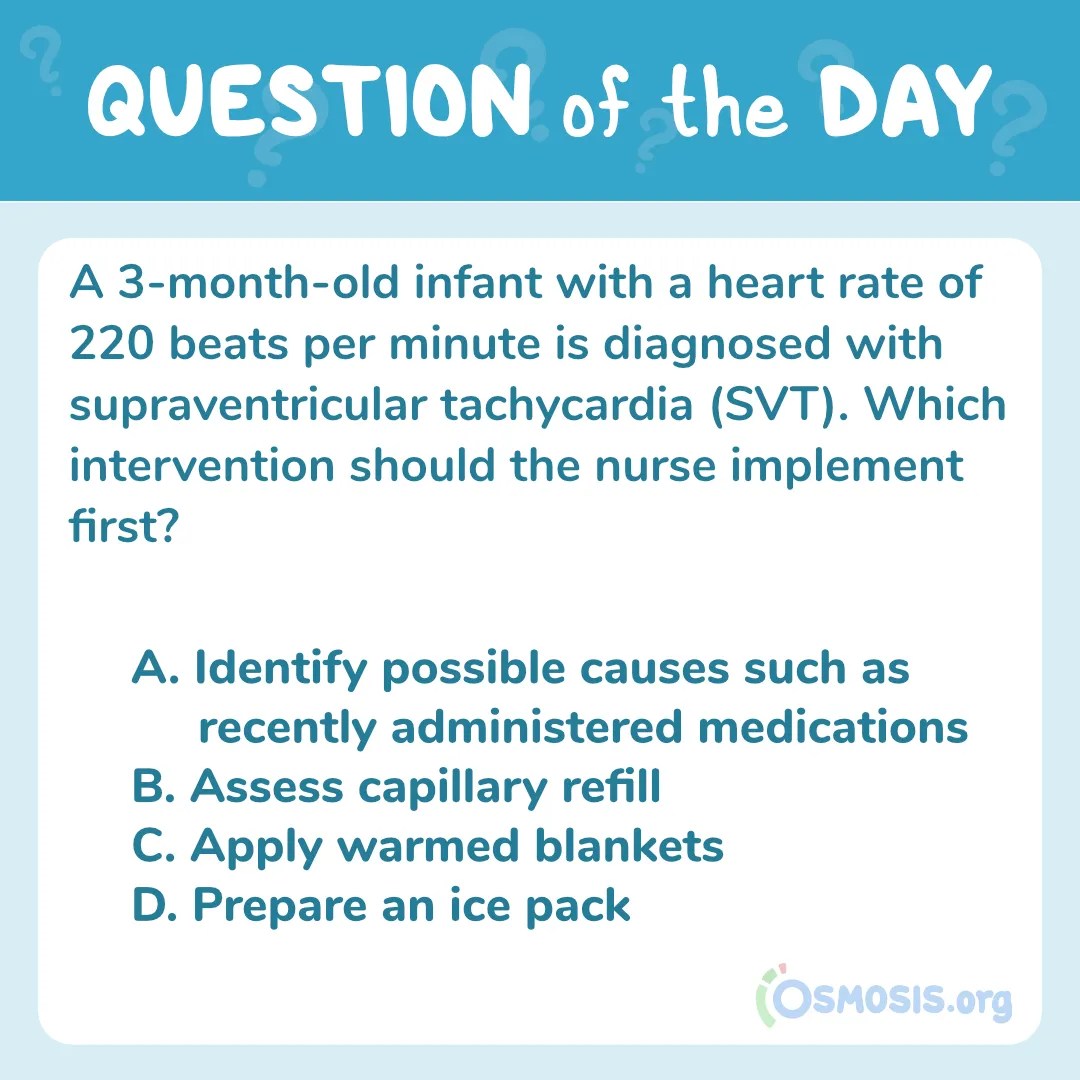
NCLEX-RN® Question of the Day: Supraventricular tachycardia (SVT) in an infant
— Updated:
Today’s NCLEX-RN® question of the day focuses on a nurse taking care of an infant with SVT. A 3-month-old infant with a heart rate of 220 beats per minute is diagnosed with supraventricular tachycardia (SVT). Which intervention should the nurse implement first? A. Identify possible causes such as recently administered medications …
-

Active Recall: The Most Effective High-Yield Learning Technique
— Updated:
Are you maximizing your study effectiveness? Many healthcare and medical students rely on familiar methods like rereading text or flashcards without realizing it’s less effective. Discover science-backed study techniques that can improve learning, boost your exam performance, and transform your study habits.
-
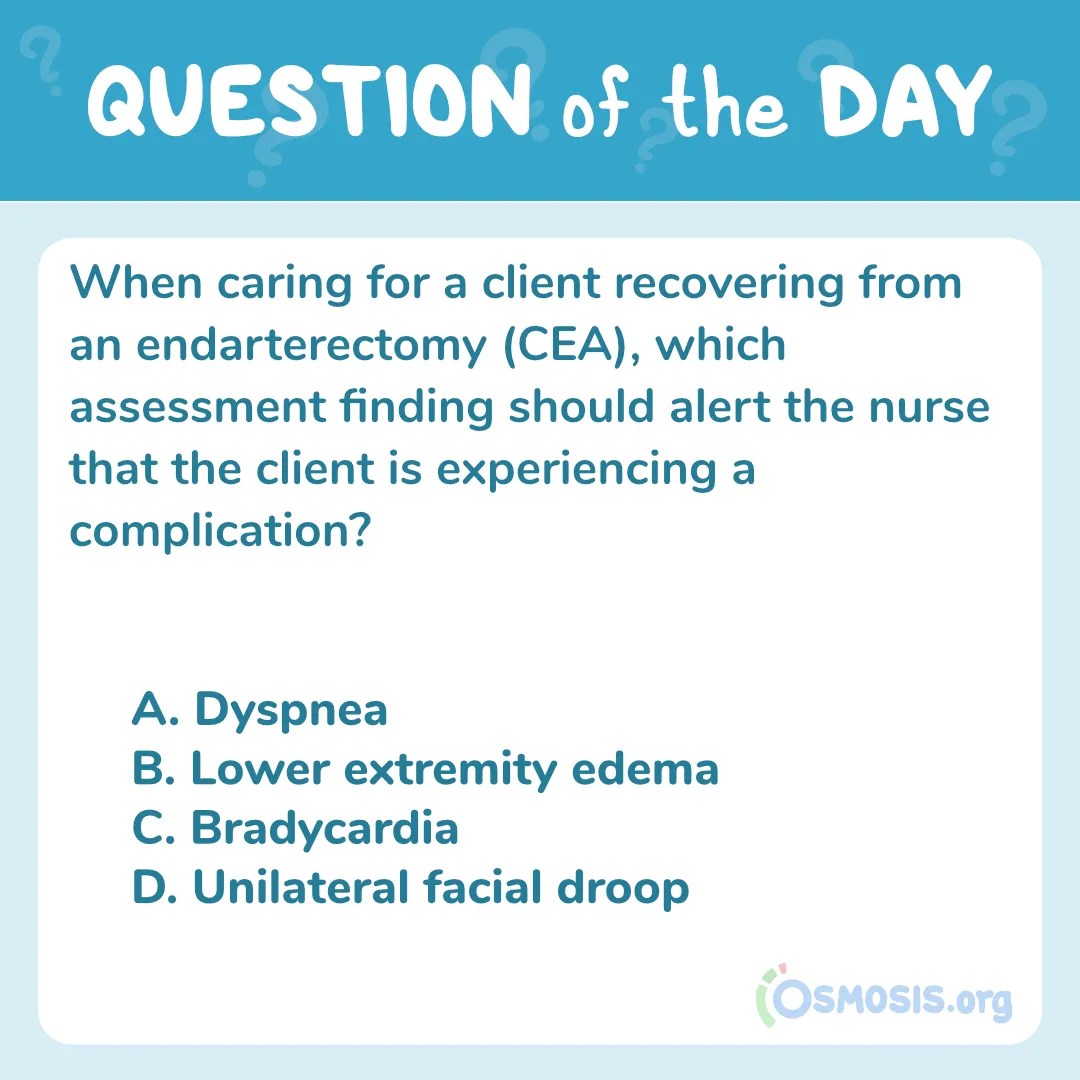
NCLEX-RN® Question of the Day: Carotid endarterectomy (CEA)
— Updated:
Today’s NCLEX-RN® question of the day focuses on a nurse taking care of a client who is recovering from a carotid endarterectomy. When caring for a client recovering from a carotid endarterectomy (CEA), which assessment finding should alert the nurse that the client is experiencing a complication? A. Dyspnea B.…
-
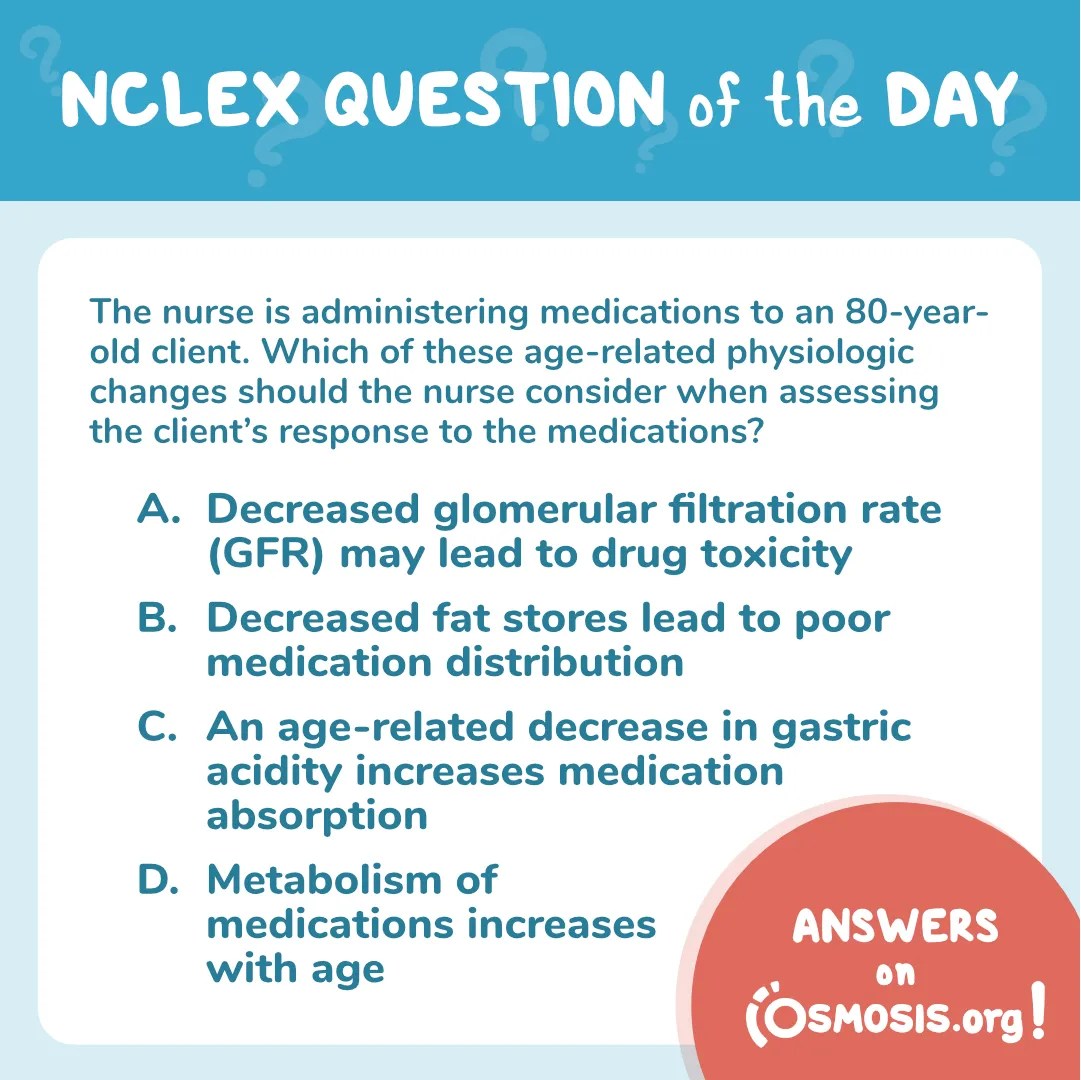
NCLEX-RN® Question of the Day: Age-related physiological changes
— Updated:
Explore an NCLEX® question on how aging impacts drug response, focusing on decreased GFR and risks of medication toxicity in elderly patients.
-
My First Clinical Nursing Experience
— Updated:
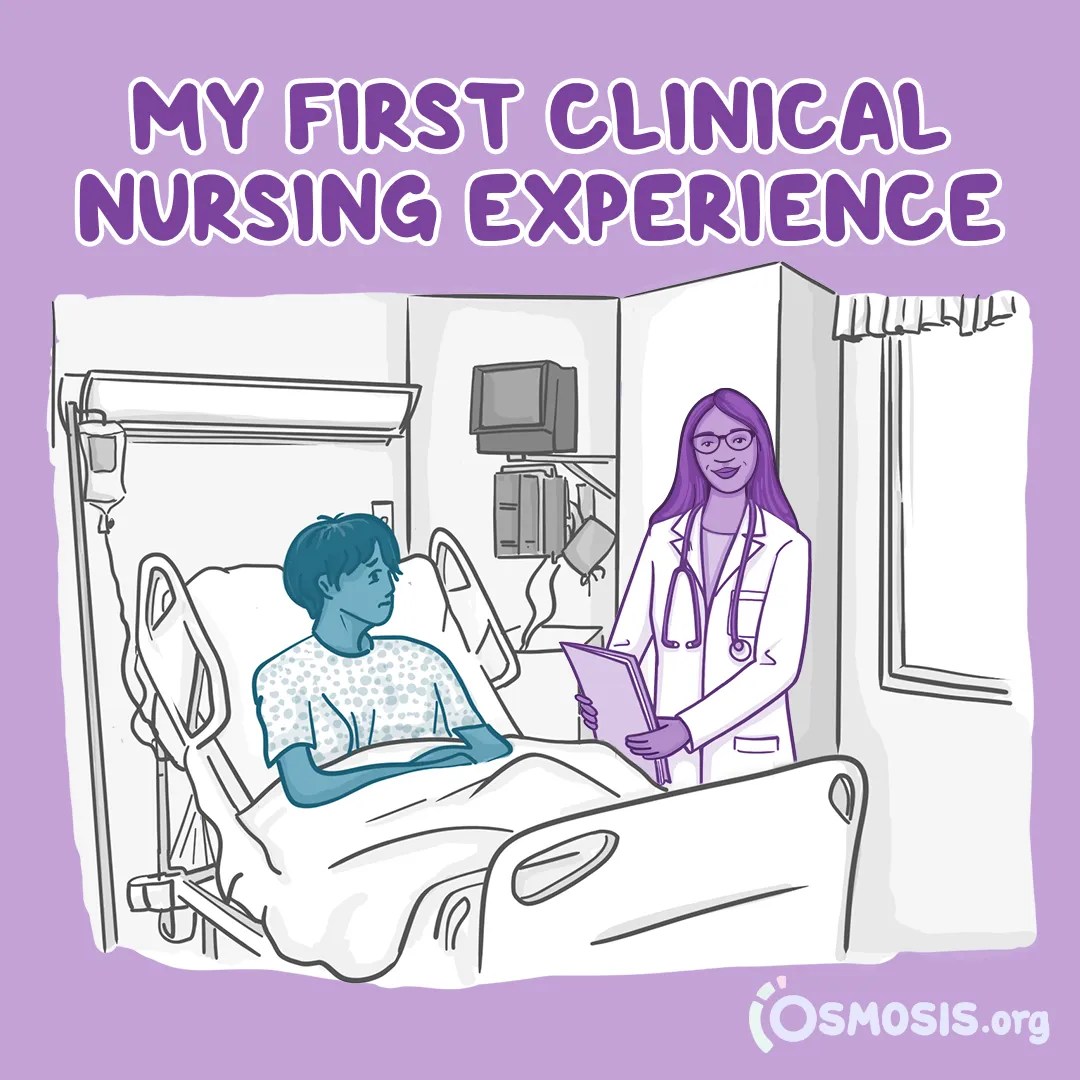
Today on the blog, Osmosis Nursing Student Ambassador (ONSA) Nishtha Patel shares her experiences in clinicals. Her words of wisdom can help you understand what to expect, and how to approach this big step with confidence! One thing that comes to mind when you decide to go to nursing school…
-
NCLEX-RN® Question of the Day: Hospice
— Updated:
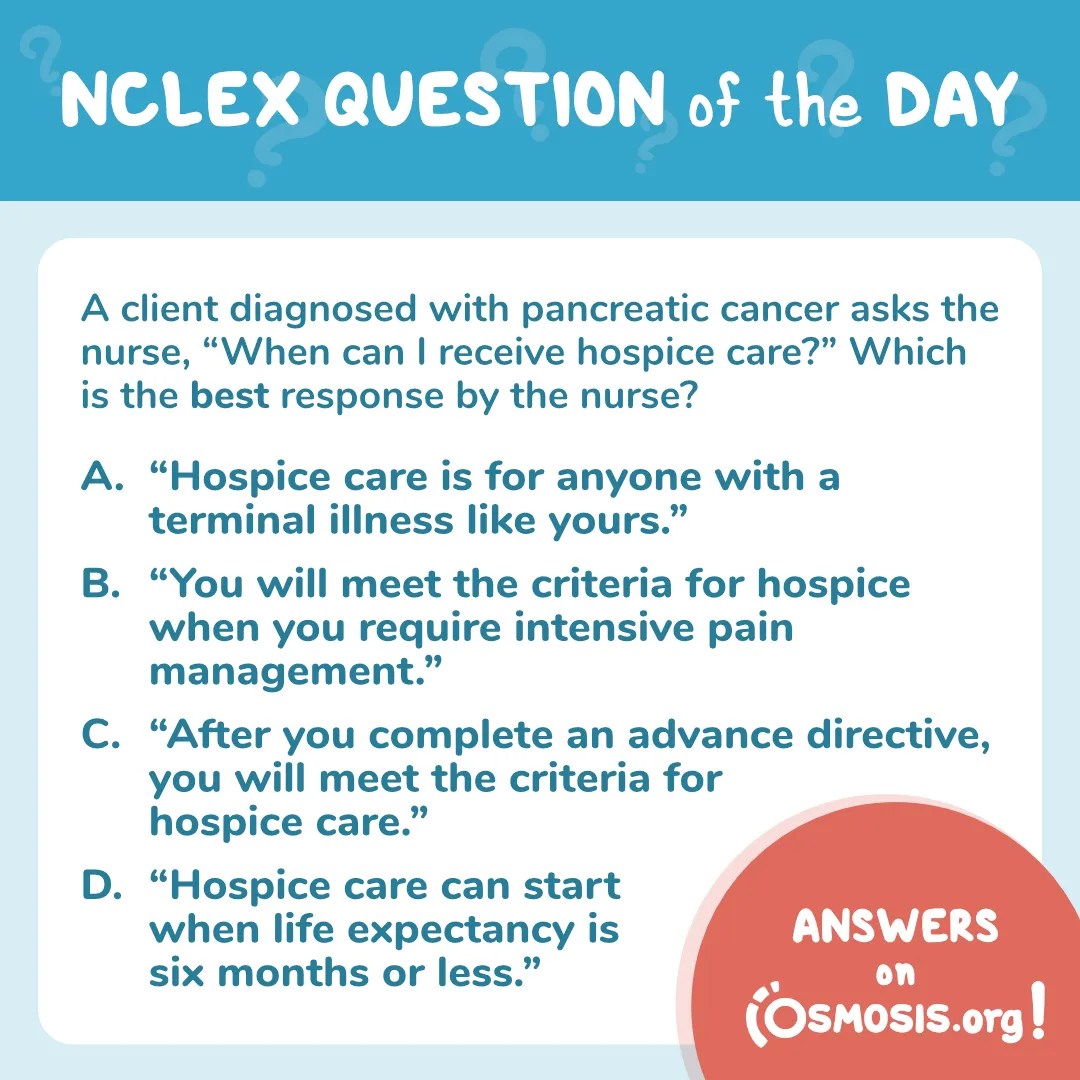
Today’s NCLEX-RN® question of the day focuses on a client’s right to receive hospice care. A client diagnosed with pancreatic cancer asks the nurse, “When can I receive hospice care?” Which is the best response by the nurse? A. “Hospice care is for anyone with a terminal illness like yours.” B. “You will meet…
-
Your Why: The Most Powerful Tool You Have In Nursing School
— Updated:
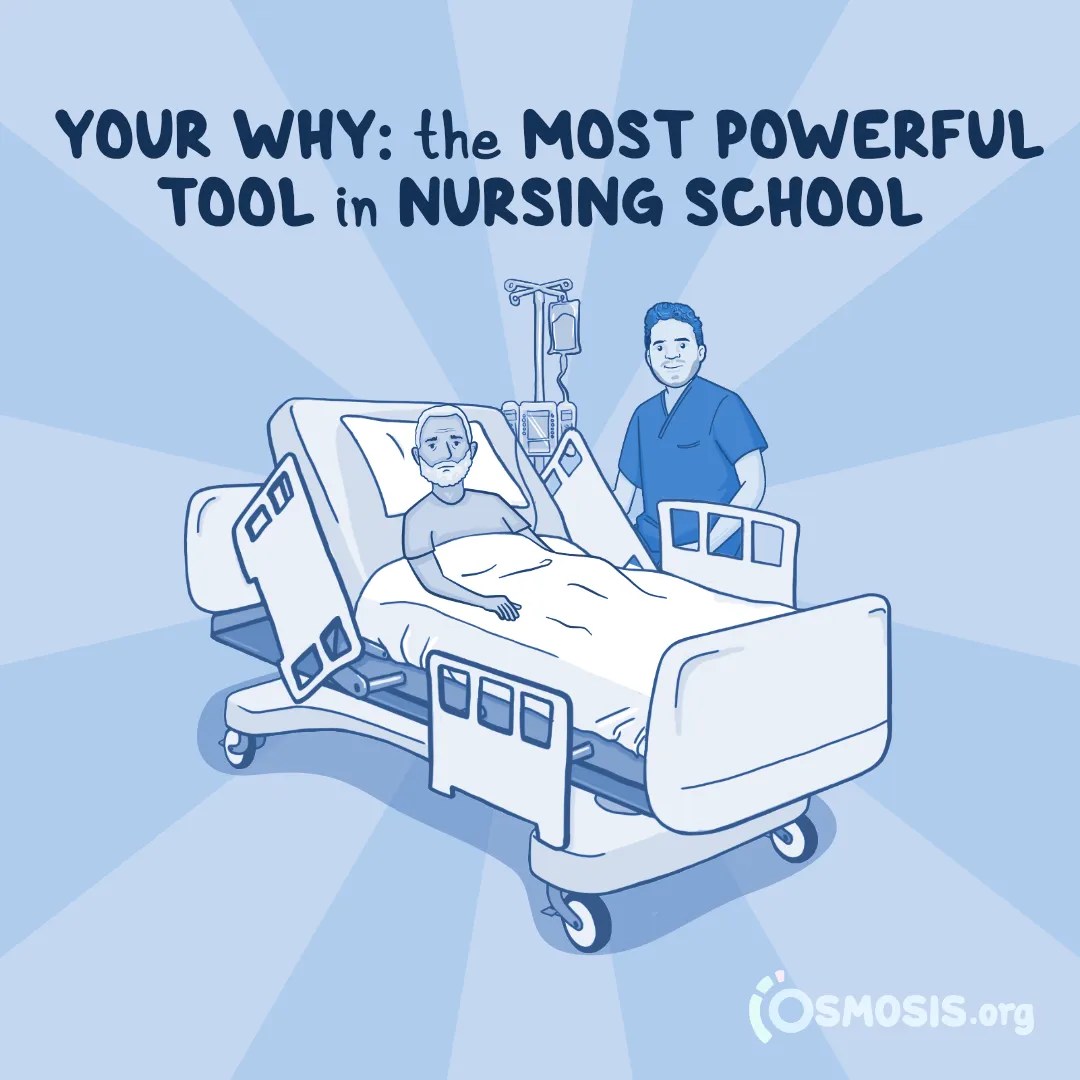
Today, Osmosis Student Nurse Ambassador Trey Parker shares what has helped him get through nursing school set on “hard mode”. From the pandemic disrupting clinical learning to a hurricane wreaking havoc on his community. He shares just how important a “WHY” can be and how you can pair that with…
-
NCLEX-RN® Question of the Day: Enoxaparin
— Updated:
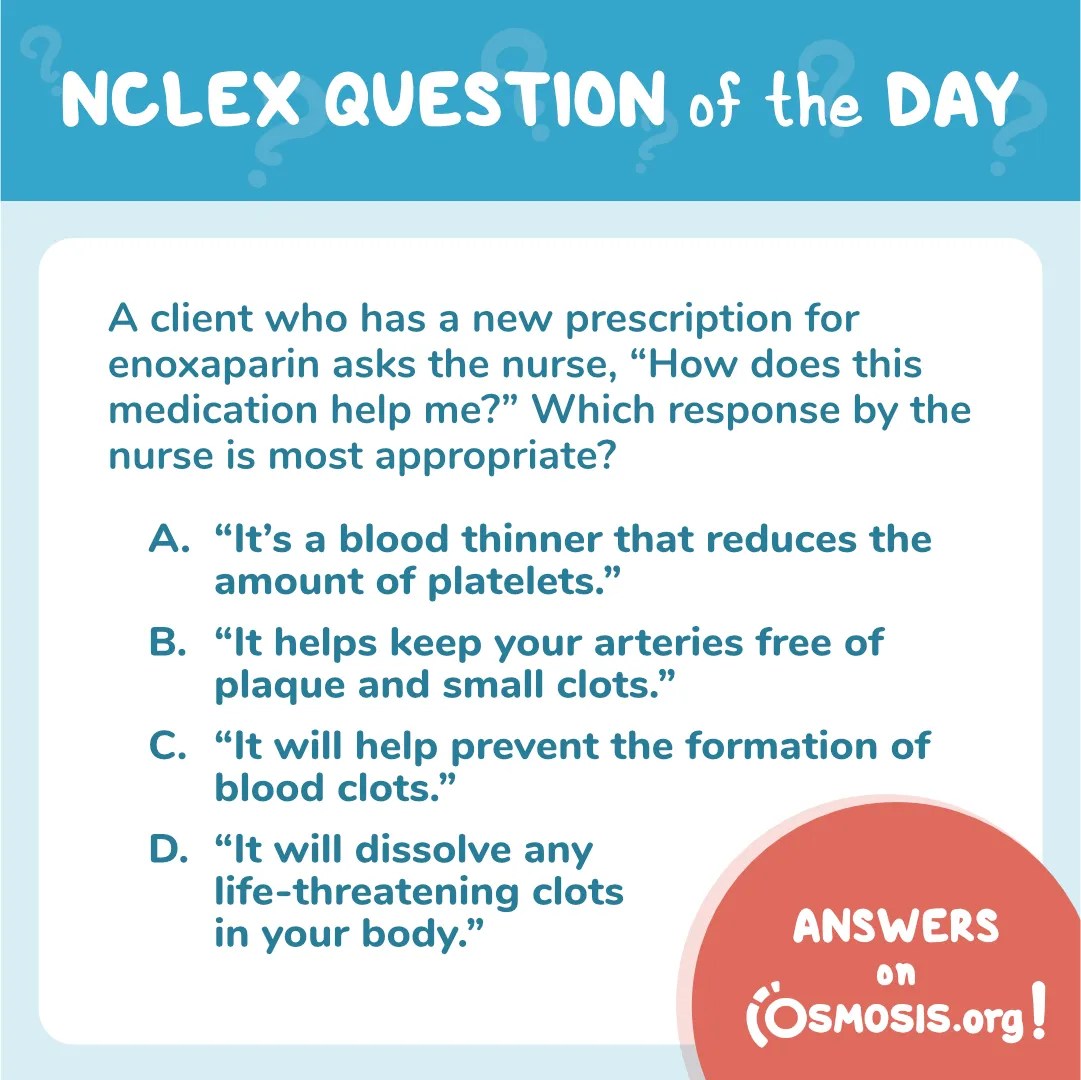
How does enoxaparin help patients? Understand its role in preventing blood clots without dissolving existing ones or affecting platelets.
-
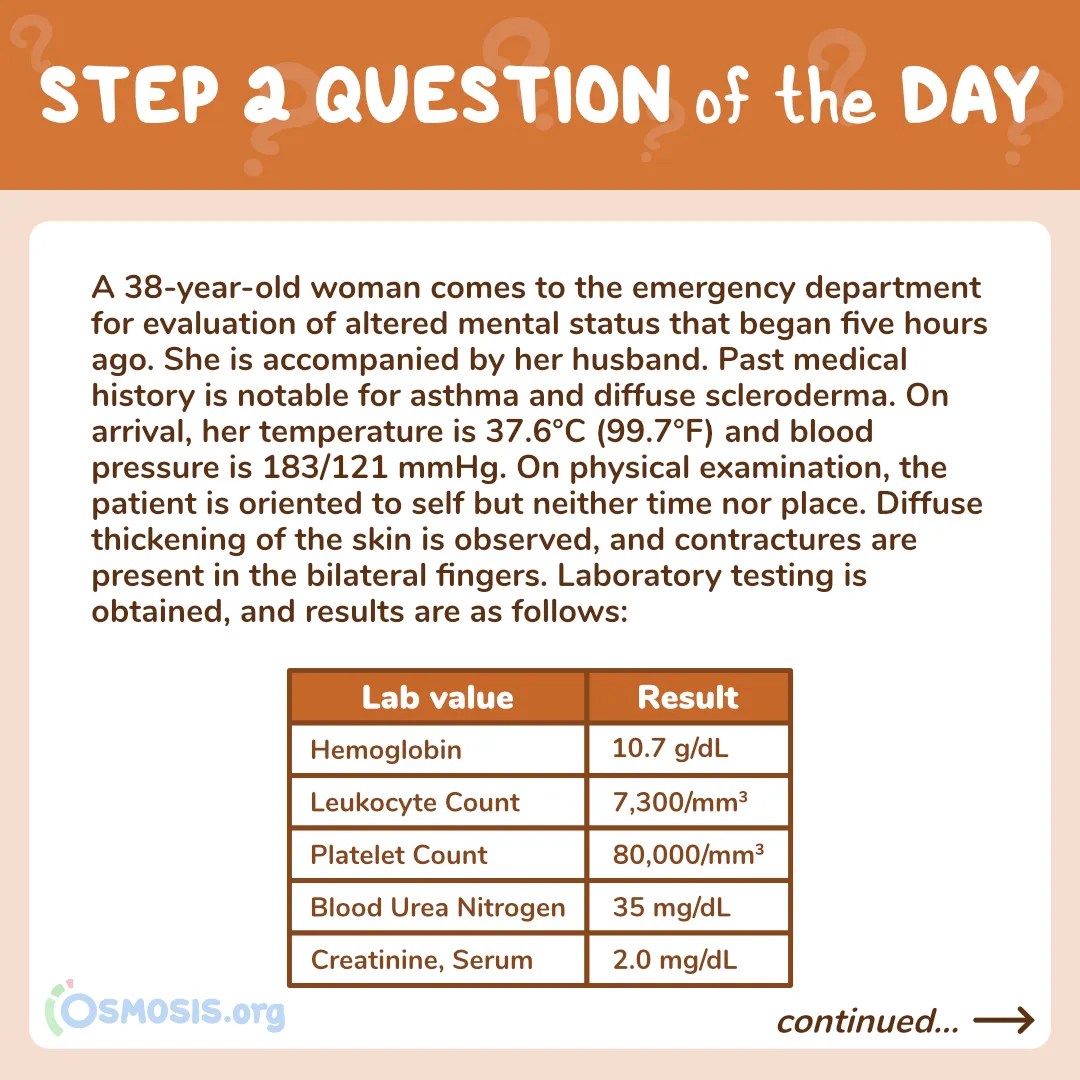
USMLE® Step 2 CK Question of the Day: Scleroderma Renal Crisis
— Updated:
A 38-year-old woman comes to the emergency department for evaluation of altered mental status that began five hours ago. She is accompanied by her husband. Past medical history is notable for asthma and diffuse scleroderma. On arrival, her temperature is 37.6°C (99.7°F) and blood pressure is 183/121 mmHg. On physical…
-
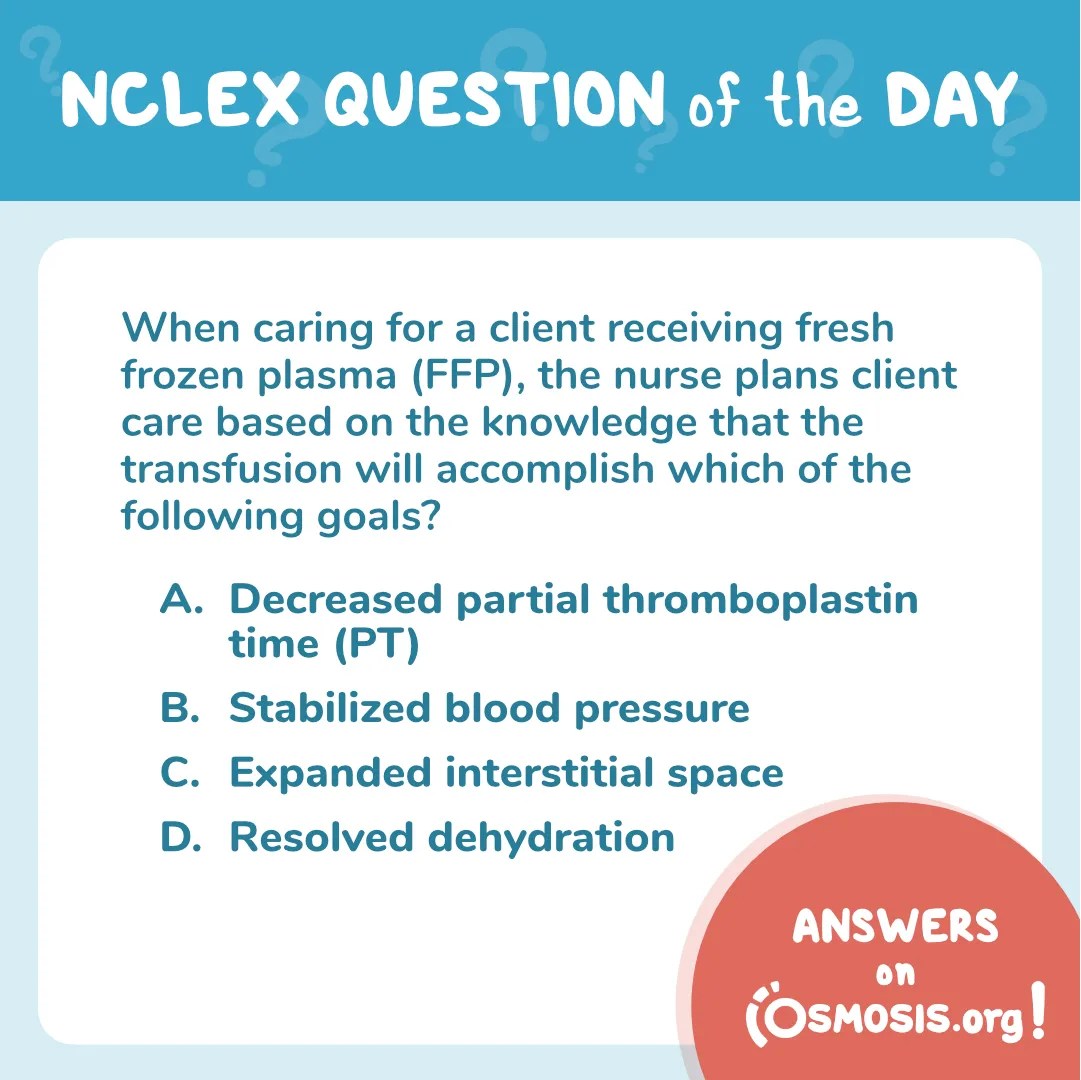
NCLEX-RN® Question of the Day: Fresh frozen plasma
— Updated:
Today’s NCLEX-RN® question of the day focuses on a client receiving fresh frozen plasma (FFP). When caring for a client receiving fresh frozen plasma (FFP), the nurse plans client care based on the knowledge that the transfusion will accomplish which of the following goals? A. Decreased partial thromboplastin time (PT)…
-
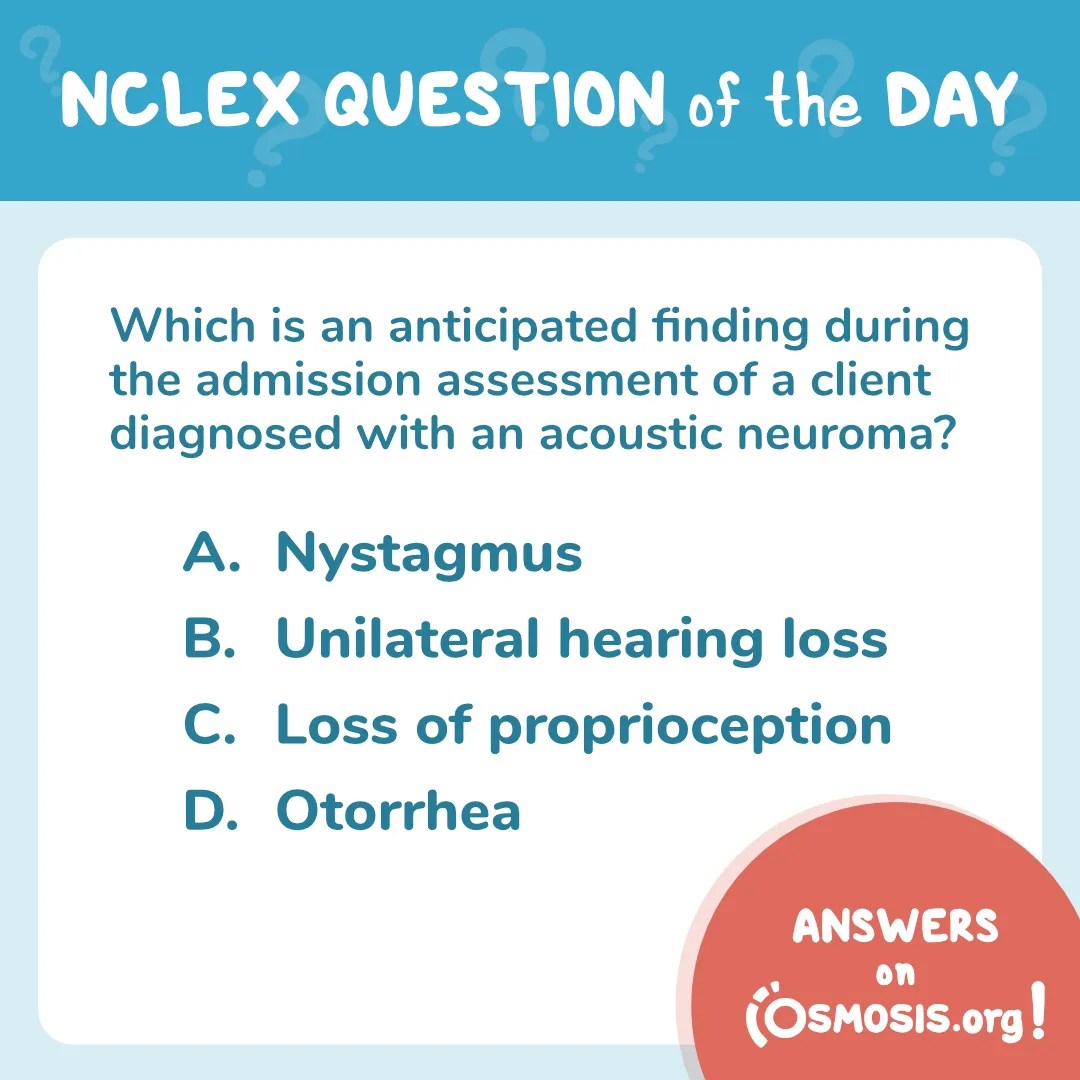
NCLEX-RN® Question of the Day: Acoustic neuroma
— Updated:
Which is an anticipated finding during the admission assessment of a client diagnosed with an acoustic neuroma? A. Nystagmus B. Unilateral hearing loss C. Loss of proprioception D. Otorrhea Scroll down for the correct answer! The correct answer to today’s NCLEX-RN® Question is… B. Unilateral hearing loss Rationale: Unilateral hearing loss…
-
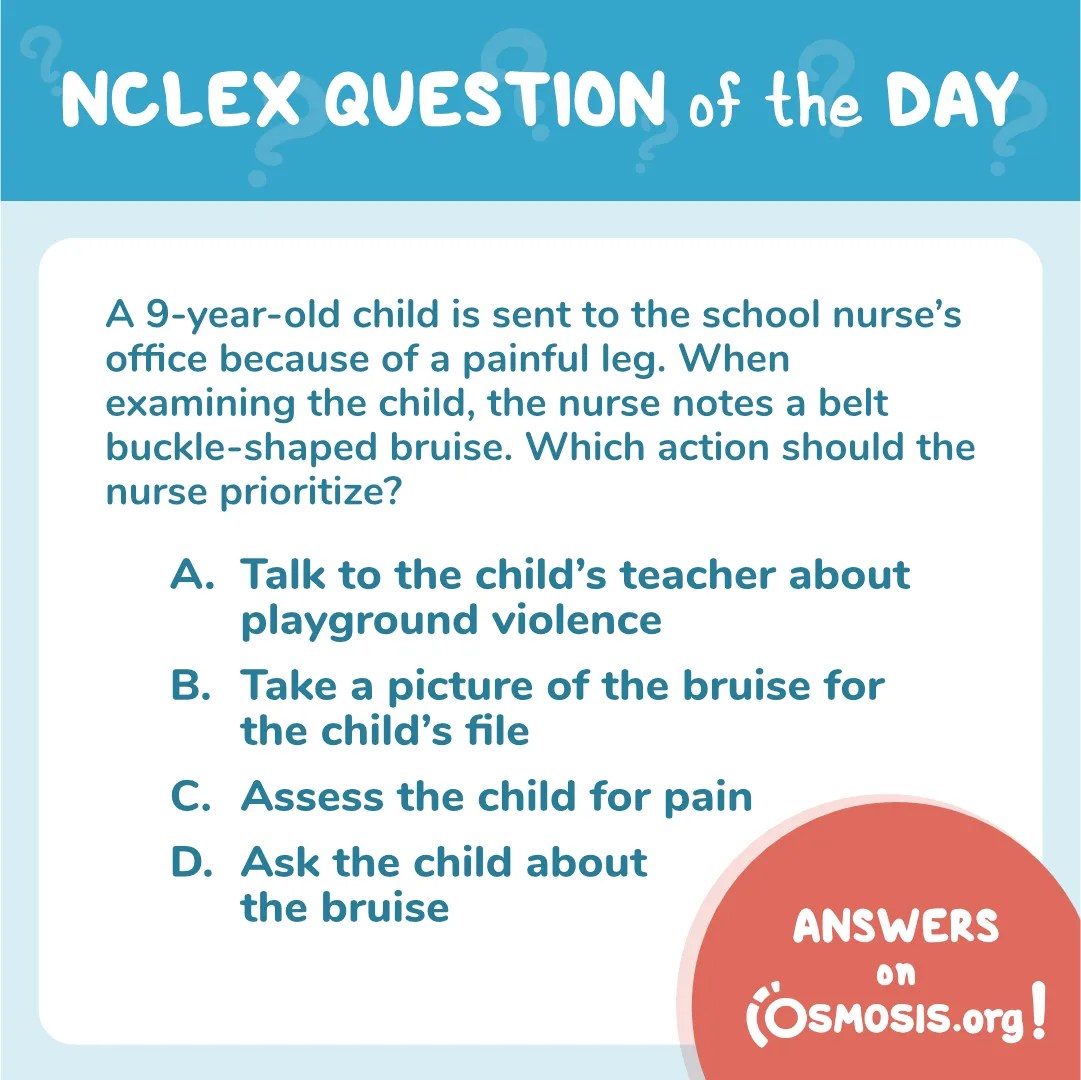
NCLEX-RN® Question of the Day: Leg pain
— Updated:
Today’s NCLEX-RN® question of the day focuses on a nurse examining a 9-year-old child with leg pain. A 9-year-old child is sent to the school nurse’s office because of a painful leg. When examining the child, the nurse notes a belt buckle-shaped bruise. Which action should the nurse prioritize? A.…