
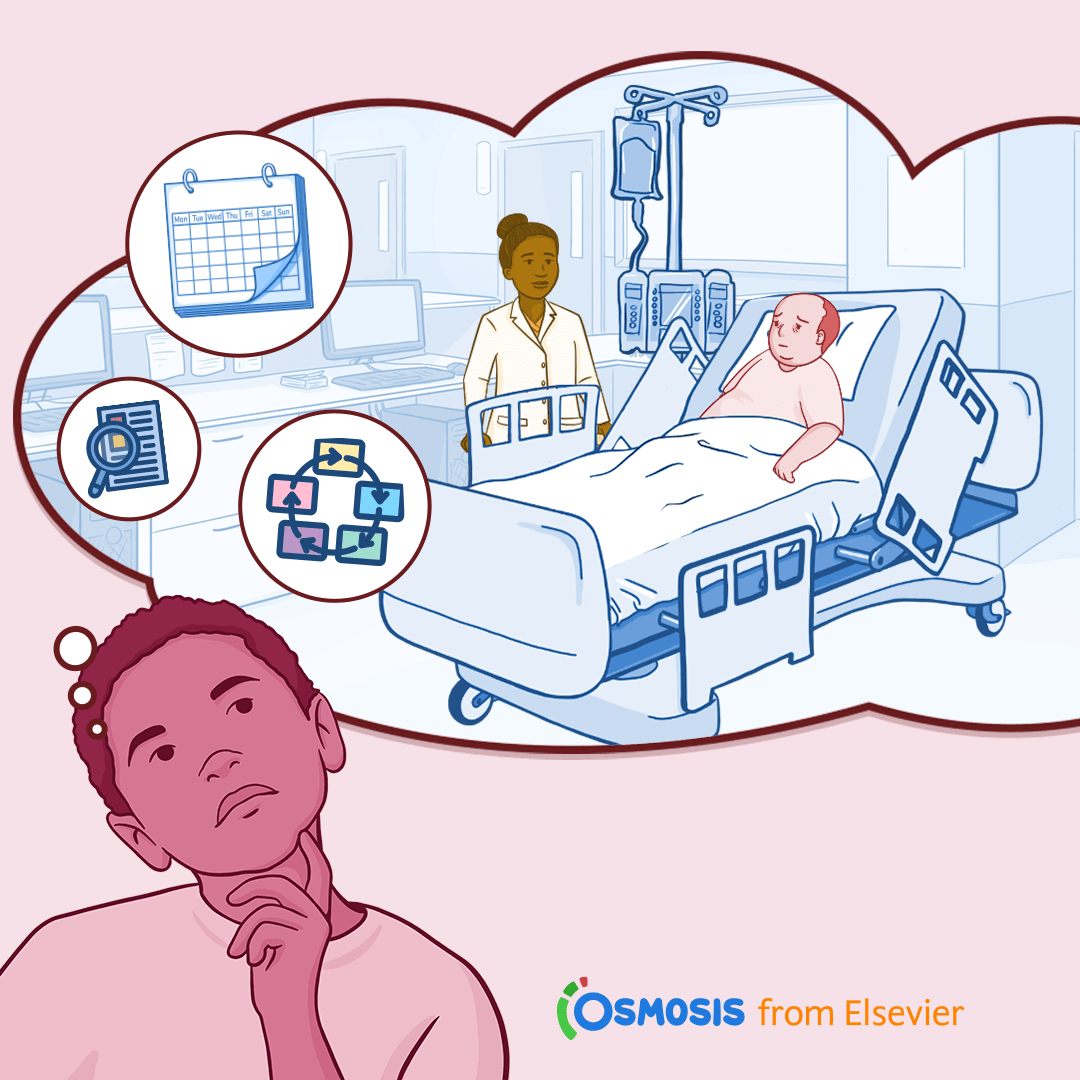
In medical education, where the volume of information is vast and the margin for error is small, how students study matters just as much as what they study. Yet even with the best intentions, learners often default to passive strategies such as re-reading notes, highlighting slides, and hoping repetition alone will make the material stick. These habits may feel productive in the moment, but they rarely support long-term retention or clinical application.
So how can faculty design learning experiences that move beyond exposure and toward permanent understanding? By intentionally integrating active recall and spaced repetition into the curriculum, faculty can transform how students engage with content without adding unnecessary burden.
Understanding Active Recall and Spaced Repetition
At the core of effective learning is a simple but often overlooked truth: memory is strengthened through effort, not just exposure. Active recall is the practice of intentionally retrieving information from memory—without notes, slides, or prompts—forcing the brain to do the work of remembering. Rather than passively reviewing content, students actively assess what they know, revealing gaps in understanding and reinforcing neural pathways that make recall faster and more dependable over time.
Spaced repetition complements this process by addressing when information is reviewed. Instead of cramming, learners revisit key concepts at increasing intervals—days, weeks, and months—just as they’re on the verge of forgetting them. This timing strengthens long-term retention while preventing the mental overload that comes from trying to relearn everything at once.
Together, these strategies go far beyond traditional study and teaching methods that emphasize volume and repetition over retention. For medical students juggling dense material, clinical demands, and high-stakes exams, active recall and spaced repetition reduce cognitive load by focusing attention on what truly needs reinforcement.
Rather than reprocessing familiar information, students spend their energy efficiently retrieving, refining, and applying knowledge in ways that mirror real clinical decision-making. The result is learning that is not only more durable but also more manageable in an already demanding educational environment.
Benefits for Medical Students
When active recall and spaced repetition become part of how students learn, the benefits show up quickly, and they last. Instead of information fading after an exam, key concepts stay accessible. By regularly pulling knowledge from memory, students build stronger connections between ideas, leading to deeper understanding rather than surface-level memorization.
That deeper learning makes a real difference in clinical settings. When students are used to retrieving information on demand, they’re better prepared to think through cases, connect symptoms to underlying mechanisms, and make decisions under pressure. The learning process starts to resemble real-world medicine, where answers aren’t sitting in front of you—you must recall and apply them in the moment.
These strategies also make studying feel more manageable. By focusing on what topics need reinforcement and reviewing them at the right time, students spend less energy re-reading and more time learning efficiently. Spaced repetition can ease cognitive overload, cut down on long study hours, and help reduce burnout. And as a result, exam performance improves—not because students are studying more, but because they’re studying smarter.

Practical Ways to Incorporate Active Recall
Bringing active recall into your curriculum doesn’t require a full course redesign. In fact, some of the most effective approaches are simple shifts in how students are asked to engage with content.
Normalize Retrieval with Low-Stakes Practice
Frequent, low-stakes quizzes give learners regular opportunities to retrieve information without the pressure of grades. Flashcards and short knowledge checks help normalize self-testing as part of the learning process rather than something reserved for exam week. Encouraging students to use tools like Osmosis question banks makes this even easier, giving them structured, high-quality questions they can use to check understanding and identify gaps early.
Use Case-Based Learning to Prompt Recall
Case-based discussions are another natural fit for active recall. Instead of reviewing content first, start with a prompt that asks students to recall relevant anatomy, physiology, or pathology before working through the case. This slight change shifts students from passive listeners to active participants, reinforcing key concepts while also strengthening clinical reasoning skills.
Model Active Recall During Teaching Moments
Faculty modeling also plays a powerful role. During lectures or tutorials, pause before revealing an answer and ask students to mentally retrieve it first— “Take 30 seconds to write down the steps of the pathway,” or “What would you expect to see next?” Even talking through your own thought process aloud shows students how recall works in practice.
These moments may feel minor, but they send a clear message: learning isn’t about re-reading slides, it’s about practicing retrieval in ways that mirror real clinical thinking.
Implementing Spaced Repetition Strategies
Spaced repetition works best when it’s built into the rhythm of a course rather than left entirely up to students to figure out on their own.
Revisit Key Concepts Over Time
One effective approach is to intentionally revisit key concepts over time—circling back days, weeks, or even months after they’re first introduced. Brief review sessions, quick warm-up questions, or short recap activities can reinforce learning without detracting from new content, helping students strengthen their memory without feeling overloaded.
Build Spacing into Assignments and Assessments
Assignments and assessments can also do more than measure progress—they can support it. By designing activities that periodically return to high-yield topics, you give students repeated, low-pressure opportunities to reconnect with important material. This reinforces long-term retention and sends a clear signal about what truly matters, reducing the urge to cram and forget.
Support Personalized Study Planning
Supporting students in creating personalized study plans is another powerful way to make spaced repetition stick. Many learners understand the concept but struggle to organize their time effectively.
Tools like the new Osmosis Study Schedule can bridge that gap by helping students map out when and how often to review specific topics, tailored to their goals and timelines. With structure and guidance in place, spaced repetition becomes less of an abstract idea and more of a sustainable habit—one that supports learning over the long haul rather than just the next exam.
Conclusion
Active recall and spaced repetition don’t ask students to work harder; they ask them to learn differently. By shifting the focus from passive review to intentional retrieval and well-timed reinforcement, you can create learning experiences that are more effective, sustainable, and aligned with the realities of medical training. Small changes in course design can lead to meaningful improvements in how students retain information, apply knowledge, and manage the demands of an already intense curriculum.
Key Takeaways
- Active recall strengthens learning by requiring students to retrieve information rather than just re-read it.
- Spaced repetition supports long-term retention by revisiting key concepts over time, reducing cognitive overload.
- Low-stakes quizzes, case-based discussions, and faculty modeling make active recall easy to implement.
- Structured reviews and recurring assessments reinforce what matters most without adding extra content.
- Tools like Osmosis question banks and the Osmosis Study Schedule help students build consistent, effective study habits.
Resources
Discover how Osmosis empowers active, personalized learning that supports both academic performance and student well-being. Schedule a call today!
Leave a Reply