

When Healing Begins with Honesty
Mental illness doesn’t look the same for everyone. For some people, it disrupts daily life. For others, it reshapes how they see themselves and the world. And in rare cases, personal suffering can serve as the foundation for scientific breakthroughs. Dialectical Behavior Therapy (DBT) is one of those breakthroughs.
What makes DBT unique isn’t just its effectiveness; it’s the fact that it was born from lived experience. The therapy designed to help people survive intense emotional pain first helped its creator do the same.
Before diving into Marsha Linehan’s story, let’s start with some DBT basics.
What Is Dialectical Behavior Therapy (DBT)?
Dialectical Behavior Therapy is a structured, evidence-based form of psychotherapy that focuses on helping clients balance acceptance of their experiences while changing their unhelpful behaviors. It’s best known for treating borderline personality disorder (BPD), but it’s also used to treat:
- Eating disorders
- Post-traumatic stress disorder (PTSD)
- Suicidal behavior
- Self-harm
- Major depressive disorder
DBT focuses on four core skill areas:
- Mindfulness: staying present and aware without judgment
- Distress tolerance: coping with crises without making them worse
- Emotion regulation: understanding and managing intense emotions
- Interpersonal effectiveness: communicating needs and maintaining relationships
Many studies have shown that DBT improves emotional stability and social functioning, especially in people with BPD, while also reducing suicidality and hospitalization rates. Another study showed that 92% of patients who underwent DBT had minimal or mild depression compared to patients on a wait list, where 58% had moderate to severe depression.
The person behind this approach is psychologist, researcher, and survivor Dr. Marsha Linehan.
Dr. Marsha Linehan’s journey is one of scientific innovation, trauma, and true resilience. Let’s explore her story, learn about the birth of DBT, discover how trauma science deepens DBT’s relevance, and speak to DBT’s uses in treating a variety of trauma-based disorders.

Mental Health Treatment Before DBT: A System Under Strain
To understand why DBT was revolutionary, it helps to look at the mental health landscape of the 1960s and 1970s. While antipsychotic medications were in common use starting in the 1950s, treatment for severe mental health disorders often involved institutionalization in a long-term facility. The widespread introduction and use of antipsychotic medications led to deinstitutionalization, based on the idea that patients would receive better care in conjunction with their medication from community mental health centers.
Unfortunately, the community mental health system was underfunded and overstretched leading to challenges with providing sufficient care for many patients, in particular, those who needed assistance with daily living activities. Many people, especially those with complex emotional needs, fell through the cracks and often ended up homeless and untreated.
Throughout this time, patients with intense emotional dysregulation faced a range of difficulties in getting treatment. Borderline personality disorder carries heavy stigma, with individuals with chronic suicidality labeled as overanxious, difficult to work with, and even untreatable. Clinicians’ assumptions and attitudes interfered with care, discouraging them from working with BPD clients, along with insurance companies refusing to cover treatment.
Why Traditional Therapies Fell Short with BPD
Two major therapeutic approaches struggled to meet the needs of people with BPD.
Cognitive Behavioral Therapy (CBT) focuses on identifying and changing maladaptive thoughts and behaviors. For many patients with BPD, this approach felt invalidating, leading to intense patient-therapist conflicts or patients quitting therapy due to experiencing feelings of being dismissed as wrong or excessive.
Psychoanalysis aims to uncover unconscious processes and past experiences. However, when working with individuals experiencing emotional dysregulation, intense emotions, unstable relationships, and suicidality, the therapeutic relationship was often strained. These challenges frequently led to boundary issues, therapist burnout, or disengagement.
The core features of BPD, including emotional instability, fear of abandonment, and chronic suicidality, often further complicate treatment. Patients could rapidly idealize therapists and then sharply devalue them, making it difficult to form a consistent, trusting alliance. In response, therapists may become either over-involved due to fears of suicide or a desire to rescue the patient, or emotionally withdrawn as a means of self-protection.
In short, existing treatments did not adequately address the emotional pain driving suicidal and self-destructive behaviors. Marsha Linehan discovered this therapeutic shortcoming firsthand.
Marsha Linehan’s Lived Experience with BPD
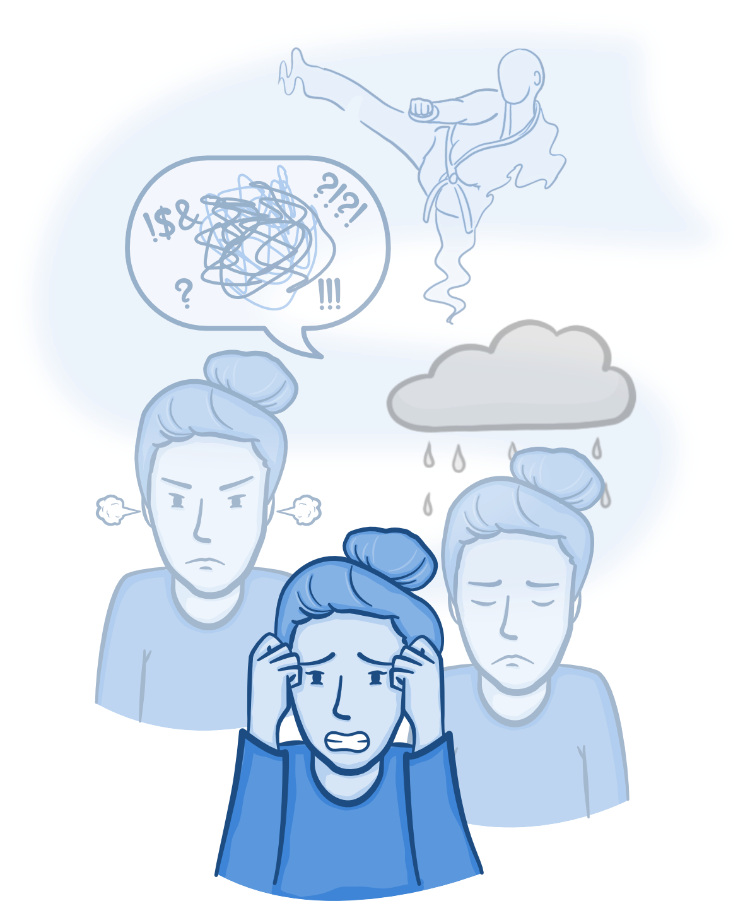
In 2011, Marsha Linehan publicly shared with her patients, colleagues, and loved ones that she had been institutionalized as a teenager due to borderline personality disorder. During that time, she experienced severe emotional distress, chronic suicidal thoughts, and engaged in self-harm. She spent years hospitalized, was misdiagnosed with schizophrenia, and at one point was described as one of the most disturbed patients on the ward. Throughout her hospitalization, she was subjected to treatments such as electroconvulsive therapy (ECT), isolation, and medication; none of which addressed the underlying trauma or the emotional agony she endured.
What ultimately helped Linehan survive was not a specific treatment, but her determination to find meaning in her suffering. Although hospitalization failed to help her as a young woman, her struggles with BPD later shaped her ability to connect deeply with patients and fueled her commitment to developing an effective treatment. She went on to earn a PhD in psychology and to create an evidence-based therapy for individuals with chronic suicidality.
Given the stigma surrounding BPD and mental illness more broadly, Dr. Linehan’s public acknowledgement of her own mental health journey was a significant step in reducing stigma. Her openness serves as a powerful example of how to embrace a condition while recognizing that healing is possible. Her lived experience also clarified and deepened her understanding that patients need compassion, validation, and hope, not just a focus on change.
The Birth of DBT: Where Science Meets Self-Compassion
Linehan originally focused on using CBT as a treatment tool for suicidal patients, but because CBT focuses on altering core beliefs and behavioral change, her patients with intense emotional dysregulation didn’t find it helpful. The emphasis on change made patients feel misunderstood and that their feelings were invalid or irrelevant.
In response, Linehan added a radical component to her treatment approach: acceptance. She then blended well-known CBT principles with Zen mindfulness philosophy and acceptance practices, leading to the creation of Dialectical Behavioral Therapy.
The term dialectical refers to the integration of seemingly opposing ideas, particularly the balance between acceptance and change. In DBT, patients learn that both can be true at the same time: they are doing the best they can, and they can learn to do better. So, rather than asking patients to deny their pain, DBT validates their suffering while giving them the necessary concrete skills to manage it.
DBT is delivered through multi-modal components, including:
- Individual therapy
- Skills training groups
- Phone coaching
- Therapist consultation teams
Together, these elements offer a collaborative approach where patients focus on building skills, managing their emotions, and developing distress tolerance while working to remain present and mindful. This structured model supports both patients and clinicians, reducing burnout and improving outcomes.
How Linehan’s Experience Shaped DBT’s Core Principles
Validation is central to DBT. People with emotional dysregulation are often told they are overreacting or too sensitive. Linehan understood how damaging invalidation can be.
During her recovery journey, Dr. Linehan developed the phrase “Build a life worth living,” a central concept in DBT (and eventually became the title of her book). It encourages patients to identify what matters most to them and what brings them happiness and fulfillment, then to actively create that life, no matter how challenging it may seem. While in DBT, patients learn to manage difficulties and emotional distress with self-compassion and emotional regulation. According to Linehan, the healing process requires accepting both the hardships and joys of life while building a healthy life within one’s current circumstances.
Linehan also redefined the therapist-patient relationship. Her view is that therapy works best when both parties engage authentically and address behaviors that interfere with progress on either side. So, instead of seeing therapists as fixers, she believes they should be seen as collaborators in the healing process.
In her memoir, Building a Life Worth Living, Linehan describes the spiritual beliefs and personal vows that sustained her through hospitalization:
“They put me in a four-walled room. But left me really out. My soul was tossed. Somewhere askew.“
And her commitment to help others once she found her way out:

Why DBT Works: The Science Behind the Skills
At its core, Dialectical Behavior Therapy (DBT) teaches essential skills that many people never had the opportunity to develop—such as regulating emotions, tolerating distress, and navigating interpersonal relationships more effectively. Dr. Linehan has shared that she believes she experienced a skills deficit early in life, and that acquiring these skills through DBT helped her (and countless patients) better manage their lives and improve their relationships with themselves and others.
Decades of research show that DBT:
- Reduces the severity of self-harm and suicidal behaviors
- Improves psychological and social well-being
- Improves mood stability and impulse control
- Lowers hospitalization rates
While DBT is best known for treating BPD, it’s also been shown to be effective in treating other common mental health issues, including PTSD, eating disorders, and substance use disorders.
Although the existing DBT treatment model is already highly effective, it continues to evolve, expanding into online programs, group interventions, and trauma-focused adaptations like DBT-Prolonged Exposure (DBT-PE).
A New Perspective: BPD as a Trauma Response
Recent research highlights strong links between borderline personality disorder (BPD) and early life trauma, including emotional neglect, chronic trauma, and early attachment disruption. A 2021 study identified parental mental illness, emotional and physical trauma, and early-life poverty as some of the strongest predictors of BPD symptoms in adolescents, patterns that often persist into adulthood.
Children who experience abuse or emotional neglect may internalize these experiences, developing insecure attachment styles and a negative self-image. Over time, this can lead to fear of abandonment, difficulty trusting others, and the belief that they are fundamentally unworthy of trust or care. These early wounds can shape emotional responses and coping behaviors, contributing to the emergence of BPD symptoms and self-destructive behaviors later in life.
Trauma can significantly alter the brain’s emotional regulation systems, helping explain the emotional instability, impulsivity, and interpersonal difficulties commonly seen in BPD. Understanding BPD through this developmental and neurobiological lens does not redefine the diagnosis, but deepens compassion for its origins and the lived experiences of those affected. Examining the trauma associated with the development of BPD symptoms allows patients to begin healing through the acknowledgment and acceptance of past maltreatment, rather than carrying the weight of shame.

DBT’s Lasting Legacy: Healing Through Balance
Dialectical Behavior Therapy (DBT) combines mindfulness with evidence-based psychotherapy, integrating Eastern practices with Western therapeutic techniques. At its core, DBT emphasizes both self-acceptance and a commitment to change, validating trauma while strengthening personal agency in ways that set it apart from many other therapies.
Today, DBT has a global presence through clinics, online training programs, and culturally adapted models. Its central goal is to help individuals build a life worth living. Through Dr. Linehan’s openness about her own diagnosis and mental health journey, she’s helped reduce stigma for both clients and clinicians. She advocates for compassionate, evidence-based treatment rooted in mutual respect, where therapist and client engage as equals. Shaped by her own experiences with trauma, emptiness, and suicidality, her work has helped humanize the field of psychology by uniting rigorous science with lived empathy.
Healing as a Lifelong Practice
Healing is a lifelong process that unfolds when acceptance and change exist together. Marsha Linehan’s story demonstrates how personal suffering can be transformed into a meaningful, global impact. Her realization that both acceptance and change are essential in treating emotional dysregulation, suicidality, and BPD became the foundation of Dialectical Behavior Therapy.
Linehan’s work reminds us that emotional intensity is not a sign of brokenness, but a capacity for deep feeling and resilience. With the right tools and support, BPD can be managed and transformed. And, as Linehan herself said, “You are doing the best you can, and you can learn to do better.”
DBT Resources
For those interested in learning more about Dialectical Behavior Therapy (DBT) or seeking DBT treatment, the following resources provide reliable information on DBT skills, finding qualified providers, family education, and evidence-based treatment programs. These organizations and websites are widely recognized within the DBT community and can serve as a helpful starting point for individuals, families, and professionals exploring DBT.
- https://behavioraltech.org
- https://linehaninstitute.org
- https://dbt-lbc.org
- https://www.isitdbt.org
- https://dbtselfhelp.com
- https://www.borderlinepersonalitydisorder.org
- https://www.psychologytoday.com
- https://www.therapistaid.com
- https://www.psychologytools.com
- https://www.nami.org
Key Takeaways
- Marsha Linehan’s personal struggle with BPD inspired the creation of DBT.
- DBT blends acceptance and change to help manage emotional dysregulation.
- The therapy teaches mindfulness, distress tolerance, emotion regulation, and interpersonal skills.
- DBT reduces self-harm, suicidality, and hospitalization in BPD and other disorders.
- Understanding trauma’s impact deepens compassion and improves treatment outcomes.
References
- https://pmc.ncbi.nlm.nih.gov/articles/PMC10896753/
- https://www.ncbi.nlm.nih.gov/books/NBK525629/
- https://pmc.ncbi.nlm.nih.gov/articles/PMC2690151/
- https://psychiatryonline.org/doi/full/10.1176/appi.ajp-rj.2021.160404
- https://onlinelibrary.wiley.com/doi/full/10.1002/pmh.1609
- https://www.psychiatrictimes.com/view/colloquialism-full-recognition-evolution-bpd
- https://www.apa.org/ptsd-guideline/patients-and-families/cognitive-behavioral
- https://www.apa.org/ed/graduate/specialize/psychoanalysis
- https://www.researchgate.net/publication/239279018_Dialectical_Behavior_Therapy_in_a_Nutshell
- https://psychiatryonline.org/doi/10.1176/appi.psychotherapy.2015.69.3.241
- https://www.eatbreathethrive.org/ebt-blog/marsha-linehan
- https://welldoing.org/article/roots-DBT-marsha-m-linehan-building-life-worth-living
- https://www.psychologytoday.com/us/blog/dbt-for-daily-life/202406/how-marsha-linehan-created-dbt-and-how-it-can-help
- https://www.psychologytoday.com/gb/blog/dbt-for-daily-life/202406/how-marsha-linehan-created-dbt-and-how-it-can-help
- https://pmc.ncbi.nlm.nih.gov/articles/PMC6007584/#s3
- https://pmc.ncbi.nlm.nih.gov/articles/PMC9120980/
- https://www.borderlinepersonalitydisorder.org/pearls-from-beyond-borderline-the-experience-of-the-therapist-and-client-relationship-in-dbt-part-7-of-11/
- https://www.sciencedirect.com/science/article/pii/S2352250X21000038
- https://pmc.ncbi.nlm.nih.gov/articles/PMC10896753/#sec3
- https://www.ncbi.nlm.nih.gov/books/NBK525629/
- https://pmc.ncbi.nlm.nih.gov/articles/PMC2914145/
- https://pmc.ncbi.nlm.nih.gov/articles/PMC8124086/
- https://www.frontiersin.org/journals/psychiatry/articles/10.3389/fpsyt.2021.721361/full
- https://my.clevelandclinic.org/health/articles/25170-attachment-styles
- https://www.linehaninstitute.org/marsha-linehan-bio
- https://dbt.tools/emotional_regulation/stop.php
- https://www.researchgate.net/publication/359964882_Cultural_adaptations_of_dialectical_behavior_therapy_A_systematic_review
- https://www.linehaninstitute.org/publications
- https://www.sciencedirect.com/science/article/pii/S2352250X21000038
- https://www.sciencedirect.com/science/chapter/edited-volume/abs/pii/B9780128034576000180

Try Osmosis from Elsevier today! Access your free trial and discover why millions of current and future clinicians and caregivers love learning with us.


Leave a Reply