
Today’s NCLEX® LPN question of the day focuses on active adaptive immunity. Do you know the answer? Let’s find out!
The nurse is reviewing a list of patients scheduled to be seen at the community health clinic. Which patient is most likely to develop active adaptive immunity?
A. A newborn who is breastfed
B. An older patient who has received hepatitis B immunoglobulin
C. A child who has been diagnosed with measles
D. A patient receiving monoclonal antibody therapy
Scroll down for the correct answer!
The correct answer to today’s NCLEX-PN® Question is…
C. A child who has been diagnosed with measles
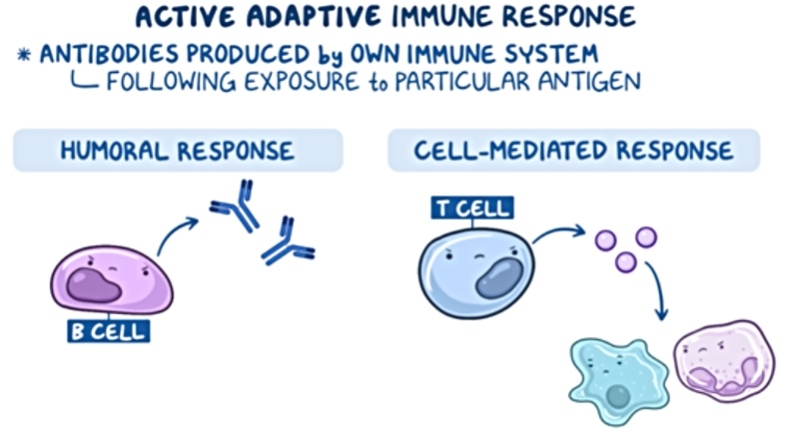
Rationale: Active adaptive immunity occurs when a patient’s immune system produces antibodies following exposure to a particular antigen, such as the morbillivirus which causes measles.
Main Takeaway
Active adaptive immune response refers to antibodies produced by the patient’s immune system following exposure to a particular antigen.
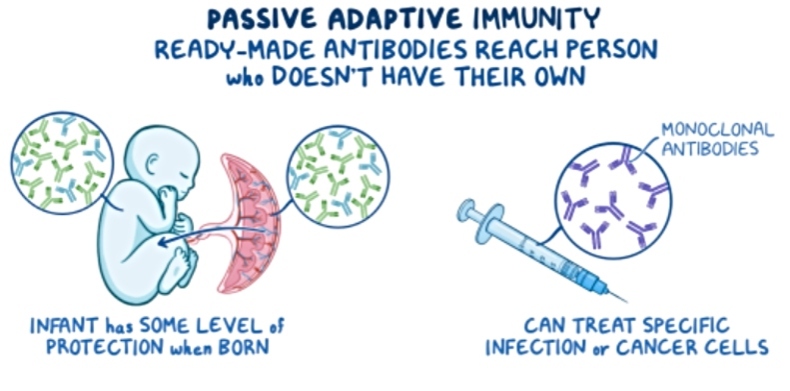
Passive adaptive immunity is when ready-made antibodies are provided to a person. An example is breastfeeding provides passive adaptive immunity because maternal antibodies are transferred to the infant through breast milk. Lab-made antibodies against a specific pathogen, called monoclonal antibodies, can also be given to treat a particular infection like COVID-19 or even certain types of cancer cells.
Incorrect Answer Explanations
A. A newborn who is breastfed
Rationale: Breastfeeding provides passive adaptive immunity because maternal antibodies are transferred to the infant through breast milk.
B. An older patient who has received hepatitis B immunoglobulin
Rationale: A patient receiving hepatitis immunoglobulin is receiving passive adaptive immunity because preformed antibodies provide short-term protection against the hepatitis B viral infection.
D. A patient receiving monoclonal antibody therapy
Rationale: Monoclonal antibody therapy provides passive adaptive immunity because preformed antibodies are administered to the patient rather than being produced by the patient’s own immune system.
Want to learn more about this topic?
Watch this Osmosis video: Immune response – Adaptive: Nursing

Get your free trial to find out why millions of current and future clinicians and caregivers love learning with us.
Leave a Reply