

The surgery rotation has a well-earned reputation among medical students. Between the early mornings, long operations, and the expectation of still finding time to study, it’s easy to feel like the Surgery shelf exam is impossible to conquer. Many students face overwhelming anxiety while preparing for the shelf, often convinced they need to memorize every anatomical landmark, the correct procedure for every pathology under the sun, and every obscure complication to perform well.
Thankfully, there’s an easier way. Most students are prone to unfocused, inefficient study methods that waste time and energy without improving their score. This article won’t teach you how to be the most impressive person in the OR. Instead, it aims to provide efficient study tactics that will allow you to perform better on the exam while maintaining your sanity and studying less.
Why the Surgery Shelf Exam Feels So Hard
Between early call times, long OR cases, and unpredictable schedules, the surgery clerkship is a highly demanding prospect for medical students. The physical exhaustion that follows the end of your day makes it difficult to sit down and study. Additionally, the culture of surgery emphasizes toughness and endurance, which can make it feel like the answer is to “I’m exhausted” is to just power through.
On top of the grueling schedule, the learning material covered is broad and varied. The NBME® Surgery shelf spans general surgery, trauma, surgical subspecialties, and a surprising amount of internal medicine (especially gastrointestinal medicine). It’s easy to feel pulled in multiple directions when developing a study plan. Students may also face an intellectual disconnect between their observed cases and what the exam actually focuses on. You may be a master of retracting in the OR, but the exam isn’t going to ask about that.
The Biggest Mistakes Students Make During Their Surgical Rotation
Before getting into how to study efficiently, it’s important to identify study methods that can hurt your performance. The most common mistake is only studying when you’re exhausted at the end of the day. If your brain is running on fumes, you’re not going to retain much. To the body, physical and mental stress drain the same energy pool. You’re better off sleeping and studying after a well-earned rest.
Another trap is trying to cover all the content available to you. Don’t try to plow through an entire surgical textbook. It’s neither efficient nor realistic on a rotation with such a demanding schedule. Similarly, don’t focus your energy on rare surgeries or anatomical landmarks that may not show up on the exam. The shelf isn’t likely to test whether you can draw the celiac trunk from memory. It’s much more likely to test if you can identify cholecystitis and know what to do about it.
Students may also allow fear and fatigue to drive their study choices. When an attending asks you a difficult, rapid-fire question about an obscure anatomical landmark, it’s easy to spend the rest of the day learning everything about it. This can lead to scattered, reactive studying that overemphasizes learning low-yield information about uncommon conditions.
Finally, it’s easy to confuse OR exposure with exam readiness. While a Whipple procedure is a great educational experience, it won’t help you answer the most common questions about managing a small bowel obstruction. Clinical experience and exam preparation may overlap, but it’s important to keep in mind that they’re not the same thing!
The Mindset Shift: What the Surgery Shelf Is Actually Testing
The key insight to improving your studying is realizing that the Surgery shelf tests clinical decision-making over surgical technique. You won’t be asked for the nitty-gritty details of performing a cholecystectomy. However, you will be asked when a cholecystectomy is indicated, what workup to order first, and how to manage a bile duct injury postoperatively.
Shelf exams emphasize the ability to recognize common presentations and their complications, prioritizing management and next steps, and understanding the indications and contraindications for surgical intervention. In other words, it’s testing many of the same overarching skills that the internal medicine shelf tests, just applied to surgery. Once you understand and accept this, your study plan for the Surgery shelf and every other shelf exam becomes much clearer.
What You Actually Need to Know to Score Well
The following areas consistently make up the bulk of the Surgery shelf exam. Given the limited time available for productive studying, these topics should be your primary focus for the exam:
- Core general surgery conditions: Appendicitis, bowel obstruction, hernias, and GI bleeding are the bread and butter of the surgery exam. You must be able to recognize the classic presentations, the appropriate workup, and the management plan for each of these. You’ll know you’re studying the right topics when it starts to feel like you’re studying for a gastrointestinal exam!
- Surgical emergencies and acute abdomen: You should know how to approach the patient with an acute abdomen, especially for conditions like peritonitis. Topics such as when a patient needs surgical intervention versus further imaging show up often as well.
- Preoperative evaluation: Understand risk stratification before surgery. This can include cardiac risk assessment, medication management, and the basics of informed consent. The “soft” questions like patient communication regarding informed consent can often throw students off when they come up, so be prepared for them.
- Postoperative complications: This is one of the highest-yield categories that the shelf likes to test. Know the timeline of surgical complications: a fever on postoperative day one suggests atelectasis, day three suggests urinary tract infection or pneumonia, day five suggests a surgical site infection, and day seven suggests an anastomotic leak or abscess. It’s also essential to understand the recognition and management of deep vein thrombosis, pulmonary embolism, wound dehiscence, and ileus.
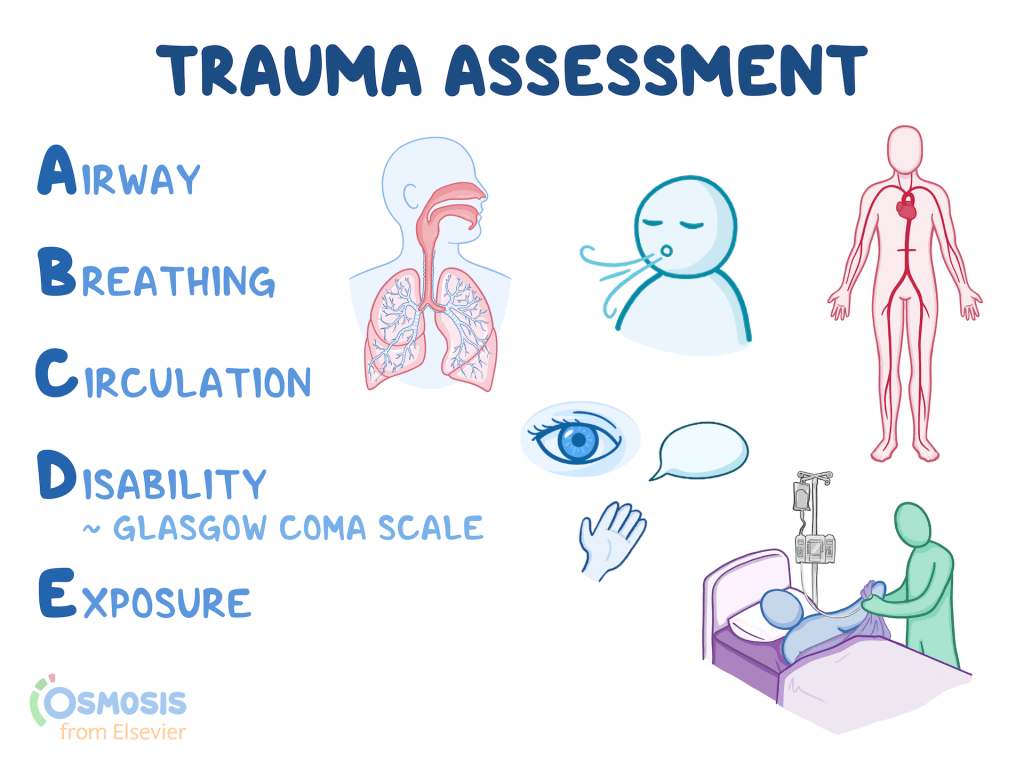
- Trauma principles: You don’t need to be a trauma surgeon, but you must master the ABCDEs of the primary trauma survey, when to get a FAST exam, and the basic management of injuries like pneumothorax, splenic laceration, and epidural hematoma.
What You Don’t Need to Master
As suggested above, detailed operative steps and nitty-gritty surgical techniques are not often high-yield topics for the shelf. You don’t need to know the step-by-step method of a Nissen fundoplication, but you do need to know when it’s indicated and the complications that often arise. Rare procedures and subspecialty edge cases are also lower yield and should only be emphasized once you’ve mastered the core topics for the shelf exam.
Anatomy beyond what is clinically relevant, like the course of the thoracodorsal nerve, is often not worth the study time. We also recommend avoiding the trap of studying each subspecialty equally. General surgery, trauma, and critical care dominate the Surgery shelf exam. While urology, orthopedics, and ENT may show up, it’s often in smaller proportions. Prepare accordingly.
A High-Yield, Time-Efficient Study Strategy
The most effective study strategy for the shelf exam focuses on practice questions. Practice questions emphasize how the test writers think and present content, which is more valuable than passively reading about surgical complications. Use a question bank, like the Osmosis question bank, and study in a “diagnosis → management → complication” framework. For each question, quiz yourself: how does this present, what do I do about it, and what could go wrong?
Study in realistic, short (+15 minute) blocks. You’re unlikely to have three-hour study sessions on service. Plan for studying between cases and use that time efficiently. If you have a slightly easier post-call day, focus on your weak areas rather than areas you’re already confident in. And just like on the internal medicine rotation, identify study triggers in your patient interactions. If you saw an appendectomy today, review appendicitis tonight. This ties your studying directly to clinical experience, which makes what you’ve learned stick.
A practical approach to quizzing is to divide the total number of questions you aim to complete by the number of rotation days minus five to seven. This gives you a daily target that’s manageable and builds in a buffer for the days when studying simply isn’t happening. On that note, knowing when to stop studying is also crucial. If you find yourself reading the same sentence multiple times without absorbing it, stop your study session. Protecting your sleep and recovery will always do more for your score and wellness than an extra hour of studying while you’re exhausted and struggling to stay on task.
How to Balance Shelf Studying with a Demanding Surgical Rotation
It’s crucial to accept that some days won’t allow you to study much, if at all. That’s fine. The goal is consistent studying throughout the rotation, not perfection on any single day. Maximize the small pockets of downtime between cases, during slow call days, or after sign-out. Fifteen minutes of focused question review quickly adds up over several weeks.
It can also help to separate your high-energy days from your recovery days. On days where you feel rested and mentally sharp, prioritize active learning, like completing practice questions on difficult topics. On post-call days or brutal OR days, stick to light review or rest. Again, forcing heavy study sessions when you’re running on fumes won’t help.
Above all, prioritize sleep. This isn’t soft advice, and it isn’t easy to follow. Sleep is when memory consolidation happens, and it directly impacts your performance on rotation the next day. Sacrificing sleep to study more is almost always a net loss. So, if you take one thing from this article, let it be this: a well-rested student who studied for 30 minutes will outperform an exhausted student who pulled an all-nighter the night before the exam.
What Scoring Well Actually Looks Like
Scoring well on the Surgery shelf exam doesn’t require memorizing an entire textbook or getting every practice question correct. It means being able to recognize classic surgical presentations efficiently and confidently. It means feeling comfortable with management decisions, even when a question presents them in a new way. It means walking into the exam knowing that you focused on the actual content and applicable questions.
It also means being honest about what a high score actually requires. You don’t need to get every question right. Due to how the shelf exam is scored, most students find that solid performance on the core, high-yield topics leads to a strong score. The students who struggle are usually those who spread themselves too thin, not the ones who didn’t study enough.
A strong shelf performance comes from finishing the exam tired but composed, knowing you prepared efficiently for what showed up. Most importantly, it means achieving that performance without sacrificing your mental or physical health.
Key Points for Preparing for Your Surgery Shelf Exam
The Surgery shelf exam rewards clarity and prioritization, not brute-force endurance. You probably don’t need to study more. You need to study smarter, focusing your limited time on the high-yield topics that show up on the exam and knowing when to let go of the rest. It’s normal to feel tired by exam day. Aim for tired but not depleted, prepared but not burned out. This approach doesn’t just help you score well on the Surgery shelf; it builds the study habits and clinical reasoning skills that will carry you through every shelf exam and rotation that follows.
Key Takeaways
- The Surgery shelf emphasizes clinical decision-making, not memorization of procedures or detailed anatomy.
- High-yield topics include common surgical conditions, postoperative complications, trauma principles, and preoperative evaluation.
- Inefficient studying such as focusing on rare topics or studying while exhausted can lower performance.
- Practice questions and short, focused study sessions are the most effective preparation methods.
- Consistency, prioritization, and adequate rest are critical for strong performance during a demanding rotation.

Try Osmosis today! Get your free trial today to find out why millions of clinicians and caregivers love learning by Osmosis.
Leave a Reply