
A 36-year-old man presents with nasal itching, sneezing, congestion, morning sore throat, and occasional mild facial pressure for the last six weeks. What’s the best initial treatment?
A 36-year-old man presents to the urgent care clinic for evaluation of nasal symptoms. He has had nasal itching, sneezing and congestion most days of the week for the last six weeks. He awakens with a sore throat each morning and occasionally has mild facial pressure over the maxillary sinuses. He has not had a fever, chills, or sweats. He develops similar symptoms every spring and fall and reports needing antibiotics twice per year. Symptoms are not affecting his quality of life or sleep. He has no significant past medical history.
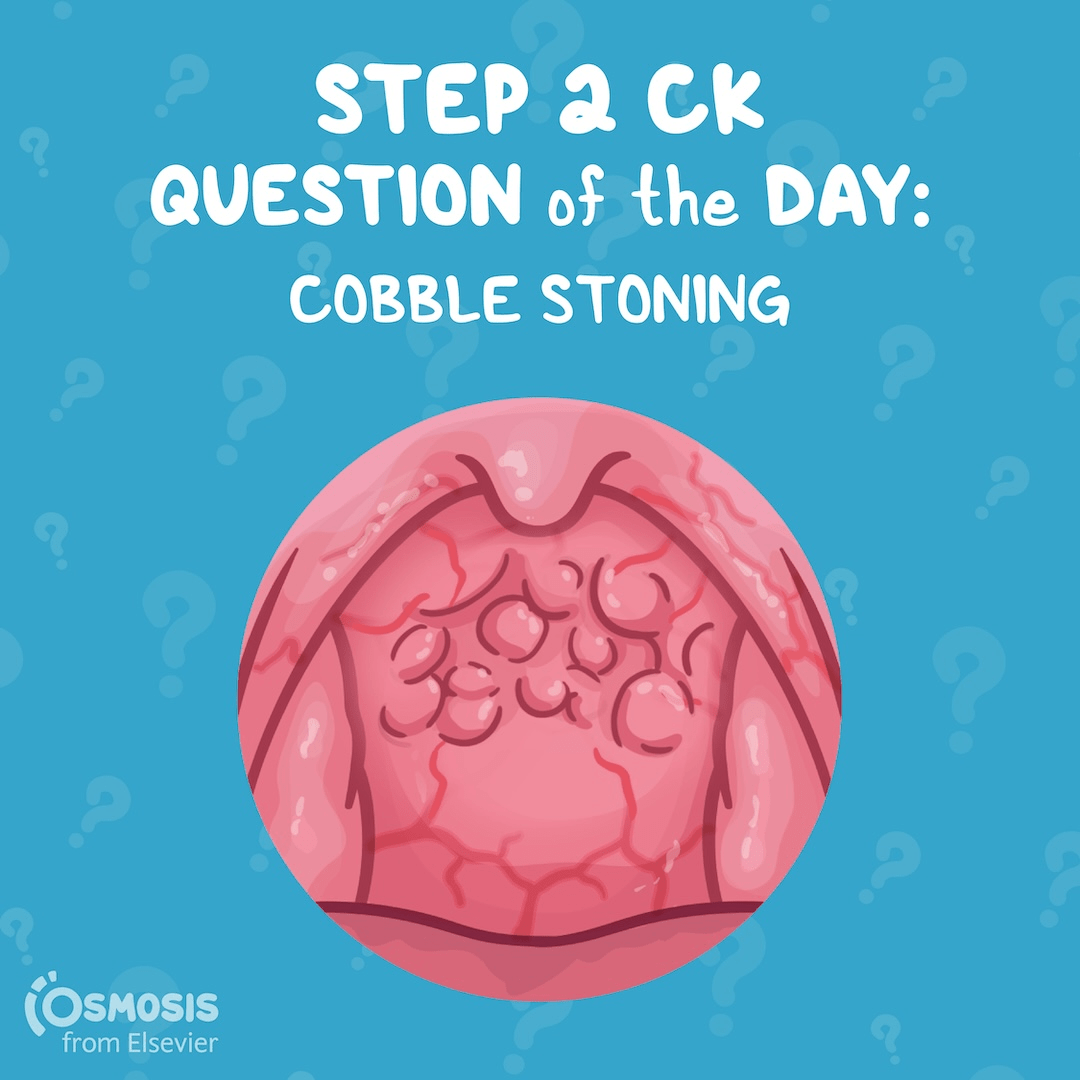
Temperature is 37.0°C (98.6°F), pulse is 70/min, respiratory rate is 16/min, and blood pressure is 122/72 mmHg. On examination, the nasal turbinates appear edematous with a bluish hue bilaterally. And clear rhinorrhea is present. There is no tenderness over the maxillary sinuses. Cobble stoning is present in the posterior pharynx without tonsillar hypertrophy, erythema, or exudate. Tympanic membranes are intact without effusion or redness.
Which of the following is the best initial treatment option?
A. Fluticasone propionate nasal spray
B. Azelastine nasal spray
C. Oxymetazoline nasal spray
D. Montelukast
E. Azithromycin
Scroll down for the correct answer!
The correct answer to today’s USMLE® Step 2 Question is…
A. Fluticasone propionate nasal spray
Correct: See Main Explanation.
Incorrect Answer Explanations
B. Azelastine nasal spray
Incorrect: Azelastine is an antihistamine nasal spray which can provide additional symptom relief when glucocorticoid nasal sprays are not tolerated or ineffective. Glucocorticoid nasal sprays are a first line treatment for allergic rhinitis.
C. Oxymetazoline nasal spray
Incorrect: Oxymetazoline nasal spray is a topical decongestant which can cause a form of rebound nasal congestion called rhinitis medicamentosa when used for more than 72 hours at a time. Oxymetazoline has limited usefulness in the temporary relief of nasal congestion and should not be recommended for ongoing therapy in allergic rhinitis.
D. Montelukast
Incorrect: Montelukast, a leukotriene receptor antagonist, can be helpful in the treatment of allergic rhinitis, especially in patients with a history of asthma. This patient does not have a history of asthma and Glucocorticoid nasal sprays are first-line therapy for allergic rhinitis.
E. Azithromycin
Incorrect: Antibiotics are indicated when there is evidence of allergic rhinitis plus a secondary bacterial infection such as bacterial sinusitis or otitis media. This patient does not currently have signs of a secondary bacterial infection.
Main Explanation

This patient can be diagnosed with mild persistent allergic rhinitis based on having symptoms more than four days per week for more than four weeks a year, that do not affect his quality of life. The first line treatment for patients with allergic rhinitis is a glucocorticoid nasal spray, such as fluticasone propionate.
Patients with allergic rhinitis should be encouraged to avoid known triggers when possible and to use saline nasal irrigation to clear debris and allergens. Beyond supportive care, several pharmacological therapies can be helpful. The most effective pharmacologic treatment for allergic rhinitis is intranasal steroids. When these cannot be tolerated or are ineffective, intranasal antihistamines serve as a helpful adjunct and can be used alone or in combination with a nasal steroid. The addition of an oral antihistamine to a nasal steroid has not been shown to provide clear benefits over steroids alone. An oral decongestant may be needed when allergic rhinitis is severe, meaning that it significantly impacts the patient’s quality of life. The leukotriene receptor antagonist, montelukast, can be prescribed in patients who also have asthma. If environmental control measures have been maximized and the patient is experiencing significant symptoms despite an optimal medication regimen, immunotherapy can be considered. Allergen-specific testing is not necessary in the routine workup of allergic rhinitis unless immunotherapy is being considered, or when the causative agent cannot be readily identified.
Major Takeaway
Intranasal glucocorticoids are the best initial treatment for allergic rhinitis; other adjunctive therapies such as intranasal antihistamines, oral antihistamines, oral decongestants, leukotriene receptor antagonists, and immunotherapy can be considered as needed if patients cannot tolerate or have inadequate symptom relief from nasal steroids.
Want to learn more about this topic?
Watch the Osmosis video: Pulmonary corticosteroids and mast cell inhibitors
References
- Small P, Keith PK, Kim H. Allergic rhinitis. Allergy Asthma Clin Immunol. 2018 Sep 12;14(Suppl 2):51. doi: 10.1186/s13223-018-0280-7. PMID: 30263033; PMCID: PMC6156899.

Get your free trial and discover why millions of current and future clinicians and caregivers love learning by Osmosis.
Leave a Reply