

Buckle up, future Emergency Medicine rockstars! Your EM rotation is about to hit you like a full-moon Saturday night shift. It’ll be chaotic, adrenaline-pumping, and gloriously unpredictable. Ambulances are rolling in, monitors are beeping, and patients are showing up with everything from a stubbed toe to a crashing airway. It’s fast-paced, high-stakes, and utterly exhilarating.
Welcome to the ultimate pressure cooker of clinical rotations. Patients arrive with limited history, spotty information, and acuity levels that can swing wildly in seconds. In that whirlwind, it’s tempting to try to look like the smartest med student in the room. But here’s the truth about what separates good rotations from truly smashing ones: it isn’t about performing for evaluations. It’s about becoming genuinely useful when it counts.
The real challenge to emergency medicine is learning to prioritize ruthlessly, communicate clearly under fire, and adapt on the go while keeping patients safe. This isn’t another checklist for impressing your attending. This article cuts through the noise and zeroes in on what actually matters during your ER rotation. Let’s smash this rotation together.
What Makes Emergency Room Rotations Difficult?
Jumping into an emergency medicine rotation feels like getting dropped straight into the deep end. From the very first minute, you’re tossed right into the fire. It’s a crazy mix of exciting and completely draining.
Every patient who comes through those ER doors is a brand-new diagnostic puzzle. You very rarely get the full story right away. Labs are still cooking, the history is patchy, and half the time, family members are too freaked out to give you all the details. But guess what? You still have to start making real calls with whatever scraps of info you’ve got. That kind of pressure hits hard, and it doesn’t let up.
The cases swing all over the place too. You might be dealing with a kid who just has a basic ear infection in one room, then turn around and walk into someone battling serious chest pain or major trauma. You’re jumping back and forth constantly. You have to switch gears between little stuff and straight-up emergencies.
On top of that, the interruptions never stop. Nurses are paging you, consultants are on the phone, worried families are asking questions, and new patients are piling up. Suddenly you’re juggling multiple people at once, and it feels like chaos.
Don’t forget disposition either. Working out which patients can safely go home, who needs to stay, or who might need watching is often just as important as figuring out the diagnosis. Then you’ve got the weird shift schedule messing with your sleep, plus every attending and every hospital seems to want something slightly different. One attending loves big workups; another wants you to focus on being super efficient.
Evaluations focus heavily on your clinical reasoning, how you work with the team, clear communication, and being reliable when things get wild. It’s a lot to handle.
Challenges show up everywhere, but the ER cranks them up because of all the uncertainty and breakneck pace. You can learn more about these kinds of challenges in the AMA’s clinical rotation guidance, and we invite you to read The Osmosis Ultimate Guide to Thriving in Clinical Rotations, which also explains how to handle the situation really well.
The awesome part? Once you understand why it feels so tough, you can start to own it.
The Mindset Shift That Changes Everything
Emergency medicine isn’t about playing detective and cracking every single mystery like some TV doctor. It’s about spotting danger fast and keeping people safe. This one shift in thinking changes how you approach every single patient.
Your main job is learning to tell who’s sick and who’s not sick. It’s learning to get the right people involved quickly when something feels off. You don’t need to know every weird, rare diagnosis in the book. Let that pressure go. What actually matters is having a solid, systematic way to handle the common stuff that rolls through the doors every day.
Safe, smart decision-making beats flashy diagnostic brilliance every time. The attendings and residents want to see you think clearly, prioritize like a pro, and make decisions that keep patients stable.
Real progress during this rotation shows up as better prioritization under pressure, more organized reasoning, and greater efficiency. You start to feel calmer in the chaos. You trust your gut on the big red flags. You stop spinning your wheels on things that don’t matter.
Once you make this mindset switch, everything clicks into place. You’ll walk into shifts feeling more confident and useful rather than stressed and scattered.
What Actually Matters During Your Emergency Room Rotation
The approaches that make the biggest difference are practical, hands-on, and designed to help you keep patients safe, even when things get chaotic.
Recognizing Sick Versus Not Sick
Start by reviewing the basics with every patient:
- Airway
- Breathing
- Circulation
Sounds simple, right? But when things are hectic, it’s easy to skip straight to the details. Get good at recognizing unstable vitals, catching time-sensitive emergencies early, and spotting sneaky red flags during the first quick look. Escalate fast when something feels off. And don’t forget to reassess!
Building Practical Differentials
You don’t need a mile-long list of every possible diagnosis. Start broad, then narrow it down. Always rule out the life-threatening stuff first. Avoid jumping to conclusions too early. Think in terms of risk, probability, and what could actually hurt the patient if you miss it.
Disposition Thinking
Figuring out the plan after the workup is often just as important as the diagnosis itself. Start thinking about admission versus discharge early. Learn what info you really need before sending someone home or upstairs. Get familiar with common admission criteria, spot any barriers to safe discharge, and always think about follow-up and those “return if” precautions.
Reassessment
This is a core EM skill that many students undervalue at first. Don’t just see the patient once and move on. Go back after treatments, chase down those labs and imaging results, and watch for any changes in how they look or feel. Tell the team what’s new.
Presenting Efficiently
Nobody wants a long-winded presentation when the department is slammed. Lead with the chief complaint and your level of concern. Keep it short, organized, and to the point. Give a focused differential. Hit the important positives and negatives. Throw in your suggested workup and disposition plan.
Common Emergency Department Presentations
Here are the presentations you’ll see over and over. Get comfortable with these, and you’re already ahead of schedule:
- Chest pain
- Shortness of breath
- Abdominal pain
- Headache
- Syncope
- Fever
- Altered mental status
- Trauma
- Back pain
- Nausea and vomiting
- Weakness and dizziness
- Psychiatric emergencies
- Substance intoxication and withdrawal
- Lacerations and minor injuries
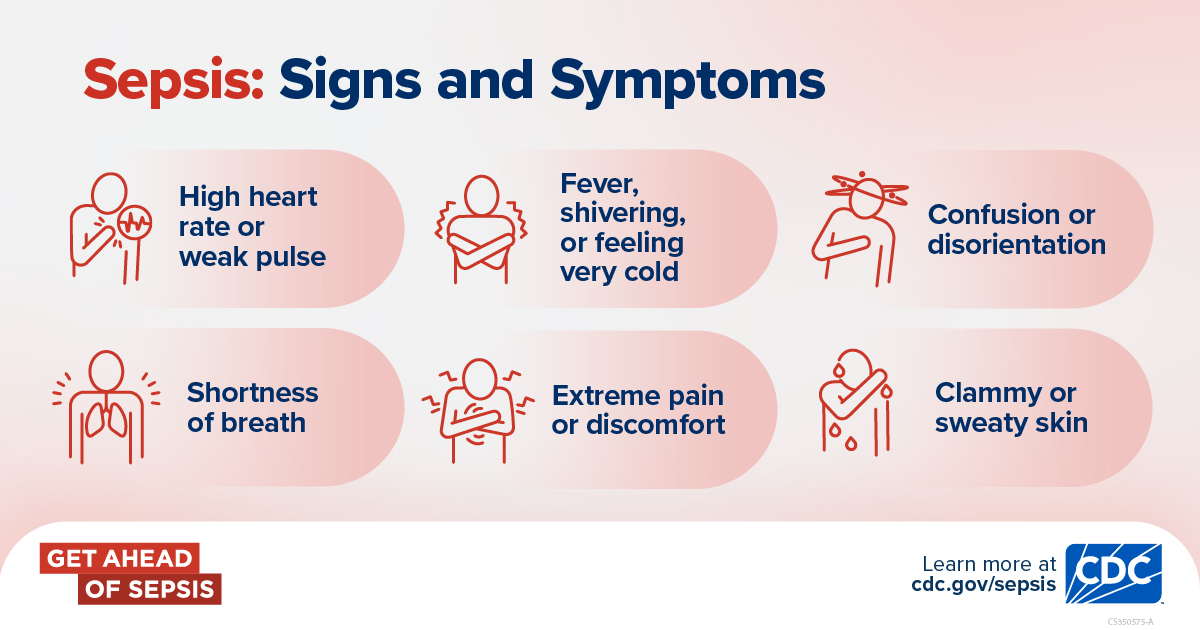
- Sepsis
- Workflow and Task Management
Juggling multiple patients is the name of the game in the ED. Track pending tasks, chase studies efficiently, and always prioritize the sickest ones first. Stay organized even when interruptions hit every five minutes. The best trick is to anticipate the next steps, so you’re not constantly playing catch-up.
Team Communication and Handoffs
Communicate changes right away. Give clean, organized updates. Learn good sign-out techniques, close the loop, and don’t be shy about asking for help early. The team trusts people who keep everyone in the loop.
Reliability
At the end of the day, just being reliable goes a really long way. Show up prepared, follow through on your patients, get your notes done without drama, take feedback well, and stay dependable when the pressure’s on. Focus on patient safety, clinical reasoning, communication, and earning the team’s trust. That’s what people remember.
What Doesn’t Matter as Much During Your Emergency Medicine Rotation
Here’s the liberating truth nobody says out loud: A ton of stuff you’re probably stressing about actually doesn’t matter that much. Chasing the longest differential diagnosis is a total waste of brain space. Nobody’s impressed by a list of twenty obscure possibilities when the real issue is right there in front of you.
Don’t obsess over seeing the absolute highest number of patients either. Quality beats quantity every time. It’s way better to really learn from a few cases than rush through a dozen and retain nothing.
Stop thinking you need to talk a lot during presentations—clear and concise wins. Don’t stay late unless you have a good reason. Burnout is real, and the team notices when you’re exhausted and inefficient the next day.
The bottom line is: let go of the perfectionist pressure. Focus on being useful, safe, and coachable instead. You’ll enjoy the rotation more and actually learn what counts.
How to Study Without Burning Out on Emergency Medicine
Studying for your ER rotation doesn’t have to mean pulling all-nighters or drowning in textbooks. The secret is to study smarter, not harder, and tie it directly to what you’re seeing on shift.
Study Around Your Patients
This is the absolute best tip for EVERY rotation! After a shift, take a few minutes to review the cases you actually saw. Look up the workup, management, and especially the disposition decisions. Focus on the clinical reasoning. Why did they choose that test or that plan? What were the next steps? Connecting real patients to the knowledge makes it stick way better than random reading.
High-Yield Emergency Medicine Rotation Topics
Don’t try to learn everything. Zero in on these high-yield areas:
- Chest pain evaluation
- ECG interpretation
- Shortness of breath algorithms
- Sepsis recognition
- Shock and resuscitation
- Trauma assessment
- Stroke and neurologic emergencies
- Airway emergencies
- Toxicology fundamentals
- Emergency imaging basics
- Wound care and laceration management
- Psychiatric emergencies
- Short, Focused Study Sessions
Keep study sessions to 30-45 minutes max. Pick one chief complaint at a time, really understand it, then stop. Prioritize depth of understanding over cramming tons of topics. If your brain is fried and you’re not retaining information, walk away. Forcing it won’t help you learn more and contributes to burnout.
Use Smart Resources
Stick with quality resources like the Ultimate Guide to Clinical Rotations for big-picture tips and the blog series we’ve put together on succeeding during your clinical rotations. For the NBME shelf exam, prioritize Qbank-style practice questions and clinical reasoning practice over passive reading.
Prepared Enough Is Enough
Here’s the freeing part. You don’t need to re-read entire emergency medicine textbooks. Seriously. Consistency beats those crazy marathon sessions every time. Just keep chipping away at the common presentations and their management pathways. That steady approach builds real competence without destroying your mental health.
Common Traps During Emergency Room Rotation
Watch out for these pitfalls that trip up a lot of students:
- Chasing rare diagnoses before ruling out the common ones
- Failing to reassess patients
- Overordering tests without a clear question
- Becoming overwhelmed by interruptions
- Avoiding uncertainty instead of learning to manage it
- Neglecting sleep and recovery between shifts
Common First Rotation Mistakes and How to Avoid Them
Every med student makes mistakes on their first ER rotation. It’s totally normal! The good news is you can dodge the biggest ones pretty easily if you know what to watch for.
Premature Closure
One of the most common traps is settling on a diagnosis too early. You see a classic presentation and boom: case closed. Fight that urge. Keep revisiting your differential as new info rolls in. Stay curious and flexible.
Failure to Reassess
Patients aren’t static. They can change fast. Always re-evaluate after treatments and test results. A quick check-back can catch problems before they get serious.
Ignoring Disposition
Don’t wait until the end of the shift to think about admission versus discharge. Start considering it early. Identify remaining barriers so you can make a solid plan.
Not Communicating Changes
This is a big one: update your residents and attendings as soon as you have new information. Escalate concerns right away. Good communication keeps everyone safe and shows you’re a team player.
Managing Uncertainty in the Emergency Department
Not every diagnosis will be crystal clear, and that’s okay. Accept it, focus on safe decision-making, and learn to communicate your uncertainty honestly. Understand risk stratification and don’t be afraid to ask for help early when you’re concerned. Managing uncertainty isn’t a weakness. It’s a core emergency medicine skill.
What Smashing Your Emergency Room Rotation Really Looks Like
It’s not about being the smartest person in the room or knowing every rare diagnosis. It’s about showing up as a reliable, sharp, and calm team player.
- You quickly recognize unstable patients, spot red flags, and act fast.
- Your differentials are focused and practical, not endless laundry lists.
- You consistently reassess patients after treatments and new results, catching changes before they become problems.
- Your presentations are crisp, organized, and get straight to the point — chief concern, level of worry, key findings, and a clear plan.
- You communicate effectively with the whole care team, giving timely updates and closing loops. You get good at safe disposition decisions — knowing who can go home safely and who needs more care.
- You manage multiple patients without getting completely overwhelmed.
The team starts trusting you with more autonomy because they see you’re dependable under pressure. By the end of the rotation, you walk out more confident and adaptable, ready for whatever medicine throws at you next.
Success in the ER isn’t about knowing every diagnosis. It’s about recognizing danger early, prioritizing effectively, and communicating clearly with your team. Reliable performance beats trying to look impressive every single time.
Take these skills with you! Stronger clinical judgment, better decision-making, and real confidence will serve you well in every future rotation and specialty. You’ve got everything you need to own this. Now go out there and smash that EM rotation!
References
- https://www.ama-assn.org/medical-students/clinical-rotations
- https://www.osmosis.org/blog/the-osmosis-ultimate-guide-to-thriving-in-clinical-rotations
- https://www.saem.org/about-saem/academies-interest-groups-affiliates2/cdem/for-students/online-education/m3-curriculum/motivation/how-to-get-the-most-out-of-your-emergency-medicine-clerkship
- https://www.saem.org/about-saem/academies-interest-groups-affiliates2/cdem/for-students/online-education/m4-curriculum
- https://www.saem.org/docs/default-source/saem-documents/students/em-clerkship-primer_0_0.pdf
- https://www.osmosis.org/answers/abcde-trauma-assessment-mnemonic
- https://www.osmosis.org/blog/how-to-collaborate-with-your-er-attending
- https://www.osmosis.org/answers/vindicate-differential-diagnoses-acronym
- https://www.osmosis.org/learn/Approach_to_chest_pain%3A_Clinical_sciences
- https://www.osmosis.org/learn/Approach_to_dyspnea%3A_Clinical_sciences
- https://www.osmosis.org/learn/Abdominal_Pain
- https://www.osmosis.org/learn/Primary_headaches_(tension,_migraine,_and_cluster):_Clinical_sciences
- https://www.osmosis.org/learn/Approach_to_syncope:_Clinical_sciences
- https://www.osmosis.org/learn/Approach_to_a_fever:_Clinical_sciences
- https://www.osmosis.org/learn/Approach_to_altered_mental_status:_Clinical_sciences
- https://www.osmosis.org/learn/Approach_to_trauma:_Clinical_sciences
- https://www.osmosis.org/learn/Approach_to_back_pain:_Clinical_sciences
- https://www.osmosis.org/learn/Approach_to_vomiting_(acute):_Clinical_sciences
- https://www.osmosis.org/learn/Approach_to_weakness_(focal_and_generalized):_Clinical_sciences
- https://www.osmosis.org/learn/Approach_to_dizziness_and_vertigo:_Clinical_sciences
- https://www.osmosis.org/learn/Psychiatric_emergencies:_Pathology_review
- https://www.osmosis.org/learn/Approach_to_stimulant_use,_intoxication,_and_overdose:_Clinical_sciences
- https://www.osmosis.org/learn/Sepsis:_Clinical_sciences
- https://www.osmosis.org/learn/ECG_basics
- https://www.ruh.nhs.uk/For_Clinicians/departments_ruh/Cardiology/documents/Assessment_of_Breathlessness_clinical_pathway_assessment_Handout.pdf
- https://www.cdc.gov/sepsis/media/images/GAOS-SMCampaign-SignsSymptoms-FB-thumb.jpg
- https://www.osmosis.org/video/Shock
- https://www.osmosis.org/learn/Approach_to_trauma:_Clinical_sciences
- https://www.osmosis.org/learn/Stroke
- https://www.acponline.org/sites/default/files/documents/about_acp/chapters/mt/neurological_emergencies.pdf
- https://www.myesr.org/app/uploads/2025/05/ESR_Modern_eBook_25.pdf
- https://www.osmosis.org/blog/how-to-use-osmosis-to-help-you-thrive-during-clinical-rotations
- https://www.emra.org/books/msadvisingguide
- https://www.aliem.com
- https://coreem.net
- https://wikem.org
- https://litfl.com
- https://www.ama-assn.org/medical-students/medical-school-life
- https://residencyadvisor.com/resources/med-school-life/essential-guide-preparing-first-clinical-rotation

Get your free trial now to discover why millions of clinicians and caregivers love learning by Osmosis.
Leave a Reply