Osmosis video - Blood and nerve supply of the oral cavity
00:00 / 00:00
More Videos
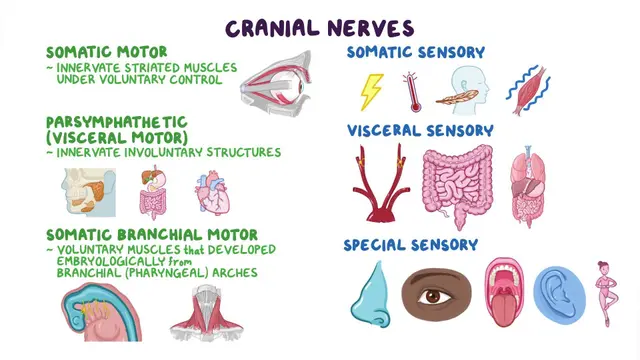
Introduction to the cranial nerves

Cranial nerve pathways
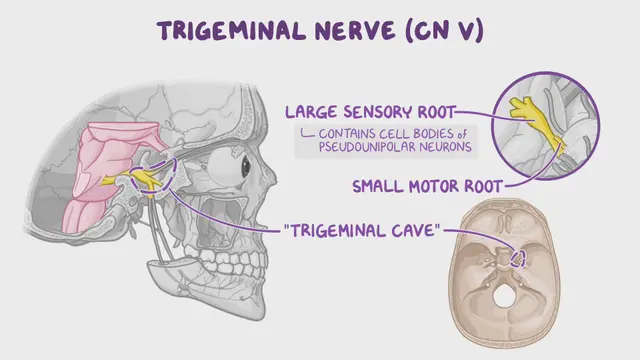
Anatomy of the trigeminal nerve (CN V)
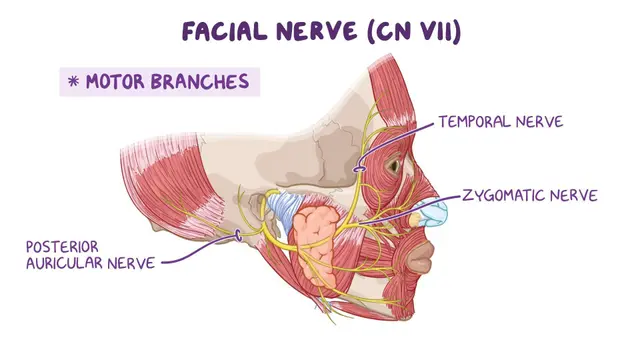
Anatomy of the facial nerve (CN VII)
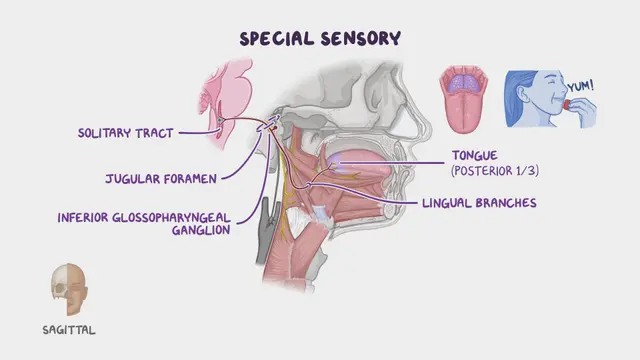
Anatomy of the glossopharyngeal nerve (CN IX)
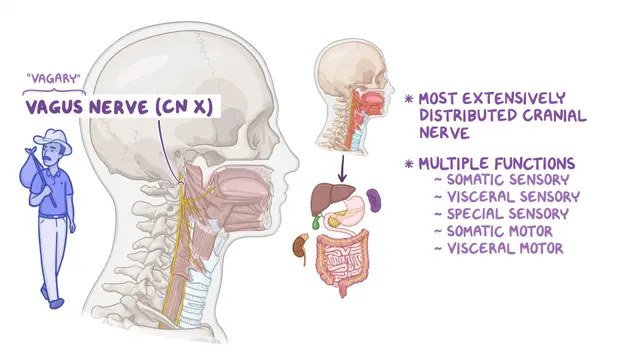
Anatomy of the vagus nerve (CN X)
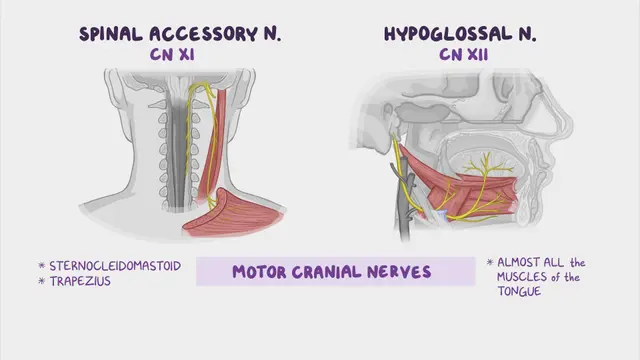
Anatomy of the spinal accessory (CN XI) and hypoglossal (CN XII) nerves
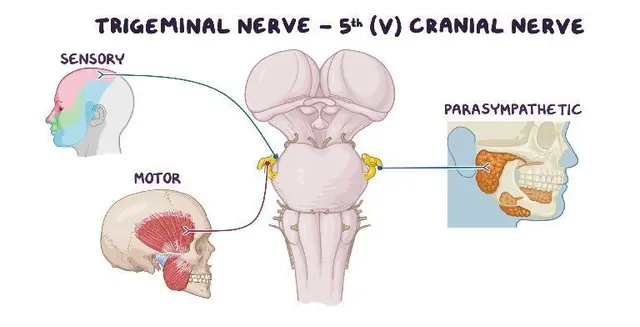
Anatomy clinical correlates: Trigeminal nerve (CN V)
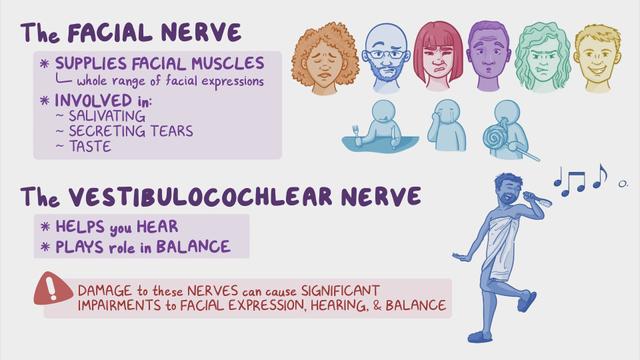
Anatomy clinical correlates: Facial (CN VII) and vestibulocochlear (CN VIII) nerves
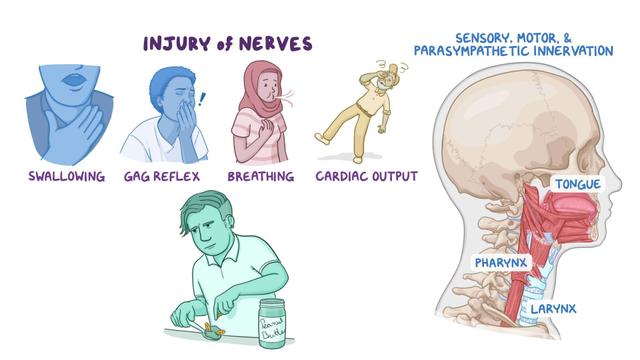
Anatomy clinical correlates: Glossopharyngeal (CN IX), vagus (X), spinal accessory (CN XI) and hypoglossal (CN XII) nerves
Video Summary of Blood and nerve supply of the oral cavity
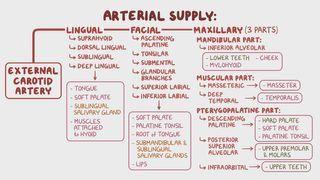
The oral cavity is the first part of the digestive system and is responsible for breaking down food so that it can be digested. The oral cavity is lined with mucous membranes and contains teeth, the tongue, and the salivary glands. The oral cavity and its components receive the blood supply from the facial, the lingual, and the maxillary branches of the external carotid artery. The venous drainage of the oral cavity accompanies its arterial supply, finally draining into the external and internal jugular veins. The lymphatic drainage of the oral cavity drains into the submental, submandibular, and deep cervical lymph nodes. The nerves of the oral cavity include the trigeminal nerve (CN V), facial nerve (CN VII), glossopharyngeal nerve (CN IX), vagus nerve (CN X), and hypoglossal nerve (CN XII).