Osmosis video - Transcription of DNA
Learn deeper with Osmosis
Master this topic faster with videos, questions, and AI.
Used by 8M+ healthcare learners.
No credit card · Cancel anytime
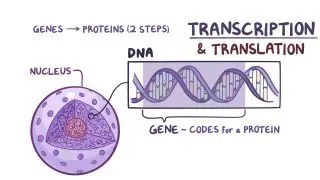
00:00 / 00:00
More Videos
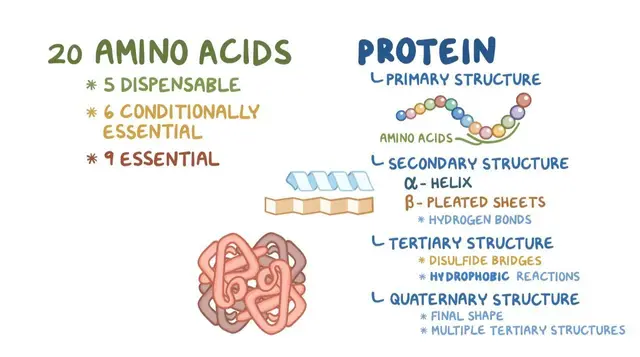
Amino acids and protein folding

Cell cycle

DNA damage and repair
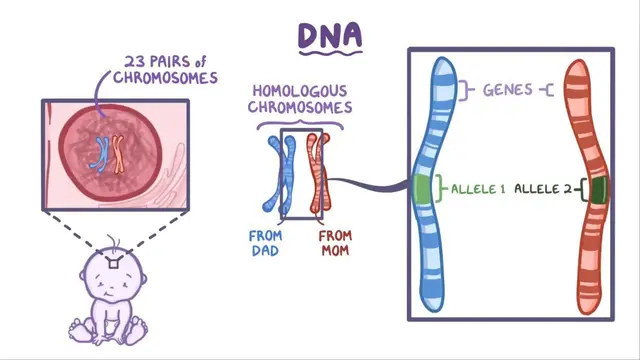
DNA mutations

DNA replication
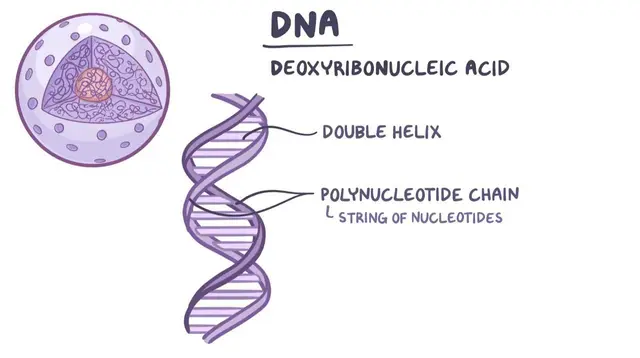
DNA structure
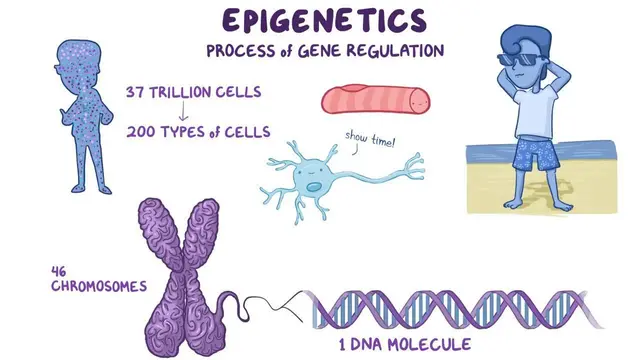
Epigenetics
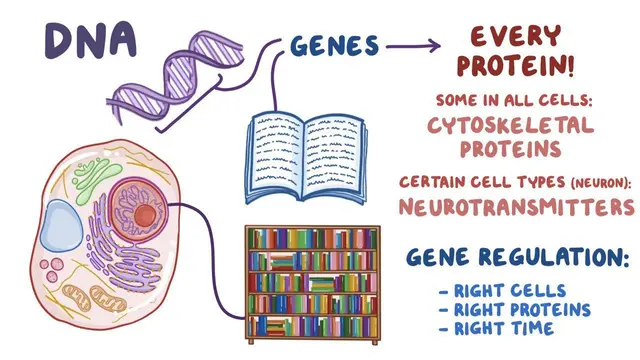
Gene regulation

Lac operon
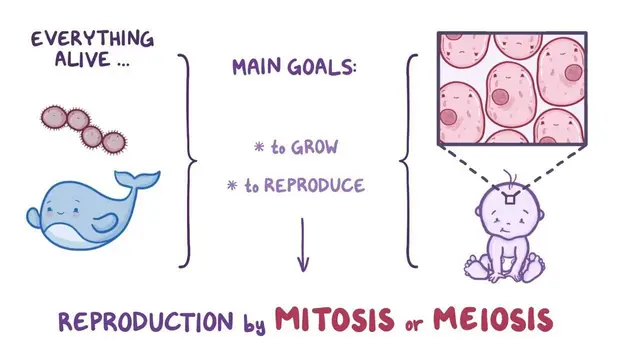
Mitosis and meiosis

Nuclear structure
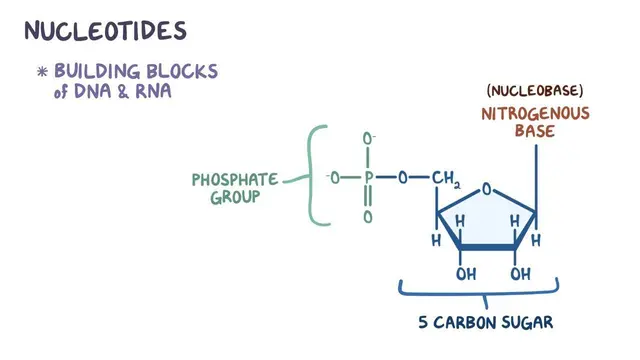
Nucleotide metabolism
Transcription of DNA
Translation of mRNA
Video Summary of Transcription of DNA
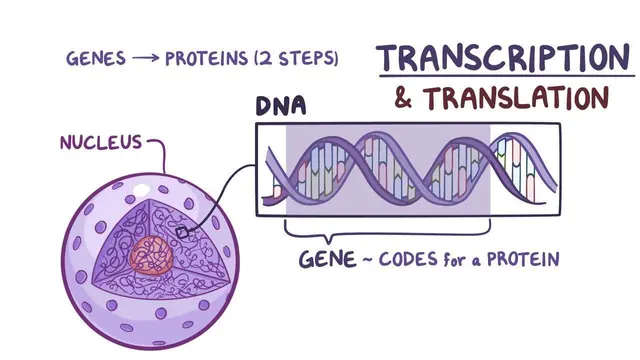
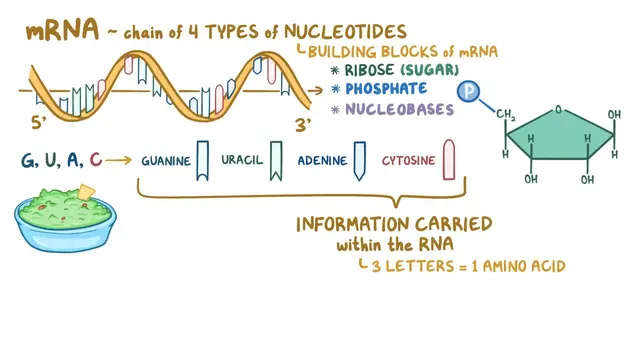
Transcription is the process by which genetic information in DNA is copied into RNA. The process occurs in the nucleus and is critical for gene expression. The three main steps involved in transcription are initiation, elongation, and termination. During initiation, RNA polymerase binds to a specific region of DNA called the promoter. During elongation, RNA polymerase adds complementary RNA nucleotides to the growing RNA chain. Termination occurs when the RNA polymerase reaches a sequence of DNA called the terminator, and the RNA molecule is released. Finally, RNA molecules undergo post-transcriptional processing to prepare them for translation, the process by which proteins are synthesized from RNA. The resulting RNA molecule is called messenger RNA (mRNA) and is transported out of the nucleus and into the cytoplasm, where it serves as a template for protein synthesis.