There are four main indications for IV fluid therapy, including fluid resuscitation, maintenance fluid therapy, correction of electrolyte imbalances, and delivery of IV medications.
Fluid resuscitation involves administering IV fluids to rapidly restore circulating blood volume in cases of acute blood loss, severe dehydration, or shock. In critically ill individuals, IV treatment is administered in the form of rapid boluses of 500-1000 ml of fluid and repeated as needed depending on clinical response. In hemodynamically stable individuals, fluids are administered less aggressively due to risk of fluid overload.
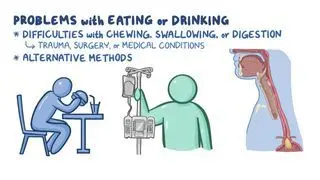
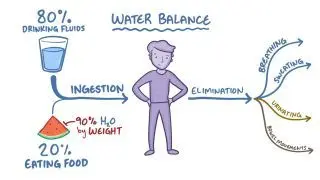
After stabilization, IV fluids can be used to provide daily fluid and electrolyte requirements, especially if oral intake is not possible or cannot compensate for the individual’s requirements alone. In those with ongoing fluid losses (e.g., burns, gastrointestinal tract losses from vomiting or diarrhea, fistulas) maintenance therapy should consider the amount of lost fluid and try to mimic its composition. Generally, daily baseline requirements are 20-25 ml/kg of water; 1 mmol/kg/day of potassium, sodium and chloride; and around 50-100 g/day of glucose to prevent starvation ketosis. Other sources of fluid intake (e.g., IV medication, enteral nutrition, blood transfusions) should be subtracted from the required daily fluid volume to avoid fluid creep, which is the gradual and often unnoticed accumulation of fluid in the body.
Another indication of IV therapy is the correction of electrolyte imbalances, such as hyper- or hyponatremia, hypokalemia, or hypocalcemia.
Finally, IV fluids like normal saline or dextrose solutions are often used as a vehicle to deliver IV medications.