Anticholinergic drugs refer to agents that block
cholinergic receptors, or
acetylcholine receptors, and are divided into two categories:
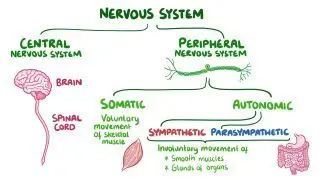
antimuscarinics, which block muscarinic receptors (i.e., acetylcholine receptors sensitive to muscarine that function in the central and
peripheral nervous system and serve as an interface between the peripheral nervous system and various organs), and antinicotinics, which block nicotinic receptors (i.e., acetylcholine receptors sensitive to
nicotine that function in the central nervous system and the
neuromuscular junction). Antimuscarinics (e.g.,
atropine,
scopolamine) are used for a variety of conditions, including overactive bladder syndrome, a
lower urinary tract condition more common in older people that causes strong urges to urinate and urine leakage;
irritable bowel syndrome, an intestinal condition that causes
abdominal discomfort,
gas, diarrhea, and
constipation; and bradycardia, or slower than usual
heart rate. Antinicotinics (e.g.,
bupropion,
ipratropium,
atracurium, and cisatracurium) are used to support
smoking cessation; for
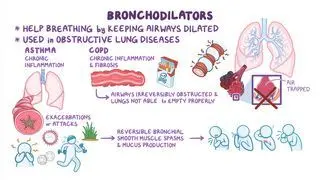
asthma or COPD maintenance and treatment; for muscle relaxation during
anesthesia; as well as for the treatment of
depression in combination with other medications.