Treatment for HHT is aimed at managing symptoms and preventing complications, as there are currently no curative treatments for the disease. Management is carried out by a multidisciplinary team at specialized HHT centers, including otolaryngology (ENT) specialists, dermatologists, hematologists, neurosurgeons, gastroenterologists, and pulmonary specialists.
Since the most common symptom of HHT is nosebleeds, management of nosebleeds is key to treatment. For some people, these may be an uncommon, easily managed occurrence, while others may have multiple nosebleeds daily. Mild nosebleeds can be stopped by pinching the nose for at least 10 minutes while sitting upright. If this fails, the bleeding may be stopped by applying a cotton pledget soaked in a vasoconstrictor like phenylephrine inside the nose or by cauterizing the bleeding site. Laser therapy and systemic treatments, like antiangiogenic medications (e.g., bevacizumab), may be considered to help reduce the frequency of bleeding episodes. In cases where other treatments have not been effective, surgery may be performed to control the nose bleeds.
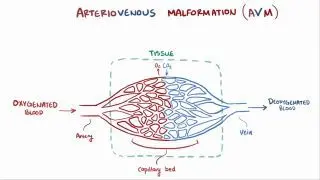
The decision to treat AVMS is mainly based on their location. Some AVMs, like those located on the brain, may be treated even if the person doesn’t have symptoms because of the risk of bleeding. Treatment strategies include surgical resection and radiosurgery, where beams of radiation are directed at the AVM, causing the blood vessels to scar and close off. Alternatively, AVMs may be treated with endovascular embolization, where a catheter is used to obstruct the vessels.
Finally, individuals affected by HHT who have frequent mucosal bleeding may be given iron supplements to treat or prevent anemia.