
Nipah Virus

What Is It, Causes, Treatment, and More

Author: Ali Syed, PharmD
Editor: Alyssa Haag
Editor: Ian Mannarino, MD
Editor: Kelsey LaFayette, DNP, ARNP, FNP-C
Illustrator: Jessica Reynolds, MS
Copyeditor: David G. Walker
Modified: May 02, 2025

What is the Nipah virus?

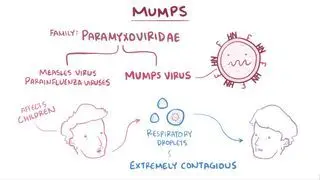
Nipah virus (NiV) is a zoonotic virus and spreads primarily from animals to humans.  NiV belongs to the family Paramyxoviridae and genus Henipavirus. The natural animal reservoirs for NiV are fruit bats of the genus Pteropus, commonly known as flying foxes.

The virus was first isolated in 1999 following outbreaks of NiV in domestic pigs and humans in Malaysia and Singapore, affecting nearly 300 humans, and causing more than 100 deaths 

An infographic detailing the background and transmission of the Nipah virus.

How is the Nipah virus transmitted?

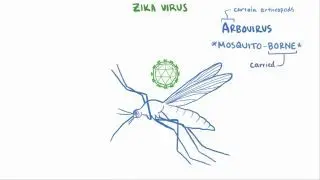
Infected fruit bats can spread NiV to domestic animals such as dogs, pigs, cats, goats, and horses directly or indirectly such as through contaminated raw date palms and date palm sapNiV infection can occur in humans after close contact with an infected animal or human; contact with an infected animal or human’s body fluids, such as saliva, feces, and urine; and through contaminated food products.  Person-to-person spread of NiV is most common within families, amongst caregivers of NiV-infected individuals, and in healthcare settings.  

What are the signs and symptoms of NiV infection?

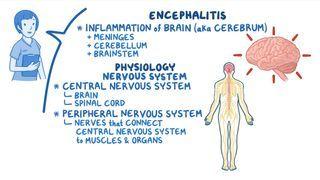
Signs and symptoms of NiV infection can range from asymptomatic to severe. The incubation period, or the time from infection to development of signs and symptoms, is typically 4-14 days and often initially presents with non-specific manifestations. The most common manifestations include fever, headache, vomiting, muscle pain (i.e., myalgia), cough, sore throat, and difficulty breathing. Acute encephalitis, or brain swelling, may subsequently follow these non-specific symptoms in some cases. Acute encephalitis is typically characterized by dizziness, drowsiness, seizures, and altered level of consciousness, which may rapidly progress into a coma within 24-48 hours. 

Most who survive the acute stage of encephalitis make a full recovery; however, mortality occurs in an estimated 40-75% of cases. Among survivors of acute encephalitis, sequelae such as seizure disorders and personality changes may be observed in up to 20%. Some individuals may relapse or develop delayed-onset disease where they experience symptoms months to years after exposure, known as a dormant or latent infection. 

How is NiV infection diagnosed?

Diagnosis of NiV infection begins with a thorough review of symptoms and medical history and conduction of a physical examination. Since the initial signs and symptoms of NiV infection are generally non-specific, early detection and diagnosis can be challenging. This can hinder survival chances and create challenges in controlling transmission and outbreak.  

During the early stages of infection, detection of the virus can be made through real-time polymerase chain reaction (RT-PCR) using samples from the throat, nares, cerebrospinal fluid, urine, and/or blood. In the later stages and following recovery, an enzyme-linked immunosorbent assay (ELISA) may be conducted to detect antibodies, antigens, and proteins specific to NiV and confirm prior NiV infection. The quality, quantity, type, and timing of sample collection, as well as the time needed to transfer samples to the laboratory may all affect the accuracy of laboratory results. 

In suspected cases of acute encephalitis, a lumbar puncture may be conducted to obtain cerebrospinal fluid sample(s) and screen for NiV infection. Imaging of the brain using a CT scan or MRI may also be conducted to assist in the diagnosis of acute encephalitis. 

How is NiV infection treated?

Treatment of NiV is limited to supportive care and includes rest, hydration, and treatment of specific symptoms as they occur. Supportive medications can include acetaminophen and/or ibuprofen to relieve pain and fever; dimenhydrinate and/or ondansetron to control nausea and vomiting; and dextromethorphan, dexamethasone, ipratropium, or salbutamol inhalers or nebulizers to improve respiratory symptoms. Anti-seizure medications, such as benzodiazepines, levetiracetam, and/or phenytoin, may be used to alleviate seizures associated with acute encephalitis and maintain control of neurological symptoms. 

While there are currently no approved pharmacological treatments for NiV infection, immunotherapeutic treatments known as monoclonal antibody therapies are currently under development and evaluation. For example, monoclonal antibody m102.4 is undergoing clinical trials and being used on a case-by-case basis. Additionally, antiviral therapies, such as remdesivir, have shown effective in studies on non-human primates and ribavirin was also used to treat a small number of individuals in the initial NiV outbreak, however, the efficacy of this drug in humans remains unclear. 

How do you prevent NiV infection?

recommended that regular hand hygiene, avoiding close contact with domestic animals and other high-risk individuals as well as areas that fruit bats are known to occupy can help prevent transmission. Additionally, proper food hygiene can reduce transmission and includes avoiding food or drink products at high risk of contamination by fruit bats, such as raw date palm sap, raw fruits, or fruit found on the ground. All food items should be properly washed, peeled, and/or cooked; and food products with signs of animal bites should be discarded. 

Strict adherence to infection control practices through disinfection and use of personal protective equipment, such as gloves and face masks, on animal premises and in hospitals at high risk of NiV exposure may effectively prevent NiV transmission. In areas where a NiV outbreak is suspected, quarantine should be immediately enacted to restrict contact between infected and non-infected individuals.  

Additional and ongoing preventive measures include raising awareness and continuing research on NiV and its transmission; increasing surveillance of domestic animals, fruit bats, and individuals in areas where NiV is known to exist; evaluating new methods to minimize transmission between species; and developing new tools to detect early infection in humans and animals. 

What are the most important facts to know about the Nipah virus?

Nipah virus (NiV) is a zoonotic virus that is transmitted from animals to humans. The natural animal reservoir for NiV are infected fruit batsNiV infection can occur in humans after close contact with an infected animal or human or there body fluids and through contaminated food products. The most common signs and symptoms consist of fever, headache, vomiting, muscle pain, cough, sore throat, and difficulty breathing. In severe cases, acute encephalitis may occur, which can be accompanied by long-term neurological sequelae. NiV infection can be diagnosed using an RT-PCR using samples from the throat, nares, CSF, urine, and/or blood. In the later stages of NiV infection and following recovery, an ELISA test may be conducted to confirm prior NiV infection. Treatment of NiV is limited to supportive care including rest, hydration, and treatment of specific symptoms as they occur.  

Key Takeaways

DefinitionZoonotic virus that can cause infection in humans. First outbreak in Malaysia in 1999.
Transmission- Direct contact with infected animals, humans, or their body fluids
- Ingestion of contaminated food or drink
NiV Infection Symptoms- Fever
- Headache
- Cough
- Sore throat
- Encephalitis
NiV Infection Diagnosis- RT-PCR (acute)
- ELISA (late or post-recovery)
NiV Infection Treatment- Supportive care
- Symptom management
- Monoclonal antibodies and antivirals (clinical trials)
NiV Infection Prevention- Hang hygiene
- Food hygiene
- PPE in high-risk areas
- Quarantine during outbreaks

References


Banerjee S, Gupta N, Kodan P, et al. Nipah virus disease: A rare and intractable disease. Intractable & Rare Diseases Research. 2019;8(1):1-8. doi:https://doi.org/10.5582/irdr.2018.01130

Epstein JH, Field HE, Luby S, Pulliam JRC, Daszak P. Nipah virus: Impact, origins, and causes of emergence. Current Infectious Disease Reports. 2006;8(1):59-65. doi:https://doi.org/10.1007/s11908-006-0036-2


Montgomery JM, Hossain MJ, Gurley E, et al. Risk factors for Nipah virus encephalitis in Bangladesh. Emerging Infectious Diseases. 2008;14(10):1526-1532. doi:https://doi.org/10.3201/eid1410.060507

Singh RK, Dhama K, Chakraborty S, et al. Nipah virus: Epidemiology, pathology, immunobiology and advances in diagnosis, vaccine designing and control strategies – A comprehensive review. Veterinary Quarterly. 2019;39(1):26-55. doi:https://doi.org/10.1080/01652176.2019.1580827