Stages of Pregnancy

Antepartum, Intrapartum, and Postpartum

Author: Anna Hernández, MD
Editor: Alyssa Haag, MD
Editor: Emily Miao, MD, PharmD
Editor: Kelsey LaFayette, DNP, ARNP, FNP-C
Editor: Abbey Richard, MSc
Modified: Feb 05, 2026

What are the stages of pregnancy?

Pregnancy is the process by which a fertilized egg develops into a baby inside the uterus or womb. Taking childbirth as a reference, pregnancy can be divided into three different stages: antepartum, which comprises the whole duration of pregnancy; intrapartum, which is the period of labor and childbirth; and postpartum, which is the period following childbirth. 

Pregnancy lasts around 40 weeks counting from the first day of the last menstrual period (LMP) to the baby's birth. Conception actually typically occurs 2 weeks after an individual's LMP, however, many may not know the exact date of conception. Therefore, LMP is usually used to calculate the estimated due date 

An infographic detailing the stages of pregnancy.

What is antepartum?

Antepartum refers to the period before childbirth, also called the prenatal period. It encompasses the entire pregnancy, from the day of conception to the start of labor. Conception begins with ovulation, which is the time of the menstrual cycle where the ovaries release an egg into the fallopian tube. Normally, the egg gets fertilized by a sperm cell within 12-24 hours after ovulation. The fertilized egg, called a zygote, undergoes a series of cell divisions as it moves towards the uterus, becoming a blastocyst. The blastocyst typically floats around inside the uterus for another day before it finds a place to implant on day 5, thereby marking the beginning of the pregnancy.  

Once the fertilized egg implants in the uterus, it begins producing human chorionic gonadotropin (hCG) hormone, which is the hormone pregnancy tests detect. Most at-home pregnancy tests can detect hCG in the urine around 10-14 days after conception, which is typically around the time of a missed period.  

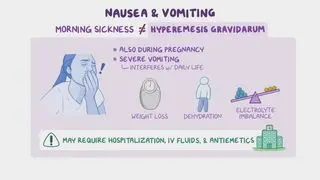
Pregnancy is divided into three stages called trimesters. The first trimester, from week 1 through week 13, is a critical time for the development of the fetus’ organs, especially the heart, brain, spinal cord, and limbs. During the first weeks, individuals may experience early pregnancy symptoms related to the increase in estrogen and progesterone, such as nausea and vomiting, commonly known as morning sickness, breast pain, and fatigue.  

At around 8 to 12 weeks' gestation, a healthcare provider may perform the first obstetric ultrasound, which is used to confirm the pregnancy, check for multiple gestations, and establish the gestational age and estimated due date.  

The second trimester, which occurs from 14 weeks to 27 weeks of gestation, is a time of rapid fetal growth. Most of the baby’s organs are already formed and the baby becomes more active, so pregnant individuals may begin to feel the baby kick or move around. Antenatal visits during this time focus on detecting any pregnancy-related complications, such as gestational diabetes mellitus or hypertension and identifying fetal anomalies. An obstetric ultrasound called an anatomy scan is usually performed between 18 to 20 weeks' gestation to assess the cervix, location of the placenta, and fetal anatomy. 

The final stage of pregnancy is the third trimester, which occurs from 28 weeks to the end of pregnancy. During this stage, the baby’s organs are fully formed, and they begin to prepare for life outside the womb. Growth focuses on weight gain and the final development of systems like the lungs and brain. The baby reaches full term by week 37, though birth typically occurs between 37 and 40 weeks. At this stage, most individuals experience late-pregnancy symptoms, such as backaches, pelvic pain, acid reflux, swelling of the legs, and mild shortness of breath due to the enlarging uterus.  
What is intrapartum?

The intrapartum stage starts with the onset of labor and ends with the delivery of the baby and placenta. The whole process usually takes about 12 to 18 hours for a first-time pregnancy and about half that time for subsequent pregnancies.   

In the third trimester of pregnancy, before labor starts, a plug of mucus and blood may fall out of the opening of the cervix into the vagina. Other times, the amniotic sac might rupture, which is commonly known as “water breaking.” Either of these can trigger the onset of labor and so-called true labor contractions. True contractions differ from the milder and ineffective false labor contractions, also called Braxton Hicks, or practice contractions.  

Once they start, contractions progress in frequency, duration, and intensity, and they can feel like waves that build up to a peak intensity and then gradually decrease. Contractions help to thin and dilate the cervix in preparation for birth. Once the cervix is fully dilated, the pushing stage begins, where the pregnant individual will push with each contraction to help move the baby through the birth canal. 

After delivery, the uterus contracts and the placenta begins to separate from the uterine wall until it is delivered. The placenta must be carefully assessed to ensure it has been delivered intact and complete. This step is very important because retained fragments of the placenta could prevent the uterus from contracting fully after birth, leading to excessive postpartum bleeding and/or severe infection (i.e., sepsis).

What is postpartum?

The postpartum period occurs from childbirth to around 6 to 8 weeks after giving birth. The uterus returns to its pre-pregnancy size in around 6 weeks. As the uterus shrinks, it can cause abdominal cramping, as well as postpartum vaginal dischargecalled lochia, which is a mix of blood, mucus, and tissue from the uterus. Initially, the discharge is heavy and bright red but gradually lightens in color and amount.  

Breast milk production begins within a few days after birth, following the initial production of colostrum (i.e., yellowish breast fluid that is rich in immune cells and antibodies, but low in fat that is produced during pregnancy and available to baby immediately following birth). Breastfeeding is a reflex that starts with a baby latching and sucking on the breast. A good latch is one in which the baby’s mouth is wide open, covering the areola with the lips, the nipple up against the roof of the mouth, and the baby’s tongue up against the bottom of the areola. Parents who wish to breastfeed but struggle to do so may seek guidance from a lactation consultant to help them address any issues that may arise. 

Even though the release of progesterone during lactation can inhibit ovulation and act as a natural birth control method, it is not completely reliable. Therefore, individuals who are not looking for another pregnancy may be counseled on postpartum contraception.  

Finally, the postpartum stage is a time of adjustment for parents and caregivers. Newborns typically have irregular sleep patterns, requiring frequent feedings during the night. This can lead to sleep deprivation and exhaustion, especially in the early weeks. Many individuals experience "baby blues" in the first few days to 2 weeks postpartum, characterized by mild mood swings, irritability, anxiety, or tearfulness. In most cases, these feelings are short-lived and linked to hormonal shifts and exhaustion. However, around 10 to 20% of new parents may experience postpartum depression, a severe mood disorder that results in feelings of sadness, hopelessness, and difficulty bonding with the baby.  

What are the most important facts to know about the stages of pregnancy?

Pregnancy is divided into three different stages: antepartum, intrapartum, and postpartum. The antepartum period includes the entire pregnancy and is divided into three trimesters. The first trimester is the time in which the fetus’ organs develop. The second trimester is characterized by rapid fetal growth, whereas in the third trimester fetal growth slows down and the organs mature in preparation for birth. Intrapartum refers to labor and delivery, which begins with the onset of contractions and ends with the delivery of the baby and the placenta. Finally, postpartum is the period after giving birth, during which the body recovers and parents adjust to caring for the newborn. 

Key Takeaways

Definition 

Taking childbirth as a reference, pregnancy can be divided into three different stages: antepartum, which comprises the whole duration of pregnancy; intrapartum, which is the period of labor and childbirth; and postpartum, which is the period following childbirth. 

Antepartum (Antenatal Period) 

- Period before childbirth (from day of conception to start of labor)  

- Conception: fertilization of the egg after release in the fallopian tube (12-24 hours from ovulation) 

- Zygote division while moving towards the uterus blastocyst  implantation and beginning of pregnancy (day 5)  

     - hCG production after implantation → detected in pregnancy test (from 10-14 days after conception) 

- Trimesters of pregnancy:  

     - First trimester (weeks 1-13): 

          - Organ development  

          - Early pregnancy symptoms (morning sickness, breast pain, fatigue) 

          - 8-12 weeks’ gestation: first obstetric ultrasound  

     - Second trimester (weeks 14-27):  

          - Rapid fetal growth 

          - Beginning of movements/kicking  

          - Antenatal visits: detection of pregnancy-related complications  

          - 18-20 weeks’ gestation: anatomy scan 

     - Third trimester (week 28 to end of pregnancy): 

          - Weight gain and final development 

          - Full term: week 37  

          - Birth: typically week 37-40 

          - Late-pregnancy symptoms: backaches, pelvic pain, acid reflux, leg swelling, shortness of breath 

Intrapartum 

- Start: onset of labor  

- End: delivery of the baby and placenta  

- Duration:  

     - 12-18 hours (first-time pregnancy)  

     - Half the time for subsequent pregnancies 

- Preceding the onset of labor (true contractions):  

     - Plug of mucus and blood may fall out of the cervix  

     - Amniotic sac may rupture (water breaking) 

- Contractions stage 

     - Progression of contractions in frequency, duration, intensity  

     - Help dilate and thin the cervix  

- Pushing stage (once cervix fully dilated) 

- Placenta expulsion and assessment after delivery 

     - Retained fragments → risk of postpartum bleeding and/or infections  

Postpartum 

- From childbirth to 6-8 weeks after  

- Uterus: to pre-pregnancy size in 6 weeks  

     - Shrinking → abdominal cramping, abdominal discharge (lochia 

- Breast milk production:  

     - Begins within a few days after birth, following colostrum production  

     - Breastfeeding reflex upon baby latching and sucking on breast 

     - Lactation consultants if issues with breastfeeding 

     - Progesterone release during lactation → natural birth control method, not completely reliable 

          - Counseling on postpartum contraception 

- Adjustment time which might involve: 

     - Sleep deprivation and exhaustion  

     - “Baby blues” - mood swings, irritability, anxiety, tearfulness  

     - Postpartum depression  

References


Deshpande S, Kallioinen M, Harding K, Guideline Committee. Routine antenatal care for women and their babies: summary of NICE guidance. BMJ. 2021;375:n2484. doi:10.1136/bmj.n2484   


Hall JE, Hall ME. Guyton and Hall Textbook of Medical Physiology. 14th ed. Elsevier - Health Sciences Division; 2020.  


Paladine HL, Blenning CE, Strangas Y. Postpartum care: An approach to the fourth trimester. Am Fam Physician. 2019;100(8):485-491. Accessed August 31, 2024. https://www.aafp.org/pubs/afp/issues/2019/1015/p485.html 


Ramírez SI. Prenatal care: An evidence-based approach. Am Fam Physician. 2023;108(2):139-150. Accessed August 31, 2024. https://www.aafp.org/pubs/afp/issues/2023/0800/prenatal-care.html