Toxemia · What Is It, How It Is Managed, and More

Published: Nov 21, 2025
Author: Ali Syed, PharmD
Editor: Alyssa Haag, MD
Editor: Józia McGowan, DO
Editor: Anna Hernández, MD
Illustrator: Jillian Dunbar
Copyeditor: Joy Mapes
7-day free trial

Go deeper with Osmosis

Osmosis is a learning platform with videos, questions, and AI tools to help you master topics like this.

4.8 · 12,000+ reviews
Watch quick, visual videos
Practice with Qbank-style questions
Use AI to explain, quiz, and review
Study anytime with the mobile app
Start free trial

No credit card · Cancel anytime

What is toxemia?

Toxemia in pregnancy is an outdated term for what is now known as preeclampsiaThe term toxemia was a common term in the 19th and early 20th centuries before the discovery of specific pathophysiological mechanisms. Now it has been mostly replaced by more precise terms (e.g., sepsis, preeclampsia, toxicity, uremia, etc.). 

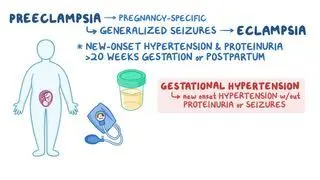
Preeclampsia is a complication of pregnancy characterized by new-onset high blood pressure and signs of damage to various organs, like the liver or kidneys. It’s a disorder that only occurs in pregnant individuals, and it happens after 20 weeks’ gestation, although in some cases it can develop up to 6 weeks after delivery.  

The main signs of preeclampsia are new-onset hypertension and proteinuria, or the presence of proteins in the urine, which is a marker of kidney damage. Other symptoms may include persistent headaches, visual disturbances, upper right abdominal pain, nausea or vomiting, and decreased urine output. Signs and symptoms of preeclampsia vary in severity and can develop gradually or abruptly. Some individuals may not experience any symptoms of preeclampsia or only mild ones, while for others it can turn into a life-threatening illness.  

Learn deeper with Osmosis

Master this topic faster with videos, questions, and AI.

Used by 8M+ healthcare learners.

Start free trial

No credit card · Cancel anytime

What causes toxemia in pregnancy?

The exact cause of preeclampsia is unclear, but it’s thought to arise from a disruption in the development of the placenta. During a healthy pregnancy, the spiral arteries in the uterus undergo significant changes—they expand up to 5 to 10 times their usual size and transform into wide, low-resistance vessels capable of supplying a large amount of blood to the growing fetus.  

In preeclampsia, however, this remodeling process doesn’t take place. The arteries remain narrow and take on a fibrous structure, restricting blood flow to the placenta. Early on in pregnancy, the placenta can easily meet the fetus’s needs despite the abnormal blood supply. Around 20 weeks of gestation, as the fetus's need for oxygen and nutrients increases, the placenta responds to the insufficient blood and oxygen supply by releasing inflammatory mediators into the mother’s circulation. These molecules (e.g., sFlt-1, sEng) trigger widespread dysfunction in the vascular endothelium—the thin layer of cells lining blood vessels—contributing to the systemic symptoms of preeclampsia. 

Although rarer, it’s possible for preeclampsia to occur up to 6 weeks after delivery. That’s because even though the placenta is gone, the harmful effects of the inflammatory molecules can linger in the maternal bloodstream for hours to days, continuing to damage the endothelium.  

While anyone can develop preeclampsia, it tends to occur more often during a first pregnancy, in pregnancies with multiple gestations, or in mothers 35 years or older. Other risk factors include having chronic high blood pressure, diabetes, obesity, or a family history of preeclampsia, as well as being Black and/or Hispanic. 

Is toxemia fatal?

Preeclampsia can lead to serious complications, including maternal death and fetal demise, if left untreated. Severe forms of preeclampsia or those that occur early in pregnancy (i.e., before 34 weeks’ gestation) are associated with greater risks for both the pregnant individual and the fetus.  

Complications for a person with preeclampsia may include excessive bleeding due to low platelet levels in the blood, as well as damage to the liver, lungs, kidneys, eyes, or heart. A stroke or heart attack can also result. In addition, preeclampsia may cause the placenta to separate from the wall of the uterus, which can deprive the fetus of oxygen and nutrients and may lead to premature birth, restricted growth of the fetus, and fetal demise, in severe cases. 

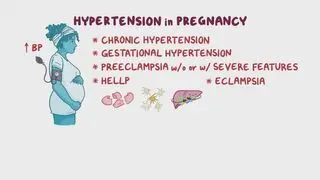
Another severe complication of preeclampsia is eclampsia, which is characterized by coma and seizures in addition to the characteristic preeclampsia symptoms. While most individuals recover fully from eclampsia, there's a small risk of brain damage and permanent disability  

HELLP syndrome is another life-threatening complication of preeclampsia. The acronym HELLP stands for hemolysis (i.e., the destruction of red blood cells), elevated liver enzymes, and low platelet count. This syndrome is a more severe form of preeclampsia, capable of rapidly becoming life-threatening for both the pregnant individual and fetus. The majority of pregnant individuals with HELLP syndrome will have high blood pressure and the presence of protein in the urine. 

How is toxemia diagnosed?

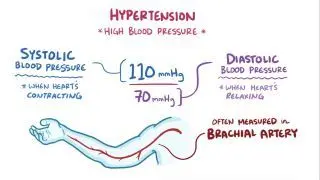
Diagnosis of preeclampsia is established in pregnant individuals who present with blood pressure readings over 140/90 mmHg consistently along with signs of organ damage after 20 weeks’ gestation. Those who develop hypertension during their pregnancy but show no signs of organ damage are diagnosed with gestational hypertension instead.  

Early and consistent prenatal visits may help diagnose and treat preeclampsia in early stages to avoid further complications. Blood pressure will be monitored regularly, and blood tests may be ordered to assess platelets, clotting factors, and kidney and liver function. Urine tests may also be ordered to assess protein levels in the urine. Additionally, regular fetal surveillance may also be recommended to monitor the health and growth of the fetus. A diagnosis of preeclampsia may be made based on lab values alone, regardless of the presence of clinical symptoms.  

Are there any predictive tests for preeclampsia?

Yes, there are predictive tests for preeclampsia, which aim to identify individuals at high risk for the condition before clinical symptoms appear, allowing for early intervention (e.g., low-dose aspirin).  

The best current predictive method for early-onset preeclampsia is a first-trimester combined screening including clinical factors, uterine artery Doppler, and biomarkers like PlGF or PAPP-A. Later in pregnancy, the sFlt-1/PlGF ratio can be used to detect or rule out preeclampsia, especially in uncertain cases. A high ratio indicates placental dysfunction, while a low ratio has a strong negative predictive value, meaning preeclampsia is unlikely to develop in the next week or two. 

How is preeclampsia treated?

Treatment of preeclampsia varies depending on the severity of clinical presentation and stage of pregnancy. Because preeclampsia and eclampsia stem from placental dysfunction, the ultimate treatment is delivery of the fetus and placenta. The decision to induce delivery depends heavily on the gestational age of the fetus as well as the severity of the disease and how it’s affecting both maternal and fetal health.  

In preeclampsia without severe features, management involves regular monitoring of blood pressure and serial laboratory tests to detect any signs of organ damage, as well as fetal surveillance with non-stress tests and serial ultrasounds. Antihypertensive medications, like hydralazine or nifedipine may be started. If no complications arise, delivery is typically recommended at 37 weeks’ gestation.  

On the other hand, in preeclampsia with severe features, individuals may be admitted to the hospital for the remainder of their pregnancy for close maternal and fetal monitoring. Antihypertensives may be prescribed to control blood pressure, and magnesium sulfate may be given to prevent seizures. If the individual is less than 34 weeks pregnant, they may be given corticosteroids to promote fetal lung maturity. If maternal and fetal status are reassuring, delivery may be induced at 34 weeks, or at the time of diagnosis if further along. Alternatively, if the individual becomes unstable or if eclampsia occurs, delivery may be induced right away to prevent further worsening.  

After delivery of the baby, signs and symptoms of preeclampsia typically resolve. In rare situations, preeclampsia may appear after delivery, so follow-up care with a clinician after delivery is very important. 

Maintaining regular prenatal appointments is the most effective method of detecting preeclampsia early. Eating a nutritious diet, exercising, and managing pre-existing chronic conditions may also reduce an individual’s risk of developing preeclampsia. For pregnant individuals with high-risk characteristics, a clinician may advise they start taking a low dose of aspirin early in pregnancy to help reduce preeclampsia risk. 
What are the most important facts to know about toxemia?

Toxemia, or preeclampsia, is a complication of pregnancy characterized by new-onset high blood pressure and signs of damage to other organ systems, such as the liver or kidneys.  Preeclampsia usually begins after 20 weeks of pregnancy in individuals whose blood pressure had previously been in a healthy range. It is caused by a disruption in placental development, and it may be diagnosed based on specific labs and symptoms. The most common and effective treatment option for preeclampsia involves the immediate delivery of the infant and placenta; however, in situations where this is not possible, bed rest and/or medications may be advised. Left untreated, preeclampsia can lead to serious complications for both the pregnant individual and the fetus. Typically, preeclampsia resolves after delivery; although in some cases, preeclampsia may persist or develop after pregnancy.  

Key Takeaways

Definition 

Toxemia in pregnancy is an outdated term for what is now known as preeclampsia, a complication of pregnancy characterized by new-onset high blood pressure and signs of damage to various organs, like the liver or kidneys. It occurs after 20 weeks gestation, but in some cases it can occur up to 6 weeks after delivery.  

Signs and Symptoms 

- Varying signs and symptoms, gradual or abrupt  

- New-onset hypertension  

- Proteinuria  

- Persistent headaches 

- Visual disturbances  

- Upper right abdominal pain  

- Nausea or vomiting  

- Decreased urine output  

Cause  
 

- Exact cause unclear  

- Disruption in placenta development: absence of remodeling of uterine spiral arteries, which remain narrow and fibrous → restriction of blood flow to the placenta 

     - Early pregnancy: fetus needs can be met  

     - Around 20 weeks: insufficient oxygen and nutrient supply to the fetus → placenta releases inflammatory mediators into mother’s circulation → widespread endothelial dysfunction → systemic symptoms  

- After birth: effects of inflammatory molecules can persist for hours to days → preeclampsia can occur up to 6 weeks after delivery   

- Risk factors: 

     - First pregnancy 

     - Pregnancies with multiple gestation  

     - Mothers 35 years or older  

     - Chronic high blood pressure  

     - Diabetes 

     - Obesity  

     - Family history of preeclampsia  

     - Being Black and/or Hispanic  

Mortality and Complications 

- Complications:  

     - Maternal death and fetal demise  

     - Bleeding (low platelets 

     - Organ damage (liver, lungs, kidneys, eyes, heart) 

     - Stroke  

     - Heart attack 

     - Premature birth  

     - Restricted growth of the fetus  

     - Eclampsia  

          - Pre-eclampsia symptoms + coma, seizures  

          - Risk of brain damage and permanent disability  

     - HELLP syndrome (Hemolysis, Elevated Liver enzymes, Low Platelet count 

          - A severe form of preeclampsia  

          - High blood pressure + proteins in urine  

Diagnosis 

- Blood pressure over 140/90 mmHg consistently and signs of organ damage after 20 weeks’ gestation  

- Early and consistent prenatal visits  

     - Regular blood pressure monitoring, blood and urine tests, and fetal surveillance  

- Diagnosis can be made on lab values alone 

Predictive Tests 

- To identify individuals at high risk before symptoms appear  

- First-trimester combined screening including:  

     - Clinical factors  

      - Uterine artery Doppler  

     - Biomarkers (PlGF, PAPP-A)  

- Later in pregnancy: sFlt-1/PlGF ratio  

      - High ratio → placental dysfunction  

      - Low ration → strong negative predictive value    

Treatment 

- Treatment depends on severity of clinical presentation and stage of pregnancy  

- Ultimate treatment: delivery of fetus and placenta  

- Preeclampsia without severe features:  

     - Regular blood pressure monitoring and serial laboratory tests 

     - Fetal surveillance  

     - Antihypertensive medications  

     - Deliver at 37 weeks’ gestation if no complications 

- Preeclampsia with severe features:  

     - Hospital admission for remainder of pregnancy  

     - Antihypertensives  

      - Magnesium sulfate (seizure prevention)  

     - Corticosteroids (if less than 34 weeks pregnant, to promote fetal lung maturity)  

     - If stable → delivery induced at 34 weeks (or at time of diagnosis if further along)  

     - If unstable or eclampsia →delivery induced right away  

- Resolution after delivery  

- Risk reduction:  

     - Nutritious diet  

     - Exercising  

     - Managing pre-existing chronic conditions  

     - If high-risk characteristics: low-dose aspirin since early pregnancy  

Students say Osmosis is 100% worth it

Because Osmosis saves them time. Lowers stress. And actually helps them remember when it counts.

I used Osmosis to prepare for my first medical school licensing exam! Super helpful and interactive for people who may not do great with just pages of text info!

Cecilia Ruiz

Cecilia Ruiz

MD student

Sayan Misra

I have used Osmosis for about four years. Best thing I have ever used for my medical studies.

Sayan Misra

Sayan Misra

Med student

Osmosis videos are superior because they define simple concepts, tell a story with a clear progression, and provide context.

Jay Pate

Jay Pate

Dental student

References


Dimitriadis E, Rolnik DL, Zhou W, et al. Pre-eclampsia. Nat Rev Dis Primers. 2023;9(1):8. doi:10.1038/s41572-023-00417-6 


Ives CW, Sinkey R, Rajapreyar I, Tita ATN, Oparil S. Preeclampsia-pathophysiology and clinical presentations: JACC state-of-the-art review. J Am Coll Cardiol. 2020;76(14):1690-1702. doi:10.1016/j.jacc.2020.08.014 


Magee LA, Nicolaides KH, von Dadelszen P. Preeclampsia. N Engl J Med. 2022;386(19):1817-1832. doi:10.1056/NEJMra2109523 


MacDonald TM, Walker SP, Hannan NJ, Tong S, Kaitu’u-Lino TJ. Clinical tools and biomarkers to predict preeclampsia. EBioMedicine. 2022;75(103780):103780. doi:10.1016/j.ebiom.2021.103780 


Tomkiewicz J, Darmochwał-Kolarz DA. Biomarkers for early prediction and management of preeclampsia: A comprehensive review. Med Sci Monit. 2024;30:e944104. doi:10.12659/MSM.944104 


Traub A, Sharma A, Gongora MC. Hypertensive disorders of pregnancy: A literature review - pathophysiology, current management, future perspectives, and healthcare disparities. US Cardiol Rev. 2024;18:e03. doi:10.15420/usc.2023.01