
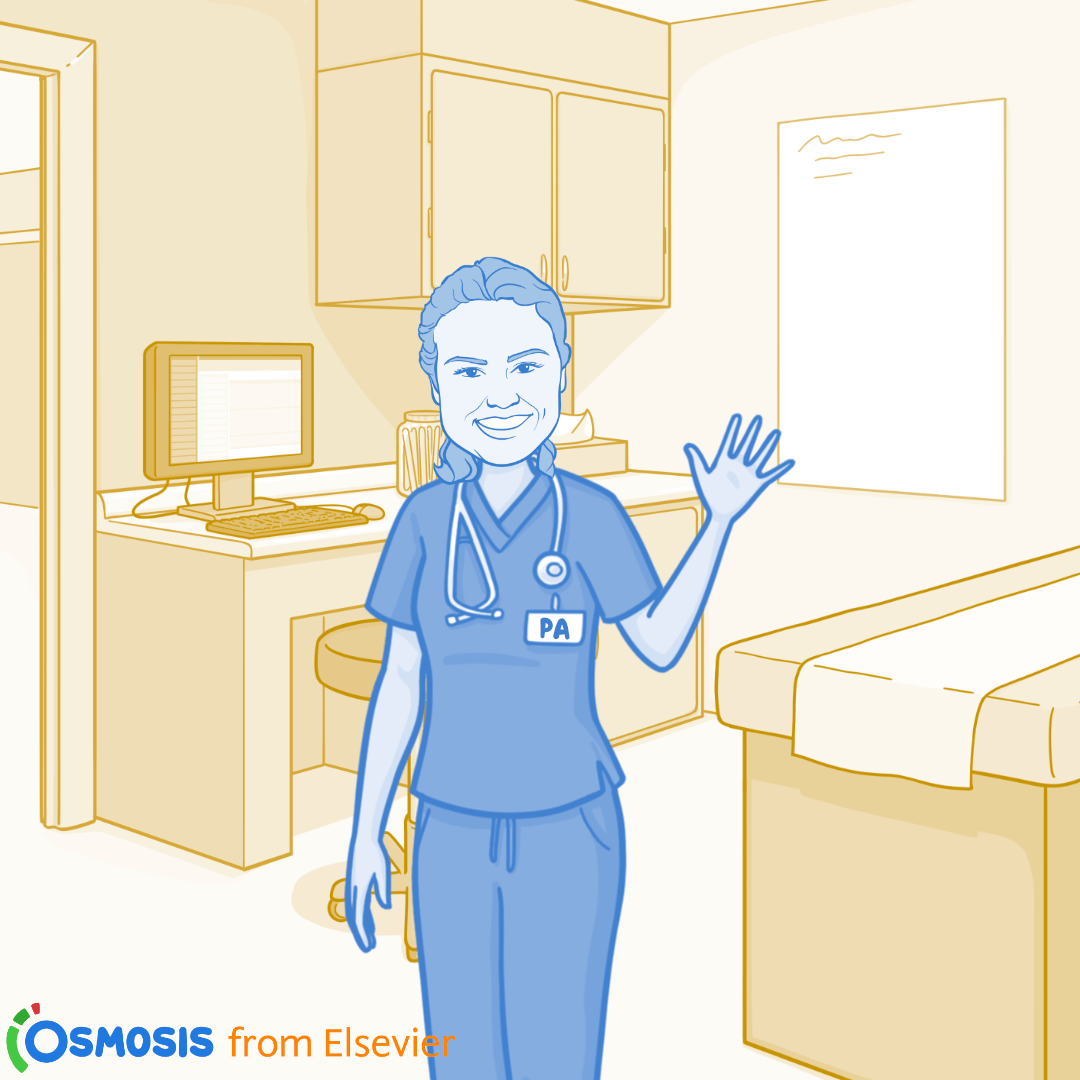
Ever wonder what it’s like to be able to care for people of every age and every stage of life? Let’s explore what an average day as a family medicine PA looks like!
A physician associate (PA) is a qualified healthcare provider with a general understanding of medicine and can provide the same healthcare services as other clinicians to their patients. As the profession grows and as healthcare needs expand, more and more PAs are entering the realm of primary care, including family medicine, like me! Although no one day is truly average for me, here’s an overview of what my office days look like.
Pre-Charting: Let the Fun Begin!
One of the skills I learned in PA school that I use in my job as a family medicine PA is “pre-charting,” which includes reviewing the charts of any patients I’m scheduled to see that day, along with any reports or labs that came in overnight for them. (Tip: Doing this not only prepares you for upcoming visits but also impresses your preceptor!) And patients are often delighted to hear you remember something from their past visit that they didn’t expect you to recall.
Time To Get Started
I usually start seeing patients around 8 AM. My morning usually begins with annual physical exams, which typically take me about 20 to 30 minutes to complete. I review any specialty notes, hospitalizations, or life events that the patient experienced over the past year. It’s also a great time to review any medication changes, which are often overlooked at sick appointments.
After I’ve completed physicals for the day, I move on to other types of appointments — think sick visits, hospital follow-ups, and even some procedures. My favorite part of the day is any time I get to help a patient who has been struggling with their health — it’s always rewarding to be part of the puzzle in helping that patient succeed.
Did Someone Say Procedures?
As someone working in primary care, I often hear the stereotype that family medicine doesn’t involve many procedures, but that couldn’t be further from the truth! In an average week, I perform a variety of medical procedures, including Pap smears, staple removals, abscess drainages, immunizations, and even specialty procedures such as biopsies.
Out of all the procedures I do, my favorite would have to be Pap smears. As someone who champions reproductive justice, it’s very important to me that these exams are conducted with dignity and respect for the patient.
So, Why Family Med?
If you’d asked me a year ago where I would be in medicine, one of the last answers would’ve been family medicine (oh, the irony)! What really changed my mind was my school; being able to care for patients at every stage of life and with a variety of conditions allowed me to explore not only my passion for medicine but also how I could best care for different types of patients.
It is truly an honor to care for patients of all types and to provide healthcare to those who need it most. I wouldn’t want to do any other job in the world!
Key Takeaways
- Family medicine PAs provide care for patients of all ages and health stages.
- Pre-charting helps prepare for efficient and personalized patient visits.
- Family medicine involves diverse procedures beyond common stereotypes.
- Building patient relationships is rewarding and central to care.
- The variety in family medicine fuels passion and professional fulfillment.
About the Author
Madison Donnelly is a family medicine PA located in rural New York. She’s especially passionate about pediatrics and gynecology, and she aspires to make a difference in PA education, leadership, and advocacy. Outside of the classroom, you can find her baking sweet treats, enjoying a nice cup of coffee, and watching Disney movies.

Try Osmosis from Elsevier today! Access your free trial and find out why millions of current and future clinicians and caregivers love learning with us.
Leave a Reply