
Category: Allopathic Medicine (MD)
-
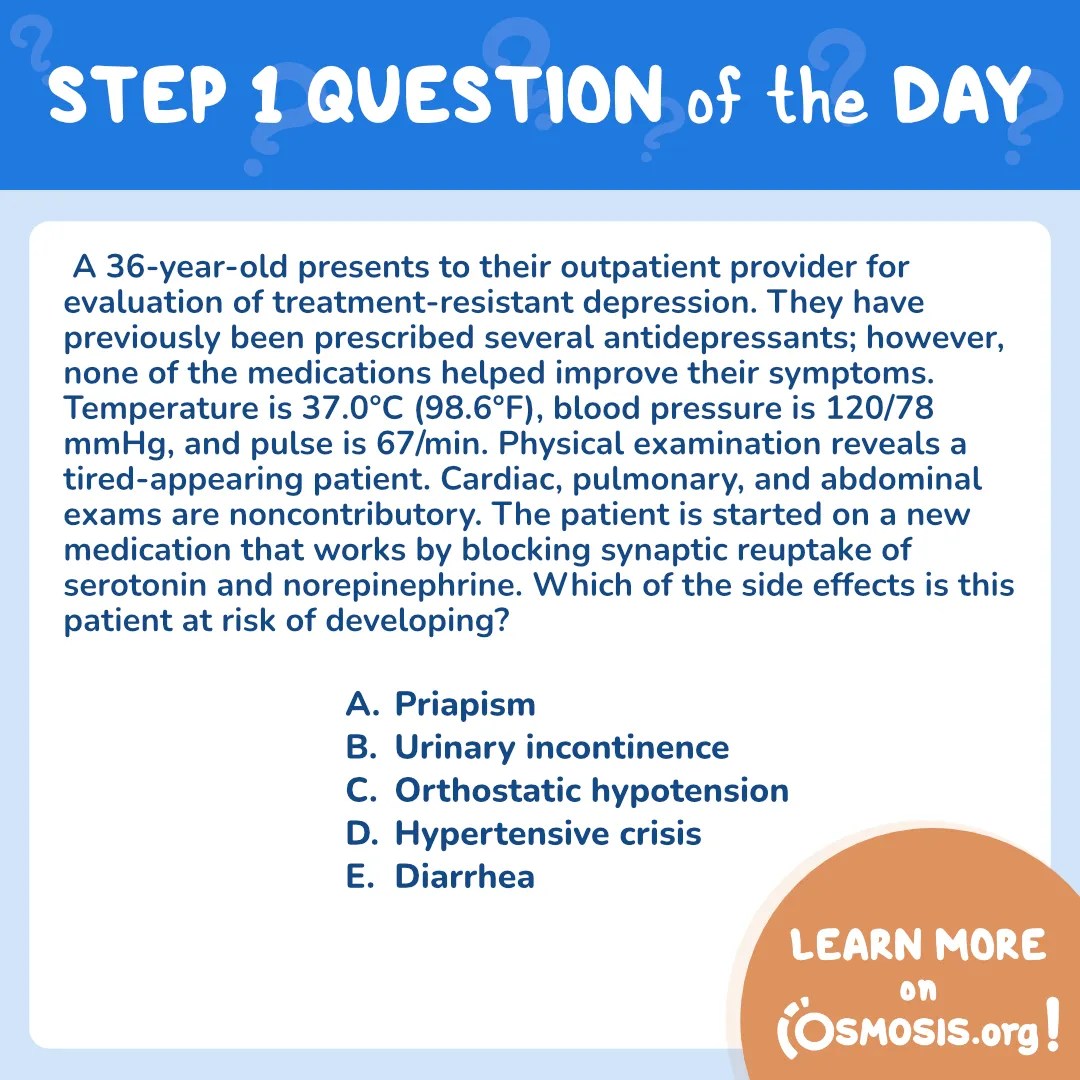
USMLE® Step 1 Question of the Day: Antidepressants
— Updated:
This USMLE Step 1 Question of the Day involves a 36-year-old patient for evaluation of treatment-resistant depression. Based on the findings, identify the most likely diagnosis. A 36-year-old presents to their outpatient provider for evaluation of treatment-resistant depression. They have previously been prescribed several antidepressants; however, none of the medications…
-
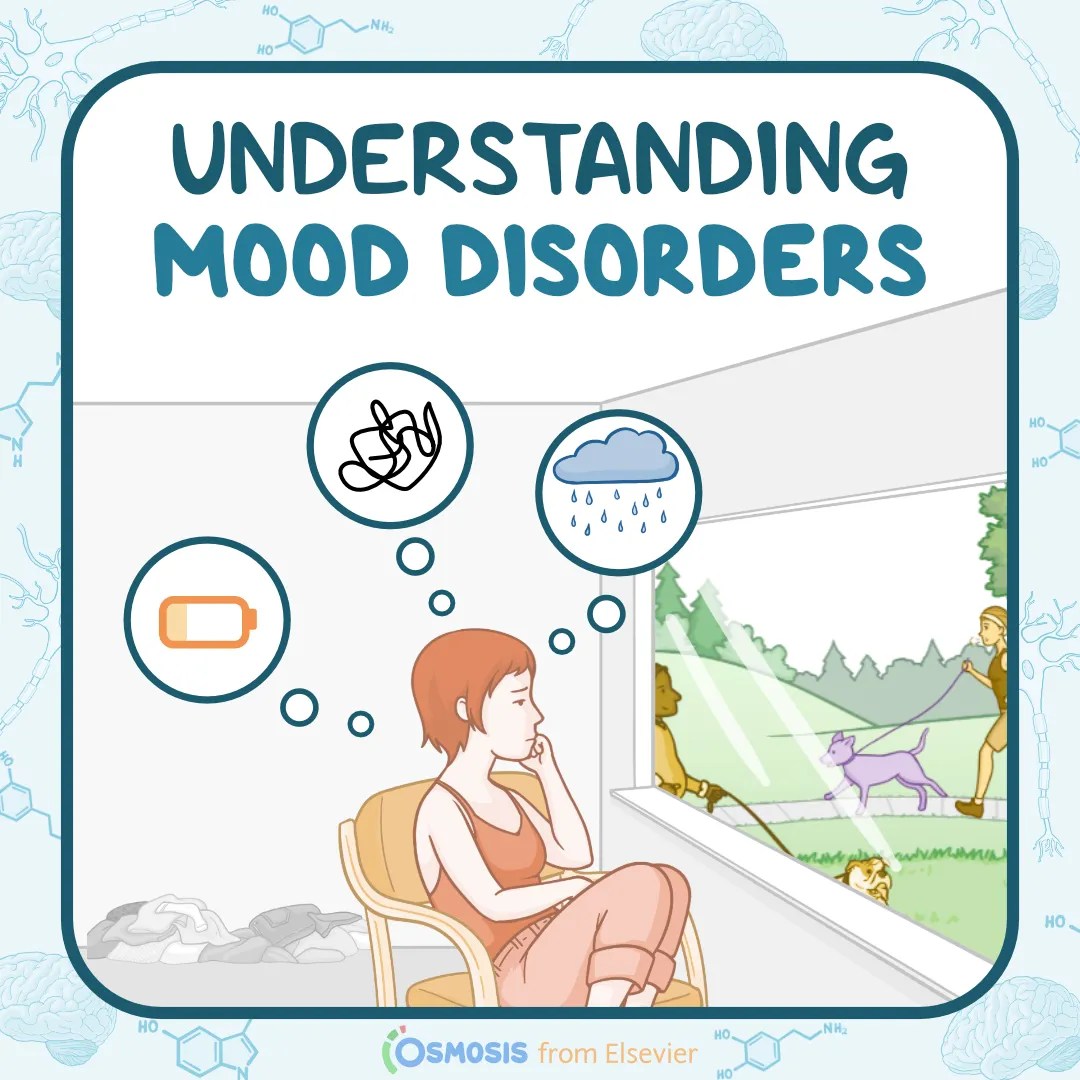
Understanding Mood Disorders: A helpful guide for health professionals
— Updated:
Mental health awareness has been on the rise, with more people educating themselves on different mental health conditions, sharing their experiences with living with mental illness on social media, along with an increase in the development of new public health programs to improve access to valuable resources. Mental health is…
-
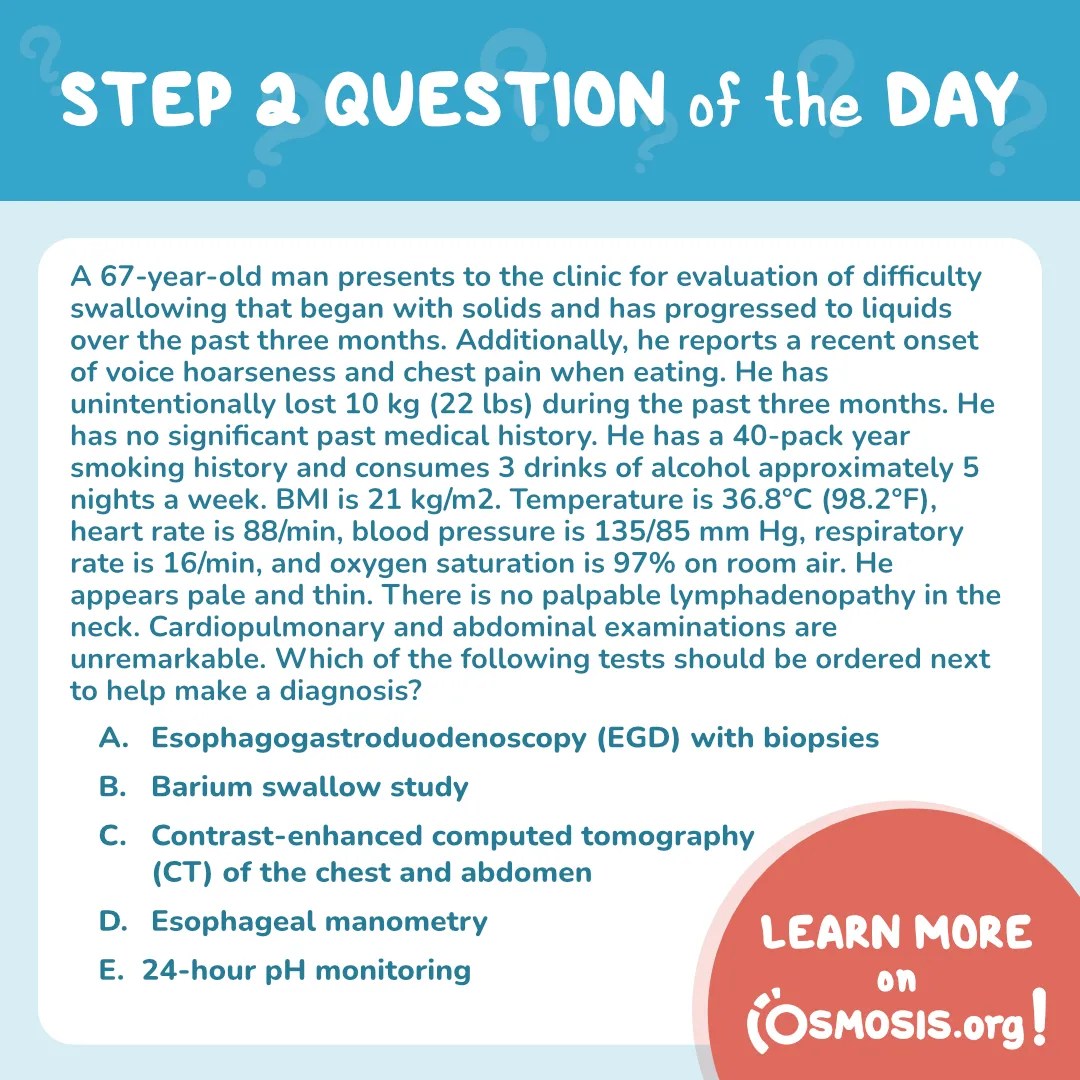
USMLE® Step 2 Question of the Day: Difficulty swallowing
— Updated:
Learn about the USMLE Step 2 CK diagnostic approach through the case of a 67-year-old man with progressive dysphagia, weight loss, hoarseness, and chest pain. Do you know which test(s) should be given? A 67-year-old man presents to the clinic for evaluation of difficulty swallowing that began with solids and…
-
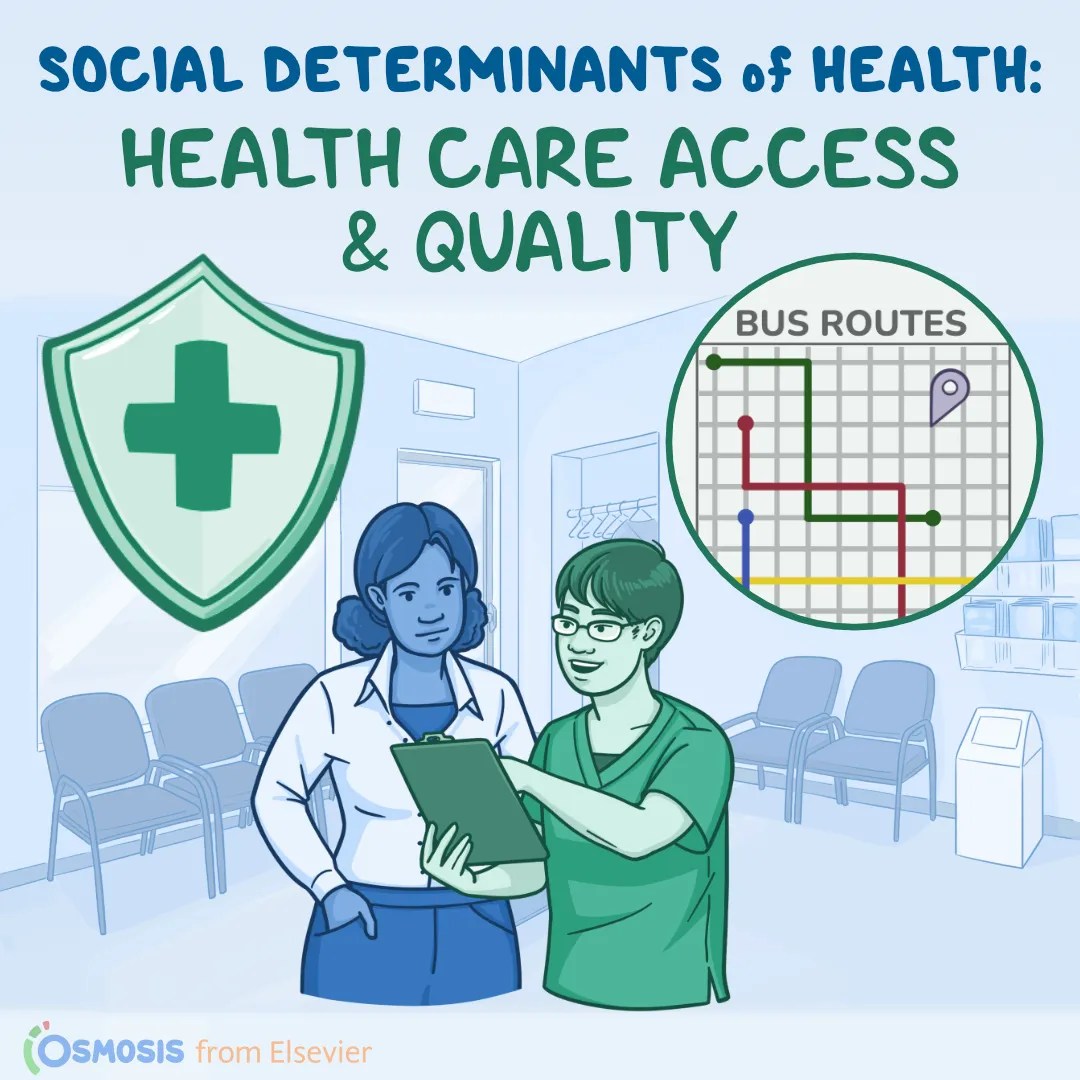
Social Determinants of Health: Health Care Access and Quality
— Updated:
Explore how social determinants like healthcare access and quality affect patient outcomes and what you can do to promote equity as a clinician.
-
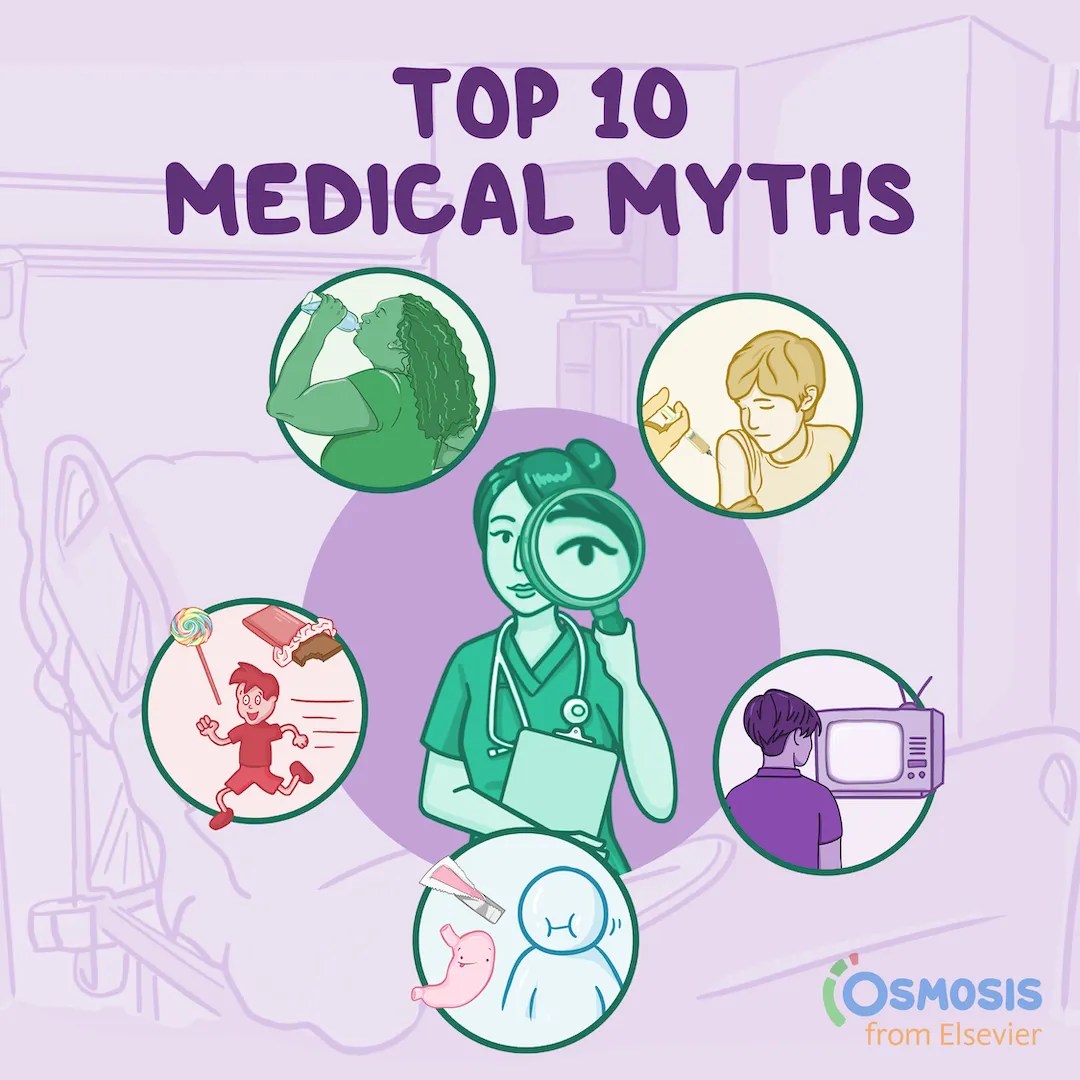
Top 10 Medical Myths: What Your Patients Should Know
— Updated:
Does chewing gum stays in your stomach for seven years and does sugar makes kids hyperactive? Share these ten top medical misconceptions to foster informed discussions and enhance patient trust.
-
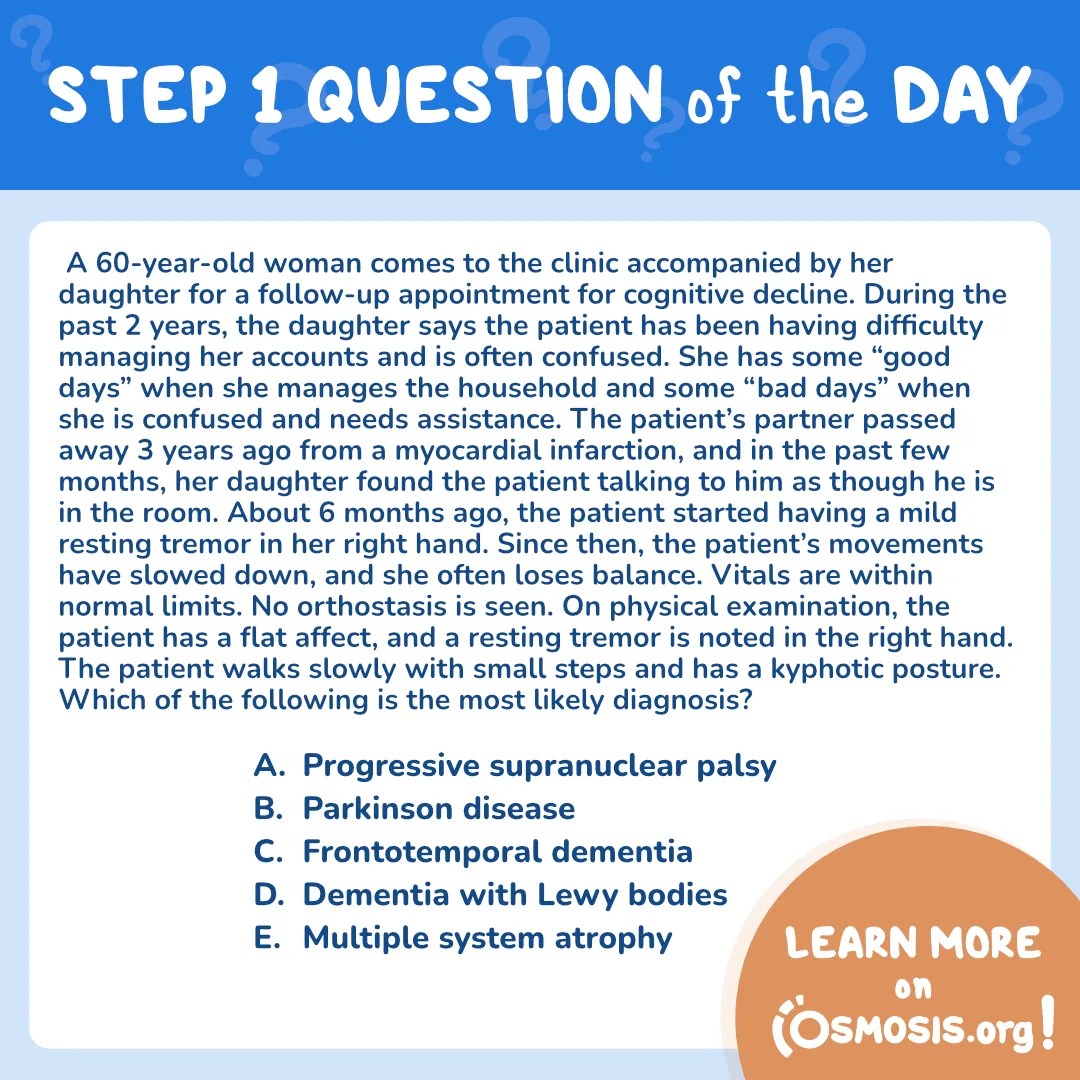
USMLE® Step 1 Question of the Day: Cognitive decline
— Updated:
An older woman presents with fluctuating cognition, visual hallucinations, and parkinsonism. What diagnosis best explains her symptoms?
-
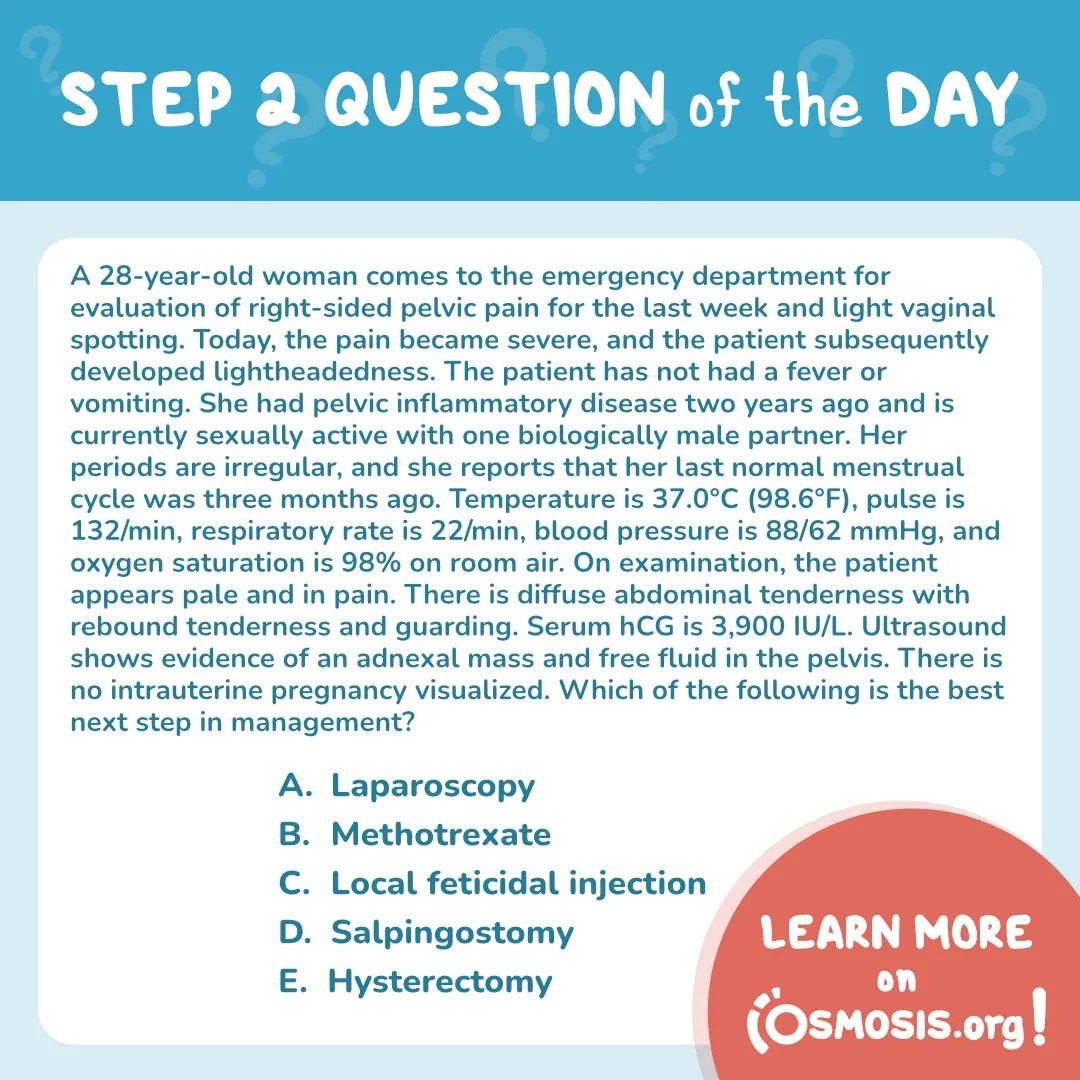
USMLE® Step 2 Question of the Day: Pelvic pain
— Updated:
Learn about a USMLE Step 2 question involving a 28-year-old woman with a ruptured ectopic pregnancy, presenting with severe pelvic pain, hypotension, and a positive hCG. Understand the significance of emergent laparoscopy to control bleeding and remove damaged tissue.A 28-year-old woman comes to the emergency department for evaluation of right-sided…
-

Understanding Anxiety Disorders: A helpful guide for health professionals
— Updated:
We all experience feelings of nervousness, worry, fear, or anxiety to the point of discomfort and distress at various points in our lives. Anxiety is a normal response to fear-provoking situations. However, for people who live with an anxiety disorder, these feelings are excessive, persistent, and disrupt the flow of daily…
-
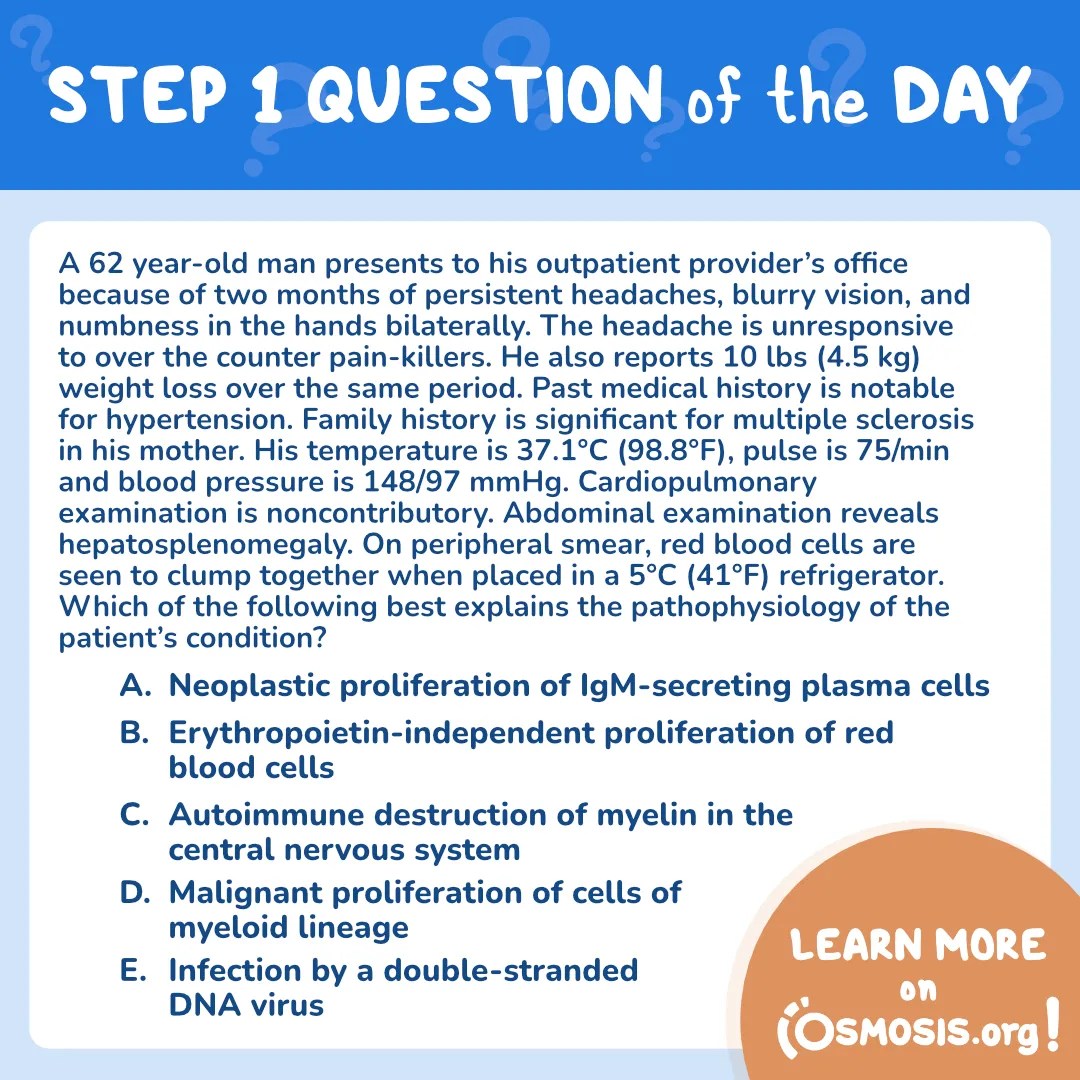
USMLE® Step 1 Question of the Day: Hepatosplenomegaly
— Updated:
Prepare for USMLE Step 1 with this case! Learn about a USMLE Step 1 question involving a 62-year-old man with headaches, blurry vision, and numbness in his hands. Learn the significance of elevated IgM levels, blood viscosity, and the importance of cold agglutination in this hematologic malignancy. A 62 year-old…
-
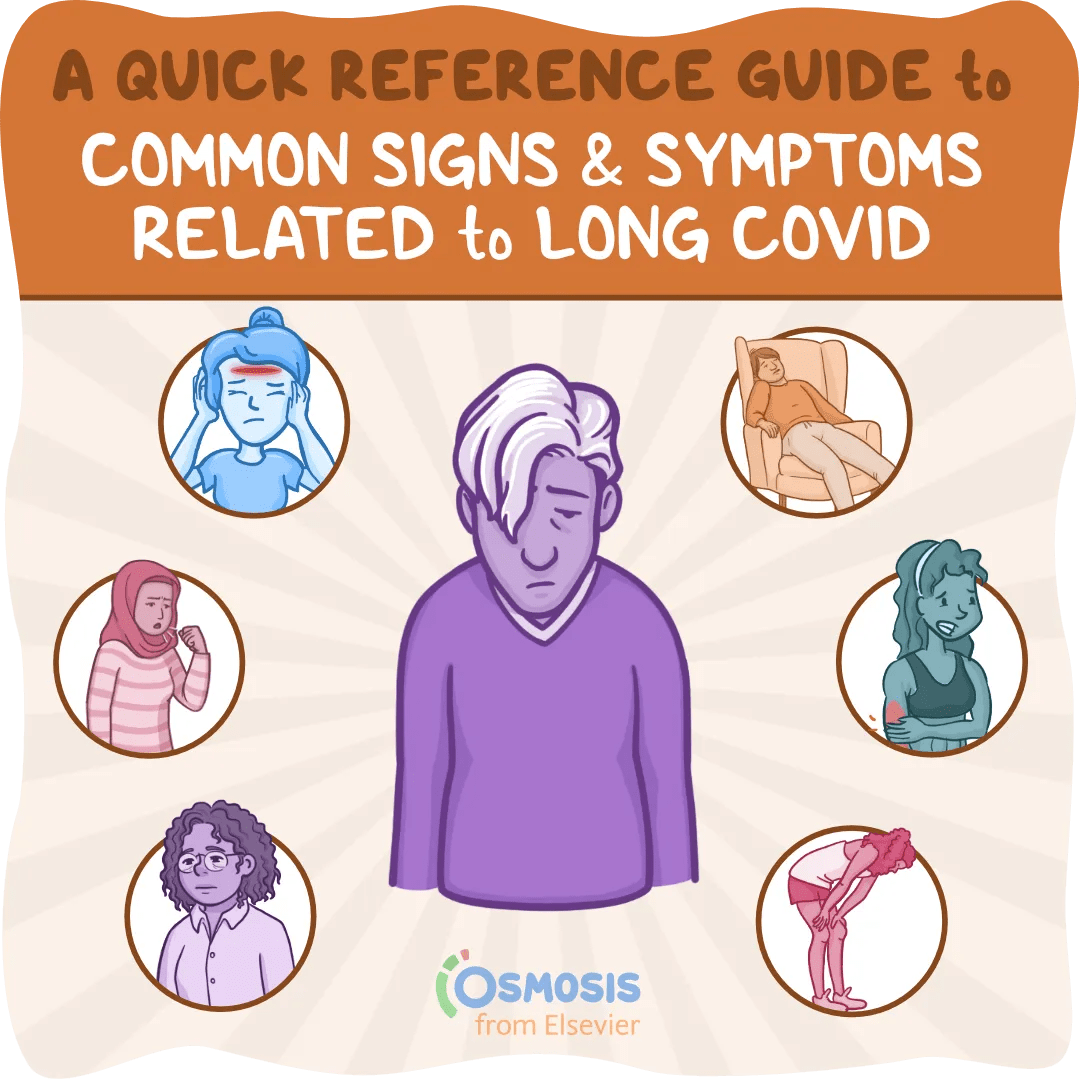
A Quick Reference Guide to Common Conditions Associated with Long Covid
— Updated:
Understanding the common conditions associated with Long COVID is crucial for effective patient care and recovery. This guide explores persistent symptoms such as fatigue, cognitive issues, and dysautonomia, along with evidence-based management strategies to support patients in their healing journey. Equip yourself with the knowledge to navigate the complexities of…
-
How to Impress Your Attending: Obstetrics and Gynecology Edition
— Updated:
Welcome to your clerkship in obstetrics and gynecology! You’ll find this rotation beneficial no matter your future specialty because you’ll very likely encounter pregnant patients, whether you’re a primary care physician or a surgical subspecialist. Probably the best part of your OB/GYN clerkship is that you’ll gain valuable skills that…
-
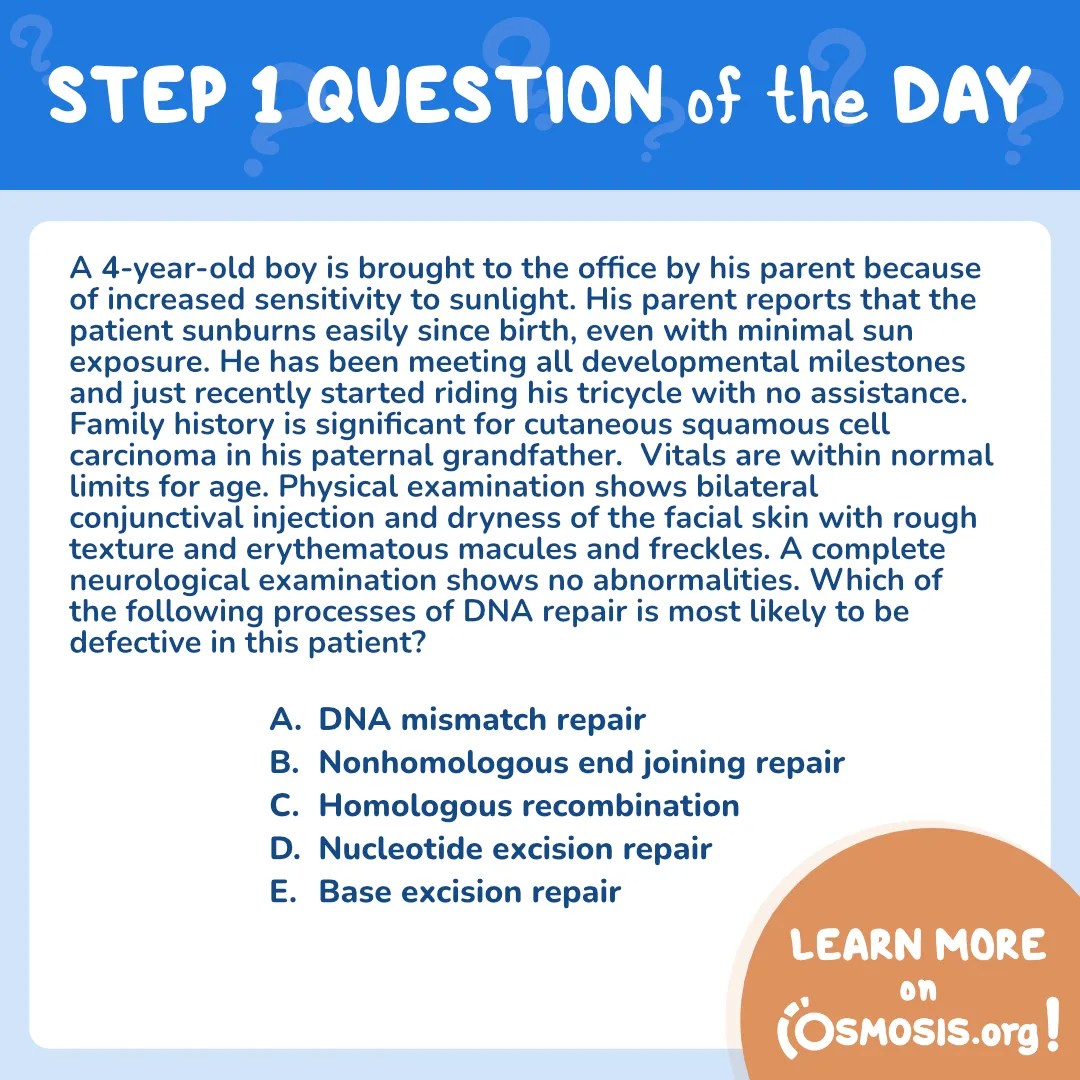
USMLE® Step 1 Question of the Day: Sunlight sensitivity
— Updated:
Prepare for USMLE Step 1 with this case! A 4-year-old boy with increased sensitivity to sunlight and facial skin changes since birth is brought in for evaluation. What’s the most likely diagnosis? A 4-year-old boy is brought to the office by his parent because of increased sensitivity to sunlight. His…
-
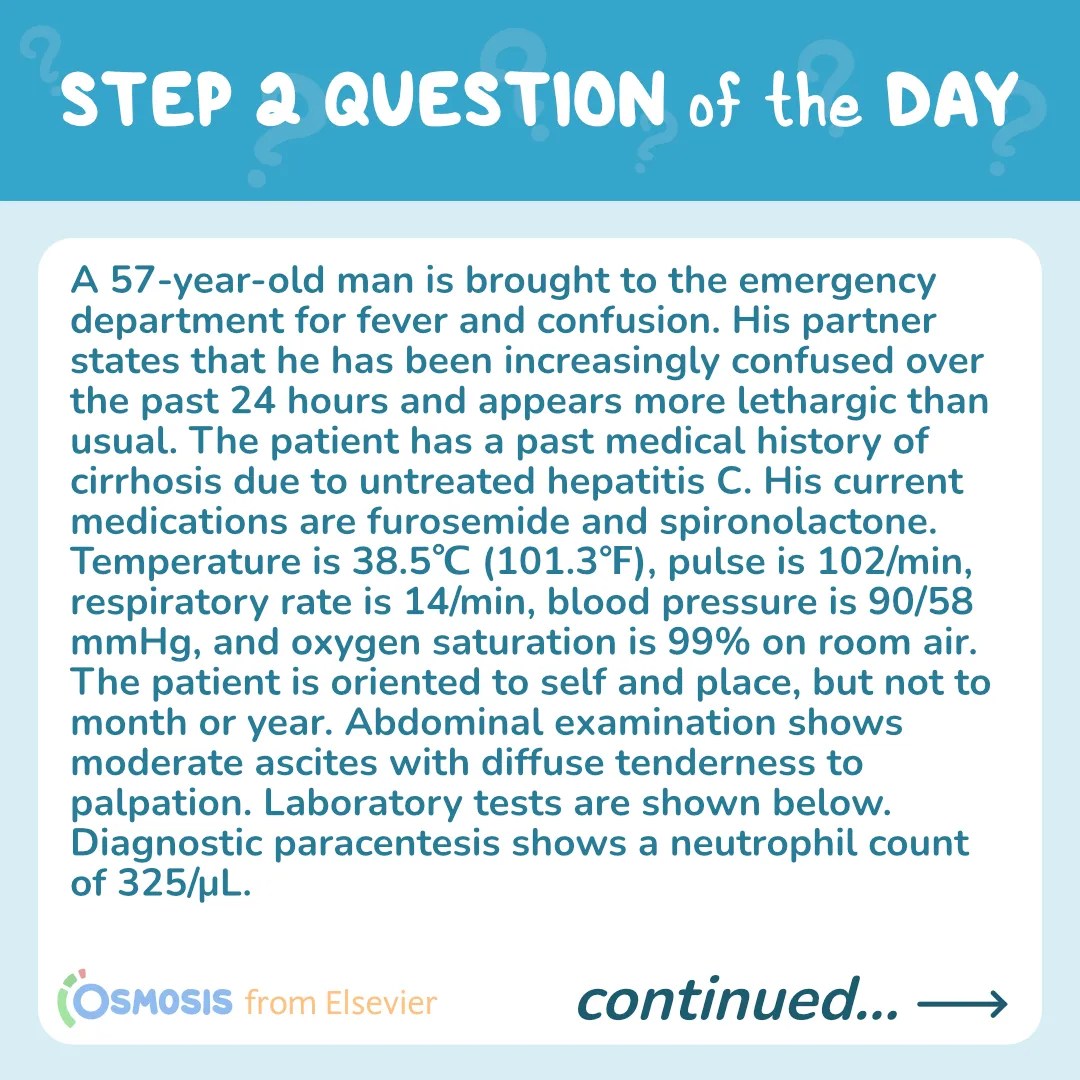
USMLE® Step 2 Question of the Day: Fever and confusion
— Updated:
A 57-year-old man is brought to the emergency department for fever and confusion. His partner states that he has been increasingly confused over the past 24 hours and appears more lethargic than usual. The patient has a past medical history of cirrhosis due to untreated hepatitis C. His current medications…
-
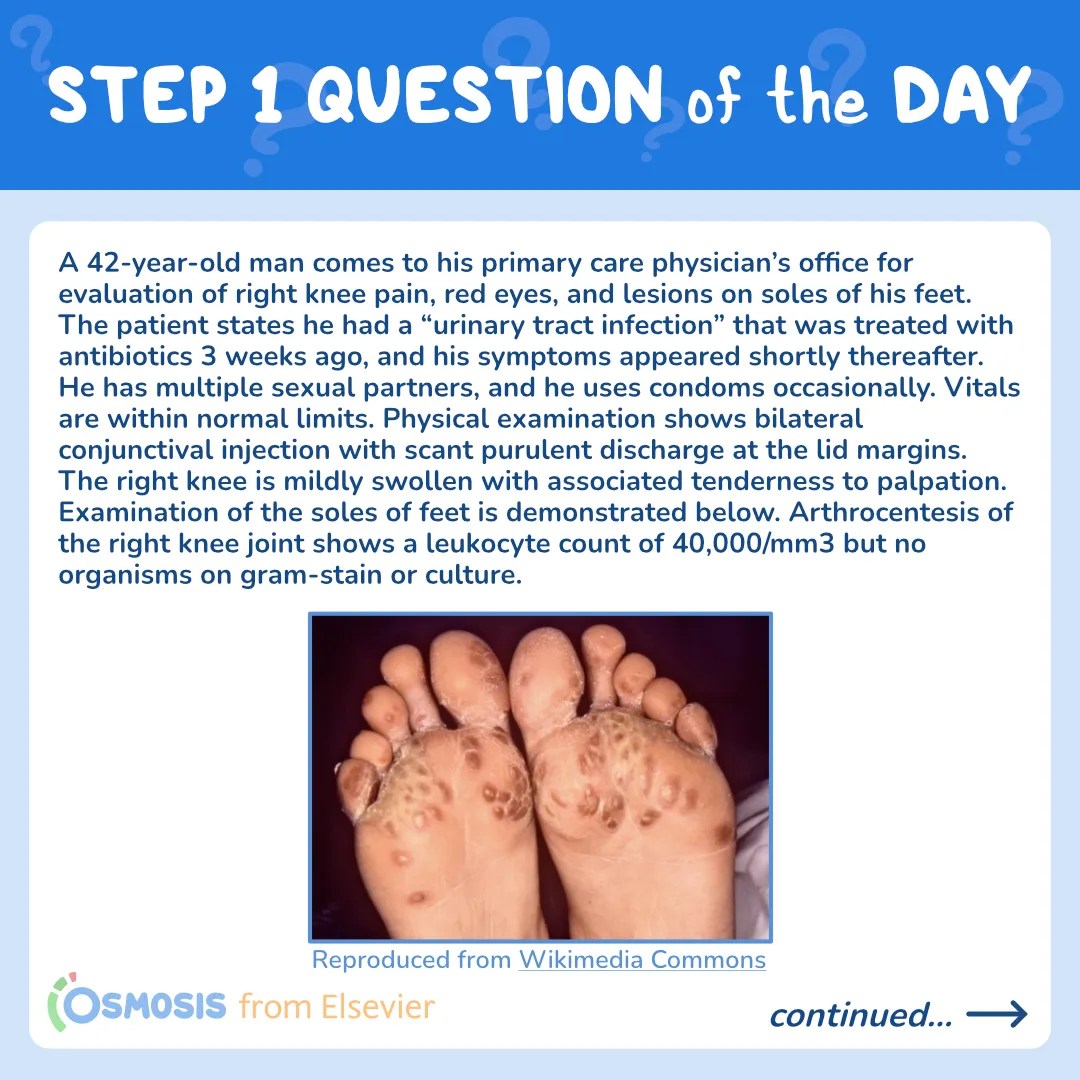
USMLE® Step 1 Question of the Day: Knee pain
— Updated:
Discover the case of a 42-year-old man with knee pain, red eyes, and foot lesions post-UTI treatment. Could it be reactive arthritis? A 42-year-old man comes to his primary care physician’s office for evaluation of right knee pain, red eyes, and lesions on soles of his feet. The patient states…
-
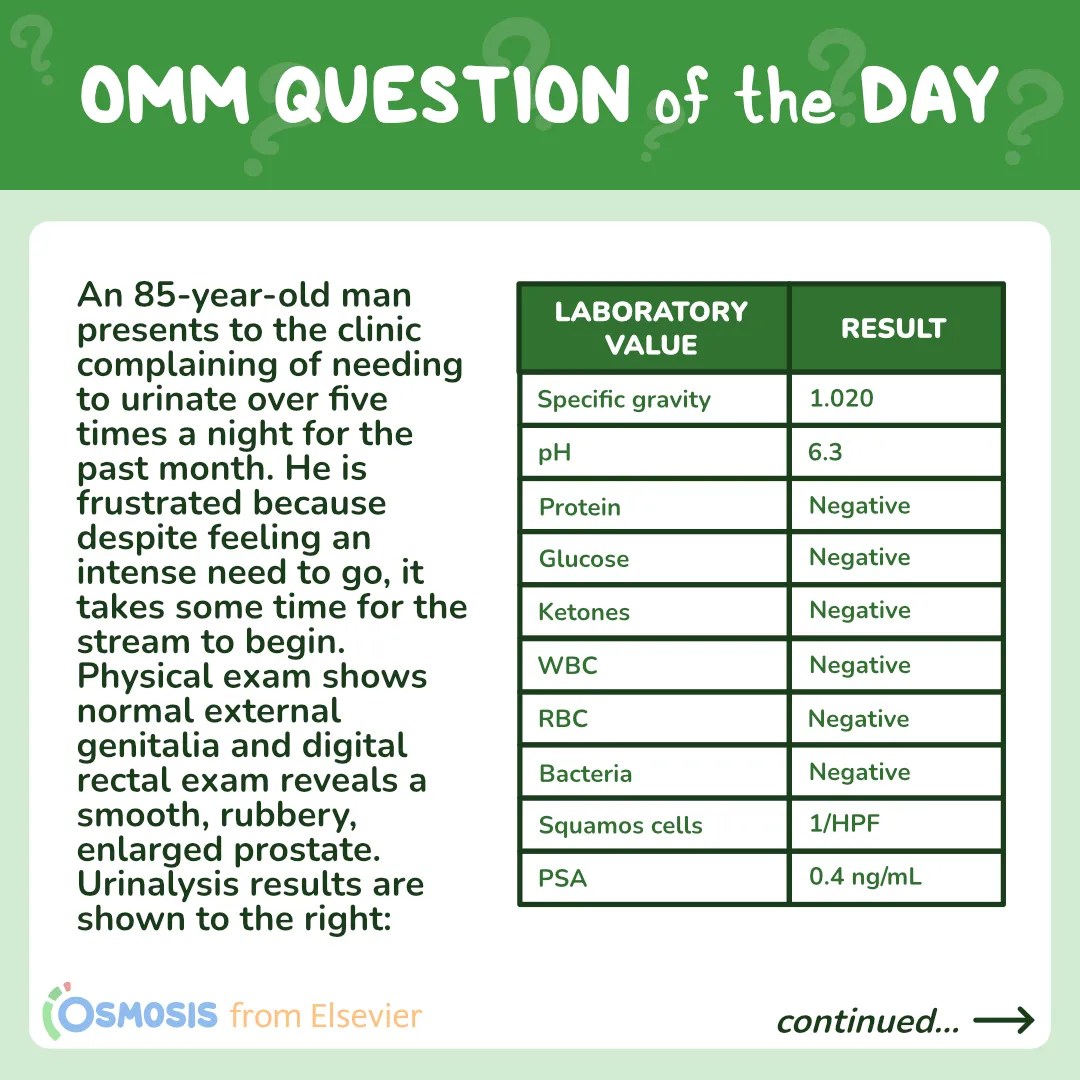
OMM® Question of the Day: Enlarged prostate
— Updated:
Explore the role of sympathetic innervation in urinary symptoms and how manipulation of specific spinal levels can alleviate prostate-related issues. An 85-year-old man presents to the clinic complaining of needing to urinate over five times a night for the past month. He is frustrated because despite feeling an intense need…
-
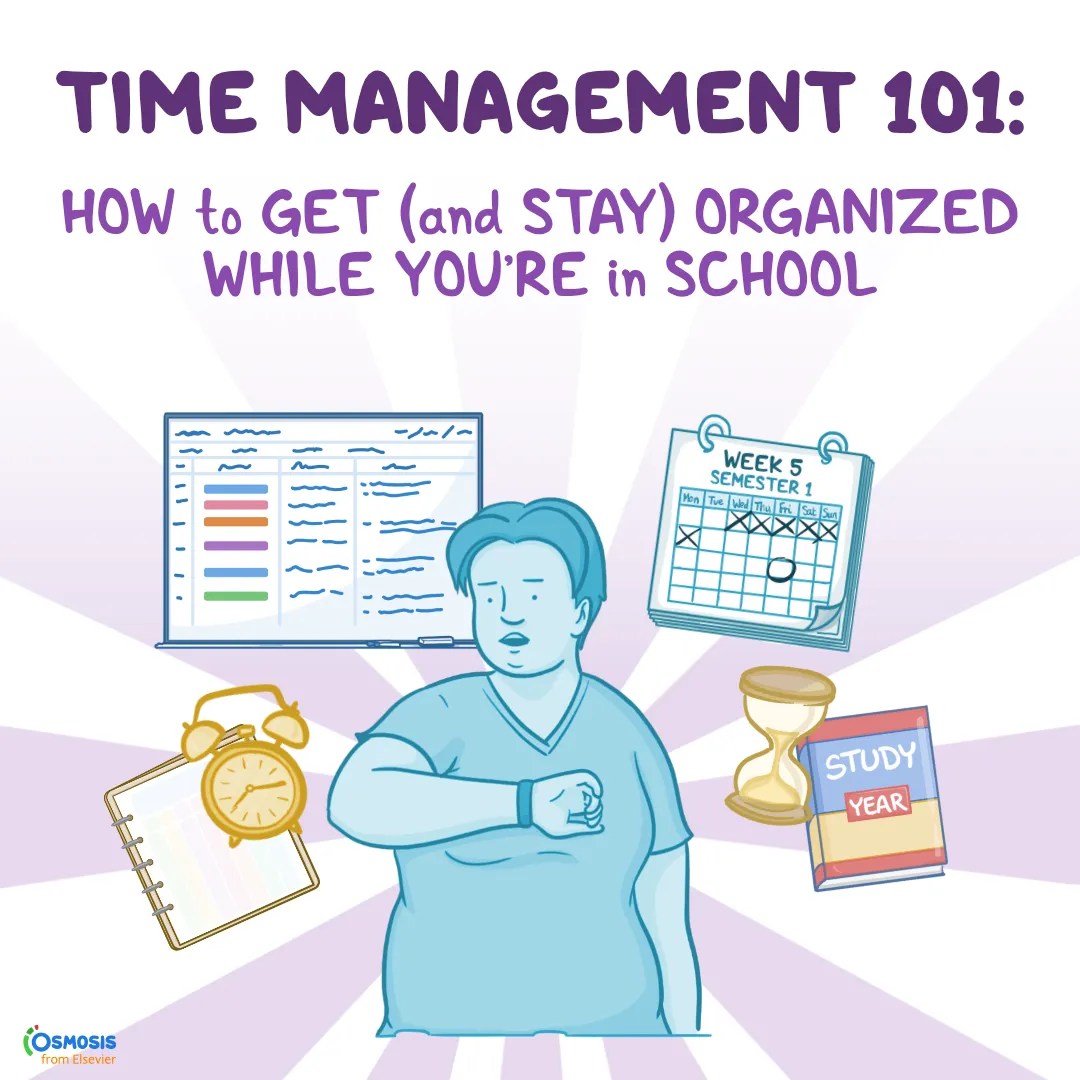
Time Management 101: How to get (and stay) organized while you’re in school
— Updated:
Overwhelmed by the pace of healthcare training? Discover time management tools like the Eisenhower matrix and active learning to boost focus, reduce stress, and improve retention.
-
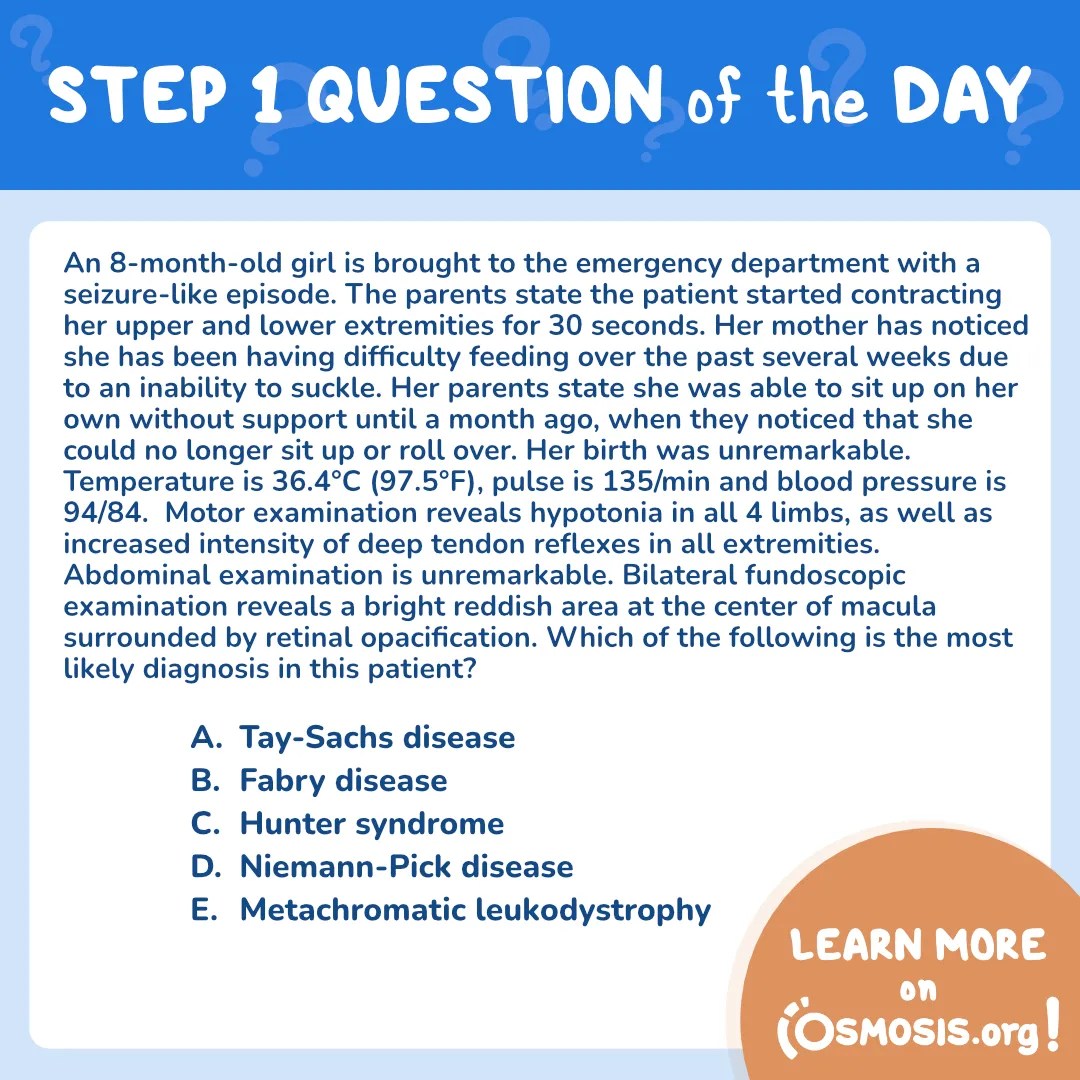
USMLE® Step 1 Question of the Day: Hypotonia
— Updated:
Learn about Tay-Sachs disease, an autosomal recessive neurodegenerative disorder characterized by regression of motor milestones, seizures, and a distinctive cherry-red macula. An 8-month-old girl is brought to the emergency department with a seizure-like episode. The parents state the patient started contracting her upper and lower extremities for 30 seconds. Her…
-
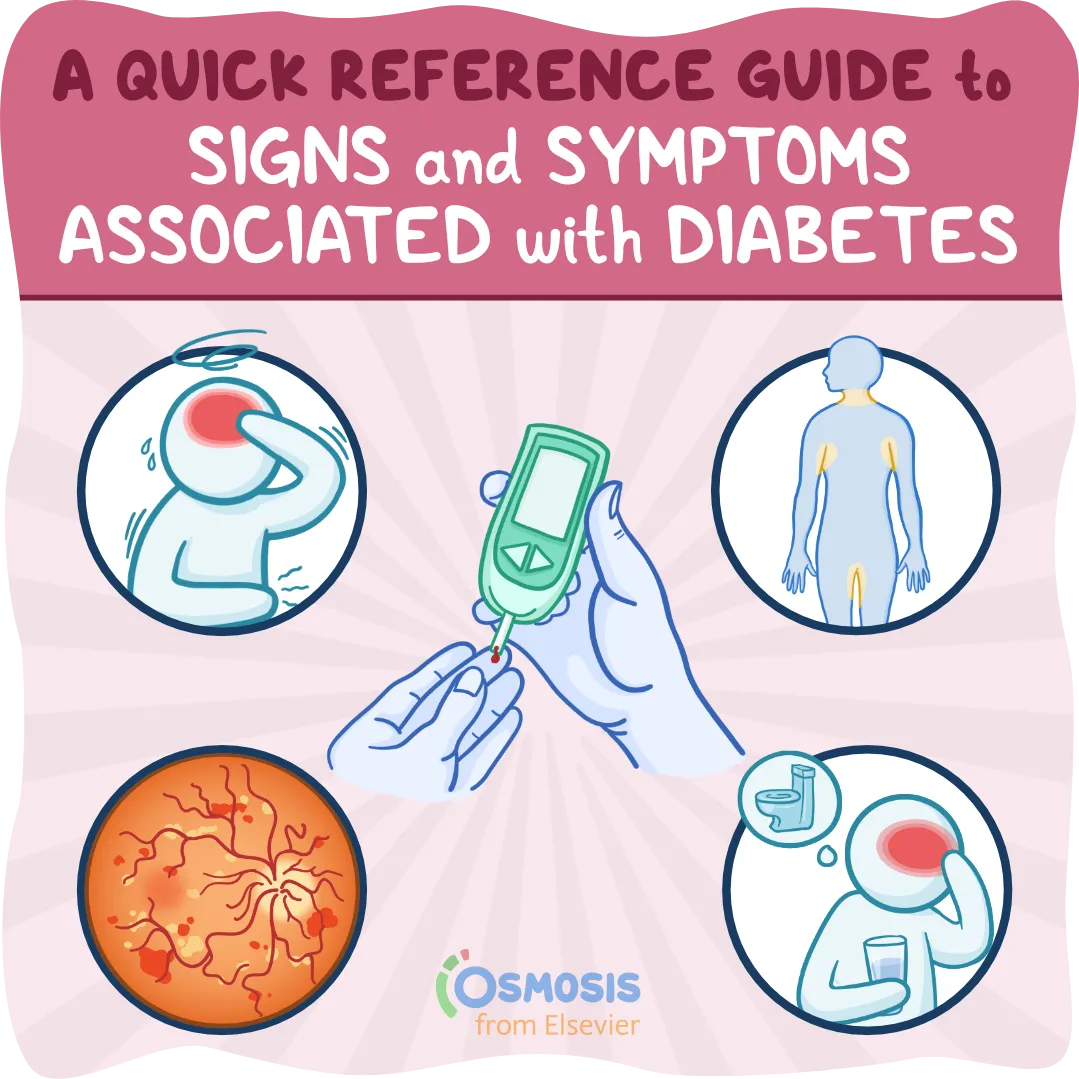
A Quick Reference Guide to Signs and Symptoms Associated with Diabetes Mellitus
— Updated:
Learn to identify common signs and symptoms of diabetes mellitus, including hypoglycemia, hyperglycemia, acanthosis nigricans, and vascular changes, to improve diagnosis and care.
-
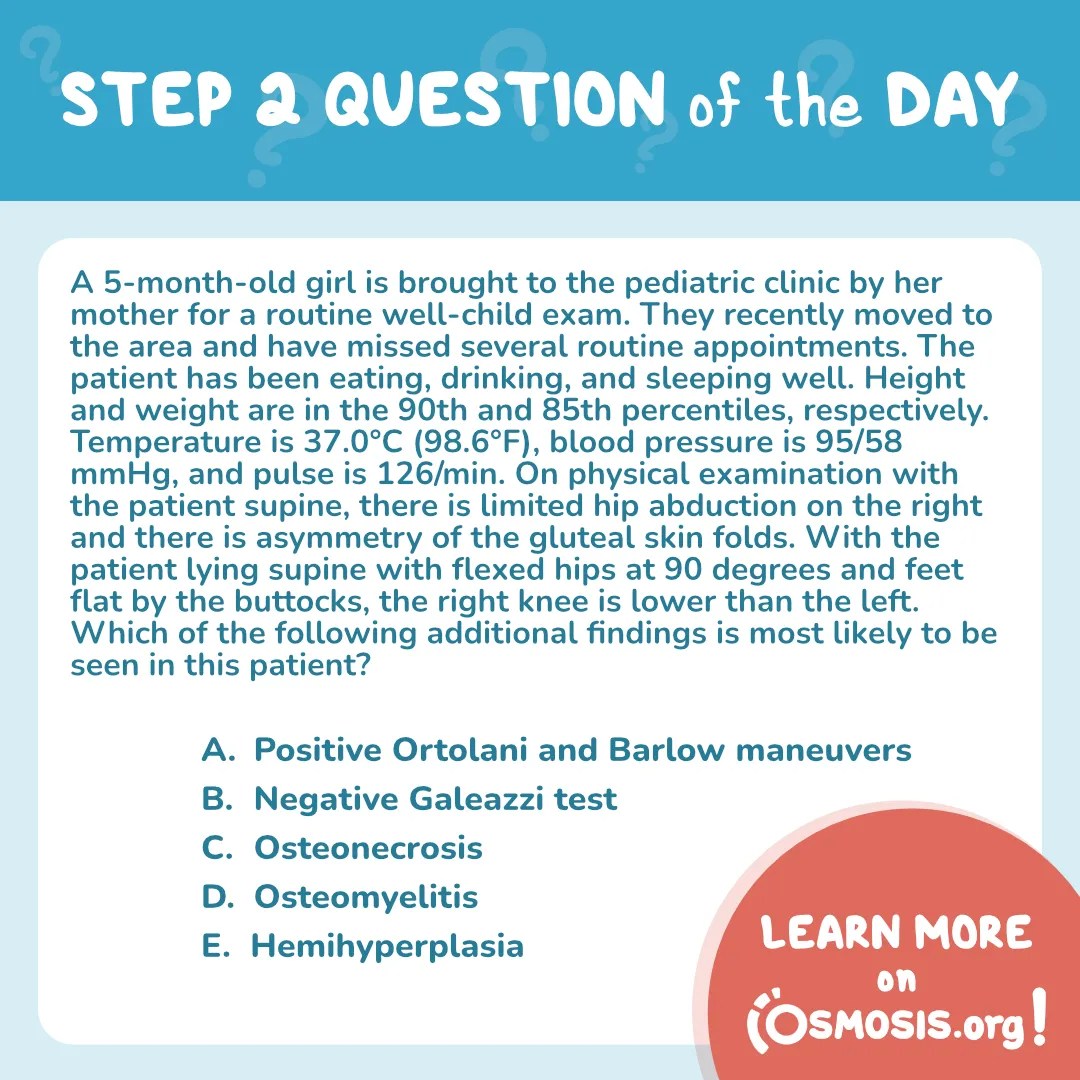
USMLE® Step 2 Question of the Day: Limited hip abduction
— Updated:
Prepare for USMLE Step 2 with our QOTD on limited hip abduction, Developmental Dysplasia of the Hip, & Barlow maneuver. Strengthen your exam knowledge!A 5-month-old girl is brought to the pediatric clinic by her mother for a routine well-child exam. They recently moved to the area and have missed several…
-
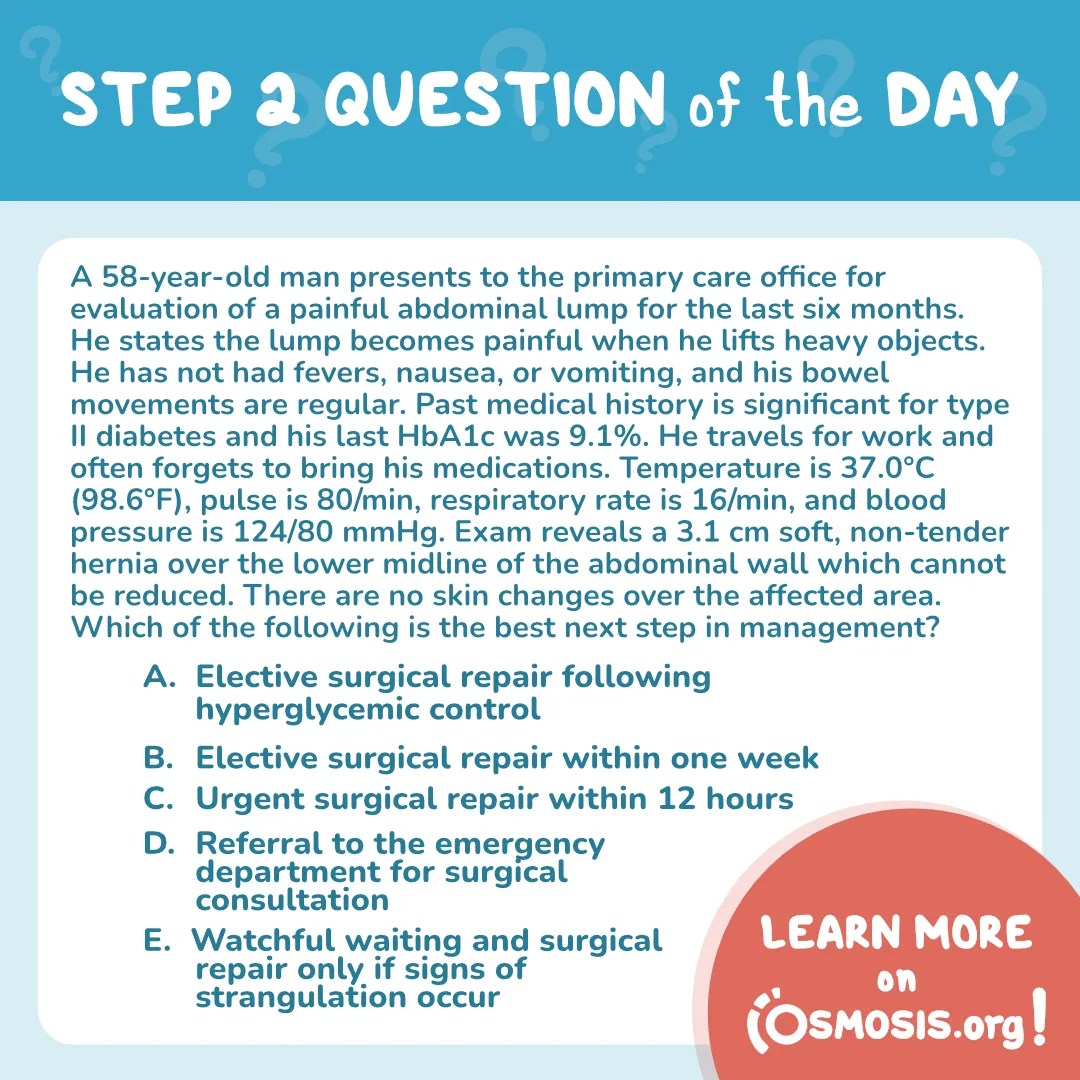
USMLE® Step 2 Question of the Day: Abdominal hernia
— Updated:
Prepare for USMLE Step 2 with our QOTD on limited hip abduction, Developmental Dysplasia of the Hip, & Barlow maneuver. Strengthen your exam knowledge. A 58-year-old man presents to the primary care office for evaluation of a painful abdominal lump for the last six months. He states the lump becomes…
-
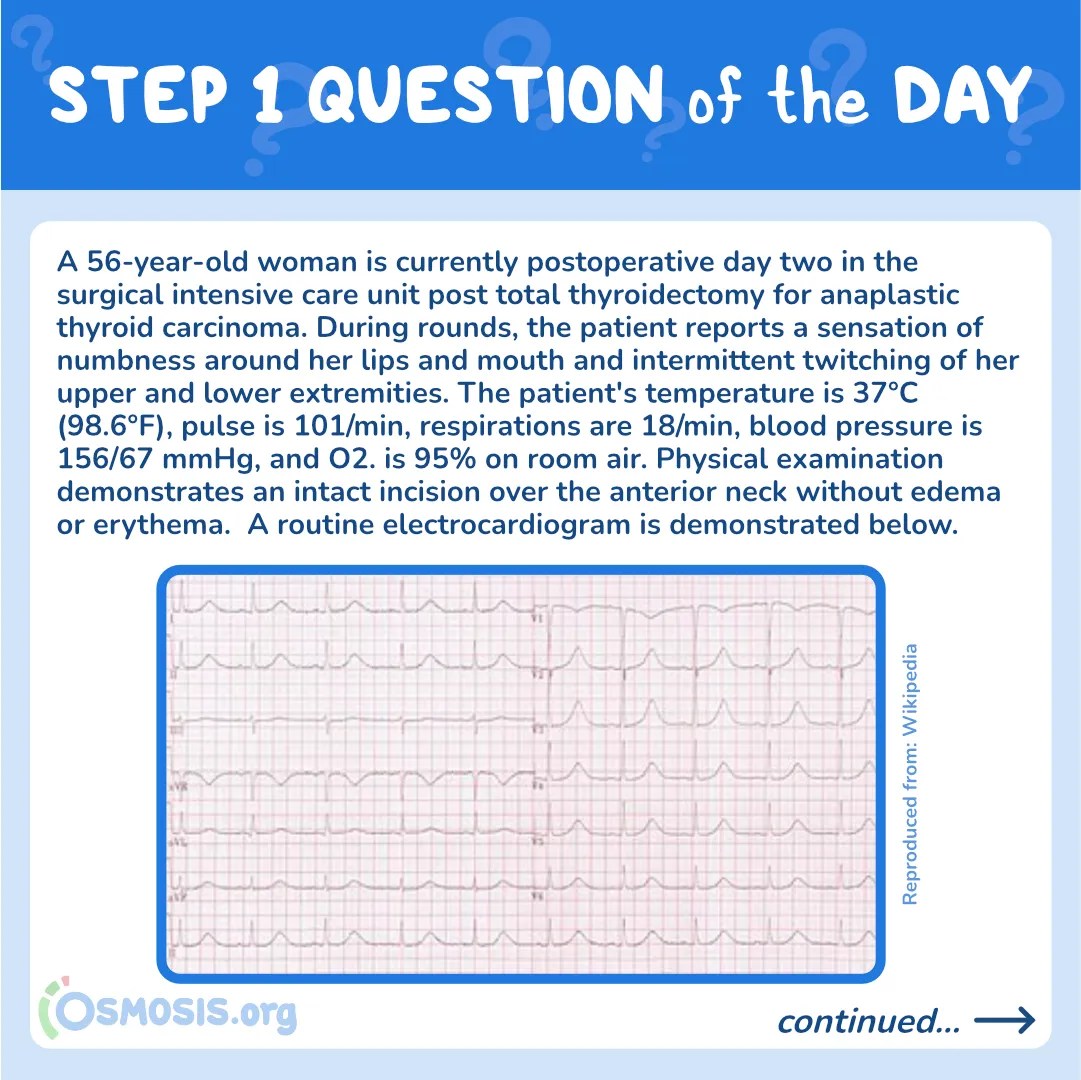
USMLE® Step 1 Question of the Day: Thyroidectomy
— Updated:
This week, we are sharing another USMLE® Step 1-style practice question to test your knowledge of medical topics. Today’s case focuses on a 56-year-old woman who reported a sensation of numbness on her mouth and intermittent twitching of her extremities. Physical examination demonstrates an intact incision over the anterior neck without…
-

Social Determinants of Health: Education Access and Quality
— Updated:
Learn about the vital role of education in health outcomes, the challenges of educational disparities, and strategies to promote equitable access.
-
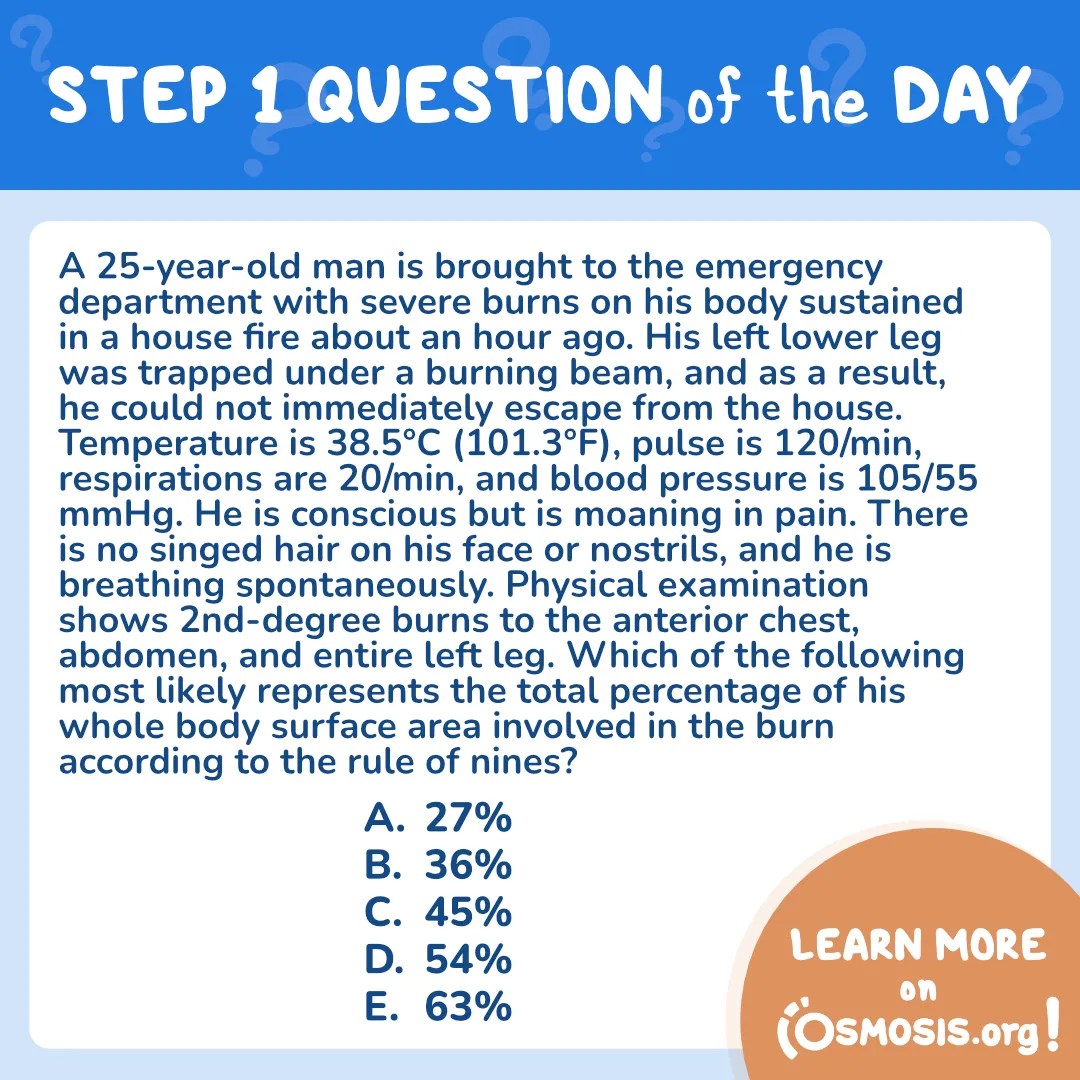
USMLE® Step 1 Question of the Day: Rule of nines
— Updated:
The Rule of Nines is a method used in emergency departments to quickly estimate the extent of burns on a patient’s body. This USMLE® Step 1 Question of the Day will test your knowledge on this topic. A 25-year-old man is brought to the emergency department with severe burns on…
-
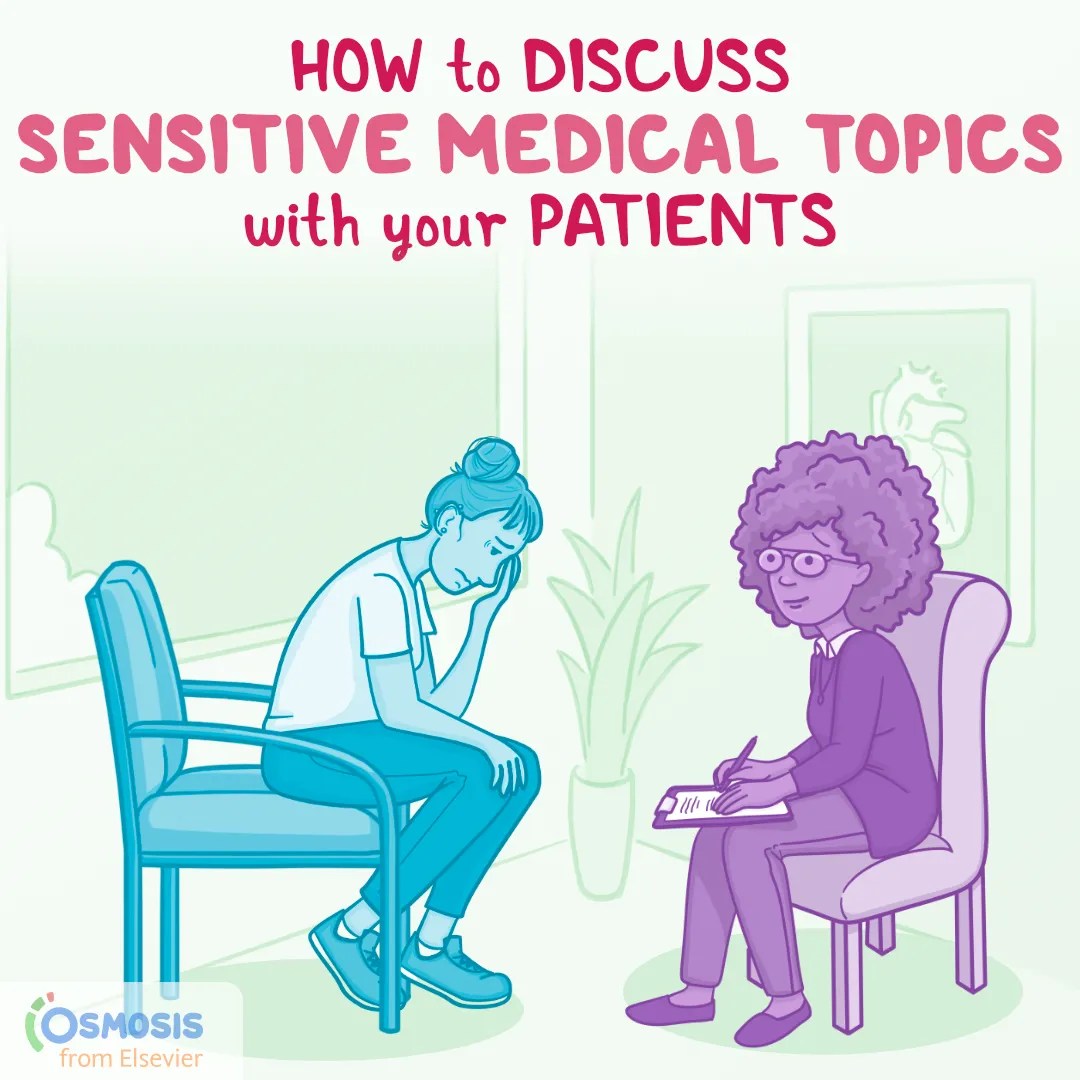
How to Discuss Sensitive Topics with Your Patients
— Updated:
Enhance your ability to engage patients in sensitive medical discussions with empathy, active listening, and culturally competent communication for better outcomes.
-
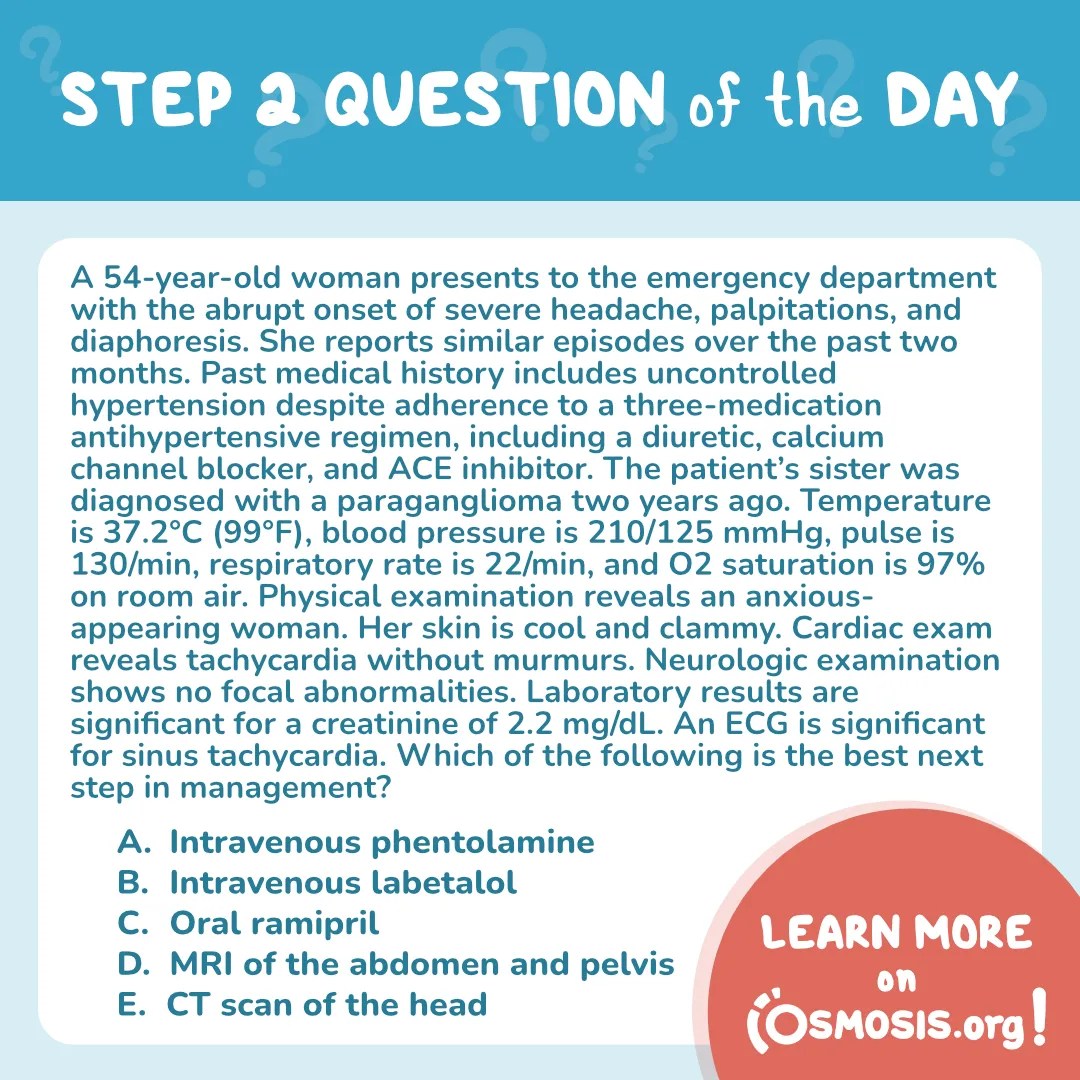
USMLE® Step 2 Question of the Day: Sinus tachycardia
— Updated:
This USMLE® Step 2 Question of the Day focuses on sinus tachycardia and its association with conditions like pheochromocytoma and hypertensive emergencies. Understand the role of alpha-blockers in management.A 54-year-old woman presents to the emergency department with the abrupt onset of severe headache, palpitations, and diaphoresis. She reports similar episodes…
-
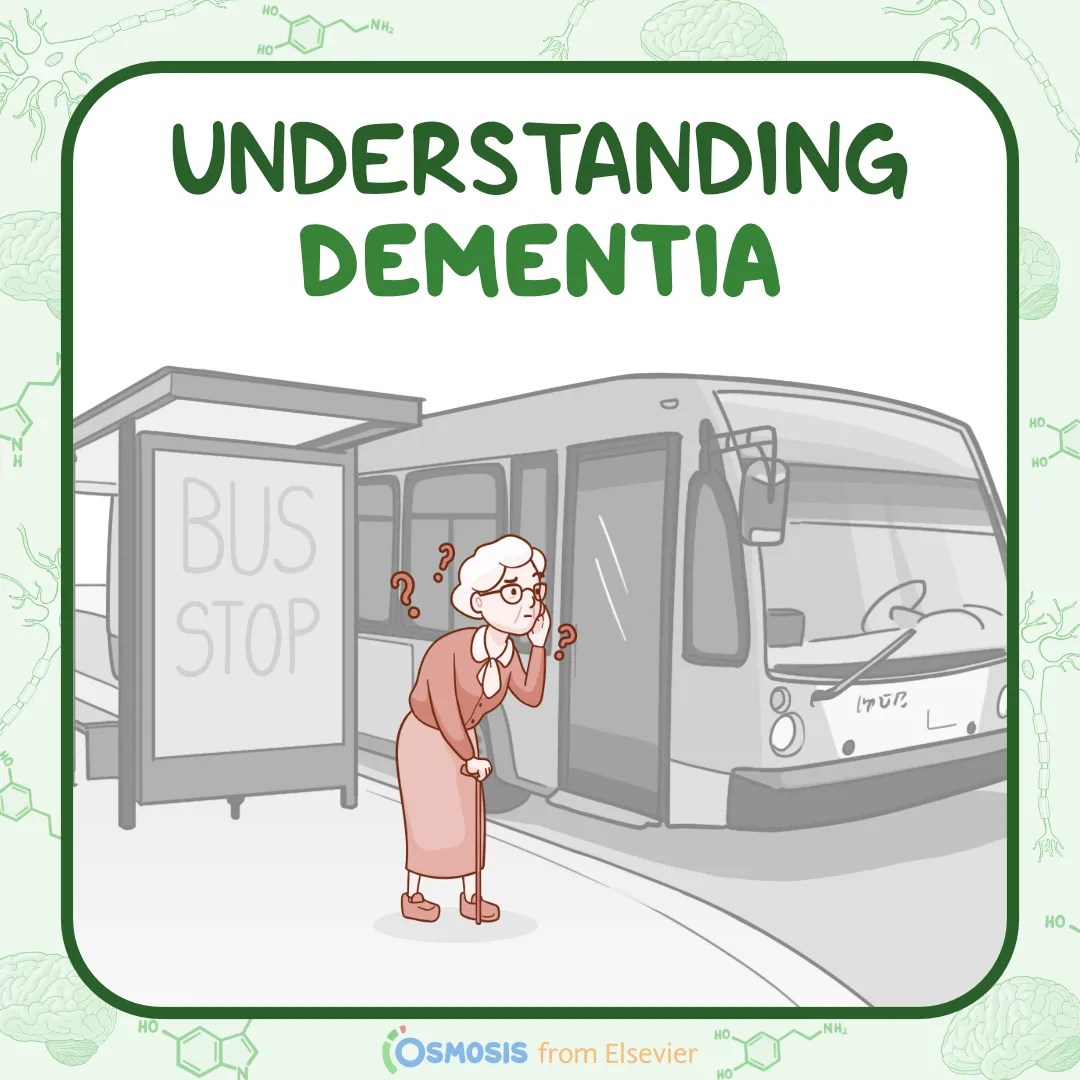
Understanding Dementia: A helpful guide for health professionals
— Updated:
The mind encompasses so much of who we are within it, housing our feelings, thoughts, judgment, languages, and memories. It keeps these cognitive functions intact as long as our neurons are firing properly and remain connected. But what happens if those connections between them begin to malfunction and nerve cells…
-
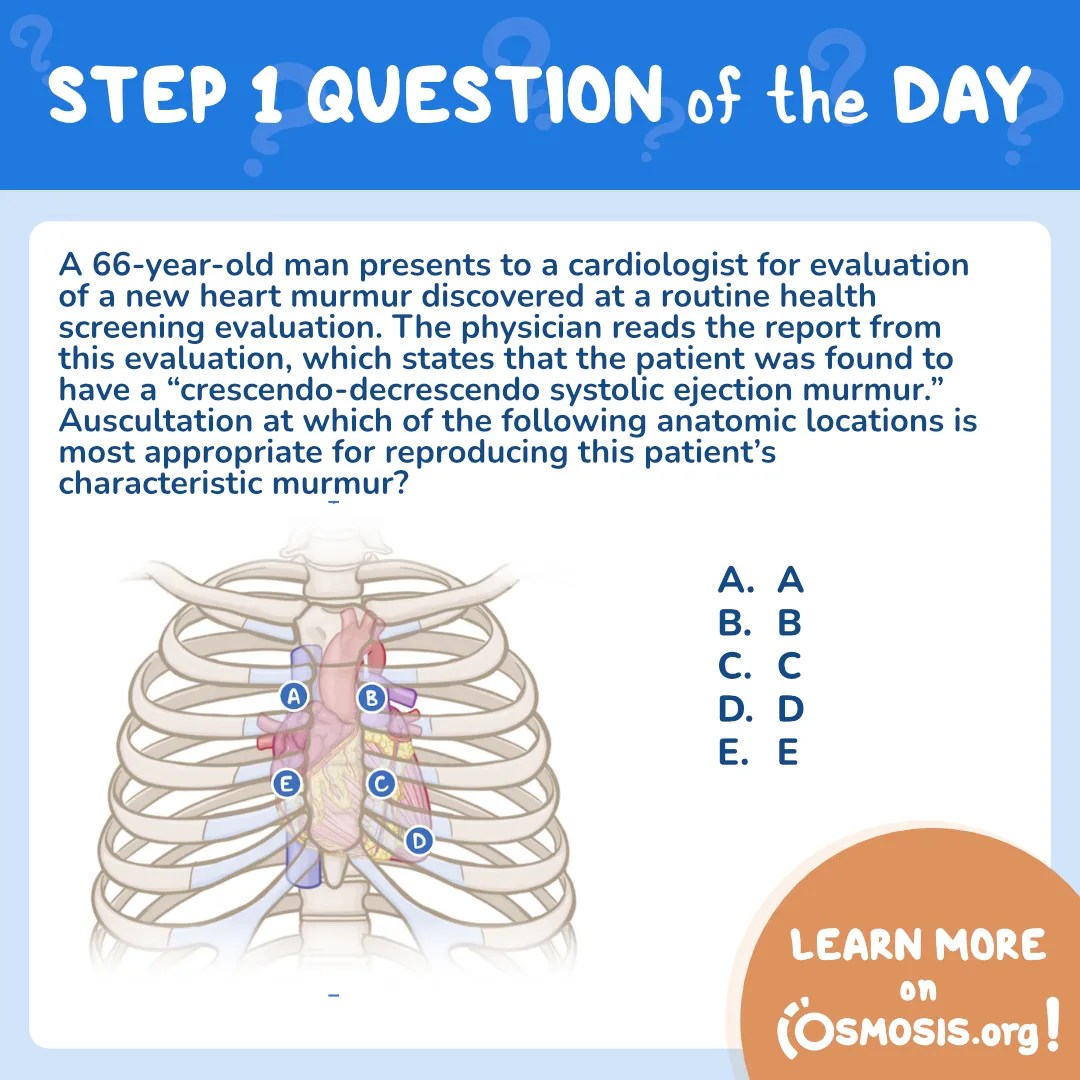
USMLE® Step 1 Question of the Day: Systolic ejection murmur
— Updated:
Aortic stenosis produces a classic crescendo-decrescendo systolic ejection murmur best heard at the right second intercostal space. Learn key auscultation sites for cardiac murmurs.
-
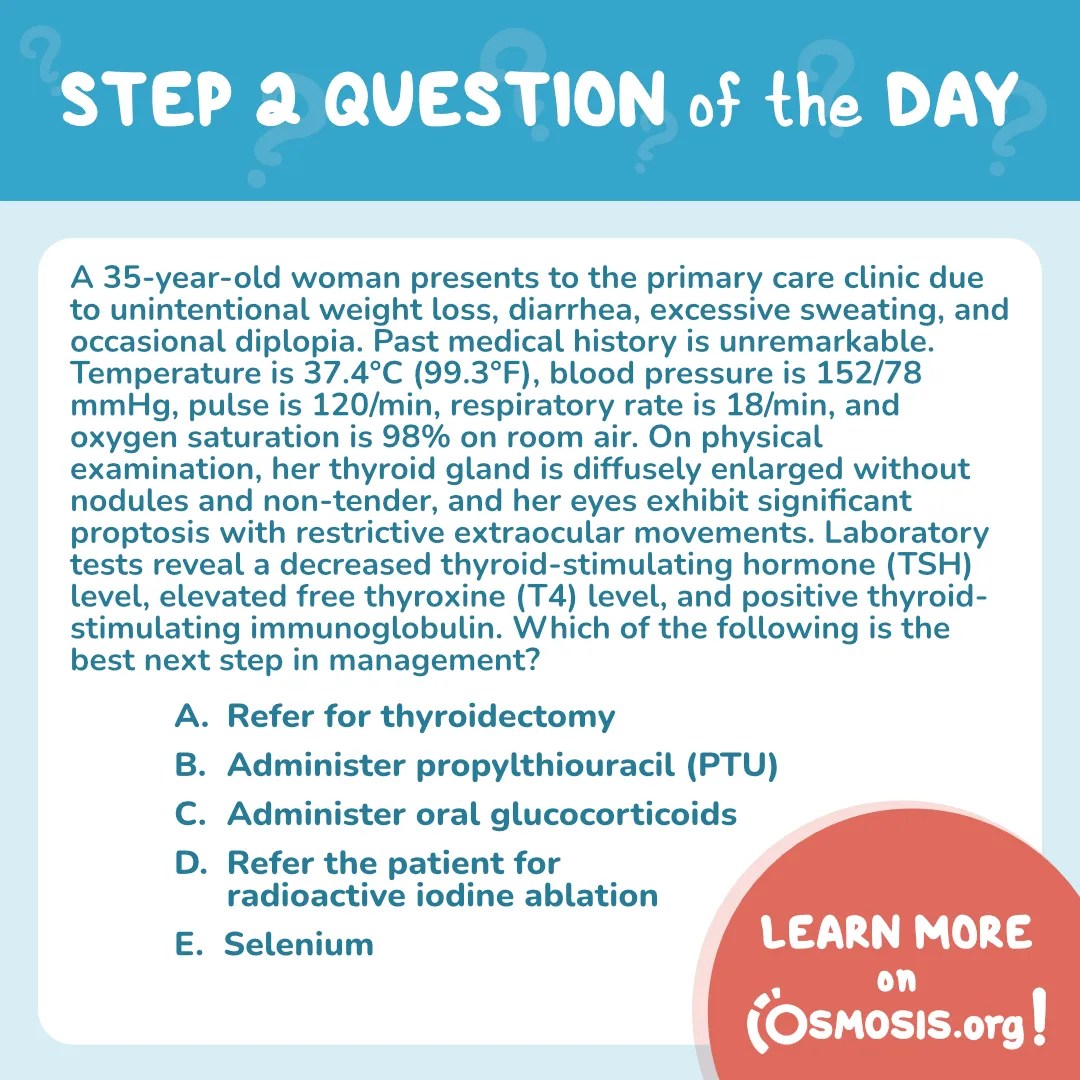
USMLE® Step 2 Question of the Day: Thyroid management
— Updated:
Assess clinical features and management strategies in a thyroid case presenting with hyperthyroidism and eye symptoms, highlighting key considerations in treatment choices. What’s the answer? Let’s find out!
-
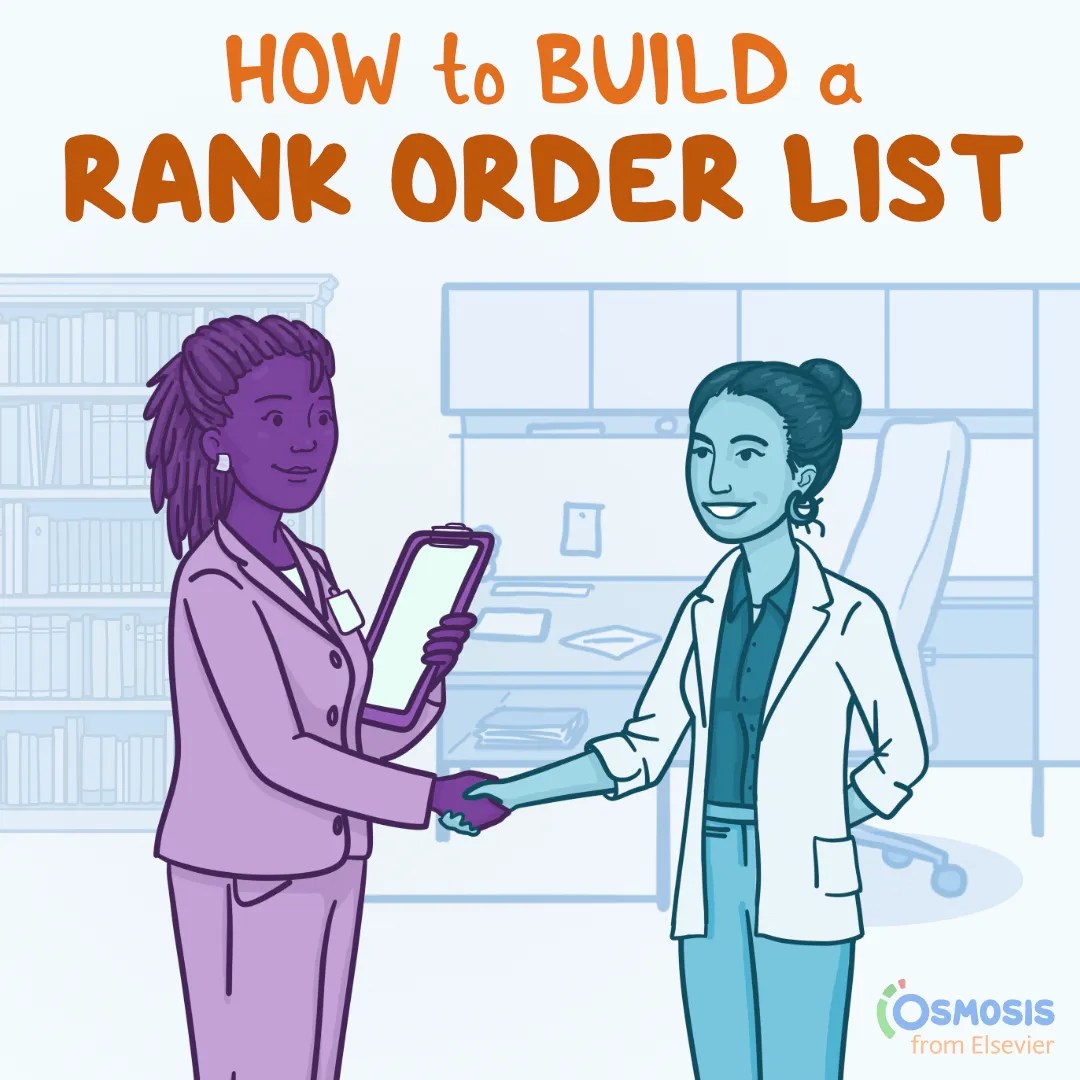
How to Build a Rank Order List
— Updated:
Match Week is upon us! It’s an exciting and stressful time for you and your fellow medical students as you prepare to make the leap from medical student to resident physician. Whether it’s curating a strong residency application, anxiously awaiting invitations from residency programs, or building a competitive rank order…
-
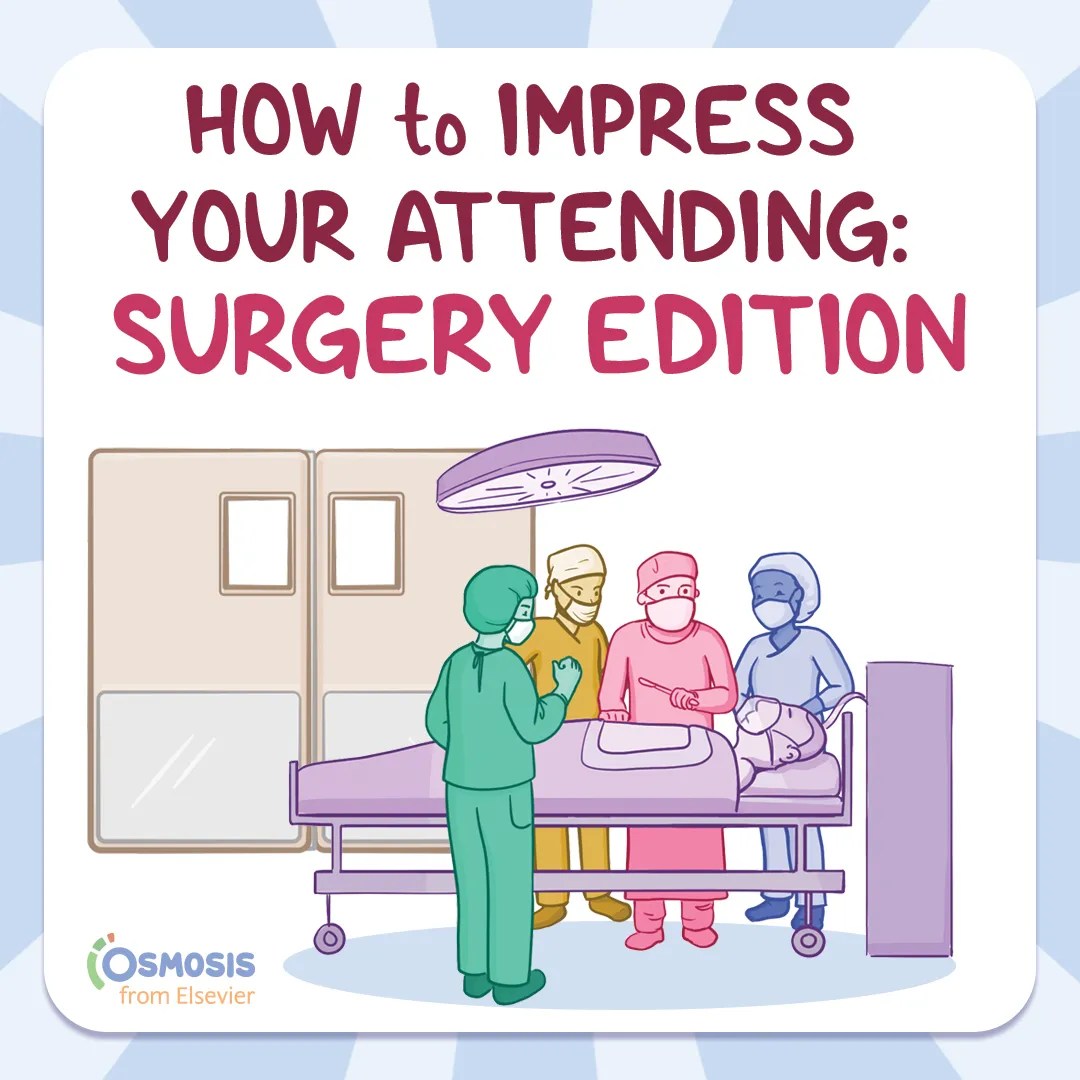
How to Impress Your Attending: Surgery Edition
— Updated:
Welcome to your new surgery clerkship! To help you thrive during your clinical rotations, we’re sharing practical, hands-on advice from experienced medical professionals to help you make the most of your surgery rotation. Your surgery rotation is unique and exciting in comparison to your other rotations because you get to go…