
Category: Mental Health
-
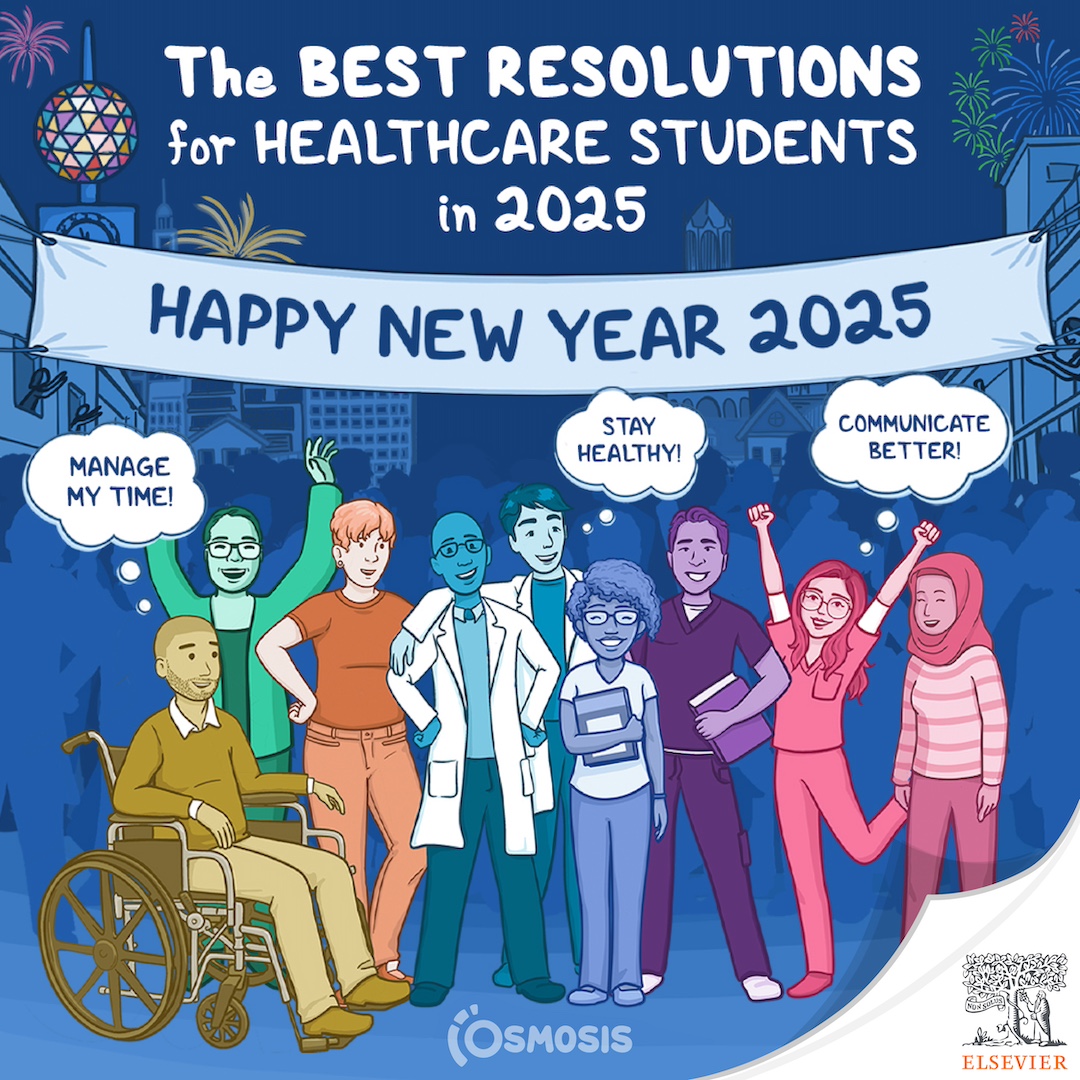
The Best Resolutions for Healthcare Students in 2025
— Updated:
Embrace the opportunity to thrive in your medical education with crucial resolutions tailored to healthcare students. From prioritizing self-care and enhancing clinical skills to fostering professional relationships and engaging in lifelong learning, these strategies will help you excel in your journey as a future healthcare professional.
-
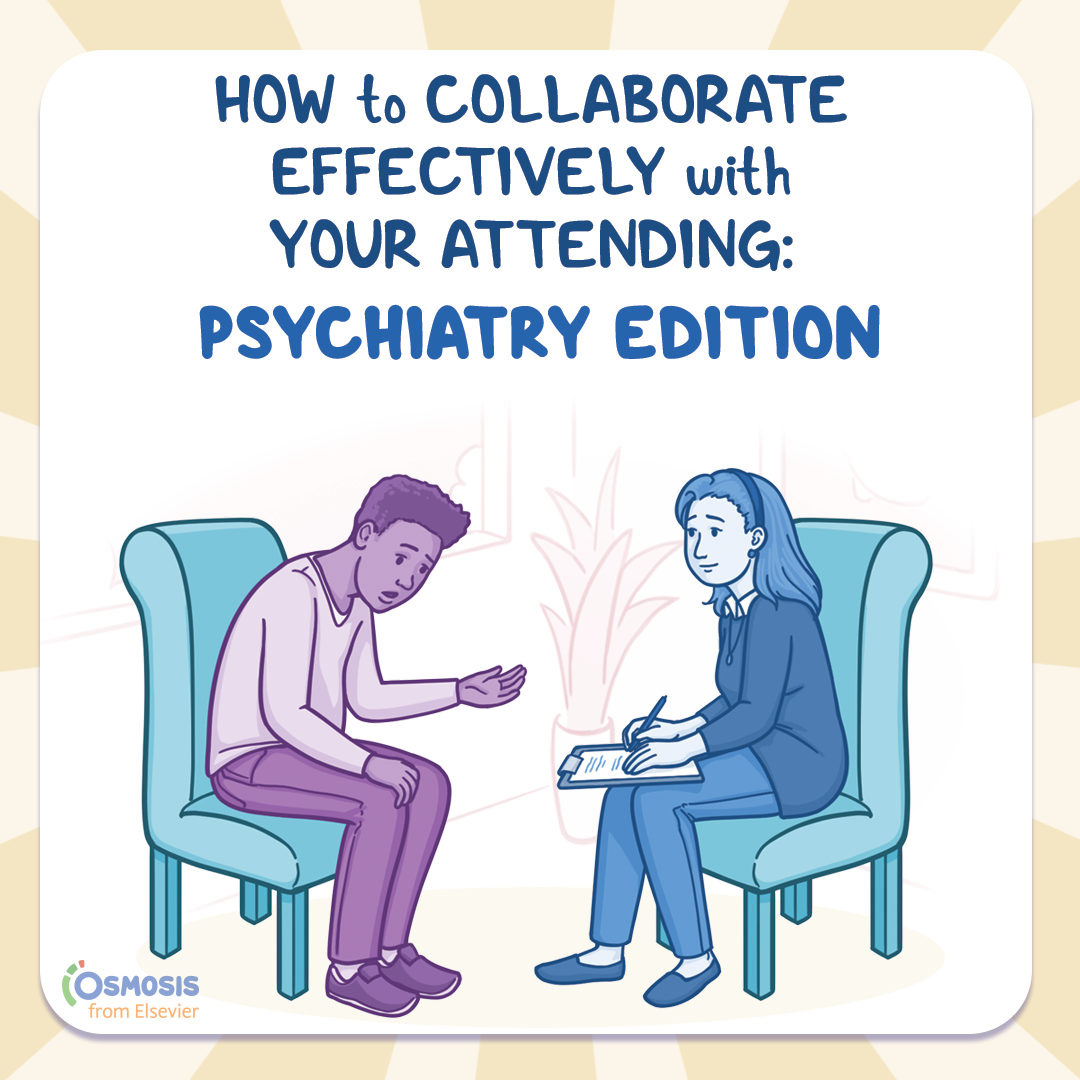
How to Collaborate with Your Psychiatry Attending
— Updated:
Welcome to your new psychiatry clerkship! To help you thrive during your clinical rotations, we’re sharing practical, hands-on advice from experienced medical professionals to help you make the most of your psychiatry rotation. We’ve compiled a quick psychiatry clerkship guide to help you seamlessly navigate your psychiatry rotation. The Fundamentals of…
-
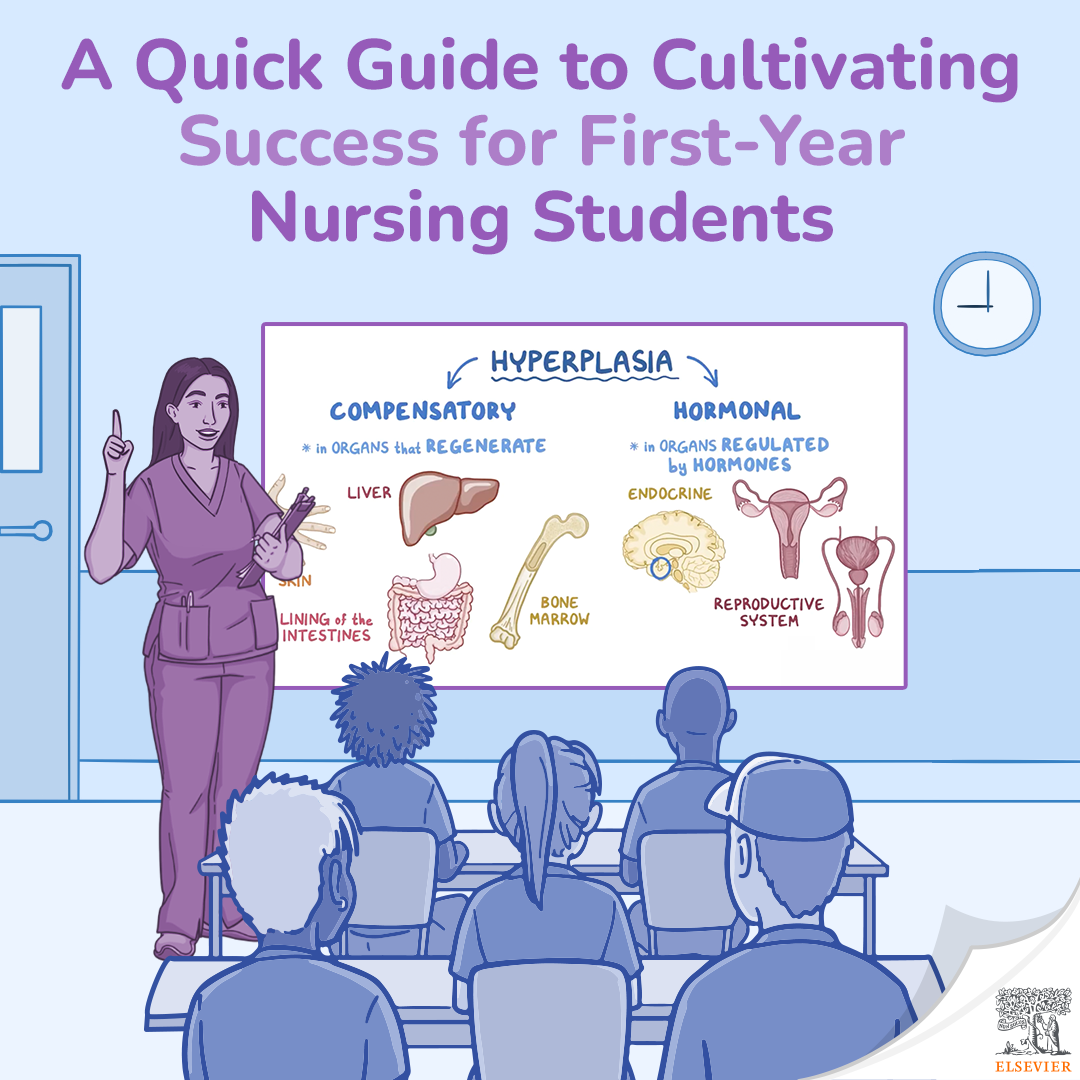
A Quick Guide to Cultivating Success for First-Year Nursing Students
— Updated:
As nursing faculty, you hold the vital role of shaping the future of healthcare by educating and mentoring first-year nursing students. Transitioning from high school or other academic or career backgrounds to the rigorous demands of nursing education can be daunting for many students. Therefore, it’s essential to implement strategies…
-
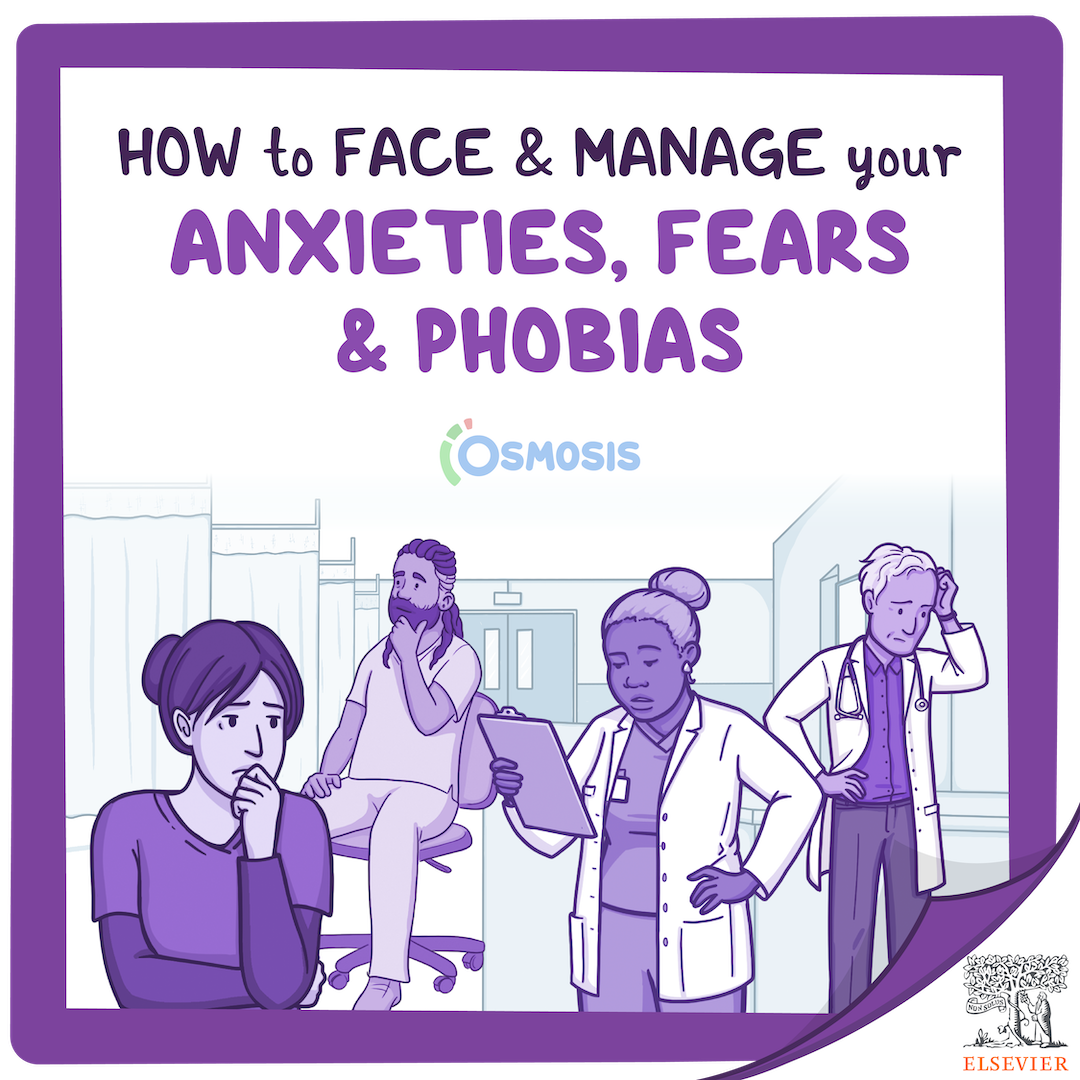
How to Manage Your Fears, Anxieties, and Phobias
— Updated:
Fear and anxiety have long played a key role in human evolution. They’ve been fundamental to our development as a species and have played an important role in our survival. Unfortunately, if we don’t effectively manage our feelings of fear and anxiety, they can overwhelm us and harm our health.…
-
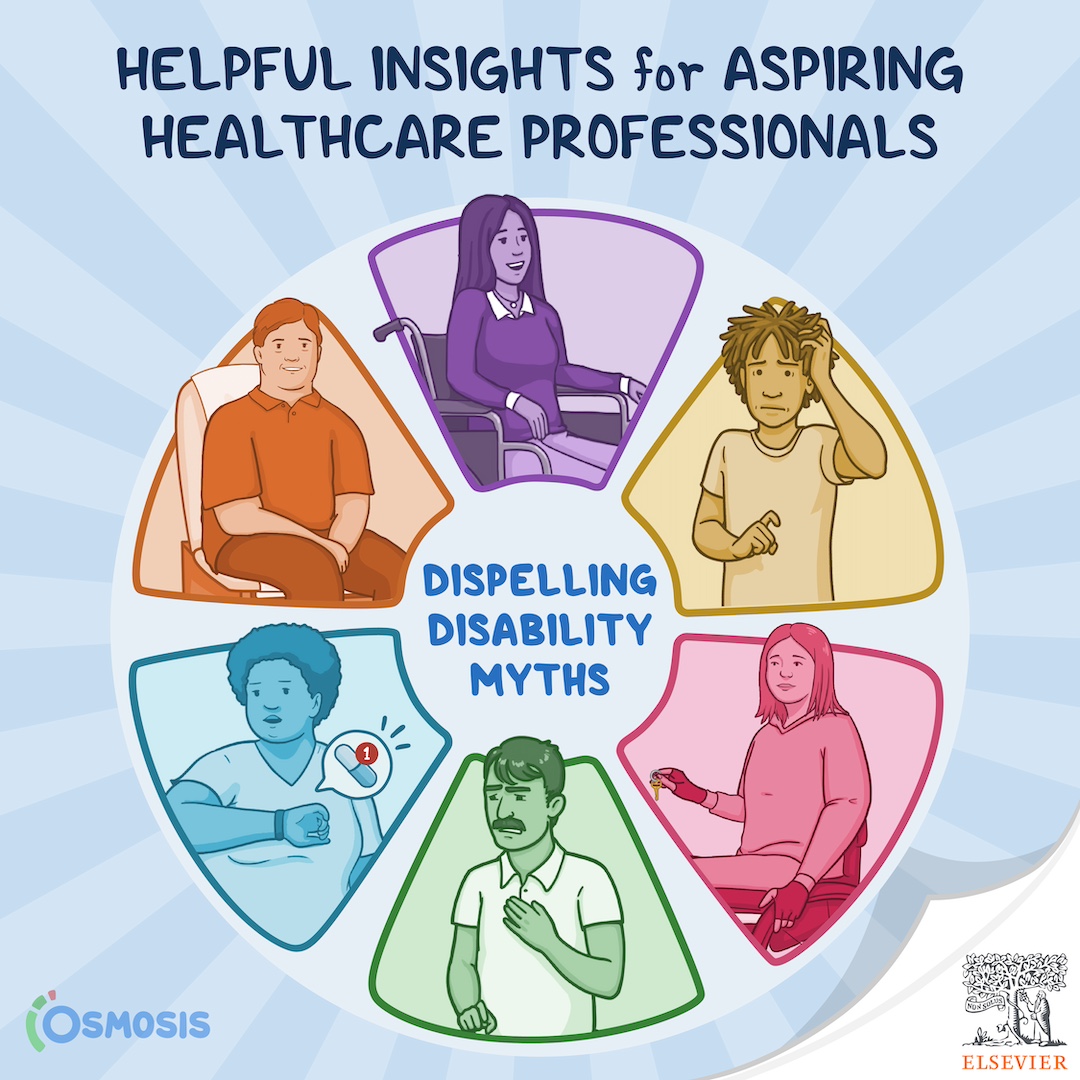
Dispelling Disability Myths: Helpful Insights for Aspiring Healthcare Professionals
— Updated:
According to the CDC, approximately one in four US adults will experience a disability at some point in their lives. Despite how common disability is, people with disabilities face ongoing misconceptions and biases that contribute to existing disparities in healthcare access and quality. It’s crucial to address and dispel these…
-
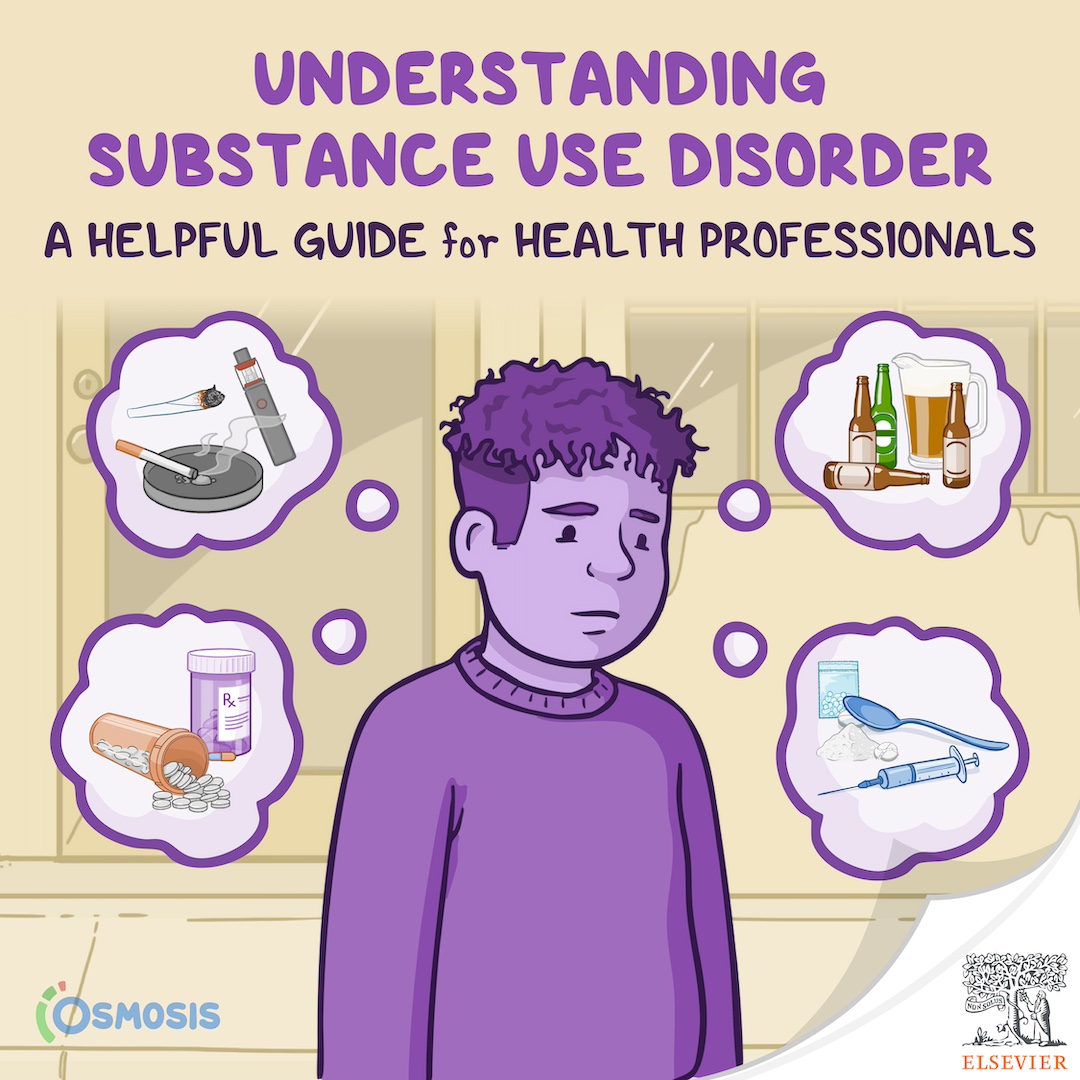
Understanding Substance Use Disorder: A helpful guide for health professionals
— Updated:
Substance Use Disorder (SUD) is a health condition involving a patient’s uncontrolled use of a substance, such as alcohol, drugs, and medications, that affects an individual’s daily life by impairing their physical and mental health, along with social functioning. There are about 20 million people in the US (approximately 6% of the total…
-

A Quick Mental Health Treatment Guide for Clinicians: Classic Psychotherapies
— Updated:
When contemplating the concept of psychotherapy, it’s not uncommon to conjure up images of a grand office space adorned with an extravagant leather sofa, where a patient reclines while reflecting on past childhood experiences. While this depiction may be prevalent in pop culture, it’s essential to recognize that psychotherapy includes…
-
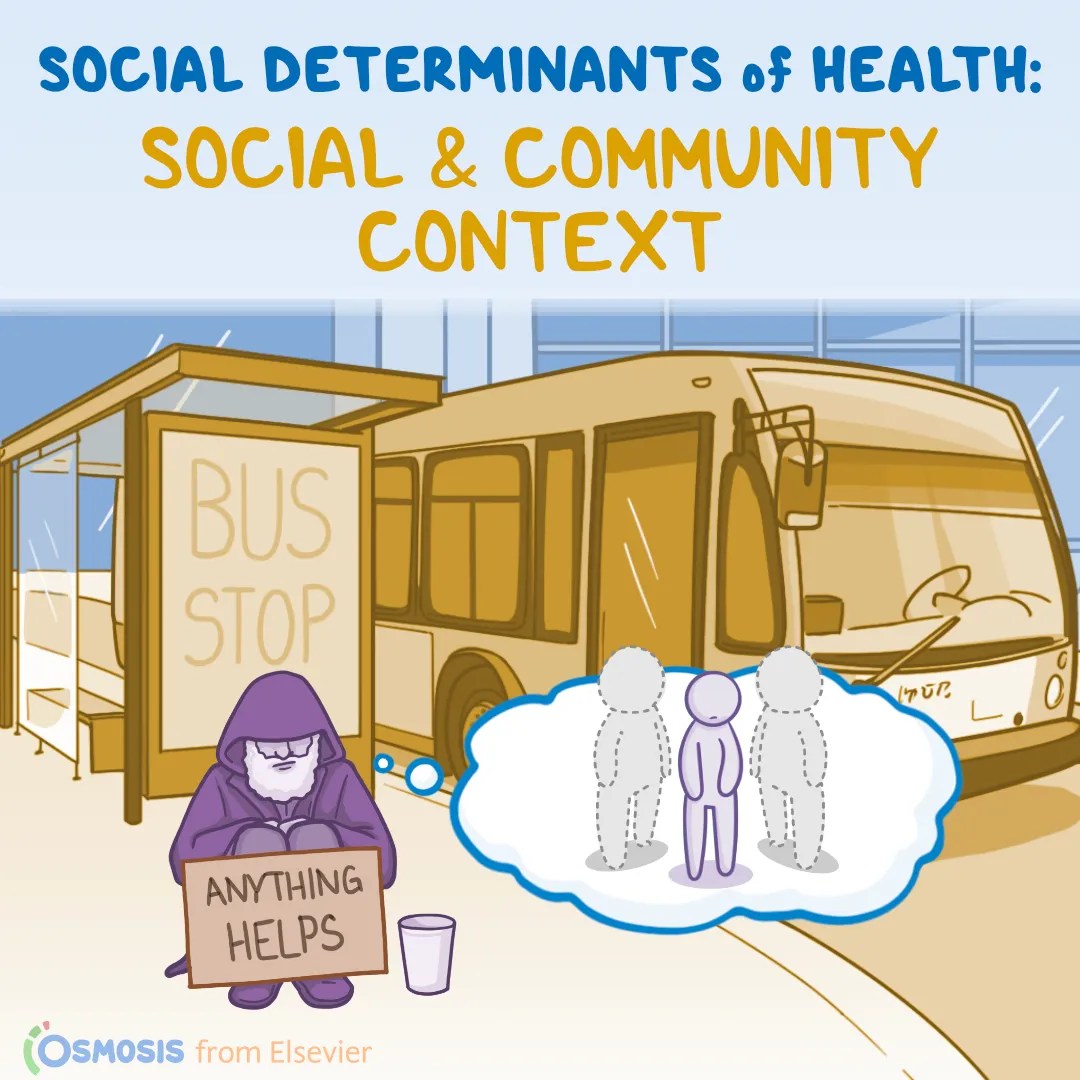
Social Determinants of Health: Social and Community Context
— Updated:
Learn about the vital role of education in health outcomes, the challenges of educational disparities, and strategies to promote equitable access.
-
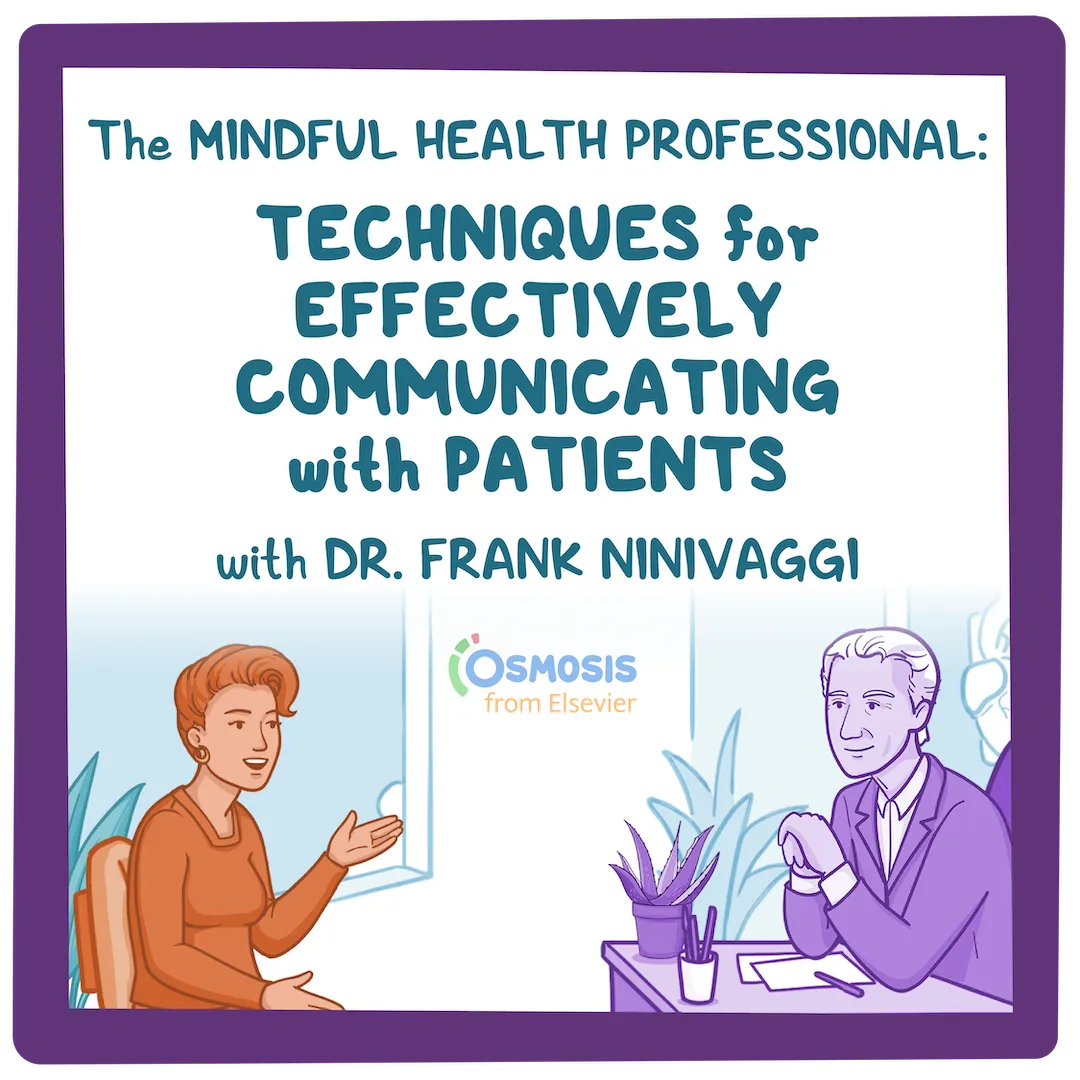
The Mindful Health Professional: Techniques for Effectively Communicating with Patients
— Updated:
Explore mindfulness techniques and learn how to improve emotional regulation, patient-provider relationships, and clinical outcomes from psychiatrist and professor emeritus Frank John Ninivaggi, M.D., DLF-APA.
-
Understanding Personality Disorders: A helpful guide for health professionals
— Updated:
Explore key features and challenges of personality disorders, including diagnostic criteria and treatment strategies, to enhance clinical understanding and patient care.
-
Understanding PTSD: A helpful guide for health professionals
— Updated:
Approximately 6% of US adults develop Post-Traumatic Stress Disorder (PTSD) during their lifetime. A sometimes debilitating mental health condition that develops after someone has experienced or witnessed a terrifying, dangerous, or shocking event, PTSD symptoms generally persist for more than one month and include reliving the traumatic event, avoidance of reminders of the experience, and…
-
Understanding Mood Disorders: A helpful guide for health professionals
— Updated:
Mental health awareness has been on the rise, with more people educating themselves on different mental health conditions, sharing their experiences with living with mental illness on social media, along with an increase in the development of new public health programs to improve access to valuable resources. Mental health is…
-
Social Determinants of Health: Health Care Access and Quality
— Updated:
Explore how social determinants like healthcare access and quality affect patient outcomes and what you can do to promote equity as a clinician.
-
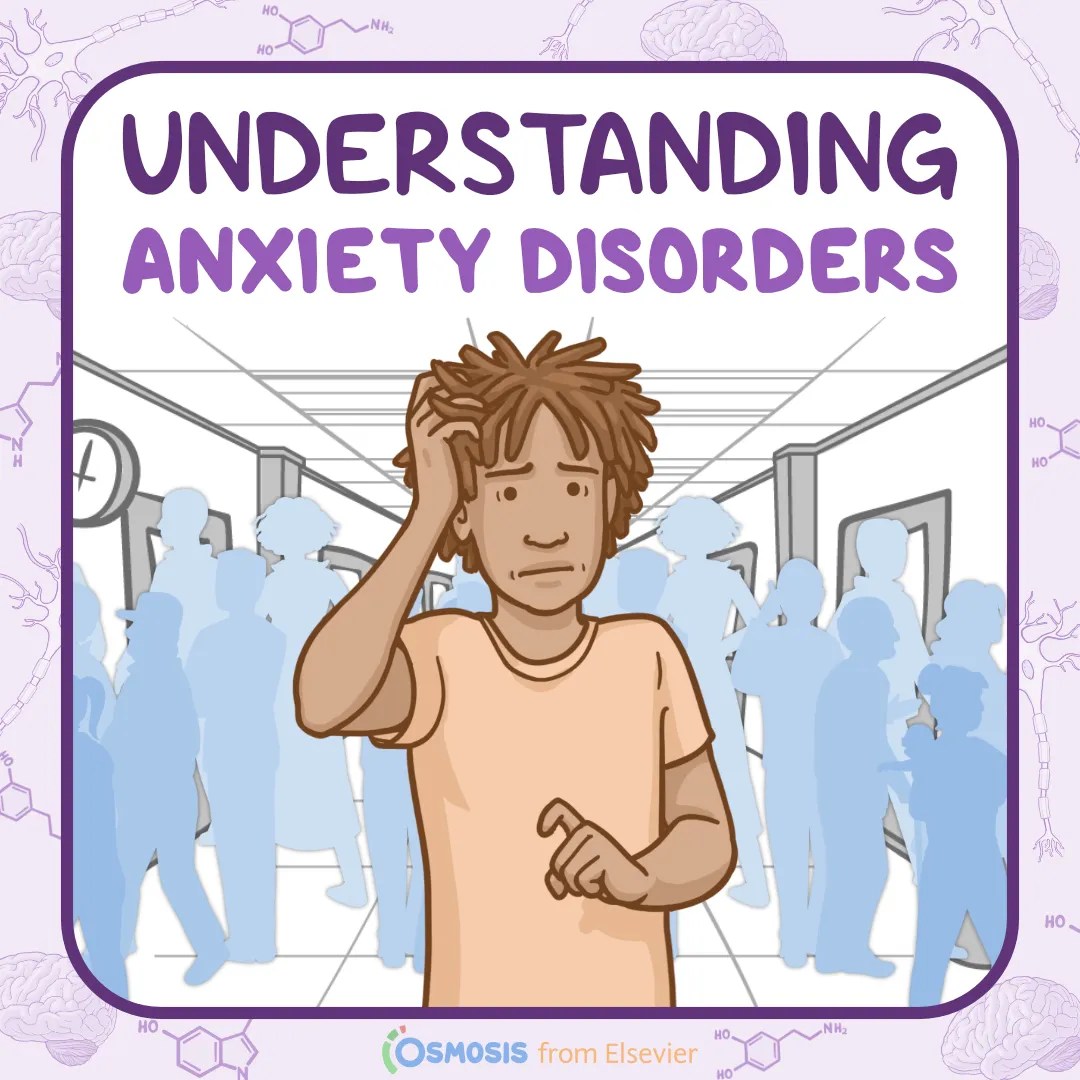
Understanding Anxiety Disorders: A helpful guide for health professionals
— Updated:
We all experience feelings of nervousness, worry, fear, or anxiety to the point of discomfort and distress at various points in our lives. Anxiety is a normal response to fear-provoking situations. However, for people who live with an anxiety disorder, these feelings are excessive, persistent, and disrupt the flow of daily…
-
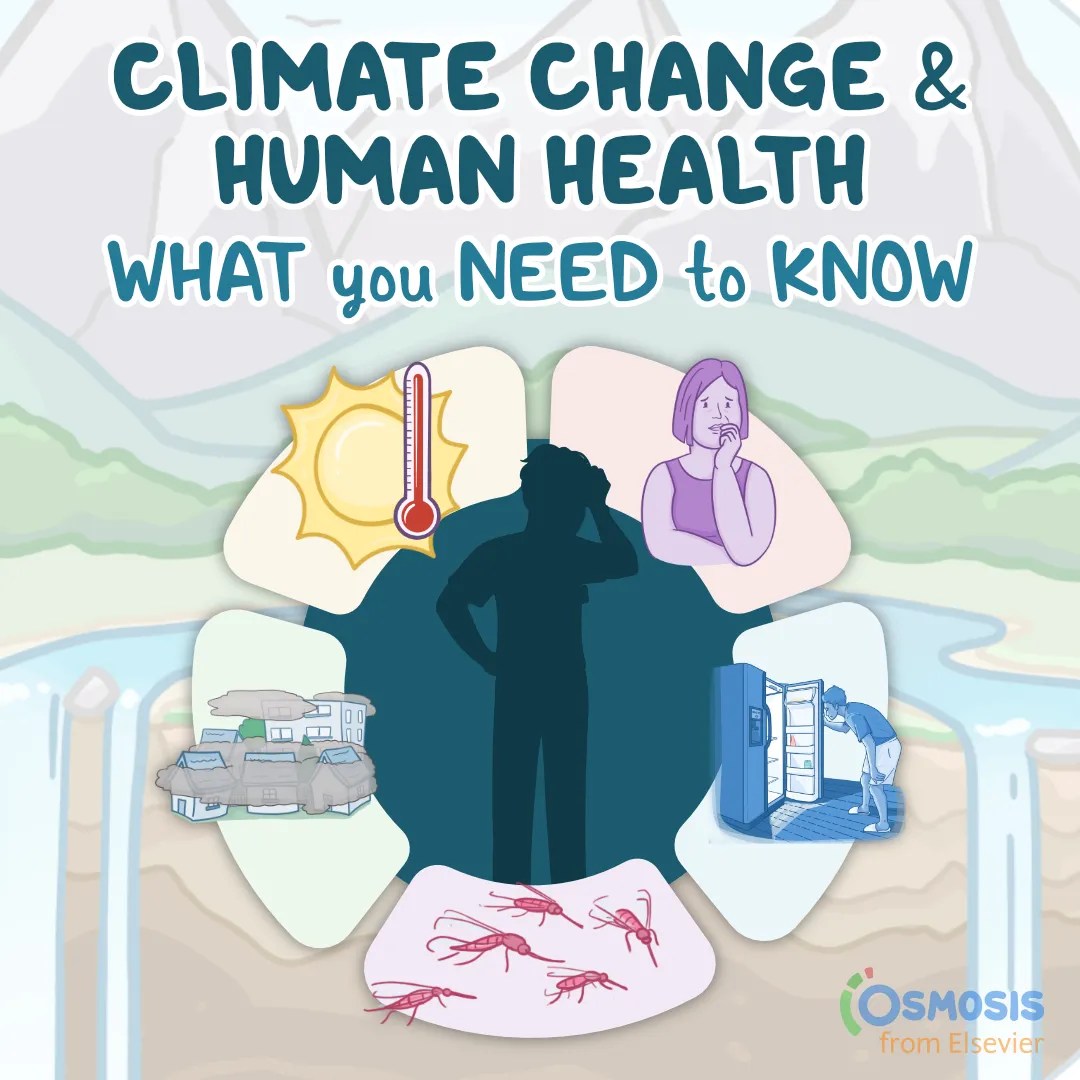
Climate Change and Human Health: What You Need to Know
— Updated:
Climate change poses a significant and multifaceted threat to human health, impacting various aspects of well-being across the globe. As temperatures rise, extreme weather events become more frequent, and ecosystems undergo profound changes, the health implications become increasingly apparent. From respiratory diseases aggravated by air pollution to heat-related illnesses and…
-
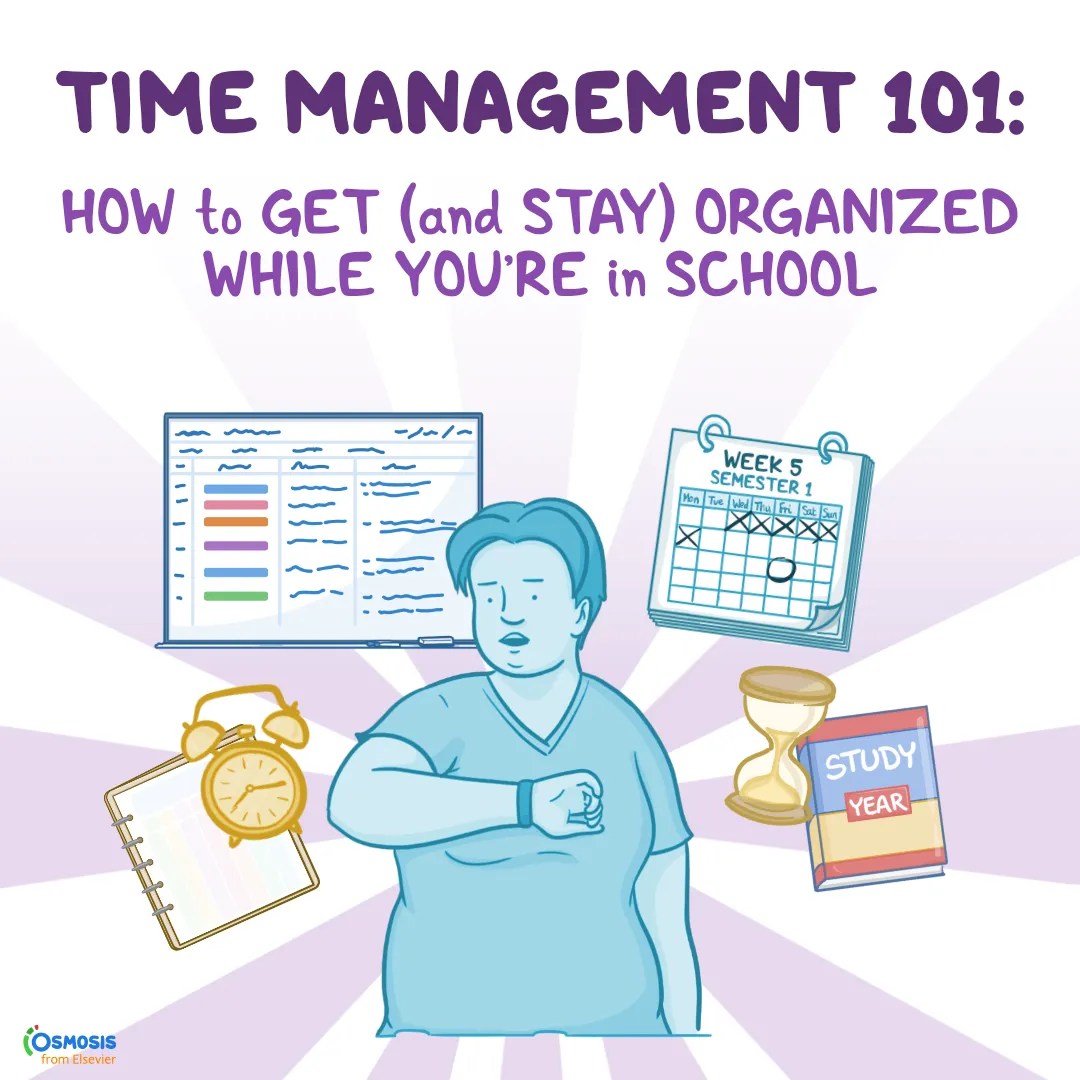
Time Management 101: How to get (and stay) organized while you’re in school
— Updated:
Overwhelmed by the pace of healthcare training? Discover time management tools like the Eisenhower matrix and active learning to boost focus, reduce stress, and improve retention.
-
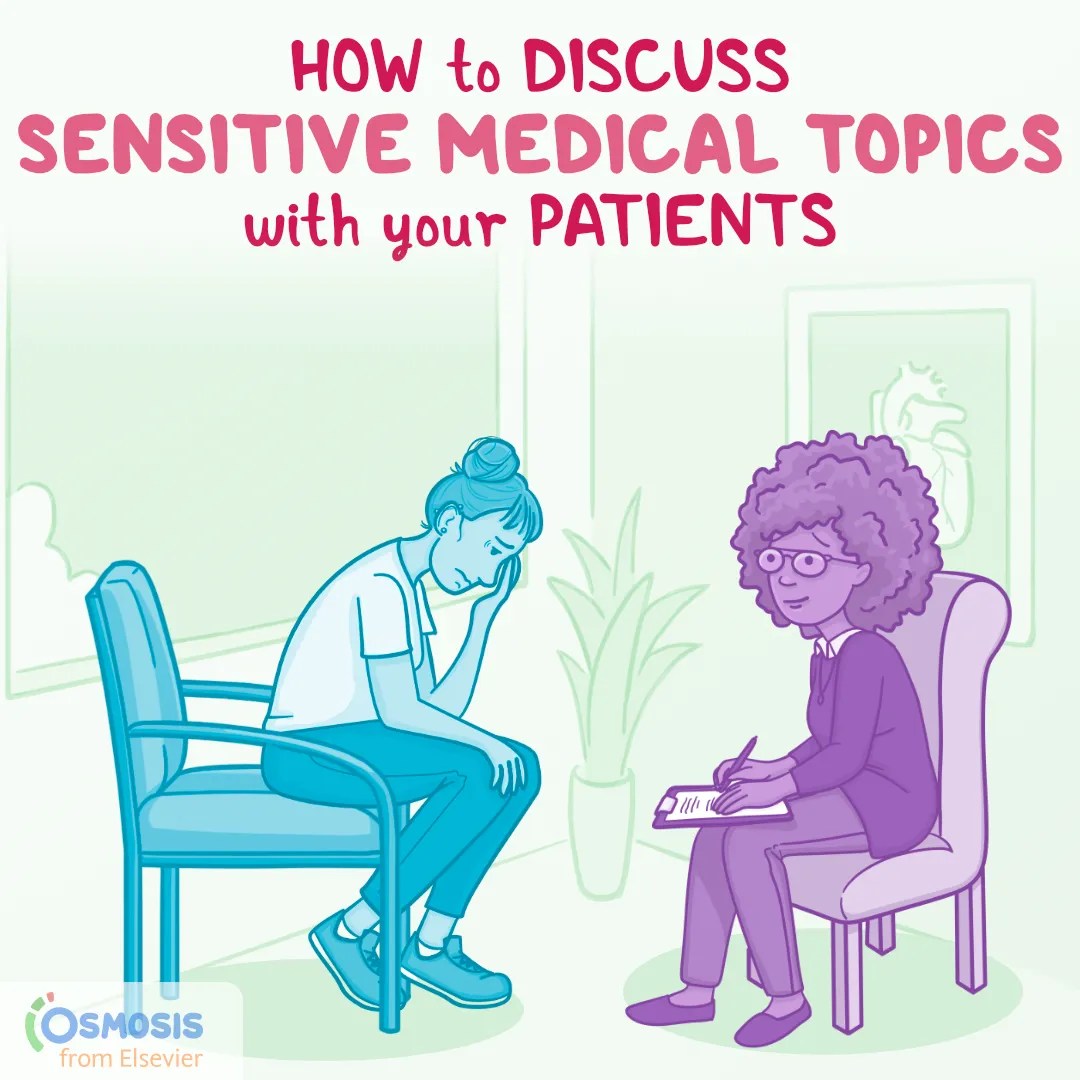
How to Discuss Sensitive Topics with Your Patients
— Updated:
Enhance your ability to engage patients in sensitive medical discussions with empathy, active listening, and culturally competent communication for better outcomes.
-
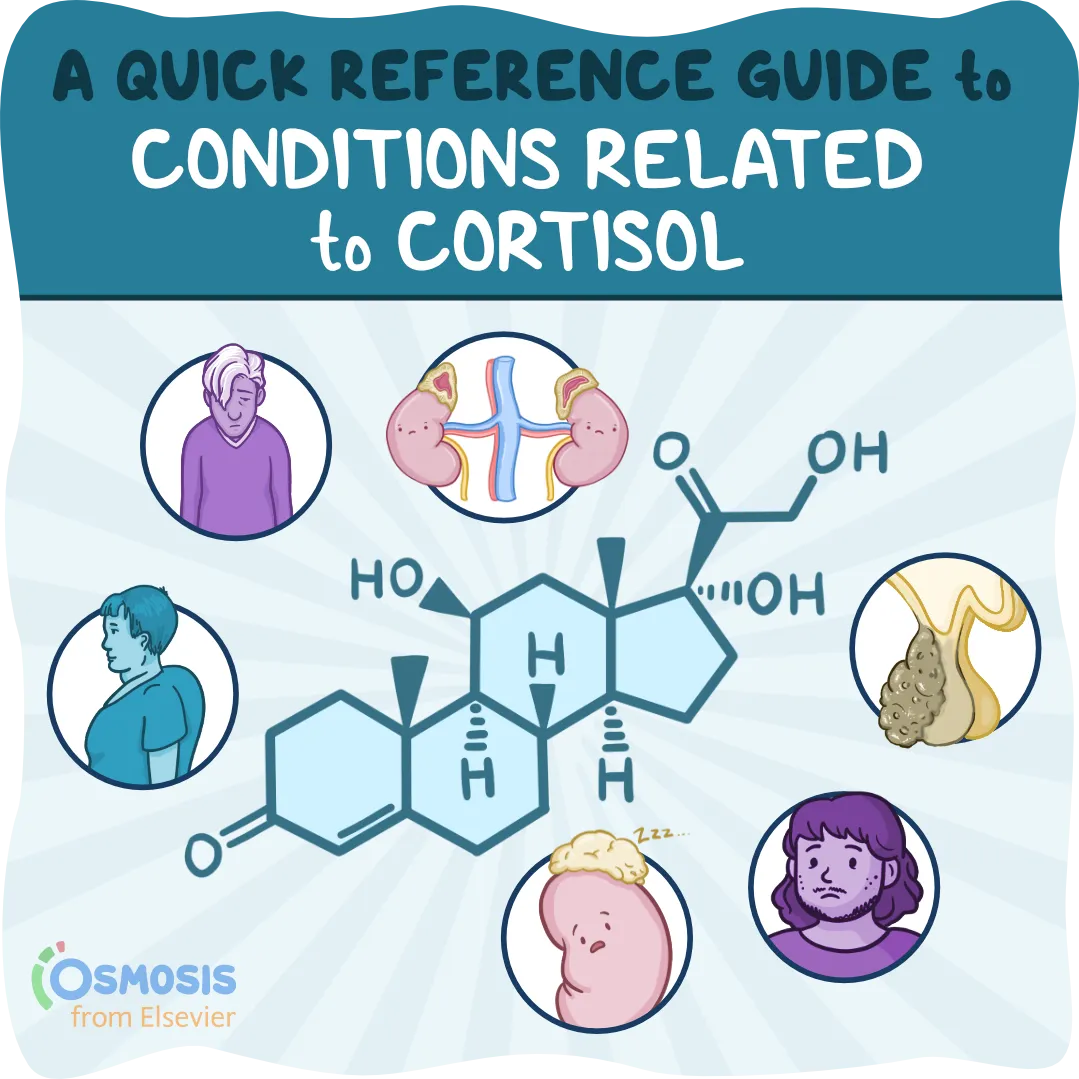
A Quick Reference Guide to Conditions Related to Cortisol
— Updated:
Cortisol imbalances cause diverse health issues from excess to deficiency. Understand hypercortisolism and adrenal insufficiency, their signs, diagnoses, and management strategies.
-
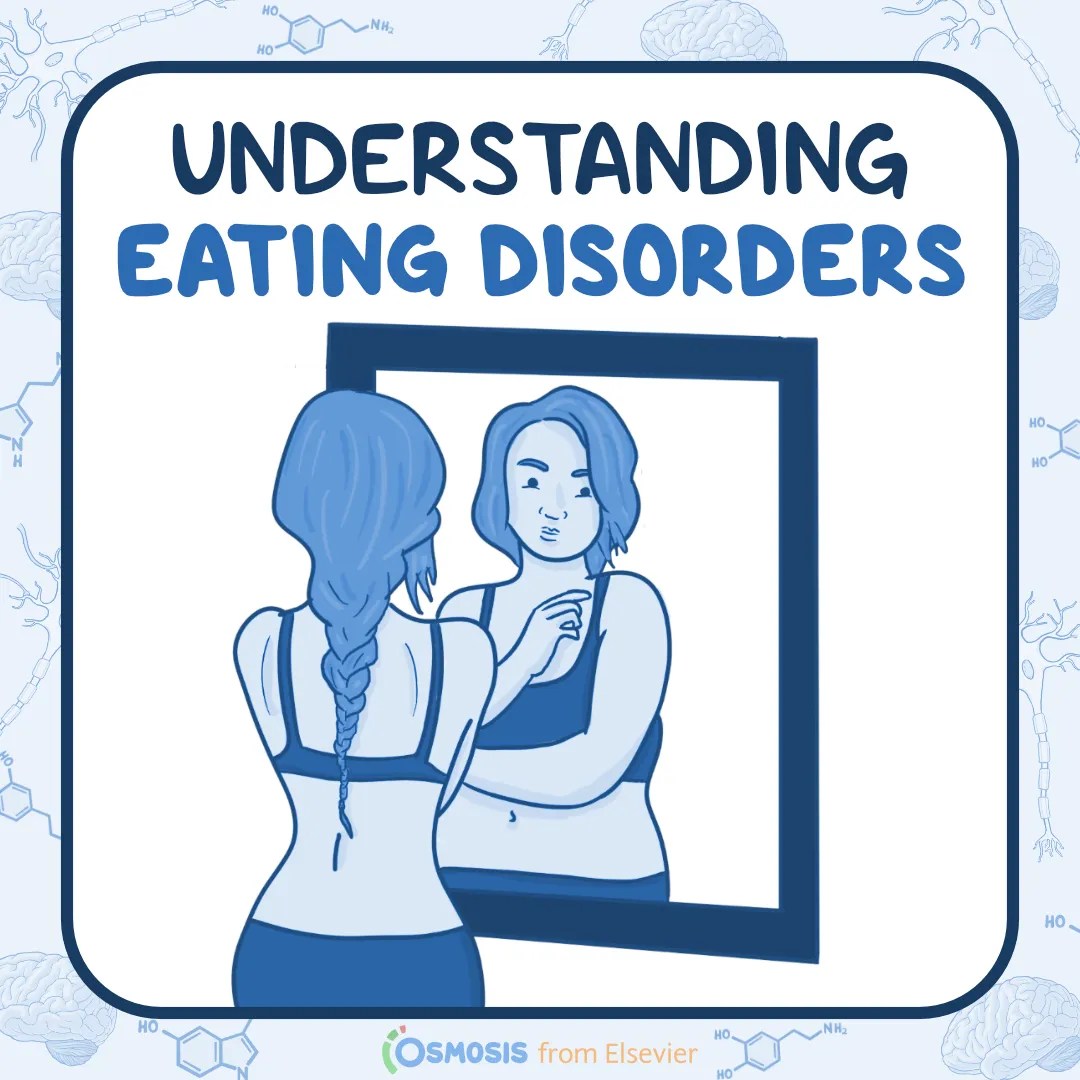
Understanding Eating Disorders: A helpful guide for health professionals
— Updated:
When someone mentions eating disorders, do you immediately envision someone of a particular gender, weight, race, or age? The reality is that eating disorders are common, affecting 28.8 million Americans facing an eating disorder in their lifetime, and the global prevalence of eating disorders is on the rise. An eating disorder occurs when…
-
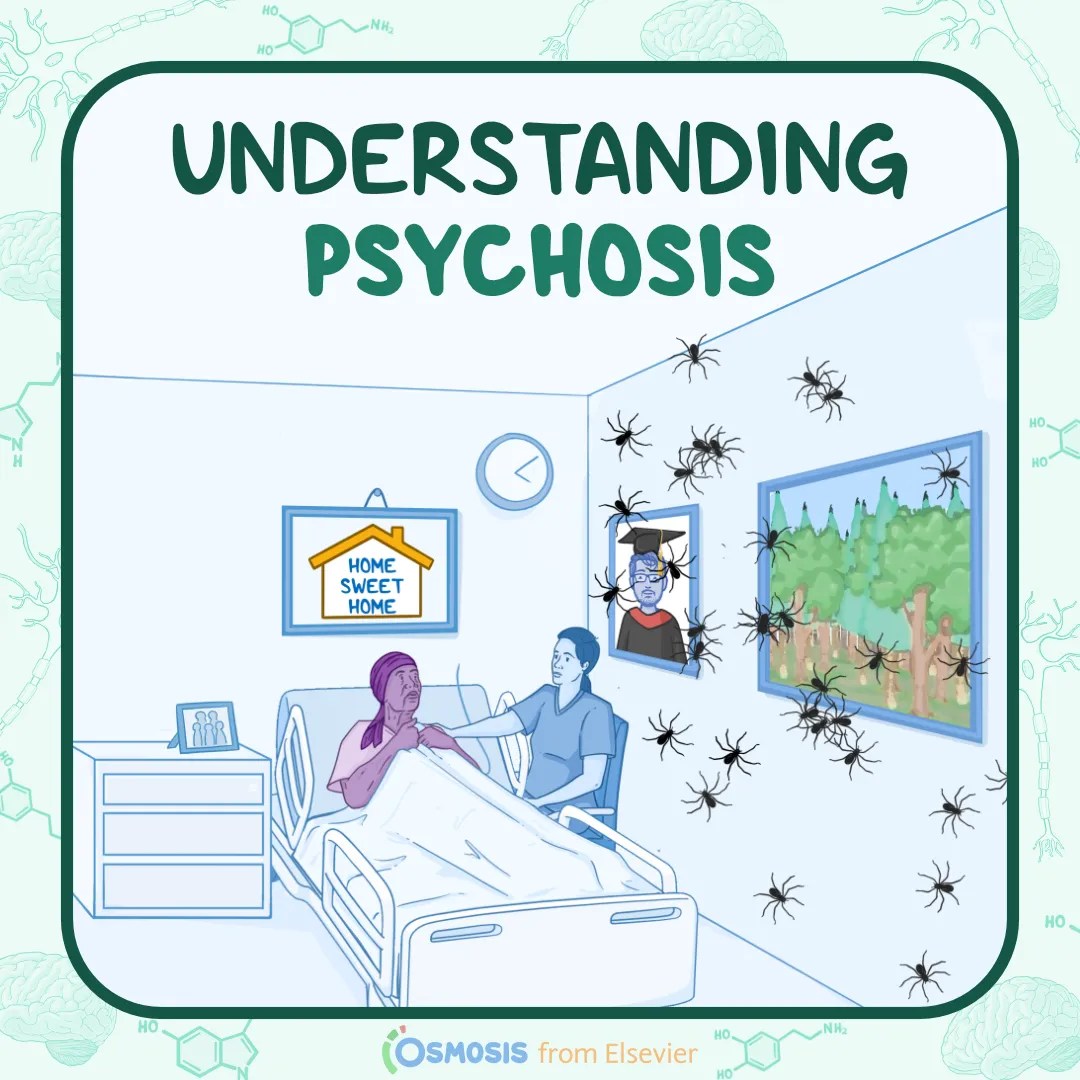
Understanding Psychosis: A helpful guide for health professionals
— Updated:
In today’s Osmosis from Elsevier blog, we’re exploring the impact and causes of psychosis, its diverse symptoms, and the importance of early intervention. Learn how to recognize, support, and reduce stigma as a clinician, caregiver, or family member. Imagine if how you perceive reality changed radically, with a disconnect in…
-
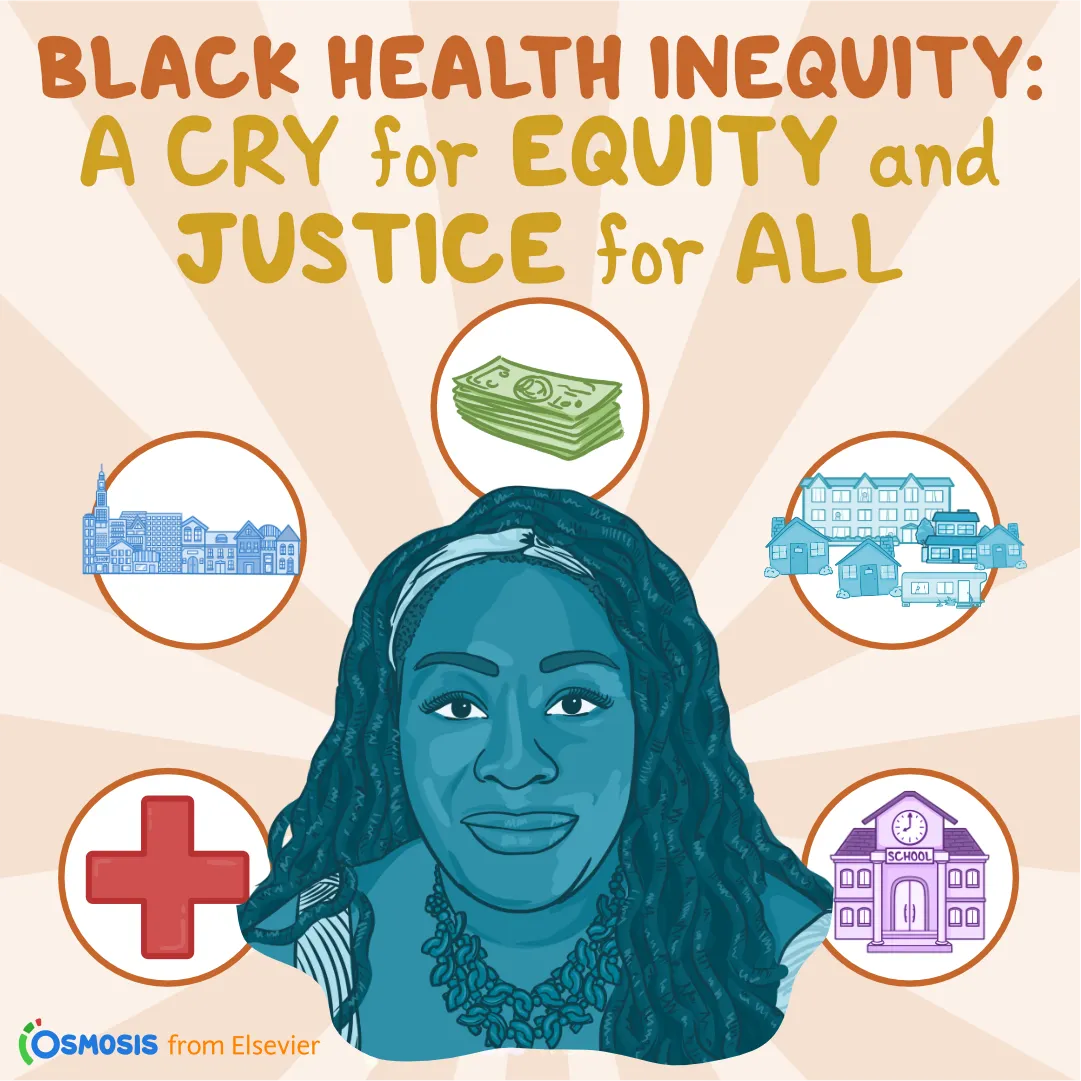
Black Health Inequity: A Cry for Equity and Justice for All
— Updated:
In a guest blog post, Dr. Itunu Johnson-Sogbetun addresses the everyday reality of health inequity for Black communities worldwide, as well as her pioneering work in creating HEAL, Health Equity and Advocacy Learning courses, developed to confront health disparities head-on and guide us to equitable access to healthcare for all.…
-
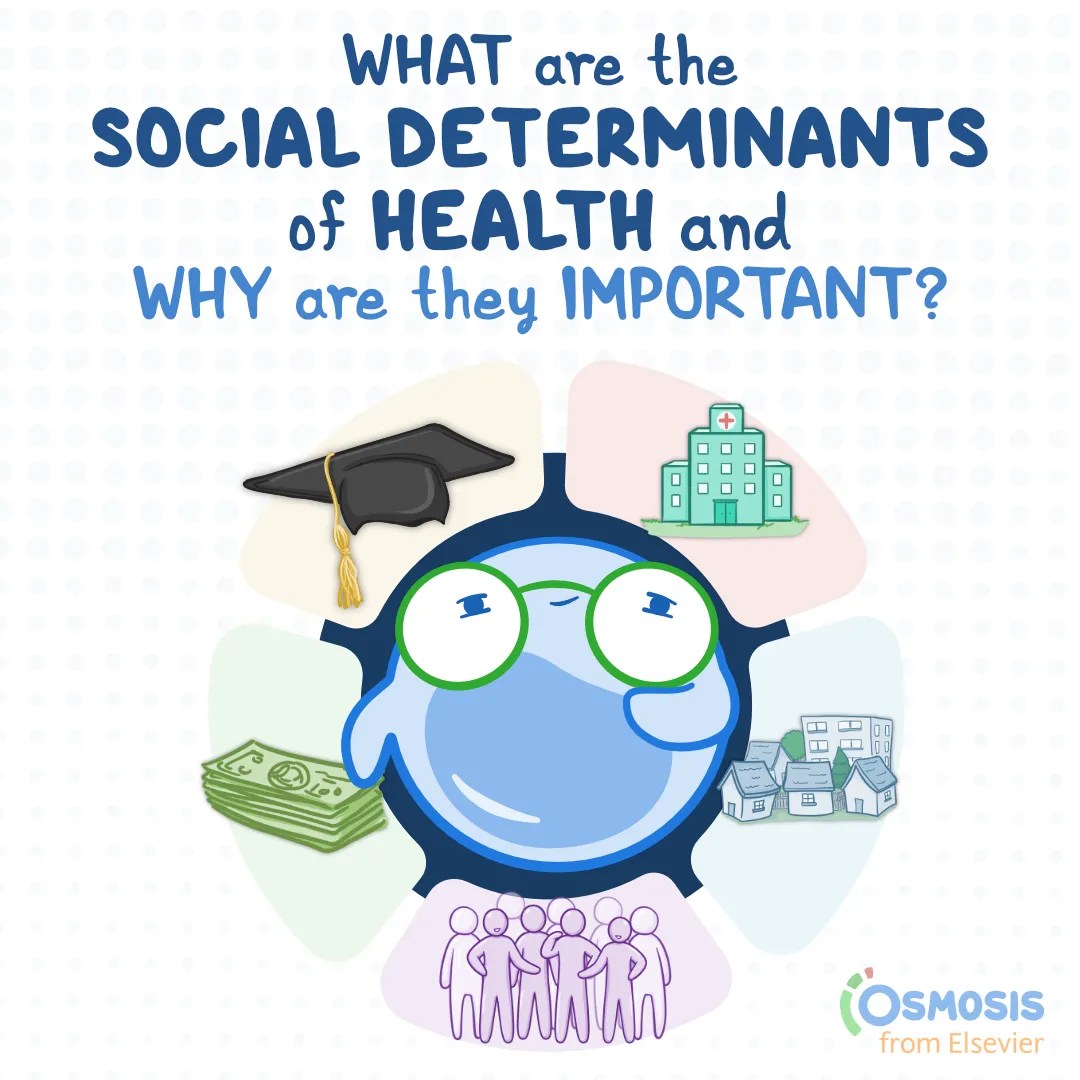
What Are the Social Determinants of Health and Why Are They Important?
— Updated:
Discover how social, economic, and environmental factors influence health beyond genetics, shaping disparities and opportunities in healthcare access.
-
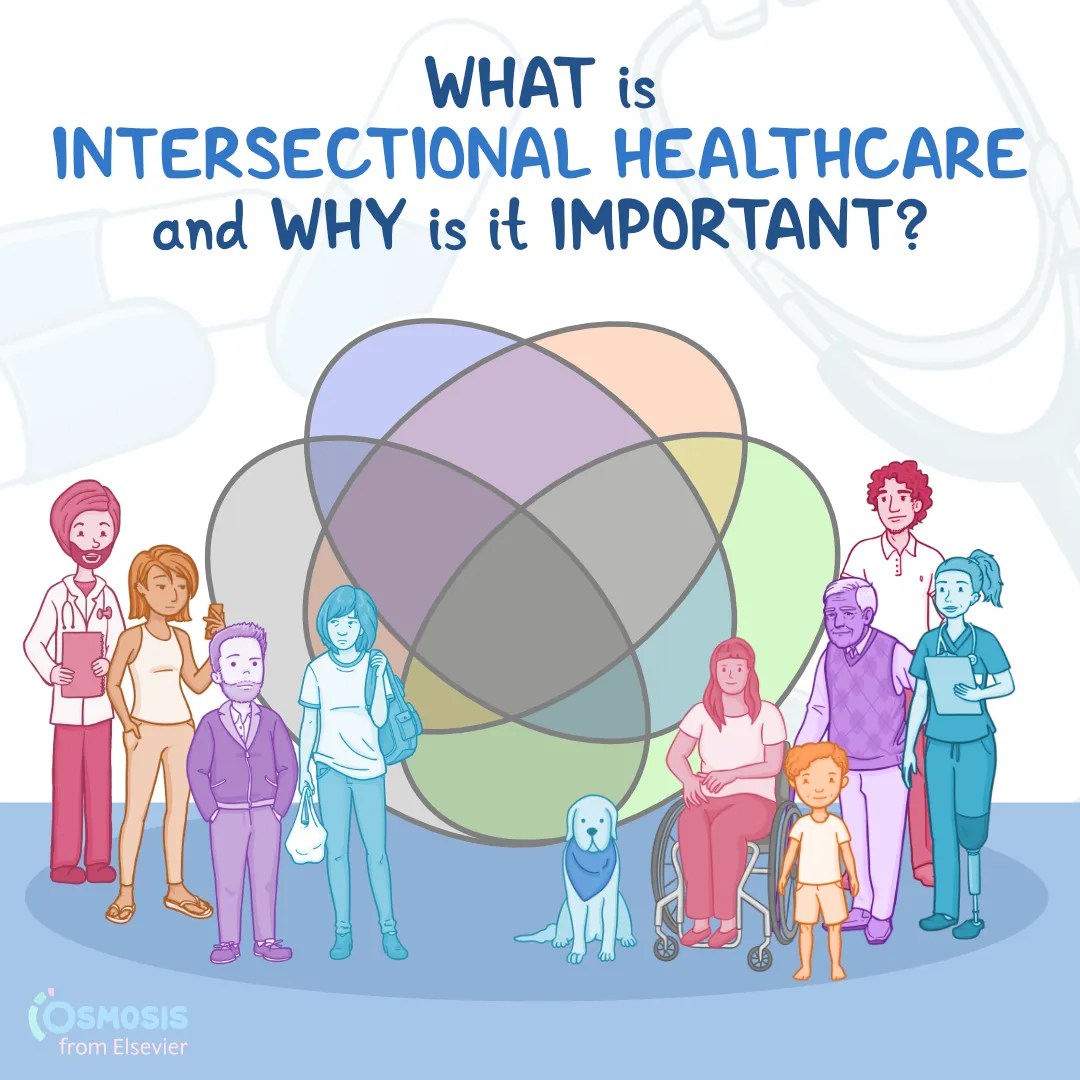
What Is Intersectional Healthcare and Why Is It Important?
— Updated:
Learn how intersectionality shapes patient experiences and how healthcare providers can deliver more equitable, respectful, and effective care.
-
The Osmosis Ultimate Guide to Thriving in Clinical Rotations
— Updated:
Clinical rotations are a pivotal time for medical students because they take their first big step toward becoming full-fledged doctors. Your days are filled with long hours, there’s a lot of pressure to perform, and you have to make sure to study for exams like USMLE Step 1®. It’s also…
-
New to Nursing: 20 tips for early career nurses
— Updated:
In today’s Osmosis blog, we’re sharing top tips from a recent webinar with our very own Nurse Paige and Nurse Maria on how to excel in your first year on the job. Take a moment to relax (we’re absolutely sure you deserve it) and share it with other new nurses on your team. You did it! You made…
-
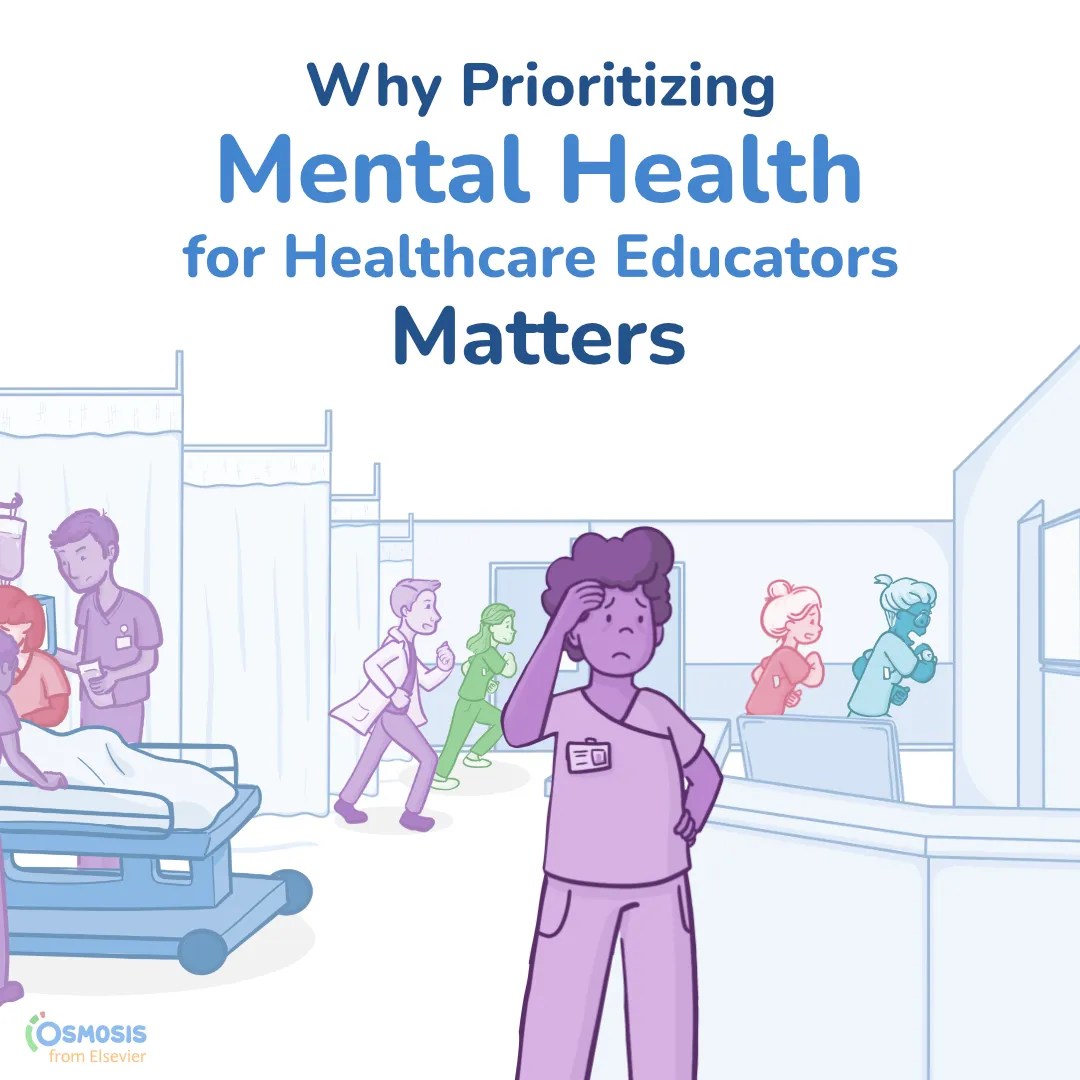
Why Prioritizing Mental Health for Healthcare Educators Matters
— Updated:
Due to the demanding nature of their work, healthcare educators are at a higher risk of burnout, depression, anxiety, and other mental health challenges. On today’s Osmosis blog, we’re discussing the state of mental health in healthcare, the long-term effects on patient care, and ways to support the mental well-being…
-
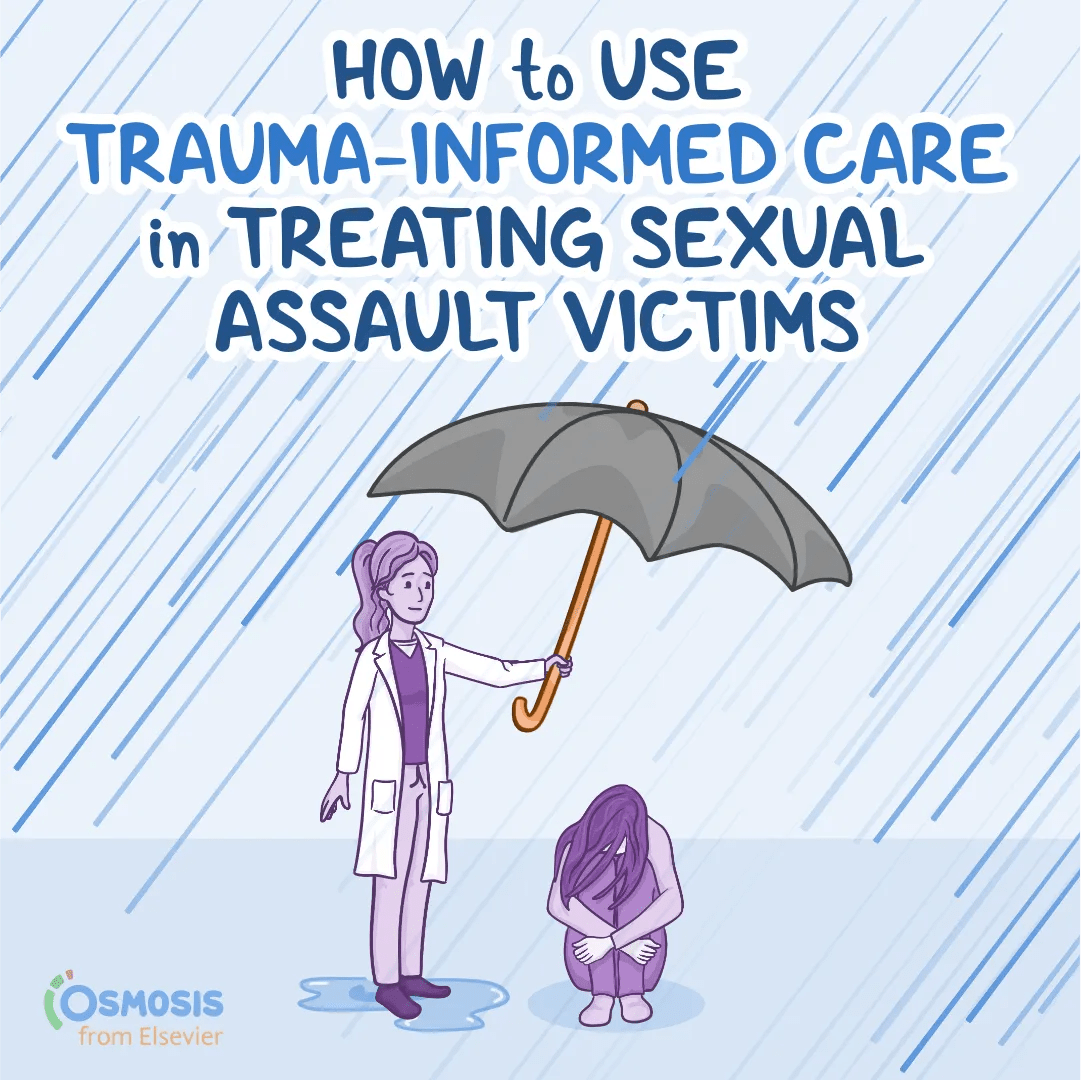
How to Use Trauma-Informed Care in Treating Sexual Assault Victims
— Updated:
Explore the principles and benefits of trauma-informed care for sexual assault survivors and trauma patients, emphasizing empathy, safety, and effective communication.
-
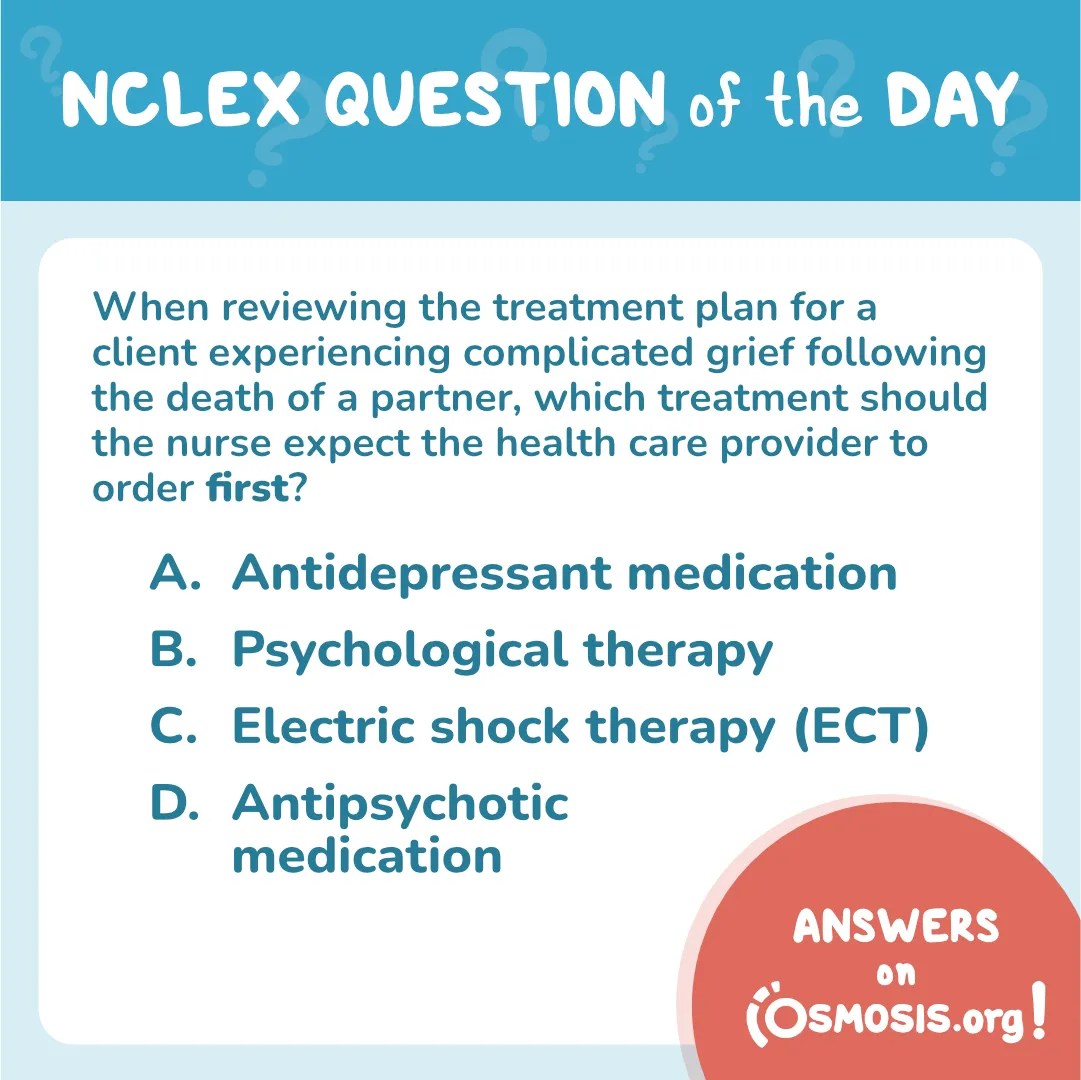
NCLEX-RN® Question of the Day: Complicated grief
— Updated:
Today’s NCLEX-RN® question of the day focuses on a client grieving following the death of a partner. Which treatment should the nurse expect the health care provider to order first? Can you figure it out? When reviewing the treatment plan for a client experiencing complicated grief following the death of a…
-
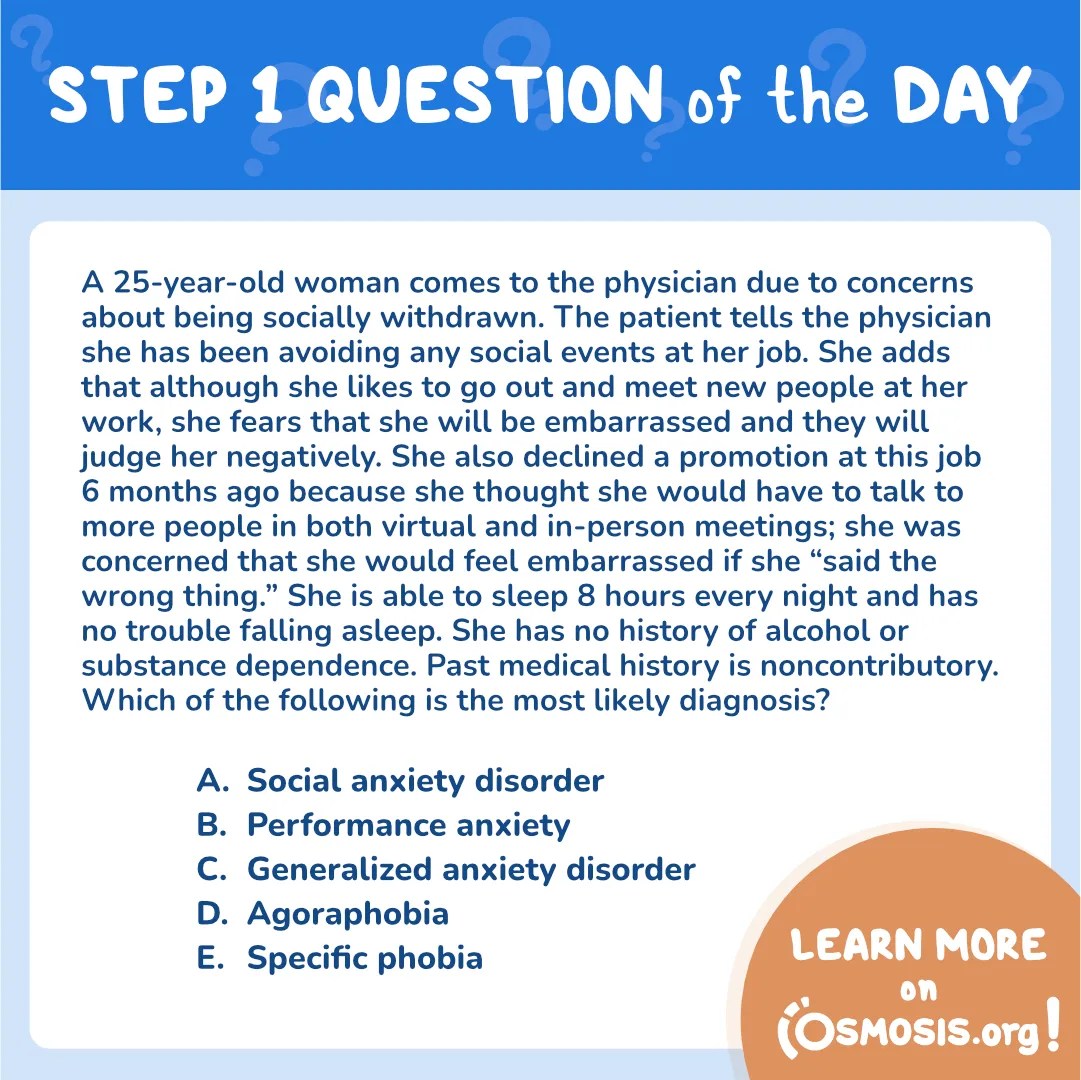
USMLE® Step 1 Question of the Day: Social anxiety
— Updated:
This week, we are sharing another USMLE® Step 1-style practice question to test your knowledge of medical topics. Today’s case involves a 25-year-old woman who has concerns about being socially withdrawn and has been avoiding social events at her job. Past medical history is noncontributory. Which of the following is…
-
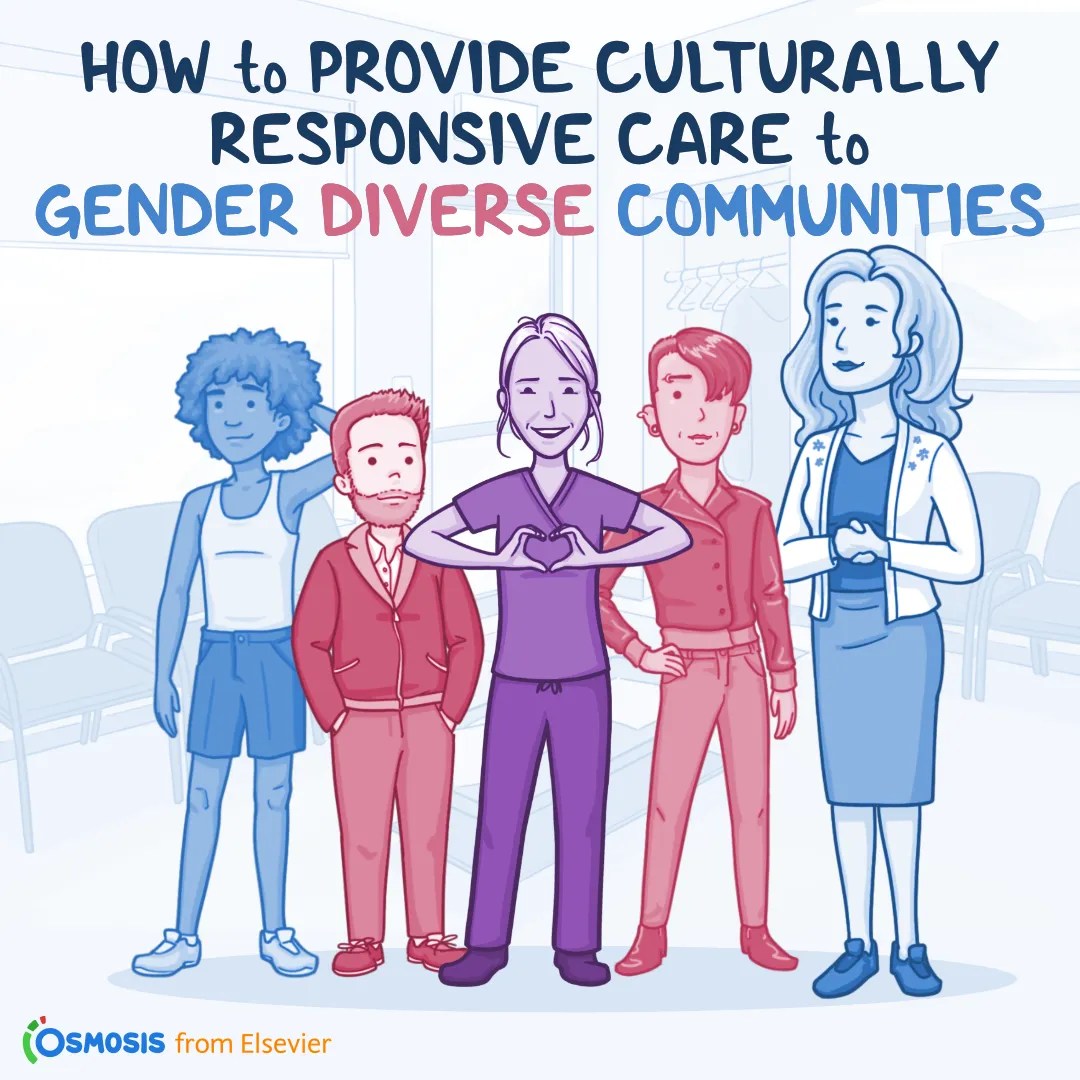
How to Provide Culturally Responsive Care to Gender-Diverse Communities
— Updated:
Today’s Osmosis blog offers helpful tips and guidance on how doctors, nurses, and other caregivers can best provide culturally responsive care to patients across the gender identity spectrum. Adapted from the Hippocratic oath, “first, do no harm” is a phrase that’s well-known among both medical students and physicians. One of…