
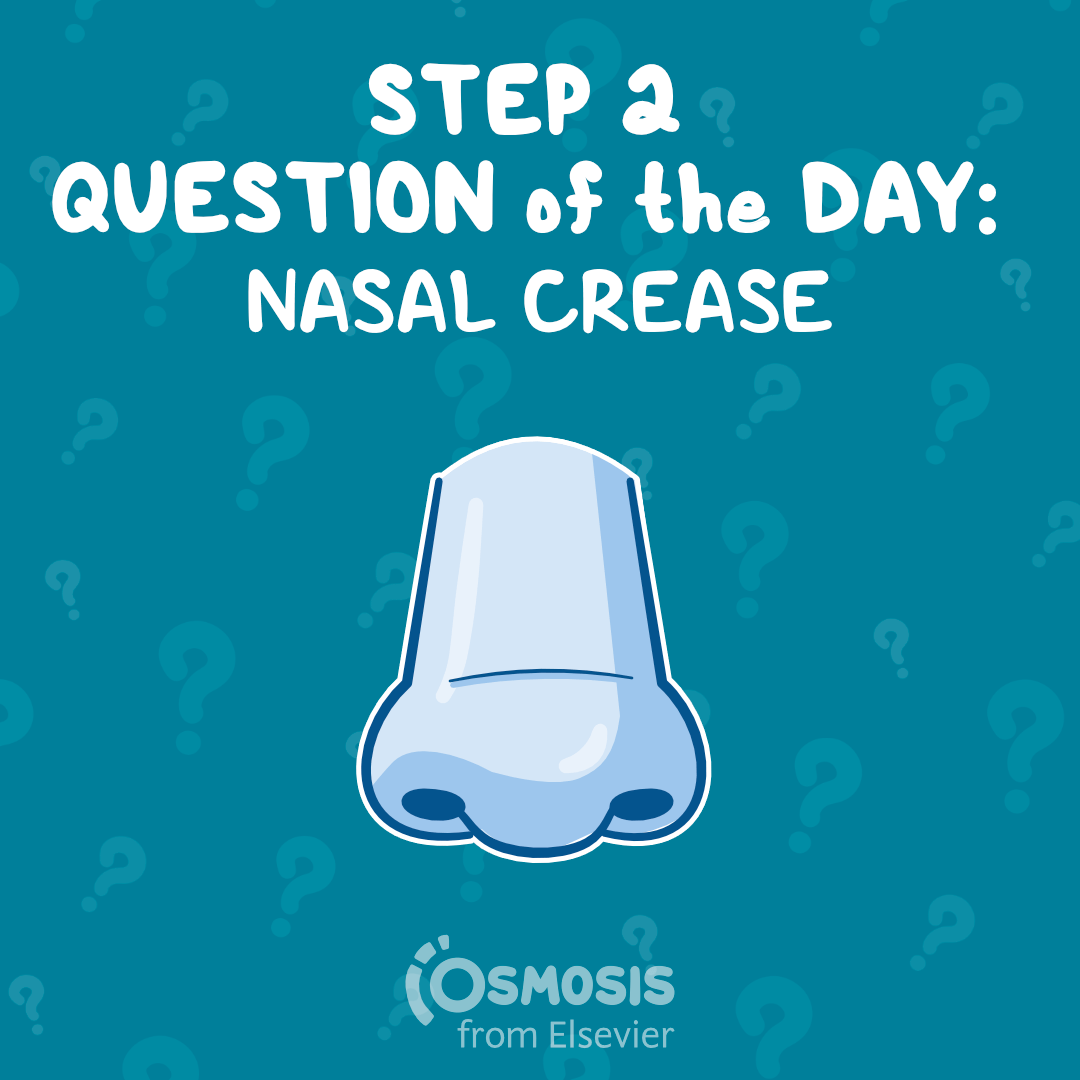
Today, we’re examining a clinical case of a 35-year-old taxi driver presenting with itchy, watery eyes and excessive sneezing. What’s the the likely cause?
A 35-year-old taxi driver presents to the office because of itchy, watery eyes and excessive sneezing that have become more severe with the change of seasons. The patient has taken an over-the-counter medication in the past with moderate relief of the symptoms, but it made the patient very drowsy. Past medical history is significant for eczema. Family history is non-contributory. Vitals are within normal limits. Physical examination shows a prominent nasal crease. The nasal turbinates are boggy and bluish gray. There is copious watery nasal mucus. The patient asks the physician to switch to a medication that will not impair his ability to drive.
Which of the following medications is most appropriate for this patient?
A. Chlorpheniramine
B. Diphenhydramine
C. Hydroxyzine
D. Loratadine
E. Promethazine
Scroll down for the correct answer!
The correct answer to today’s USMLE® Step 2 Question is…
D. Loratadine
See Main Explanation.
Incorrect Answer Explanations
A. Chlorpheniramine
Incorrect: Chlorpheniramine is a first-generation antihistamine. It is more likely to cause sedation and drowsiness in this patient, as it is lipophilic and easily crosses the blood-brain barrier.
B. Diphenhydramine
Incorrect: Diphenhydramine is a first-generation antihistamine. It is more likely to cause sedation and drowsiness in this patient as it is lipophilic and easily crosses the blood-brain barrier.
C. Hydroxyzine
Incorrect: Hydroxyzine is a first-generation antihistamine. It is more likely to cause sedation and drowsiness in this patient as it is lipophilic and easily crosses the blood-brain barrier.
E. Promethazine
Incorrect: Promethazine is a first-generation antihistamine. It is more likely to cause sedation and drowsiness in this patient as it is lipophilic and easily crosses the blood-brain barrier.
Main Explanation
This patient presents with sneezing, rhinorrhea and watery eyes, consistent with allergic rhinitis. The patient should be treated with a second-generation H1 receptor blocker such as cetirizine, loratadine or fexofenadine, to avoid sedation. These drugs have far less lipid solubility than first generation H1 blockers, resulting in less cognitive side effects. In addition, the antimuscarinic side effects also tend to be less severe, so second generation H1 blockers are preferable to first-generation H1 blockers in the treatment of allergic disease.
On the contrary, first-generation H1 blockers such as diphenhydramine or hydroxyzine, have high lipid solubility and can easily cross the blood-brain barrier to cause cognitive side effects like sedation. Other side effects include increased appetite, and weight gain; antimuscarinic effects (e.g. dilated pupils, blurry vision, and dry mouth); and anti-α-adrenergic effects (e.g. orthostatic hypotension and dizziness).

Major Takeaway
When compared to first-generation H1 blockers (e.g. diphenhydramine or hydroxyzine), second-generation H1 receptor blockers (e.g. cetirizine, loratadine or fexofenadine) have far less lipid solubility than the first generation, resulting in less cognitive and antimuscarinic side effects.
Want to learn more about this topic?
Watch the Osmosis video: Antihistamines for allergies
References
- Vacchiano, C., Moore, J., Rice, G. M., & Crawley, G. (2008). Fexofenadine effects on cognitive performance in aviators at ground level and simulated altitude. Aviation, space, and environmental medicine, 79(8), 754-760.
- Verster, J. C., & Volkerts, E. R. (2004). Antihistamines and driving ability: evidence from on-the-road driving studies during normal traffic. Annals of allergy, asthma & immunology, 92(3), 294-304.

Get your free trial now to discover why millions of current and future clinicians and caregivers love learning with us.
Leave a Reply